Escolha uma máquina profissional de terapia de luz LED de acordo com o fluxo de trabalho que sua equipe pode repetir - e não pela maior potência, a lista de comprimentos de onda mais longos ou a palavra “profissional” em um catálogo.
The right device should fit your service, room and staff workflow. Its documentation should cover the exact model and configuration, mercado-alvo e reivindicações planejadas. A high specification on one line of a brochure does not resolve gaps in that evidence.
For a clinic buying its first sample, settle three questions before paying. Can the supplied hardware hold the required position? Do the documents address the intended use and test conditions? Does the quotation include the complete setup? A single stock unit can answer a defined evaluation question without a private-label or volume-order commitment.
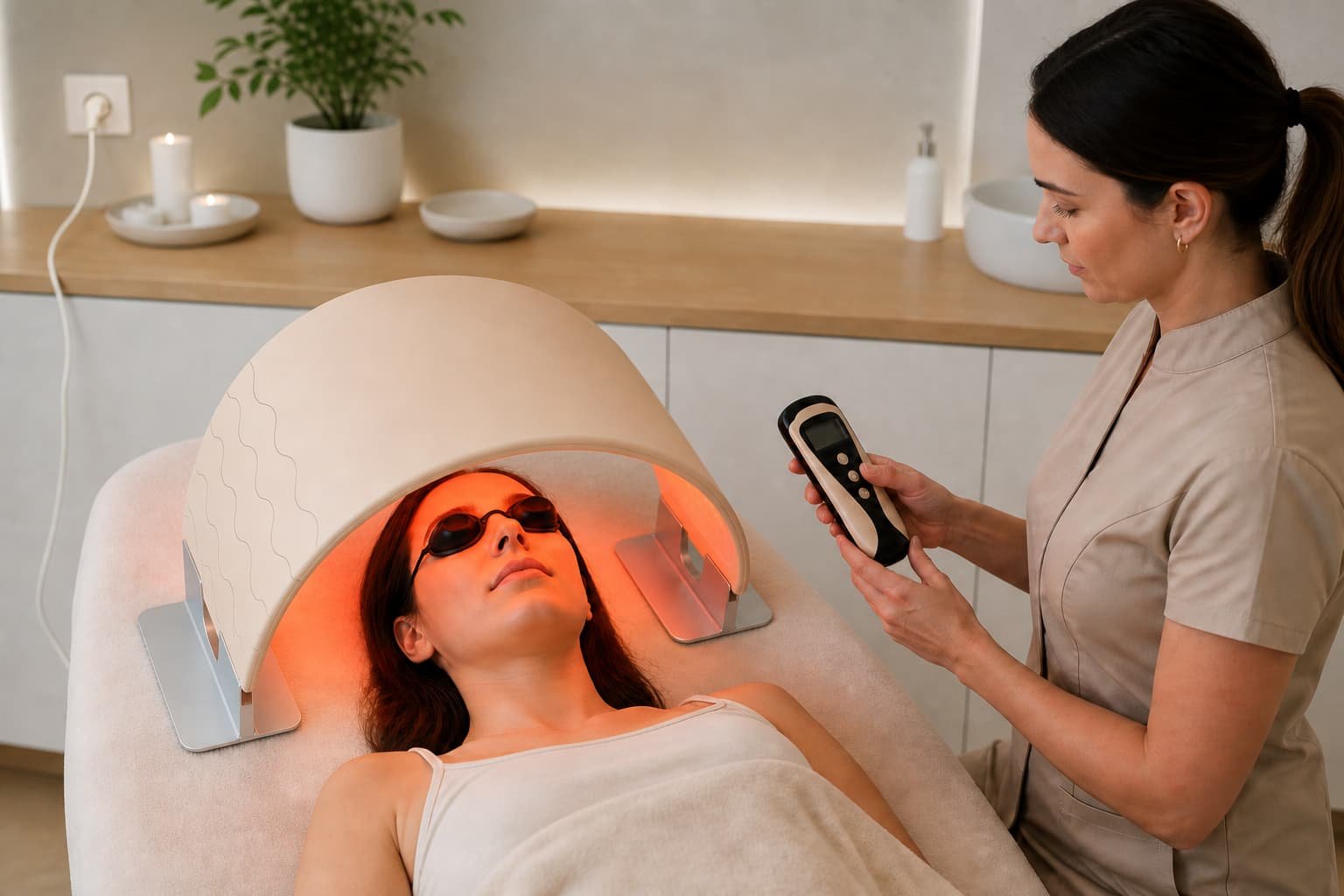
Uma lista prática começa com cinco regras:
- Congelar o uso pretendido, mercado-alvo e reivindicações públicas antes de comparar documentos.
- Avalie o ciclo completo de agendamento: configurar, posicionamento, operação, limpeza, redefinir e armazenar.
- Teste a amostra exata com os funcionários que irão operá-la.
- Compare dados ópticos somente quando o modo, distância, plano de medição e método são indicados.
- Trate os registros do mercado, certificados do sistema de qualidade, relatórios de segurança e relatórios de resultados como diferentes camadas de evidências.
Este é um guia de aquisição de equipamentos profissionais, não é um protocolo de tratamento. Não classifica comprimentos de onda, recomendar um cronograma de exposição universal ou estabelecer que um fator de forma de LED produz melhores resultados clínicos.
Begin with document review and non-patient setup checks. Any patient-use evaluation needs a separate clinical and regulatory assessment by the facility; a successful fit check does not authorize clinical use.
O que você deve decidir antes de comparar máquinas LED?
Escreva um resumo de serviço de uma página antes de abrir uma planilha de comparação de fornecedores. De outra forma, cada representante de vendas definirá “profissional” de uma forma que favoreça um produto diferente.
Seu briefing deve responder:
- Quem irá operar o dispositivo? Um membro da equipe treinado, o cliente sob supervisão, ou o cliente em casa após a consulta?
- Será compartilhado? Um dispositivo compartilhado cria uma limpeza diferente, questões de resposta e responsabilidade de um dispositivo vendido a um cliente.
- Que área o dispositivo deve posicionar ao redor ou na frente? Somente rosto, áreas corporais localizadas e exposição mais ampla sem contato criam diferentes requisitos de geometria e ambiente.
- Qual é o idioma de serviço planejado? Beleza, as palavras sobre aparência e bem-estar geral não devem ser misturadas casualmente com doenças, tratamento ou reclamações médicas.
- Onde será comercializado e usado? Os EUA, A UE e outros mercados não utilizam um pacote de evidências universal.
- Qual é o modelo comercial? Uma unidade supervisionada, vários quartos, uma combinação clínica e varejo, ou uma linha de produtos vendida através de distribuidores?
Para um EUA. projeto, o FDA diz que a determinação do dispositivo começa pela definição do produto uso pretendido e indicações de uso. O FDA Janeiro 2026 orientação geral de bem-estar aborda uma política para produtos de bem-estar geral de baixo risco; não deve ser tratado como status automático para todos os dispositivos LED. Na UE, Regulamento (UE) 2017/745 conecta a finalidade pretendida com a etiqueta do fabricante, instruções, materiais promocionais ou de vendas, e avaliação clínica. A lição operacional é simples: não escolha o hardware primeiro e invente a estratégia de reivindicação depois.
O termo “máquina profissional de terapia de luz LED” é útil para pesquisar e comprar, mas não é uma classe regulatória universal. Um produto usado num salão não é automaticamente um dispositivo médico, e um produto descrito como “de qualidade clínica” não é automaticamente suportado por autorização de dispositivo médico ou testes médico-elétricos.
Qual formato de dispositivo LED se adapta ao fluxo de trabalho do serviço?
Selecione o formato por posicionamento e fluxo de trabalho da sala, então compare as amostras exatas.
| Formatar | Considere isso quando | O que a amostra deve comprovar | Condição comum de mau ajuste |
|---|---|---|---|
| Almofada LED flexível | O serviço necessita de um formato dobrável que possa ser posicionado em arco ou em torno de áreas selecionadas | Posicionamento estável, contato ou espaçamento aceitável, roteamento de cabos, facilidade de limpeza, durabilidade de flexibilidade repetida e consistência de configuração da equipe | O serviço precisa de um grande campo sem contato ou de uma distância de posicionamento fixa com ajuste mínimo |
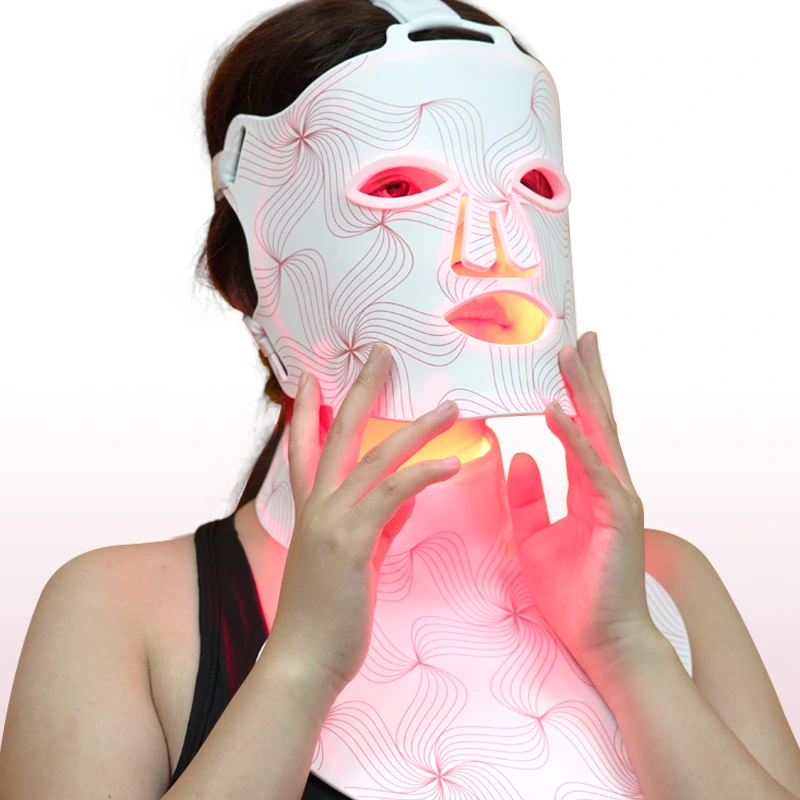
| Máscara facial | A tarefa é específica para cada rosto e um formato vestível se adapta à jornada do usuário | Ajustar-se aos usuários pretendidos, design da área dos olhos, fluxo de trabalho de cinta/revestimento, controles, limites de limpeza de uso compartilhado e tempo de carregamento/redefinição | O uso compartilhado frequente está planejado, mas os materiais, tiras e fendas não podem ser reprocessadas dentro do ciclo de marcação |
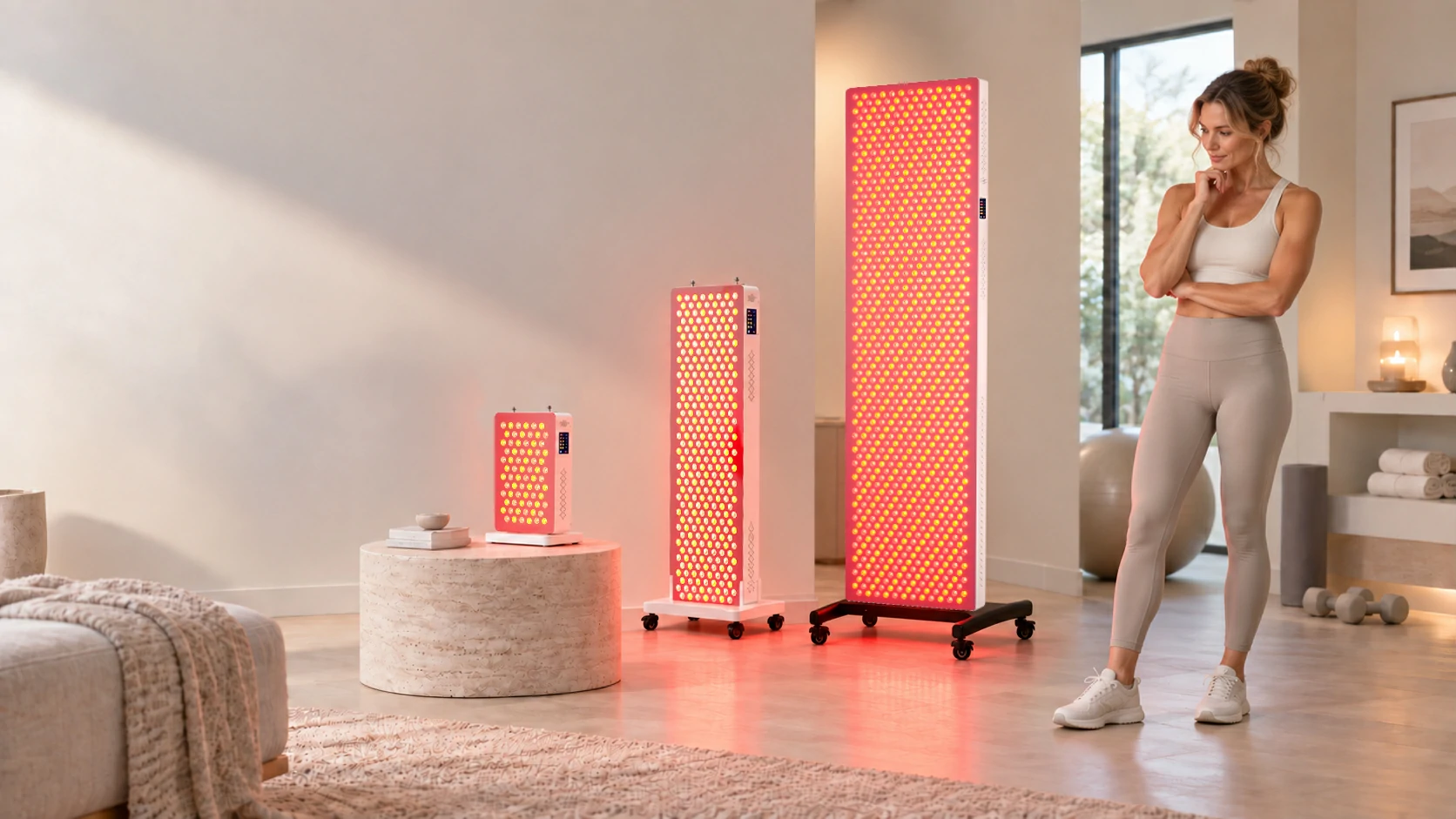
| Painel ou lâmpada | O serviço favorece o posicionamento sem contato e um campo de exposição maior | Estabilidade do suporte, distância de trabalho, ângulo, pegada do quarto, gerenciamento de cabos, comportamento térmico e repetibilidade de posição | O espaço é limitado ou a equipe não consegue reproduzir a posição exigida entre os compromissos |
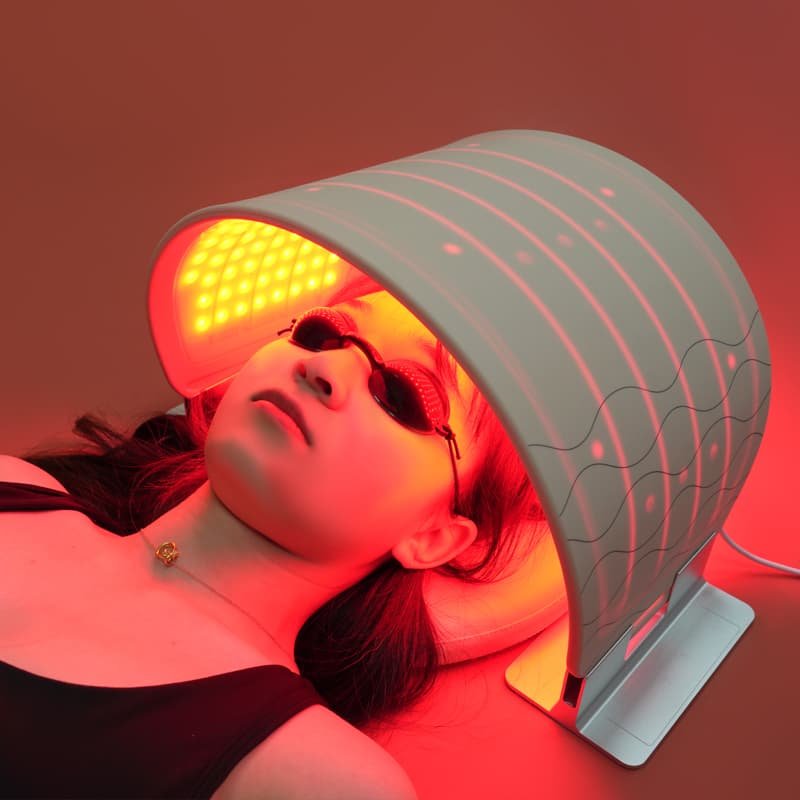
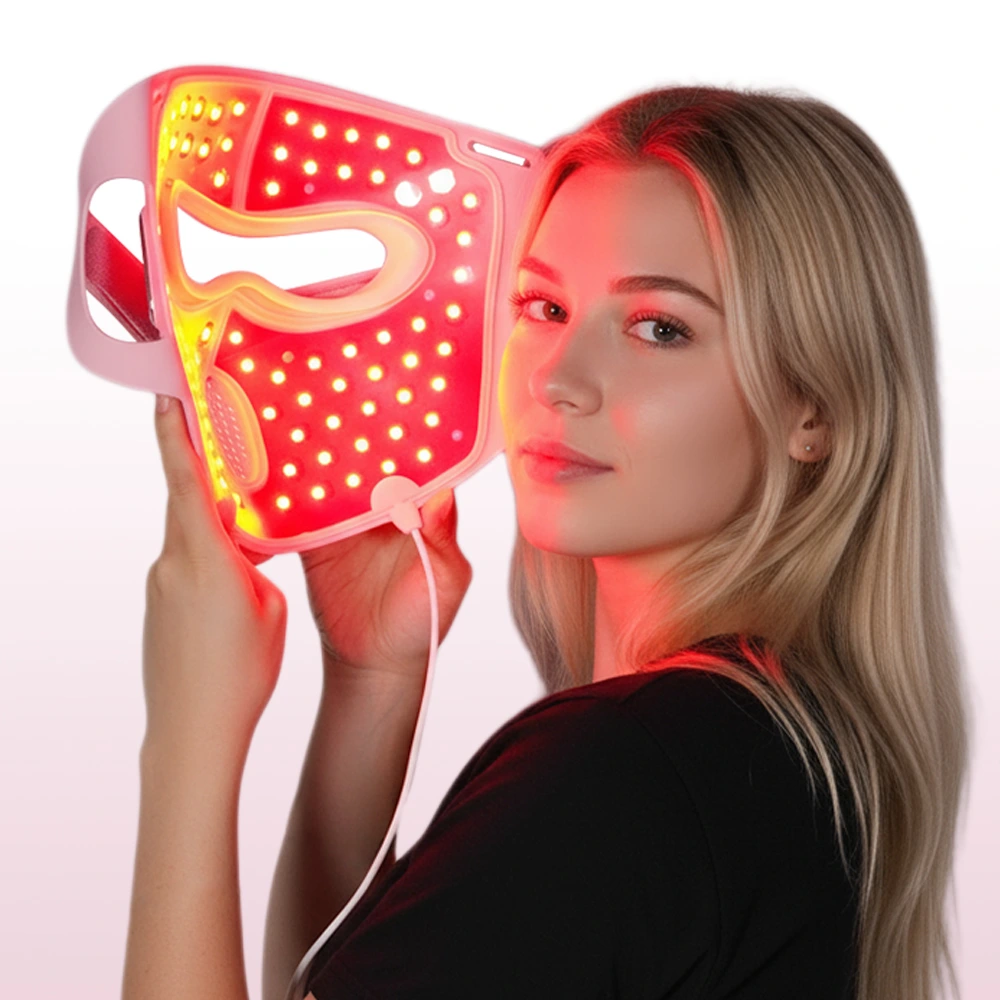
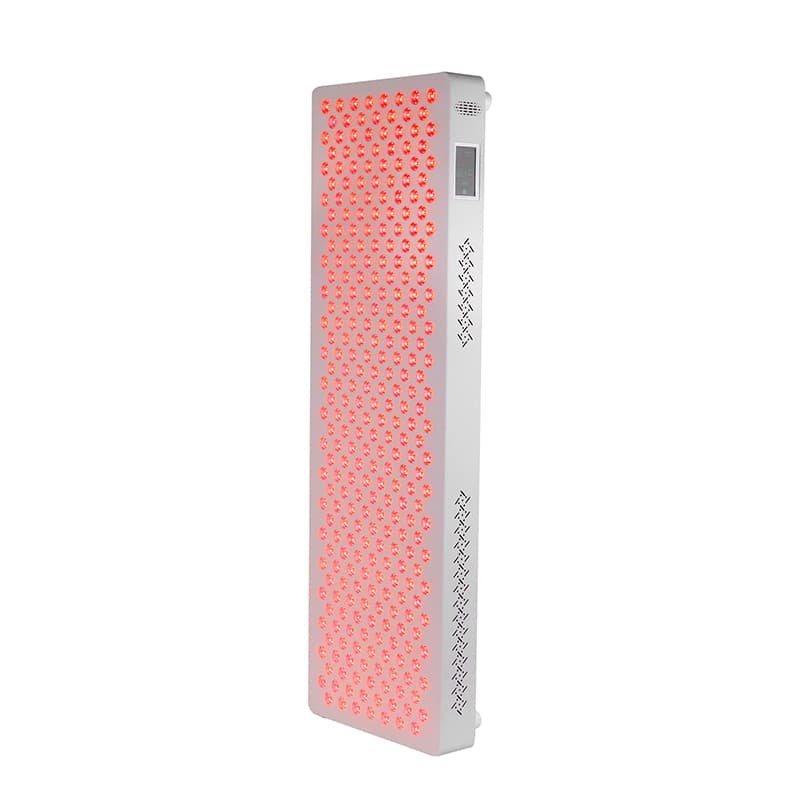
Uma almofada flexível pode reduzir a área ocupada pela sala em uma configuração, mas adicionar etapas de posicionamento e limpeza em outra. Um painel pode simplificar o uso sem contato, mas requer mais espaço e um método de posicionamento documentado. Uma máscara pode tornar a área alvo óbvia enquanto cria perguntas de contato mais adequadas e compartilhadas.
Se dois formatos permanecerem plausíveis, mantenha ambos na rodada de amostra.
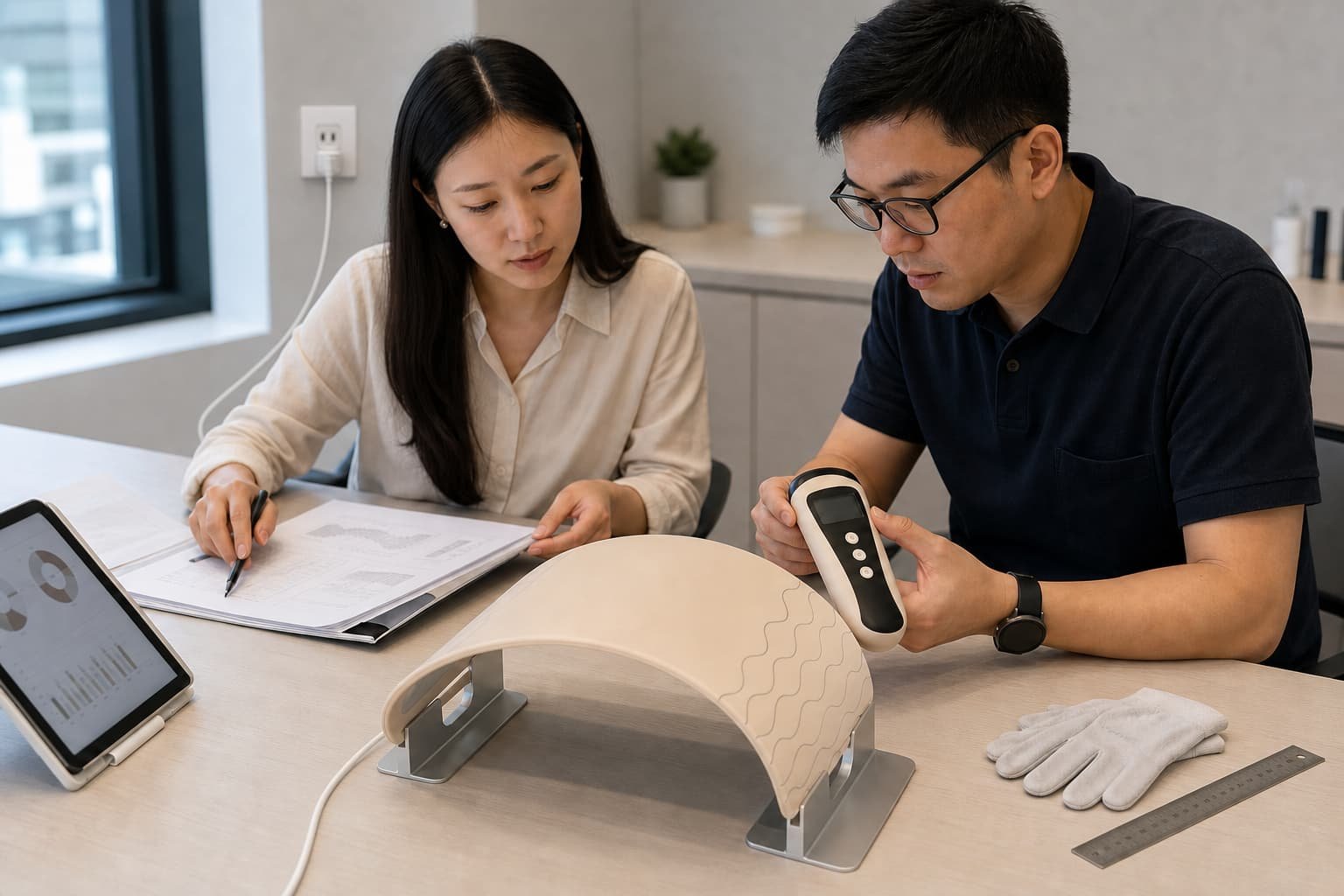
What if the sample needs a curved or unusual position?
Request a dimensioned setup drawing and the support specification before treating “flexible” as a fit confirmation. Use these fields in the supplier discussion:
| Setup detail | What to establish before ordering |
|---|---|
| Space and clearance | Target width or diameter, altura, surrounding obstructions and access openings; distinguish the overall envelope from the surface the device must curve around |
| Permitted bend | Manufacturer-specified minimum bend radius, allowed bend direction and restrictions on repeated flexing; do not derive these from a product photo |
| Shape retention | Which stand, frame or supports hold the position, whether they are included, and whether the assembly remains stable with its cables connected |
| Emitting area | Dimensions of the active light-emitting region, separately from the full pad or housing dimensions; coverage at the target needs its own assessment |
Por exemplo, a fixture’s widest dimension may include a handle or connector. That width tells you about clearance, but it is not necessarily the diameter around which a pad must bend. Agree on the geometry first; a different support or orientation may change the candidate configuration.
If the intended setup is outside the manufacturer’s documented use, pause the clinical purchasing decision for technical, clinical and regulatory review. Ordering a sample for a defined non-patient fit check is a different decision from accepting that setup for patient care.
Como você calcula o ciclo real de consultas?
Meça o ciclo completo na sala pretendida; não use o tempo de luz programado como número de capacidade de agendamento.
Registre essas etapas durante a avaliação da amostra:
| Estágio do ciclo | O que cronometrar ou observar |
|---|---|
| Preparar | Recuperar o dispositivo e acessórios, inspecione-o, conecte a energia ou confirme a carga, e prepare quaisquer barreiras permitidas |
| Posição | Ajuste o suporte, máscara, arco, alça ou almofada; encaminhar cabos; confirme a área correta e a orientação do dispositivo |
| Operar e monitorar | Selecione o modo aprovado, intensidade e temporizador; confirme a exibição ou indicadores; registrar o que a equipe deve verificar durante a operação e como ela responde ao desconforto, uma perda de conexão ou outro estado de falha |
| Limpar | Siga as instruções exatas do dispositivo, lista de produtos compatíveis, tempo de contato necessário e processo específico do componente |
| Reiniciar | Retornar os controles ao estado aprovado, inspecionar acessórios e preparar o dispositivo para a próxima consulta |
| Armazene ou recarregue | Coloque o dispositivo no local atribuído, gerenciar cabos e acessórios, e restaurar o estado de energia necessário |
Use o resultado observado – não uma estimativa do fornecedor – para calcular a capacidade:
Dispositivo único, ciclo decorrido de um único cômodo = preparação + posição + operar/monitorar + limpar + reiniciar + qualquer etapa de armazenamento ou recarga que bloqueie o próximo uso
Limite superior teórico não sobreposto = minutos de sala disponível ÷ ciclo decorrido de sala única, arredondado para baixo
Use esse atalho apenas para um dispositivo em uma sala quando os ciclos não se sobrepõem e cada estágio usa a mesma base de tempo decorrido. Se limpar, cobrança ou atividade da equipe podem ocorrer em paralelo, grave três relógios separadamente: tempo ocupado pelo dispositivo, tempo ocupado na sala e tempo prático da equipe. O verdadeiro gargalo – e não uma fórmula de divisão – define o limite operacional. Nenhum desses cálculos estabelece a frequência do tratamento, adequação clínica ou receita esperada. Seu protocolo aprovado, a política de pessoal e os requisitos locais podem adicionar etapas ou limitar ainda mais o agendamento.
Para um plano de vários ambientes, decida se cada sala precisa de controles independentes. Não presuma que o recurso de emparelhamento de vários dispositivos de um controlador fornece operação sincronizada ou controle independente da sala. Trate-o como um candidato a fluxo de trabalho somente após a documentação exata do controlador e a amostra confirmarem a identificação do dispositivo, comportamento de iniciar/parar, lógica de temporizador e modo, reconexão e isolamento de falhas. Teste a seleção de unidades erradas e a transferência de pessoal antes de tratar o “controle de vários dispositivos” como uma vantagem operacional.
O dispositivo pode ser limpo entre clientes?
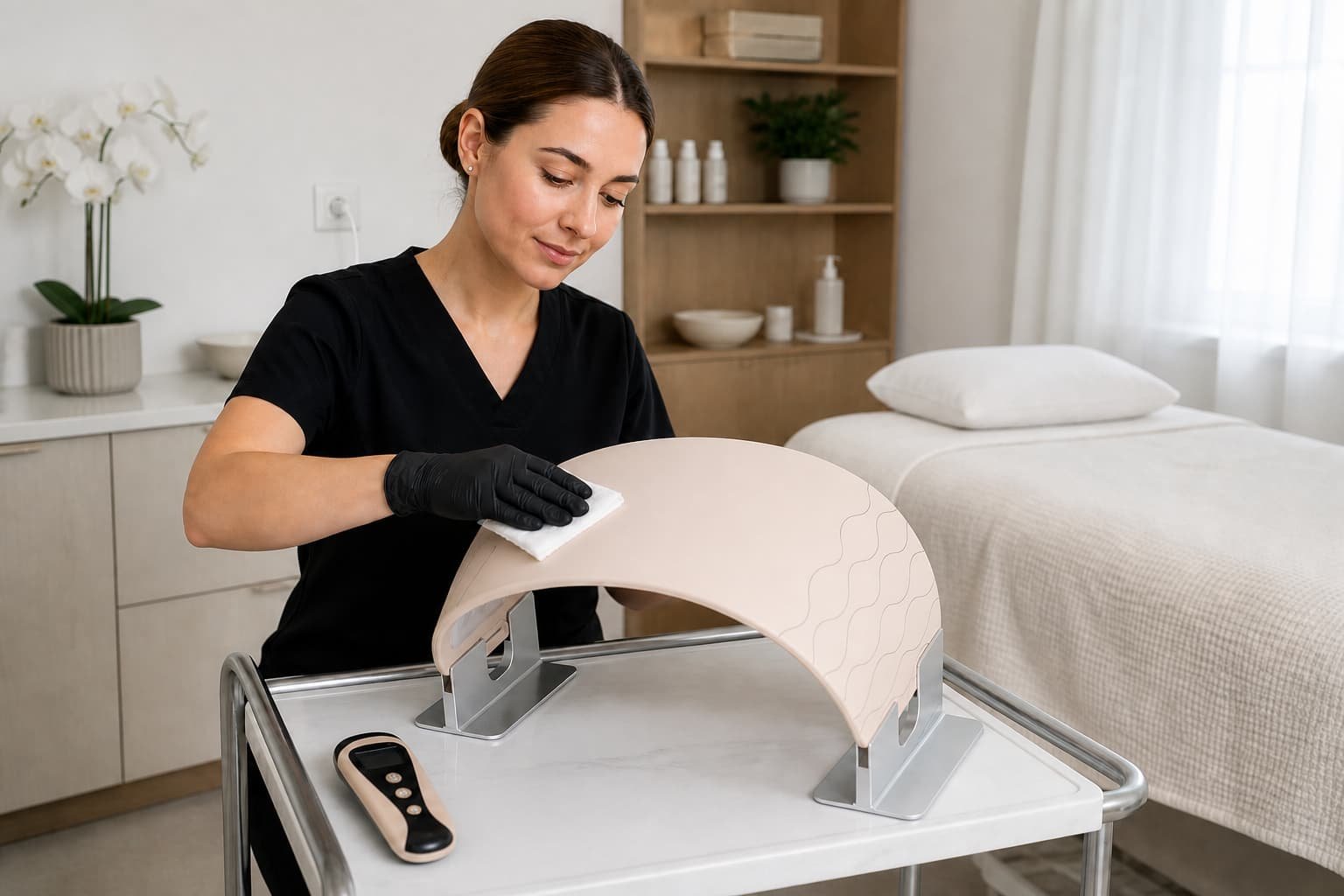
Não aprove um dispositivo LED de uso compartilhado com a frase “limpar”. Peça um escrito, processo compatível com material para cada componente de contato com o cliente.
Para ambientes de saúde e atendimento ao paciente, o Orientação de limpeza ambiental do CDC aconselha os compradores a selecionar equipamentos que possam ser limpos e desinfetados, obter instruções detalhadas do fabricante, definir a responsabilidade da equipe e treinar as pessoas que executam o processo. Também recomenda obter uma lista de produtos de limpeza e desinfetantes compatíveis do fabricante.. Essas recomendações de saúde não devem ser tratadas como uma lei universal de salão, mas mostram por que a limpeza é uma decisão de compra e não uma reflexão tardia.
Peça ao fornecedor para identificar:
- quais superfícies entram em contato com o cliente;
- quais peças são removíveis, lavável, descartável ou não destinado a se molhar;
- as categorias de produtos de limpeza ou desinfetantes permitidos e os produtos químicos proibidos;
- método de aplicação, tempo de contato úmido e qualquer etapa de enxágue ou secagem necessária;
- se alças, almofadas, forros, óculos, cabos e controladores seguem processos diferentes;
- como a limpeza repetida afeta o silicone, adesivos, revestimentos, etiquetas impressas e superfícies ópticas;
- qual resultado da inspeção exige que um acessório ou dispositivo seja substituído.
Em seguida, compare o processo escrito com as regras que se aplicam às suas instalações e localização. Um ambiente médico ou ambulatorial pode precisar de uma revisão de controle de infecção diferente de um salão de beleza. Em qualquer caso, não improvise um processo químico ou de imersão mais forte que as instruções do dispositivo não suportem.
Um teste de amostra útil inclui o ciclo completo de limpeza e secagem. Se o dispositivo for tecnicamente lavável, mas não puder ser reprocessado de forma confiável dentro do seu plano de pessoal e agendamento, ainda é um ajuste inadequado ao fluxo de trabalho.
Quais especificações ópticas e arquivos de segurança você deve comparar?
Compare pacotes de evidências, não números isolados. Comprimento de onda, irradiância, segurança fotobiológica e segurança elétrica respondem a questões diferentes.
Relatório de comprimento de onda
Solicite um relatório de espectro medido ou comprimento de onda para a configuração final da fonte e modos de operação. Deve identificar o modelo exato, amostra ou referência serial, modo ativo, instrumento, configuração de medição, valores de pico ou bandas, e tolerâncias relevantes. Uma lista de comprimentos de onda nominais dos componentes não mostra o que o dispositivo final emite em cada modo.
Relatório de irradiância
NIST descreve irradiância como energia radiante incidente por unidade de área. Um valor em mW/cm² precisa, portanto, de um contexto de medição antes de poder ser comparado. Pedir:
- modelo exato e configuração de origem;
- modo ativo e configuração de intensidade;
- plano de medição e distância;
- status do instrumento e da calibração;
- número e localização dos pontos de teste;
- centro, mínimo, valores máximos ou médios, com o método de média claramente identificado;
- aquecimento, energia e condições ambientais, quando relevante.
Não converta uma medição de superfície em um valor de distância operacional ou em uma dose clínica. Não classifique dois produtos quando um número for medido na superfície emissora e o outro for medido na posição do usuário.
For a curved setup, ask whether the report covers that shape, support and measurement position. A flat-device report leaves a verification gap if your decision depends on output in another arrangement. If a cover or other material sits between the light and the target, request relevant measurements rather than assuming that the original reading applies beyond it.
Temperature-rise records
Request the tested configuration, modo, intensidade, duração, ambient conditions, sensor locations, starting temperatures and temperature changes over time. Match each reading to its sensor location: a housing-temperature result cannot stand in for a target-temperature measurement. Have the responsible team assess whether the report conditions represent the intended setup and define any further testing needed.
Segurança fotobiológica
IEC 62471 fornece uma estrutura para avaliar riscos fotobiológicos de fontes ópticas de banda larga incoerentes alimentadas eletricamente, incluindo LEDs, mas excluindo lasers. Um IEC 62471 relatório pode apoiar uma revisão de segurança óptica quando o modelo exato, configuração, condições operacionais e correspondência de escopo do relatório. Não comprova eficácia clínica, precisão do comprimento de onda, uniformidade de saída ou um protocolo de serviço apropriado.
Evidências elétricas e de mercado
A atual edição consolidada, IEC 60601-1:2005+AMD1:2012+AMD2:2020, aborda segurança básica e desempenho essencial para equipamentos elétricos médicos. Não é um emblema geral para todos os produtos de salão motorizados, e alguns equipamentos elétricos médicos também precisam de garantias aplicáveis ou padrões específicos. Um dispositivo elétrico de beleza/bem-estar pode seguir um caminho diferente de conformidade de mercado e segurança elétrica.
Antes de aceitar um relatório ou certificado, combinar com a empresa, modelo, adaptador, controlador, acessórios, configuração de origem, uso pretendido, edição padrão e mercado-alvo. Você está no Wakelife Guia de certificação de dispositivos de terapia LED para a autorização total de introdução no mercado, SGQ, mapa de evidências de segurança elétrica e testes de produtos. Para detalhes do relatório óptico, continuar com o IEC 62471, guia de relatório de irradiância e comprimento de onda.
A equipe pode operar a amostra exata de forma consistente?
Um dispositivo profissional deve passar por um teste de uso pessoal, não apenas uma demonstração de produto liderada pelo fornecedor.
Forneça o projeto do procedimento operacional e a amostra exata a mais de um operador pretendido. Observe se cada pessoa consegue:
- identificar o dispositivo correto e o conjunto de acessórios;
- posicione-o da mesma maneira definida;
- selecione o modo aprovado, intensidade e temporizador;
- leia o estado operacional sem adivinhar;
- evitar cabos, suportes ou tiras interrompam o fluxo de trabalho da sala;
- reconhecer uma perda de conexão, interrupção de energia ou configuração incorreta;
- pare e reinicie o dispositivo de acordo com o procedimento;
- limpeza completa, inspeção e armazenamento sem atalhos não documentados.
Registre onde os operadores divergem. Se o mesmo erro aparecer repetidamente, decidir se é um problema de treinamento, um problema de instrução ou um problema de interface do produto. Não resolva um projeto de controle fraco presumindo que todos os futuros membros da equipe se lembrarão de uma solução alternativa não escrita.
Para dispositivos conectados ou com várias unidades, emparelhamento de teste, identificação do dispositivo, reconexão e recuperação após perda de energia. Pergunte também qual controlador, alterações de firmware e interface do usuário são congeladas para produção. Uma amostra que se comporte corretamente não é suficiente se a configuração de produção em massa não estiver definida.
Que documentação um salão ou clínica deve solicitar antes de fazer o pedido?
Solicite um pacote de documentos correspondente para a configuração exata – não uma pasta de logotipos e certificados não relacionados.
No mínimo, a revisão da pré-encomenda deve cobrir:
| Camada de evidências | O que solicitar | O que não deve ser confundido |
|---|---|---|
| Identidade do produto | Modelo, versão de hardware e firmware, configuração de origem, controlador, adaptador e acessórios | Um nome de família de catálogo não prova que todas as configurações são iguais |
| Uso pretendido e reivindicações | Rótulo, A NUVEM, avisos, contra-indicações, grupo de usuários e linguagem de marketing planejada | Uso profissional não significa automaticamente autorização médica |
| Evidência óptica | Comprimento de onda/espectro, método de irradiância e relatório de segurança fotobiológica, quando aplicável | Uma lista de comprimentos de onda ou um valor de mW/cm² não é evidência clínica |
| Evidência elétrica/EMC | Padrão aplicável, número do relatório/certificado, modelo testado, adaptador e configuração | Um relatório elétrico ou EMC não é autorização de comercialização ou evidência de eficácia |
| Evidência de mercado | Registro aplicável, listagem, autorização, licença, conformidade ou registros da parte responsável | Um registro de mercado não autoriza todos os modelos, reivindicação ou país |
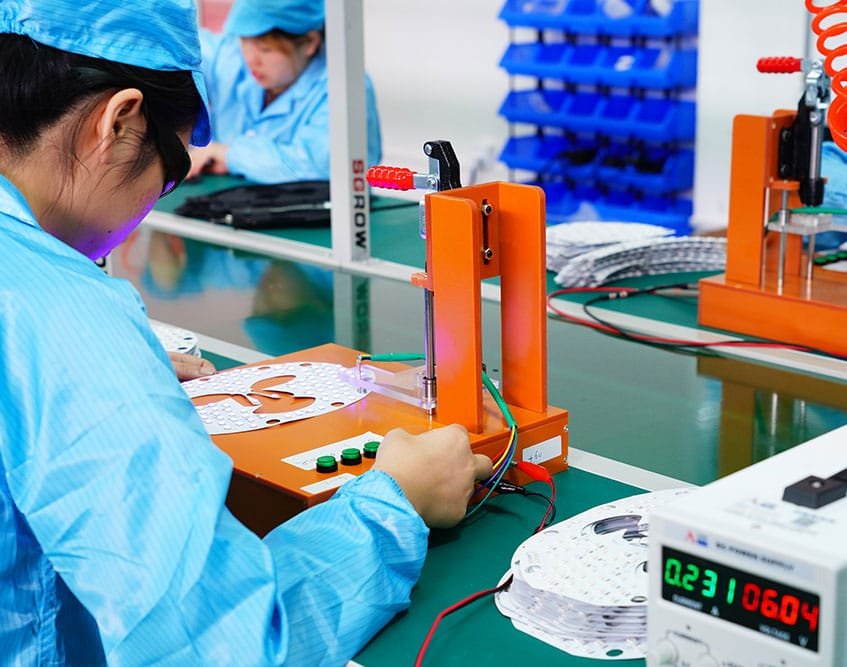
| Qualidade e produção | Escopo aplicável do sistema de qualidade, especificação aprovada, verificações de entrada/em processo/finais e registros de pedidos | A evidência de fábrica ou sistema não é um resultado de teste em nível de produto ou autorização de mercado |
| Limpeza e serviço | Instruções do agente compatível, peças de reposição, escopo da garantia, tratamento de falhas e responsabilidades de serviço | “Fácil de limpar” ou “garantia de um ano” não é um plano operacional completo |
Include eye protection in the accessory review. Ask the supplier to identify the exact device’s requirements for clients and operators, the specified protective accessories and whether they are included in the sample price. For any supplied eyewear, confirm whether it is single-user or shareable, its cleaning instructions and replacement criteria. Record these answers alongside the device instructions before approving the accessory set.
Se a sua linguagem pública pode passar da beleza ou do bem-estar para a acne, dor, ferimento, tratamento ou outro território médico, parar e revisar o uso pretendido e o caminho das evidências antes de aprovar a embalagem, menus de serviço ou publicidade. O Guia de reivindicações de dispositivos de beleza LED explica como o texto altera a tarefa de verificação.
Quando um painel LED flexível pertence à lista?
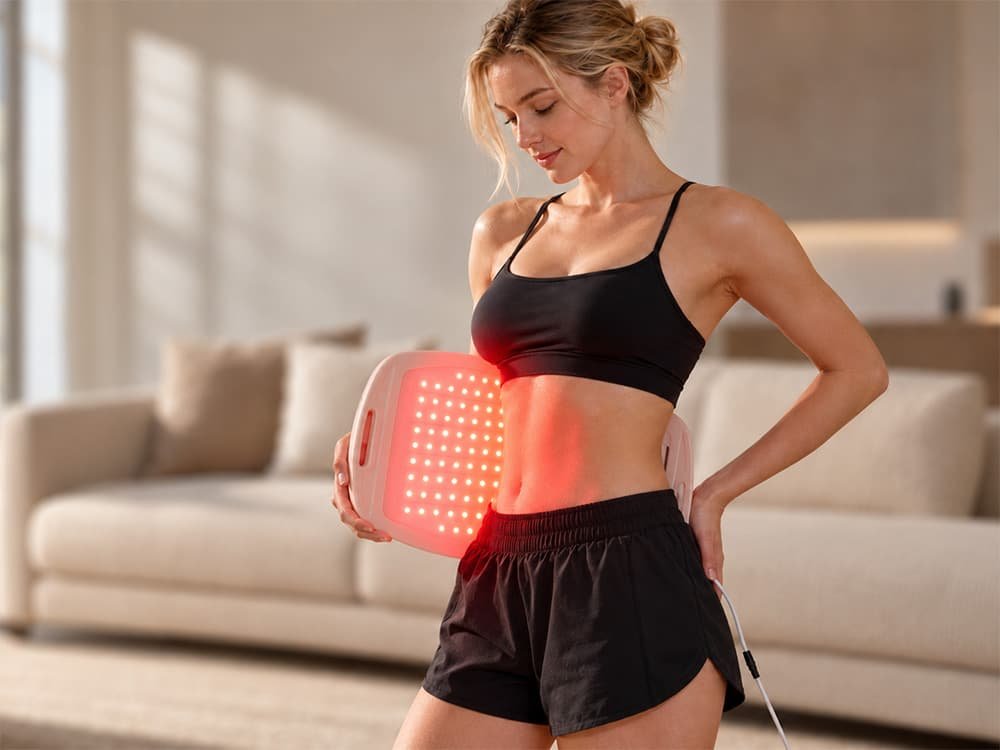
Uma almofada flexível pertence à lista quando o posicionamento é dobrável, o uso localizado e o armazenamento compacto atendem às instruções de serviço - mas somente se a amostra exata for aprovada no posicionamento, testes de limpeza e controle.
Atual do Wakelife categoria LED flexível de vários comprimentos de onda usa o termo de mercado “máquina de terapia de fótons de luz LED PDT” para dispositivos LED de beleza e bem-estar não medicamentosos, sistemas de terapia fotodinâmica não médicos.
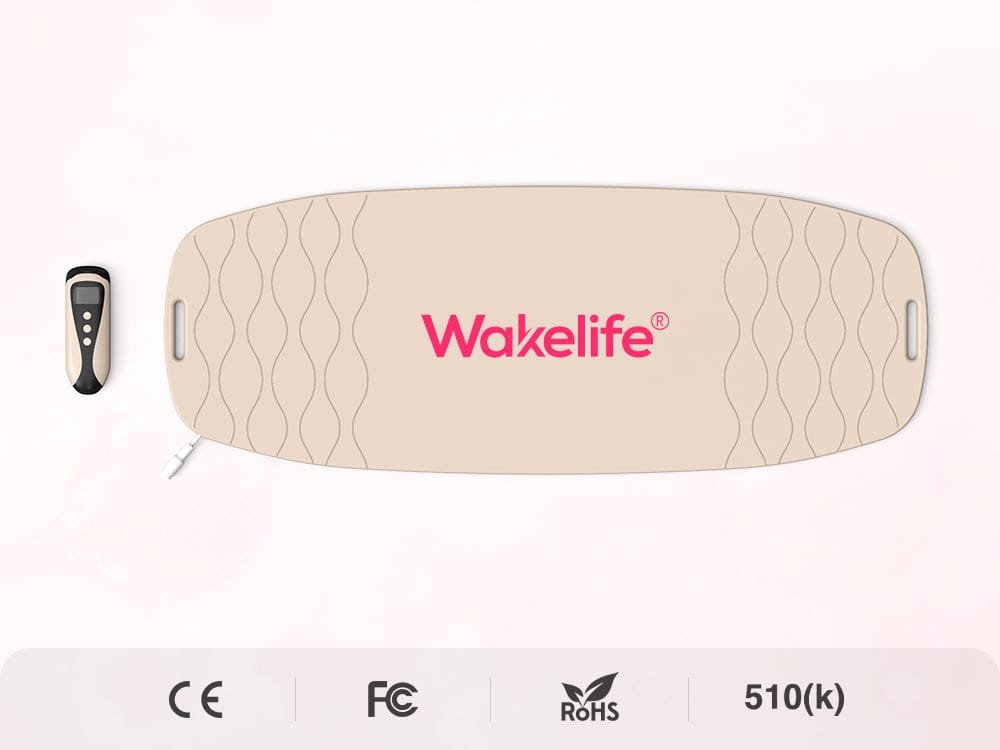
Os fatos do G240 abaixo foram verificados novamente em agosto 31, 2026; confirme a cotação atual e a amostra porque as configurações podem mudar. A plataforma G240 apresentada pode ser posicionada em um arco ou ao redor de áreas selecionadas do corpo. Possui quatro modos de combinação confirmados usando 415, 590, 633 e 850 nm, with adjustable intensity and timer settings. Um separado 12 V / 5 A adapter powers the main unit from a wall outlet. Its wireless Bluetooth controller can operate up to 12 unidades G240 emparelhadas; the controller’s charging cable is not an operating connection to the main unit.
Request the exact mode mapping and use the staff-operation checklist to test pairing, device identification and recovery. Multi-unit pairing does not establish synchronized operation, independent room control or appointment capacity.
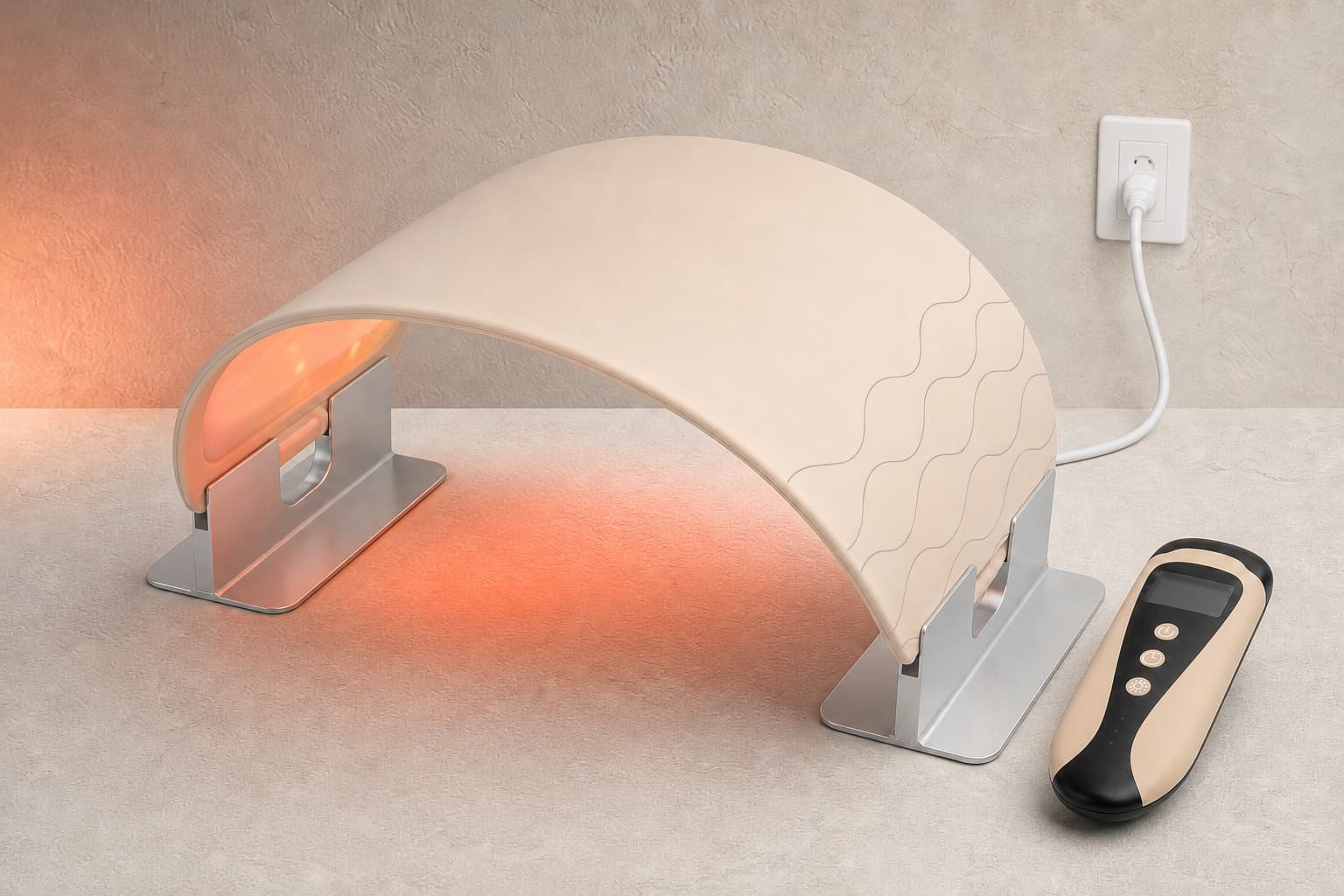
O NFY-2030, As séries NFY-3040 e NFY-3060 oferecem tamanhos flexíveis adicionais. Se o tamanho for o motivo para considerar o NFY, solicite o modelo exato, detalhes do controlador, configuração e documentos aplicáveis em vez de tratar os três modelos como uma especificação.
For an unusual G240 arrangement, request the permitted bend radius, active emitting dimensions, support drawing and relevant optical and temperature records. The platform features above do not establish those setup-specific results or clinical suitability.
Uma plataforma flexível é uma primeira escolha fraca quando o serviço exige um amplo campo sem contato, uma distância de trabalho fixa com reposicionamento mínimo, ou um protocolo de limpeza que o material e a construção não podem suportar. Nesses casos, compare um painel ou outro formato em vez de forçar o ajuste da categoria.
O que deve constar na RFQ e na solicitação de amostra?
Envie ao fornecedor o resumo do serviço que você usou para fazer a lista restrita. Uma primeira solicitação útil contém:
- País ou mercado alvo.
- Tipo de instalação: salão, clínica estética, clínica médica, estúdio de bem-estar ou outro ambiente.
- Serviço planejado e reivindicações públicas, escrito sem promessas médicas de espaço reservado.
- Operadora pretendida e se o dispositivo será compartilhado.
- Área alvo e posicionamento preferido: usável, flexível/contato, arqueado ou sem contato.
- Contagem de quartos, controles independentes ou sincronizados esperados, e restrições de poder.
- Processo de limpeza/desinfecção necessário e materiais ou agentes proibidos.
- Óptico solicitado, segurança, elétrica, documentos de mercado e qualidade.
- Marca, embalagem, manual, plugue, Mudanças na interface do usuário ou engenharia.
- Quantidade de amostra, quantidade de produção estimada e data prevista de lançamento.
Peça ao fornecedor para identificar quais fatos são fatos padrão da plataforma, quais são as opções, que exigem revisão de engenharia e quais documentos precisariam de novos testes após a personalização. Essa resposta é mais útil do que uma cotação rápida construída em torno de uma “máquina profissional” indefinida.
Compare the complete sample offer
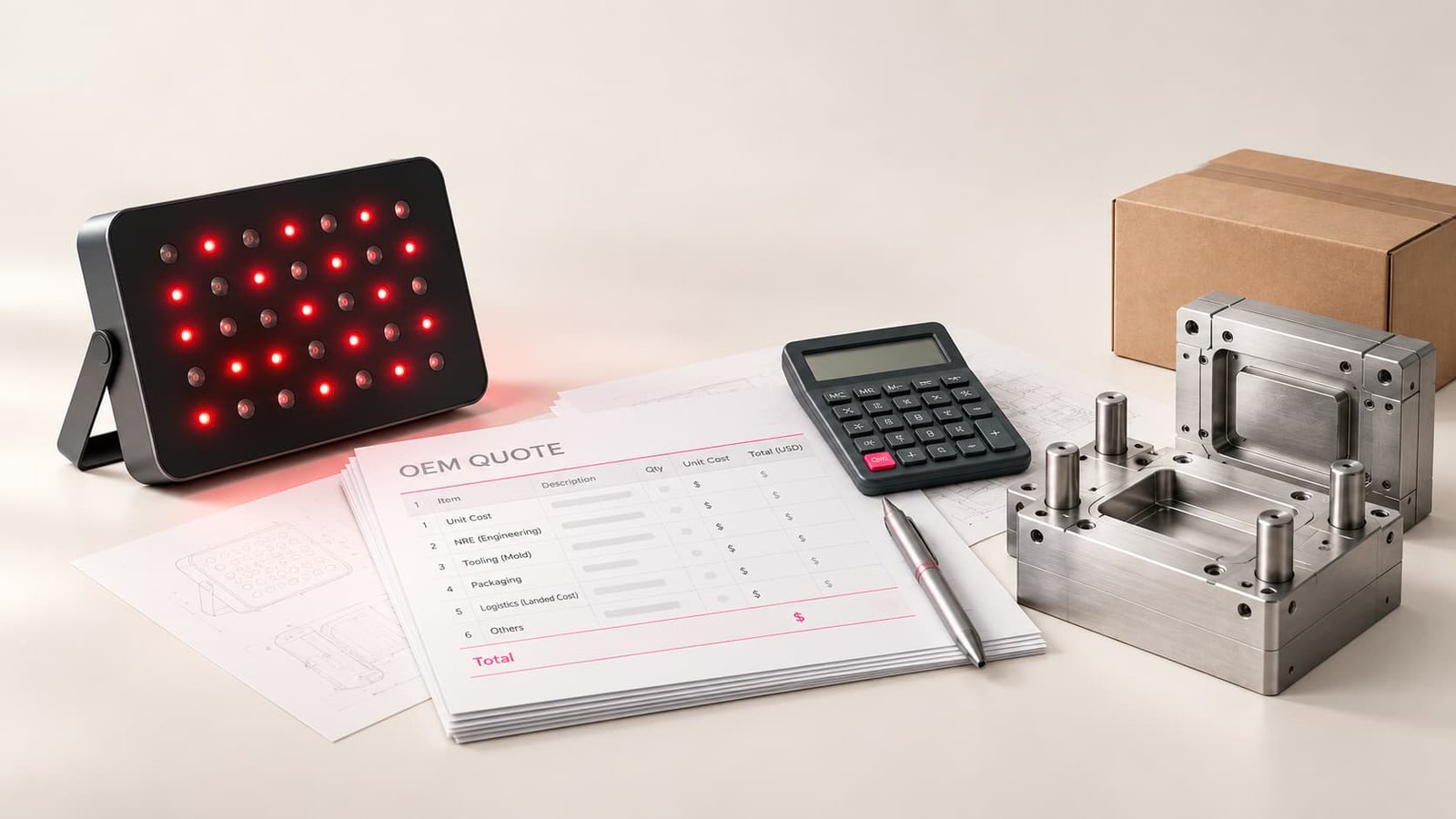
Before comparing totals, check that each offer identifies the same unit, controlador, local power adapter, suporta, cabos, manuals and packaging. Ask for the delivery location and postal code to be recorded, with shipping, taxes or duties, exclusões, quotation validity, availability and lead time stated. Confirm the warranty’s covered configuration, exclusions and responsibility for return shipping. A lower unit price may leave a necessary support or delivery charge outside the comparison.
For each requirement, registro confirmed, missing evidence ou does not meet the requirement, with the document or observation behind the result. A missing item needs an owner and next action. Purchase a sample when the evaluation question, supplied configuration and unresolved items are explicit; do not record “ready for clinical use” merely because the package is complete or the hardware fits.
Make the Sample Decision
A melhor máquina profissional de terapia de luz LED é o dispositivo exato que sua equipe pode posicionar, operar, limpar, documentar e apoiar consistentemente dentro do serviço pretendido.
Comece com o resumo do serviço. Selecione o fator de forma. Meça o ciclo completo de compromissos. Teste a amostra com vários operadores. Combine cada relatório com a configuração exata, escopo de mercado e reivindicação. Só então o preço deverá, a marca e a quantidade de produção decidem entre os restantes candidatos.
Se uma plataforma LED flexível corresponder a esse briefing, revisar o Categoria Wakelife PDT LED e enviar o mercado-alvo, configuração de serviço, requisito de posicionamento, necessidades de amostra e documentos exigidos com sua consulta.
Referências
-
1
NÓS. Food and Drug Administration. Como determinar se o seu produto é um dispositivo médico
-
2
NÓS. Food and Drug Administration. Bem-estar geral: Política para dispositivos de baixo risco, Orientação Final, Janeiro 2026
- 3
-
4
Comissão Eletrotécnica Internacional. IEC 62471:2006, Segurança fotobiológica de lâmpadas e sistemas de lâmpadas
-
5
Comissão Eletrotécnica Internacional. IEC 60601-1:2005+AMD1:2012+AMD2:2020, Equipamento elétrico médico - Parte 1: Requisitos gerais para segurança básica e desempenho essencial
-
6
NÓS. Centros de Controle e Prevenção de Doenças. Environmental Cleaning Procedures—guidance for global healthcare facilities with limited resources
-
7
Instituto Nacional de Padrões e Tecnologia. Radiometria e Fotometria: Revisão para Vision Optics
-
8
NÓS. Centros de Controle e Prevenção de Doenças. Recommendations for Disinfection and Sterilization in Healthcare Facilities, sections 2 e 11
-
9
Wakelife. Flexible LED platform and supplier information — manufacturer information, not independent clinical evidence; confirm the current model specifications and instructions for the supplied sample.