TL;DR (para compradores B2B)
- Primeiro classifique o produto: um médico / dispositivo terapêutico LED e um aparelho elétrico de beleza geral não precisam do mesmo pacote de evidências.
- Não pare em “registrado pela FDA”. Pergunte ao FDA 510(k) número, modelos cobertos, uso pretendido, códigos de produto, e documentação de liberação.
- Para produtos de mercado regulamentado, verificar registros de mercado e evidências do sistema separadamente: FDA 510(k), Saúde Canadá MDL, TGA ARTG, Estrada CE/MDR, ISO 13485, MDSAP, Ul / IEC 60601, IEC 62471, e relatórios ópticos.
- Para dispositivos elétricos de beleza não médicos, CE / UKCA, FCC, CLIMA / Mark Global, RCM, Rohs, Emc, certificados de adaptador, rotulagem, e arquivos manuais podem ser mais relevantes do que a autorização de dispositivos médicos.
- Antes de assinar, combine o pacote de documentos com o modelo exato, conjunto de acessórios, mercado-alvo, mudanças de marca própria, e afirma que sua marca realmente usará.
Para quem é este guia: Proprietários de marcas B2B, compradores de marca própria, distribuidores, importadores, compradores de canais clínicos, e equipes de fornecimento comparando máscaras faciais de LED, painéis de luz vermelha, dispositivos de crescimento de cabelo, produtos de terapia para animais de estimação, ou outros dispositivos de terapia de luz antes de escolher um OEM / Fabricante ODM.
Para quem não é: consumidores finais que procuram aconselhamento sobre tratamento ou uma rotina de uso doméstico. Este é um guia de fornecimento e verificação de conformidade, não é conselho médico.
Se você estiver adquirindo um dispositivo de terapia LED para sua marca, você provavelmente já abriu várias páginas de fabricantes. Muitos deles dizem coisas semelhantes: OEM / ODM, FDA, CE, marca própria, entrega rápida, direto da fábrica.
A questão não é se um fornecedor pode imprimir seu logotipo em uma máscara. A verdadeira questão é se esse fornecedor pode apoiar a sua marca quando o primeiro produto se tornar uma linha de produtos.
Este guia se concentra na camada de evidências por trás de uma decisão OEM de dispositivo de terapia LED: como verificar o FDA 510(k), como ler o escopo do modelo, como verificar o Health Canada MDL, ISO 13485, MDSAP, Ul / IEC 60601, CE / UKCA, FCC, CLIMA / Mark Global, e registros TGA, e quais arquivos de teste em nível de lote os compradores devem solicitar antes de fazer um pedido.
Antes de comparar certificados, definir o nível do produto. Um dispositivo de beleza com luz vermelha posicionado como dispositivo médico ou terapêutico pode precisar de autorização de comercialização, evidência do sistema de qualidade de dispositivos médicos, revisão de segurança elétrica médica, e controle cuidadoso de reclamações. Um aparelho elétrico de beleza geral ou um dispositivo de bem-estar do consumidor pode precisar principalmente de conformidade com o mercado, Emc, segurança elétrica, Rohs, adaptador, rotulagem, e documentação de segurança do produto. O atalho errado é tratar cada crachá como o mesmo tipo de prova.
Use este mapa de decisão antes de solicitar documentos:
| Primeira pergunta | Se a resposta for sim | Direção de Evidência |
|---|---|---|
| O produto será vendido com médico, terapêutico, tratamento, alívio da dor, acne, cicatrização de feridas, ou uso clínico reivindicações? | Trate isso como um dispositivo médico regulamentado discussão até prova em contrário | Verifique a autorização de comercialização, SGQ para dispositivos médicos, evidências de segurança e desempenho, rotulagem, e revisão de reivindicação |
| O produto será vendido como beleza, cuidados com a pele, bem-estar, relaxamento, ou exposição geral à luz vermelha sem reivindicações médicas regulamentadas? | Trate isso como um beleza geral elétrica / bem-estar do consumidor discussão do produto | Verifique CE / UKCA, FCC, Emc, Rohs, RCM / EESS, CLIMA / Mark Global, adaptador, segurança elétrica, rotulagem, e arquivos manuais |
| O mesmo hardware será vendido em vários mercados ou sob marca própria ? | Não confie em uma lista de crachás | Verifique o escopo do modelo, escopo acessório, importador / obrigações da parte responsável, alterações de rótulo, alterações manuais, e reivindicar alterações |
Os nomes das empresas são citados conforme mostrado em cada banco de dados oficial. A capitalização e a pontuação podem diferir entre FDA, BSI, TGA, e registros da Health Canada.
Aprovado pela FDA vs Registrado pela FDA: Qual é a diferença, e por que isso importa?
Registro ou listagem na FDA significa que uma empresa ou dispositivo está registrado na FDA; FDA 510(k) autorização significa que o FDA encontrou um dispositivo específico substancialmente equivalente a um dispositivo predicado comercializado legalmente para suas indicações declaradas. 510(k) autorização não é aprovação da FDA.
Esta distinção é importante porque “FDA” é frequentemente usado de forma vaga em conversas sobre sourcing. Uma fábrica pode ser registrada pela FDA, um dispositivo pode ser listado, um produto pode ser 510(k)-limpo, ou um produto pode ser aprovado pela FDA. Estes são diferentes estados regulatórios, e eles não devem ser misturados em uma reivindicação.
O que “registrado pela FDA” geralmente significa
Para dispositivos médicos vendidos nos Estados Unidos, registro de estabelecimento e listagem de dispositivos são requisitos administrativos. Eles mostram que as informações de uma empresa e do dispositivo listado são registradas no FDA. Eles não significam que o FDA autorizou, aprovado, testado, ou endossou o produto.
É por isso que um comprador não deve perguntar apenas, “Você tem FDA?”Uma pergunta melhor é:
Qual é o 510(k) número, e quais modelos exatos de dispositivos são cobertos?
O que FDA 510(k) meios de liberação
Por um 510(k), o remetente fornece uma notificação pré-comercialização mostrando que o dispositivo é substancialmente equivalente a um dispositivo predicado comercializado legalmente. Dependendo do dispositivo, a documentação pode incluir especificações do dispositivo, testes de desempenho, segurança elétrica e testes EMC, testes de segurança fotobiológica, informações de biocompatibilidade, rotulagem, e comparação de predicados.
A FDA pode solicitar informações adicionais antes de emitir uma decisão. Se o dispositivo estiver limpo, a entrada do banco de dados mostra um 510(k) número como “K250830”. Este é o número que os compradores podem verificar.
Mais um ponto: cronograma e custo devem ser discutidos cuidadosamente. A FDA publica taxas anuais do MDUFA, mas o custo total do projeto depende de testes, consultoria, documentação, trabalho de engenharia, e ciclos de resposta. Um sério 510(k) projeto pode ser caro e demorado, mas o número exato não deve ser tratado como uma regra universal.
O que isso significa para sua marca
Se um fornecedor disser apenas “registrado pela FDA,” peça o número K. Se eles lhe derem um número de registro de estabelecimento, isso não é um 510(k). Se eles disserem que o aplicativo está “em processamento,”que não pode ser verificado em público 510(k) banco de dados de liberação.
Para uma marca que vende em canais regulamentados ou sensíveis à plataforma, isso não é um detalhe de papelada. Afeta as reivindicações do produto, revisão de listagem, confiança do distribuidor, e seu próprio risco de conformidade.
Quantos modelos de máscara um 510(k) Cobrir?
UM 510(k) a autorização se aplica a um dispositivo específico ou família de dispositivos. O escopo mais amplo do modelo pode facilitar o planejamento de vários SKUs, mas qualquer novo modelo, rotulagem, alegar, ou a entrada no mercado ainda precisa de revisão regulatória.
Muitos compradores de primeira viagem perguntam se um fornecedor “tem 510(k).” Menos perguntam o que a autorização cobre. Essa segunda pergunta costuma ser mais útil.
Por que o escopo do modelo é importante
UM 510(k) a decisão não é um certificado de nível de fábrica. Está vinculado ao dispositivo enviado, uso pretendido, características tecnológicas, rotulagem, e documentação de suporte. Se um produto futuro sofrer alterações que afetem a segurança, eficácia, uso pretendido, ou características tecnológicas, uma análise regulatória adicional pode ser necessária.
Portanto, a questão prática do comprador é:
Esta é uma folga estreita para uma máscara, ou uma família de dispositivos mais ampla que suporta vários modelos relacionados?
Um escopo mais amplo não elimina a responsabilidade regulatória. Isso acontece, no entanto, dê à sua equipe de produto um ponto de partida mais forte ao planejar uma linha de máscaras.
K250830: 13 modelos de máscara sob uma autorização da FDA
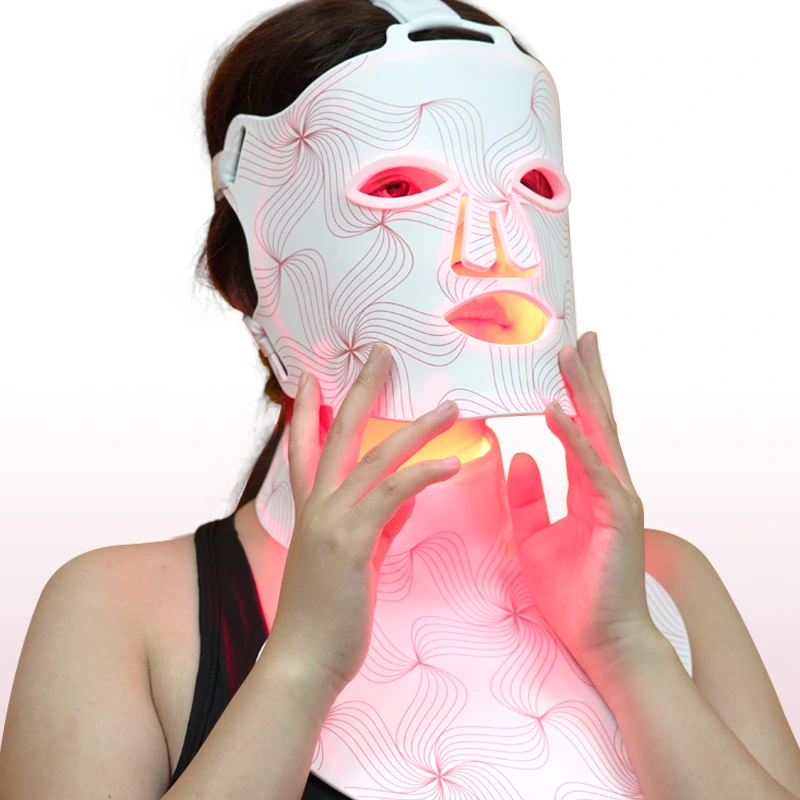
Em junho 9, 2025, a FDA 510(k) banco de dados mostra K250830 para Shenzhen Sungrow conduziu a tecnologia Co., Ltda., com o nome do dispositivo “Máscara de terapia de luz LED”. A própria entrada do banco de dados mostra o requerente, nome do dispositivo, códigos de produto (SSO e OLP), data da decisão, e uma decisão substancialmente equivalente.
A folga cobre 13 modelos, conforme documentado na carta de liberação / 510(k) resumo:
G15, G15P, G15K, G11P, G11, G10, G13, G14, G17, TOTAL, PRANA, Queixo2Peito, e BBL-FACEMASK.
Os compradores podem confirmar o requerente, nome do dispositivo, códigos de produto, e decisão diretamente no FDA 510(k) Banco de dados de notificação pré-comercialização, e solicite a carta de liberação para verificar a lista completa de modelos.
Para marcas próprias, isso é importante porque um fornecedor com uma família mais ampla de dispositivos autorizados pode oferecer melhor suporte ao planejamento da linha de produtos do que um fornecedor com um único SKU liberado. A interpretação correta não é “tudo o que você inicia é apagado automaticamente”. A interpretação correta é: você tem um ponto de referência regulatório mais claro para modelos relacionados, e você pode discutir o caminho real com o fabricante e o consultor regulatório antes do lançamento.
Onde o histórico de fabricação se encaixa nas evidências de conformidade?
O tamanho da fábrica e a faixa de categorias são informações úteis, mas eles não substituem registros regulatórios públicos, números de certificado, e relatórios de teste em nível de produto.
O histórico de fabricação ainda é importante na avaliação de fornecedores. Uma instalação interna maior e uma capacidade de produto mais ampla podem indicar recursos de engenharia mais fortes, controle de produção, e disciplina de documentação. Mas este tipo de informação deve ser tratado de forma diferente das evidências de terceiros.
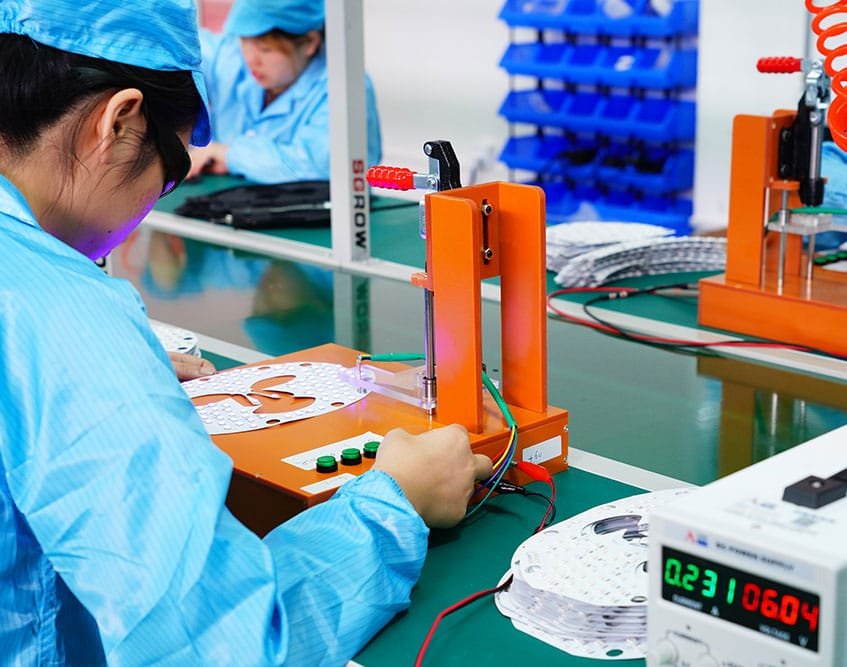
Por exemplo, Wakelife descreve sua fábrica em Shenzhen como aproximadamente 20,000 m² de espaço de fabricação interna em sua página de fabricação. Essa é uma informação útil de histórico de fábrica. Não deve ser tratado como a mesma categoria de evidência que um FDA 510(k) registro, um certificado BSI, ou uma entrada TGA ARTG.
A maneira limpa de ler as evidências do fornecedor é separá-las em camadas:
| Camada de Evidência | Exemplos | Quanto peso dar |
|---|---|---|
| Registros regulatórios públicos | FDA 510(k), Saúde Canadá MDL, Inscrições TGA ARTG | Alto: verificável de forma independente |
| Certificados SGQ de terceiros | ISO 13485, MDSAP | Alto: verificar o número do certificado, escopo, emissor, termo |
| Conformidade regional e EMC / evidência de segurança elétrica | CE / UKCA, FCC, CLIMA / Mark Global, RCM, Rohs, certificados de adaptador | Importante para o acesso ao mercado e segurança do produto, mas não trate como autorização médica |
| Relatórios de teste em nível de produto | IEC 62471, Emc, relatórios ópticos, biocompatibilidade quando aplicável | Alto, mas solicite os arquivos reais |
| Fundo de fábrica | Espaço, linhas de produção, faixa de categoria | Contexto útil, mas não uma reivindicação de conformidade |
| Materiais de vendas | Folhetos, emblemas do site, reivindicações de catálogo | Menor, a menos que seja respaldado por documentos |
Esta separação mantém o artigo honesto: escala de produção apoia a história do fornecedor, enquanto registros públicos e arquivos de teste carregam a reivindicação de conformidade.
Como você verifica as certificações de um fabricante sem depender de uma apresentação de vendas?
Solicite identificadores que possam ser verificados em bancos de dados públicos ou diretórios de certificados oficiais. Um logotipo em um site não é suficiente.
Um fornecedor sério deve ser capaz de fornecer números, não apenas emblemas. Aqui estão as verificações que um comprador pode realizar antes de fazer um pedido OEM.
1. FDA 510(k): verifique o número K
Peça o 510(k) número, em seguida, pesquise o banco de dados de notificação pré-comercialização da FDA. Confirmar:
- Nome do requerente
- Nome do dispositivo
- Data da decisão
- Resultado da decisão
- Códigos de produto
- Lista de modelos, se constar da documentação de entrada ou desembaraço
Para máscara de terapia de luz LED Sungrow/Wakelife, a entrada relevante é K250830.
2. ISO 13485: verifique o número do certificado, emissor, escopo, e validade
ISO 13485 é um padrão de sistema de gerenciamento de qualidade de dispositivos médicos. Não é o mesmo que liberação de produto. Informa que o sistema de qualidade do fabricante foi certificado de acordo com a norma dentro de um escopo definido.
Para Sungrow, as listas de diretórios de clientes do BSI ISO 13485:2016 & EM ISO 13485, número do certificado Médico 800872, para Tecnologia LED Co. de Shenzhen Sungrow, LTD. O escopo mostrado no diretório é: “O desenho, fabricação e distribuição de luzes de terapia LED para tratamento da pele e alívio da dor e máscara de terapia de luz LED para tratamento de rugas e acne leve a moderada.”
Ao revisar a ISO de qualquer fornecedor 13485 Certificado, verificar:
- Número do certificado
- Corpo emissor
- Nome e endereço da empresa
- Redação do escopo
- Data de vigência e data de vencimento
3. MDSAP: verificar se o sistema da qualidade tem cobertura de auditoria multimercado
MDSAP significa Programa de Auditoria Única de Dispositivos Médicos. É um programa de auditoria do sistema de qualidade reconhecido pelas autoridades reguladoras participantes. Não substitui todas as autorizações de comercialização específicas de cada país, mas é uma evidência significativa de um sistema de qualidade mais maduro.
Para Sungrow, as listas de diretórios de clientes do BSI MDSAP 800873 para Tecnologia LED Co. de Shenzhen Sungrow, LTD. A entrada do diretório mostra a data de registro original 2024-05-14, data da última revisão 2026-04-08, e data de validade 2027-05-13.
4. TGA ARTG: verifique as listas de dispositivos médicos australianos
Para Austrália, os compradores podem verificar as entradas do ARTG através do site da TGA. Os seguintes registros de máscara facial verificáveis publicamente são usados como exemplos trabalhados neste guia:
| ID ARTG | Patrocinador | Fabricante | Nome do produto / Tipo | Aula |
|---|---|---|---|---|
| 510468 | Apexmed Serviços Ltda | Tecnologia LED Co Ltd de Shenzhen Sungrow | Sistema de fototerapia cosmética, uso doméstico | Classe IIa |
| 525268 | Apexmed Serviços Ltda | Tecnologia LED Co Ltd de Shenzhen Sungrow | Sistema de fototerapia cosmética, uso doméstico | Classe IIa |
A questão não é decorar a página com logotipos de certificação. O objetivo é dar à sua aquisição, conformidade, e registros das equipes de distribuidores que eles podem verificar de forma independente. Os resumos públicos não, sozinhos, estabelecer que todos os produtos Wakelife, modelo de marca própria, alegar, ou a configuração é coberta. Os compradores devem confirmar o ID ARTG aplicável em relação aos documentos de escopo do patrocinador/fabricante para o produto exato.
5. Saúde Canadá MDL: verifique o licenciamento canadense de dispositivos médicos
Para o Canadá, os compradores podem verificar licenças ativas de dispositivos médicos por meio da lista de licenças ativas de dispositivos médicos da Health Canada (MDALL). O link de verificação principal deve ser a página do fabricante do MDALL, não apenas um número de licença.
As listas de páginas do fabricante MDALL:
| Campo Fabricante | Valor verificado |
|---|---|
| Fabricante | SHENZHEN SUNGROW LED TECNOLOGIA CO., LTDA |
| Endereço | 3f, 2# Prédio da Fábrica, (Fase I) Carcaça Sci & Tech Ind Park, Guangming High-Tech Ind Park, Shenzhen, 190, NC, 518000 |
| ID da empresa | 187745 |
Os compradores devem então revisar cada registro de licença separadamente. Por exemplo, a página do fabricante mostra um registro de máscara LED e um registro de luz terapêutica da série E.
| Registro MDL | Detalhes públicos para verificar |
|---|---|
| MÁSCARA DE TERAPIA COM LUZ LED |
Licença Não. 113279
Família de dispositivos | Aula 2
Data da primeira emissão:
2025-05-09
Identificadores de dispositivos incluídos (MDALL):
BBL-MÁSCARA FACIAL
QUEIXO2 PEITO
G10
G11
G11P
G13
G14
G15
G15K
G15P
G17
PRANA
TOTAL
|
|
A SÉRIE E LUZ DE TERAPIA LED |
Licença Não. 112124
Família de dispositivos | Aula 2
Data da primeira emissão:
2024-11-04
Observação: A tabela de identificadores de dispositivos MDALL deve ser revisada diretamente na página ativa do fabricante, já que as listas de identificadores estão sujeitas a atualizações ao longo do tempo.
|
Esses registros devem ser lidos como registros de licença de mercado específicos do Canadá. Eles não devem ser descritos como autorização da FDA, Inclusão de TGA, ou certificação do sistema de qualidade ISO/MDSAP. Evite também escrever esse MDL 113279 cobre painéis; o registro da máscara e o registro da luz terapêutica da série E devem ser verificados como registros de licença separados na mesma página do fabricante.
6. CE, UKCA, FCC, CLIMA / Mark Global: verifique a camada de conformidade não médica separadamente
Nem todo dispositivo LED de beleza com luz vermelha é comercializado como um dispositivo médico. Alguns produtos são vendidos como aparelhos elétricos de beleza em geral ou dispositivos de bem-estar para o consumidor. Para esses produtos, a documentação principal pode ser CE / UKCA, FCC, Rohs, Relatórios de EMC, relatórios de segurança elétrica, certificados de adaptador, RCM / Evidência EESS, ou SAA / Certificados Global-Mark em vez de FDA 510(k), Saúde Canadá MDL, ou TGA ARTG.
Esta camada ainda é importante, mas isso prova uma coisa diferente. A documentação CE ou UKCA ajuda a apoiar a conformidade de produtos aplicáveis da UE ou do Reino Unido. Evidências da FCC apoiam a compatibilidade eletromagnética dos EUA ou conformidade com radiofrequência. CLIMA / Evidências relacionadas ao Global-Mark e ao RCM podem apoiar a Austrália / Revisão de segurança elétrica na Nova Zelândia, especialmente para dispositivos alimentados, plugues, carregadores, e adaptadores.
Os compradores devem verificar a declaração, relatório, ou certificado por número de modelo, padrão, organismo emissor, número do relatório, número do certificado, configuração testada, e acessórios cobertos. Não trate CE, UKCA, FCC, CLIMA, Mark Global, ou RCM como prova de autorização da FDA, eficácia clínica, ou reclamações de tratamento médico.
Para a UE especificamente, os compradores devem distinguir a conformidade CE geral da marcação CE de acordo com o Regulamento (UE) 2017/745. Se o dispositivo tiver uma finalidade médica pretendida — ou puder se enquadrar em um grupo de produtos do Anexo XVI do MDR — revise a rota, classificação, Declaração de Conformidade, e escopo do Organismo Notificado em CE vs CE MDR para dispositivos de beleza LED.
7. Ul 60601-1 e IEC 60601: verificar evidências de segurança elétrica médica
Para dispositivos de terapia LED alimentados, os compradores também devem revisar as evidências de segurança elétrica. Isso é mais importante para produtos com adaptadores, carregadores, baterias recarregáveis, controladores, painéis de maior potência, ou posicionamento de canal clínico.
IEC 60601-1 pertence à família de padrões de equipamentos elétricos médicos e atende aos requisitos gerais de segurança básica e desempenho essencial. A aplicação depende do uso pretendido do produto, classificação regulatória, mercado-alvo, e quaisquer padrões específicos aplicáveis; não é um requisito geral para todos os produtos LED alimentados. Soluções UL descrevem IEC 60601 testes e certificação como forma de avaliar a conformidade com os requisitos de segurança e desempenho para equipamentos elétricos médicos. Na América do Norte, certificação ou listagem em um padrão aplicável por um organismo de teste reconhecido, por exemplo, um NRTL sob o Programa OSHA NRTL, pode ser uma evidência de segurança significativa quando exigido pelo produto, local de trabalho, comprador, ou caminho de mercado.
Ao contrário da FDA 510(k), ISO 13485, MDSAP, TGA ARTG, ou Health Canada MDL, a certificação de segurança elétrica nem sempre resulta em uma única entrada de banco de dados público que os compradores podem pesquisar pelo nome da empresa. É exatamente por isso que os compradores devem solicitar os identificadores específicos do arquivo ou relatório e confirmá-los com o órgão emissor.. Trate um logotipo UL ou ETL em uma página da mesma forma que trata qualquer outro logotipo neste guia: não verificado até que você tenha o número por trás dele.
Ao revisar a UL / IEC 60601 reivindicações, pedir:
- Número padrão exato e edição
- Laboratório de testes ou organismo de certificação, como UL, Intertek/ETL, TUV, ou outro organismo reconhecido
- Número do relatório, número do certificado, Relatório CB, Número do arquivo UL, ou detalhes da listagem NRTL
- Modelo do produto(é), adaptador, carregador, bateria, controlador, e acessórios cobertos
- Se o arquivo cobre segurança elétrica, Emc, ou ambos
- Se a configuração testada corresponde ao produto comercial que você planeja encomendar
Os compradores não devem tratar UL ou IEC 60601 evidência como autorização da FDA, Saúde Canadá MDL, Inclusão de TGA, ou evidência de eficácia clínica. Pertence à camada de segurança elétrica, e deve ser verificado pelo número do arquivo, não por logotipo.
8. Registros ópticos em nível de lote: peça os dados por trás do produto
As certificações não substituem o controle de qualidade da produção. Para dispositivos de terapia LED, os compradores devem solicitar registros recentes em nível de lote, como:
- Verificação de comprimento de onda do espectrofotômetro
- Medições de irradiância com distância e condições de teste
- IEC 62471 relatórios de segurança fotobiológica
- Relatórios de segurança elétrica e EMC, quando aplicável
- Documentação de biocompatibilidade para materiais em contato com a pele, quando aplicável
Se um fornecedor puder mostrar rapidamente os registros atuais de testes ópticos, isso é um bom sinal. Se cada resposta se tornar um folheto, continue perguntando.
Como você deve resumir as evidências antes de uma decisão OEM?
Crie uma tabela de evidências que separe os registros públicos, certificados de terceiros, relatórios de teste de produto, e informações de histórico de fábrica.
Uma tabela de evidências útil mantém a conversa factual. Em vez de perguntar se um fornecedor é “certificado,” liste cada reivindicação ao lado do documento ou registro do banco de dados que a suporta.
| Área de Evidências | O que perguntar | Bandeira vermelha |
|---|---|---|
| Status da FDA | Qual é o 510(k) número? Quais modelos são cobertos? | “Registrado pela FDA” sem número K |
| Escopo do modelo | Quantos modelos de máscaras estão incluídos na família liberada ou na ficha técnica? | Um SKU com afirmações vagas sobre variantes futuras |
| Sistema de qualidade | ISO 13485? MDSAP? Número do certificado, emissor, escopo, termo? | Logotipo do certificado sem número verificável |
| Registros de mercado | TGA ARTG, Saúde Canadá MDL, UKCA, Documentação CE conforme relevante para o seu mercado | Um certificado genérico usado para cada mercado |
| Conformidade geral do produto | FCC, CLIMA / Mark Global, RCM / EESS, Rohs, Evidência de EMC e adaptador quando relevante | Documentos elétricos ou EMC apresentados como autorização médica |
| Controle de qualidade óptico | Relatórios recentes de comprimento de onda e irradiância com condições de teste | Especificações de marketing, mas sem dados de lote |
| Relatórios de teste de produto | IEC 62471, dados ópticos, Emc, arquivos de materiais quando aplicável | Especificações do folheto sem relatórios |
| Fundo de fábrica | Página da instalação, capacidade de produção, categorias de produtos | Reivindicações de tamanho de fábrica sem contexto |
Uma maneira contida de ler a amplitude da certificação
Para Wakelife/Sungrow, os registros publicamente verificáveis mais fortes para este artigo são:
| Tipo de evidência | Identificador Público |
|---|---|
| FDA 510(k) | K250830 |
| ISO 13485 | Certificado BSI Médico 800872 |
| MDSAP | Certificado BSI MDSAP 800873 |
| Saúde Canadá MDL | Página do fabricante MDALL – ID da empresa 187745 |
| TGA ARTG | 510468 | 525268 |
| Fundo de fábrica | Página de fabricação Wakelife Aproximadamente 20,000 m² de espaço de fabricação interna |
Isso não significa que a Wakelife seja automaticamente o fornecedor certo para cada marca. Isso significa que a evidência pode ser verificada. A decisão de fornecimento ainda depende do mercado-alvo, reivindicações, orçamento, linha do tempo, MOQ, necessidades de personalização, e roteiro de produtos.
Que evidências você deve solicitar antes de assinar?
Antes de pagar uma taxa de molde ou confirmar a embalagem, peça ao fornecedor um pacote de documentos:
- FDA 510(k) número e carta de autorização, se o produto for reivindicado como 510(k)-limpo
- ISO 13485 certificado com emissor, escopo, e expiração
- Certificado MDSAP, se for relevante para seus mercados
- TGA ARTG, Saúde Canadá MDL, UKCA, CE, FCC, CLIMA / Mark Global, RCM / EESS, ou outra documentação de mercado, quando relevante
- IEC 62471 relatório de segurança fotobiológica
- Documentação de material de contato com a pele e arquivos de biocompatibilidade, quando aplicável
- Registros recentes de testes de comprimento de onda e irradiância
- Embalagem, rotulagem, manual, e suporte para revisão de reivindicações
- Roteiro do produto: máscaras, dispositivos de pescoço/tórax, painéis, crescimento do cabelo, terapia para animais de estimação, ou outras categorias planejadas
É também aqui que a adequação do fornecedor fica clara. Um bom parceiro OEM não dirá apenas “sim”. Eles lhe dirão quais reivindicações são seguras, quais documentos estão disponíveis, quais reivindicações precisam de revisão legal, e quais ideias de produtos podem exigir mais testes ou trabalho regulatório.
Se você ainda está definindo o produto em si, comece com o Guia de fornecimento OEM de máscara facial LED primeiro, em seguida, retorne a este guia de certificação quando estiver pronto para verificar a documentação.
Solicite uma consulta OEM: https://wakelifebeauty.com/contact/
Envie seu mercado-alvo, modelo de produto pretendido, reivindicações planejadas, quantidade esperada do pedido, e roteiro da próxima categoria. Podemos ajudá-lo a comparar a documentação que deve solicitar a qualquer fabricante, incluindo fornecedores que não são nós.
Porque o fabricante certo para a sua marca nem sempre é aquele com a página mais barulhenta. É aquele cujas evidências podem sobreviver ao seu distribuidor, plataforma, e revisão de conformidade.
Quais documentos são mais importantes para cada mercado-alvo?
Comece com o mercado onde você realmente venderá, em seguida, combine os documentos com o nível do produto, alegar, modelo, e conjunto de acessórios. Uma longa lista de certificados é menos útil do que o arquivo certo para o mercado certo.
Use-o como um mapa de primeira passagem antes de enviar uma RFQ. Não substitui a revisão legal ou regulatória, mas ajuda os compradores a fazer perguntas mais precisas.
| Mercado-alvo | Se posicionado como médico / Terapêutico | Se posicionado como beleza geral / Bem-estar | O que perguntar primeiro ao fornecedor |
|---|---|---|---|
| Estados Unidos | FDA 510(k) quando aplicável, Registro na FDA / contexto de listagem, rotulagem e revisão do uso pretendido, segurança elétrica e Emc evidência quando relevante. | FCC / Emc evidência, arquivos de segurança elétrica, adaptador / documentação do carregador, Rohs / Suporte 65 revisar quando relevante, fundamentação da reivindicação. | “Este modelo exato é coberto por um 510(k), ou apenas registrado pela FDA / listado? Se não for médico, o que FCC / Arquivos EMC e de segurança elétrica cubra-o?” |
| União Europeia | Marcação CE sob MDR onde o dispositivo é médico ou segue uma rota MDR aplicável; classificação, técnico documentação, DOC, Status do organismo notificado quando necessário. | Em geral Estrada CE: DOC, Emc, LVD quando relevante, Rohs, VERMELHO para funções sem fio, ficha técnica, rotulagem. | “Esta documentação CE geral ou marcação CE sob MDR? Qual UE legislação e padrões estão listados no DoC?” |
| Reino Unido | Rota de dispositivos médicos no Reino Unido / UKCA ou rota CE aceita dependendo das regras atuais e do status do produto; Reino Unido revisão da parte responsável, quando aplicável. | UKCA / CE aceito documentação, Emc, elétrico segurança, Rohs, evidência de rádio, quando aplicável, Revisão de rotulagem no Reino Unido. | “Qual rota do Reino Unido está sendo usada, e o pacote de documentos corresponde ao modelo exato e reivindicações?” |
| Canadá | Saúde Canadá Mdl onde o produto é licenciado dispositivo médico; nome do dispositivo, número de licença, aula, identificadores. | Segurança elétrica, Emc, rotulagem, importador e produto em geral revisão de conformidade, quando aplicável. | “Existe um MDL ativo para esta família ou modelo exato de dispositivos? Qual identificadores de dispositivos são mostrados em MDALL?” |
| Austrália / Nova Zelândia | TGA ARTG inclusão quando aplicável; patrocinador, fabricante, tipo de produto, aula, ID ARTG. | RCM / EESS / CLIMA / Mark Global evidência, segurança elétrica, Emc, adaptador / arquivos de plug-in, rotulagem. | “Esta é uma entrada de dispositivo médico ARTG ou uma segurança elétrica / RCM pacote de documentos? Quem é o patrocinador ou fornecedor responsável?” |
| Marca Própria Multimercado | Autorização específica de mercado ou rota de conformidade para cada mercado; revisão de reivindicação e rotulagem por região. | CE / UKCA / FCC / RCM / CLIMA / Mark Global / Rohs / Emc arquivos por configuração, além de arte e manual de marca própria revisão. | “Quais documentos podem sobreviver à marca, embalagem, manual, alegar, acessório, adaptador, ou alterações no controlador?” |
A regra prática: não pergunte a um fornecedor, “Você tem todos os certificados?" Perguntar, “Quais arquivos suportam este modelo exato, esta afirmação, este conjunto de acessórios, e este mercado-alvo?”
Perguntas de RFQ que você pode copiar antes de entrar em contato com um fornecedor
Um fornecedor sério deve responder com nomes de documentos, números de certificado, escopo do modelo, e limites claros, não apenas capturas de tela do logotipo.
Use ou adapte as perguntas abaixo ao comparar OEM / Fornecedores ODM:
| Pergunta de RFQ | O que uma resposta útil deve incluir |
|---|---|
| Este modelo exato está posicionado como um modelo médico? / dispositivo terapêutico ou um aparelho elétrico de beleza geral? | Uso pretendido, mercado-alvo, limite de reivindicação, e o rota do documento usado para esse posicionamento. |
| Se a autorização da FDA for solicitada, qual é o 510(k) número e qual modelos são cobertos? | Número K, requerente, nome do dispositivo, códigos de produto, data da decisão, e carta de autorização / escopo resumido. |
| Se o produto for apenas registrado ou listado pela FDA, você pode confirmar isso não é o mesmo que FDA 510(k) autorização? | Estabelecimento / contexto de listagem e cuidadoso redação compatível que a marca deve usar. |
| Quais documentos cobrem as vendas na UE: documentação CE geral ou CE marcação sob MDR? | Declaração de conformidade da UE (DOC), aplicável legislação / padrões, e classificação ou Estrada MDR se relevante. |
| Quais registros MDL ou TGA ARTG da Health Canada se aplicam a este produto? | Licença / ID ARTG, patrocinador ou fabricante, nome do produto, aula, família de dispositivos, e exato identificadores. |
| Faça ISO 13485 e certificados MDSAP cobrem o escopo de fabricação para esta categoria de produto? | Número do certificado, emissor, preciso redação do escopo, local de fabricação, data efetiva, e data de validade. |
| Os arquivos de segurança elétrica ou EMC cobrem todo o dispositivo ou apenas o adaptador / carregador? | Número do relatório ou certificado, padrões aplicados, laboratório de testes, lista de modelos cobertos, e verificação de adaptador, carregador, bateria, controlador, e escopo de acessórios . |
| São IEC 62471, comprimento de onda, e relatórios de irradiância disponíveis para esse modelo exato? | Data do relatório, distância de teste, condições de teste precisas, ID da amostra, comprimento de onda de pico medido, e dados de irradiância. |
| Se mudarmos a marca, embalagem, manual, reivindicações, controlador, carregador, ou acessórios, quais documentos precisam de revisão? | Limites de marca própria, obra de arte / Revisão das instruções de uso etapas, e requisitos de atualização ou transferência de documentos. |
| Quais afirmações podemos usar com segurança, e quais reivindicações precisam de regulamentação ou revisão jurídica? | Beleza / limites de redação de bem-estar, médico / limites de redação terapêutica, e o evidência clínica ou científica necessária para alegações de alto risco. |
Se um fornecedor não puder responder a estas perguntas, isso não significa automaticamente que o produto seja ruim. Isso significa que sua aquisição, conformidade, ou a equipe do distribuidor deve diminuir o ritmo antes de pagar pelos moldes, embalagem, ou uma primeira ordem de produção.
Perguntas frequentes
O registro do FDA é igual ao FDA 510(k) autorização?
Não. O registro da FDA ou a listagem de dispositivos não são iguais aos da FDA 510(k) autorização. UM 510(k) a autorização está vinculada a um dispositivo específico ou família de dispositivos e é baseada na equivalência substancial a um dispositivo predicado comercializado legalmente.
Faz 510(k) autorização significa aprovação da FDA?
Não. FDA 510(k) autorização não é aprovação da FDA. O texto mais seguro é “aprovado pela FDA” ou “510(k)-limpo,”não“ aprovado pela FDA,” a menos que o produto realmente tenha aprovação da FDA através do caminho apropriado.
Uma marca própria pode usar um fabricante 510(k)?
Depende do dispositivo, rotulagem, marca, modelo de distribuição, e responsabilidades regulatórias. Uma autorização do fabricante pode ser valiosa, mas o uso de marca própria deve ser revisado com o fabricante e com o conselho regulador antes do lançamento.
Um número MDL da Health Canada cobre todos os dispositivos de terapia LED?
Não. Os compradores devem revisar cada registro de licença MDALL separadamente. Para Sungrow, MDALL mostra a página do fabricante em Company ID 187745, com registros separados, como LED LIGHT THERAPY MASK e THE E-SERIES LED THERAPY LIGHT. Não trate um número MDL como cobertura para cada categoria de produto.
TGA ARTG é o mesmo que FDA 510(k) ou Health Canada MDL?
Não. TGA ARTG, FDA 510(k), e Health Canada MDL são registros regulatórios específicos de mercado diferentes. Um produto pode ter documentação para um mercado e ainda precisar de revisão ou documentação separada para outro mercado.
Faça ISO 13485 e MDSAP significam que o próprio produto está liberado?
Não. ISO 13485 e MDSAP são evidências do sistema de qualidade. Eles ajudam os compradores a avaliar se o fabricante opera sob uma estrutura de qualidade de dispositivos médicos, mas eles não substituem a autorização de mercado em nível de produto, como a FDA 510(k), Saúde Canadá MDL, ou TGA ARTG.
UL 60601-1 ou IEC 60601 comprovar eficácia clínica?
Não. Ul 60601-1 e IEC 60601-1 referem-se à segurança elétrica médica e ao desempenho essencial quando esses padrões se aplicam ao dispositivo. Não comprovam a eficácia do tratamento e não substituem a autorização de introdução no mercado.
Os dispositivos médicos de terapia LED e os dispositivos elétricos de beleza LED em geral são certificados da mesma forma??
Não. Um dispositivo LED médico ou terapêutico pode precisar de autorização de comercialização e de evidências de qualidade do dispositivo médico, dependendo do mercado-alvo e das reivindicações. Um aparelho elétrico de beleza geral pode precisar principalmente de CE / UKCA, FCC, Rohs, Emc, RCM / EESS, CLIMA / Mark Global, adaptador, segurança elétrica, rotulagem, e documentação de segurança do produto. A reivindicação e o mercado-alvo determinam o pacote de documentos.
É IEC 62471 o mesmo que teste de irradiância ou comprimento de onda?
Não. IEC 62471 é uma avaliação de segurança fotobiológica para lâmpadas e sistemas de lâmpadas. Os relatórios de comprimento de onda e irradiância são registros de saída óptica separados. Para fornecimento, os compradores devem solicitar relatórios de segurança e dados de testes ópticos recentes com condições de medição.
O que devo perguntar primeiro a um fornecedor OEM de dispositivo de terapia LED?
Comece com o mercado-alvo e a categoria de produto pretendida. Então solicite o 510(k) número se a autorização da FDA for solicitada, ISO 13485 e certificados MDSAP, registros de registro de mercado, como Health Canada MDL ou TGA ARTG, quando relevante, Ul / IEC 60601 evidência de segurança elétrica, quando aplicável, IEC 62471 relatórios, e registros recentes de testes de comprimento de onda e irradiância.
O que os compradores devem fazer após verificar os certificados?
Depois que os registros públicos e os números dos certificados forem verificados, o próximo passo é combinar as evidências com o produto que você realmente planeja comprar.
Antes de aprovar um fornecedor, confirme cinco coisas juntos:
- O modelo exato e a família de produtos.
- O controlador, adaptador, carregador, bateria, acessórios, e configuração testada.
- O mercado-alvo e o canal de vendas.
- As reivindicações pretendidas, rotulagem, e mudanças de marca própria.
- Os registros ópticos e de produção disponíveis para a versão aprovada.
A certificação não escolhe o SKU certo, e um documento válido não cobre automaticamente todas as configurações ou reivindicações de marketing.
Antes de agendar uma visita à fábrica, use o Lista de verificação de qualificação OEM para terapia de luz vermelha para verificar a pessoa jurídica, site, escopo do certificado, registros exatos do dispositivo, e evidências de controle de produção.
Se você ainda está comparando plataformas de máscaras, use o Guia de fornecimento OEM de máscara facial LED. Se o modelo do produto já estiver selecionado, continuar com o mercado relevante, sistema de qualidade, segurança elétrica, segurança óptica, ou guia de reivindicações no Centro de Tópicos de Certificação abaixo.
Resumo
A certificação do dispositivo de terapia LED não é um documento. Uma revisão séria do OEM deve separar a autorização de comercialização, certificação do sistema de qualidade, segurança elétrica, segurança fotobiológica, dados de saída óptica, e fundo de fábrica.
Para compradores, a regra prática é simples: pergunte o que cada certificado comprova, o que não prova, e onde pode ser verificado. Um fornecedor com fortes evidências deve ser capaz de fornecer links de bancos de dados públicos, números de certificado, relatórios de teste, escopo do modelo, e suporte para revisão de reclamações sem transformar cada documento em uma reclamação de marketing.
Se você estiver comparando Wakelife como um potencial parceiro OEM, comece com a categoria de produto relevante, em seguida, revise o caminho da documentação de suporte abaixo.
Centro de tópicos de certificação
Use estes guias mais detalhados quando precisar verificar uma camada de evidências com mais detalhes:
| Tópico | O que ajuda a verificar |
|---|---|
| Registrado na FDA versus FDA 510(k) Máscaras faciais de LED apagadas | A diferença entre o registro de estabelecimento da FDA, listagem de dispositivos, e 510(k) autorização |
| Verificação MDL da Health Canada para dispositivos de terapia LED | Como ler registros MDALL por fabricante, número de licença, aula, nome do dispositivo, e identificador |
| Verificação TGA ARTG para máscaras faciais de LED e dispositivos de terapia de luz vermelha | Como verificar o ID ARTG, patrocinador, fabricante, nome do produto, e classe de dispositivo |
| ISO 13485 vs MDSAP para fabricantes de dispositivos de terapia LED | O que os certificados do sistema de qualidade podem provar, e o que eles não podem provar |
| IEC 62471, Irradiância, e relatórios de comprimento de onda para máscaras faciais de LED | Como separar evidências de segurança fotobiológica dos dados de saída óptica |
| Ul 60601-1 e IEC 60601 para dispositivos de terapia LED | Como revisar evidências de segurança elétrica, números de arquivo, modelos testados, e acessórios cobertos |
| CE, UKCA, FCC, Conformidade SAA e Global-Mark para dispositivos de terapia LED | Como separar as evidências de dispositivos médicos das evidências elétricas de beleza em geral, Emc, e documentos regionais de acesso ao mercado |
| CE vs CE MDR para dispositivos de beleza LED | Como distinguir a conformidade CE geral para dispositivos elétricos de beleza da marcação CE sob o MDR da UE para dispositivos médicos LED |
| Guia de reivindicações de dispositivos de beleza LED | Que beleza, bem-estar, terapêutico, e a redação médica muda o caminho da evidência e da certificação |
| Como qualificar um OEM de terapia de luz vermelha antes de uma visita à fábrica | Como combinar entidade, Certificado, dispositivo exato, e evidências de controle de fábrica em uma decisão de ir/não ir do fornecedor |
Recursos relacionados ao Wakelife
| Recurso | Melhor uso |
|---|---|
| OEM / Serviços ODM | Entenda como a documentação, personalização, e o desenvolvimento de produtos se enquadram em um projeto OEM |
| Pesquisar & Desenvolvimento | Revise como a engenharia, teste, e planejamento de conformidade entram no desenvolvimento de produtos |
| Marca própria | Compare o fornecimento de marca própria com OEM mais profundo / Desenvolvimento ODM |
| Fabricação | Revise o histórico da fábrica, capacidade de produção, e contexto de fabricação interna |
| Máscara facial LED | Explore a categoria de máscaras mais intimamente ligada à FDA 510(k) K250830 e MDL 113279 |
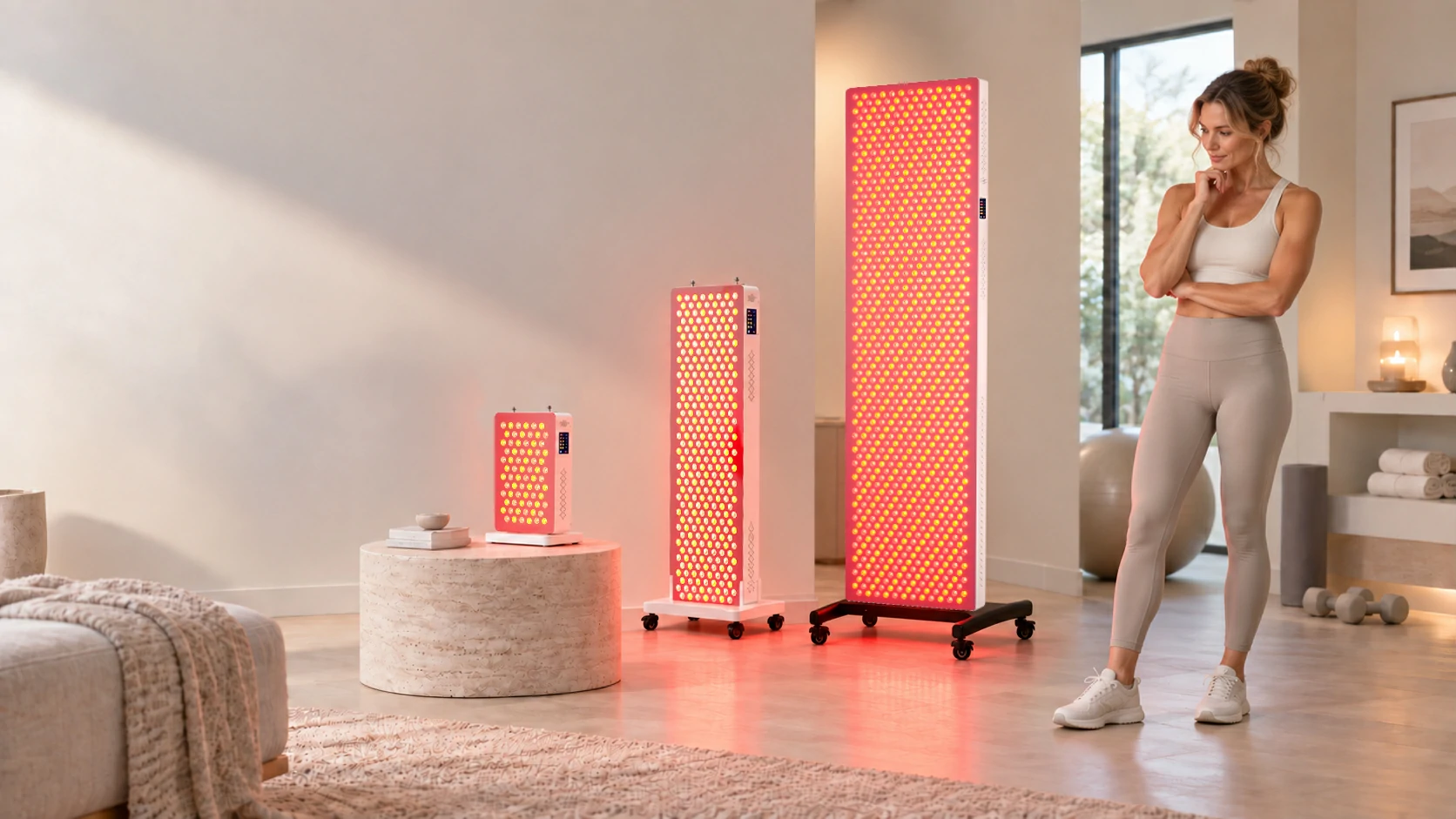
| Painel de terapia de luz LED | Explore categorias de painel e luz terapêutica relacionadas ao MDL mais amplo, TGA, e revisão de segurança elétrica |
| Crescimento do cabelo laser laser | Revise uma categoria de wearable adjacente de maior conformidade |
| Terapia de luz vermelha para animais de estimação | Revise outra categoria de fototerapia onde as reivindicações e a documentação precisam de uma separação cuidadosa |