TL;DR per gli acquirenti
- Non scegliere il produttore di un dispositivo per la crescita dei capelli solo in base alla lunghezza d'onda o al numero di emettitori. Per prima cosa abbina il fattore di forma al flusso di lavoro dell'utente e al canale di vendita; quindi verificare l'uscita ottica del modello esatto, controlli di sicurezza, documenti sull'usabilità e sul mercato di riferimento.
- Caschi rigidi e cappucci integrati supportano l'uso a mani libere, i cappucci modulari supportano una storia di prodotto lifestyle, e i pettini supportano il posizionamento portatile sezione per sezione. Nessuno di questi formati è automaticamente più efficace.
- GUIDATO, le piattaforme convenzionali a diodi laser e VCSEL richiedono diverse questioni tecniche e di sicurezza. Il nome della fonte non stabilisce di per sé l'esposizione consegnata, copertura del cuoio capelluto, prestazione clinica o stato normativo.
- La ricerca pubblicata sulla terapia della luce di basso livello supporta dispositivi studiati specifici per la caduta dei capelli. Ciò non dimostra che un dispositivo appena citato riprodurrà i risultati o il protocollo di un altro prodotto.
- Prima di approvare un campione, bloccare il mercato di riferimento, utente previsto, sinistri pianificati e configurazione esatta. Quindi richiedere una specifica controllata, report specifici del modello, etichettatura, istruzioni e un elenco scritto delle modifiche.
Cosa dovrebbe decidere un marchio prima di confrontare i produttori?
Definire il mercato, flusso di lavoro dell'utente e limite delle rivendicazioni prima di confrontare le specifiche. Altrimenti, un fornitore può quotare un dispositivo interessante mentre l'acquirente è ancora indeciso sul lavoro che quel dispositivo dovrà svolgere.
Inizia con questo brief di progetto:
| Decisione | Cosa definire prima della RFQ | Perché cambia la scelta del prodotto |
|---|---|---|
| Cliente target | Utente domestico, cliente della cura dei capelli, paziente della clinica, portfolio di clienti o distributori del salone | Modifica il flusso di lavoro accettabile, onere didattico e modello di supporto |
| Mercato di riferimento | Stati Uniti, Unione Europea, Canada, Australia o altro mercato denominato | Cambia la regolamentazione, domande sull'etichettatura e sui documenti dell'importatore |
| Sinistri pianificati | Posizionamento per la cura del cuoio capelluto, linguaggio generale del benessere o destinazione d'uso specifica per la crescita dei capelli/alopecia | Cambia le prove e il percorso del mercato; la formulazione non può essere separata dall'uso previsto |
| Flusso di lavoro dell'utente | Abbigliamento per l'intera sessione a mani libere, posizionamento mirato portatile o integrazione con un'altra routine di cura dei capelli | Determina se il casco, la cuffia o il pettine sono pratici |
| Ruolo commerciale | SKU di ingresso, prodotto eroe premium, dispositivo di supporto clinico o portafoglio multi-SKU | Modifica il costo target, confezione, garanzia, formazione e complessità del lancio |
| Personalizzazione | Solo logo e confezione, modifiche al firmware/impostazioni, cambiamenti ottici o un nuovo design industriale | Test di modifiche, documentazione e ambito di controllo delle modifiche |
Una regola predefinita utile è: scegli prima il flusso di lavoro; verificare l'esatto dispositivo secondo. Un prodotto tecnicamente impressionante ma scomodo per il cliente previsto è pur sempre il prodotto sbagliato. Nemmeno un prodotto che si adatta al cliente ma manca della prova del modello esatto richiesto è pronto per l'approvazione.
Questa guida utilizza frasi di mercato come "dispositivo per la crescita dei capelli" per descrivere la categoria ricercata dagli acquirenti. Tali frasi non dimostrano che ogni prodotto a cui si fa riferimento sia un dispositivo medico, ha un'indicazione autorizzata sulla crescita dei capelli o è autorizzato per un mercato particolare. La classificazione dipende dal prodotto esatto, destinazione d'uso, pretese e giurisdizione.
Is Your Haircare Brand Ready for Its First Light-Based Scalp Device?
A haircare brand is ready to evaluate its first light-based scalp device when it has a traceable customer or channel need, a defined job for the SKU and named owners for the decisions that follow. You do not need to choose every technical specification before speaking with a manufacturer, but you should know what the first evaluation is meant to prove.
Use this readiness check before comparing helmets, caps or combs:
| Readiness check | Question for your team | Minimum output before moving forward |
|---|---|---|
| Customer or channel evidence | Who has asked for a device, and what problem or product format did they describe? Is the signal from customer inquiries, retailer or distributor conversations, domande di supporto, or an internal hypothesis? | Record one traceable demand signal. Label an untested assumption as an assumption rather than treating it as forecast demand. |
| Role of the first SKU | What is the device expected to do within the current range: create an entry point, serve as a premium product, extend a scalp-care routine, or support a particular sales channel? | Choose one primary role. Do not assume that sharing a hair-care theme means the device and a cosmetic formula have proven combined effects. |
| Ownership and support | Who owns product decisions, evidence and labeling questions, customer education, ritorna, warranty issues and escalation after launch? | Assign an owner to each open responsibility and record what must be confirmed with the manufacturing partner. |
| Evaluation plan | What must a sample or limited channel evaluation answer: fit and usability, confezione, customer understanding, channel interest or likely support burden? | Set the questions, evidence to collect, review owner and decision date before requesting major customization. |
If all four areas are clear, proceed to platform and sample evaluation. If the product role is clear but evidence or support ownership is incomplete, close those gaps first. If the idea is based mainly on category attention and no team owns the customer or support problem, pause or narrow the concept before committing to custom engineering.
Once this internal brief is ready, use the form-factor matrix below to shortlist a helmet, tappo integrato, modular cap or comb. Then use the RFQ checklist later in this guide to tell the manufacturer which decision the proposal must support.
Dovresti scegliere un casco, Tappo in silicone, Cuffia o pettine modulare?
Scegli il fattore di forma che rende la routine prevista più facile da ripetere e più facile da convalidare per il tuo team. I quattro formati principali risolvono diversi compiti di prodotto.
| Fattore di forma | Si adatta meglio quando | Principale compromesso | Cosa deve dimostrare il campione | Scarsa prima scelta quando |
|---|---|---|---|---|
| Casco rigido | Un premio, il prodotto a mani libere necessita di una geometria interna definita e di un posizionamento della testa completa | Pacchetto più grande, volume di spedizione più elevato, magazzinaggio, peso e pressione di adattamento | Gamma di dimensioni della testa, punti di pressione, movimento, comportamento termico, geometria array-testa, controlli e stati di guasto dei sensori | Il marchio ha bisogno di un aspetto lifestyle discreto o di una logistica molto compatta |
| Tappo in silicone integrato | Un prodotto indossabile ha bisogno di morbidezza, corpo comprimibile con una serie di luci integrate | La geometria flessibile può cambiare vestibilità, distanza e stress da pulizia | Vestibilità ripetibile, vita flessibile, tensione del connettore, limiti di pulizia, temperatura superficiale e output spaziale con la configurazione definita | Il progetto richiede una geometria fissa rigida o uno stile tessile che cambia stagionalmente |
| Berretto in tessuto modulare | Un marchio lifestyle desidera un inserto luminoso rimovibile che possa funzionare con diversi concetti di cappelli | Il posizionamento dell'inserto e l'integrazione del tessuto possono variare a seconda dell'uso | Allineamento, ritenzione, posizionamento ripetibile, compatibilità con i tessuti, disposizione di ricarica e separazione delle parti elettroniche da quelle lavabili | Le affermazioni o il piano di test dipendono da una geometria strettamente fissata tra emettitore e cuoio capelluto |
| Pettine portatile | Un prodotto portatile o entry-level necessita di posizionamento sezione per sezione e può supportare una routine utente attiva | Il movimento e il sezionamento dell'utente creano una maggiore variazione del flusso di lavoro rispetto all'uso a mani libere | Geometria dente/contatto, istruzioni di movimento, raggiungere attraverso i capelli, pulizia e qualsiasi siero, Compatibilità EMS o vibrazioni | Il cliente si aspetta passivo, a mani libere, utilizzo simultaneo su tutto il cuoio capelluto |
La tabella mette a confronto flusso di lavoro del prodotto, non l’efficacia del trattamento. Gli studi pubblicati utilizzano dispositivi e protocolli specifici; non stabiliscono una classificazione clinica universale tra i caschi, formati a cuffia e pettine.
Utilizza la matrice per creare una lista ristretta, quindi testare l'idoneità commerciale. Una linea premium a mani libere può iniziare con un casco rigido o un berretto integrato; una linea lifestyle può iniziare con un cappellino modulare; un pacchetto portatile per la cura del cuoio capelluto può iniziare con un pettine. Una clinica non è un fattore di forma di per sé: la decisione dipende ancora da chi utilizza il dispositivo, come viene pulito, quali richieste sono pianificate e quali prove relative al dispositivo esatto supportano il flusso di lavoro. Un distributore può invece costruire una scaletta di formati con ingresso, lifestyle e SKU premium.
Per un confronto più approfondito del posizionamento dei dispositivi indossabili, logistica e adattamento del marchio, vedi Wakelife Guida all'approvvigionamento di berretto contro casco. Usa quella guida dopo la lista dei candidati, quindi torna qui per collegare il formato selezionato con le prove del produttore, approvazione del campione e progettazione della richiesta di offerta.
Un marchio dovrebbe scegliere il LED, Laser o VCSEL?
Scegli LED, diodo laser convenzionale o VCSEL come decisione ingegneristica e di percorso di mercato, non come scorciatoia per una dichiarazione di efficacia. La domanda più importante è cosa fornisce il dispositivo finito e come viene controllato tale output, testato e documentato.
| Architettura delle sorgenti | Perché un brand può prenderlo in considerazione | Cosa richiedere | Non dare per scontato |
|---|---|---|---|
| GUIDATO | Integrazione multi-lunghezza d'onda, layout flessibili, ampio ecosistema di fornitori e architettura di prodotti non laser | Dati spettrali, mappa dell'irradianza, modalità/ciclo di lavoro, stabilità termica, rapporto di sicurezza fotobiologica applicabile e configurazione testata esatta | Prestazioni cliniche inferiori o superiori solo perché è LED |
| Diodo laser convenzionale | Sorgente laser a banda stretta e una categoria di dispositivi matura in alcuni prodotti per la crescita dei capelli | Uscita per emettitore, profilo della trave, mappa spaziale, classificazione laser del prodotto finito, emissione accessibile, etichette, istruzioni e registrazioni di mercato applicabili | Un valore mW per diodo equivale all’irradiazione del cuoio capelluto, fluenza o sicurezza degli occhi |
| matrice VCSEL | Integrazione compatta di array laser e architettura di emettitore alternativa per tappi, caschi e pettini | Identificazione esatta della parte, spettro, uscita per emettitore, divergenza/profilo del fascio, uniformità dell'array, deriva termica, classificazione laser del prodotto finito e test dei guasti | Penetrazione più profonda, maggiore precisione, migliore uniformità o migliori risultati sui capelli senza dati comparativi diretti |
IL Panoramica dei prodotti laser della FDA distingue i LED dai diodi laser e spiega che gli Stati Uniti. i prodotti laser sono soggetti ai requisiti applicabili in materia di prestazioni delle radiazioni. Si afferma inoltre che i prodotti laser utilizzati per applicazioni mediche devono essere conformi alle normative applicabili sui dispositivi medici. Per un americano. progetto laser, quelli sono controlli paralleli; la documentazione del dispositivo medico non sostituisce la documentazione relativa alle radiazioni laser del prodotto finito, e la documentazione relativa al laser non sostituisce un percorso di mercato applicabile ai dispositivi medici.
Dal punto di vista dell'approvvigionamento, VCSEL rimane un'architettura laser. Un fornitore non dovrebbe spostare un prodotto VCSEL in una scheda di sicurezza “solo LED” semplicemente perché gli emettitori sono piccoli o disposti in una schiera densa.
La ricerca LLLT pubblicata dimostra che un dispositivo citato funziona?
NO. Le prove pubblicate possono supportare la categoria del prodotto, ma la rilevanza di uno studio dipende dal dispositivo studiato, popolazione, produzione, protocollo e rivendicazione.
UN 2021 revisione sistematica e meta-analisi dei dispositivi per terapia della luce a basso livello per uso domestico inclusi sette studi randomizzati controllati in doppio cieco con 607 partecipanti. I dispositivi studiati hanno mostrato un maggiore miglioramento della densità dei capelli rispetto ai controlli fittizi, ma la revisione ha anche descritto la variazione tra dispositivi e protocolli, follow-up relativamente breve, e nessun confronto diretto tra i prodotti.
Questa distinzione cambia il modo in cui un marchio dovrebbe utilizzare la ricerca:
| Livello di prova | Cosa può supportare | Ciò che non può sostenere da solo |
|---|---|---|
| Revisione sistematica a livello di categoria | La più ampia categoria di crescita dei capelli con luce di basso livello/laser comprende la ricerca umana | Un modello appena citato produce lo stesso risultato |
| Studio di un dispositivo con nome esatto | Risultati per quel dispositivo, popolazione e protocollo | Ogni prodotto con una lunghezza d'onda o una forma simile |
| Rapporti ottici e di sicurezza del dispositivo finito | Produzione, classificazione e condizioni testate per la configurazione denominata | Risultati clinici della crescita dei capelli a meno che non siano progettati per stabilirli |
| Usabilità e validazione dell'adattamento | Se gli utenti previsti possono indossare, posizione, pulire e utilizzare il prodotto come previsto | Efficacia biologica |
| Autorizzazione all'immissione in commercio ed etichettatura | Cosa possono supportare il dispositivo e il supporto indicati nel mercato identificato | Diversi modelli, rivendicazioni modificate o configurazioni personalizzate non valutate |
IL Guida alla conformità dei prodotti sanitari della FTC dice agli operatori di marketing di considerare sia i messaggi espliciti che quelli impliciti e di garantire che il supporto sia scientificamente valido e pertinente al prodotto specifico e all'affermazione pubblicitaria. La cartella di ricerca di un fornitore non è quindi sufficiente. L'acquirente deve associare ogni dichiarazione di prodotto pianificata alla prova rilevante per la configurazione quotata.
Regola dell'acquirente: una lunghezza d'onda simile è un motivo per indagare su un dispositivo, non sostituisce la prova del dispositivo esatto.
Per una revisione più completa delle prove umane, confini della diagnosi, limiti del meccanismo, ipotesi sulla lunghezza d'onda e formulazione delle rivendicazioni, continuare con LLLT e semaforo rosso per la caduta dei capelli: Prova, Limiti e confini delle rivendicazioni.
Quali documenti dovrebbe fornire un produttore di dispositivi per la crescita dei capelli?
Chiedi cosa prova ogni documento, quale modello copre e cosa è cambiato dopo la sua emissione. Una cartella di loghi e certificati non è un pacchetto di prove utilizzabile.
| Livello di prova | Cosa dovrebbe mostrare | Cosa non mostra automaticamente | Azione dell'acquirente |
|---|---|---|---|
| Elenco delle specifiche e delle configurazioni controllate | Modello esatto, fonti di luce, elettronica, batteria, adattatore, firmware, accessori e tolleranze | Autorizzazione all'immissione in commercio o coerenza dei lotti | Abbina ogni articolo citato al campione firmato e alle specifiche di acquisto |
| File delle prestazioni ottiche | Spettro, irraggiamento alle condizioni stabilite, distribuzione spaziale, Modalità, stabilità e metodo di misurazione | Risultato clinico o autorizzazione | Controllare distanza/aereo, strumento, apertura, minimo/massimo/medio, modalità e comportamento dell'intera sessione |
| Laser / cartella di sicurezza fotobiologica | Valutazione applicabile del prodotto finito, classificazione, etichette, avvisi e configurazione testata | Efficacia o copertura di modifiche successive | Conferma il modello esatto, tutte le modalità attive, accessori, edizione standard e data del rapporto |
| Elettrico, Fascicolo EMC e batteria | Sicurezza elettrica, compatibilità elettromagnetica, prove di addebito e trasporto, a seconda dei casi | Prestazioni di crescita dei capelli | Adattatore adatto, batteria, controllore, l’ambiente previsto e le esigenze del mercato target |
| Evidenze del sistema qualità | Sito di produzione nominato, ambito del certificato, Emittente e validità | Approvazione del prodotto, spazio o prestazioni ottiche | Verificare il sito e l'ambito; non trattare un certificato del SGQ come un'autorizzazione del prodotto |
| Registro delle autorizzazioni all'immissione in commercio | Titolare/richiedente, nome del dispositivo, esatta famiglia di modelli, destinazione d'uso e status di mercato | Altri mercati, affermazioni più ampie o ogni variazione del marchio del distributore | Verificare il database ufficiale, decisione/certificato, Istruzioni per l'uso e mappatura del modello |
| Etichettatura e istruzioni | Utente previsto, impostare, limiti operativi, avvertimenti, controindicazioni, pulizia e manutenzione | Che le istruzioni siano clinicamente o legalmente adeguate per ogni mercato | Revisione rispetto alle affermazioni finali, campione, relazioni e obblighi dell'importatore/distributore |
| Dichiarazione di controllo delle modifiche | Differenze tra campioni standard, unità quotata e produzione pianificata | Che ogni modifica è accettabile senza ulteriori test o revisioni normative | Richiedere una valutazione d'impatto scritta prima di approvare l'ottica, firmware, modifiche materiali o rivendicative |
Cosa dimostra un record della FDA per un'azienda statunitense?. progetto?
L’attuale FDA Pagina di classificazione dei prodotti OAP descrive la tipologia generica “laser, pettine, capelli” come Classe II con a 510(k) tipo di invio. L’OAP è quindi un punto di partenza della classificazione generica per un’impresa statunitense. progetto del pettine laser, nessuna autorizzazione per alcun modello citato. Un progetto di casco o berretto deve essere classificato in autonomia controllando il codice prodotto applicabile, esatto record ufficiale, destinazione d'uso ed etichettatura; L'OAP non deve essere trasferito da un pettine a un altro fattore di forma.
La FDA spiega che a 510(k) è una presentazione pre-commercializzazione di sostanziale equivalenza. L'esatta destinazione d'uso, caratteristiche tecnologiche, le informazioni sulle prestazioni e le modifiche sono importanti. Separatamente, lo afferma la FDA la registrazione dello stabilimento e l'elenco dei dispositivi non indicano l'approvazione, nulla osta o autorizzazione.
Per un numero K passo dopo passo, modello, indicazione, controllo dell'etichettatura e del marchio privato, è da Wakelife Guida alla verifica del dispositivo per la crescita dei capelli approvata dalla FDA. Non approvare un'U.S. richiesta medica da uno screenshot del certificato, un numero di stabilimento o il numero K di un altro prodotto.
Qual è la differenza tra l'etichetta privata, OEM e ODM?
Definisci le modifiche effettive invece di fare affidamento sull'etichetta di vendita. I fornitori utilizzano il marchio privato, OEM e ODM in modo diverso, ma regolatori, laboratori e team di qualità valutano cosa è cambiato nel prodotto finito.
| Tipo di progetto | Ambito tipico | Domanda principale sulle prove | Controllo pratico |
|---|---|---|---|
| Etichetta privata | Hardware esistente con marchio dell'acquirente, imballaggio ed etichettatura concordata | Il dispositivo e l'etichettatura esatti rimangono nell'ambito autorizzato/testato applicabile?, e quali sono le responsabilità di mercato dell’acquirente? | Crea una mappatura di modello/marca/etichetta e approva la grafica finale rispetto al pacchetto di prove |
| Modifica della piattaforma OEM | Piattaforma esistente con hardware selezionato, firmware, ottico, modifiche accessorie o di design industriale | Che riporta, controlli del rischio, le etichette o i record di mercato ne risentono? | Richiedere un elenco di modifiche e una valutazione scritta dell'impatto normativo/test prima dell'approvazione del campione |
| Sviluppo dell'ODM | Hardware nuovo o sostanzialmente riprogettato, ottica, controlli, firmware o uso previsto | Che nuovo design, verifica, sono necessari una validazione e un lavoro di mercato? | Blocca gli input di progettazione, piano delle prove, proprietà, tappe fondamentali e modificare il controllo prima dell'utensileria |
Quelli della FDA 510(k) la panoramica rileva diverse responsabilità per i produttori, sviluppatori di specifiche, riconfezionatori e rietichettatori, e spiega che i cambiamenti influiscono sulla sicurezza, l'efficacia o l'uso previsto potrebbero richiederne uno nuovo 510(k). Ciò non produce una risposta universale per ogni accordo di marchio del distributore. Ciò significa che le parti dovrebbero documentare il ruolo esatto, dispositivo, etichettatura e modifiche e ottenere una revisione normativa qualificata laddove la decisione non è chiara.
Tre domande impediscono la maggior parte della confusione sull'ambito:
- Cosa sta cambiando fisicamente o digitalmente? Includere la fonte di luce, disposizione, produzione, timer, firmware, controllore, batteria, adattatore, Materiali, accessori e comportamento dell'app.
- Cosa cambia nella destinazione d'uso o nella dichiarazione? Includere il nome del prodotto, confezione, copia del sito web, istruzioni, canale e popolazione target.
- Quali prove esistenti nominano o coprono la configurazione finale? Richiedere la mappatura del modello esatto invece di una promessa verbale che il progetto “utilizza lo stesso certificato”.
Come dovrebbe un acquirente approvare un campione di dispositivo per la crescita dei capelli?
Un campione che si accende non è un campione approvato. Approvarlo solo dopo l'unità fisica, specifica controllata, le prove dei test e l'etichettatura pianificata descrivono la stessa configurazione.
Usa questa scheda di valutazione in dieci parti:
| Controllo del campione | Cosa registrare | Tieni il progetto quando |
|---|---|---|
| 1. Identità | Modello, revisione, numero di serie/campione, firmware e accessori | Il fornitore non può associare il campione a una specifica controllata |
| 2. Vestibilità e posizionamento | Gamma di dimensioni della testa, punti di pressione, movimento, portata del pettine o allineamento dell'inserto | Gli utenti previsti non possono posizionare il prodotto in modo ripetibile |
| 3. Configurazione leggera | Conteggio delle fonti, canali di lunghezza d'onda, modalità attive e comportamento di controllo | Il campione differisce dal preventivo, rapporto o descrizione dell'interfaccia utente |
| 4. Uscita ottica | Metodo di misurazione, piano/distanza definita, mappa spaziale e stabilità della sessione | Viene fornito solo un numero di picco o per emettitore senza condizioni |
| 5. Controlli di sicurezza | Interblocchi, rilevamento dell'usura, timer, risposta al guasto, etichette e avvertenze | Una frase di marketing come "sicuro per gli occhi" sostituisce il rapporto e la prova del difetto |
| 6. Comportamento termico | Contatto con la pelle e temperatura dell'alloggiamento durante il funzionamento nel peggiore dei casi | Il calore cambia la potenza, comfort o comportamento dei componenti oltre il limite concordato |
| 7. Sistema di alimentazione | Durata, tempo di ricarica, caricatore/adattatore, comportamento di batteria scarica e file di trasporto | I risultati non hanno condizioni di test o la batteria/adattatore differisce dalle prove |
| 8. Pulizia e durata | Pulisci/lava il confine, esposizione al sudore, cicli flessibili, sollecitazione del connettore e gestione delle cadute | Le istruzioni per la pulizia sono in conflitto con la struttura elettrica oppure non è definito alcun confine |
| 9. Etichettatura e istruzioni | Destinazione d'uso, controlli, limiti, avvertimenti, manutenzione e formulazione del mercato | La copia afferma più di quanto le prove o l'autorizzazione supportino |
| 10. Coerenza del documento | Modello esatto, revisione, accessori, modalità e date in tutti i file | Rapporti, il campione e il preventivo finale descrivono diverse configurazioni |
Utilizza una semplice regola decisionale:
- Passa a pilota: il campione e i documenti corrispondono, i rischi critici sono controllati, e rimangono solo i dettagli commerciali concordati.
- Presa: mancano le prove richieste o le condizioni di prova, ma la configurazione è ancora tracciabile e il fornitore ha un piano di chiusura definito.
- Rifiutare o modificare l'ambito: il fornitore sostituisce certificati non correlati, rifiuta la mappatura del modello esatto, modifica le specifiche critiche senza controllo o chiede all'acquirente di commercializzare affermazioni che le prove non supportano.
Cosa dovrebbe contenere una richiesta di offerta per un dispositivo per la crescita dei capelli?
Un'utile richiesta di offerta indica al produttore quale decisione deve supportare il preventivo. Copia e completa il seguente elenco:
- Paese o paesi di destinazione: ________
- Canale primario: DTC / vedere al dettaglio / distributore / salone / clinica / altro ________
- Cliente previsto e ambiente di utilizzo: ________
- Posizionamento pianificato del prodotto e affermazioni esatte in esame: ________
- Fattore di forma preferito: casco rigido / tappo integrato / tappo modulare / pettine / aperto alla raccomandazione
- Architettura di origine preferita: GUIDATO / diodo laser / VCSEL / aperto a raccomandazioni basate sull’evidenza
- Flusso di lavoro utente richiesto: a mani libere / posizionamento mirato / portatile / supervisionato / altro ________
- Piattaforma standard o modifiche richieste: logo / confezione / interfaccia utente / app / timer / disposizione ottica / alloggiamento / accessori ________
- Prezzo indicativo, quantità del primo ordine e previsione a 12 mesi: ________
- Data del campione richiesta e finestra di lancio: ________
- Documenti richiesti per l'esatto modello quotato e il mercato di riferimento: ________
- Si prega di identificare ogni differenza tra il modello standard, campione citato e configurazione di produzione proposta, e indicare quali rapporti o record di mercato sono interessati.
Allega una nota di richiesta di una pagina e una tabella di configurazione se il progetto va oltre l'etichetta privata di base. Questo dà ingegneria, qualità, team di regolamentazione e vendita hanno lo stesso punto di partenza e riducono le rilavorazioni nella fase finale.
Quale percorso del prodotto Wakelife può esplorare un acquirente?
Utilizza il percorso del prodotto che corrisponde al flusso di lavoro, quindi completare la due diligence del modello esatto prima dell'approvazione.
- Esplora la corrente gamma di dispositivi per la crescita dei capelli laser e LED per casco, opzioni di cappuccio e pettine.
- Per una piattaforma del casco rigida, rivedere il Dispositivo per la crescita dei capelli T01 VCSEL, quindi verificare l'esatta configurazione quotata, report sui dispositivi finiti e stato del mercato di riferimento.
- Per una piattaforma con cappuccio LED a doppia lunghezza d'onda, rivedere il Cuffia per la crescita dei capelli LED C01 e confermare la configurazione finale, condizioni di test e posizionamento previsto per il mercato di destinazione.
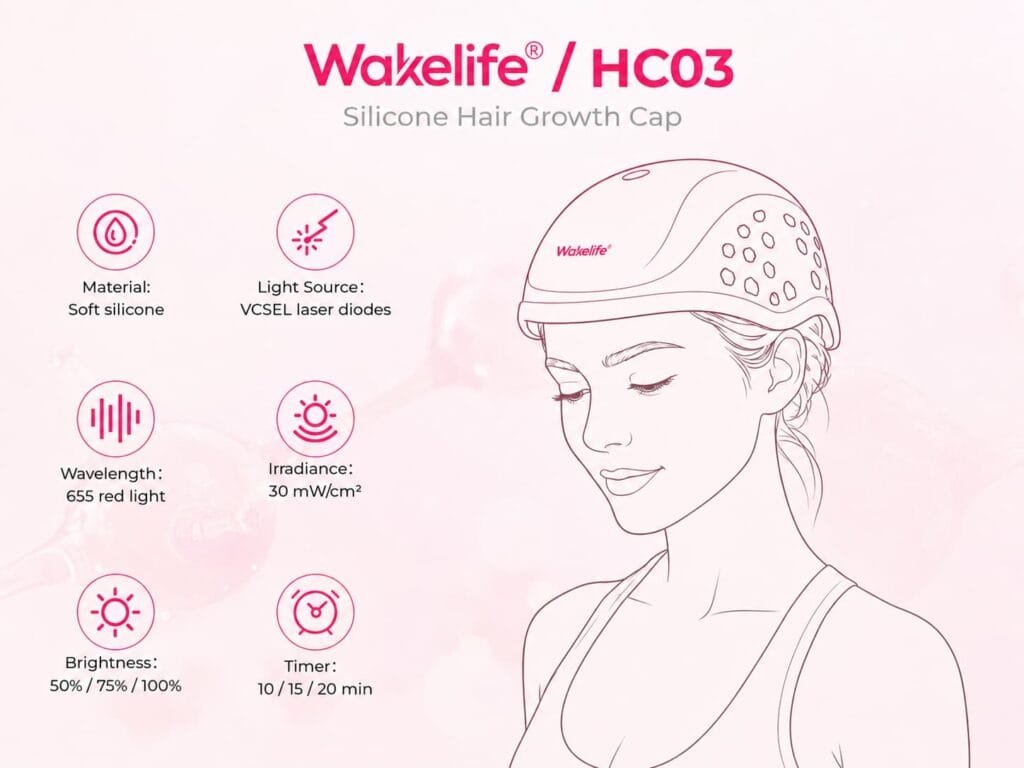
- Per un cappuccio laser integrato flessibile, rivedere il Pagina del prodotto HC03 e il suo guida all'approvvigionamento di campioni e documenti.
- Per una piattaforma portatile portatile, rivedere il Pagina del prodotto HT01 e il suo ottico, guida alla sicurezza e all'approvvigionamento di richieste di offerta.
- Per gli Stati Uniti. reclami e verifica dei documenti, seguire il Guida alla verifica del dispositivo per la crescita dei capelli approvata dalla FDA prima di approvare il numero K, ambito dell'etichettatura o del marchio privato.
Se le attuali piattaforme standard non corrispondono al brief, inviare il mercato di riferimento, canale, flusso di lavoro dell'utente, affermazioni, fattore di forma preferito, elenco di personalizzazione e previsioni per Wakelife. Queste informazioni sono sufficienti per una prima raccomandazione sulla piattaforma e per una revisione delle lacune; un acquirente non ha bisogno di finalizzare ogni specifica ottica prima di iniziare la discussione.
Domande frequenti
Un numero maggiore di emettitori è sempre meglio?
NO. Il conteggio degli emettitori non stabilisce di per sé la copertura del cuoio capelluto, irraggiamento, fluenza, uniformità o prestazione clinica. Confronta la geometria dell'array, modalità attive, piano di misurazione, mappa spaziale, stabilità e vestibilità dell'utente. Richiedi un rapporto sul dispositivo finito invece di classificare i prodotti dal numero più grande su una pagina prodotto.
VCSEL è migliore del LED per un dispositivo per la crescita dei capelli?
Non esiste una risposta universale solo dall’etichetta della fonte. VCSEL è un'architettura laser e cambia le questioni di ingegneria e sicurezza, ma superiorità nella penetrazione, la copertura o i risultati sui capelli richiedono prove comparative dirette. Scegli in base al design esatto, produzione, fascicolo di sicurezza, reclami e brief commerciale.
La stessa lunghezza d'onda significa che due dispositivi possono utilizzare le stesse prove?
NO. La lunghezza d'onda è solo una parte dell'esposizione. Tipo di fonte, produzione, profilo della trave, geometria dell'array, distanza, copertura, tempo di sessione, controlli, la popolazione e il protocollo possono differire. Tratta una lunghezza d'onda simile come contesto di categoria, non l'equivalenza del prodotto.
Può un marchio del distributore fare affidamento su quello di un produttore 510(k)?
Possibilmente in una disposizione del dispositivo invariato adeguatamente strutturata, ma il “marchio privato” da solo non risponde alla domanda. Verificare il 510(k) titolare, modello esatto, destinazione d'uso, etichettatura, ruoli del produttore/importatore e ogni modifica pianificata. Inoltrare nuove richieste, modifiche hardware/firmware o mappatura poco chiara del modello per una revisione normativa qualificata.
Quale fattore di forma è il migliore per una clinica?
Il flusso di lavoro della clinica decide il formato. Valutare chi utilizza il dispositivo, se l'uso è supervisionato, pulizia tra gli utenti, gamma adatta, gestione della sessione, istruzioni, prove e status del mercato di riferimento. Un limite orientato al consumatore può comunque comportare un onere di prove impegnativo, mentre un casco rigido non è automaticamente un dispositivo professionale.
Quali informazioni dovrebbe inviare per prime un acquirente?
Invia il mercato di riferimento, canale, utente previsto, sinistri pianificati, flusso di lavoro preferito, modifiche richieste, prezzo indicativo, quantità dell'ordine e tempi di lancio. Questi input consentono al produttore di consigliare una piattaforma e identificare le lacune nelle prove prima che l'acquirente passi il tempo a scegliere il numero di emettitori o i dettagli estetici.
Decisione finale dell'acquirente
Scegli il produttore che può mantenere allineate quattro cose: l'utente previsto, il prodotto esatto, il pacchetto di prove e le affermazioni finali. L'elenco hardware più impressionante non ha valore se il fattore di forma non si adatta al cliente o se i documenti non corrispondono alla configurazione di produzione.
Inizia con il passaggio a costo zero: copiare l'elenco delle richieste di offerta sopra e completare il mercato di destinazione, canale, reclami e flusso di lavoro preferito. Quindi confrontare uno o due fattori di forma attraverso un campione controllato e una revisione delle prove. Quando il brief del progetto è pronto, contattare il team OEM/ODM di Wakelife per discutere una piattaforma standard, programma a marchio privato o percorso di sviluppo personalizzato.
Riferimenti
-
1
Lueanagarun S, et al. Una revisione sistematica e una meta-analisi di studi randomizzati e controllati approvati dalla Food and Drug Administration degli Stati Uniti, Uso domestico, Dispositivi per terapia laser/luce di basso livello per la caduta dei capelli a pattern. Journal of Clinical and Aesthetic Dermatology. 2021.
-
2
NOI. Food and Drug Administration. Classificazione del prodotto: OAP, laser, pettine, capelli.
-
3
NOI. Food and Drug Administration. Notifica pre-mercato 510(k).
-
4
NOI. Food and Drug Administration. Esistono dispositivi medici “registrati dalla FDA” o “certificati dalla FDA”.?.
-
5
NOI. Food and Drug Administration. Prodotti e strumenti laser.
-
6
NOI. Commissione federale per il commercio. Guida alla conformità dei prodotti sanitari.
- 7
- 8
- 9
- 10
- 11
- 12
- 13
- 14
- 15