TL;DR per gli acquirenti
- HC03 è un flessibile, Piattaforma OEM/ODM completa per i marchi che desiderano un dispositivo indossabile 655 prodotto laser nm piuttosto che un casco rigido, cuffia in tessuto modulare o pettine portatile. La configurazione corrente utilizza 168 Diodi laser VCSEL in un corpo in silicone morbido.
- È dichiarato 30 L'irradianza in mW/cm² non è utile come confronto autonomo. Chiedi dove e come è stato misurato, quale impostazione di luminosità/controllo era attiva, quanta uscita ottica produce ciascuna impostazione, quanto uniformemente l'array copre il piano d'uso definito, e come cambia l'output durante una sessione completa.
- Studi pubblicati su altro 655 I dispositivi nm cap e casco forniscono il contesto della categoria. Non stabiliscono la prestazione clinica specifica dell’HC03, dimostrare che VCSEL è superiore al LED o giustificare la copia del protocollo di utilizzo di un altro dispositivo.
- Il doppio sistema di rilevamento dell’usura a infrarossi è una caratteristica rilevante di controllo del rischio, ma non sostituisce un rapporto di classificazione laser del prodotto finito, test dei guasti, etichette, istruzioni o registrazioni del mercato di riferimento.
- Prima dell'approvazione del campione, verificare l'adattamento all'intervallo di dimensioni della testa previsto, esposizione attraverso diverse condizioni dei capelli, comportamento termico, limiti di pulizia, durabilità del connettore, autonomia della batteria e documenti di conformità del modello esatto.
Che cos'è HC03 e dove si adatta?
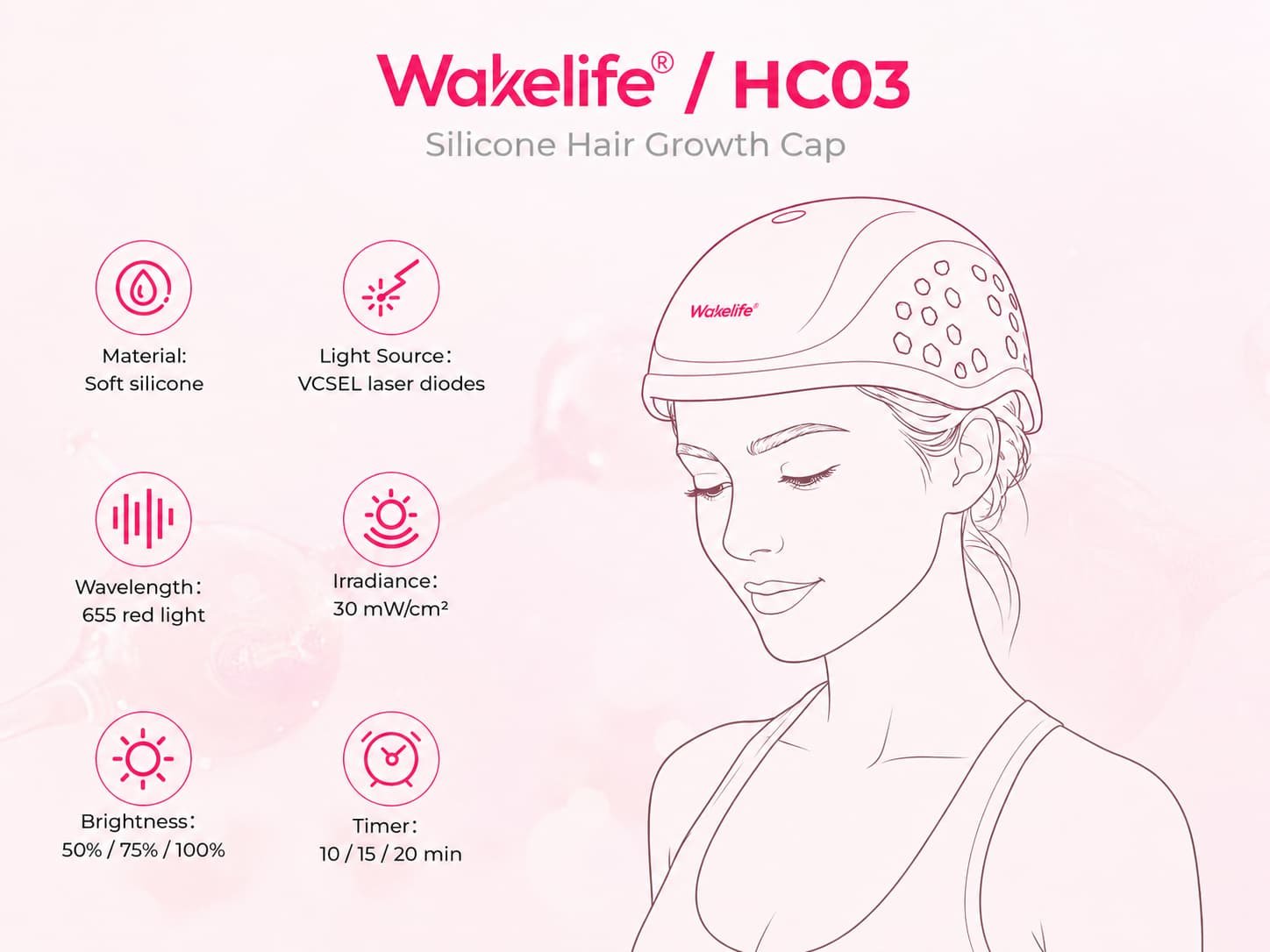
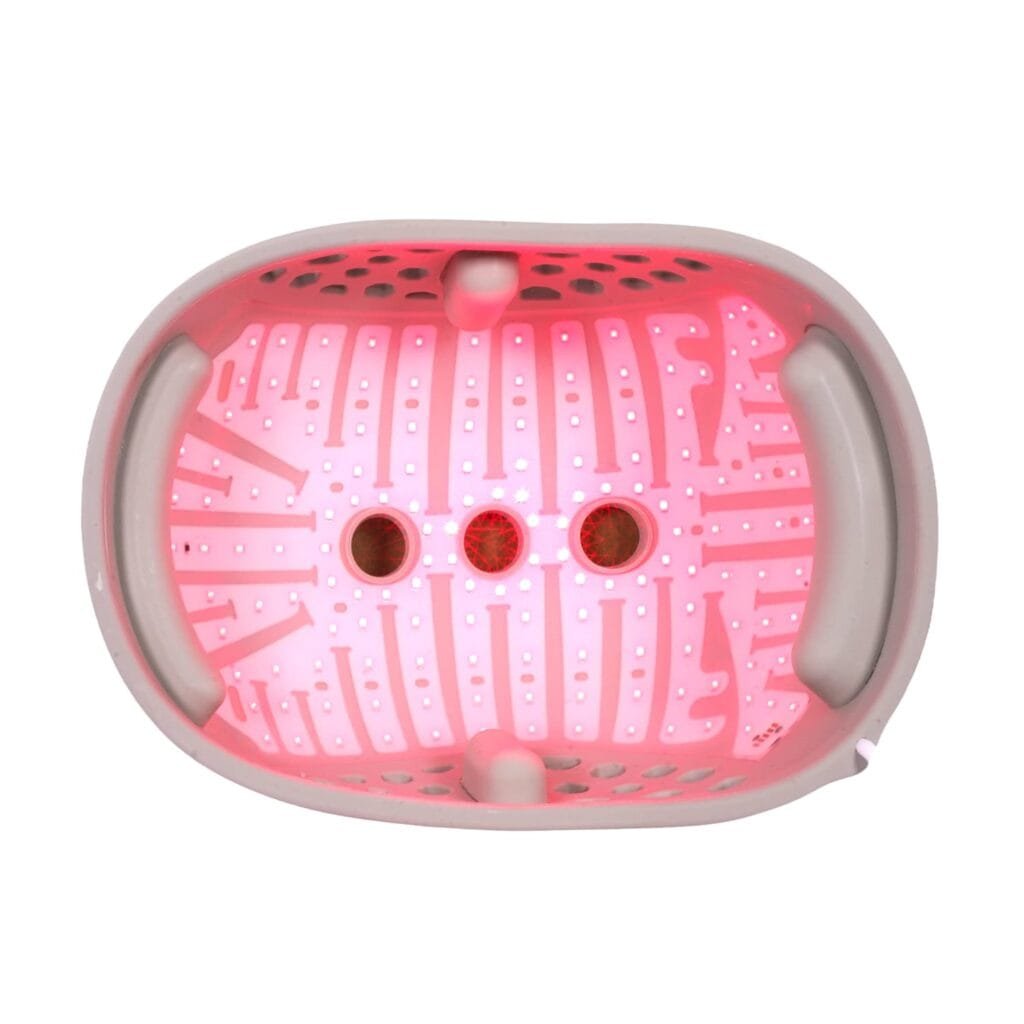
HC03 (modello tecnico HC-03) è una cuffia laser in silicone morbido progettata come piattaforma di prodotti personalizzabili per la cura dei capelli, marchi di dispositivi di bellezza e benessere. Secondo la corrente Pagina del prodotto HC03, la configurazione standard combina 168 Diodi laser VCSEL a 655 ± 5 nm con tre impostazioni di luminosità/controllo, tre impostazioni del timer, un controller TFT rimovibile, una batteria ricaricabile e doppio rilevamento dell'usura a infrarossi.
Il suo ruolo commerciale è più limitato del “miglior formato per la crescita dei capelli”. HC03 è un'opzione all'interno di un portafoglio di dispositivi più ampio:
| Formato | Tipica decisione sul prodotto | Principale sfida di validazione |
|---|---|---|
| Tappo in silicone flessibile come HC03 | Indossabile, array laser integrato con una forma premium distinta | Adatto, geometria array-scalp, ostruzione dei capelli, Calore, pulizia e durata della flessibilità |
| Cappellino in tessuto modulare tipo C02 | Aspetto lifestyle con inserto luminoso rimovibile | Posizionamento del modulo, posizionamento ripetibile, integrazione del tessuto e separazione della pulizia |
| Casco rigido | Calotta fissa e geometria interna controllata | Misurare, peso, magazzinaggio, gestione termica e adattamento del canale |
| Pettine portatile come HT01 | Portatile, routine di cura del cuoio capelluto sezione per sezione | Movimento degli utenti, sovrapposizione, Contatto e ripetibilità |
I marchi continuano a scegliere tra i cappellini, i formati di casco e pettine dovrebbero iniziare con Wakelife guida al formato del dispositivo per la crescita dei capelli. Questo articolo inizia un passaggio dopo: il marchio ha selezionato un cappuccio laser flessibile e ora deve decidere se HC03 merita una revisione del campione e della documentazione.
Perché l'architettura in silicone morbido è importante?
Il corpo in silicone cambia il modo in cui si adatta il dispositivo, si flette, ventila e viene pulito; non dimostra automaticamente conforto, esposizione uniforme o resistenza all'acqua.
A differenza di un guscio rigido, un cappuccio flessibile può adattarsi a diverse forme della testa. Ciò potrebbe supportare un’identità visiva più leggera e uno spazio di archiviazione più compatto. HC03 utilizza anche aperture di ventilazione e una struttura di regolazione in silicone. Per un acquirente, Tuttavia, “flessibile” crea ulteriori domande:
- L'intervallo di dimensioni della testa indicato include sia la circonferenza che la profondità della corona?
- Gli emettitori mantengono un orientamento coerente quando il tappo viene serrato in modo diverso?
- L'array si piega, sollevare o creare punti di pressione nella parte anteriore, corona o lati?
- Come funziona lo spessore, lungo, I capelli ricci o acconciati strettamente influenzano il contatto e l'esposizione?
- Il raggio di curvatura e il numero di cicli coperti dai test di durabilità?
- Quali parti possono essere pulite, e quali parti devono rimanere asciutte?
- Sono il berretto, connettore, controller e porta di ricarica coperti dalla stessa richiesta di pulizia o ingresso?
La pagina della categoria Crescita dei capelli Wakelife descrive il design come resistente all'acqua e facile da pulire o lavare. Un acquirente non dovrebbe convertire quella lingua in waterproof, washable electronics o una classificazione IP senza un test del dispositivo finito e istruzioni esplicite per la pulizia. IEC 60529 è il quadro internazionale utilizzato per classificare la protezione dell'ingresso degli involucri; la sola descrizione del materiale siliconico non stabilisce un codice IP.
Regola di esempio: valutare il sistema completo: cap, cavo, connettore e controller, non solo il corpo in silicone.
Pubblicato 655 La ricerca su nm dimostra le prestazioni dell'HC03?
NO. Studi di nome 655 I dispositivi nm nelle persone con perdita di capelli di tipo pattern forniscono un contesto di categoria per risultati specifici sulla densità dei capelli; non stabiliscono la prestazione clinica specifica dell'HC03, e i loro risultati rimangono legati a ciascun dispositivo e protocollo studiato.
UN 2021 revisione sistematica e meta-analisi hanno riunito sette studi clinici controllati randomizzati in doppio cieco su dispositivi luminosi/laser a bassa potenza per uso domestico per la caduta dei capelli a pattern. I dispositivi studiati hanno ottenuto risultati migliori rispetto a quelli simulati sui risultati complessivi relativi alla densità dei capelli, ma la revisione ha anche riportato variazioni tra gli studi, follow-up limitato e nessun confronto diretto tra i dispositivi.
UN 2020 randomizzato, in doppio cieco, studio del casco controllato in modo simulato iscritto 60 adulti con alopecia androgenetica. Il suo dispositivo attivo utilizzato 21 diodi laser e 30 LED in giro 655 nm, con un irradiamento dichiarato e un programma definito di 16 settimane. Questo studio è rilevante perché mostra come funziona la lunghezza d'onda, mix di fonti, produzione, tempo di sessione, la popolazione dello studio e gli endpoint appartengono a un pacchetto di prove specifico per il dispositivo.
Non è uno studio HC03. HC03 utilizza un'architettura diversa della sorgente luminosa, conteggio delle fonti, irradianza dichiarata, struttura e sistema di controllo. Lo studio quindi non può dimostrarlo:
- che HC03 produce lo stesso risultato clinico;
- Quello 168 Gli emettitori VCSEL sono più efficaci di un array di laser e LED;
- Quello 30 mW/cm² è una dose ottimale;
- che la frequenza o la durata della sessione di un altro dispositivo debba essere copiata in HC03;
- che HC03 è appropriato per ogni causa o modello di caduta dei capelli.
Lo stesso confine si applica a VCSEL. VCSEL significa laser a emissione superficiale a cavità verticale e descrive un'architettura di emettitore. Nelle prove esaminate per questa guida, nessuno studio clinico indicizzato sull'uomo ha valutato direttamente l'HC03 o stabilito un vantaggio clinico per una cuffia per la crescita dei capelli VCSEL rispetto ad altri modelli laser o LED.
Regola dell'acquirente: utilizzo 655 ricerca nm per comprendere la categoria e progettare un piano di prove, non per trasformare la specifica di un componente in una dichiarazione relativa al prodotto esatto.
Cosa significa il dichiarato 30 mW/cm² Irradianza Informa un acquirente?
Indica all'acquirente che il fornitore sta dichiarando un valore di potenza per area, ma il numero diventa comparabile solo quando le sue condizioni di misurazione vengono rese note.
L’irradianza non è la potenza elettrica totale, conteggio dei diodi o dose clinica. Mantieni questi valori separati:
| Metrico | Cosa descrive | Stato attuale dell'HC03 |
|---|---|---|
| Conteggio degli emettitori | Numero di origini VCSEL nell'array | 168 |
| Lunghezza d'onda | Campo spettrale nominale delle sorgenti | 655 ± 5 nm |
| Potenza elettrica nominale | Potenza elettrica del prodotto | 8 W |
| Irraggiamento | Potenza ottica che arriva per unità di area in un piano e in una condizione definiti | Dichiarato come 30 MW/cm²; metodo non pubblicato sulla pagina del prodotto |
| Esposizione radiosa / fluenza | Energia fornita per unità di superficie nel tempo | Richiede un'irradianza convalidata, informazioni su tempistiche e modalità operative |
| Classe laser | Classificazione del pericolo del prodotto finito basata sulle emissioni accessibili in condizioni specificate | Deve essere verificato da un rapporto sul modello esatto |
Chiedere al fornitore di definire:
- l'impostazione di luminosità/controllo attiva, l'uscita ottica misurata a ciascuna impostazione e se le percentuali si mappano linearmente sull'uscita;
- il piano di misurazione e la distanza emettitore-piano;
- se il valore riportato è di picco, centro, minimo o media spaziale;
- lo strumento, apertura del rilevatore, data di calibrazione e impostazione del test;
- la distribuzione centro/bordo e la tolleranza di accettazione;
- stabilità dell'uscita e temperatura durante 10-, 15- e funzionamento di 20 minuti;
- se il test rappresenta un apparecchio senza ostacoli o la geometria montata prevista.
Una singola lettura di picco può nascondere regioni a basso rendimento. Un array a copertura intera necessita quindi di una mappa spaziale o di un altro metodo documentato che mostri la distribuzione sul piano d'uso definito. Anche i capelli fanno parte della geometria dell'applicazione reale; i marchi dovrebbero testare tipi di capelli rappresentativi e istruzioni sul posizionamento piuttosto che dare per scontato che un piano di laboratorio senza ostacoli equivalga all’esposizione del cuoio capelluto.
Non calcolare e pubblicare una dose clinica semplicemente moltiplicandola 30 mW/cm² × timer setting. Il cappuccio è curvo, il metodo di misurazione non è ancora pubblicato, e nei materiali forniti non è stata stabilita la relazione tra il valore dichiarato e l'esposizione sul cuoio capelluto.
Il rilevamento dell'usura a doppio IR è uguale alla sicurezza laser?
NO. Il doppio rilevamento IR può ridurre il funzionamento involontario quando il cappuccio viene rimosso, ma la sicurezza laser è una questione di sistema del prodotto finito.
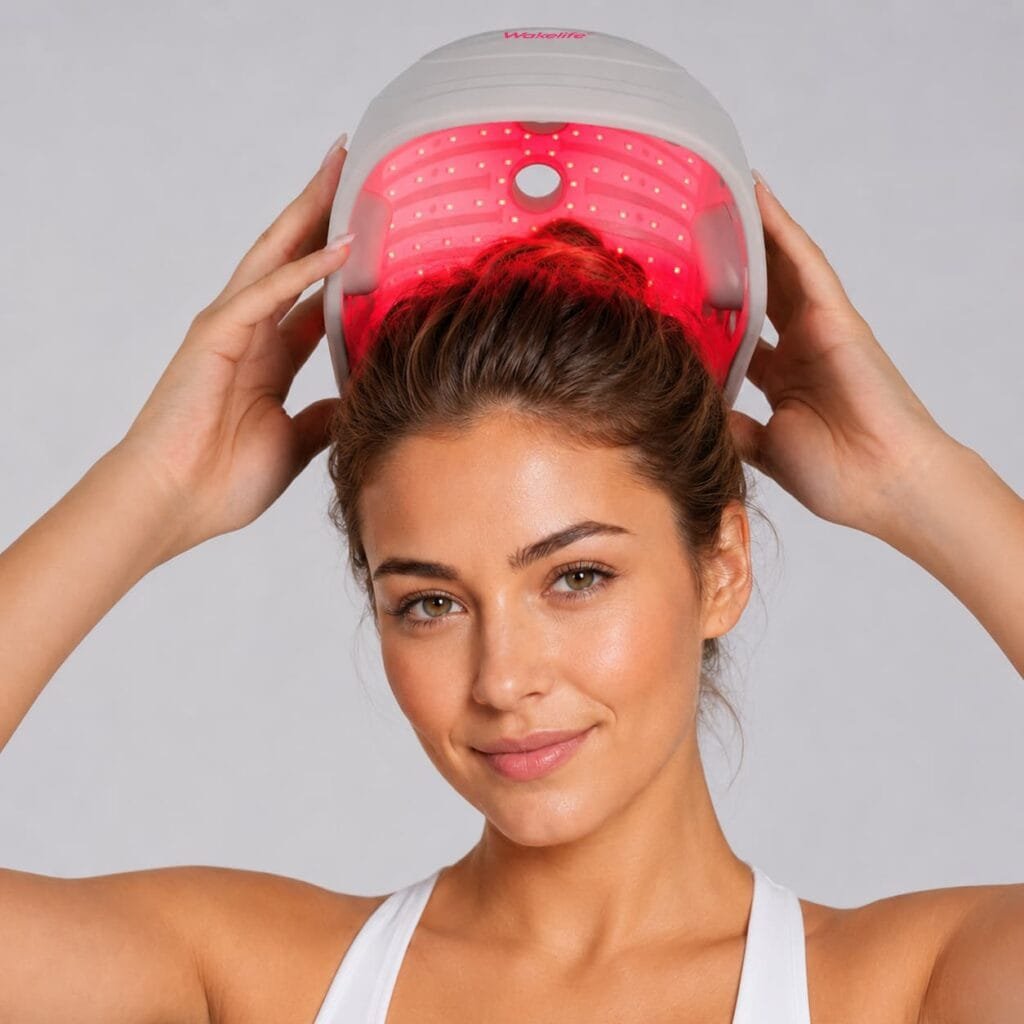
L'attuale design HC03 utilizza due sensori a infrarossi interni per rilevare se il cappuccio viene indossato e per controllare il comportamento di accensione/spegnimento automatico. Ciò è commercialmente significativo perché può semplificare il flusso di lavoro dell'utente e agire come un controllo tecnico. Necessita ancora di verifica in condizioni normali e di guasto.
La revisione dei campioni e dei documenti dovrebbe coprire:
- soglia di rilevamento, angolo e tempo di risposta;
- posizionamento parziale o allentato;
- un sensore bloccato o guasto;
- attivazione contro una mano, tavolo, tessuto o altro oggetto non previsto;
- blocco del controller, batteria scarica e comportamento di riavvio;
- rimozione durante ogni impostazione di luminosità/controllo e timer;
- interblocchi dello stato di carica;
- etichette finali, avvertimenti, istruzioni e analisi degli usi impropri prevedibili.
IEC 60825-1 fornisce il quadro di classificazione delle apparecchiature per i prodotti laser. L’emissione accessibile del tappo finito, disposizione delle fonti, le modalità operative e i controlli di protezione devono essere considerati insieme. Conteggio diodi, lunghezza d'onda, l'irraggiamento dichiarato o una funzione di autospegnimento non possono da soli stabilire la classe del prodotto o giustificarla eye-safe E guaranteed optical safety affermazioni.
Per gli Stati Uniti. progetti, separare inoltre i requisiti relativi alle radiazioni dei prodotti laser dall'autorizzazione dei dispositivi medici. L’attuale FDA Registro di classificazione dei prodotti OAP identifica il laser, comb, hair categoria ed elenca i rapporti sui prodotti laser e i requisiti degli standard prestazionali. Quel record generico è un percorso di ricerca e due diligence; non è un'autorizzazione HC03.
Quali sono le specifiche attuali dell'HC03?
Questi valori descrivono la configurazione standard mostrata nella pagina del prodotto corrente; le versioni personalizzate richiedono il controllo e la riconvalida della configurazione.
| Specifiche | Configurazione standard HC03 |
|---|---|
| Nome pubblico del prodotto | Cuffia per la crescita dei capelli laser in silicone VCSEL HC03 |
| Modello tecnico | HC-03 |
| Materiale | Silicone morbido |
| Sorgente luminosa | 168 × Diodi laser VCSEL |
| Lunghezza d'onda | 655 ± 5 luce rossa nm |
| Irradianza dichiarata | 30 MW/cm²; dovrebbero essere richieste le condizioni di prova |
| Potenza nominale | 8 W |
| Display | 1.3-Controller LCD TFT da pollici |
| Impostazioni di luminosità/controllo | 50% / 75% / 100%; l'uscita ottica ad ogni impostazione deve essere verificata |
| Impostazioni del timer | 10 / 15 / 20 minuti |
| Rilevamento dell'usura | Doppio rilevamento della testa IR; accensione/spegnimento automatico |
| Batteria | 4000 mAh agli ioni di litio |
| In carica | USB-C; 5 V / 2 Un consigliato |
| Tempo di ricarica dichiarato | Circa 2.5 ore |
| Autonomia dichiarata | Circa 60 minuti nelle condizioni di test di riferimento del fornitore; verificare l'autonomia effettiva tramite l'impostazione della luminosità, timer e condizioni della batteria |
| Collegamento del cappuccio | Uscita USB-A dal controller |
| MOQ standard | Da 100 Unità per modello |
Le opzioni di luminosità/controllo e timer sono impostazioni del prodotto, non è un piano di trattamento del consumatore convalidato. Un marchio che pianifica affermazioni cliniche o regolamentate sulla crescita dei capelli necessita di un protocollo specifico per il dispositivo supportato dalle prove applicabili e dal percorso di mercato.
Cosa dovrebbe testare un marchio sul campione HC03?
Un utile campione di revisione mette alla prova il concetto del prodotto, i controlli del rischio e la traccia delle prove allo stesso tempo.
| Zona prova | Controllo del campione | Controllo dei documenti | Bandiera rossa |
|---|---|---|---|
| Modello e configurazione | Conferma il conteggio degli emettitori, controllore, cavo, firmware e impostazioni | Specifica datata, ID distinta base/configurazione e cronologia delle modifiche | Campione, preventivo e rapporto utilizzano nomi di modello o revisioni diversi |
| Adatto | Testare l'intervallo di dimensioni della testa previste, profondità della corona, punti di pressione e slittamento | Disegno dimensionale, intervallo di regolazione e metodo di fit-test | "Adatto a tutti" senza portata misurata |
| Distribuzione ottica | Mappare l'output sul piano d'uso definito e controllare il posizionamento/condizioni dei capelli rappresentativi | Metodo di prova, strumento, aereo, distanza, modalità e tolleranza | Una lettura centrale o di picco presentata come uniformità dell'intera calotta |
| Comportamento termico | Limite record, zona dell'emettitore, temperature del connettore e del controller attraverso l'impostazione più lunga/più alta e sessioni ripetute | Limiti di temperatura, luoghi di prova, criteri di superamento/fallimento e condizioni della batteria | Nessun dato relativo alla sessione completa o alle operazioni ripetute |
| Rilevamento usura IR | Rimuovere, allentare, ostruire un sensore e testare oggetti indesiderati e stati di batteria scarica ad ogni impostazione di luminosità/controllo | Risultati dei test sul tempo di risposta e sulle condizioni di guasto | Lo spegnimento automatico è stato dimostrato una volta e descritto come una prova di sicurezza completa |
| Controller e batteria | Verificare tutte le combinazioni luminosità/timer, ricomincia, batteria scarica e comportamento di ricarica | Elettrico, batteria, firmware e record di affidabilità | Autonomia dichiarata senza modalità test o condizioni della batteria |
| Flessibilità e durata | Piegare/montare ripetutamente il cappuccio; ispezionare gli emettitori, tracce, aperture di ventilazione e tensione sui connettori | Ciclo di piegatura, cavo/connettore e criteri del ciclo di vita | Corpo flessibile senza limiti di piegatura o deformazione controllati |
| Pulizia e sudore | Seguire i passaggi di pulizia proposti; ispezionare le aperture, limiti del connettore e del controller | Materiale, detergente, prove di sudore e ingresso | "Lavabile" o una dichiarazione di proprietà intellettuale senza l'esatto ambito del dispositivo finito |
| Sicurezza laser | Utilizzare le modalità del caso peggiore e ispezionare il comportamento protettivo, etichette e istruzioni | Rapporto sulla classificazione dei dispositivi finiti e registrazioni delle radiazioni specifiche del mercato | Certificato del componente o rapporto di un altro modello |
| Affermazioni di mercato | Confronta il sito web previsto, imballaggio e reclami manuali | Modello esatto/detentore/numero/registri di destinazione d'uso e piano normativo | Registrazione di fabbrica o elenco dei loghi presentato come autorizzazione del prodotto |
Il risultato dovrebbe essere una decisione campione documentata: approvare, approvare dopo prove correttive, O fermare. Una dimostrazione visivamente efficace non è sufficiente se si utilizza il metodo ottico, i controlli di rischio o i documenti di mercato si riferiscono ad una diversa configurazione.
In che modo gli acquirenti dovrebbero verificare la FDA, Ce, Dichiarazioni FCC e RoHS?
HC03 attualmente non dispone di una FDA 510(k) spazio. Ce, I documenti FCC e RoHS per la configurazione standard HC03 sono disponibili su richiesta presso Wakelife, ma ogni documento dovrà comunque essere abbinato al modello citato, configurazione, mercato e portata.
Lo stabilimento di produzione di Wakelife è registrato dalla FDA. Questa è una registrazione a livello di struttura, non un'approvazione o un'autorizzazione della fabbrica o di HC03. La pagina del prodotto HC03 elenca anche CE, FCC e RoHS; i documenti giustificativi vengono forniti agli acquirenti durante la verifica del progetto anziché pubblicati con i loro numeri di registrazione sulla pagina pubblica. Prima di utilizzare uno qualsiasi di questi termini nella confezione o nel materiale di vendita, richiedere i documenti e verificare:
- nome e configurazione esatti del prodotto/modello;
- produttore legale, richiedente, titolare o beneficiario del certificato;
- numero del documento/relazione/certificato/elenco;
- organismo emittente o laboratorio;
- standard, edizioni e modalità di prova;
- destinazione d'uso e rivendicazioni;
- mercato, date di validità e implicazioni relative al controllo delle modifiche;
- se l'etichettatura privata o la personalizzazione rientrano nell'ambito di applicazione.
Lo spiega la FDA la registrazione dello stabilimento e l'elenco dei dispositivi non significano che una struttura o un dispositivo siano approvati, autorizzato o autorizzato. Per un progetto HC03 che utilizza un'indicazione medica sulla crescita dei capelli negli Stati Uniti, l'attuale assenza di un HC03 510(k) significa che il percorso normativo richiesto e la serie di richieste devono essere risolti prima del lancio. Reporting sui prodotti delle radiazioni laser, certificazione del produttore, le etichette e i dazi all'importazione dovrebbero essere controllati come un livello separato.
Per trattamenti di bellezza non medici o per la cura del cuoio capelluto, non dare per scontato che evitare una richiesta di risarcimento medico elimini ogni prodotto laser, elettrico, EMC, batteria, obbligo relativo a sostanze chimiche o prodotti di consumo. Il mercato di riferimento e le affermazioni finali stabilite dovrebbero guidare il piano del documento.
Quali marchi sono adatti per HC03?
HC03 è un candidato pratico quando un marchio desidera un premio, piattaforma indossabile con cappuccio laser e può supportare la convalida disciplinata di campioni e documenti.
Potrebbe adattarsi:
- marchi di prodotti per la cura dei capelli che si estendono ai dispositivi domestici;
- marchi di bellezza e tecnologia che cercano una forma flessibile distintiva piuttosto che un casco rigido;
- distributori in grado di gestire le istruzioni, supporto post-vendita e documentazione di mercato;
- progetti di private label che cambiano principalmente branding e packaging preservando una configurazione standard validata;
- Progetti OEM/ODM preparati per riconvalidare la lunghezza d'onda, conteggio degli emettitori, profilo di potenza, firmware o modifiche strutturali.
Potrebbe non essere adatto quando:
- il lancio richiede risultati clinici HC03 già pronti o una presunta autorizzazione da parte della FDA;
- il marchio vuole pubblicare un protocollo di trattamento fisso di 12 settimane senza prove esatte del dispositivo;
- il canale si aspetta un prodotto di consumo lavabile ma non può definire i limiti di pulizia ed elettrici;
- il progetto modifica i parametri ottici o di controllo senza budget per nuovi test e documentazione;
- il fornitore non può abbinare il campione citato all'ottica, record di sicurezza e di mercato.
Cosa dovrebbe contenere una richiesta di offerta HC03?
Definire il mercato previsto e le rivendicazioni prima di richiedere il prezzo. Includi:
- Paesi target, canali di vendita e data di lancio prevista.
- Posizionamento previsto: bellezza/cura del cuoio capelluto, benessere dei capelli o indicazione regolata della crescita dei capelli.
- Standard HC03 o modifiche richieste al design del silicone, gamma di dimensioni della testa, conteggio degli emettitori, lunghezza d'onda, profilo di potenza, controllore, timer o firmware.
- Specifica datata e ID di configurazione per il campione citato.
- Metodo dell'irradianza, piano d'uso definito, mappa spaziale, stabilità e dati termici per ogni impostazione rilevante.
- Specifica dell'emettitore VCSEL, registrazioni di classificazione laser delle emissioni accessibili e dei dispositivi finiti.
- Risposta al rilevamento dell'usura IR e piano di test delle condizioni di guasto.
- Gamma adatta, materiale, contatto con la pelle, sudore, pulizia, ingresso, ciclo di piegatura, prove di connettori e cavi.
- Batteria, ricarica, sicurezza elettrica, EMC, documenti di trasporto e del ciclo di vita.
- Documenti HC03 CE/FCC/RoHS per la configurazione citata, prove attuali della registrazione dello stabilimento presso la FDA, ove pertinente, e la proposta statunitense. 510(k)/piano dei sinistri se è prevista un'indicazione medica per la crescita dei capelli.
- Logo, colore, confezione, manuali, lingue, accessori, codice a barre e requisiti post-vendita.
- Quantità di campione, Moq, tempi di consegna, responsabilità di garanzia e controllo delle modifiche/riconvalida.
Decisione finale dell'acquirente
HC03 combina una forma a cappuccio intero in silicone morbido, 168 nominale 655 sorgenti VCSEL nm, controlli regolabili e doppio rilevamento dell'usura IR. Queste caratteristiche lo rendono una piattaforma ragionevole da valutare per una linea indossabile per la cura dei capelli e del cuoio capelluto.
La decisione di approvvigionamento non dovrebbe basarsi sul numero di diodi, 30 mW/cm², la parola VCSEL o un elenco di certificazioni. Approvare il progetto solo al momento del campione, metodo ottico, controlli di sicurezza, istruzioni, le richieste pianificate e i documenti di mercato corrispondono tutti alla stessa configurazione HC03.
Per iniziare quella recensione, visitare il Pagina del prodotto HC03 e includere il mercato di riferimento, reclami previsti e personalizzazione richiesta nella richiesta. Ciò fornisce al fornitore una base definita per il campione, pacchetto di prove e preventivo.
Domande frequenti
L'HC03 è autorizzato dalla FDA?
NO. HC03 attualmente non dispone di una FDA 510(k) spazio. Lo stabilimento di produzione di Wakelife è registrato dalla FDA, ma la registrazione della struttura non significa che l'HC03, o la struttura stessa, sia approvato dalla FDA, autorizzato o autorizzato.
Fa 30 mW/cm² significa che HC03 eroga la stessa dose ovunque sul cuoio capelluto?
NO. Un singolo valore di irradianza non mostra la distribuzione spaziale, piano di misurazione, ostruzione dei capelli o stabilità dell'uscita. Richiedi il metodo di prova completo e una mappa di copertura.
Sono 168 Laser VCSEL clinicamente migliori dei LED?
La letteratura esaminata non stabilisce un vantaggio clinico specifico o generale dell'HC03 basato solo sull'architettura VCSEL o sul conteggio delle fonti. Confronta invece i dati ottici del dispositivo finito e le prove dirette.
Il sensore IR rende il cappuccio sicuro per gli occhi??
NO. Il rilevamento dell'usura è un controllo del rischio. Il prodotto finito esatto necessita ancora di test sulle emissioni accessibili, classificazione, valutazione dei guasti, etichette e istruzioni.
Il cappuccio in silicone può essere lavato?
Non dare per scontato che l'intero impianto elettrico sia lavabile. Confermare il metodo di pulizia approvato e quali componenti, aperture e connettori sono inclusi in qualsiasi test di ingresso o di resistenza all'acqua.
Un marchio può utilizzare il file 10-, 15- e impostazioni di 20 minuti come protocollo di trattamento?
Sono opzioni del controller, non la prova di un protocollo clinicamente validato. Qualsiasi programma di trattamento o indicazione regolamentata dovrebbe essere supportato da prove relative al dispositivo esatto e dal percorso del mercato di riferimento.
Riferimenti
- 1
- 2
-
3
Lueanagarun S, et al. — Una revisione sistematica e una meta-analisi di studi randomizzati e controllati approvati dalla FDA, Uso domestico, Dispositivi per terapia laser/luce di basso livello per la caduta dei capelli a pattern. J Clin Aestet Dermatol. 2021;14(11):E64-E75.
-
4
Yoon JS, et al. — Terapia della luce a basso livello che utilizza un dispositivo a casco per il trattamento dell'alopecia androgenetica. Medicinale (Baltimora). 2020;99(29):e21181.
-
5
NOI. FDA — Codice prodotto OAP: laser, pettine, capelli
- 6
- 7
- 8