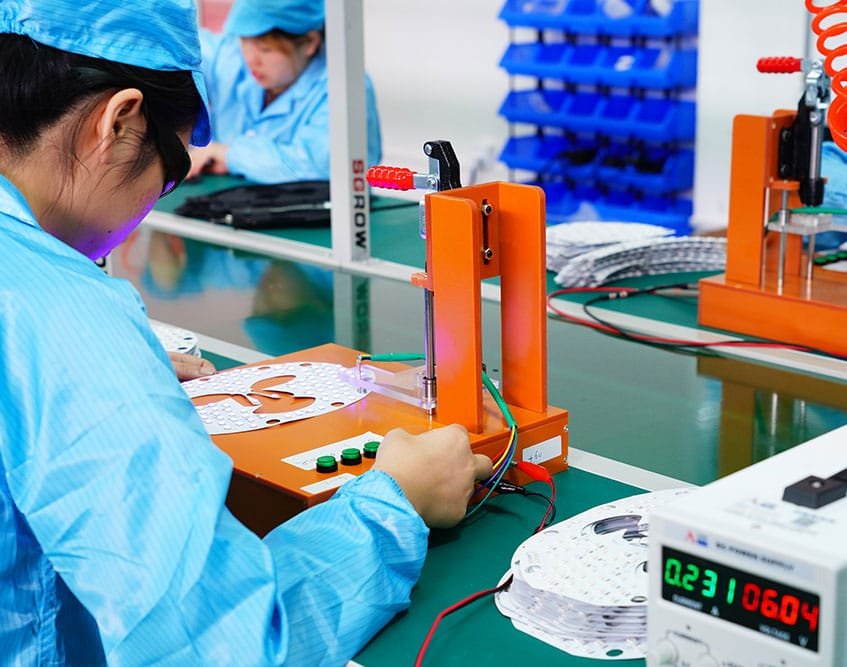
Не выпускать массовое производство, потому что включается образец устройства для светодиодной терапии, выглядит законченным и соответствует фото в каталоге. Утвердить идентифицированный образец изменения в соответствии с контролируемой спецификацией, воспроизводимые результаты испытаний, окончательная маркировка и упаковка, карта документа точной модели, и письменный план контроля производства.
В этом руководстве, «Образец утверждения» означает разрешение покупателя на закупку.. Это не одобрение FDA, Маркировка CE, сертификация лаборатории или любое другое разрешение регулирующих органов.
Перед подписанием, ответь на три вопроса:
- Что именно это за агрегат? Запишите модель, идентификатор образца, пересмотр, комплектация и является ли это стандартным образцом, модифицированный образец, инженерный прототип или серийный образец.
- Что это доказало? Запишите требование, метод испытания, результат, доказательства и неразрешенные отклонения для каждой критической функции.
- Что управляет следующими юнитами? Заблокировать спецификацию, эталонный образец, правила уведомления об изменениях и план пилотной или производственной проверки.
Если какой-либо ответ отсутствует, образец не готов к выпуску в серийное производство.
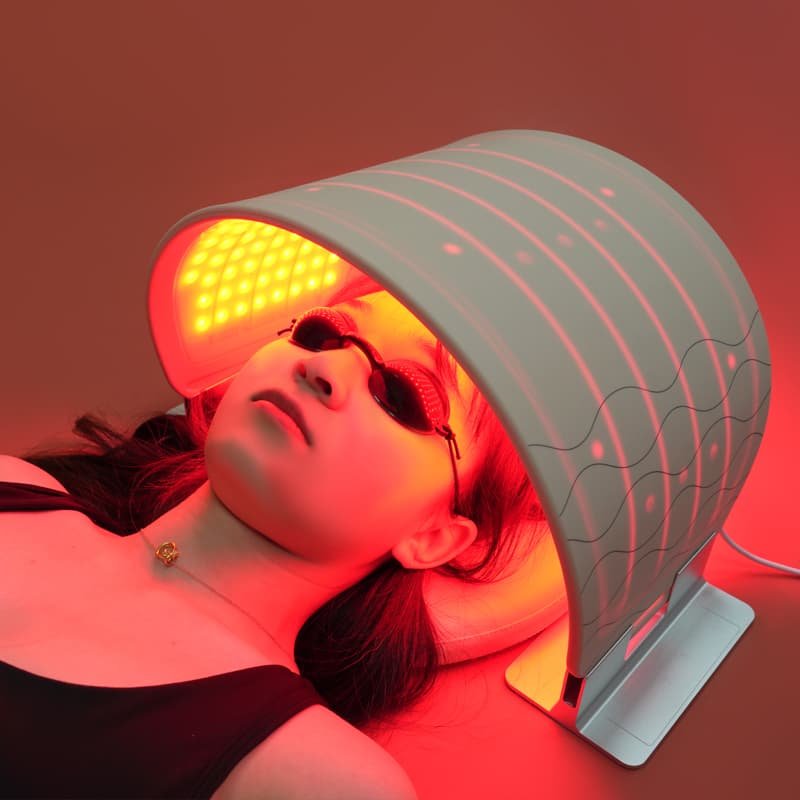
Что на самом деле дает одобрение образца?
Образец решения должен выпускать только ту стадию и конфигурацию, которые указаны в записи об утверждении..
Используйте их в качестве рабочих ярлыков для закупок, а не универсальных определений этапов регулирования.:
| Тип образца | Что это может помочь оценить | Что он не освобождает автоматически |
|---|---|---|
| Стандартный образец продукции | Текущий внешний вид существующей платформы, элементы управления, аксессуары и рабочий процесс пользователя | Ваша работа под частной торговой маркой, индивидуальная конфигурация или данные целевого рынка |
| Модифицированный образец | Именованное изменение, например цвет, логотип, пользовательский интерфейс контроллера, режим длины волны или упаковка | Прочие изменения, не представленные в блоке |
| Инженерный прототип | Вопрос дизайна, такой как соответствие, электроника, оптика, средства управления или механическая осуществимость | Итоговые материалы, косметическая отделка, производственный процесс или повторяемость массового производства |
| Производственный или предсерийный образец | Планируемая спецификация, метод изготовления, произведение искусства, фурнитура и упаковка на стадии производства | Согласованность будущих лотов, окончательное разрешение на продажу или прием отгрузки |
Попросите поставщика указать, какая маркировка применяется, а что намеренно непроизводственно.. Созданный вручную прототип может быть полезен, но не годится в качестве золотого образца.. Стандартная единица запаса может быть готова к производству, но все равно не будет представлять версию вашей частной торговой марки..
Каковы условия немедленной остановки??
Прекратите утверждение до детальной оценки, если образец невозможно отследить или в нем имеется неустраненный критический пробел..
Не выпускайте продукцию, когда:
- модель, ID образца или редакция отсутствуют;
- цитата, спецификация и физическая единица описывают различные конфигурации;
- критический режим, таймер, контроллер, источник питания или функция безопасности не работают должным образом;
- адаптер, батарея, затыкать, контроллер или аксессуар отличаются от запланированного продаваемого комплекта без одобренных изменений;
- оптические значения не могут быть привязаны к указанному режиму, позиция, расстояние, инструмент и образец;
- маркировка или заявления о продаже превышают предполагаемое использование и объем доказательств, запланированный для рынка;
- поставщик полагается на протокол испытаний, сертификат или нормативная запись, которая не может быть связана с точной моделью и конфигурацией;
- инженерный прототип представлен в качестве окончательного образца производства;
- известный материал, компонент, прошивка, изменение художественного оформления или упаковки не имеет оценки воздействия;
- поставщик не может объяснить, как будущая продукция будет сравниваться с утвержденным эталоном.
Условие остановки не всегда означает, что проект следует прекратить.. Это означает, что текущая версия не может быть одобрена до тех пор, пока пробел не будет устранен и задокументирован..
Создайте протокол одобрения перед тестированием
Создайте одну основную запись, чтобы продукт, качество, согласие, логистика и поставщик оценивают один и тот же образец.
Используйте одну строку для каждого требования:
| Поле | Что записывать |
|---|---|
| Идентификатор требования | Стабильный номер, привязанный к спецификации, рисунок, художественное оформление или план качества |
| Требование | Ожидаемый материал, измерение, функция, выход, этикетка, аксессуар или упаковка |
| Критерий приемки | Письменное условие прохождения и допуски, где это применимо. |
| Метод испытания или проверки | Настраивать, инструмент, режим, расстояние, продолжительность, Состояние образца и ответственная сторона |
| Наблюдаемый результат | Фактическое измерение или результат – не только «ОК» |
| Доказательство | Фото, видео, номер отчета, файл данных, редакция художественного произведения или подписанная запись |
| Статус | Проходить / Условный / Неудача / Н/Д |
| Отклонение и действие | Чем отличается, кому это принадлежит, необходимые доказательства и срок исполнения |
| Утверждающий орган | Названные утверждающие лица покупателя и поставщика, дата принятия решения и стадия выпуска |
Не используйте «Н/Д» в качестве пробела.. Укажите причину, специфичную для проекта. Не используйте «Условно» для критической безопасности., требовать, сбой основной функции или объема документа.
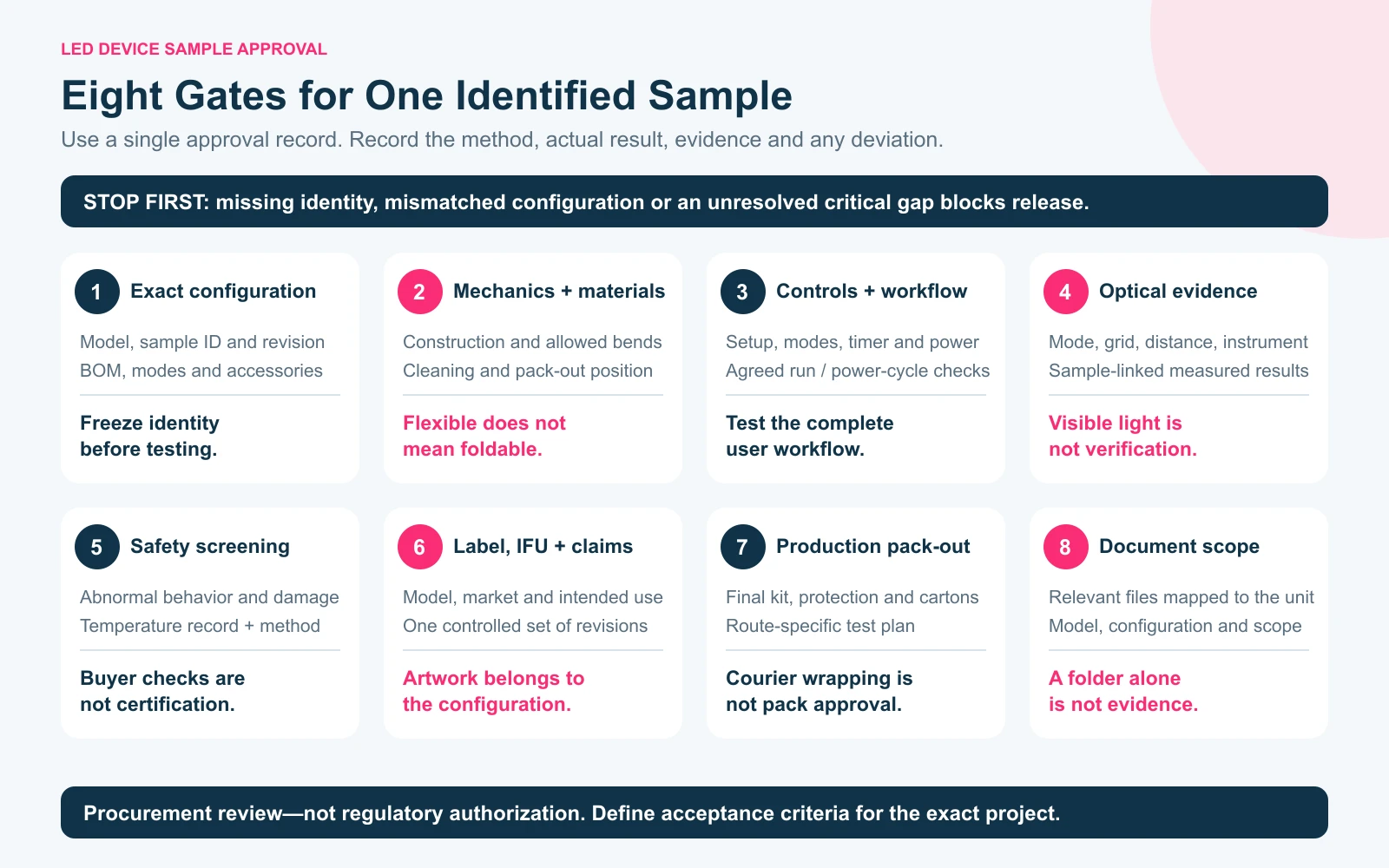
Ворота 1: Можете ли вы определить точную конфигурацию?
Заморозить личность перед появлением или тестированием производительности. В противном случае, проходной результат может принадлежать конфигурации, которую вы никогда не заказываете.
Запишите хотя бы:
- легальный производитель и поставщик SKU;
- Артикул покупателя и название бренда, если уже назначено;
- точная модель и идентификатор образца;
- аппаратное обеспечение, прошивка, версия контроллера и пользовательского интерфейса, если это необходимо.;
- Количество светодиодных пакетов, соглашение о подсчете фишек, массив и карта длин волн/мод;
- основные материалы, оптические слои и части, контактирующие с кожей;
- печатная плата, водитель, батарея, конфигурация адаптера и вилки;
- аксессуары и запасные части;
- этикетка, ОБЛАКО, доработка художественного оформления и упаковки;
- целевой рынок, предполагаемое использование и запланированный набор претензий;
- список одобренных пользовательских изменений и известных открытых позиций.
Фотографии помогают, но они не заменяют лист контролируемой конфигурации. Сфотографировать спереди, назад, разъемы, этикетки, экраны контроллера, аксессуары, упаковка и любые области, которые трудно описать. Присвойте набору фотографий тот же идентификатор образца и версию, что и у записи..
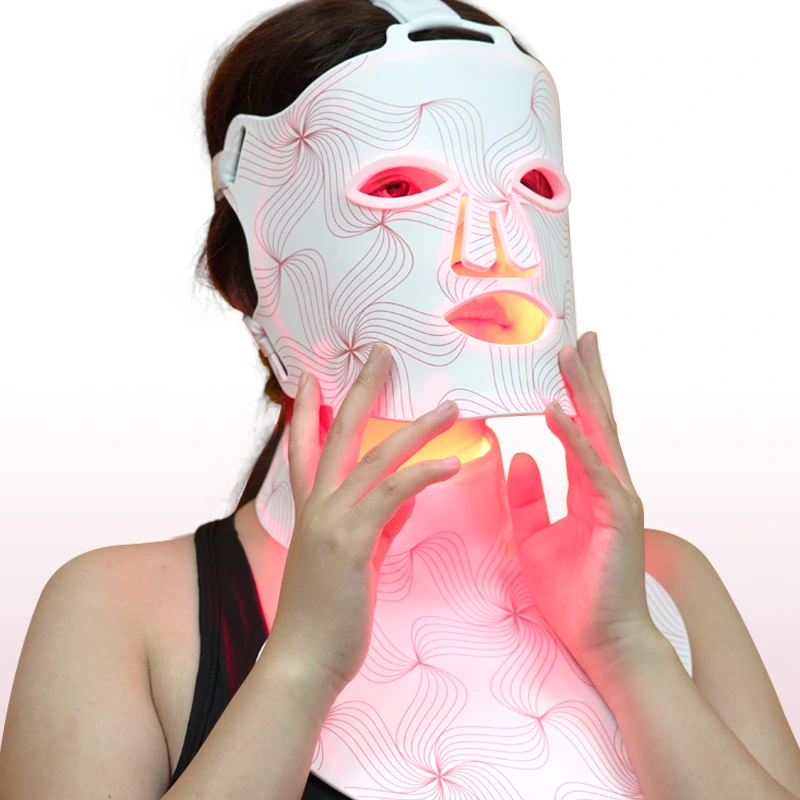
Ворота 2: Соответствует ли гибкая прокладка механическим характеристикам и характеристикам материала??
Для гибкой светодиодной панели, проверьте допустимое поведение при позиционировании, а не импровизированный трюк со складыванием.
Проверять:
- габаритные размеры, толщина и вес по согласованному методу;
- силикон или другой материал корпуса, обработка поверхности, ожидания цвета и запаха;
- швы, отделка края, разгрузка от натяжения, разъемы и кабельные выходы;
- Удержание светодиодной упаковки и любой процесс локального распределения или склеивания;
- разрешенный изгиб, положения изгиба или обертывания;
- действия, запрещенные спецификацией или IFU, например, складной, сминание, дробление или сильное давление;
- держатели, ремни, подголовник и другие аксессуары для позиционирования;
- метод очистки и влияет ли повторная очистка на отделку, распечатать, адгезия или соединители;
- положение хранения и упаковки, особенно если коробка меньшего размера потребует более сильного изгиба, чем позволяет утвержденная конструкция..
Не обобщайте один метод конструкции для всех гибких подушек.. Например, процесс нанесения эпоксидной смолы может обеспечить локальную защиту светодиодных корпусов, не превращая весь продукт в «устройство с эпоксидным покрытием». Запишите фактическую конструкцию выбранной модели..
Для материалов, контактирующих с кожей, в проекте медицинского устройства, подтвердите у ворот 8 точные ли материалы, тип и продолжительность контакта охвачены данными биологической оценки; не рассматривайте визуальную проверку и проверку запаха как аттестацию материала.
Если минимальный радиус изгиба или предел позиционирования не определены, отметьте это как открытое требование. Не придумывайте его во время проверки образца.
Ворота 3: Выполните элементы управления и завершите рабочий процесс пользователя?
Протестируйте продаваемый рабочий процесс от распаковки до хранения, не изолированные функции кнопок.
Запустите каждую согласованную комбинацию:
- включение/выключение питания и состояние запуска;
- световой режим или комбинация длин волн;
- уровень яркости;
- выбор таймера и автоматическая остановка;
- настройка пульса, если указано, что точная модель имеет один;
- сопряжение контроллеров, диапазон и поведение нескольких устройств, где это применимо;
- зарядка, Индикация заряда батареи и поведение при низком энергопотреблении;
- подключение питания основного устройства и поведение адаптера;
- память, поведение при перезапуске или отключении питания, заявленное в спецификации;
- Индикация ошибок и восстановление описаны в инструкции по эксплуатации.;
- согласованная последовательность непрерывной работы и энергетического цикла, с продолжительностью, режим, записаны условия окружающей среды и проверки после испытаний.
Затем попросите предполагаемых операторов настроить, позиция, бегать, очищайте и храните изделие, следуя только предлагаемым инструкциям.. Запишите, где они колеблются или делают другой выбор.. Функция, которая работает только после обучения поставщиков, еще не является повторяемым рабочим процессом канала..
Сохраняйте архитектуру контроллера и питания явной.. Зарядный кабель беспроводного контроллера не обязательно является источником питания основного устройства.. Образец, диаграмма, руководство, содержимое коробки и демонстрация продаж должны рассказывать одну и ту же историю.
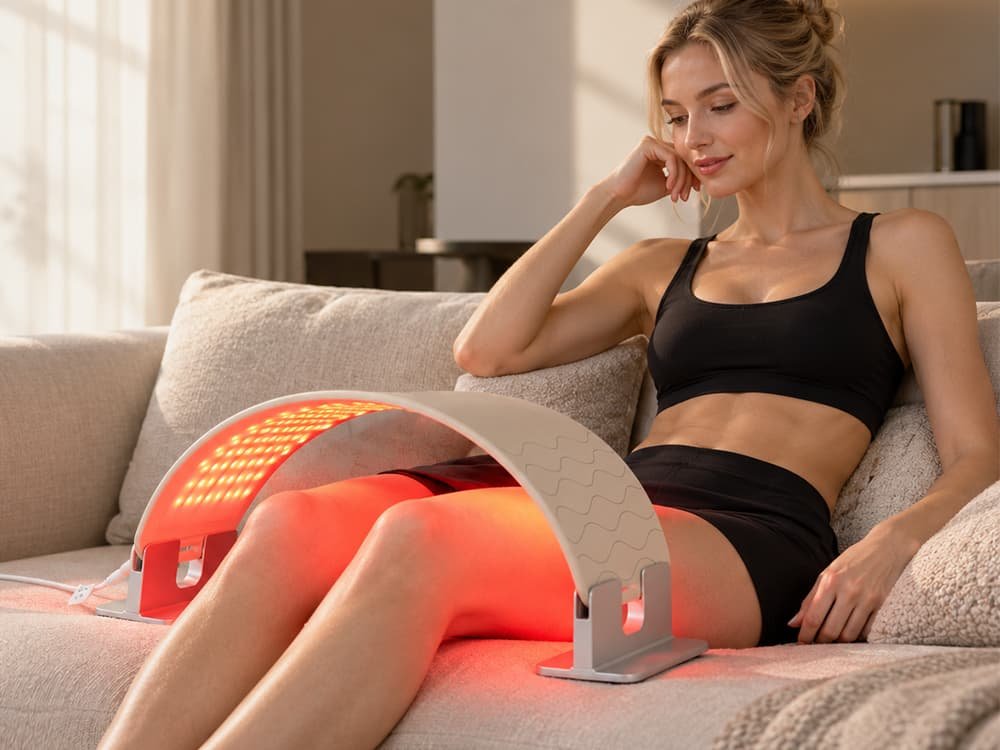
Ворота 4: Связаны ли оптические результаты с образцом??
Видимый свет подтверждает включение излучателей. Он не проверяет длину волны, излучение, пространственное распределение или фотобиологическая безопасность.
Для каждого соответствующего режима, подключить физический образец к:
- отчет об измеренном спектральном выходе или длине волны;
- значения освещенности в определенных точках или определенной сетке;
- расстояние измерения или плоскость контакта;
- точка, определения среднего и пикового значения;
- идентификация приборов и датчиков;
- контекст калибровки, если доступен;
- прогрев и рабочее состояние;
- яркость, таймер и состояние импульса;
- идентификатор образца, конфигурация, дата испытания и номер отчета;
- согласованные пределы приемлемости и устранение выбросов.
Значение освещенности, измеренное на излучающей поверхности, нельзя напрямую сравнивать со значением, измеренным на расстоянии.. Пик в центральной точке нельзя рассматривать как среднее значение по всей площади.. Результат одного режима не может незаметно охватить все режимы смешанного освещения..
А Путеводитель по IEC 62471, отчеты о длине волны и освещенности подробно объясняет поля измерений и доказательств. Сократите этот протокол утверждения образца: свяжите каждый результат с точным методом и пометьте любое несоответствие для технической проверки..
А МЭК 62471 официальный объем охватывает оценку фотобиологической опасности нелазерных оптических источников., включая светодиоды, при определенных методах и условиях. МЭК 62471 отчет не является доказательством клинической эффективности, разрешение на продажу или доказательство того, что будущие партии будут идентичными.
Ворота 5: Отделили ли вы проверку покупателей от подтверждения безопасности??
Покупатель может выявить явные дефекты и ненормальное поведение., но кабинетная проверка не может подтвердить электрическое, оптический, термическая или механическая безопасность.
Во время проверки образца, записывать наблюдения, такие как:
- поврежденная изоляция, открытые проводники или незакрепленные разъемы;
- номиналы адаптера и устройства, которые не соответствуют утвержденной спецификации;
- нестабильная мощность, неожиданное выключение, необычный звук, запах, мерцание или видимые повреждения;
- температура поверхности в определенных зонах контакта с кожей, элементы управления и разъемы во время и в конце всего запланированного сеанса работы;
- поврежденные батареи, припухлость, нарушения зарядки или ограничения при транспортировке, если в комплект входит аккумулятор;
- острые края, слабая компенсация натяжения, незакрепленные детали или ошибки позиционирования;
- инструкции по очистке, противоречащие материалу или ограничениям на проникновение;
- отсутствуют предупреждения, противопоказания или инструкции по защите глаз, требуемые утвержденной маркировкой проекта.
Любой аномальный результат требует документированного расследования.. Прохождение этих наблюдений не заменяет применимые лабораторные тесты., инженерная проверка или нормативная оценка.
Записывайте каждое измерение температуры как воспроизводимое измерение., не впечатление: обратите внимание на температуру окружающей среды, выбранный режим, продолжительность сеанса, точки измерения, прибор и наблюдаемые значения. Если в проекте определены условия наихудшего случая, например, закрытая позиция, максимальная яркость или последовательные сеансы — проверяйте согласованное состояние, а не импровизированное. Не придумывайте универсальный предел температуры поверхности или продолжительность выдержки во время проверки образцов.. Установите критерии приемки для конкретного устройства, состояние контакта, предполагаемое использование, применимые стандарты и оценка рисков проекта, затем используйте тот же метод для утвержденной выборки и последующих единиц сравнения.
Для проектов в рамках своей компетенции, МЭК 60601-2-57:2023 рассматривает базовую безопасность и основные характеристики оборудования, включающего нелазерные источники оптического излучения от 200 нм до 3,000 нм и предназначен для создания фотобиологических эффектов у человека в терапевтических целях., диагностический, мониторинг, косметическое или эстетическое применение. Применимость по-прежнему зависит от точного предполагаемого использования., классификация, целевой рынок и стандартный набор. Не добавляйте стандарт IEC в контрольный список только потому, что продукт содержит светодиоды..
Ворота 6: Сделайте этикетку, IFU и претензии описывают один и тот же продукт?
Утвердить ориентированный на рынок контент как часть конфигурации., не как изображение, добавленное после зависания устройства.
Сопоставьте физический образец и контролируемые файлы для:
- название продукта и модели;
- законный производитель и другая необходимая информация об экономическом операторе;
- использование по назначению и разрешенные претензии;
- названия режимов, формулировка длины волны и технические характеристики;
- власть, адаптер, информация об аккумуляторе и зарядке;
- рабочие этапы, уборка и хранение;
- предупреждения, Противопоказания и условия остановки;
- аксессуары и идентификация запасных частей;
- символы, язык, штрих-код, поля серийного номера/партии и рыночная маркировка, где это применимо;
- веб-сайт, Дистрибьюторская колода и копия листинга запланированы к запуску.
В рамках ЕС по медицинскому оборудованию, а Определение целевого назначения MDR соединяет этикетку производителя, ОБЛАКО, рекламные или рекламные материалы и клиническая оценка. Это не классифицирует конкретный светодиодный продукт., но это показывает, почему образец медицинского проекта не может пройти, пока коробка, Руководство по эксплуатации и претензии по продажам рассказывают разные истории.
Для немедицинского проекта красоты или здоровья, сохранять ту же внутреннюю дисциплину, даже если применимый юридический путь отличается: заморозить один утвержденный набор претензий и удалить неподтвержденное лечение заболевания, абсолютная безопасность или заимствованные клинические утверждения.
Ворота 7: Является ли упаковка производственной упаковкой??
Утвердите окончательный продаваемый комплект и конфигурацию доставки, а не упаковку продукта для доставки образца курьером..
Проверять:
- каждый аксессуар, кабель, адаптер, затыкать, ремень, держатель, предмет очков и инструкция;
- количество единиц и разделение SKU;
- внутренний лоток, сумка, защитная пленка и ориентация продукта;
- размеры розничной коробки, масса, доработка и закрытие печати;
- количество внешней коробки, размеры, вес и марки;
- возможность сканирования штрих-кода и этикетки после окончательного размещения;
- защита разъемов, оптические поверхности, гибкие схемы и косметическая отделка;
- положение хранения, не превышающее утвержденные пределы изгиба или давления;
- согласованный план испытаний транспортировки или распределения для фактического маршрута.
Одно неофициальное падение не подтверждает систему доставки.. Определите необходимые тесты упаковки продукта, упаковка, канал, требования к маршруту и рынку, затем сохраните отчет и удостоверение протестированного пакета..
Ворота 8: Охватывает ли каждый документ точный образец??
Папка с документами полезна только в том случае, если каждый соответствующий файл соответствует образцу и запланированной коммерческой конфигурации..
Построение матрицы «модель-документ»:
| Уровень документа | Сопоставьте эти поля | Не предполагайте |
|---|---|---|
| Разрешение на рынок или публичная запись, когда это необходимо | Владелец/заявитель, точное устройство/модель, предполагаемое использование, претензии, рынок и текущее состояние | К этому SKU относится аналогичная модель или запись заводского уровня. |
| Система менеджмента качества | Юридический держатель, сайт, стандартный, Объем и действительность активности/устройства | Iso 13485 это одобрение продукта или испытание партии |
| Электрическая/ЭМС или безопасность продукта | Заявитель, модель, адаптер, аксессуары, аппаратное/программное обеспечение и стандартная версия | Один отчет об адаптере или семействе охватывает измененную конфигурацию. |
| МЭК 62471 / оптическая безопасность | Испытанный образец, модель, режимы, геометрия, условия и результат | Результат по группе риска подтверждает эффективность или согласованность партии. |
| Спектр и излучение | Идентификатор образца, режим, карта точек, расстояние, инструмент, дата и способ приемки | Один каталожный номер описывает каждую точку, режим или пакетный режим |
| Материалы и другие применимые отчеты | Точный материал, поставщик/спецификация, тип контакта и объем продукта | Декларация компонента подтверждает соответствие всего продукта |
| Литиевый аккумуляторный транспорт, когда это применимо | Точный тип элемента/батареи, производитель, сборка/конфигурация, протокол испытаний и текущие транспортные документы | Отчет о зарядном устройстве или электробезопасности охватывает требования к транспортировке аккумуляторов. |
| Этикетка/IFU/иллюстрация | Редакция, модель, рынок, язык, использование по назначению и претензии | Черновик может быть исправлен после производства без каких-либо последствий. |
Для проектов медицинского оборудования с прямым или непрямым контактом с телом, определить, охватываются ли точные материалы, тип и продолжительность контакта биологической оценкой в соответствии с Iso 10993-1:2025 и любые применимые части серии. Iso 10993-1 представляет собой основанную на оценке риска систему оценки биологической безопасности., ни одного универсального «теста на биосовместимость» или автоматического одобрения для каждого материала..
Если продаваемый комплект содержит литиевый элемент или батарею, проверьте точный тип и конфигурацию батареи по применимым транспортным свидетельствам согласно подразделу 38.3 Руководства ООН по испытаниям и критериям. Используйте действующая ред. 8 ЕЭК ООН с поправками 1 публикация вместо того, чтобы рассматривать «UN 38.3» как общий знак сертификата.; рынок, перевозчик и отгрузка по-прежнему определяют полные требования к транспортным документам и упаковке..
Используйте Руководство по сертификации устройств для светодиодной терапии для получения полной карты доказательств. Используйте Контрольный список квалификации OEM-производителей для терапии красным светом если юридическое лицо, меры контроля на производственной площадке или на уровне поставщика все еще не решены. Не дублируйте эти проверки в выборочной записи..
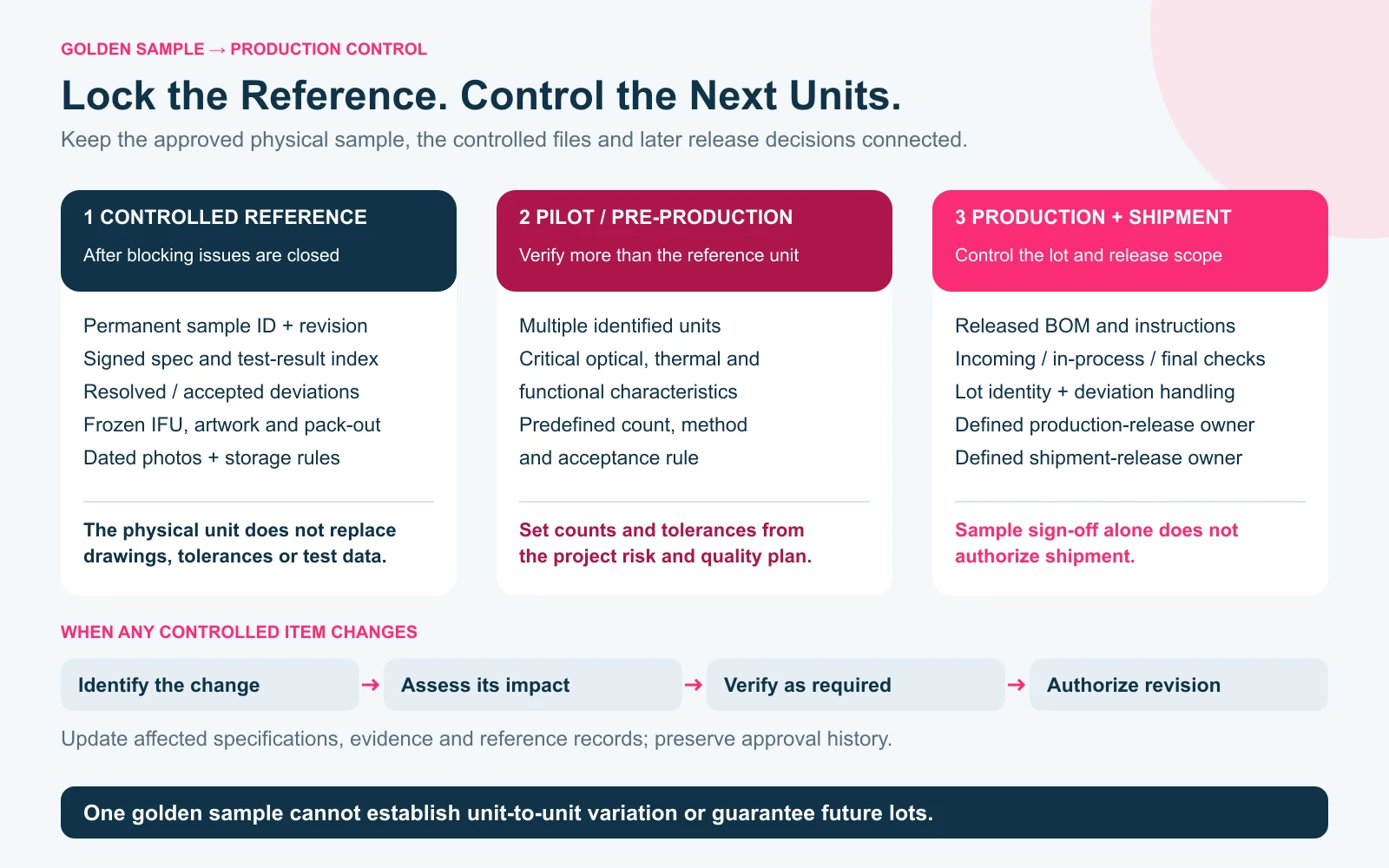
Как следует создать золотой образец?
Золотой образец — это контролируемый физический эталон., не заменяет спецификации, допуски и протоколы испытаний.
После закрытия всех проблем с блокировкой:
- Присвойте утвержденному подразделению постоянный идентификатор образца и ревизию..
- Отметьте дату утверждения и запущенную стадию производства..
- Прикрепите подписанный лист конфигурации, индекс результатов испытаний и список принятых отклонений.
- Заморозить соответствующую иллюстрацию, ОБЛАКО, упаковка и список аксессуаров.
- Создайте датированную фотозапись, показывающую идентификационные и косметические детали..
- Сохраняйте контролируемые ссылки на покупателей и поставщиков, где это возможно..
- Определить хранилище, правила доступа и замены, чтобы образец не мог быть заменен, поврежден или молча заменен.
- Укажите, какие требования контролируются физическим образцом, а какие — только чертежами., данные или пределы испытаний.
Если образец изнашивается, стареет или поврежден, не заменяйте его потихоньку. Создайте новую контролируемую редакцию и сохраните историю утверждений..
Какие изменения требуют переоценки?
Утверждение относится к замороженной конфигурации. Изменение не всегда требует повторения каждого теста., но это всегда требует документированного решения о воздействии.
Триггеры изменений обычно включают в себя:
- Светодиодный пакет, чип, мусорное ведро, поставщик, изменения режима массива или длины волны;
- водитель, печатная плата, прошивка, контроллер, таймер, изменения пульса или яркости;
- адаптер, затыкать, батарея, замена кабеля или разъема;
- силикон, клей, диффузор, оптический слой, изменения в красителе или процессе дозирования;
- измерение, кривизна, ремень, смена держателя или корпуса;
- этикетка, ОБЛАКО, предупреждение, изменение предполагаемого использования или маркетинговых заявлений;
- аксессуар, упаковка, изменения коробки или логистики;
- заводская площадка, критический поставщик, процесс, изменения в приспособлениях или методах контроля;
- замена или доработка компонента по окончании срока службы, произведенная после отказа.
За каждое предложенное изменение, запишите причину, затронутые документы, техническое и нормативное воздействие, требуется проверка, нужен новый образец, влияние стоимости/времени, утверждающие лица и пересмотр реализации. «Эквивалентный компонент» — это вывод, требующий доказательств, а не достаточное описание изменения..
Что должно произойти перед массовым производством и отправкой?
Утверждение образца должно служить основой производственного плана.; оно не должно заканчиваться подписанной единицей на полке.
Перед производственным заказом, подтверждать:
- выпущенная спецификация, спецификация, рисунки, версии прошивки и графического оформления;
- утвержденный золотой образец и журнал отклонений;
- рабочие инструкции поставщика и контроль критических процессов;
- входящий, элементы незавершенного и окончательного контроля;
- инструменты, светильники, требования к калибровке и регистрации данных;
- пилот, подтверждение первой статьи или производственного намерения, соответствующее проекту;
- определения дефектов и полномочия по устранению дефектов;
- требования к идентичности партии и отслеживаемости;
- отбор проб отгрузок или проверки на уровне единицы продукции;
- несоответствие, процесс переделки и концессии;
- правила уведомления об изменениях и повторного утверждения;
- кто санкционирует выпуск продукции и выпуск отгрузки.
Где уместна выборка атрибутов, Iso 2859-1:2026 предоставляет схемы отбора проб по партиям, индексированные AQL. Он не предоставляет один универсальный AQL., классификация дефектов или размер выборки для каждого проекта светодиодной терапии. Определите тех, кто несет ответственность за качество, от риска, связанного с продуктом., много, договор, цель рынка и инспекции. Некоторые критические характеристики могут нуждаться в контроле, выходящем за рамки обычного отбора проб из партии..
Не используйте один золотой образец для оценки вариаций от единицы к единице.. На пилотной или предпроизводственной стадии, оценить несколько идентифицированных единиц на предмет критического оптического, тепловые и функциональные характеристики, с использованием заранее определенного количества образцов, метод и правило приемки. Количество единиц и требуемое распределение или допуск должны быть основаны на плане рисков и качества проекта, а не на основе общего контрольного списка..
Для США. проекты медицинского оборудования, FDA Положение о системе менеджмента качества вступил в силу в феврале 2, 2026 и включает ISO 13485:2016 в структуру QMS устройства. Это нормативный контекст производителя., не повод маркировать каждый образец красоты/здоровья как медицинское устройство. А Iso 13485 официальная страница также описывает систему управления качеством медицинского оборудования.; сертификат не подтверждает образец продукции и не гарантирует партию продукции.
Утвердить, Одобрить условно или отклонить?
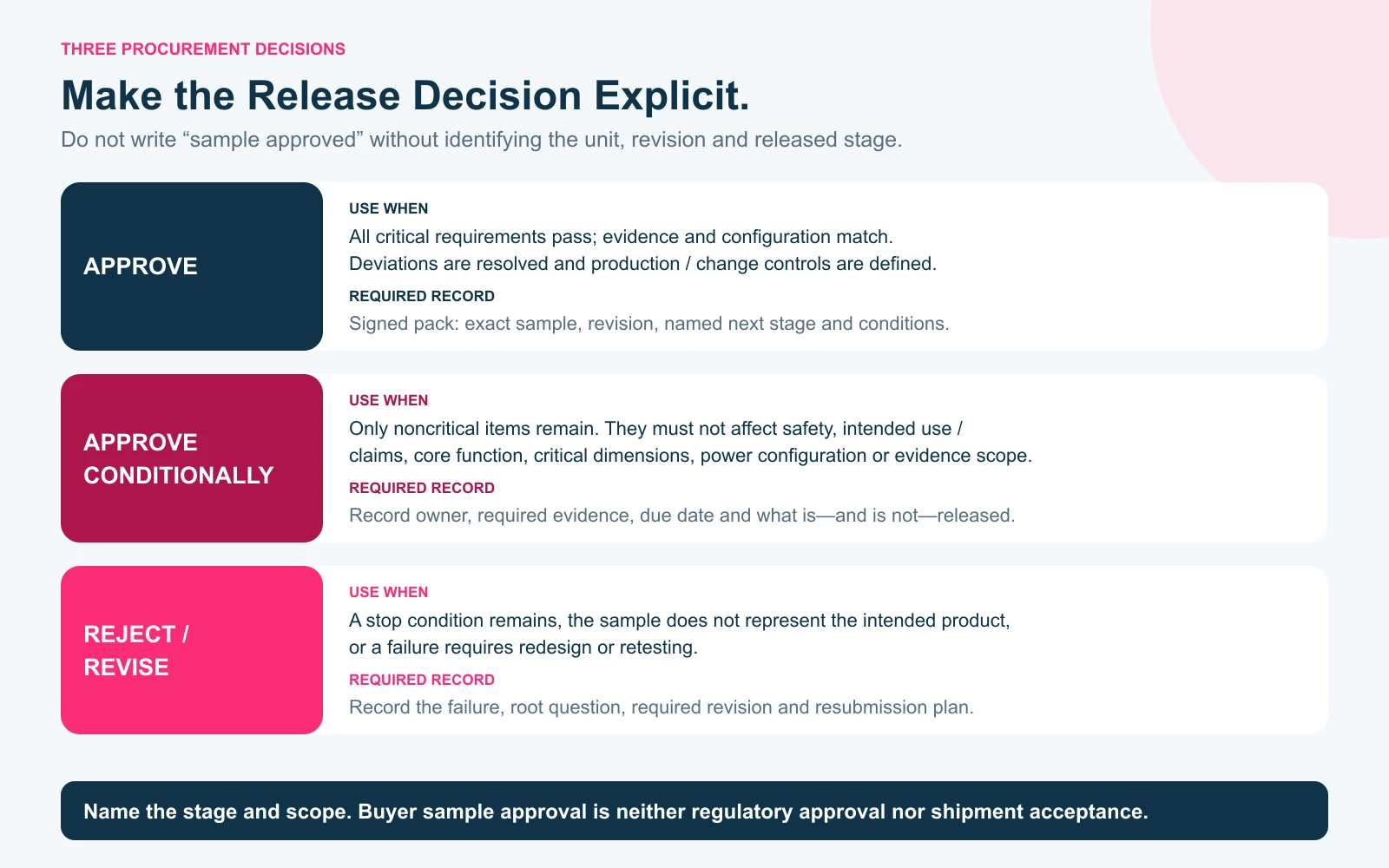
Завершите четким решением о выпуске и его объемом..
| Решение | Используйте его, когда | Обязательная запись |
|---|---|---|
| Утвердить указанный следующий этап | Все критические требования соблюдены; доказательства и конфигурация совпадают; отклонения устранены; определены средства управления производством/изменениями | Подписанный пакет утверждений с указанием точного образца, пересмотр, следующий этап и условия |
| Условное одобрение | Остаются только некритические элементы, и они не влияют на безопасность., предполагаемое использование/претензии, основная функция, критические размеры, конфигурация электропитания или объем доказательств | Названный владелец, необходимые доказательства, срок выполнения и четкое указание того, что выпущено, а что нет. |
| Отклонять / исправлять | Условие остановки остается, образец не представляет предполагаемый продукт, или неисправность требует перепроектирования/повторного тестирования | Запись об отказе, основной вопрос, план необходимой доработки и повторной подачи |
Избегайте самой фразы «образец одобрен». Писать, например:
Образец WL-X, редакция С, одобрен в качестве косметического и функционального эталона для пилотной сборки P1, при условии закрытия упаковки штрих-код действие А-07. Это не одобрение отгрузки.
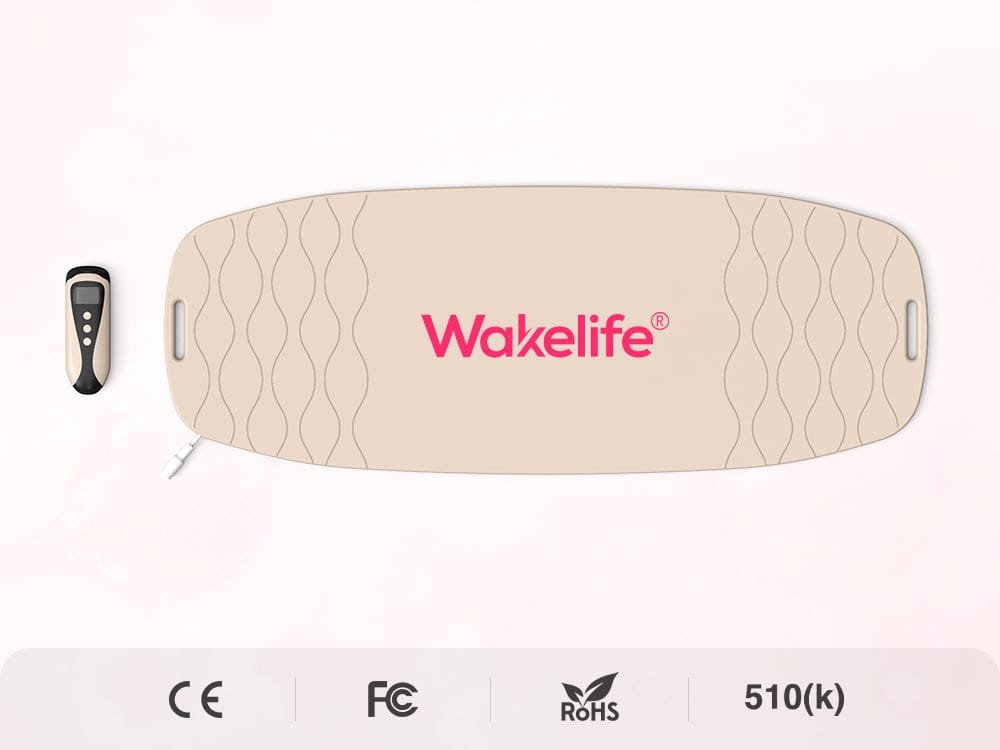
Что следует отправить с запросом образца Wakelife?
Определите цель утверждения до подготовки образца.
Отправлять:
- точная модель или формат продукта;
- целевой рынок и канал;
- предполагаемое использование и планируемые претензии;
- стандартная и запрошенная пользовательская конфигурация;
- Длина волн, режимы, элементы управления и оптические характеристики, которые необходимо проверить;
- адаптер, затыкать, язык, произведение искусства, Требования к аксессуарам и упаковке;
- список необходимых документов и отчетов;
- ожидаемое количество и сроки запуска;
- ваши образцы приемочных испытаний и внутренние утверждающие лица.
Если гибкая платформа соответствует короткому списку, обзор Wakelife’s категория гибких светодиодных устройств для светотерапии и укажите, оцениваете ли вы представленную платформу G240 или вариант размера NFY. Запросите текущую спецификацию уровня модели и карту документов для указанной конфигурации.; не полагайтесь только на фамилию.
Связаться с Вейклайф с кратким описанием проекта для подтверждения типа образца, конфигурация, расходы, время и имеющиеся доказательства для точной модели. Любой выпуск продукции или рынка остается предметом согласованного утверждения и применимых требований проекта..
Итог
Строгий процесс утверждения образца устройства для светодиодной терапии превращает физическую единицу в контролируемое производство..
Определить образец. Проверьте это на соответствие письменным критериям.. Подключите оптические и защитные доказательства к их точной конфигурации. Заморозить продаваемую маркировку и упаковку. Фиксируйте каждое отклонение. Создайте золотой образец с контролируемыми характеристиками. Затем определите, как пилотные подразделения, производственные партии, изменения и поставки будут проверены.
Образец является одним из доказательств. Реальный актив утверждения — это отслеживаемая цепочка, которая сообщает каждой команде, что прошло., что остается открытым, что может измениться и что заводу разрешено производить.
Ссылки
-
1
Международная организация по стандартизации. Iso 2859-1:2026— Процедуры отбора проб для проверки по атрибутам — Часть 1
-
2
НАС. Управление по контролю за продуктами и лекарствами. Положение о системе менеджмента качества (КМСР)
-
3
Международная организация по стандартизации. Iso 13485:2016—Медицинские изделия — Системы менеджмента качества
-
4
Международная электротехническая комиссия. МЭК 62471:2006—Фотобиологическая безопасность ламп и ламповых систем.
-
5
Международная электротехническая комиссия. МЭК 60601-2-57:2023—Оборудование, не являющееся лазерным источником света
- 6
-
7
Международная организация по стандартизации. Iso 10993-1:2025—Биологическая оценка медицинских изделий — Часть 1
-
8
Европейская экономическая комиссия ООН. Руководство ООН по испытаниям и критериям, Редакция 8 и Поправка 1 — Подраздел 38.3