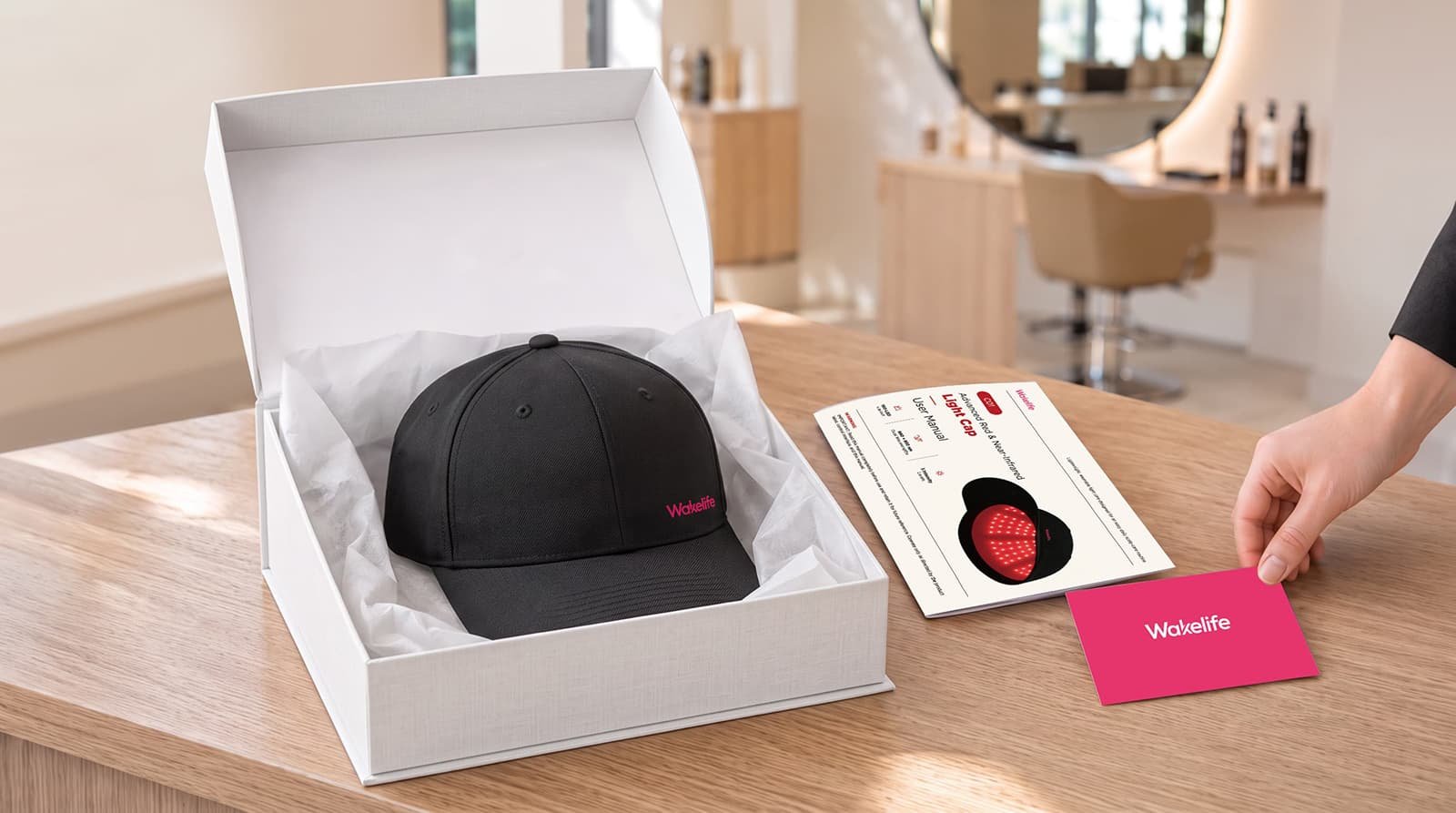
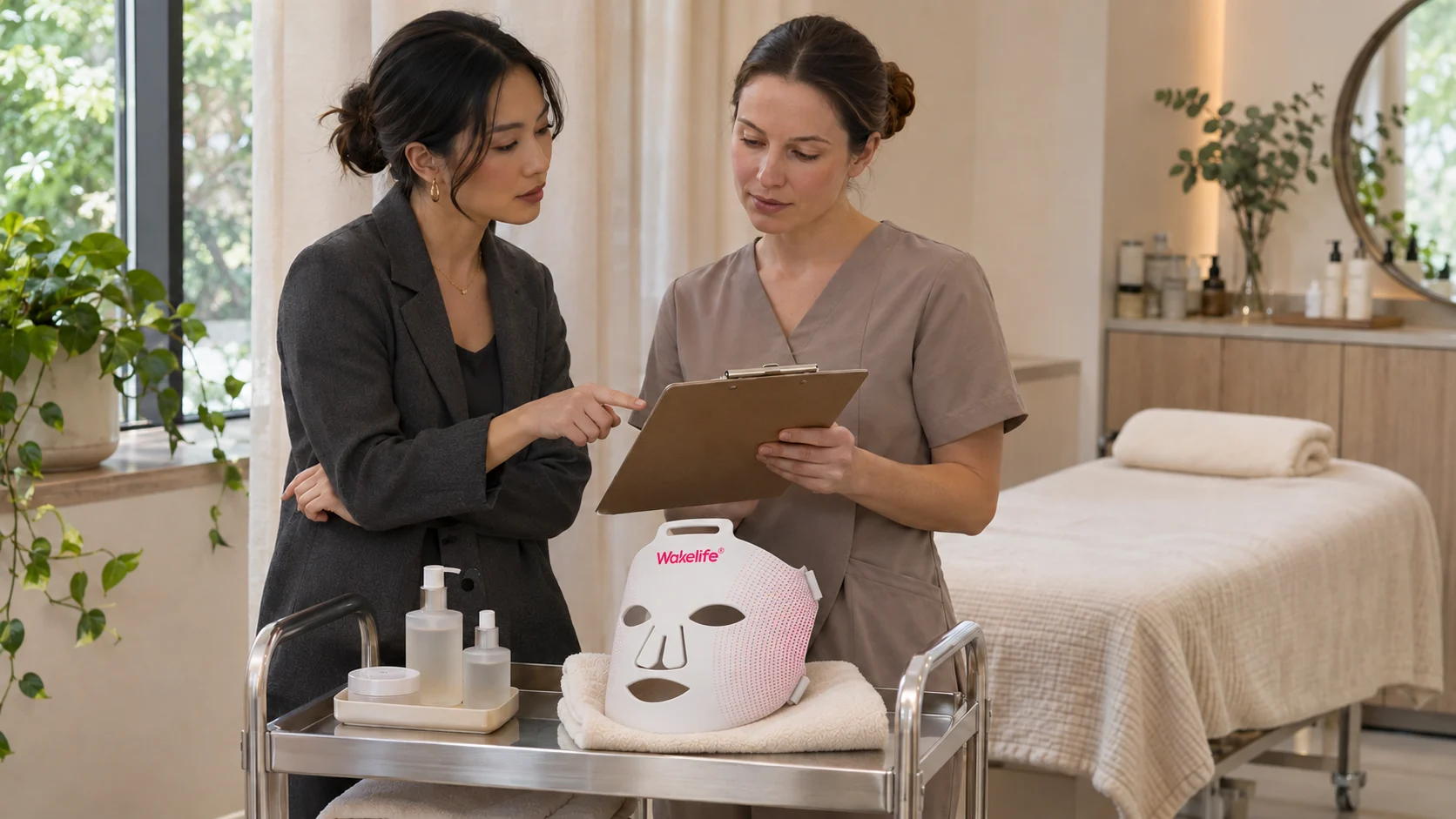
If you buy for a hair replacement brand that supplies salons, studios and barbers, you may be asking a helmet manufacturer about OEM options, minimum order quantity and price. One option is to offer the helmet through your professional catalog so studios can buy it for clients to take home. A stylist asking for a brochure tells you little about how many studios would place that order.
List the helmet as a special-order item without carrying stock if a studio is ready to buy and you can fill and support its order. Send a sample when a studio can describe a sale it wants to make and you have the documents for that exact helmet. Stock extra helmets only if the margin justifies paying for units no studio has ordered.
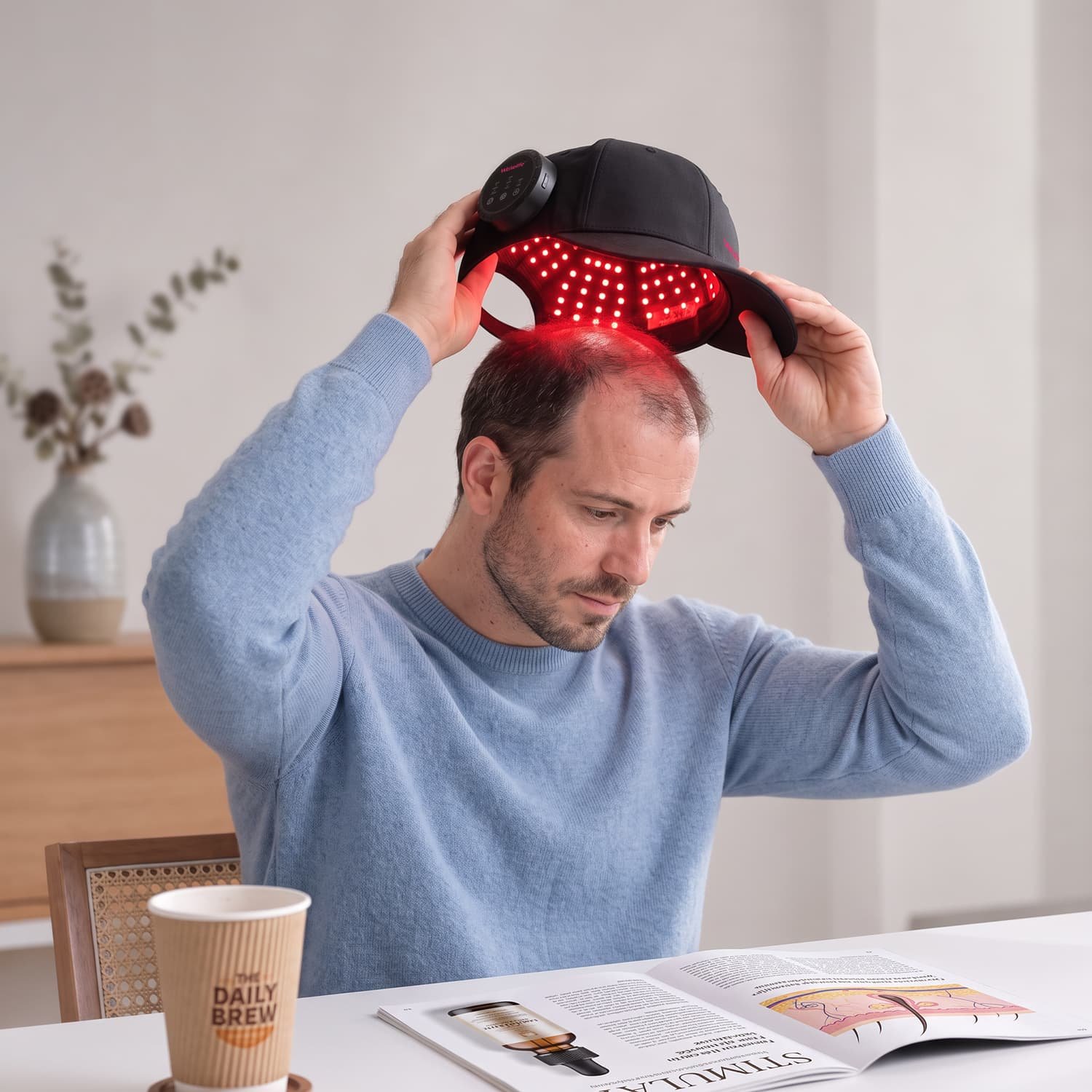
Which studios would actually order from you?
On your next account call, chiedere, “If a client says yes on Friday, who takes payment, and who orders the helmet from us?"
Consider two fictional studios.
| Studio | What happens if a client says yes? | What you can count today |
|---|---|---|
| Birch Studio | The stylist shares a referral link. | A referral lead. Zero wholesale units. |
| Elm Studio | The studio takes payment, orders a boxed helmet on its trade account with you and hands it over at the client’s next fitting. | A reason to discuss a sample. Zero confirmed orders. |
Both arrangements exist in the helmet trade. Theradome GB offers its UK clinic partners wholesale ordering and a separate code for referring customers. Theradome GB’s trade terms
Give Elm’s buyer one order to walk through
Start with the model code on the supplier’s quote, the proposed name on your box and the current instructions for the market where Elm will sell it. If the supplier cites U.S. 510(k) spazio, chiedere il numero K. Use it to check the device name, applicant and decision in the FDA 510(k) banca dati. Ask the supplier to show how the quoted model and proposed label match the record and check the official Indications for Use against the use you plan to market. Hold the U.S. listing if you cannot verify that match. Vedi il 510(k) verification guide for the full check.
Give Elm’s buyer the boxed sample to review at a desk. Ask the buyer and your rep to fill in the same order record. Agree on when Elm will decide whether to order and when the loaned sample is due back.
| What to settle | What to write down |
|---|---|
| Who orders and receives the unit? | Elm’s trade account, your catalog item number, the exact boxed model and where Elm expects to receive it. Record the loaned sample separately from units for sale. |
| What can the stylist tell a client? | Who briefs Elm’s staff and which instructions they can hand over. If Elm asks about use over a bonded hair system or sharing a unit in the studio, hold that proposal until the exact model’s labeling supports it. |
| Who handles a unit that will not charge? | The contact Elm gives its client, who can authorize a return, where the unit goes and who pays freight under the written terms. |
Try the last row with your service team. Suppose the factory takes returns only from the account it invoices, and that account is yours. Give Elm a contact at your company who can open the return. Have your rep use that contact once in a practice run before promising the studio a replacement.
Training and ordering access are worth asking about together. For its U.S. hair growth cap reseller program, Capillus directs interested salons to NHLMA. Approved accounts receive training materials and access to place a first order. For your own catalog, agree who will brief each studio and how its buyer will order. Capillus reseller program
Will you buy to order or carry stock?
Go back to Elm after the review. If it wants one boxed unit for a client, get its order in writing and confirm the supplier’s minimum and lead time. If Elm alone falls short of the minimum, see whether you can combine written orders from studios buying the same model and packaging. The supplier must accept them as one purchase order, and each studio needs a delivery date you can meet. If those orders cover the whole batch, you can fill them by special order. You’ll have zero helmets left for the next caller.
For a stocked listing, start with the batch you plan to buy. Subtract the units promised to named studios and set aside any display sample that comes from that batch. The saleable units left over are the stock your business will finance. Birch’s request for a referral link adds zero units to the forecast.
In a hypothetical 20-unit batch at a landed cost of US$115 each, 12 units are assigned to written studio orders and one is set aside for display. The seven helmets left for future orders have a landed cost of US$805. The display unit costs another US$115, and the cash you need upfront depends on when you pay the supplier and when studios pay you.
Get the unit price, country of manufacture and shipping point so you can estimate the cost at your warehouse. Check whether the margin still works after the display sample and any return freight you agreed to cover. If you can fund the extra units on those terms, mark them in stock once they arrive. Altrimenti, wait for more firm orders.
If you also want your name on the box, get the minimum and lead time for that version in writing before you combine any orders. Vedere what can change on an existing hair growth device platform.