Pilot one offer against the service it would change or displace. Expand only when guests pay for the new offer, regular spa staff can deliver it on a normal schedule, and it adds enough contribution to justify the room time. Give each partner spa the same scorecard and compare its results with its own baseline.
For a skincare brand, the pilot answers a question that a device demo leaves open. Can a partner spa deliver the service on a busy day after the launch team leaves? When a step slows the team down, the pilot helps you decide what the spa can change and what the equipment manufacturer should verify. Set the conditions for a limited expansion, a change and retest, or a stop before the first booking.
Define the service and the decision
Decide whether the pilot is for a paid add-on to an existing facial or a separate service on the menu. Test one offer at a time. An add-on can be measured against the original facial. A standalone service needs a baseline that reflects what the spa would otherwise book in the same room and time slot.
If you are still choosing a device format, define what the first sample needs to prove in your service setting before you settle on a pilot kit. Professional LED equipment buyer guide
Record the service, guest offer and price, eligible partners and shifts, e destinazione d'uso. Ask the supplier that provided the pilot kit to identify the configuration, including the model and relevant revisions of the controller, accessories and instructions. Record any difference between the pilot kit and the kit you plan to send to the next sites. When you compare shifts, keep the agreed equipment setup consistent and flag any substitution.
Have the guest-use approver confirm the proposed setup and conditions at each site before taking bookings. If a required sign-off is missing or a change takes the setup outside what was reviewed, hold guest sessions and return the question to that approver.
Give the brand product lead ownership of the rollout recommendation and name who will approve it. Ask each spa manager for booking, staffing and room data. Have the training lead define what staff must demonstrate independently and how to record help from a trainer. Dermalogica PRO’s LuminFusion partner offer is a public example of how a brand can pair a professional LED facial with hands-on training, protocol guidance and menu materials. Dermalogica PRO’s LuminFusion partner programme
Set a baseline at each spa before the pilot
Use recent, comparable shifts for the existing facial or the mix of services the room normally hosts. Record paid completions, net receipts, direct costs, the booking block, actual room occupancy from setup to readiness for the next guest, and staff minutes. Note differences in staff experience, room layout, promotions and dayparts. If head-office staff help with launch, log assisted appointments and include shifts run by regular spa staff. That gives you a way to see which results depend on launch support.
Agree in advance what would justify trying the service at another site. Define the minimum evidence for paid demand, how much variation in room time the schedule can absorb, what counts as independent delivery and what contribution the spa needs. Set a review date and decide who can pause the pilot. Choose an observation window that includes the shifts you expect to roll out to. If the data leave those shifts untested, name the missing evidence and run a targeted follow-up. This approach adapts the Institute for Healthcare Improvement’s guidance on small tests and retesting under different conditions to spa operations. IHI Testing Changes · IHI Spreading Changes
Use the same pilot scorecard at every location
Copy the rows below and add a column for each spa. Above the table, record the dates, device and service versions, booking block, price or promotion, and the people responsible for approvals and recording. Compare each site with its own baseline before drawing a conclusion across sites. Use the same appointment ID for timing, trainer help and exceptions. If an issue recurs, record the step, the kit in use and the conditions at the site so the team can reproduce it.
For a standalone service, confrontare total contribution per comparable room and shift window. A new service can change how many paid appointments fit into a shift. Count displaced services once, either in the baseline comparison or as a separately recorded loss.
Worked example with fictional figures and decision criteria. Two partner spas test the same paid add-on to an existing facial. Both use the same equipment configuration, price and 60-minute room booking block. The brand sets these criteria for testing at another comparable site:
- Revisione 40 offers per spa. Require at least 25% to lead to paid bookings and at least ten paid completions before making a decision.
- In the first ten completed paid visits, require at least nine independent deliveries by regular staff and allow at most one room overrun.
- Across those ten visits, require at least $75 in incremental operating contribution after accounting for lost bookings. Review fixed and one-time launch costs separately.
Approval for guest use
Approved device version and use, sito, approver and date. Record any open issue before booking guests.
Site sign-off recorded before booking
Site sign-off recorded before booking
Paid demand
Unique eligible guests offered the service, paid bookings and paid completions. Track discounts, refunds and complimentary sessions separately.
40 offered, 12 booked, 10 completato
40 offered, 12 booked, 10 completato
Independent delivery
Attempts by regular staff and sessions they could complete without trainer intervention. Record what required help.
10 Di 10 independent across regular shifts
3 Di 10 independent. On seven visits, the launch trainer prepared the kit outside the treatment room while the assigned esthetician was still with the previous guest.
Room and staff time
Record baseline and pilot medians for room time and regular spa staff time. Log launch trainer time separately. Count overruns and lost bookings.
Camera 52 → 57 min and spa staff 40 → 43 min from baseline to pilot. Zero overruns and zero lost bookings.
Camera 50 → 66 min and spa staff 38 → 46 min from baseline to pilot. 7 Di 10 ran over. The spa recorded two lost bookings.
Incremental contribution
Net extra revenue per completed visit less extra recurring labor and consumables. Log one-time launch help and subsidies separately. Record contribution lost from bookings actually displaced.
$20 extra revenue − $7 extra recurring cost = $13 per completion
$20 extra revenue − $10 extra recurring cost = $10 per completion. Brand-funded launch trainer time is separate.
Exceptions and holds
Record any material deviation or incident, the affected step, any setup change and the action taken. Name the owner, hold status and condition for resuming.
No open holds.
No open holds. Trainer help and overruns recorded above.
Decision and owner
Record the next action, where it applies, who owns it and the review deadline.
Test with regular staffing at one comparable partner. The brand product lead reviews within five working days of that site’s last scheduled test shift.
The spa manager and training lead test the revised kit-preparation handoff. The brand product lead submits the recommendation to the rollout approver within five working days of the last scheduled retest shift.
Both spas had a 30% paid booking rate (12 Di 40 guests offered the add-on) e un 83% completion rate (10 Di 12 paid bookings). Spa A’s ten completions added $130 in operating contribution. Spa B’s ten completions added $100 before displacement. Its two lost bookings each represented $35 of contribution, leaving $30 in incremental operating contribution after displacement. Both spa totals exclude fixed expenses and one-time launch costs. Put brand-funded trainer time in the launch budget. Record a rescheduled visit separately from a lost booking, and review equipment, installation and service costs before expanding.
Spa A met the example criteria. Its next test is a comparable site with a similar booking block, room setup and staffing. Spa B met the paid demand criteria and fell short on independent delivery, room time and contribution. Its first-round summary lists seven assisted visits and seven overruns separately, so it leaves the overlap unknown.
Decide what to change before the next test
- Change the spa handoff when the issue tracks who is available or when the room is free. At Spa B, test a named shift role for kit preparation with the same kit and ordinary staffing. Record when the previous guest leaves, when the kit is ready and when the room is ready for the next guest. If delays persist, use those timestamps to locate the step that needs another look. Include any extra paid staff time when you recalculate contribution.
- Ask the manufacturer to review a repeatable mask fit issue. In a separate hypothetical example, the mask shifts on several guests with similar facial profiles after staff fit it as instructed. Record the mask and strap versions, where the mask shifts, where guests report pressure, and how many fittings needed repositioning out of all fittings observed. Ask the manufacturer whether the documented adjustments can address the issue or whether the mask shape or strap design needs review. Retest any revised sample with the affected facial profiles and check whether regular staff can complete the service within the existing booking block.
- Run another controlled comparison when both the equipment setup and shift conditions changed. Keep the kit consistent while testing a handoff change, or keep staffing and room conditions comparable while evaluating an alternative accessory or equipment configuration. Use the appointment records to decide whether the spa can resolve the issue through its workflow or needs an equipment review.
Record the rollout decision
- Expand in stages when the required approvals are in place, the agreed demand and contribution criteria are met, and regular staff can repeat the work within the available capacity. Name the next group of sites the evidence applies to and review their early results before adding more.
- Adjust and retest when the barrier is specific and fixable. Use the relevant test above and repeat the same measures during comparable shifts. If the pilot missed an important site type or staffing pattern, include that condition in the next round.
- Stop or hold when a required approval is unresolved, a serious incident requires review, or the service still falls short of the agreed business criteria after a fair retest. Document the reason and what evidence could reopen the decision.
Use your own partners’ schedules, staffing and costs to set the criteria for your rollout. Ad aprile 2026, LightStim announced that the rollout of its LED device to participating Hand & Stone spas followed a pilot. LightStim’s rollout announcement
Send the manufacturer a requirement it can verify
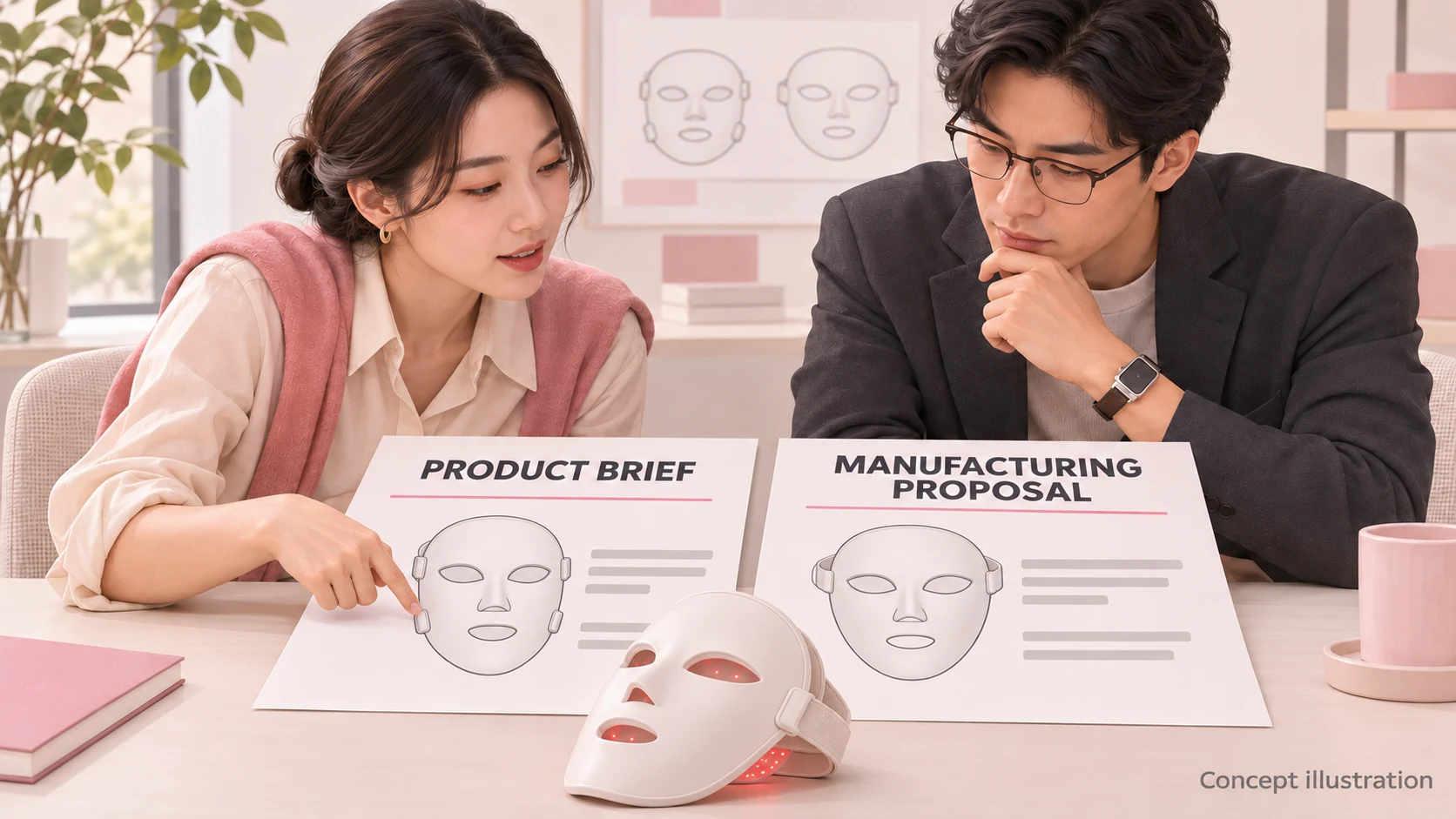
For questions about the kit you tested, ask the original supplier to confirm its configuration, accessories and documentation. Take any proposed design change to the manufacturer of that equipment. Share the target market, impostazione del servizio, expected quantity and tested model with the relevant accessory or controller revision. Describe when the issue occurred, how many appointments it affected and whether you could reproduce it. For a fit issue, agree on the facial profiles to include and what the sample must demonstrate. Per esempio, check whether the eye and nose openings stay aligned in the usual treatment position without repeated adjustments or reported pressure discomfort.
If a proposed change calls for a revised sample, record its version, the change and the evidence your team needs to accept it. Have the guest-use approver review the agreed configuration before another guest trial. Sample approval checklist
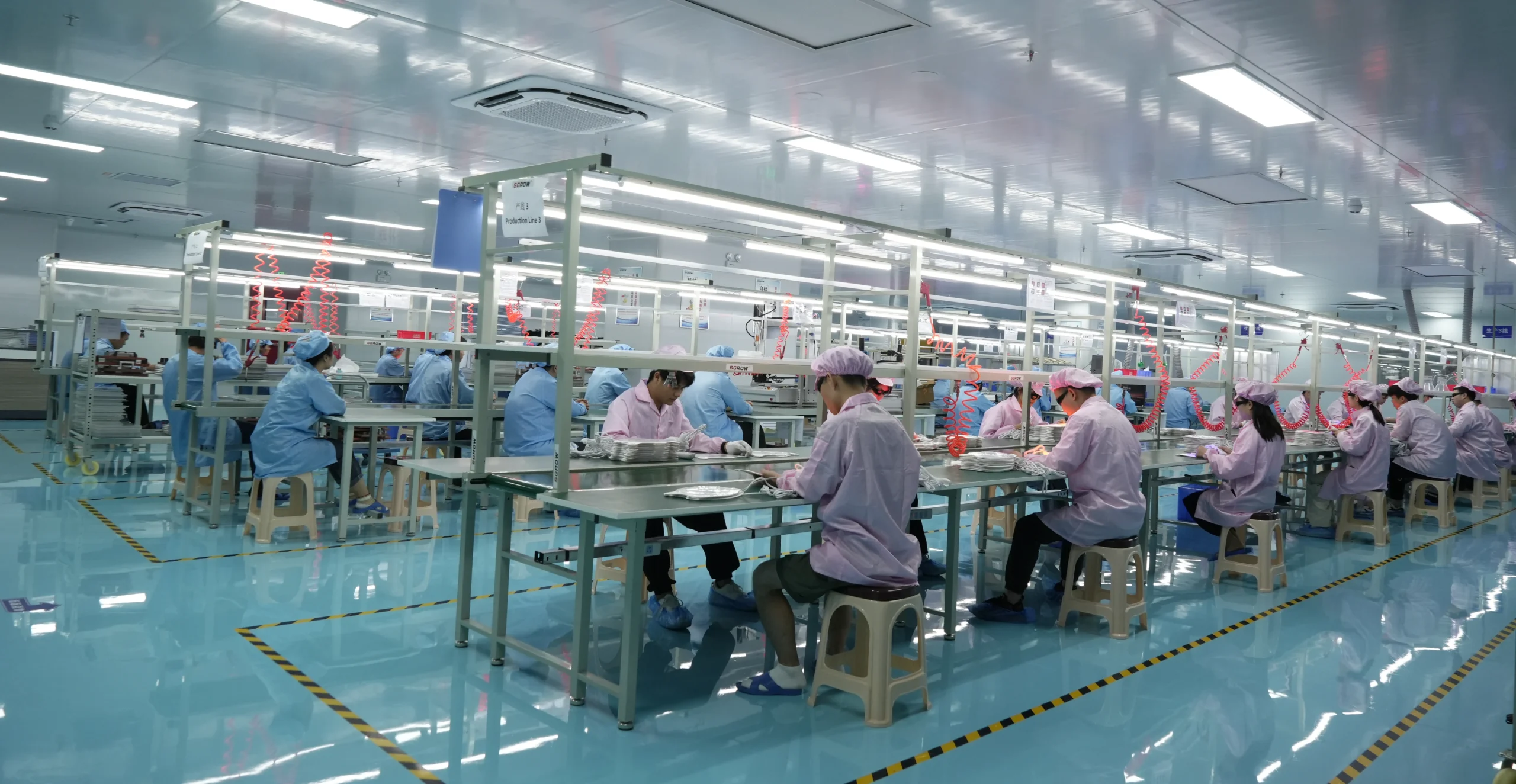
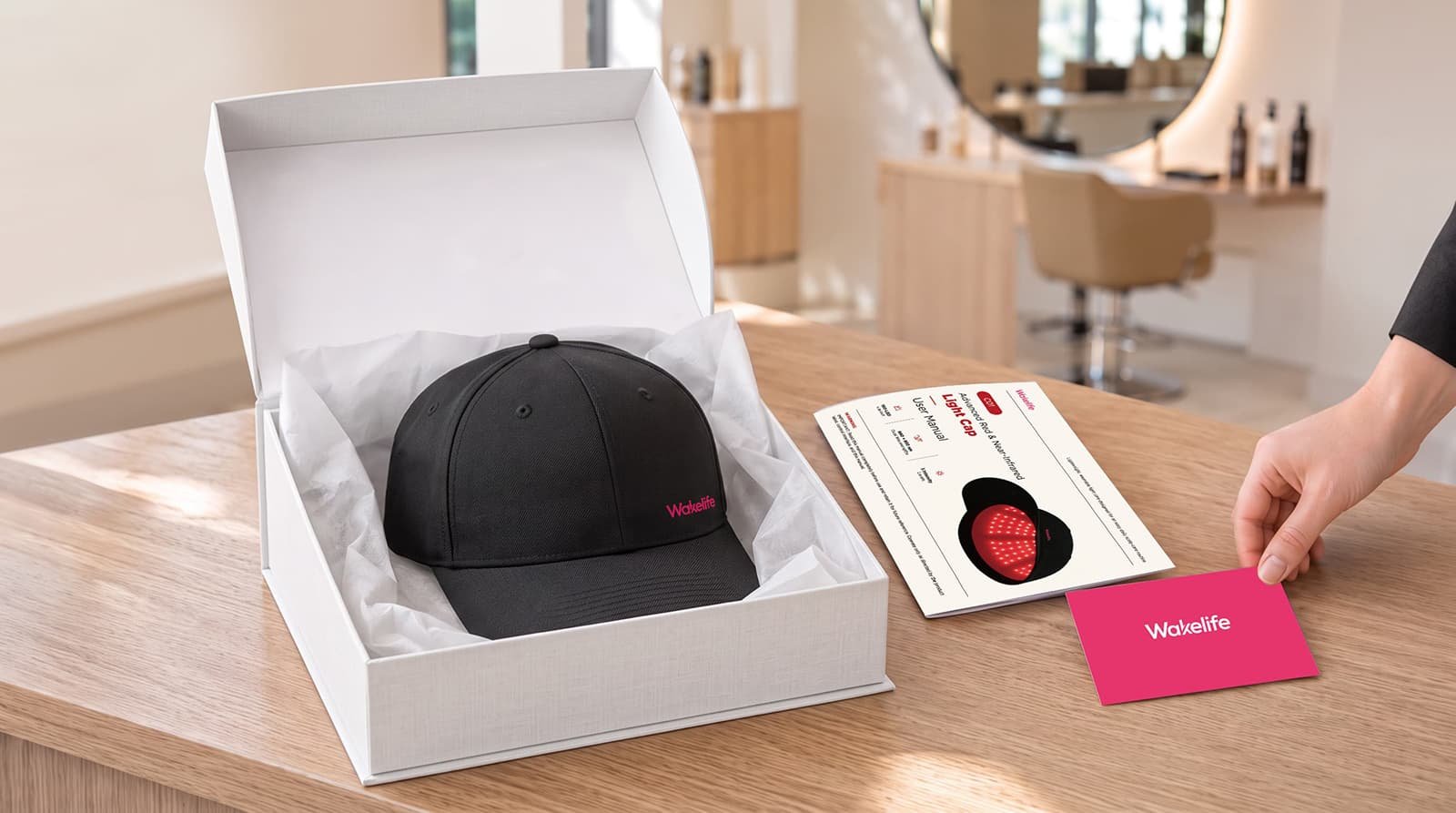
If you are considering Wakelife for the next round, bring the pilot record to discuss whether a candidate Wakelife configuration can meet your acceptance criteria or whether a revised sample is worth testing. Wakelife’s OEM/ODM services cover development, production and project-specific support.
Riferimenti
-
1
Dermalogica PRO UK. LuminFusion partner programme. Public example of a professional facial and resources for partner sites.
-
2
Institute for Healthcare Improvement. Testing Changes. Small-scale testing and advance measurement planning.
-
3
Institute for Healthcare Improvement. Spreading Changes. Adapting and testing a change in new settings.
-
4
LightStim. Announcement of its Hand & Stone rollout following a pilot, aprile 3, 2026. Supplier announcement of the rollout sequence.
-
5
Wakelife. Servizi OEM/ODM. Overview of available manufacturing services and project-specific support.