
Выбор длины волны & Tissue Penetration Depth in PBM Devices
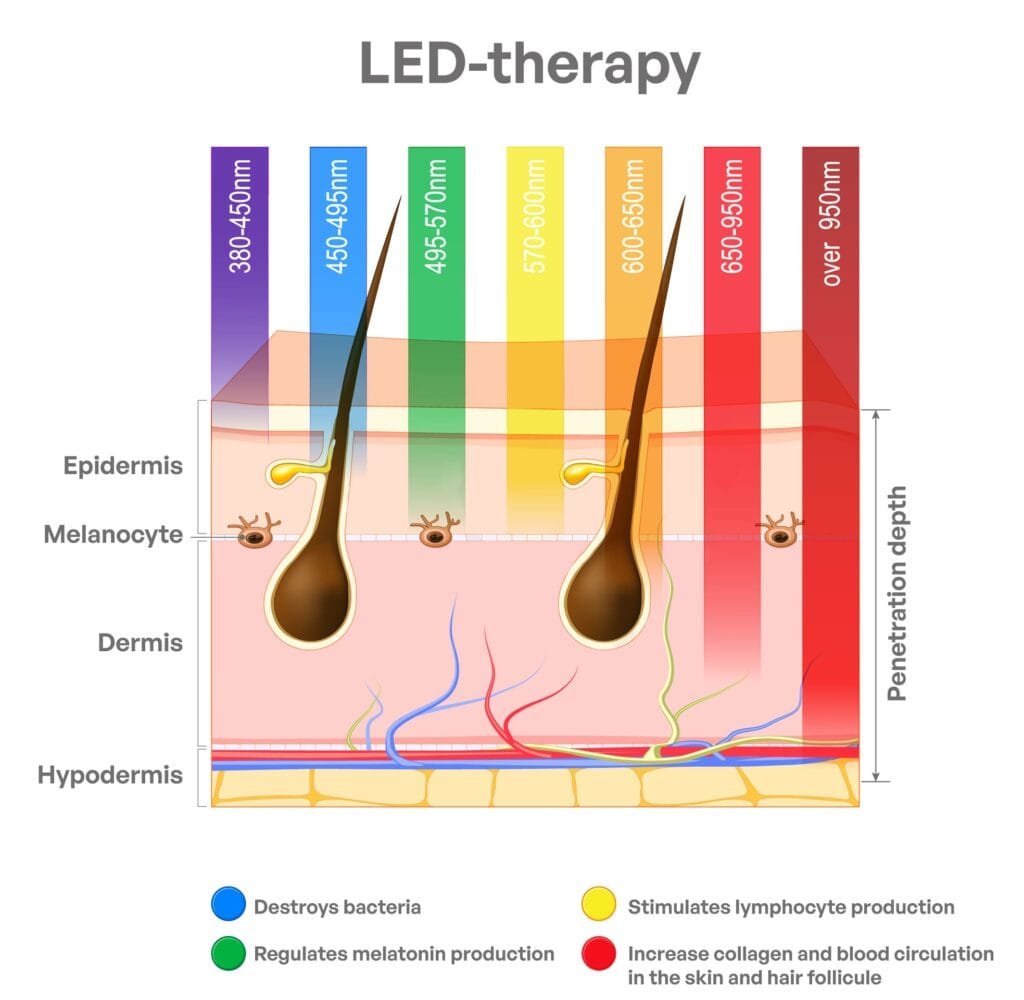
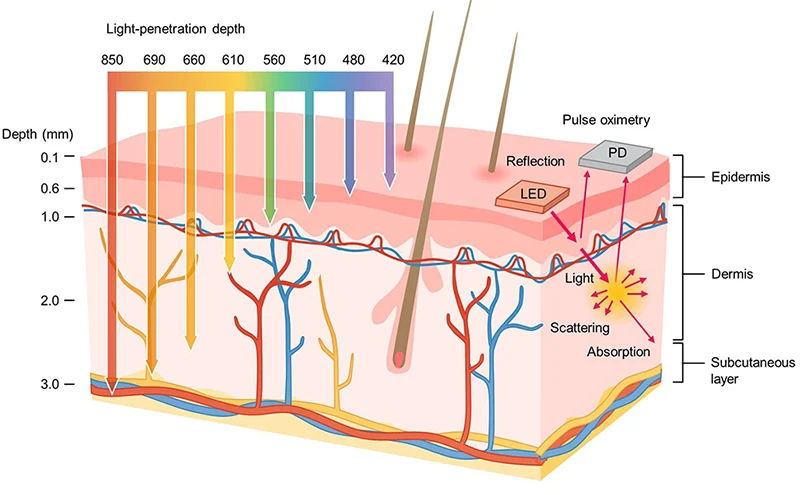
Wavelength selection is the most critical parameter in photobiomodulation device design. Красный свет (630-660 н.м.) targets superficial tissues (skin, раны) by activating cytochrome c oxidase heme centers. Ближний инфракрасный диапазон (810-850 н.м.) penetrates deeper (muscle, bone, brain) by targeting the CuA center. The therapeutic window spans 600-1000 н.м., with peak absorption at 660 NM и 830 н.м.. Tissue penetration follows the optical window of 650-1350 н.м., […]
LED vs Laser Light Sources in Photobiomodulation: A Technical Comparison
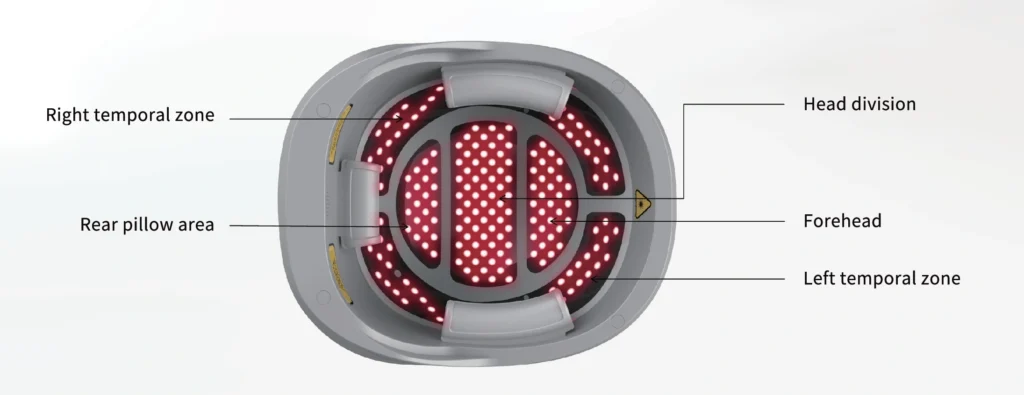
Светодиоды (Световые диоды) and lasers can produce therapeutically equivalent outcomes in photobiomodulation when matched for wavelength, излучение, and dose. The key difference lies in coherence—lasers produce coherent (in-phase) light while LEDs emit incoherent light. Однако, research shows coherence is not required for PBM’s biological effects. LEDs offer significant advantages: lower cost, larger treatment areas, no eye safety hazards, […]
Downstream Effects of PBM: СПС, Воспаление & Антиоксидантная защита

Photobiomodulation triggers a cascade of downstream biological effects beginning with cytochrome c oxidase activation. Within minutes, cells experience increased ATP production (150-200%), nitric oxide release (improved blood flow), and reactive oxygen species signaling. Over hours to days, these immediate effects activate transcription factors (NF-κB, Nrf2), upregulate antioxidant defenses, modulate inflammatory cytokines (reducing TNF-α, IL-6; increasing IL-10), и […]
Biphasic Dose Response in PBM: Почему больше света не всегда лучше
Biphasic dose response means that photobiomodulation (Pbm) follows a characteristic curve where low doses stimulate, moderate doses produce optimal effects, and high doses inhibit cellular function. This phenomenon—also called the Arndt-Schulz curve—explains why more light is not always better. Optimal dosing typically falls in the range of 3-10 J/cm² with irradiance of 30-100 МВт/см², depending on tissue type and treatment […]
Цитохром с-оксидаза: Первичный фотоакцептор в терапии красным светом
Cytochrome c oxidase (CcO)—also known as Complex IV—is the primary photoacceptor in red and near-infrared light therapy. Located in the mitochondrial inner membrane, this enzyme absorbs photons (primarily 600-900 н.м.), which triggers three key effects: increased ATP production (до 150-200%), release of nitric oxide (improving blood flow), and reduced oxidative stress (Увеличение клеточной функции). This mechanism explains the therapeutic benefits […]
Фотобиомодуляция (Pbm): Определение, Механизм & История

Терапия красным светом (РЛТ) is a non-invasive treatment that uses specific wavelengths of red and near-infrared light (600-1000 н.м.) to stimulate cellular energy production, уменьшить воспаление, and promote tissue repair. Also called photobiomodulation (Pbm) or low-level laser therapy (Вполне), it’s used for skin rejuvenation, облегчение боли, восстановление мышц, hair growth, and wound healing—with clinical studies supporting its efficacy and […]