Para marcas e distribuidores que fornecem almofadas de terapia de luz vermelha especificamente para cavalos e cães grandes, as especificações que importam são fundamentalmente diferentes das dos produtos para animais de companhia – e muitas vezes são mal compreendidas pelos compradores que abordam a categoria a partir de um histórico de produtos para humanos ou pequenos animais.
Os cinco critérios que definem uma plataforma PBM genuinamente profissional para equinos e animais de grande porte:
- Área de cobertura - costas de um cavalo, quartos traseiros, ou ombro requer 800–1.000 cm² de superfície de tratamento para abordar um único grupo muscular em uma sessão; pads menores exigem múltiplas etapas de reposicionamento que reduzem a eficiência do protocolo
- Densidade terapêutica de chips — animais grandes têm maior profundidade de tecido e massa muscular mais densa do que animais de companhia; maior densidade de chip oferece mais saída de fótons por sessão
- Design sem fio e totalmente sem fio — os cavalos não podem ser tratados de forma confiável enquanto estiverem amarrados a uma fonte de energia; operação sem fio para exterior, celeiro, e o uso de reboque é um requisito clínico
- Gerenciamento térmico — a operação do LED de alta densidade deve ser controlada para manter a temperatura da superfície dentro de limites seguros para a pele sensível dos equinos durante sessões profissionais prolongadas
- Durabilidade da construção – ambientes de equinos e cães de grande porte são fisicamente exigentes; reforçado, a construção resistente à abrasão não é opcional para uso diário profissional
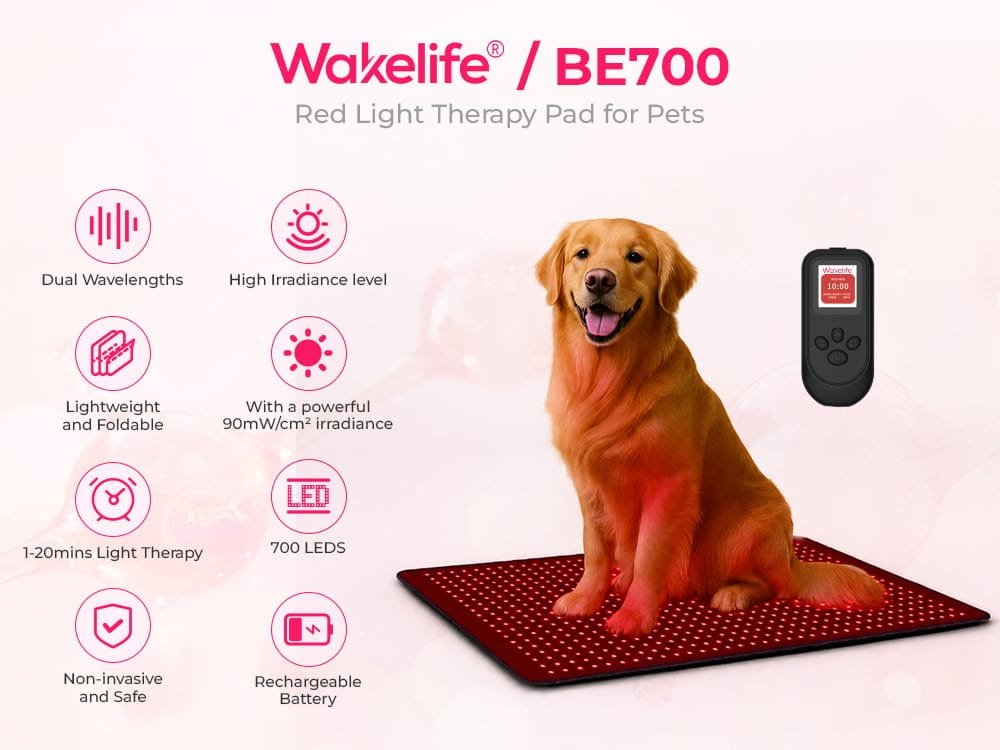
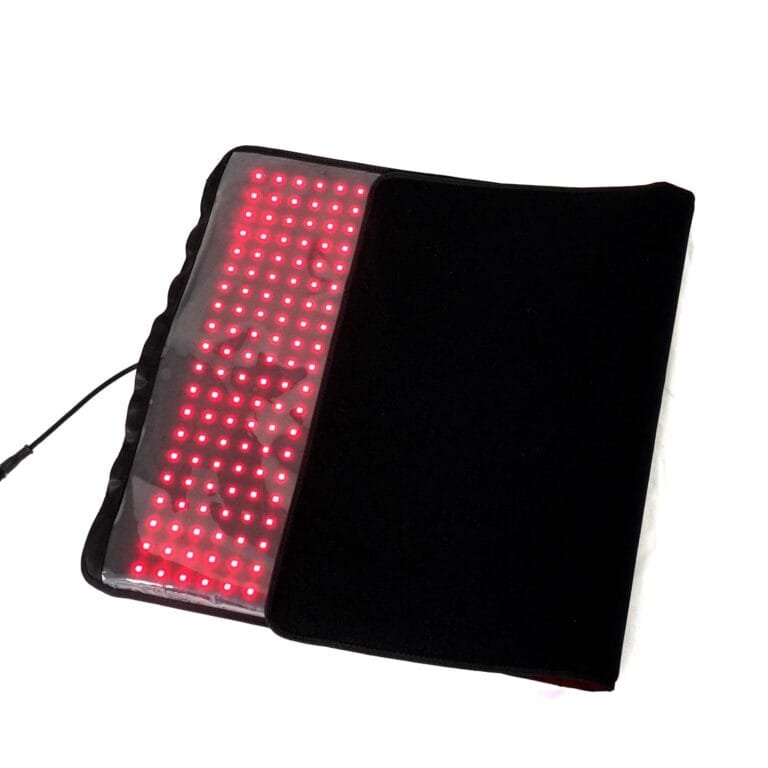
O BE700 - 700 LEDs tri-chip (2,100 chips terapêuticos), 920 × Cobertura em escala equina de 520 mm, totalmente sem fio com bancos de energia duplos de 15.000 mAh, temperatura da superfície controlada a ≤36,5°C, tecido reforçado resistente à abrasão - projetado como plataforma OEM profissional para equoterapia, veterinária de grandes animais, e marcas de reabilitação canina de grandes raças.
Introdução: Por que a terapia da luz vermelha equina é uma categoria distinta de B2B
Terapia de luz vermelha equina — fotobiomodulação (PBM) para cavalos – fica na intersecção da medicina veterinária profissional, desempenho esportivo equino, e o mercado mais amplo de bem-estar animal. É uma categoria que tem sido praticada em ambientes clínicos há décadas, é apoiado por um corpo substancial de pesquisas revisadas por pares em medicina veterinária e esportiva equina, e está cada vez mais em transição do uso clínico especializado para o tratamento convencional de equinos.
Do ponto de vista do mercado, esta não é uma categoria de hobby de nicho. De acordo com o Conselho Americano de Cavalos 2023 Estudo de Impacto Econômico, os EUA. indústria de cavalos acrescenta $177 bilhões para a economia, suporta 2.2 milhões de empregos, e inclui 6.65 milhões de cavalos em todo o país. Para marcas OEM, esta escala é importante porque os produtos de terapia de luz vermelha equina não são vendidos em um mercado casual de acessórios para animais de estimação - eles atendem a um ecossistema profissional estabelecido de corridas, concorrência, recreação, serviços assistidos por equinos, cuidados veterinários, e gastos dos proprietários de cavalos.
Do ponto de vista da terminologia científica, PBM também é o termo mais preciso para usar do que “terapia da luz vermelha” genérica ao falar com compradores profissionais. O Sociedade Americana de Medicina e Cirurgia Laser descreve a terapia de fotobiomodulação como um processo não térmico baseado em luz que utiliza fontes de luz não ionizantes, incluindo lasers e LEDs, no espectro visível e infravermelho próximo. Isto apoia uma explicação mais profissional e compatível de como a luz vermelha de 660 nm e a luz infravermelha próxima de 850 nm se encaixam no design de um dispositivo equino - sem transformar a linguagem do mecanismo em alegações de tratamento de doenças não suportadas.
Para marcas que consideram este mercado, a oportunidade é específica e de alto valor:
- Profissionais de equoterapia - terapeutas equinos certificados, quiropráticos equinos, e praticantes de massagem equina que usam PBM como modalidade central em sua prática
- Clínicas de reabilitação veterinária — clínicas que oferecem reabilitação pós-cirúrgica e de lesões para cavalos e cães de grande porte, onde PBM faz parte de um protocolo de tratamento multimodal
- Operações com cavalos de esporte e cavalos de desempenho - estábulos de corrida, celeiros de salto, operações de eventos, e instalações de adestramento onde a preparação pré-evento e a recuperação pós-evento fazem parte do programa de desempenho competitivo
- Reabilitação canina de raças grandes — clínicas especializadas e médicos móveis que trabalham com raças gigantes, cães de trabalho, e cães de esporte que requerem a área de cobertura de um dispositivo em escala equina
Na Wakelife Beauty, o BE700 foi desenvolvido especificamente em resposta à demanda de marcas e distribuidores que atendem esses segmentos – compradores que usavam painéis de uso humano (formato errado), almofadas para pequenos animais (cobertura insuficiente), ou equipamento clínico profissional (muito caro e não portátil) para atender clientes de equinos e animais de grande porte.
Este artigo aborda quais especificações realmente definem uma plataforma PBM profissional para equinos e animais de grande porte, como eles diferem dos dispositivos para animais de companhia, e o que as marcas precisam avaliar antes de construir um programa de produtos neste mercado.
Papel 1 – O mercado equino de PBM: Quatro segmentos de compradores com requisitos diferentes
Os compradores profissionais no mercado de terapia de luz vermelha equina e de grandes animais se enquadram em quatro segmentos distintos. Compreender para qual segmento você está construindo um produto determina cada especificação posterior e decisão de posicionamento.
Os dados do American Horse Council também explicam por que estes segmentos de compradores devem ser separados em vez de tratados como um “mercado de cavalos” genérico. Corrida, recreação, e a concorrência representam, cada uma, dezenas de milhares de milhões de dólares em impacto económico total, enquanto os serviços assistidos por equinos, resgata, e os setores tradicionais de trabalho criam cenários adicionais de uso profissional. Uma estratégia de fornecimento para BE700 deve, portanto, combinar a especificação do dispositivo com o canal: recuperação de cavalos esportivos, reabilitação veterinária de grandes animais, equoterapia móvel, ou distribuição OEM.
Segmento 1: Reabilitação Equina e Desempenho Esportivo
O maior e mais ativo segmento comercial. Terapeutas de equinos, profissionais de reabilitação certificados, e equipes de desempenho de cavalos esportivos. Requisitos principais:
- Portabilidade para uso em celeiros e competições — o dispositivo deve viajar até o cavalo, não o cavalo para o dispositivo; sem fio, leve, e embalável
- Cobertura suficiente para os principais grupos musculares equinos - voltar, quartos traseiros (glúteos, isquiotibiais), ombro, e pescoço são as principais zonas de tratamento; um dispositivo que não consegue cobrir essas áreas em um ou dois locais é ineficiente em um fluxo de trabalho profissional
- Durabilidade para uso externo e em trailers - ambientes equinos incluem poeira, aparas, umidade, e contato físico com animais de grande porte; o dispositivo deve suportar isso sem degradação do desempenho
- Aparência profissional – terapeutas e profissionais de performance estão apresentando o dispositivo aos proprietários de cavalos que estão tomando uma decisão de compra sobre os cuidados com seus cavalos; o equipamento deve parecer profissional
Segmento 2: Clínicas veterinárias de grandes animais
Clínicas de reabilitação veterinária, práticas veterinárias integrativas, e hospitais especializados em equinos. Os requisitos mais rigorosos de qualquer segmento:
- Verificação de irradiância clínica — compradores de clínicas solicitam dados de irradiância com metodologia de teste, não são afirmações de marketing
- Durabilidade diária para vários pacientes — um dispositivo clínico executa múltiplas sessões por dia com pacientes diferentes; 50,000+ A vida útil do LED por hora e a construção de PCB de nível industrial são requisitos básicos
- Documentação de certificação — A documentação CE e FCC deve estar completa, verificável, e disponível para arquivos de conformidade clínica
- Gerenciamento térmico — um dispositivo clínico operando com alta densidade de LED durante múltiplas sessões consecutivas deve manter temperaturas de superfície seguras durante todo o processo.
Segmento 3: Reabilitação canina de raças grandes
Especialistas em reabilitação canina, praticantes de fisioterapia para cães, e equipes de desempenho de cães esportivos trabalhando com raças gigantes (Dogues Alemães, Mastins, São Bernardo, Wolfhounds irlandeses) e grandes raças de trabalho (Pastores Alemães, Rottweilers, Belga Malinois). Requisitos:
- Área de cobertura para anatomia canina grande - um 920 × A almofada de 520 mm pode cobrir as costas e os quartos traseiros inteiros de um cão grande em uma única colocação; esta é a especificação definidora que separa BE700 de BE400 para este segmento
- Penetração NIR profunda - a massa muscular e a profundidade das articulações de raças grandes requerem uma saída concentrada de 850 nm que um dispositivo de baixa densidade não consegue fornecer com eficácia
- Apresentação clínica profissional — a reabilitação canina de raças grandes é um serviço especializado; o dispositivo deve corresponder ao contexto profissional
Segmento 4: Programas de marcas OEM para mercados equinos e veterinários
Compradores atacadistas, marcas de distribuição, e parceiros OEM construindo linhas de produtos de marca própria para o mercado profissional de equinos e grandes animais. Requisitos:
- Personalização OEM completa - logotipo, cor, embalagem, configuração de comprimento de onda, interface do controlador, e pacote de acessórios
- Apoio regulatório - CE, FCC, Documentação RoHS para conformidade com o mercado-alvo
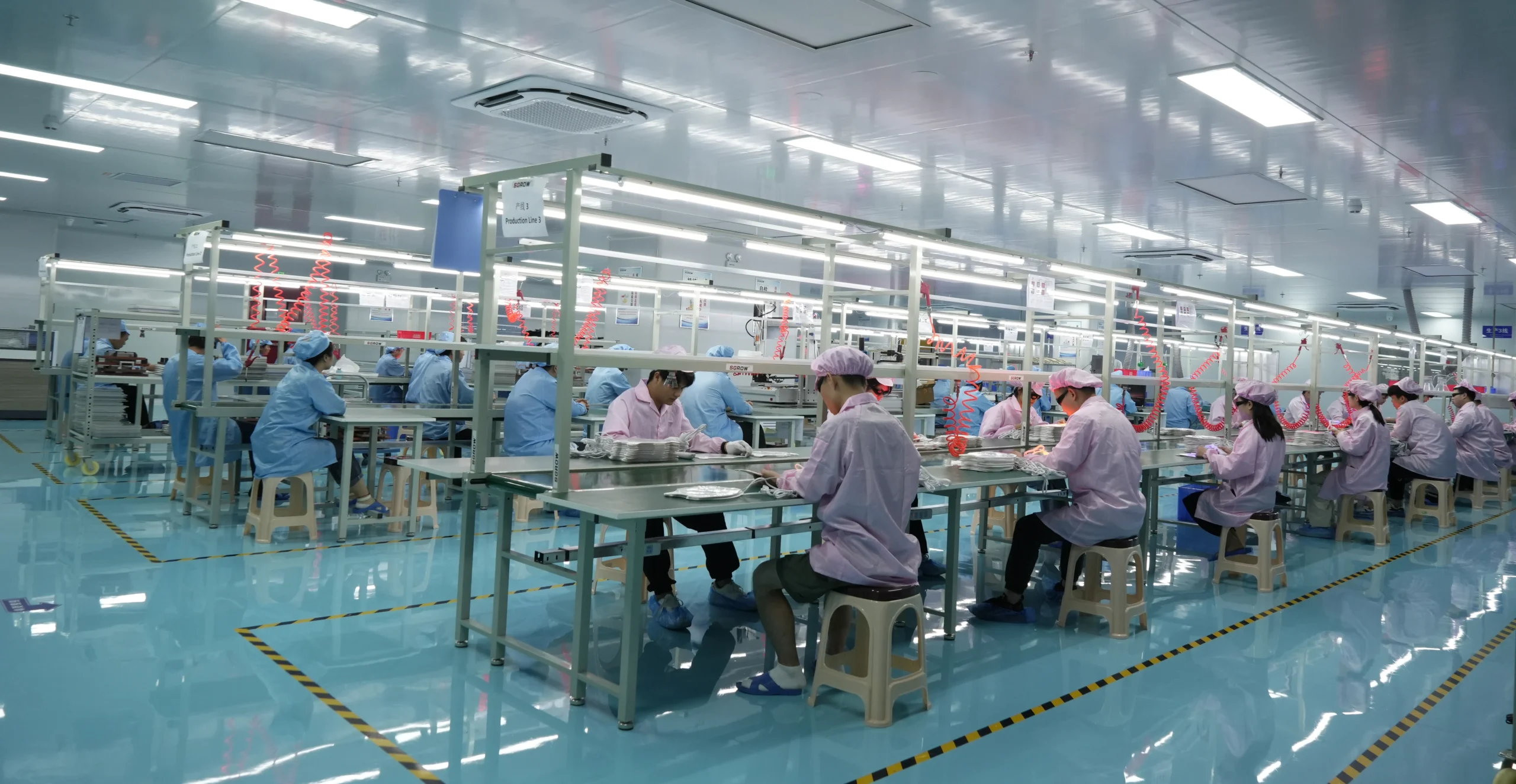
- Qualidade de fabricação estável — os compradores profissionais deste segmento têm expectativas de alta qualidade; desempenho consistente lote a lote e controle de qualidade estruturado são requisitos básicos
- Posicionamento de mercado exclusivo — as marcas que entram num mercado especializado como o PBM equino procuram frequentemente exclusividade territorial ou diferenciação de produtos que impedem a concorrência direta com o seu próprio fornecedor
Papel 2 — Área de Cobertura: A especificação que define a adequação equina
Por que as almofadas para pequenos animais falham em cavalos
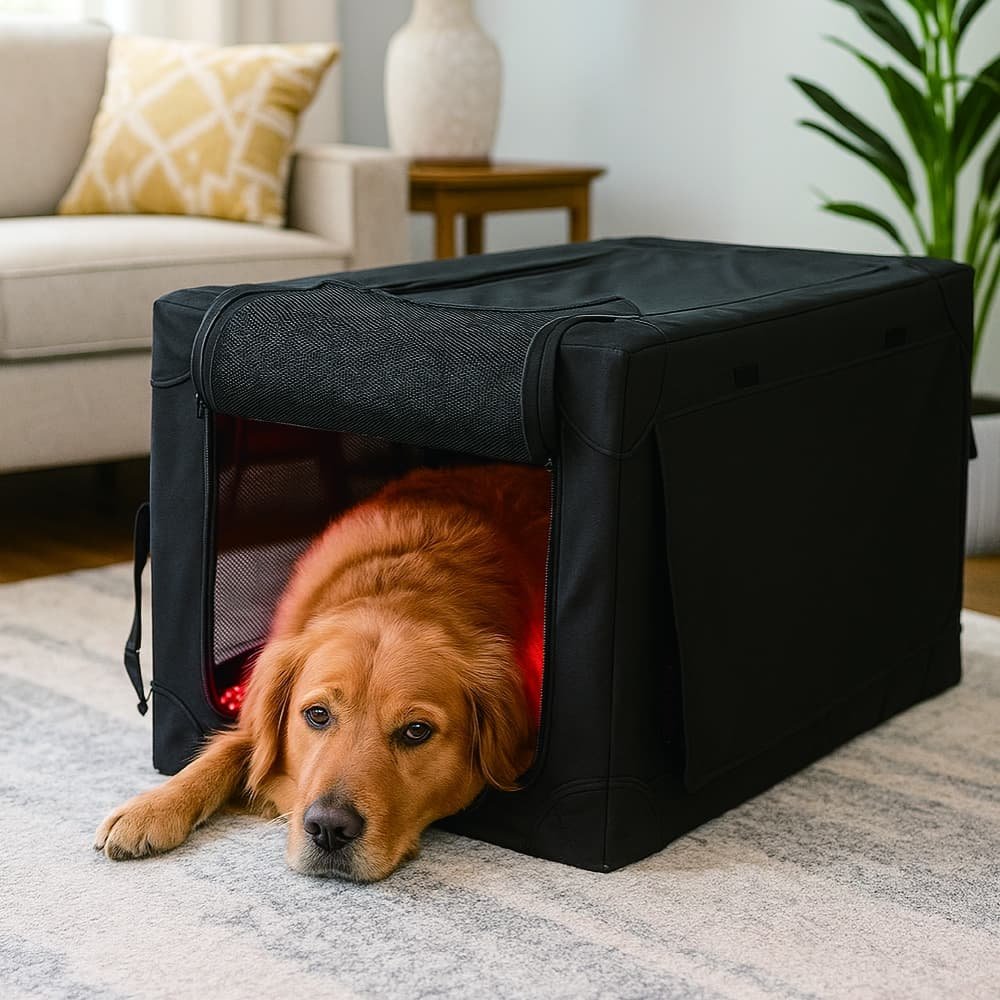
A razão mais fundamental pela qual as almofadas de terapia de luz vermelha para animais de companhia – incluindo produtos bem especificados como o BE400 – não podem servir aplicações equinas é a área de cobertura física.
Considere a anatomia envolvida:
- As costas de um cachorro médio: aproximadamente 300–400 cm²
- As costas de um cachorro grande: aproximadamente 500–700 cm²
- As costas de um cavalo (murcha até a garupa): aproximadamente 2.500–4.000 cm²
- Os quartos traseiros de um cavalo (região glútea): aproximadamente 1.500–2.500 cm²
Uma almofada que cobre as costas de um cão médio em uma só colocação cobre aproximadamente 10% das costas de um cavalo. Tratar o dorso de um cavalo com uma almofada para pequenos animais requer de 10 a 15 etapas de reposicionamento – cada uma quebrando o protocolo de tratamento, exigindo que o cavalo seja reassentado, e reduzindo significativamente a eficiência da sessão.
Em um contexto de equoterapia profissional, a eficiência do protocolo é importante. Um terapeuta realizando de 4 a 6 sessões com cavalos por dia não pode gastar 40 minutos reposicionando uma pequena almofada sobre uma única zona de tratamento. Uma sessão de tratamento clínico deve ser definida pelo protocolo de tratamento, não pelas limitações do equipamento.
Cobertura BE700: 920 × 520 mm
O BE700 920 × 520 mm de superfície de tratamento — aproximadamente 4,784 cm² — é projetado para cobrir zonas primárias de tratamento de equinos em um ou dois locais:
- Equino de volta (murcha até o quadril): normalmente coberto em 1–2 colocações dependendo do tamanho do cavalo
- Quartos traseiros de equinos (região glútea): normalmente coberto em um canal
- Ombro e pescoço equino: uma colocação por lado
- Cão grande com costas e quartos traseiros: normalmente coberto em um único local para a maioria das raças grandes e gigantes
Esta arquitetura de cobertura transforma o BE700 de um dispositivo que requer reposicionamento constante para um que permite eficiência, sessões de tratamento baseadas em protocolo – a diferença entre uma ferramenta profissional e um produto de consumo adaptado para uso profissional.
Cobertura para cães grandes
Para reabilitação canina de raças grandes, a área de cobertura do BE700 oferece a mesma vantagem de eficiência. Uma única colocação cobre toda a parte traseira e traseira da maioria dos cães grandes – permitindo ao praticante completar a zona de tratamento dorsal antes de passar para colocações específicas de membros e articulações sem reposicionamento repetido do corpo principal.
Papel 3 — Tecnologia LED Tri-Chip: 2,100 Fichas Terapêuticas
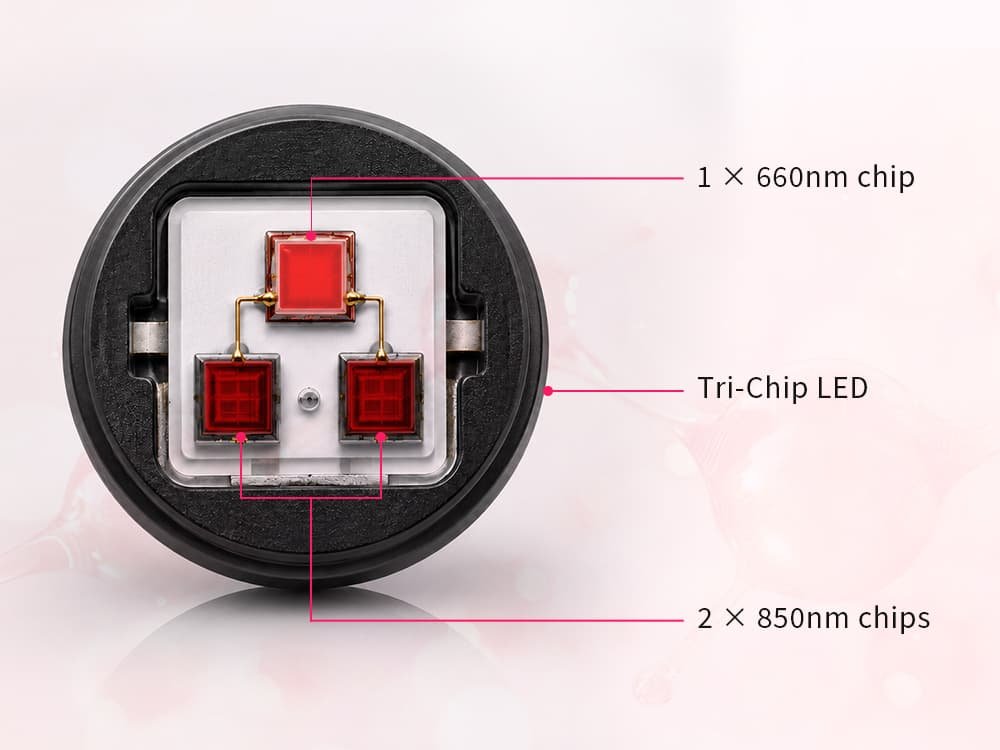
O BE700 usa a mesma arquitetura Tri-Chip LED do BE400 — mas em uma escala projetada para aplicações profissionais com animais de grande porte.
A Arquitetura
Cada um dos BE700 700 Os LEDs contêm três chips terapêuticos independentes:
- 1 × chip de 660nm (luz vermelha)
- 2 × chips de 850nm (infravermelho próximo)
Total: 700 LED × 3 fichas = 2,100 chips terapêuticos ativos
Esta é a maior densidade de chip de qualquer almofada PBM flexível projetada para aplicações em equinos e animais de grande porte – e é a especificação que define a posição do BE700 como uma plataforma profissional, em vez de um produto de consumo ampliado.
Por que a densidade dos cavacos é mais importante para animais de grande porte
A dose de fótons necessária para um PBM eficaz em animais de grande porte é maior do que em animais de companhia por duas razões. ASLMS explica o PBM como um processo fotofísico e fotoquímico envolvendo fótons e cromóforos endógenos em níveis de tecido biológico, é por isso que a avaliação profissional do dispositivo deve considerar o comprimento de onda, densidade de cavacos, uniformidade de cobertura, e design de sessão juntos - não apenas comprimento de onda:
Primeiro, profundidade do tecido. A massa muscular de um cavalo é significativamente maior que a de um cão ou gato. A luz infravermelha próxima deve penetrar através de mais tecidos para alcançar as estruturas musculares profundas e cápsulas articulares que são os principais alvos do tratamento na reabilitação equina. Maior densidade de chips significa mais fótons por unidade de área – aumentando a probabilidade de penetração adequada no tecido em profundidade.
Segundo, área de tratamento. Ao tratar um grande grupo muscular equino, a dose terapêutica precisa ser suficiente em toda a superfície de tratamento, não apenas a zona central. Um dispositivo de baixa densidade com distribuição desigual de LED pode fornecer uma dose adequada no centro da almofada, enquanto uma dose insuficiente na periferia. A densidade de 700 LEDs do BE700 em um 920 × A superfície de 520 mm mantém uma saída de fótons consistente em toda a área de tratamento.
O 1:2 Proporção vermelho para NIR em animais de grande porte
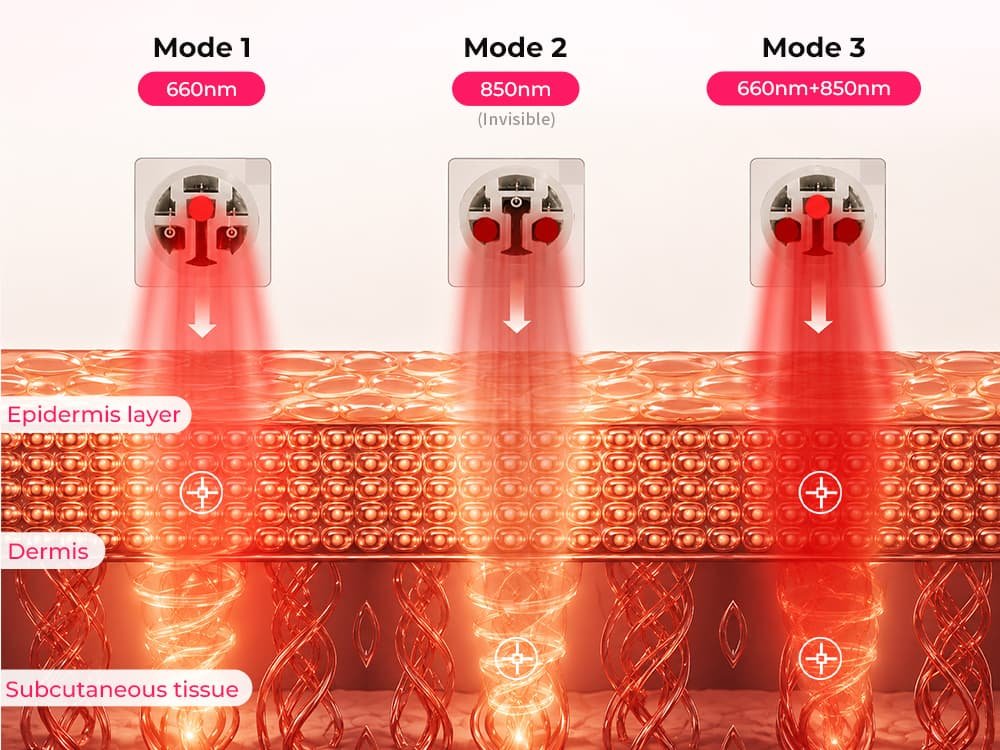
Tal como acontece com o BE400, a arquitetura Tri-Chip do BE700 oferece um recurso integrado 1:2 proporção de saída de vermelho para infravermelho próximo – um chip de 660 nm e dois chips de 850 nm por LED.
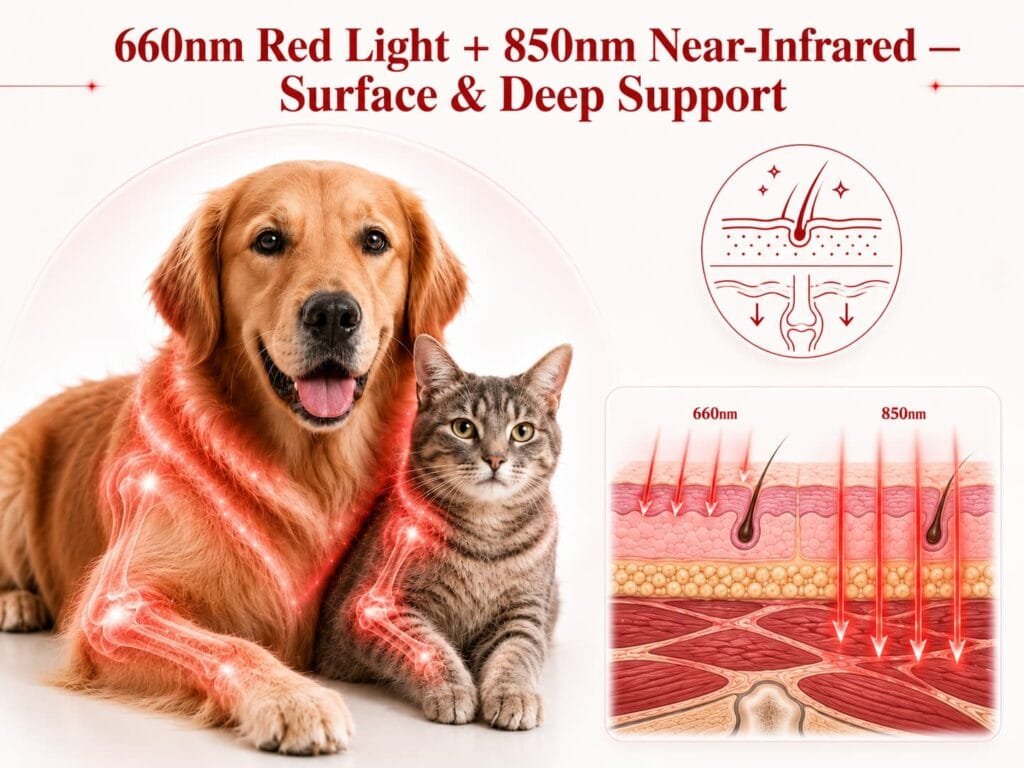
Para animais grandes, esta proporção é particularmente apropriada porque os alvos primários do tratamento em PBM de equinos e cães de grande porte são estruturas de tecidos profundos: músculos glúteos, grupos de isquiotibiais, as costas mais longas, cápsulas articulares do quadril e do joelho, ligamentos suspensores, e tendões flexores digitais profundos. Essas estruturas exigem saída concentrada de infravermelho próximo no comprimento de onda de 850 nm para penetração adequada no tecido - o que a densidade do chip de 2 × 850 nm fornece.
O componente de 660nm atende aplicações de superfície simultaneamente – feridas em sela, abrasões na pele, condição do casaco e da pele, e inflamação no nível da superfície – permitindo que uma única sessão atenda a vários objetivos de tratamento sem modificação do protocolo.
Papel 4 — Operação totalmente sem fio: Um requisito clínico para uso em equinos
O BE700 funciona inteiramente com bateria – dois bancos de energia recarregáveis externos de 15.000 mAh, carregado via USB-C, com dependência zero da energia da parede durante as sessões de tratamento.
Este design reflete uma realidade fundamental da prática da equoterapia: cavalos são tratados onde vivem e trabalham, não em ambientes onde as tomadas de parede estejam convenientemente localizadas perto da área de tratamento.
Onde a equoterapia realmente acontece
Terapeutas equinos profissionais e veterinários tratam cavalos em:
- Caminhos do corredor do celeiro - longos corredores onde o cavalo fica parado ou amarrado; as tomadas podem estar a 10-20 metros de distância
- Barracas — espaços fechados onde o gerenciamento do cabo de alimentação cria riscos de segurança para animais de grande porte
- Locais de competição - mostrar terreno, pistas de corrida, e locais de eventos onde a única energia disponível pode ser um gerador ou cabo de extensão
- Reboques para cavalos — durante o transporte ou em instalações temporárias
- Arenas e piquetes ao ar livre - onde não há acesso prático à energia da parede
Um dispositivo que requer uma conexão à parede não funciona na maioria desses ambientes. A operação sem fio não é um recurso premium para PBM equino – é o requisito básico para que o dispositivo seja utilizável em ambientes onde a equoterapia é realmente praticada.
Design de banco de potência duplo
O BE700 usa dois bancos de energia de 15.000 mAh simultaneamente – fornecendo capacidade total de bateria de 30.000 mAh. Isto suporta múltiplas sessões clínicas completas sem recarregar, permitindo que um terapeuta trabalhando em um celeiro ou local de competição complete um dia inteiro de sessões com clientes com uma única carga.
Para programas OEM, a configuração do banco de potência pode ser personalizada – incluindo bancos de potência de marca conjunta, sistemas de transporte integrados, e acessórios de carregamento de marca que melhoram a apresentação profissional do produto quando usado nas instalações do cliente.
Gerenciamento térmico sob operação sem fio de alta densidade
Correndo 700 LEDs em irradiância clínica geram calor. O sistema de gerenciamento térmico do BE700 foi projetado para manter a temperatura da superfície ≤36,5°C durante a operação — dentro da faixa segura para a pele equina, que é mais sensível à temperatura do que a pele humana.
Esta especificação não é acidental. Uma almofada de superaquecimento usada nas costas de um cavalo cria risco de queimadura, uma preocupação de bem-estar, e uma séria responsabilidade para o profissional ou marca. O design de gerenciamento térmico do BE700 reflete o contexto clínico em que opera.
Papel 5 - Pré-Evento e Pós-Evento: Como os praticantes profissionais de equinos usam PBM
Um dos aspectos comercialmente mais relevantes do mercado de PBM equino é a estrutura de protocolo profissional estabelecida – que cria casos de uso claros em que as marcas OEM podem construir posicionamento de produto e conteúdo de marketing em torno.
É aqui que os dados de mercado e o posicionamento do produto se conectam. O American Horse Council identifica corridas, recreação, e concorrência como três dos maiores setores econômicos dos EUA. indústria de cavalos. Esses são exatamente os ambientes onde a preparação pré-evento, rotinas de recuperação pós-evento, portabilidade do lado do celeiro, e equipamentos de aparência profissional tornam-se pontos de venda comercialmente relevantes para uma marca de PBM equino.
Inscrição pré-evento: Circulação e Preparação Muscular
Terapeutas equinos profissionais e praticantes de cavalos esportivos usam PBM na janela de preparação pré-competição – normalmente 30 a 60 minutos antes do cavalo entrar na pista, linha inicial, ou arena de competição.
Uma típica sessão BE700 pré-evento:
- Duração: 5–10 minutos por zona de tratamento
- Alvos primários: Principais grupos musculares de trabalho (glúteos, isquiotibiais, voltar, ombros dependendo da disciplina esportiva)
- Objetivo do protocolo: Estimular a circulação local nos músculos alvo, apoiar a oxigenação dos tecidos antes do pico do esforço
- Posicionamento: Cavalo parado no corredor ou amarrado no local da competição; almofada colocada sobre o grupo muscular primário
Para marcas direcionadas ao segmento de cavalos esportivos, o posicionamento pré-evento é uma das narrativas mais acessíveis comercialmente - ele se encaixa naturalmente nas rotinas pré-competição existentes que os proprietários e treinadores de cavalos já praticam (asseio, investindo, aplicação de linimento), tornando o PBM um protocolo aditivo em vez de disruptivo.
Inscrição Pós-Evento: Gerenciamento de recuperação e dor
A recuperação pós-evento é a aplicação profissional maior e mais frequente. Depois da competição, treinamento, ou trabalho intensivo, cavalos experimentam fadiga muscular, microtrauma, e respostas inflamatórias nos músculos e tecidos conjuntivos que foram carregados durante a sessão.
Uma típica sessão BE700 pós-evento:
- Duração: 15–20 minutos por zona de tratamento
- Alvos primários: Voltar (o mais longo), quartos traseiros (glúteos, isquiotibiais), ombros, e quaisquer áreas específicas de preocupação identificadas durante o evento
- Objetivo do protocolo: Apoiar a recuperação de tecidos, reduzir a resposta inflamatória pós-esforço, manter a saúde dos tecidos durante uma temporada de competição
- Posicionamento: Cavalo voltou para baia ou trailer; almofada posicionada sobre grupos musculares primários durante o resfriamento
Para marcas que visam operações com cavalos esportivos, a recuperação pós-evento é o caso de uso de maior frequência – criando o uso repetido da sessão que impulsiona a satisfação do produto e a fidelidade à marca a longo prazo.
Reabilitação Veterinária: Protocolos Clínicos Estruturados
Em clínicas de reabilitação veterinária, O uso do BE700 segue protocolos clínicos estruturados definidos pelo especialista em reabilitação veterinária. Aplicações comuns incluem:
- Recuperação pós-cirúrgica de tecidos moles — após procedimentos ortopédicos em cavalos e cães grandes
- Reabilitação de tendões e ligamentos – lesão suspensiva, Lesão de DDFT, e outras condições do tecido conjuntivo
- Condições articulares degenerativas crônicas — manejo da artrite em cavalos idosos e cães grandes
- Apoio na cicatrização de feridas - para abrasões na pele, lacerações, e úlceras de pressão
Para marcas direcionadas ao mercado de reabilitação veterinária, o contexto de aplicação clínica requer uma abordagem de marketing diferente do posicionamento de cavalos esportivos - enfatizando a verificação de irradiância, documentação de certificação, e conformidade com os padrões profissionais veterinários, em vez da narrativa de desempenho.
Papel 6 — Personalização OEM para marcas equinas e veterinárias
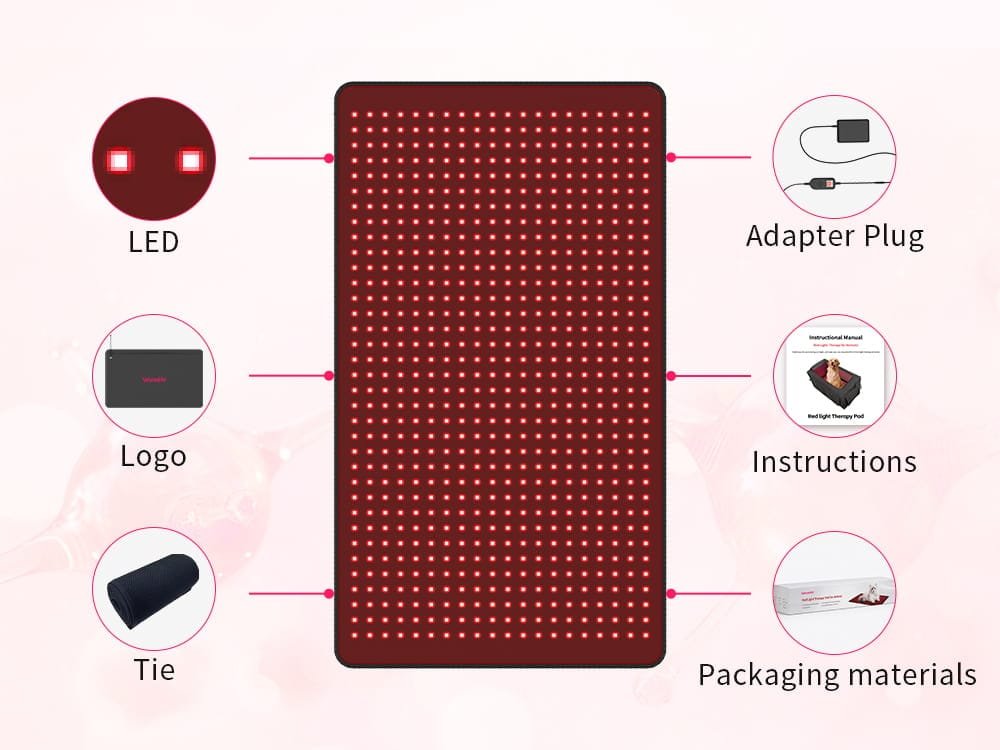
O BE700 foi projetado como uma plataforma OEM profissional – cada componente pode ser personalizado para corresponder ao posicionamento de uma marca no mercado profissional de equinos e animais de grande porte.
Marca e Identidade
- Logotipo personalizado (serigrafia, gravação a laser, ou impresso)
- Cor de tecido personalizada combinando com Pantone e acabamento premium
- Embalagem personalizada de varejo ou profissional (caixa de cores, maleta de transporte profissional, kit clínico)
- Manual do usuário personalizado e guia de protocolo clínico
- Powerbanks e acessórios de carregamento de marca conjunta
Ferragens e Construção
- Dimensões de almofada personalizadas (para zonas anatômicas equinas específicas ou aplicações especiais)
- Contagem de LED personalizada e densidade de layout
- Especificação de material externo personalizado (para requisitos específicos de durabilidade)
- Configuração personalizada de elástico e sistema de fixação
- Correia personalizada específica para equinos e acessórios de posicionamento
Configuração de comprimento de onda
Para marcas com foco em aplicações específicas, personalização de comprimento de onda está disponível:
- Padrão: 660nm + 850nm (comprimento de onda duplo)
- Opções estendidas: 415nm, 460nm, 590nm, 633nm, 660nm, 810nm, 830nm, 850nm, 1064nm, 1072nm
- Razões de comprimento de onda personalizadas e configurações de LED específicas de zona para aplicações profissionais específicas
Pacotes de acessórios profissionais
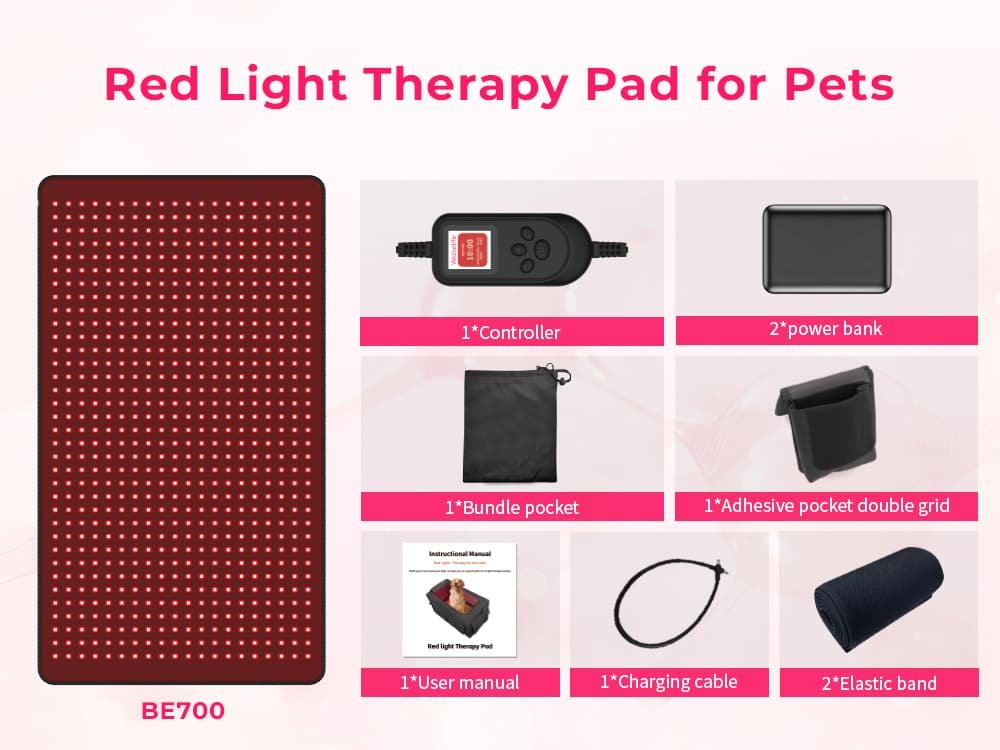
Para marcas direcionadas aos mercados profissionais de veterinária e equoterapia, a personalização do pacote de acessórios afeta significativamente a percepção do produto e o posicionamento no mercado:
- Maleta de transporte profissional robusta com marca personalizada
- Correias de posicionamento e sistema de fixação específicos para equinos
- Kit clínico profissional (múltiplas almofadas + sistema de carregamento + maleta de marca)
- Kit de campo para terapeuta móvel (otimizado para transporte e uso externo)
- Powerbank de marca com base de carregamento de marca conjunta
Conformidade e Documentação
BE700 carrega CE, FCC, e certificações RoHS. Para parceiros OEM que necessitam de documentação adicional para mercados profissionais específicos, A equipe de conformidade da Wakelife Beauty apoia a preparação regulatória específica do mercado.
Papel 7 — BE700 x BE400: A lógica da seleção
Ambos os produtos compartilham a mesma arquitetura LED Tri-Chip, design de comprimento de onda duplo, e abordagem de energia sem fio. A seleção entre eles é determinada inteiramente pelo animal alvo e pelo contexto de uso.
| Especificação | BE400 | BE700 |
|---|---|---|
| Superfície de tratamento | Almofada flexível compacta | 920 × almofada profissional de 520 mm |
| Fichas terapêuticas totais | 1,215 | 2,100 |
| Animais-alvo | Cães com menos de 25kg, gatos, animais de estimação pequenos | Cavalos, cães grandes/gigantes com mais de 25kg |
| Canal principal | D2C, bem-estar do animal de estimação, clínica de pequenos animais | Equoterapia, veterinário de grandes animais, reabilitação canina |
| Sistema de energia | 1 × Banco de potência de 15.000mAh | 2 × Bancos de energia de 15.000mAh |
| Especificação de construção | Tecido flexível, animal de companhia seguro | Reforçado resistente à abrasão, grau equino |
| Posicionamento OEM | Marca de bem-estar para animais de companhia | Marca profissional equina e veterinária |
Para marcas que estão construindo uma linha completa de produtos de terapia de luz vermelha para animais de estimação, BE400 e o BE700 atendem todo o mercado, desde o bem-estar doméstico de animais de companhia até a aplicação clínica profissional em equinos — sem sobreposição de produtos e com clara separação de segmentos de mercado.
Conclusão: O Mercado Equino PBM Recompensa Especificação de Produto Sério
O mercado de terapia de luz vermelha para equinos e grandes animais não é uma categoria de volume. É um mercado profissional de alto valor, onde os compradores têm conhecimento, o escrutínio é alto, e o custo de uma incompatibilidade de especificações – um dispositivo que não consegue cobrir a área de tratamento, superaquece durante sessões clínicas, ou não possui a profundidade de irradiância necessária para tecidos de grandes animais – isso afeta diretamente a reputação profissional da marca.
Marcas que entram neste mercado com especificações genuinamente profissionais — 2,100 chips terapêuticos, 920 × Cobertura em escala equina de 520 mm, operação de banco de potência duplo totalmente sem fio, temperatura de superfície controlada, construção reforçada – estão posicionados para construir relacionamentos duradouros com terapeutas equinos, clínicas veterinárias, e operações de cavalos esportivos que compram repetidamente equipamentos profissionais ano após ano.
O BE700 foi projetado para ser essa plataforma. Com personalização completa do OEM em todas as marcas, hardware, comprimento de onda, e configuração de acessórios, fornece a base para uma identidade de marca profissional no mercado de bem-estar de equinos e grandes animais.
Leitura Relacionada
- Dispositivos de terapia de luz vermelha para animais de estimação para marcas: Guia de fornecimento de OEM para cães e gatos — A plataforma de animais de companhia para cães, gatos, e pequenos animais de estimação
- Painéis comerciais de terapia de luz vermelha para spas, Clínicas, e Instalações de Recuperação — Como as especificações de nível profissional se traduzem em contextos veterinários e de clínicas de bem-estar
- Processo de desenvolvimento de dispositivo de terapia de luz vermelha: Lições das falhas do mundo real — Como o desenvolvimento estruturado de OEM protege seu investimento em produtos
Comece seu programa OEM BE700
Se você está construindo um equino profissional, cachorro grande, ou linha de produtos veterinários de terapia de luz vermelha, A equipe OEM da Wakelife Beauty pode ajudá-lo:
- Confirme se BE700 ou BE400 é a plataforma certa para seu animal-alvo e segmento de mercado
- Revise a área de cobertura e a densidade do chip em relação aos requisitos específicos de aplicação clínica ou profissional
- Discuta a configuração do comprimento de onda e a personalização do pacote de acessórios para o posicionamento do seu programa
- Fornece CE, FCC, e documentação RoHS para o seu mercado-alvo
- Solicite amostras e uma cotação de programa profissional
Compartilhe o seguinte quando entrar em contato:
- Animal alvo e aplicação (equino / cachorro grande / clínica veterinária / equoterapia)
- Canal e mercado alvo (profissional / clínico / cavalo esportivo / D2C)
- Mercado-alvo e requisitos de conformidade
- Volume estimado do programa
- Requisitos de personalização
👉 Veja as especificações completas do BE700 e consultas do OEM: https://wakelifebeauty.com/product/be700-pet-red-light-therapy/
👉 Veja BE400 para animais de companhia: https://wakelifebeauty.com/product/be400-pet-red-light-therapy/
👉 Explore nossa linha de terapia de luz vermelha para animais de estimação: https://wakelifebeauty.com/pet-red-light-therapy/