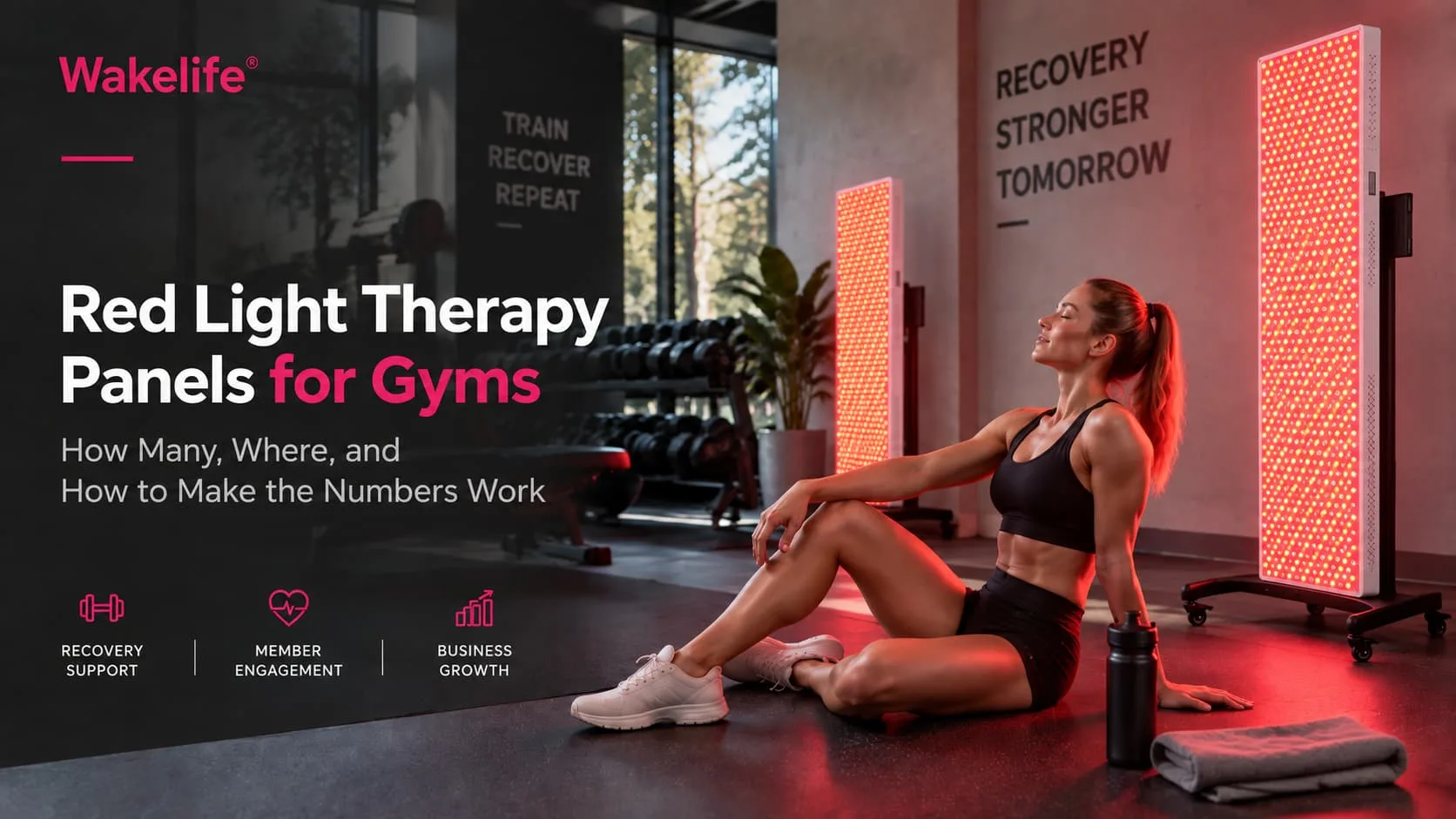
For an independent gym exploring red light, one panel is a practical starting point once you have interested members and a suitable place to use it. Put it where the service is easy to discover, track repeat use, and add a second station when peak demand and the numbers support it.
A premium fitness facility in the Mediterranean asked us about ESPLUS red light panels. That inquiry brings us to the question this guide explores: how could a red light station fit into your gym—and what would make it worth the floor space?
For an independent gym, the purchase has to earn its place. A panel takes money, floor space, and some of your team’s attention. In return, you want a service members value enough to use again—and potentially another reason to choose your gym.
That is the decision this guide helps you make: what the opportunity could look like, how to start with one station, and what would justify expanding it.
Are Your Members Already Looking for Red Light?
Picture a member who has heard about red light, looked at home panels, and stopped short of buying one. Perhaps the price feels too high for something they have never tried. Perhaps they have nowhere to put it.
For that member, access at your gym could be attractive: no equipment to buy, no space to find at home, and somewhere familiar to try the service. This is a possible customer story worth testing with your members.
Start with a few conversations. Have they used a panel before? Would they use one here? Before class, after training, or on a separate visit? If you plan to charge for access, discuss that offer rather than asking only whether a free trial sounds appealing.
For a CrossFit box, think about the end of a class. Some members leave immediately; others stay to stretch or talk. A bookable red light station could become an optional part of that closing routine. The practical question is whether interested members have time to use it, especially when several finish together.
For a premium club with a sauna, cold plunge, or compression boots, use what you already know. Which services bring people back repeatedly? Which sit unused? What do members request next? A red light station deserves consideration alongside those answers.
The opportunity is to make an experience your members want available inside their existing routine. Verify that interest before committing floor space, then let actual use guide the next purchase.
What Commercial-Grade Means for Your Gym
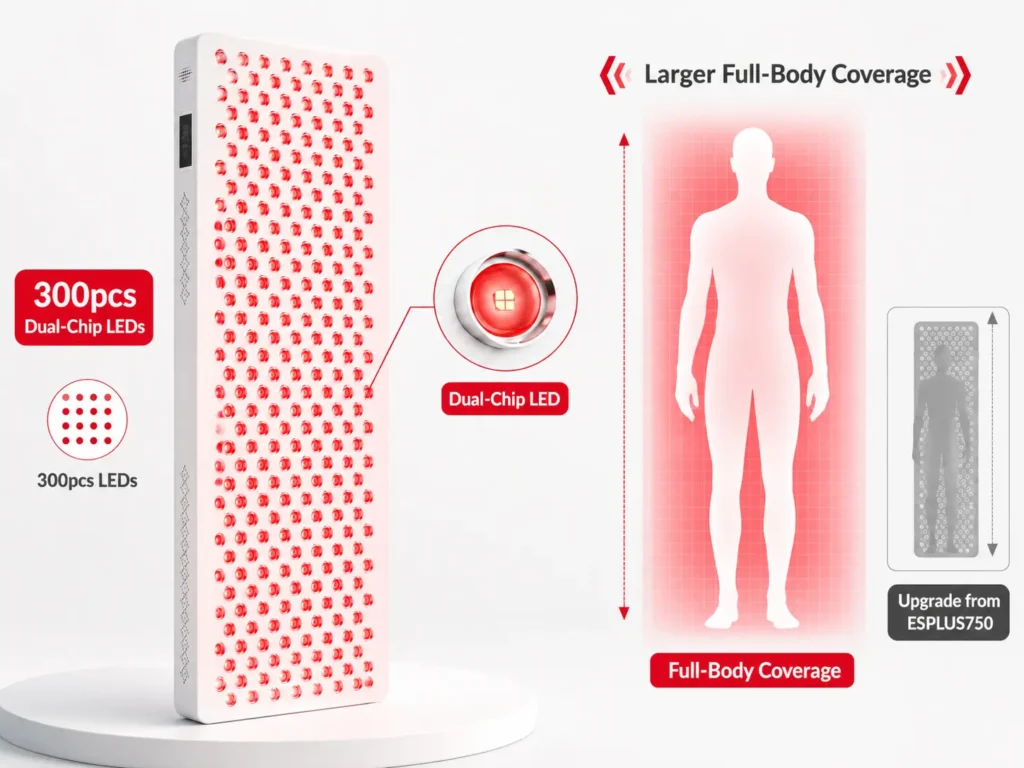
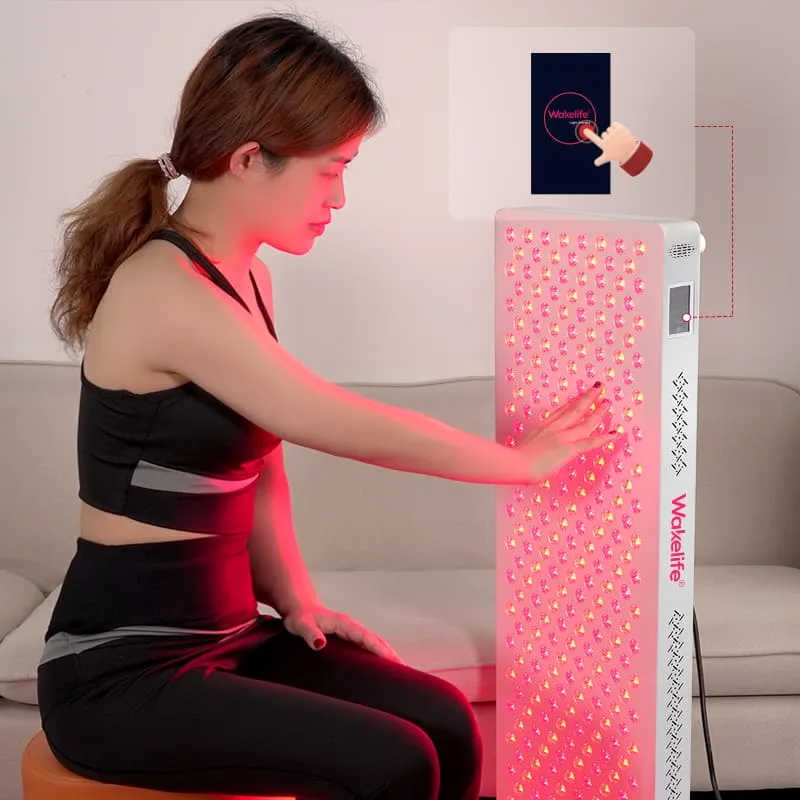
On a gym floor, commercial suitability comes down to how the equipment fits your working day. Focus on three things when comparing panels.
Repeated use. Tell the supplier what your busiest evening could look like. Ask about the model’s operating limits, required breaks, and documentation supporting that workload. Those answers determine the booking schedule you can offer.
Durability and upkeep. Look beyond the enclosure to the stand, cavi, controlli, and mounting arrangement. Ask how the equipment should be cleaned, what maintenance it needs, and whether the warranty covers your planned facility use. These are recurring tasks your team will own.
Simple operation. Favor a setup staff can explain clearly and members can use according to the supplied instructions. Decide who handles first-use guidance and questions. A straightforward control layout is valuable because it makes that handover easier.
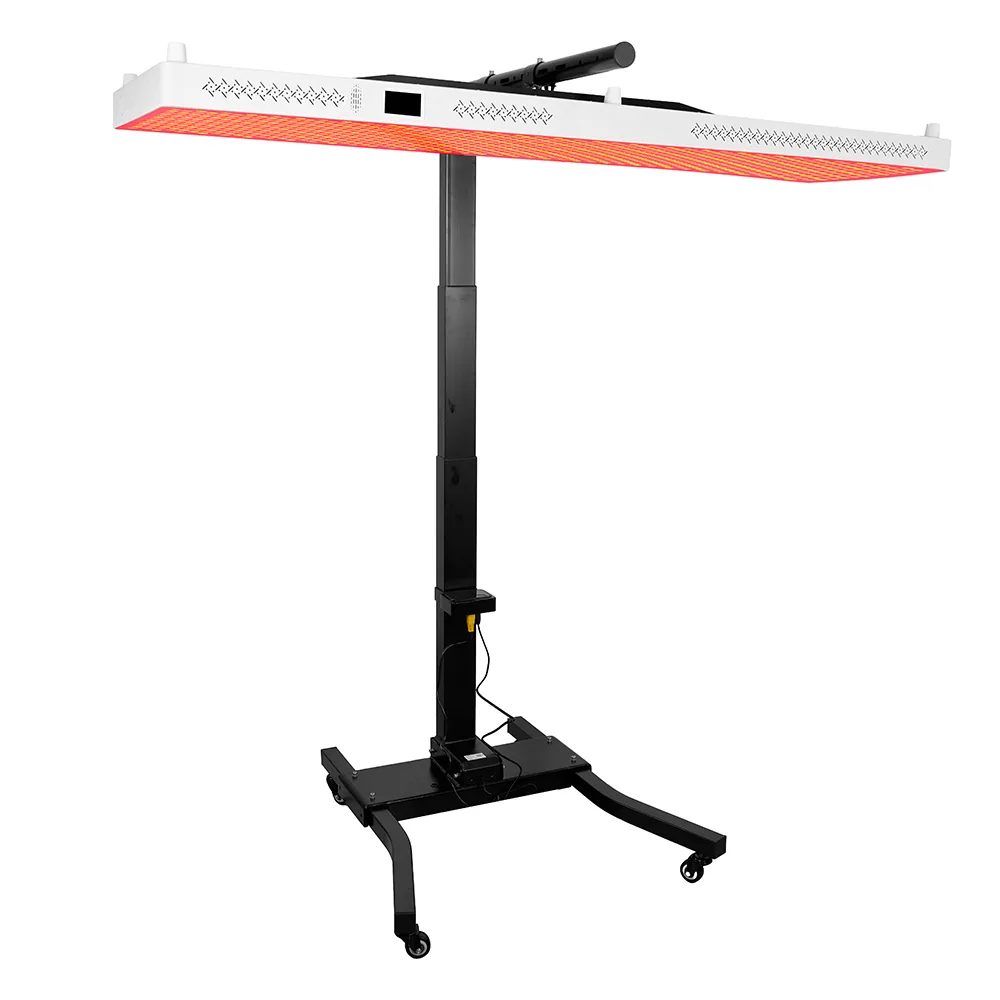
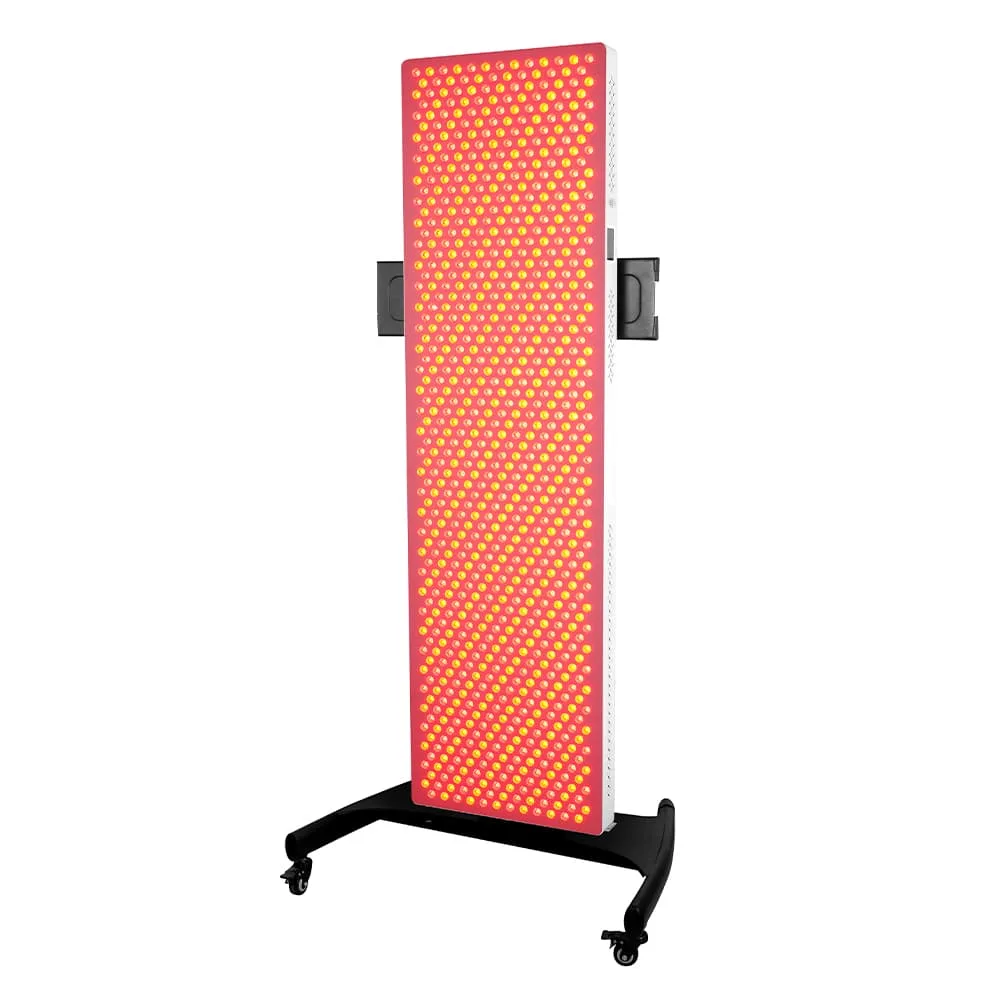
For Wakelife facility projects, start your discussion with ESPLUS1500 E ESPLUS4500. We recommend these as models to evaluate for this market; final selection should match the installation and operating requirements of your site.
For the wider range and manufacturer options, vedi il nostro Red Light Therapy Panel OEM guide. Qui, the focus is the equipment you will use in your own gym.
How Many Panels—and Where Should They Go?
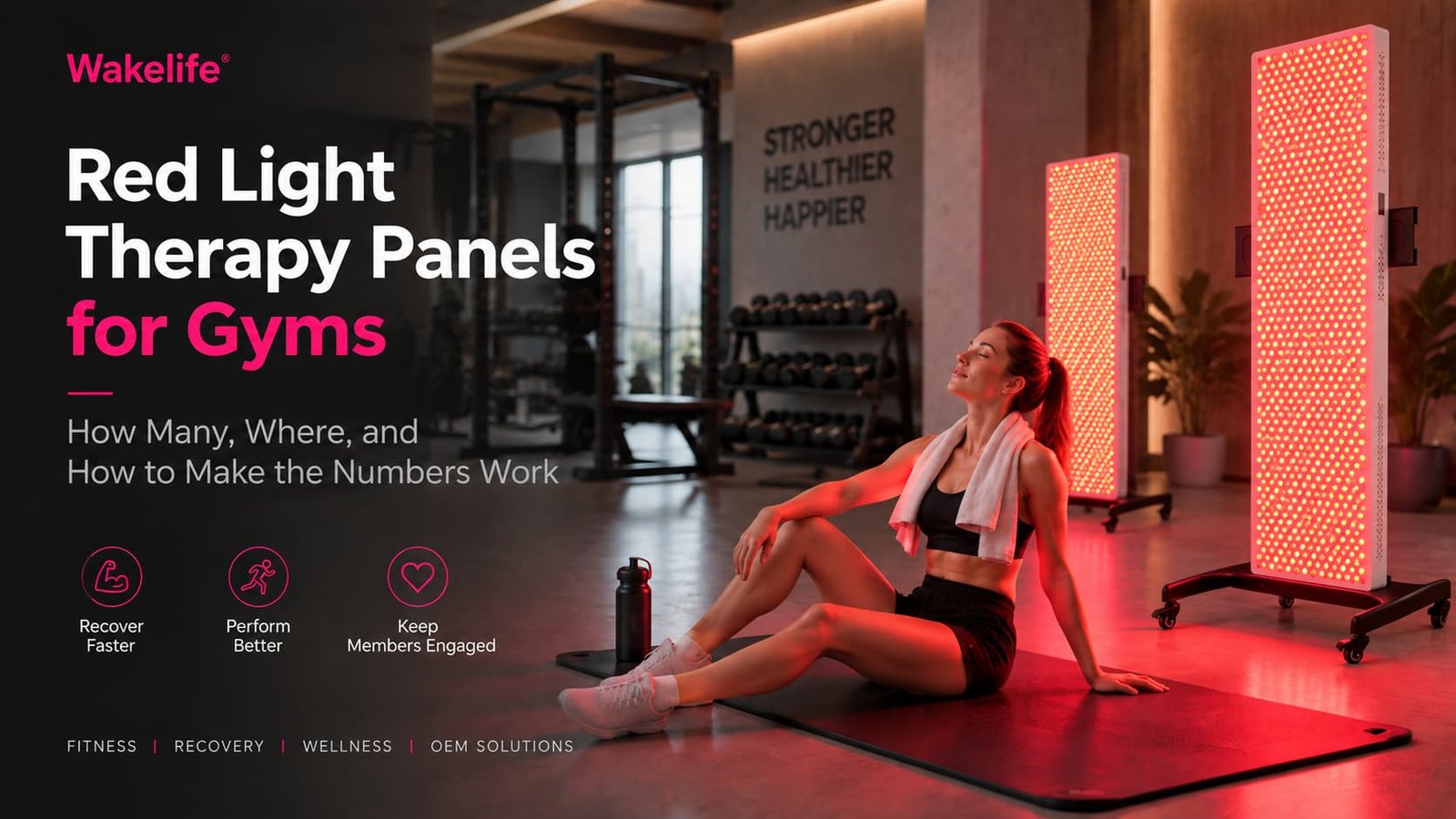
Start with one station for an untested service. Plan for two when you have demand for simultaneous use or two locations with a clear purpose. A large gym can begin with one; a small studio may eventually need two if demand concentrates after classes.
These layouts give you a starting point for planning:
| La tua situazione | Panels to plan around | Example to discuss with Wakelife | Placement idea |
|---|---|---|---|
| First pilot at a studio or independent gym | 1 | ESPLUS1500 or ESPLUS4500 | One accessible station near the existing recovery or waiting area |
| Repeat demand during a concentrated evening rush | 2 | ESPLUS1500 + ESPLUS4500 as one possible mix | Two adjacent stations with shared booking and cleaning arrangements |
| Established demand in two parts of a club | 2 | Two ESPLUS4500 units as one possible option | Separate stations, each with enough demand to justify its place |
Choose the mix after checking the available station space and mounting options. The two-panel rows are expansion examples; confirm order terms for your intended quantity before including them in the budget.
Make the service visible
Treat placement as part of introducing the service. A station members pass on their way to a recovery area gives staff a natural opening to explain it. A short sign describing access and booking helps turn curiosity into a first visit.
Visibility works best when the space is comfortable to use. Keep the station clear of free-weight movement and main walkways, allow for access and cleaning, and consider whether members want some privacy. Map the full user area and required clearances, not just the panel itself.
If you already have a sauna or cold plunge, a nearby recovery area may make sense. Check the panel’s environmental and electrical requirements before selecting that location; nearby does not mean inside the sauna or beside splashing water.
Work out the booking capacity
Include changeover, pulizia, and any required equipment breaks in the slot you offer.
Theoretical sessions per hour = 60 ÷ total minutes per booking slot × available stations, with one user per station.
For an illustrative 15-minute slot—ten minutes of use plus five for turnover—one station offers four slots per hour, and two offer eight. These are scheduling examples, not recommended treatment times or ESPLUS specifications. Build the actual slot around the model’s instructions and your operating routine.
A CrossFit class makes the difference between capacity and queues easy to picture. Four interested members finishing together will wait longer than four arriving at different times. Try reservations or staggered bookings before buying another panel. Persistent waits after those changes are a stronger reason to expand than spare floor space alone.
What Would the Panel Need to Earn Its Place?
An independent gym does not have to evaluate every addition on a separate session fee. You may want to include access in membership, offer a paid upgrade, or charge per booking. Decide which offer you are testing before running the numbers.
For a quick membership comparison:
Installed investment ÷ annual membership revenue per member = the equivalent number of full-year memberships in gross revenue.
Use the delivered, installed cost, including the accessories needed for the setup. The result shows the size of the purchase relative to your membership fees. It is an income comparison, not a profit calculation or a payback date.
If your annual fee is higher than another gym’s, the same investment represents fewer full-year memberships. That gives a premium operator a different starting point—but the amount left after costs still matters.
To evaluate a retention scenario, count the additional paid months you think the service could help retain. A member staying three extra months contributes three months, not a year. Someone who would have renewed anyway adds nothing to that estimate.
Then work through three steps:
- Multiply those additional months by the revenue per member per month after the added cost of serving that member.
- Subtract the recovery service’s other added costs over the same period, such as staff time, pulizia, electricity, e manutenzione. Count each cost once.
- Compare the amount remaining with the installed investment.
Run a conservative scenario alongside your expected one, including what happens if retention does not improve. A pilot can show interest and repeat use; it takes longer to assess renewals, and other changes at the gym can affect them.
For paid sessions, add their contribution after costs separately, without counting the same revenue twice. Treat photos, conversations, and social attention as promotion until they produce measurable business. They can help introduce the service, but they do not pay the equipment bill by themselves.
Start with One Sample, Then Let Members Show You What Comes Next
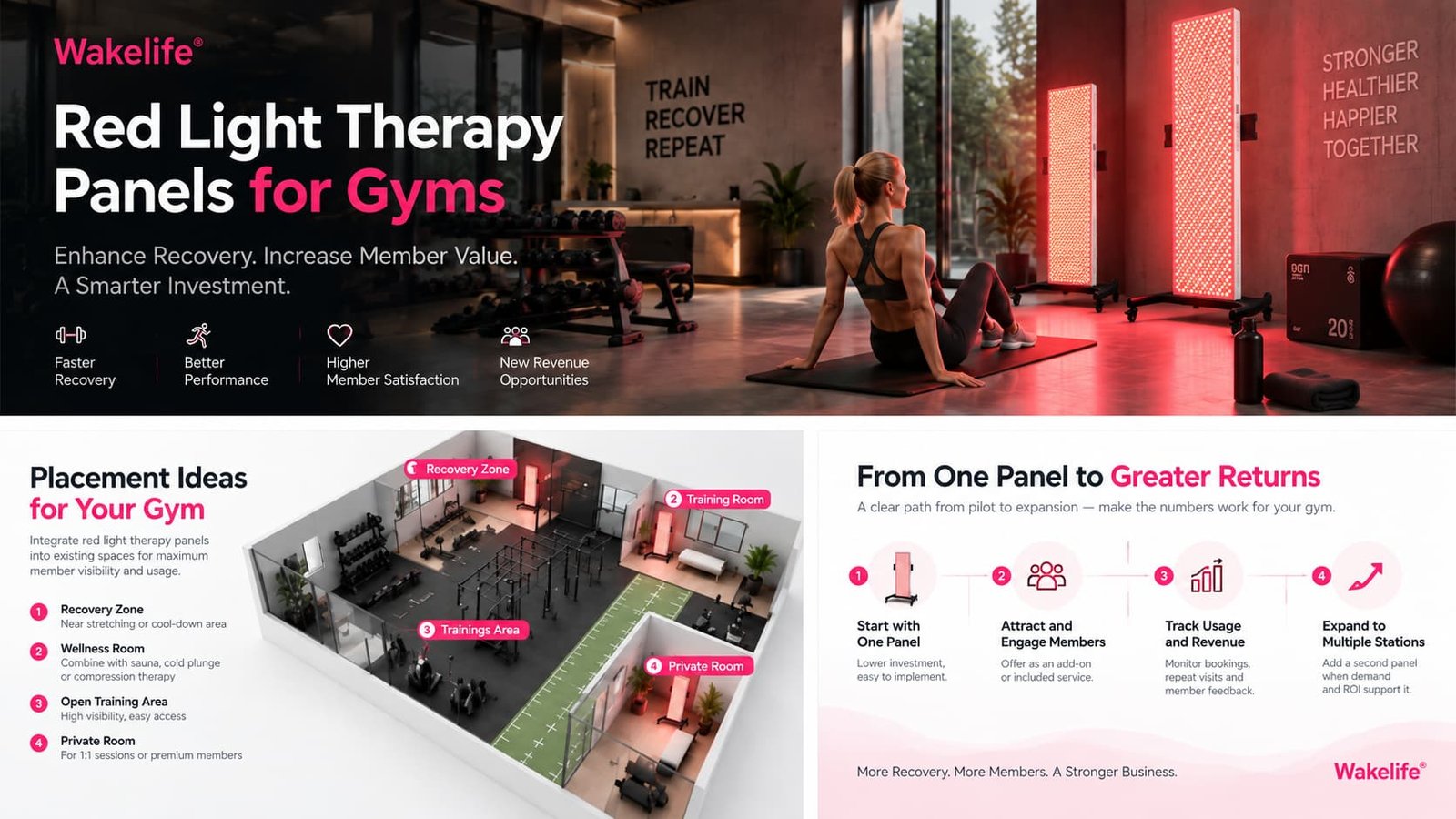
Wakelife offers one-unit sample orders for ESPLUS1500 and ESPLUS4500. That gives you a route to evaluate a panel before a larger commitment. Confirm the configuration, delivered price, installation needs, and sample terms before ordering.
Volume minimums differ by model. If you expect to need two or three panels eventually, say so at the outset and confirm that order path; the single-unit sample option does not automatically extend to later purchases.
Set a review date before the pilot starts. Give members a clear introduction to the service, explain how to book, and keep a simple weekly record:
- Repeat use: who comes back after the first visit?
- Peak demand: when do you have waits or requests you cannot accommodate?
- Operating effort: how much staff time, pulizia, and downtime does it take?
- Commercial response: do members value it under the access or pricing arrangement you intend to keep?
If people try it once and disappear, investigate the experience and demand before expanding. If one station handles regular use comfortably, it may be all you need. If bookings keep filling and the cost calculation supports more capacity, you have a concrete case for the next station.
Plan Your Gym’s First Red Light Station
Send us the space you have available, your peak hours, and how you would like members to access the service. Include your intended starting quantity and any later expansion you have in mind.
We can help you compare candidate panels, discuss placement, and confirm sample and order options. Start with a setup you can evaluate on your own floor, with your own members.