Non esiste un vincitore universale tra un cuscinetto flessibile per terapia della luce LED, una maschera facciale e un pannello. Scegli il fattore di forma che fa funzionare il tuo prodotto, canale, modello logistico e di supporto più semplice da eseguire, quindi fai in modo che il campione esatto lo dimostri.
Per una prima lista:
- Inizia con un pad flessibile durante il posizionamento pieghevole, l'utilizzo in aree selezionate e un prodotto che possa essere valutato attraverso canali professionali e di vendita al dettaglio sono centrali nel brief.
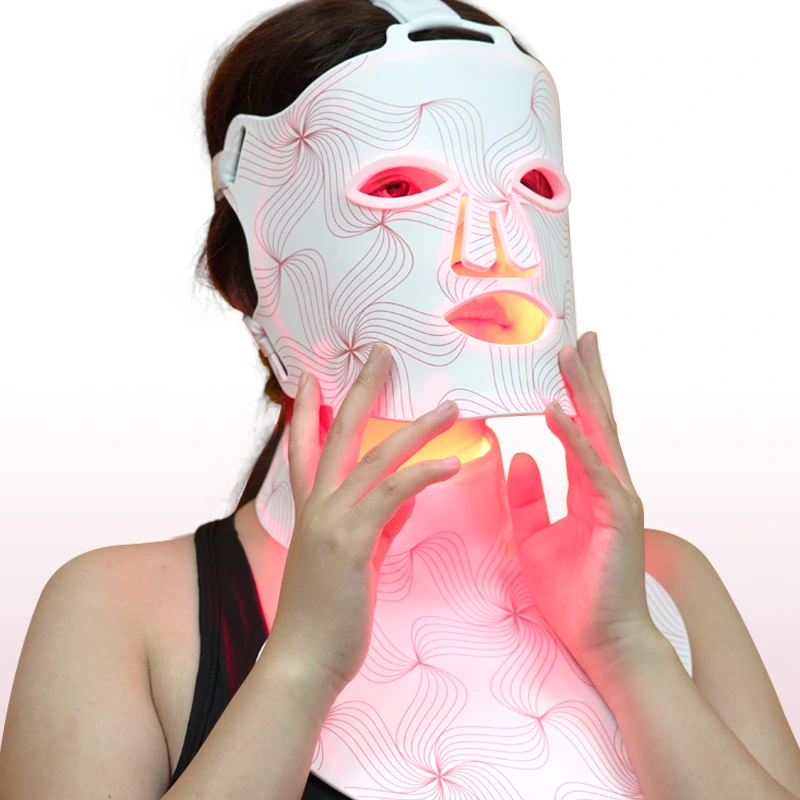
- Inizia con una maschera quando il prodotto è specifico per il viso, indossabile e dovrebbe adattarsi a una cura della pelle, DTC o viaggio nel beauty-retail.
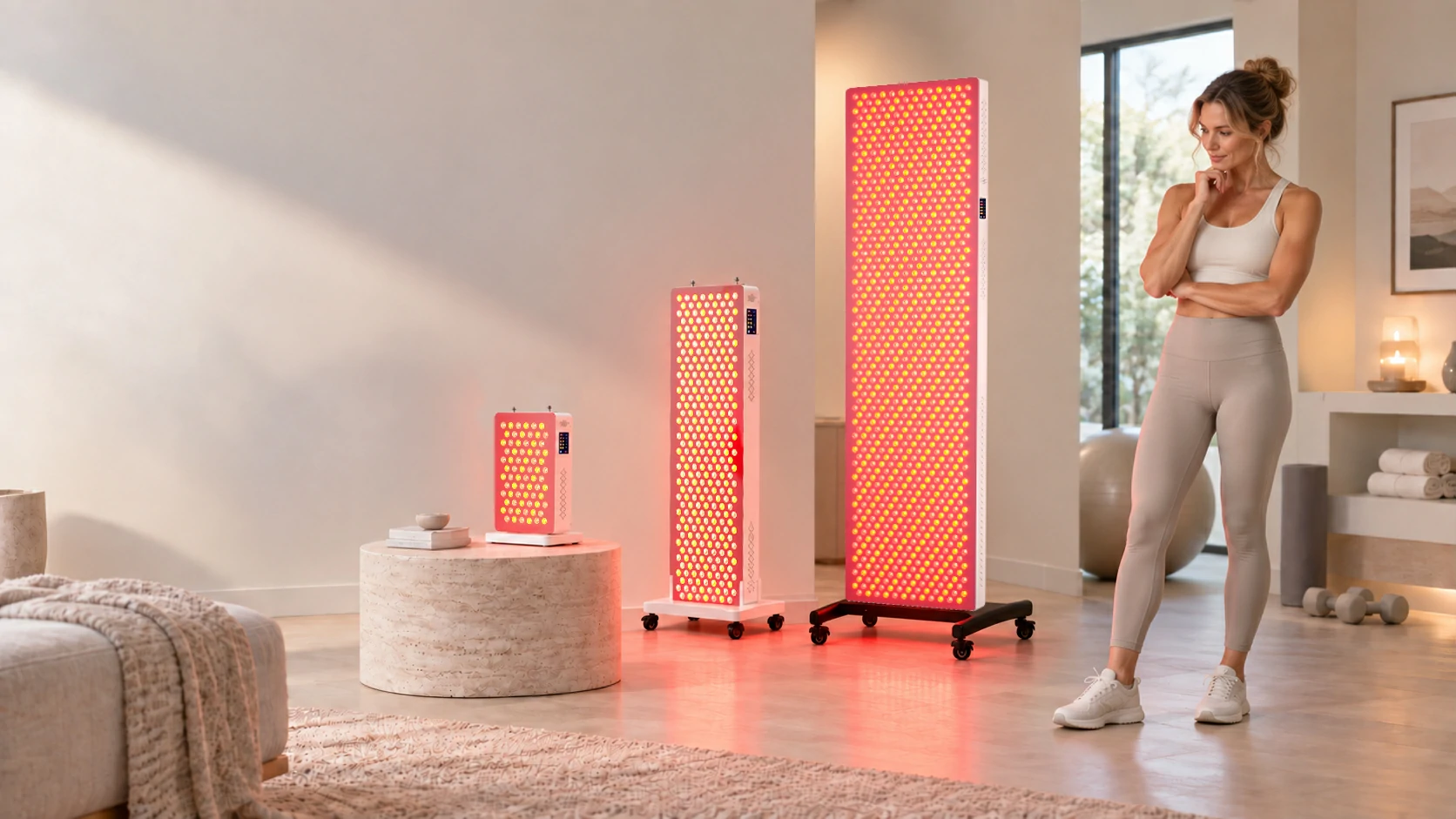
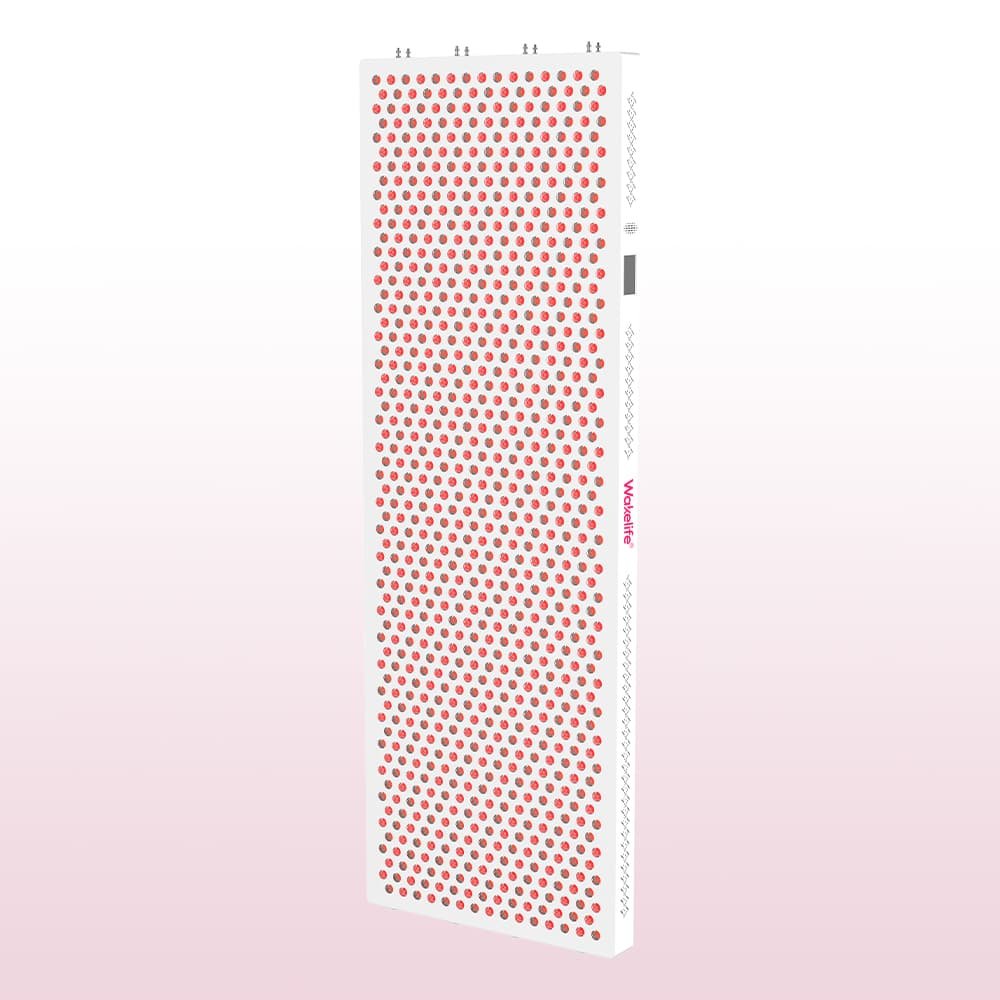
- Inizia con un pannello quando l'offerta dipende dal posizionamento senza contatto, un campo di esposizione più ampio, attrezzatura visibile in camera o installazione professionale o domestica con biglietto più alto.
Queste sono le regole della linea di prodotti, non classifiche cliniche. La forma da sola non stabilisce la dose, sicurezza o risultati. Un tampone misurato sulla sua superficie di emissione non può essere paragonato a un pannello misurato a una distanza di lavoro o a una maschera testata su un apparecchio semplicemente perché tutte e tre le specifiche utilizzano mW/cm².
Questa guida è rivolta ai marchi di dispositivi di bellezza, importatori e distributori. Non raccomanda protocolli di trattamento, confrontare i risultati medici o stabilire se un formato LED penetra più in profondità o funziona meglio di un altro.
Serve il percorso decisionale in 30 secondi?
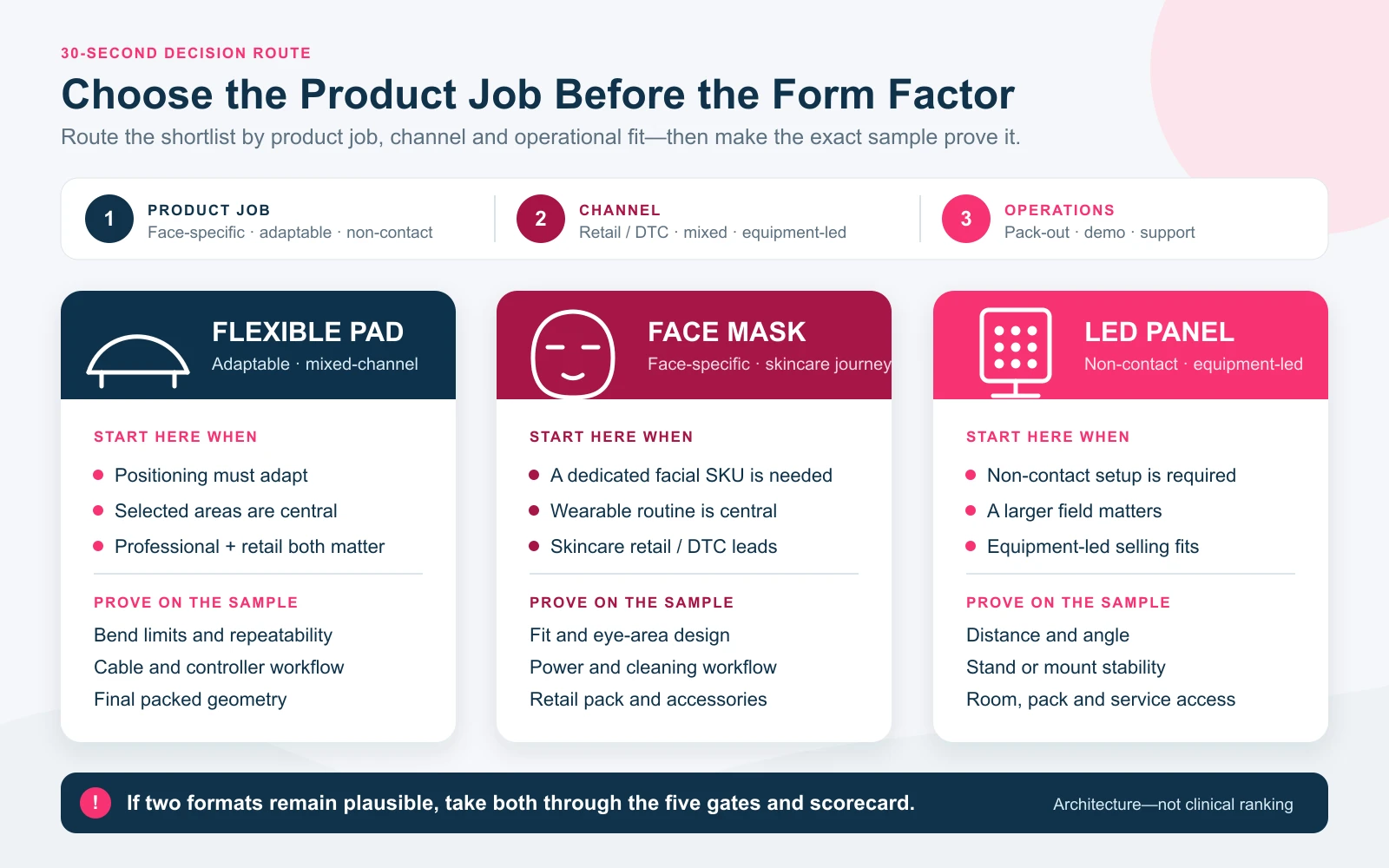
Fai tre domande: Il lavoro del prodotto è specifico per il volto, adattabile ad aree selezionate o senza contatto/formato più grande? Sarà venduto principalmente tramite vendita al dettaglio di prodotti per la cura della pelle/DTC, un percorso misto professionale e commerciale o un canale basato sulle apparecchiature? La tua azienda può supportare il confezionamento finale?, modalità dimostrative e probabili guasti? Inizia con una maschera per un percorso di cura della pelle specifico per il viso, un pad flessibile per un posizionamento adattabile o un percorso misto, e un pannello per un'offerta senza contatto o guidata dalle apparecchiature. Se due rimangono plausibili, portali entrambi attraverso i cinque cancelli e la scheda segnapunti qui sotto.
Quale fattore di forma della terapia LED dovrebbe essere inserito per primo nella lista dei tuoi marchi?
Seleziona il formato la cui azione utente predefinita e il cui ruolo commerciale corrispondono già al tuo brief. Non chiedere la personalizzazione per salvare l'architettura sbagliata.
| Fattore di forma | Selezionalo prima quando | Cosa deve dimostrare il campione esatto | Scarsa prima scelta quando |
|---|---|---|---|
| Pannello LED flessibile | Il prodotto necessita di un posizionamento pieghevole attorno ad aree selezionate, una configurazione ad arco o una piattaforma adattabile per diversi piani di posizionamento | Geometria di piegatura consentita, ripetibilità della posizione, istruzioni di contatto o distanziamento, flusso di lavoro del cavo e del controller, pulibilità, durata a flessione ripetuta, accessori di supporto e dimensioni finali dell'imballaggio | L'offerta necessita di una geometria sorgente-utente rigidamente fissata, identità indossabile specifica per il viso o un ampio campo senza contatto con un riposizionamento minimo |
| Maschera facciale LED | La gamma necessita di un dispositivo indossabile specifico per il viso con una chiara routine di cura della pelle e una presentazione al dettaglio | Adattarsi agli utenti previsti, design della zona degli occhi, comportamento della cinghia o della fodera, posizione della fonte, controller e flusso di lavoro di ricarica, limiti di pulizia, conservazione e imballaggio degli accessori | Il prodotto deve coprire più aree del corpo, lavorare senza un dispositivo indossabile sul viso o servire un'ampia configurazione senza contatto |
| Pannello LED | L'offerta necessita di posizionamento senza contatto, un campo di esposizione più ampio, una presenza visibile di apparecchiature o un sistema espandibile montato su supporto | Distanza di lavoro, ripetibilità dell'angolo e della posizione, stabilità del supporto o del montaggio, requisiti di spazio e di alimentazione, calore e rumore, controlli, protezione dell'imballaggio e accesso al servizio | Logistica compatta dei pacchi, l'uso indossabile o il posizionamento ravvicinato attorno ad aree curve selezionate è la principale promessa del prodotto |

L'ultima colonna è uno strumento di rifiuto. Se un formato è in conflitto con il lavoro del prodotto principale, rimuoverlo prima di confrontare il conteggio dei LED, elenchi di lunghezze d'onda, prezzi campione o menù personalizzati.
Quale lavoro di prodotto crea ciascun fattore di forma?
La differenza principale non è la parola usata nel catalogo; è il modo in cui il prodotto controlla la posizione della fonte e ciò che l'utente deve fare.
Quando un team di prodotto confronta un cuscinetto per terapia della luce LED con una maschera o un pannello, la domanda utile è quale architettura renda ripetibile l'azione prevista senza aggiungere usi non supportati o formazione aggiuntiva.
Cuscinetto flessibile: geometria adattabile con più decisioni di posizionamento
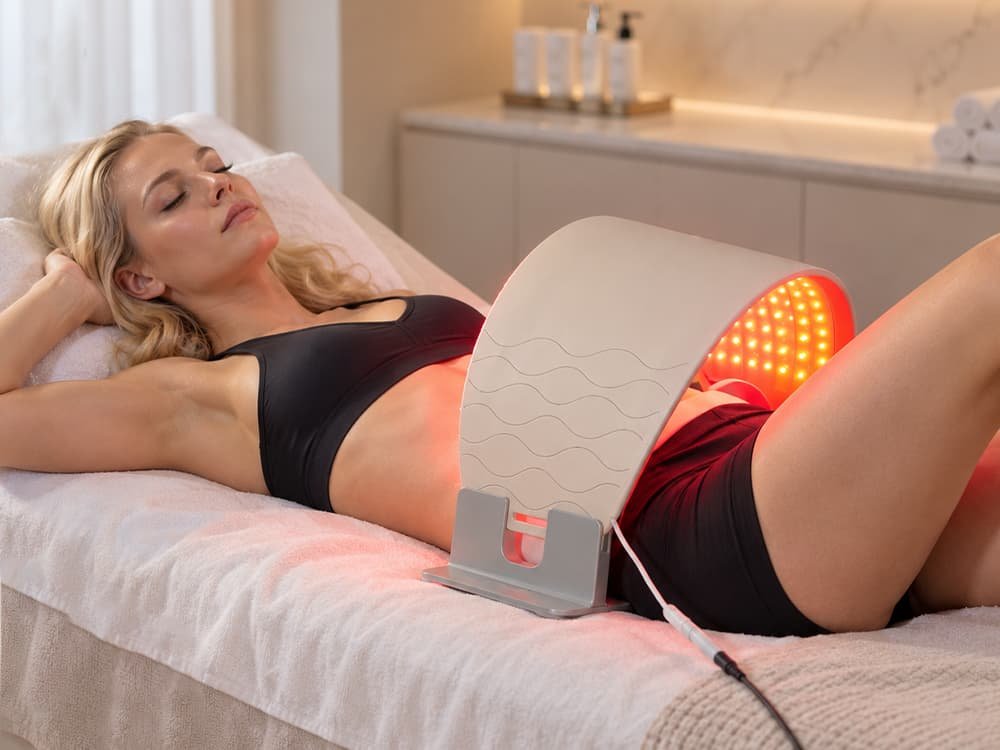
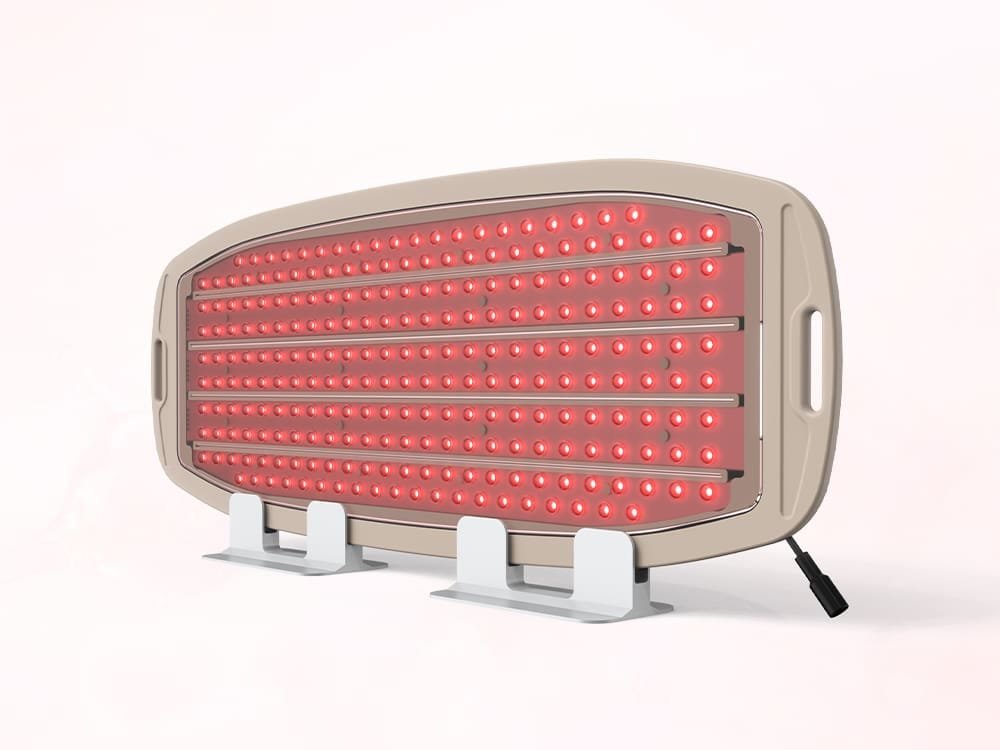
Un cuscinetto flessibile può essere posizionato in un arco, vicino a un'area selezionata o attorno a una parte del corpo quando il design esatto e le istruzioni lo consentono. Questo crea una storia di prodotto versatile, ma rende anche il posizionamento parte del sistema operativo.
Il campione dovrebbe mostrare ciò che la “flessibilità” effettivamente consente. Richiedere il raggio di curvatura o i limiti di posizionamento approvati, il metodo di contatto o di spaziatura previsto, e le azioni vietate. Pieghevole non significa pieghevole, schiacciabile o adatto per una scatola arbitrariamente più piccola. Circuiti interni, le sorgenti luminose e i collegamenti necessitano ancora di protezione.
Il vantaggio commerciale è la scelta: un marchio può essere in grado di dimostrare una piattaforma in diverse configurazioni definite. Il rischio commerciale è l’ambiguità: se la scatola, manuale, la pagina del prodotto e il video mostrano posizioni diverse senza una regola controllata, clienti e distributori potrebbero non sapere quale configurazione è prevista.
Maschera: geometria specifica del volto con adattamento come variabile di prodotto
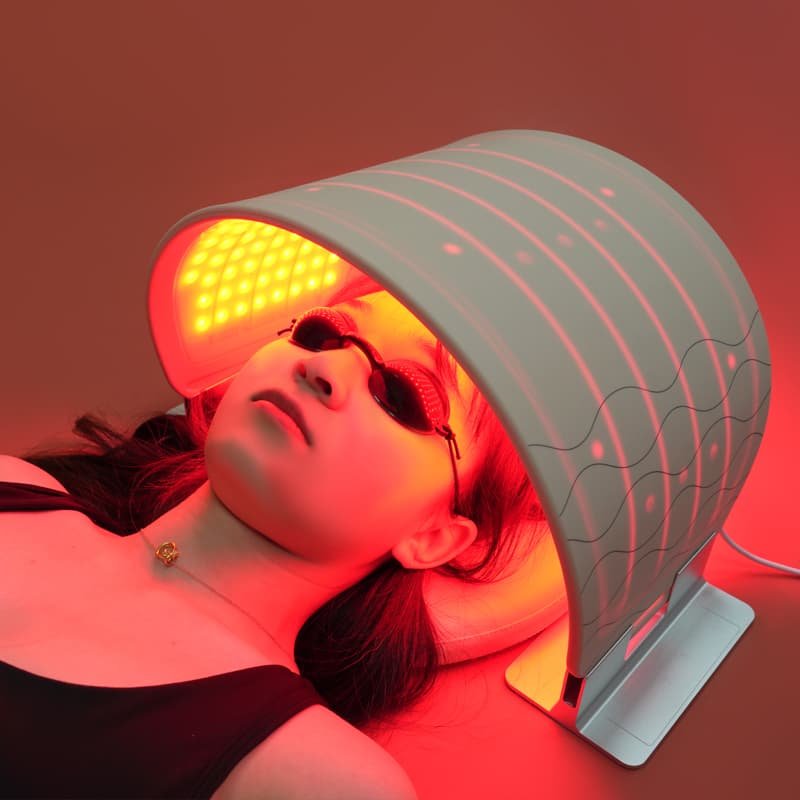
Una maschera rende immediatamente riconoscibile l'area target e la routine. Ciò può ridurre la spiegazione su una pagina di vendita al dettaglio di prodotti di bellezza, ma "indossabile" non garantisce una vestibilità coerente o una posizione di origine.
Forma del viso, aperture degli occhi, sganciamento del naso, tensione della cinghia, la posizione del controller e la rigidità o flessibilità del corpo possono cambiare l'esperienza. Se la maschera include una batteria ricaricabile, tempo di ricarica, documentazione della batteria, anche lo stato di conservazione e la politica di sostituzione diventano parte del prodotto, non semplici accessori.
Una maschera è quindi più efficace quando il marchio desidera uno SKU facciale dedicato ed è disposto a verificarne l'idoneità, progettazione e pulizia della zona degli occhi per tutta la gamma di utenti prevista. È più debole quando la proposta di valore desiderata dipende da diverse aree del corpo o da una presentazione professionale non indossabile.
Pannello: geometria definita dell'attrezzatura con variabili di distanza e installazione
Un pannello separa la sorgente dall'utente e normalmente richiede una distanza di lavoro definita, angolo e area di esposizione. Uno stand, supporto a parete, il supporto per porta o la struttura multi-pannello possono diventare parte del sistema.
Ciò può supportare una chiara dimostrazione senza contatto e una presentazione di attrezzature premium. Crea anche domande che potrebbero non esistere nella stessa forma di una maschera: impronta del pavimento, stabilità del supporto, instradamento dei cavi, comportamento dei tifosi, gestione del calore, installazione, danni di spedizione e accesso al servizio.
Un alloggiamento più grande non garantisce un risultato ottico migliore. La mappa di output della distanza di lavoro, modalità attiva, la geometria della trave e la configurazione prevista devono ancora essere misurate per la configurazione esatta.
Quale fattore di forma si adatta al tuo canale di vendita?
Scegli il lavoro del canale prima di scegliere il dispositivo. Lo stesso fattore di forma può avere successo in un percorso e creare attriti in un altro.
| Canale | Domande con pad flessibile | Domande mascherate | Domande del pannello |
|---|---|---|---|
| E-commerce DTC | Può una pagina di prodotto mostrare il posizionamento senza implicare usi illimitati? Il kit è semplice da disimballare, conservare e restituire? | Gli acquirenti possono capire l'idoneità, controlli, design della batteria e della zona degli occhi senza provarlo? Come verranno gestiti i resi relativi all'idoneità?? | Può il prezzo, installazione, la distanza di lavoro e il metodo di consegna devono essere spiegati prima del pagamento? È richiesta la consegna di pacchi o merci? |
| Vendita al dettaglio di prodotti di bellezza | La confezione e il display riescono a spiegare rapidamente un formato flessibile non familiare?? | La forma specifica del viso crea uno scaffale chiaro e una storia dimostrativa? Le politiche di igiene e di prova sono praticabili? | Il rivenditore ha lo spazio?, modello di potenza ed erogazione per un dispositivo più grande? |
| Catalogo del distributore | È possibile vendere una piattaforma con esempi di posizionamento controllato e istruzioni localizzate? | Sono dimensioni, accessori, le rivendicazioni e i ruoli del marchio del distributore sono chiari in tutti i mercati? | Il distributore può supportare gli stand, pezzi di ricambio, installazione e consegna di articoli più grandi? |
| Salone o canale estetico | Il pad si adatta al posizionamento, flusso di lavoro di pulizia e turnaround? | È vendita al dettaglio per utente singolo, portare a casa, prestato o condiviso, e tale utilizzo può essere supportato? | Il personale è in grado di riprodurre la distanza e l'angolazione, e la stanza può ospitare la sistemazione? |
Non utilizzare la tabella per dichiarare che le mascherine sono sempre prodotti al dettaglio o che i pannelli sono sempre attrezzature professionali. Questi sono modelli commerciali comuni, classi non regolamentari. Un prodotto utilizzato in una clinica non è automaticamente un dispositivo medico, e un prodotto fatto in casa non è automaticamente escluso dalle norme sui dispositivi medici.
Per un americano. progetto, la FDA afferma che la determinazione del dispositivo inizia con il prodotto destinazione d'uso e indicazioni per l'uso. Nell'UE, Regolamento (Unione Europea) 2017/745 collega lo scopo previsto con l'etichettatura, istruzioni e materiale promozionale o di vendita. Congelare il mercato di riferimento e le richieste pianificate prima di considerare una forma come la via più semplice per conformarsi.
In che modo l'imballaggio e la logistica cambiano la decisione?
Confronta il pacchetto vendibile finale e la configurazione di spedizione, non un semplice campione su una scrivania.
Richiedi questi dati per ogni candidato:
- dimensioni della confezione individuale e peso lordo;
- dimensioni del cartone principale, peso lordo e unità per cartone;
- cartoni separati per stand, supporti o accessori;
- modello di pallet e altezza del pallet, ove pertinente;
- gocciolare, metodo di vibrazione o di convalida del trasporto utilizzato per l'imballaggio finale;
- imballaggio sostitutivo e requisiti di spedizione per la restituzione;
- configurazione della batteria al litio e documenti di trasporto, se montato;
- campione specifico del percorso, pacco, aria, quotazione marittima o di trasporto.
UPS spiega che il peso dimensionale può essere applicato quando un pacco è grande rispetto al suo peso effettivo, Mentre Allo stesso modo DHL spiega come il peso volumetrico può influenzare il peso tassabile di un grande, pacchetto relativamente leggero. Il corriere, servizio, origine e destinazione determinano il calcolo vero e proprio. La lezione sull’approvvigionamento è più ristretta: la riduzione del peso netto del prodotto non dimostra una logistica di sbarco inferiore se l'imballaggio protettivo rimane grande.
I tre formati creano domande diverse:
- Cuscinetto flessibile: Può essere imballato nella geometria approvata senza pieghe, schiacciamento o caricamento del circuito interno? Fai supporti, un controllore, un adattatore, occhiali, le cinghie o una confezione regalo rimuovono l'apparente vantaggio di volume?
- Maschera: Il modulo si annida in modo sicuro, oppure una curva facciale rigida richiede un inserto protettivo profondo? Se la configurazione contiene una batteria al litio, i requisiti relativi alla batteria e alla spedizione sono stati integrati nel piano logistico?
- Pannello: Il pannello viene spedito con un supporto o in cartoni separati? Quali parti sono vulnerabili all'impatto dei bordi, danni allo schermo, danni al connettore o deformazione del supporto? Il canale può ricevere e restituire la spedizione in modo economico??
IL IATA 2026 guida con batteria al litio mostra perché una configurazione contenente batterie al litio crea una propria classificazione, confezione, lavoro di marcatura e documentazione. Non applicare un'istruzione generica sulla batteria a ogni dispositivo o percorso; confermare i requisiti attuali con il produttore, speditore, spedizioniere e corriere per l'esatta batteria e spedizione.
Quale prodotto è più facile da dimostrare e commercializzare?
Il prodotto più semplice da spiegare è quello la cui configurazione può essere mostrata onestamente in un breve breve, dimostrazione ripetibile.
Un marchio dovrebbe creare uno storyboard per primo 60 secondi di utilizzo prima di approvare il fattore di forma:
- Cosa rimuove il cliente dalla scatola?
- Cosa deve essere assemblato, logoro, arcuato, legato, montato o posizionato?
- Come fa il cliente a sapere che il dispositivo è nella posizione prevista??
- Quale modalità, le scelte del timer e dell'intensità vengono visualizzate per prime?
- Che avvertimento, la condizione di arresto o l'impostazione vietata devono essere visibili?
- Come viene pulito il prodotto, reset, caricati o conservati successivamente?
Una maschera spesso comunica immediatamente “dispositivo facciale”., ma durante una dimostrazione dal vivo potrebbero apparire domande sulla vestibilità e sulla zona degli occhi. Un pad flessibile può mostrare più di una configurazione di posizionamento definita, ma il conduttore deve evitare di suggerire ogni piega, l'area del corpo o la rivendicazione sono supportate. Un pannello crea un'esperienza visiva dell'attrezzatura, ma la dimostrazione deve riprodurre la distanza di lavoro e il supporto o la configurazione dello stand che il cliente utilizzerà effettivamente.
Chiedi a tre venditori previsti, ad esempio un gestore di e-commerce, venditore del distributore e formatore del salone: per dimostrare il campione senza coaching del fornitore. Le loro domande rivelano se il formato è realmente pronto per il canale o semplicemente familiare al team di prodotto.
Quali oneri post-vendita comportano ciascun formato?
Scegli le modalità di errore che il tuo sistema di supporto può diagnosticare, fornire e risolvere. Un prodotto visivamente semplice può comunque creare rendimenti complessi.
Costruisci un foglio di lavoro sulla modalità di errore prima di selezionare il vincitore:
| Fattore di forma | Domande a cui il modello di supporto deve rispondere |
|---|---|
| Cuscinetto flessibile | Il problema è il pad, controllore, adattatore, cavo, connettore, supporto per il posizionamento o configurazione dell'utente? Che curva, sono esclusi danni dovuti alla pressione o alla pulizia? I componenti possono essere sostituiti separatamente? |
| Maschera | Il problema è adatto?, cinghia, inserto per il contorno occhi, controllore, batteria, cavo di ricarica, connettore o il corpo della maschera? Quali accessori a contatto con l'utente sono sostituibili? Come vengono gestiti i resi sensibili all'igiene?? |
| Pannello | Il problema è il pannello, Alimentazione elettrica, touchscreen, app, fan, autista, in piedi, supporto o cavo? Un tecnico locale può sostituire un modulo, oppure l'unità completa deve viaggiare? Chi paga la diagnostica degli articoli di grandi dimensioni e la spedizione di restituzione? |
Richiedi i termini di garanzia, esclusioni, percorso di risposta, sequenza diagnostica, elenco dei pezzi di ricambio, processo di sostituzione dell'unità e responsabilità di spedizione per iscritto. La durata della garanzia di per sé non dimostra se il distributore può risolvere un reclamo reale.
Per un primo lancio, uno SKU noioso dal punto di vista operativo con un albero diagnostico chiaro può essere più scalabile di una piattaforma altamente differenziata le cui batterie, controller, app, i supporti e gli accessori non hanno una proprietà di supporto definita.
Quanta personalizzazione dovrebbe portare il primo prodotto?
Utilizza la personalizzazione più superficiale che crea un reale vantaggio per il canale. Ogni cambiamento più profondo espande il campione, Test, documentazione e ambito post-vendita.
Separare le richieste in quattro livelli:
| Livello | Esempi | Domanda principale di approvazione |
|---|---|---|
| Strato di marca | Logo, selezione del colore dalle opzioni esistenti, grafica dell'imballaggio, linguaggio manuale | Crea etichette, affermazioni, la tracciabilità e i ruoli di mercato rimangono corretti? |
| Livello di configurazione | Accessori, tappo, opzioni del controller, modalità predefinite o una configurazione di lunghezza d'onda esistente | La configurazione citata corrisponde ancora alla versione testata e documentata? |
| Strato di ingegneria | Disposizione ottica, nuova combinazione di lunghezze d'onda, elettronica, firmware, batteria, alloggiamento, struttura flessibile o riprogettazione dello stand | Quale sicurezza, ottico, EMC, trasporto, i controlli di usabilità e affidabilità devono essere ripetuti? |
| Nuova piattaforma | Nuovo stampo, progettazione industriale, architettura del circuito, sistema di controllo o uso previsto | È il bilancio, sequenza temporale, proprietà del rischio e piano di convalida equivalente a un programma per un nuovo prodotto? |
La forma non decide quale livello è facile. Un nuovo stampo per maschere, un circuito flessibile rivisto e un supporto del pannello ridisegnato sono tutte modifiche tecniche in diversi sistemi. Chiedi al fornitore di contrassegnare ogni richiesta come standard, opzione esistente, revisione tecnica o nuovo sviluppo e identificazione del documento e dell'impatto della riconvalida prima dell'approvazione del preventivo.
Puoi confrontare l'irradianza, Lunghezze d'onda e sicurezza nei tre formati?
Solo dopo che le configurazioni e le condizioni di misurazione esatte sono state abbinate. Un numero di catalogo più alto non è un verdetto relativo al fattore di forma.
Al minimo, confrontare:
- modello finale, hardware, firmware, modalità sorgente e attiva;
- metodo di misurazione della lunghezza d'onda, picchi o bande e tolleranze;
- piano di misurazione, distanza sorgente-sensore e qualsiasi dispositivo di fissaggio maschera/testa/corpo;
- strumento, stato della calibrazione, apertura e griglia di campionamento;
- centro, minimo, massimo, mappa media e spaziale, con il metodo di media definito;
- continuo, comportamento pulsato o duty-cycle;
- alimentazione o stato della batteria, riscaldamento e condizioni termiche;
- modifiche che richiedono un nuovo test.
Una misurazione della superficie da un cuscinetto flessibile, una misurazione in maschera e un valore del pannello a una distanza di lavoro stabilita rispondono a diverse domande ingegneristiche. Non normalizzarli in una tabella del “miglior risultato” senza un protocollo comune giustificato.
IEC 62471 fornisce un quadro per la valutazione dei rischi fotobiologici derivanti da fonti a banda larga incoerenti alimentate elettricamente, compresi i LED ma esclusi i laser. Un report sul modello esatto può supportare un livello di sicurezza quando la configurazione e le condizioni di test corrispondono. Non dimostra l’efficacia clinica, uniformità di uscita, precisione della lunghezza d'onda o che un pad, maschera o pannello è migliore.
Per la mappa completa delle prove, è da Wakelife Guida alla certificazione del dispositivo per terapia LED e il IEC 62471, Guida al report sull'irradianza e sulla lunghezza d'onda. Se la formulazione fosse pianificata potrebbe passare dalla bellezza o dal benessere all'acne, Dolore, ferita, trattamento o altra indicazione medica, rivedere il Guida ai reclami per i dispositivi di bellezza LED prima di approvare la piattaforma o l'imballaggio.
Come dovresti segnare un pad, Maschera e pannello?
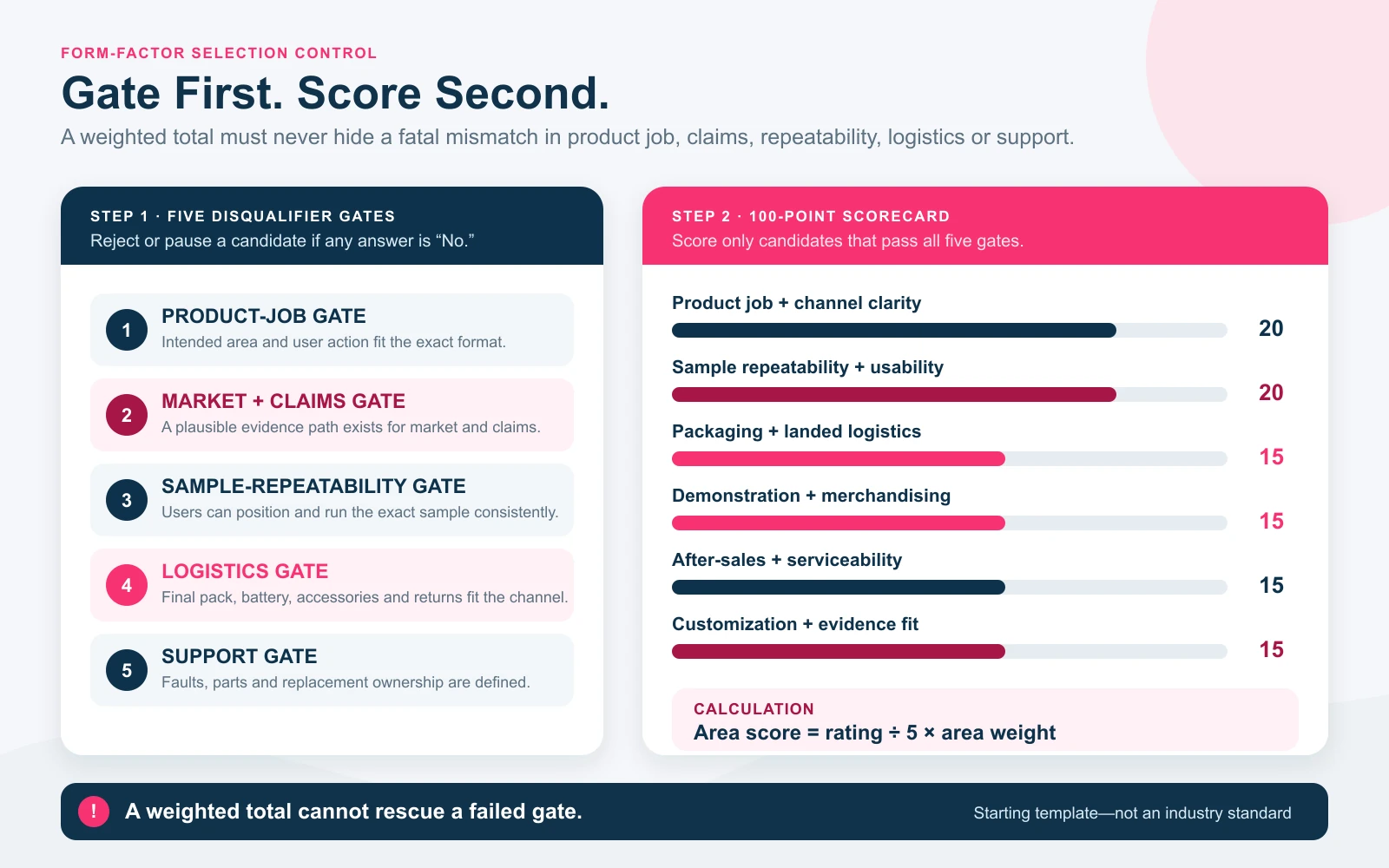
Utilizzare prima i cancelli passa/fallisce, quindi assegna un punteggio solo ai candidati rimasti. Un totale ponderato non dovrebbe mai nascondere una discrepanza fatale.
Fare un passo 1: Applicare cinque porte di squalifica
Rifiuta o metti in pausa un candidato se una delle risposte è no:
- Cancello prodotto-lavoro: Il formato esatto può servire l'area prevista e l'azione dell'utente senza inventare usi non supportati?
- Porta del mercato e dei sinistri: Esistono prove plausibili e un percorso normativo per il mercato di riferimento, destinazione d'uso e richieste previste?
- Porta di ripetibilità del campione: Gli utenti o gli operatori previsti possono posizionare ed analizzare il campione esatto in modo coerente?
- Porta logistica: Può il pacchetto finale, configurazione della batteria, accessori e il lavoro sulla rotta di ritorno entro i limiti dei costi allo sbarco e di movimentazione del canale?
- Cancello di sostegno: Il marchio o il distributore possono diagnosticare i guasti comuni e fornire gli accessori necessari, parti o sostituzioni?
Fare un passo 2: Utilizza una scheda di punteggio da 100 punti
I pesi riportati di seguito rappresentano un modello iniziale, non uno standard di settore. Cambiali prima di assegnare il punteggio se il tuo modello di business valorizza maggiormente un fattore.
| Area decisionale | Peso iniziale | Ciò che richiede un punteggio elevato |
|---|---|---|
| Lavoro del prodotto e chiarezza del canale | 20 | Il cliente, zona, routine, il percorso di vendita e il ruolo del prodotto possono essere spiegati senza storie contrastanti |
| Ripetibilità e usabilità del campione | 20 | Gli utenti previsti possono posizionare, operare, pulire e conservare costantemente il campione esatto |
| Imballaggio e logistica sbarcata | 15 | Volume finale imballato, peso lordo, stato della batteria, accessori, il controllo dei danni e il percorso di ritorno si adattano al modello di costo |
| Dimostrazione e merchandising | 15 | I team di vendita e i contenuti possono mostrare la corretta configurazione senza pretendere troppo o fare affidamento solo sulla conoscenza del fornitore |
| Post-vendita e assistenza | 15 | Isolamento dei guasti, parti, garanzia, sono definite la proprietà diagnostica e la responsabilità della spedizione |
| Personalizzazione e adattamento delle prove | 15 | Le modifiche richieste hanno un chiaro percorso di convalida e la configurazione esatta può essere abbinata ai documenti appropriati |
Valuta ciascun candidato da 1 A 5 in ogni zona. Calcolare ciascun risultato ponderato come:
Punteggio dell'area = valutazione ÷ 5 × peso dell'area
Utilizza il totale per confrontare i candidati, ma mantieni le prove accanto al numero. Un punteggio di 4 per la logistica dovrebbe essere collegato alle dimensioni dell'imballaggio, i dati della confezione e un preventivo specifico per il percorso, non l’impressione del product manager che il dispositivo “sembra compatto”.
Non impostare un punteggio universale per la sufficienza. Le cinque porte determinano se un candidato è valido; il punteggio ponderato aiuta a scegliere tra i candidati validi.
Quale percorso di prodotti Wakelife corrisponde al brief?
Utilizza le tre categorie di Wakelife come diverse architetture di partenza, quindi verificare l'esatto progetto anziché trasferire le pretese tra di loro.
- Cuscinetti flessibili per terapia della luce LED: G240 è la piattaforma in primo piano, con posizionamento pieghevole, accessori definiti e opzioni del controller; NFY-2030, NFY-3040 e NFY-3060 aggiungono tre alternative specifiche per dimensione. In questa pagina di Wakelife, "Macchina per fototerapia a luce LED PDT" viene utilizzata come etichetta di categoria per dispositivi LED di bellezza e benessere non farmacologici. Non significa un sistema di terapia fotodinamica clinica basato su fotosensibilizzatori.
- Maschere a led: utilizzare questo percorso quando la descrizione del prodotto è specifica per il viso e indossabile. Richiedi il modello esatto, materiale, sistema adatto, design della zona degli occhi, configurazione di potenza, imballaggio finale e documenti specifici del modello anziché fare affidamento su badge o dichiarazioni a livello di categoria.
- Pannelli per terapia della luce LED: utilizzare questo percorso quando il brief favorisce una configurazione senza contatto o di formato più grande. Conferma il pannello esatto, distanza di lavoro, stare in piedi o montare, sistema di controllo, configurazione compressa e prove applicabili prima di utilizzare l'output del catalogo o il linguaggio di certificazione.
Questi percorsi non rappresentano una classifica delle prestazioni su tre colonne. Un acquirente può anche scegliere un portafoglio: Per esempio, un prodotto eroe della vendita al dettaglio specifico per il volto più un pannello per account di canali professionali, oppure una piattaforma flessibile seguita da una maschera dedicata dopo che il marchio ha convalidato la domanda. Ogni SKU aggiuntivo dovrebbe avere un cliente distinto, canale o lavoro di utilizzo; altrimenti l'intervallo crea una sostituzione interna senza aggiungere un nuovo motivo di acquisto.
Cosa dovrebbe essere incluso nel brief del fattore di forma?
Dare la gestione, qualità, la logistica e il fornitore registrano la stessa decisione prima di richiedere un preventivo finale.
Includi:
- Mercati target, tempi di lancio e ruoli di importatore/distributore responsabile.
- Canale primario e cliente target.
- Lavoro del prodotto, zona destinata, azione dell'utente e ambiente di utilizzo.
- Posizionamento pianificato e reclami, comprese le parole che il progetto non utilizzerà.
- Fattore di forma preferito e motivo per cui si adatta meglio rispetto alle alternative rifiutate.
- Target di vendita al dettaglio e fascia di costo territoriale, previsione, quantità del primo ordine e percorso di evasione.
- Confezione al dettaglio, cartone principale, pallet, batteria e vincoli di spedizione per la restituzione.
- Dimostrazione, onboarding, pulizia, requisiti di archiviazione e supporto.
- Marchio richiesto, modifiche di configurazione e di ingegneria.
- Test di accettazione del campione e ottica richiesta, sicurezza, elettrico, trasporto, documenti di qualità e di mercato.
- Garanzia, pezzi di ricambio, proprietà diagnostica e termini di spedizione sostitutiva.
- Risultati della scorecard, opzioni rifiutate e le prove dietro ogni valutazione.
Questo brief fornisce al fornitore un contesto sufficiente per identificare una piattaforma corrispondente e rende trasferibile la decisione interna. Un distributore può mostrare perché lo SKU scelto si adatta al canale; la logistica può mettere alla prova il pack-out; la qualità può vedere cosa deve dimostrare il campione; il management può vedere quali ipotesi necessitano ancora di prove.
La linea di fondo
Scegli un cuscinetto flessibile, maschera o pannello in base al sistema di prodotto che la tua azienda può vendere e supportare, non in base a un presunto vantaggio in termini di fattore di forma.
In una decisione tra cuscinetto e maschera e pannello per la terapia della luce LED, l’opzione vincente è quella che sopravvive al mercato, campione, controlli logistici e di supporto, non quello con il numero di catalogo isolato più impressionante.
Un cuscinetto flessibile può supportare il posizionamento adattabile, ma necessita di regole di installazione controllate. Una maschera può creare un prodotto indossabile chiaro e specifico per il viso, ma in forma, È necessario testare la progettazione della zona degli occhi e le questioni relative alla batteria o all'igiene. Un pannello può supportare il posizionamento senza contatto e di formato più grande, ma a distanza di lavoro, installazione, imballaggio e servizio diventano parte dell'offerta.
Applicare le cinque porte. Assegna un punteggio ai candidati validi. Testare il campione finale e imballarlo. Quindi congela la configurazione esatta, dichiarazioni e pacchetto di prove prima di impegnarsi nell'imballaggio o nella produzione.
Se una piattaforma LED flessibile è in cima alla tua lista, rivedere il Categoria di cuscinetti flessibili per terapia della luce LED Wakelife e invia il tuo mercato target, canale, requisito di posizionamento, vincoli di imballaggio, piano di campionamento e documenti richiesti con l'indagine.
Riferimenti
-
1
NOI. Food and Drug Administration. Come determinare se il tuo prodotto è un dispositivo medico
-
2
Unione Europea. Regolamento (Unione Europea) 2017/745 sui dispositivi medici
-
3
Commissione Elettrotecnica Internazionale. IEC 62471:2006, Sicurezza fotobiologica di lampade e sistemi di lampade
-
4
Servizio pacchi unito. Dimensioni e peso della spedizione
- 5
-
6
Associazione internazionale del trasporto aereo. Documento guida per batterie al litio e batterie agli ioni di sodio, 2026