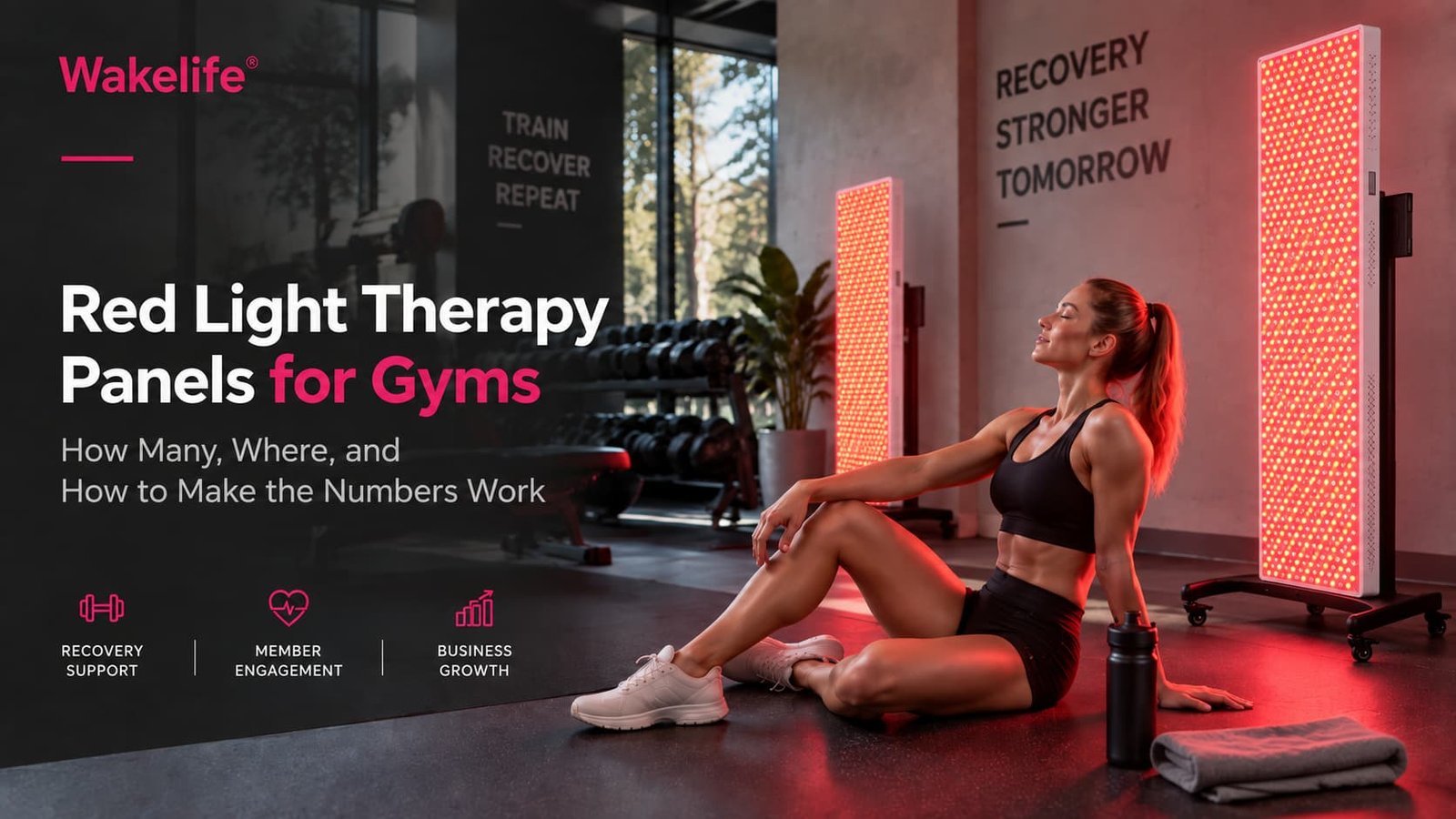
Per marchi e distributori che acquistano pannelli per terapia con luce rossa per applicazioni commerciali: spa, cliniche, palestre, centri di recupero, e studi di benessere: i criteri che contano sono sostanzialmente diversi dalla valutazione del panel per uso domestico.
I cinque fattori che determinano se un pannello è veramente di livello commerciale:
- Stabilità dell'irraggiamento in condizioni di uso commerciale prolungato — produzione non di picco in condizioni controllate, ma prestazioni costanti in più sessioni giornaliere
- Flessibilità della scena — il pannello può funzionare sia in verticale (in piedi) e orizzontale (dire bugie) posizioni di trattamento per servire l’intera gamma di protocolli del cliente?
- Ambito di certificazione — i canali commerciali e i mercati regolamentati richiedono certificazioni specifiche che spesso i pannelli per uso domestico non possiedono
- Bilancia fisica per una vera copertura di tutto il corpo — i clienti commerciali si aspettano un trattamento completo del corpo senza riposizionamento; le dimensioni del pannello devono corrispondere a tale aspettativa
- Profondità di personalizzazione OEM — i marchi che equipaggiano le strutture commerciali necessitano di un'identità di prodotto, non un'etichetta generica del produttore
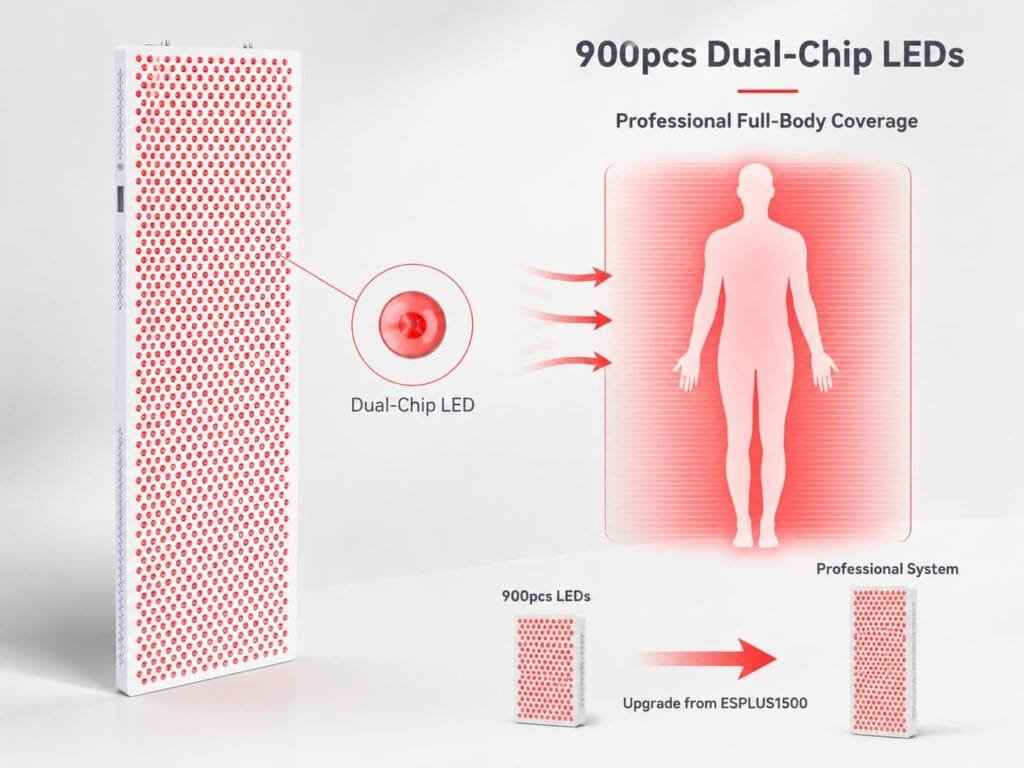
L'ESPLUS4500 — 900 LED a doppio chip, 1625altezza pannello mm, 210 a mW/cm² 3 pollici, capacità di doppia posizione orizzontale/verticale, APP + controllo touchscreen, e certificazione commerciale completa: è progettata specificamente come piattaforma OEM di livello commerciale per i marchi che si rivolgono ai canali del benessere professionale.
Introduzione: Perché i pannelli per uso domestico falliscono negli ambienti commerciali
Prima di valutare le specifiche, vale la pena essere precisi su chi sta effettivamente acquistando pannelli commerciali per la terapia della luce rossa, perché i quattro principali tipi di acquirenti commerciali hanno requisiti significativamente diversi.
Tipo 1: Marchi di spa e cliniche di bellezza
Le spa e le cliniche estetiche rappresentano il segmento commerciale più ampio per i pannelli professionali per la terapia con luce rossa. I loro requisiti primari:
- Integrazione estetica — il pannello deve avere un aspetto premium in un ambiente di sala di trattamento, non come un pezzo di attrezzatura per la palestra di casa
- Possibilità di trattamento in posizione sdraiata — la maggior parte dei protocolli termali coinvolge i clienti su un lettino per trattamenti; un pannello che si monta solo verticalmente non può servire questi clienti senza riposizionamento
- Efficienza della sessione — La copertura di tutto il corpo in una singola posizione di sessione è importante dal punto di vista commerciale perché il tempo della sessione è fatturabile
- Dichiarazioni di certificazione rivolte al cliente – CE, FDA, e ISO 13485 sono spesso richiesti dagli operatori delle strutture per la garanzia del cliente e la gestione della responsabilità
Tipo 2: Cliniche chiropratiche e centri termali
Gli acquirenti clinici hanno i requisiti più severi:
- Documentazione di certificazione – FDA, TGA, Mdl, e la documentazione CE deve essere verificabile, non solo affermato
- Dati di irradianza con metodologia — gli acquirenti clinici richiedono rapporti di prova, non cifre di marketing
- Linguaggio di conformità — la commercializzazione del prodotto deve essere conforme alle normative sui dispositivi terapeutici nel mercato di riferimento
- Affidabilità a lungo termine — gli ambienti clinici non sono in grado di gestire la sostituzione frequente delle apparecchiature; la durata e i termini di garanzia sono importanti
Tipo 3: Marchi di strutture per fitness e recupero
Acquirenti focalizzati sul recupero: fornitori di attrezzature da palestra, marchi di centri di recupero atletico, impianti per spettacoli sportivi: hanno priorità diverse:
- Elevata irradianza a distanze pratiche — gli atleti stanno più vicini ai pannelli durante il recupero attivo; 162 a mW/cm² 9 i pollici contano più delle cifre di picco
- Durata in condizioni di uso quotidiano intenso - Gli ambienti fitness commerciali sono gravosi per le attrezzature
- Molteplici opzioni di posizionamento — i protocolli di recupero variano in modo significativo; la flessibilità è importante
- Posizionamento del marchio in un contesto di performance — il prodotto deve avere un aspetto serio in un ambiente atletico professionale
Tipo 4: Strumento di catena e appalto di progetti
Operatori multisede: catene di hotel spa, gruppi di resort benessere, operatori di palestre in franchising, e reti sanitarie – hanno requisiti di approvvigionamento diversi da quelli degli acquirenti di una singola struttura:
- Coerenza tra le sedi — lo stesso prodotto deve essere disponibile in quantità sufficiente in più fasi di lancio
- Supporto logistico e installazione — supporto a parete, supporto da pavimento, e la documentazione di installazione è importante su larga scala
- Esclusività OEM/ODM — gli operatori più grandi spesso desiderano prodotti che non sono disponibili per i concorrenti nel loro mercato
- Prezzi a volume e prevedibilità dei tempi di consegna — le decisioni sugli appalti vengono prese sulla base dell'economia totale del programma, non solo il prezzo unitario
Capire a quale tipo di acquirente si rivolge il tuo marchio o programma di distribuzione è il primo passo per valutare se una piattaforma di panel commerciale è la soluzione giusta.
Parte 2 — Criterio 1: Stabilità dell'irraggiamento, Non solo picco di output
La differenza nell'uso commerciale
Un panel per uso domestico opera per una o due sessioni al giorno, da un singolo utente, in un ambiente relativamente stabile. Un pannello commerciale opera per sei, otto, o dieci sessioni cliente al giorno, in condizioni ambientali variabili, con operatori ogni volta diversi.
Il valore dell'irradianza che appare su una scheda tecnica è quasi sempre una misurazione di picco, generalmente effettuata in condizioni controllate, a distanza ravvicinata, prima che gli effetti termici derivanti dal funzionamento prolungato diventino un fattore.
Per acquirenti commerciali, la questione rilevante non è l’irradianza di picco. È la stabilità dell'irradiazione sotto carico commerciale sostenuto.
Un pannello che offre 210 mW/cm² nella prima sessione della giornata ma scende a 160 mW/cm² entro l'ottava sessione, a causa della deriva termica in un circuito driver mal progettato o di una gestione del calore inadeguata, non è un prodotto di livello commerciale. È un pannello per uso domestico con marketing commerciale.
Cosa cercare
Per applicazioni commerciali, i dati sull'irradianza dovrebbero includere:
- Misurazioni multi-distanza A 3, 9, E 12 pollici: le distanze che corrispondono a scenari di trattamento reali, condizioni di prova al banco non ottimali
- Specifiche di gestione termica — come gestisce il calore il pannello in condizioni di uso prolungato? Raffreddamento tramite ventola, dissipazione termica passiva, progettazione del circuito di pilotaggio?
- Alimentatore di livello medico — la qualità del circuito di pilotaggio influisce direttamente sia sulla stabilità dell'irraggiamento che sull'affidabilità a lungo termine
Dati sull'irradianza commerciale ESPLUS4500
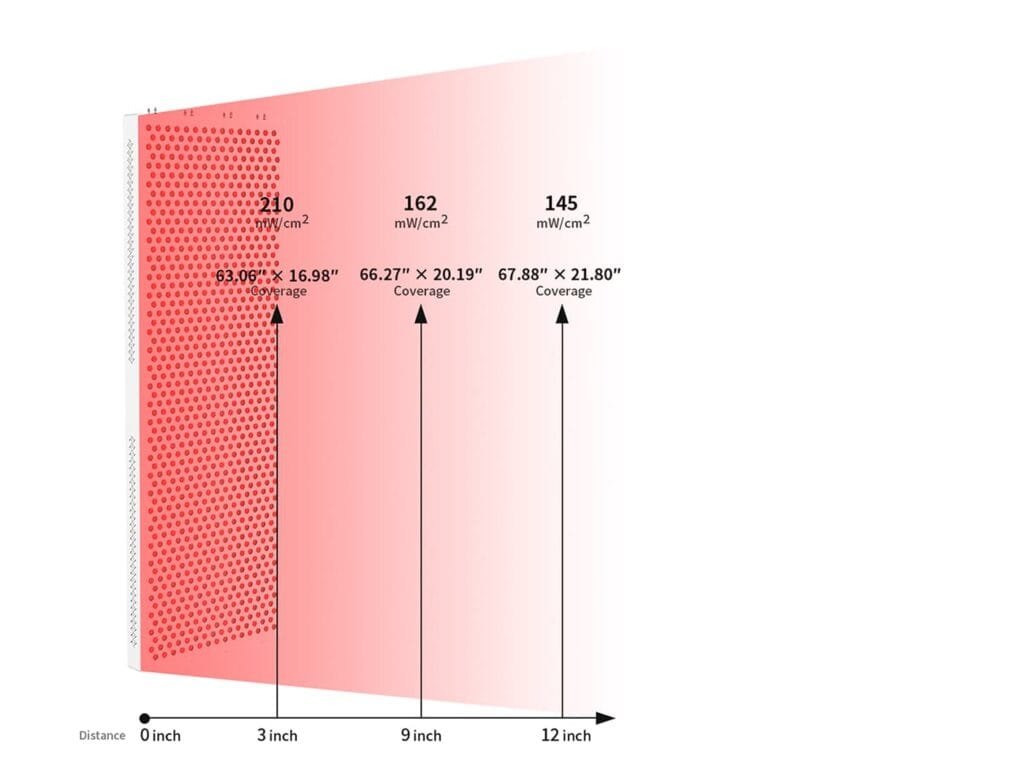
ESPLUS4500 fornisce irradianza verificata su tre distanze:
| Distanza | Irraggiamento | Area di copertura |
|---|---|---|
| 3 pollici | 210 MW/cm² | — |
| 9 pollici | 162 MW/cm² | — |
| 12 pollici | 145 MW/cm² | — |
A 9 pollici - la distanza di trattamento in piedi standard per sessioni commerciali di tutto il corpo - offre ESPLUS4500 162 MW/cm². Questa cifra supera le specifiche di irradianza di picco di molti pannelli concorrenti, ed è il numero che conta per il posizionamento commerciale: cosa riceve effettivamente il cliente durante una sessione, non ciò che il pannello emette 0 pollici in un ambiente di prova?
ESPLUS4500 utilizza un alimentatore di livello medico e un sistema di raffreddamento attivo a doppia ventola per mantenere la stabilità delle prestazioni durante sessioni di uso commerciale estese.
Parte 3 — Criterio 2: Funzionamento a doppia posizione orizzontale e verticale
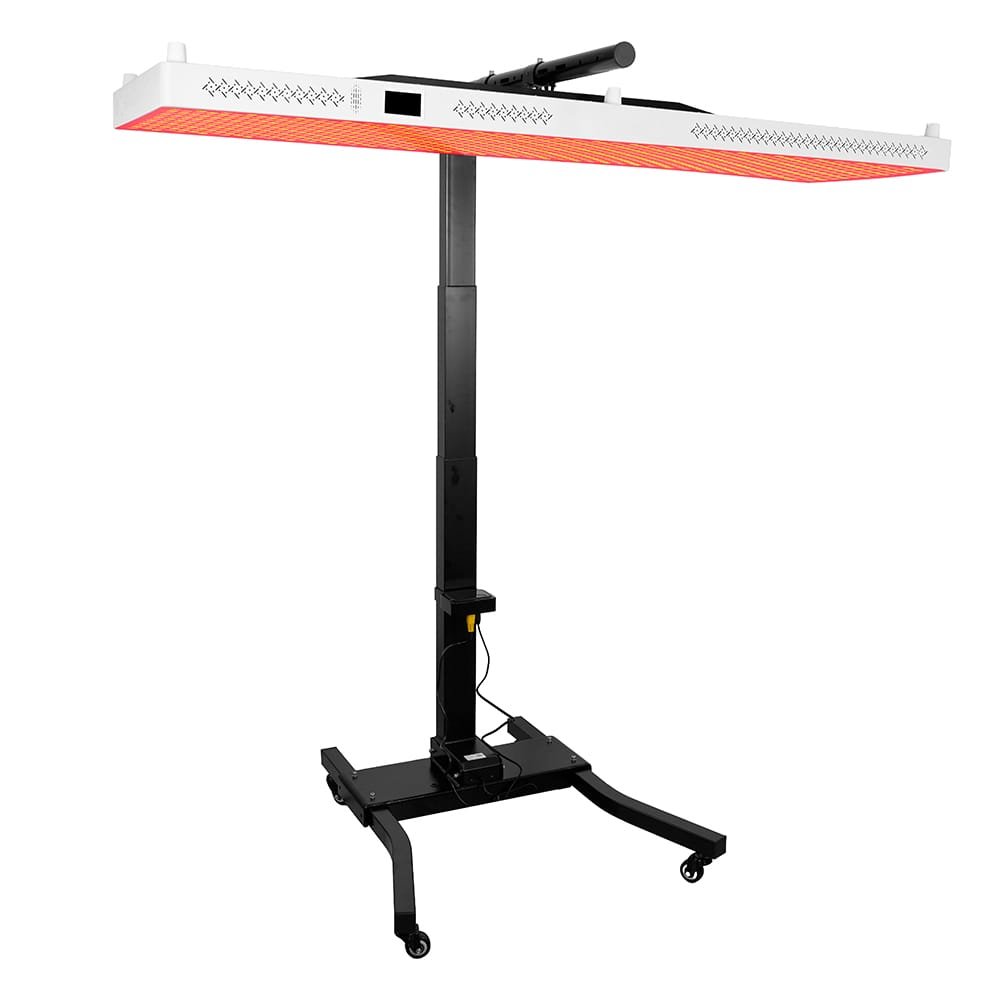
Questa è la specifica che distingue più immediatamente i pannelli di livello commerciale dai dispositivi per uso domestico ed è quella più frequentemente trascurata nella valutazione iniziale del prodotto.
Perché la posizione del trattamento è importante dal punto di vista commerciale
In un contesto di benessere domestico, la stragrande maggioranza dell'utilizzo del pannello per la terapia con luce rossa prevede lo stare in piedi o seduti davanti a un pannello montato verticalmente. Questo è un protocollo perfettamente funzionale per i singoli utenti.
In una spa commerciale, clinica, o contesto di recupero, il quadro è più complesso:
- Molti protocolli di trattamenti termali coinvolgono i clienti sdraiati su un lettino per trattamenti, con il pannello posizionato sopra la testa o ad angolo
- I protocolli di chiropratica e terapia fisica spesso mirano a specifiche aree del corpo con il cliente in posizione reclinata
- Le strutture di recupero possono utilizzare pannelli sia in configurazione in piedi che sdraiata a seconda dell'obiettivo del trattamento
- I programmi spa di hotel e resort spesso progettano le loro esclusive esperienze di benessere attorno alla terapia della luce sdraiata come servizio differenziato
Un pannello che funziona solo in verticale non può servire protocolli sdraiati. Un pannello che può ruotare fino al funzionamento orizzontale apre l'intera gamma di scenari di trattamento commerciale e amplia significativamente le opzioni di posizionamento sul mercato per i marchi che vendono nei canali professionali.
ESPLUS4500: Capacità di doppia posizione orizzontale e verticale
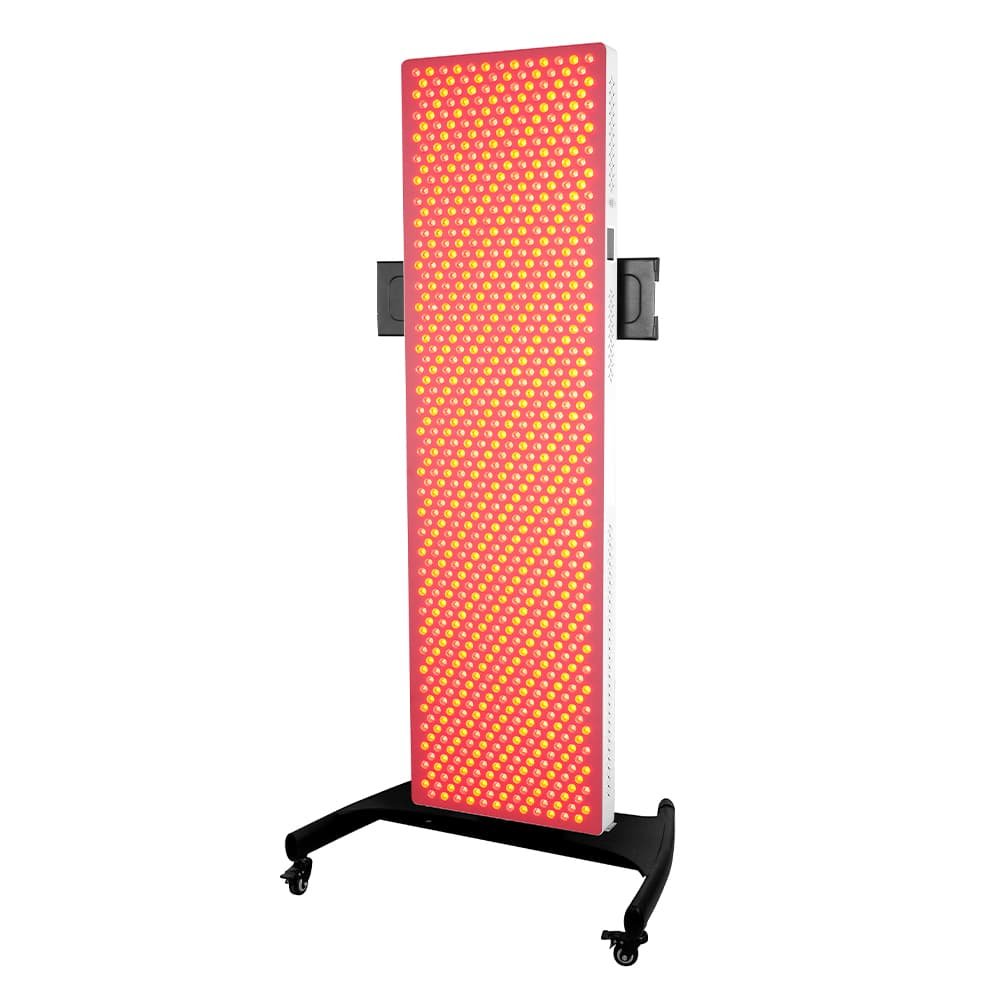
ESPLUS4500 è progettato per funzionare sia in verticale (trattamento in piedi) e orizzontale (sdraiato / trattamento a letto) posizioni. La struttura del pannello e il sistema di montaggio supportano la rotazione verso l'orientamento orizzontale, permettendo:
- Trattamento in piedi per tutto il corpo — pannello montato verticalmente ad altezza standard, il cliente sta di fronte al pannello per una copertura completa del corpo
- Trattamento da sdraiato — pannello ruotato in posizione orizzontale, montato sopra un lettino per trattamenti per la copertura sopraelevata di tutto il corpo
- Trattamento mirato dell'area — pannello posizionato a varie angolazioni per focalizzare l'area specifica del corpo sia in posizione eretta che sdraiata
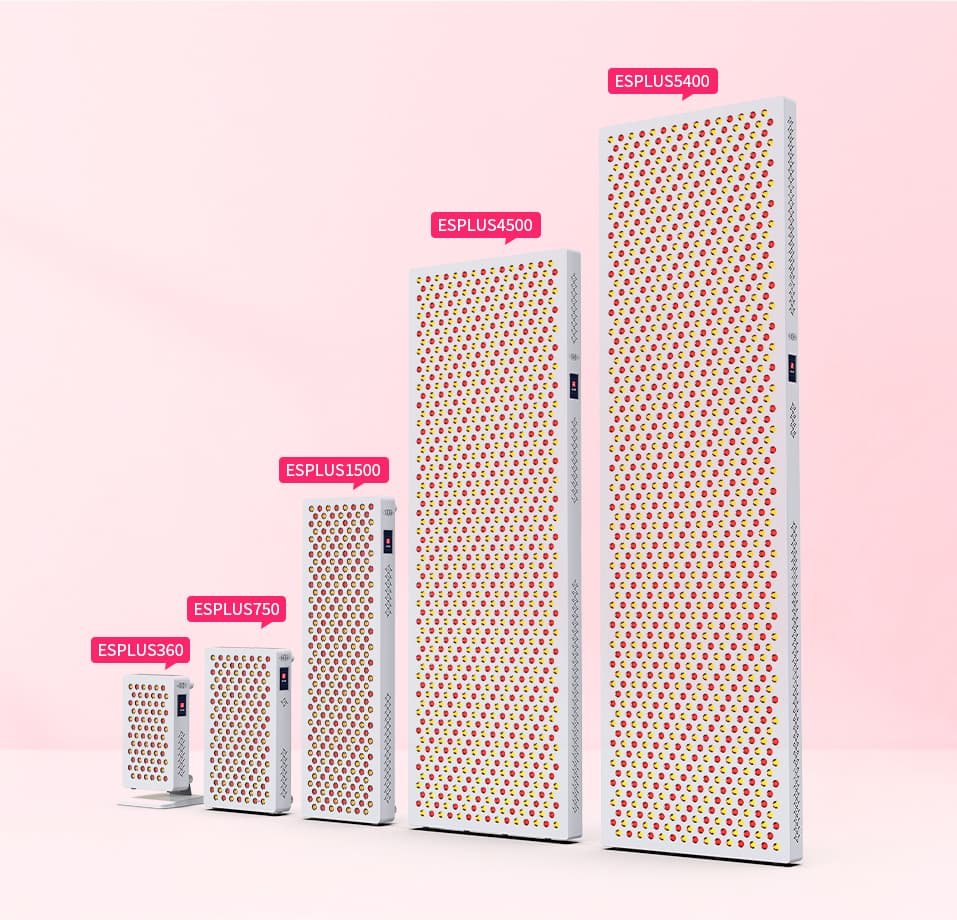
Questa funzionalità a doppia posizione è uno dei principali elementi di differenziazione tra ESPLUS4500 e ESPLUS1500, progettato per uso domestico e semiprofessionale in posizione verticale fissa.
Per i brand che costruiscono spa commerciali, clinica, o programmi di prodotti di ripristino, la capacità di funzionamento orizzontale non è opzionale. Sono le specifiche che determinano se il prodotto può effettivamente servire l'intera gamma di protocolli che gli acquirenti commerciali si aspettano.
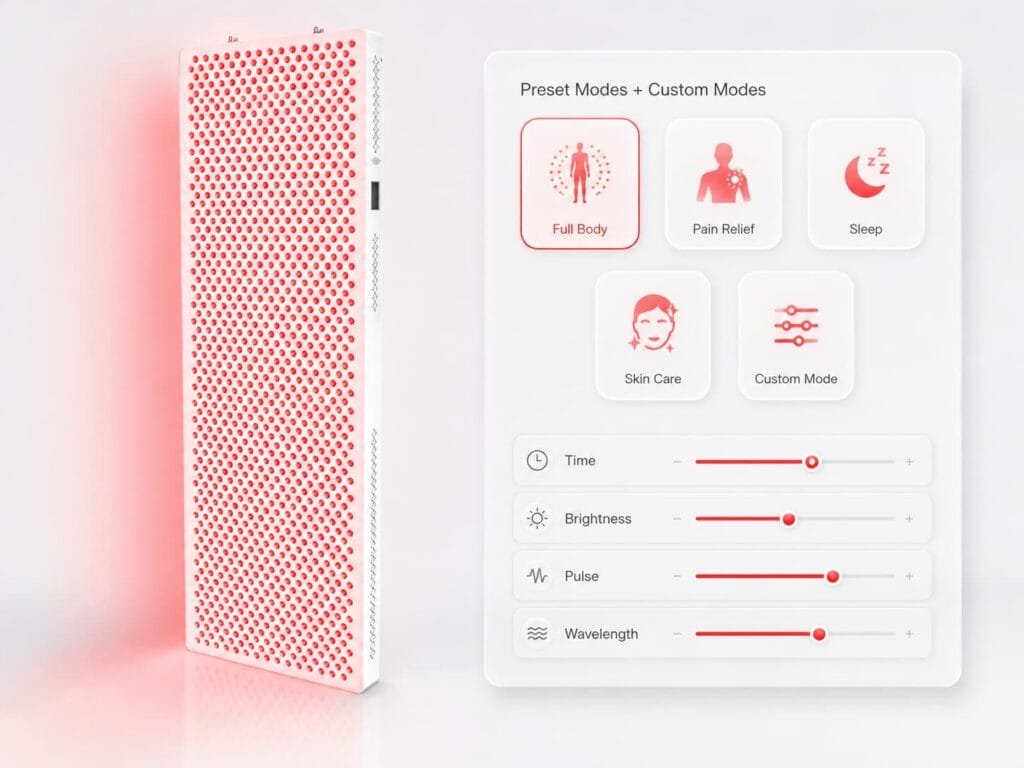
Parte 4 — Criterio 3: Ambito di certificazione per i canali commerciali
Perché i requisiti di certificazione commerciale sono più severi
I pannelli per uso domestico venduti direttamente al consumatore attraverso canali di e-commerce operano in un contesto normativo relativamente permissivo nella maggior parte dei mercati. I canali commerciali sono diversi.
Un operatore di una spa o di una clinica che acquista attrezzature per uso professionale è spesso soggetto a:
- Requisiti dell'ASL per le apparecchiature utilizzate negli ambienti di servizio
- Requisiti del sottoscrittore assicurativo per attrezzature commerciali per il benessere
- Standard di gestione delle strutture che richiedono documentazione di certificazione verificabile
- Specifiche del distributore o del franchisor per le apparecchiature approvate nelle operazioni a catena
Nei mercati regolamentati: gli Stati Uniti, Unione Europea, Regno Unito, Australia, e Canada: le attrezzature commerciali per il benessere spesso richiedono un livello di documentazione di certificazione più elevato rispetto ai prodotti per uso domestico. I comitati di posizionamento dei marchi per i canali commerciali devono confermare che l’ambito di certificazione del loro prodotto copra effettivamente l’uso professionale commerciale.
Le certificazioni che contano per il posizionamento commerciale
Documentazione della FDA — Per uso commerciale nel mercato statunitense, Registrazione FDA o 510(k) l'autorizzazione fornisce la base documentale richiesta dagli acquirenti clinici e dagli operatori della struttura. Tieni presente che l'ambito della certificazione deve essere sempre confermato dal modello del prodotto.
Marcatura CE — Necessario per l'uso commerciale nel mercato dell'UE, che copre la Direttiva Bassa Tensione, Direttiva EMC, e potenzialmente la regolamentazione dei dispositivi medici a seconda delle dichiarazioni e del canale del prodotto.
TGA (Australia) / Mdl (Canada) — Necessario per il posizionamento commerciale dei dispositivi terapeutici rispettivamente nei mercati australiano e canadese.
Iso 13485 — La certificazione del sistema di gestione della qualità che informa gli acquirenti commerciali che il processo di produzione soddisfa gli standard dei dispositivi medici. Sempre più richiesto dagli acquirenti commerciali adiacenti al settore sanitario e dai programmi di approvvigionamento di grandi strutture.
IEC 60601 — Norma di sicurezza delle apparecchiature elettromedicali, rilevante per applicazioni commerciali cliniche e ospedaliere.
ESPLUS4500 trasporta: FDA, TGA, Mdl, Ce, FCC, Rohs, e ISO 13485. Tutti i certificati includono codici di verifica che possono essere convalidati sui rispettivi database normativi ufficiali, non solo rivendicati, ma verificabile dagli acquirenti dell'approvvigionamento che richiedono la revisione della documentazione prima dell'approvazione dell'acquisto.
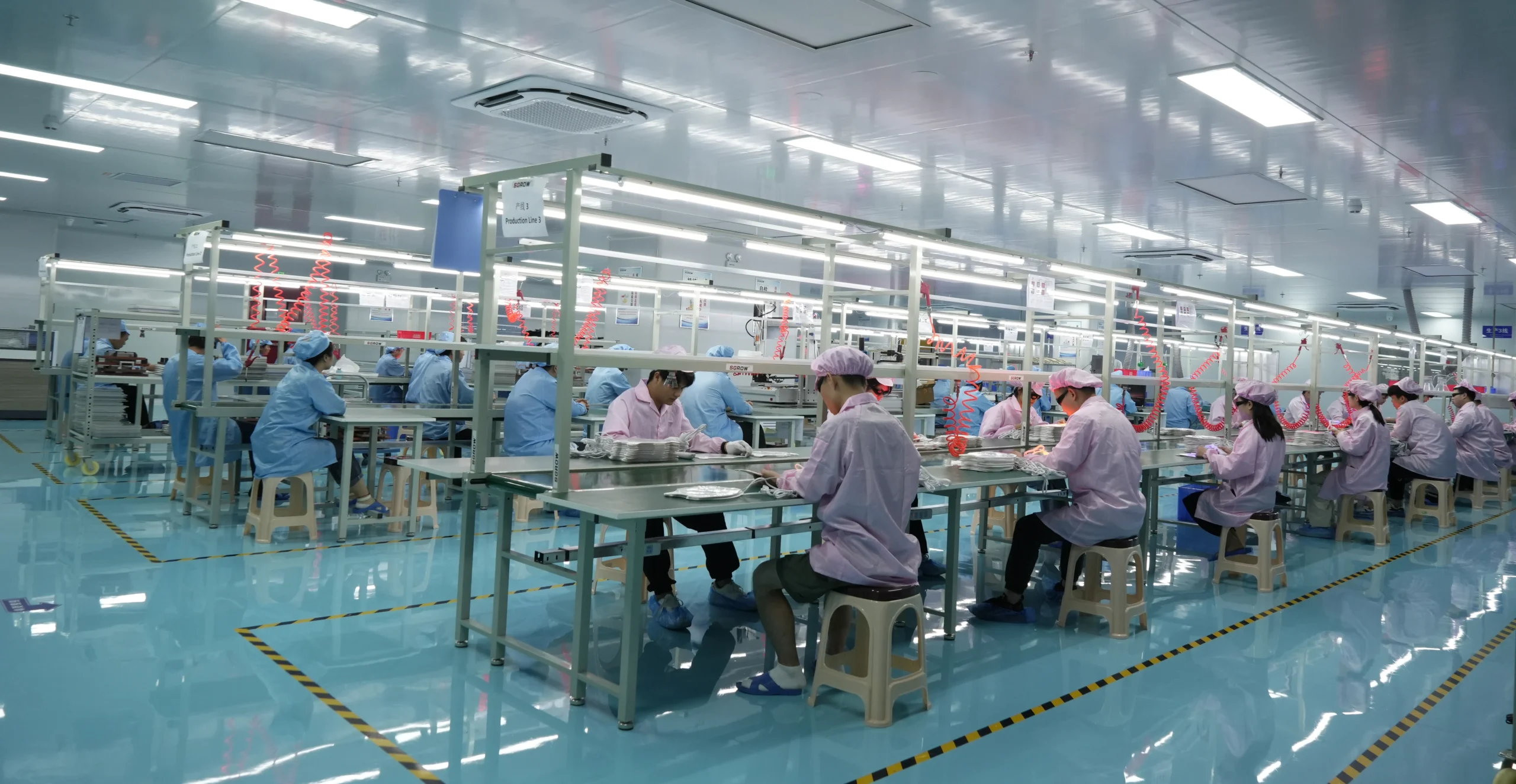
Per i partner del marchio OEM, Il team di conformità di Wakelife Beauty supporta la preparazione e la documentazione della certificazione specifica del mercato come parte del programma del prodotto commerciale.
Parte 5 — Criterio 4: Bilancia fisica per una vera copertura commerciale di tutto il corpo
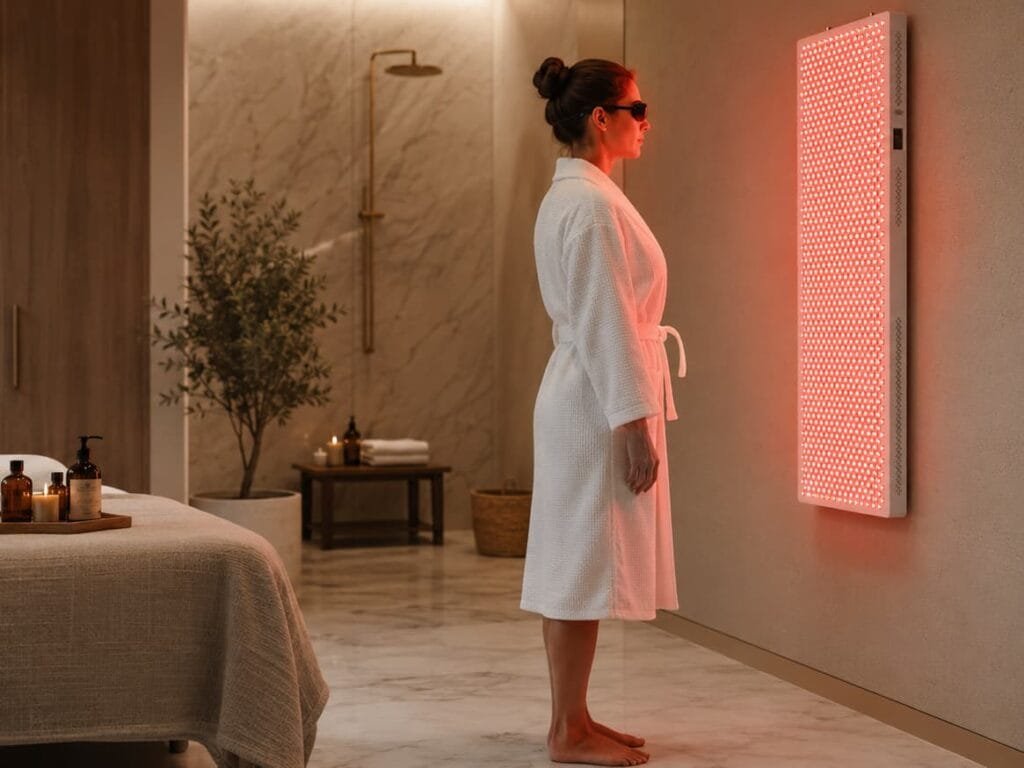
Lo standard di copertura commerciale
In un contesto di uso domestico, in genere è sufficiente un pannello che copra gran parte del busto in posizione eretta. Gli utenti possono riposizionarsi per diverse aree del corpo come parte della loro routine personale.
In un contesto commerciale, il riposizionamento è un problema. Una sessione di cure termali è un'esperienza definita con un protocollo prestabilito e una durata prestabilita. Una sessione in clinica di recupero è una fascia oraria fatturabile. Un’esperienza benessere in hotel è un servizio pensato. Nessuno di questi beneficia del riposizionamento a metà sessione e tutti soffrono quando la copertura fisica del panel non corrisponde alle aspettative di trattamento del cliente.
Affinché il posizionamento commerciale di tutto il corpo sia credibile, il pannello deve essere abbastanza grande da coprire il busto e la parte superiore delle gambe (l'area di trattamento principale per la maggior parte dei protocolli di terapia con luce rossa per tutto il corpo) senza che il cliente si muova durante la sessione.
ESPLUS4500 Bilancia fisica
| Specifiche | ESPLUS4500 | ESPLUS1500 |
|---|---|---|
| Altezza | 1,625mm | 920mm |
| Larghezza | 465mm | 300mm |
| Conteggio LED | 900 PC | 300 PC |
| Peso netto | 24 kg | 9.7 kg |
Alto 1.625 mm e largo 465 mm, ESPLUS4500 offre un'area di trattamento che copre l'intero busto e si estende fino alla parte inferiore del corpo in una posizione eretta standard. La larghezza del pannello: 465 mm vs. 300mm per ESPLUS1500: fornisce anche una copertura laterale significativamente più ampia, riducendo la necessità di un allineamento preciso tra il pannello e la posizione del cliente.
Per i brand che si rivolgono a canali commerciali in cui l'esperienza del cliente è il prodotto, questa differenza di scala fisica è direttamente rilevante per la qualità del servizio offerto dal prodotto.
Parte 6 — Criterio 5: Personalizzazione OEM per programmi di marchi commerciali
Perché i prodotti generici hanno prestazioni inferiori nei canali commerciali
Un importante gruppo termale, un marchio di cliniche chiropratiche, oppure una catena di palestre premium non vuole che la propria sala trattamenti sia dotata di un prodotto che porta il marchio di un produttore. Vogliono la propria identità di prodotto, o almeno, un prodotto che sembra sia stato selezionato e specificato dal loro marchio, non provenienti da un catalogo.
Per i marchi che creano programmi di prodotti commerciali, La profondità della personalizzazione OEM determina se l'opportunità del canale commerciale è effettivamente accessibile o se il prodotto sarà sempre posizionato come articolo nel catalogo di un fornitore.
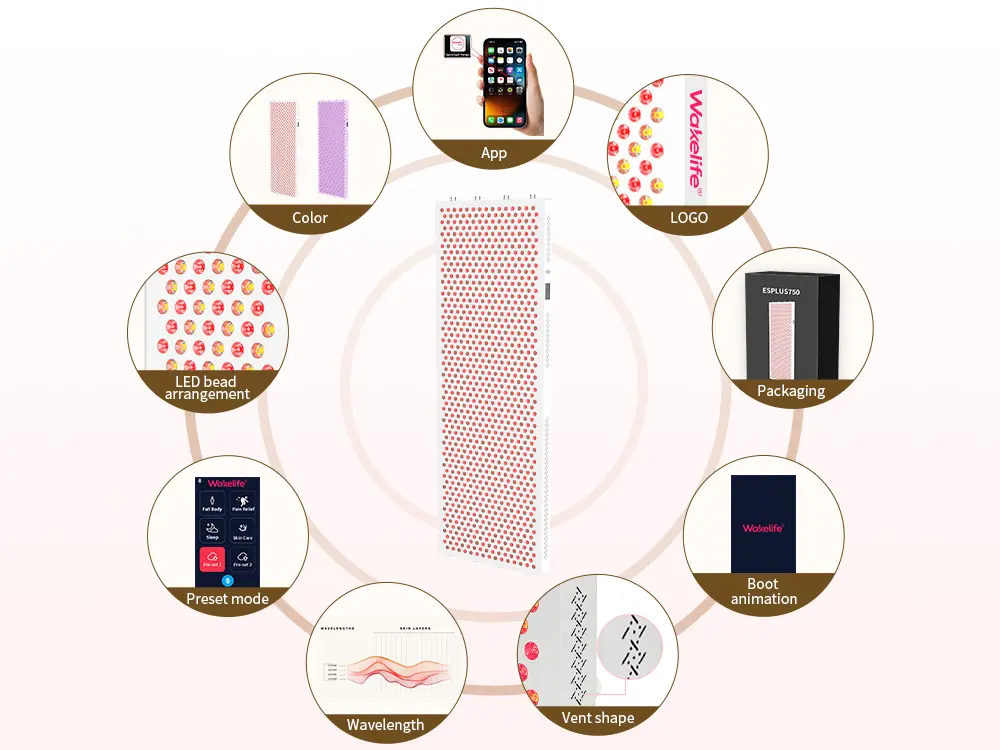
Strato di marchio:
- Logo personalizzato (inciso al laser, serigrafia, o distintivo in metallo)
- Imballaggio e documentazione personalizzati
- Manuale utente personalizzato e guida rapida
- Scheda di garanzia personalizzata e inserti marchiati
Strato hardware:
- Colore dell'alloggiamento e finitura superficiale personalizzati
- Modello di ventilazione personalizzato e design della staffa
- Layout del pannello di controllo personalizzato
- Configurazioni personalizzate della lunghezza d'onda
Strato software:
- APP Bluetooth marchiata (iOS + Androide)
- Interfaccia APP personalizzata e identità del marchio
- Nomi e protocolli di modalità di trattamento preimpostati personalizzati
- Marchio incorporato nel firmware del dispositivo
Per i programmi di approvvigionamento di strutture a catena: gruppi di hotel spa, catene di resort benessere, operatori in franchising: la personalizzazione del livello software è particolarmente preziosa: un'APP brandizzata che controlla tutti i pannelli in tutte le sedi, con i nomi delle modalità e i protocolli di trattamento propri del marchio, crea un ecosistema di prodotti connessi che un'interfaccia generica del produttore non può replicare.
Il MOQ per la personalizzazione del marchio del distributore parte da 10-50 unità. Sviluppo OEM completo da 50 unità. Diritti esclusivi di distribuzione territoriale disponibili per i programmi impegnati 1,000+ unità all'anno.
Parte 7 — ESPLUS4500 rispetto a ESPLUS1500: Scegliere la piattaforma giusta per il tuo programma commerciale
La domanda più comune dei partner OEM che valutano la serie ESPLUS per i programmi commerciali è: quando inizia il 4500 avere più senso del 1500?
- Il target del tuo canale commerciale è spa e salone entry-level — strutture che desiderano un aspetto professionale senza un grande ingombro del pannello
- Tuo posizionamento dei prezzi mira al livello professionale accessibile piuttosto che al livello di punta commerciale completo
- La disposizione della struttura lo fa non richiedono protocolli di trattamento in posizione sdraiata — ESPLUS1500 è fisso verticale
- Sei costruire una linea di prodotti dove ESPLUS1500 funge da modello di ingresso commerciale e ESPLUS4500 come aggiornamento di punta
- Il tuo obiettivo è centro termale premium, centro termale medico, clinica chiropratica, o ripristino ad alte prestazioni — canali in cui è prevista la capacità del protocollo sdraiato
- Il tuo marchio ha bisogno di a ammiraglia commerciale che fissa il top della vostra linea di prodotti con specifiche che vincono i confronti tra specifiche
- Il programma della struttura include lettini per trattamenti sdraiati come parte della progettazione del servizio
- Tuo acquirenti degli appalti richiedono documentazione di certificazione di livello commerciale che vada oltre le norme FCC/CE di base
- Ti stai equipaggiando strutture a catena o multisede dove la coerenza del prodotto e l'identità OEM sono requisiti di approvvigionamento
La strategia della linea commerciale a due prodotti
Per i marchi con la capacità di gestire due SKU commerciali, l'architettura più efficace è:
ESPLUS1500 come modello di ingresso commerciale - ingombro ridotto, punto di prezzo più basso, verticale fisso, adatto per spa boutique, salone, e ambienti studio
ESPLUS4500 come ammiraglia commerciale — copertura più ampia, capacità orizzontale/verticale, maggiore irradianza, certificazione commerciale completa, adatto per spa premium, clinica, e programmi per strutture multisede
Questa struttura a più livelli offre agli acquirenti commerciali un percorso di aggiornamento, supporta un valore medio del programma più elevato, e posiziona il marchio in una gamma più ampia di tipologie di strutture e livelli di budget.
Conclusione: La terapia commerciale a luce rossa è una decisione di acquisto diversa
La categoria del pannello per la terapia con luce rossa è abbastanza maturo da consentire alla maggior parte dei marchi e dei distributori di comprendere le specifiche di base. Ciò che distingue i programmi commerciali di successo da quelli infruttuosi non è la conoscenza delle specifiche, ma la comprensione di come tali specifiche si traducono in prestazioni di utilizzo commerciale.
Stabilità dell'irraggiamento sotto carico multisessione giornaliero. Possibilità di trattamento orizzontale per protocolli sdraiati. Documentazione di certificazione che soddisfa i requisiti dell'operatore della struttura e dell'acquirente dell'approvvigionamento. Una scala fisica che offre la copertura completa del corpo che i clienti commerciali si aspettano. Identità OEM che posiziona il prodotto come proprio del marchio, non l'articolo del catalogo di un fornitore.
ESPLUS4500 è progettato per soddisfare tutti e cinque questi requisiti commerciali in un'unica piattaforma: con 900 LED a doppio chip, 1625copertura su scala commerciale mm, funzionamento a doppia posizione orizzontale/verticale, 210 a mW/cm² 3 pollici, certificazione commerciale completa, e personalizzazione OEM attraverso il marchio, hardware, e livelli software.
Lettura correlata
- Pannelli per terapia con luce rossa su tutto il corpo per marchi: Guida OEM/ODM — Come le specifiche del pannello full-body si traducono nel posizionamento del marchio
- Come scegliere un pannello per la terapia della luce rossa per il tuo marchio: 6 Criteri che contano davvero — Il quadro completo di sourcing B2B
- Processo di sviluppo del dispositivo per la terapia della luce rossa: Lezioni dai fallimenti del mondo reale — In che modo lo sviluppo strutturato protegge il vostro investimento OEM
Pronto a valutare ESPLUS4500 per il tuo programma commerciale?
Se stai acquistando un pannello commerciale per la terapia della luce rossa per una spa, clinica, palestra, impianto di recupero, o marchio di benessere multi-sede, Il team OEM di Wakelife Beauty può aiutarti:
- Verifica se ESPLUS4500 o ESPLUS1500 è la piattaforma giusta per il tuo canale commerciale
- Rivedi la configurazione del funzionamento orizzontale/verticale per il layout specifico della tua struttura
- Fornisci la documentazione di certificazione per i requisiti di approvvigionamento del tuo mercato di riferimento
- Discuti le opzioni di personalizzazione OEM e il MOQ per l'ambito del tuo programma
- Richiedi campioni e un preventivo per il programma commerciale
Per favore condividi quanto segue quando ti contatti:
- Tipo di canale di destinazione (terme / clinica / palestra / recupero / impianto di catena)
- Mercato di riferimento e requisiti di certificazione
- Volume del programma stimato
- Requisiti di personalizzazione
- Cronologia di implementazione prevista
👉 Visualizza le specifiche complete di ESPLUS4500: https://wakelifebeauty.com/product/wholesale-esplus4500-commercial-red-light-therapy-panel/
👉 Visualizza ESPLUS1500 per il confronto: https://wakelifebeauty.com/product/esplus1500-oem-odm-premium-full-body-red-light-therapy-panel/
👉 Esplora i nostri servizi OEM/ODM: https://wakelifebeauty.com/oem-odm/
👉 Esamina le nostre credenziali di qualità e conformità: https://wakelifebeauty.com/quality-compliance/