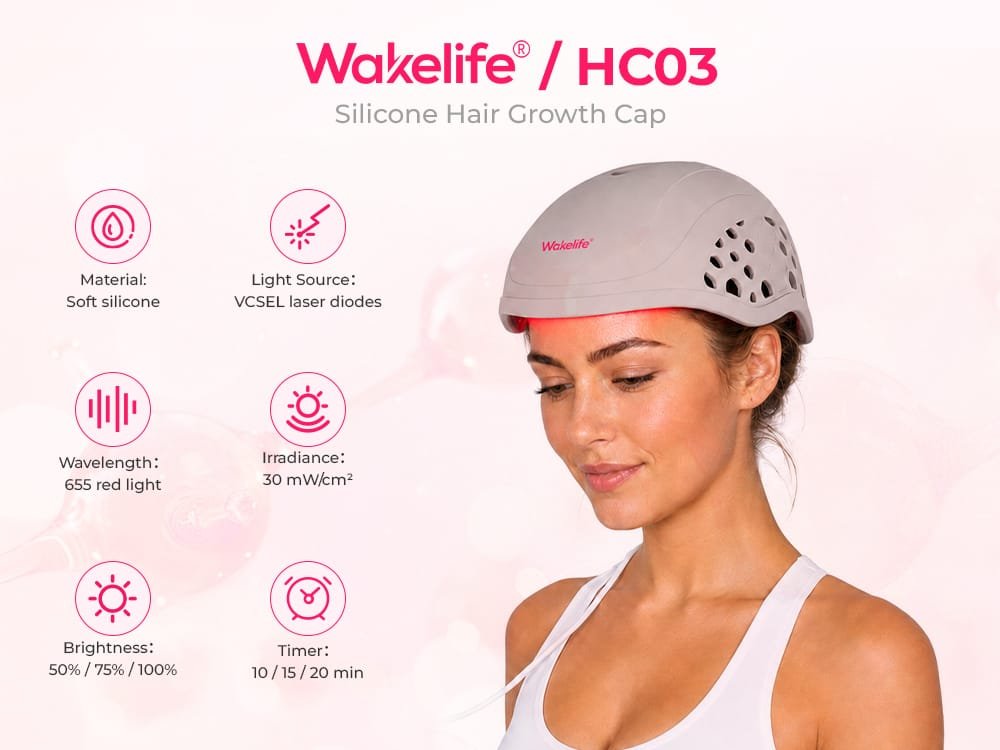
Start with what your salon intends to do with the device. For in-salon use, first establish whether the exact device supports the proposed service workflow. To sell an existing brand, clarify the sales arrangement and customer support. To launch your own brand, define a product project with a manufacturing partner.
These are different purchasing questions. Asking only for a catalog and a wholesale price leaves the supplier guessing which one you need answered.
A salon can use more than one route. You might sell an established brand without offering device sessions, or develop a branded home-use product without using it on clients in the salon. Private label is a brand decision; it does not determine where a device may be used. When activities overlap, check the requirements for each separately.
Which Purchasing Route Matches Your Plan?
| Your main aim | Starting route | What to clarify before committing | What does not settle the decision |
|---|---|---|---|
| Keep equipment in the salon for a proposed client service | In-salon equipment evaluation | Supported users and setting, instructions, cleaning and turnaround, staff operation, service support | A “professional” description or the fact that the device is sold to salons |
| Offer an existing brand's devices for clients to use at home | Resale or referral arrangement | Who sells and ships, whose branding stays on the product, permitted channels, returns and warranty support | A discounted unit price or possession of a demonstration unit |
| Offer a device under your salon's own brand | Private-label project, or a wider development project if the device changes | Selected platform, portée de la marque, marché cible, documentation, approved sample and support ownership | A logo mockup or a minimum-order quote |
The table identifies what to investigate. It does not approve a device, establish profitability or turn these routes into three stages every salon should follow.
Buying a Device to Use in the Salon
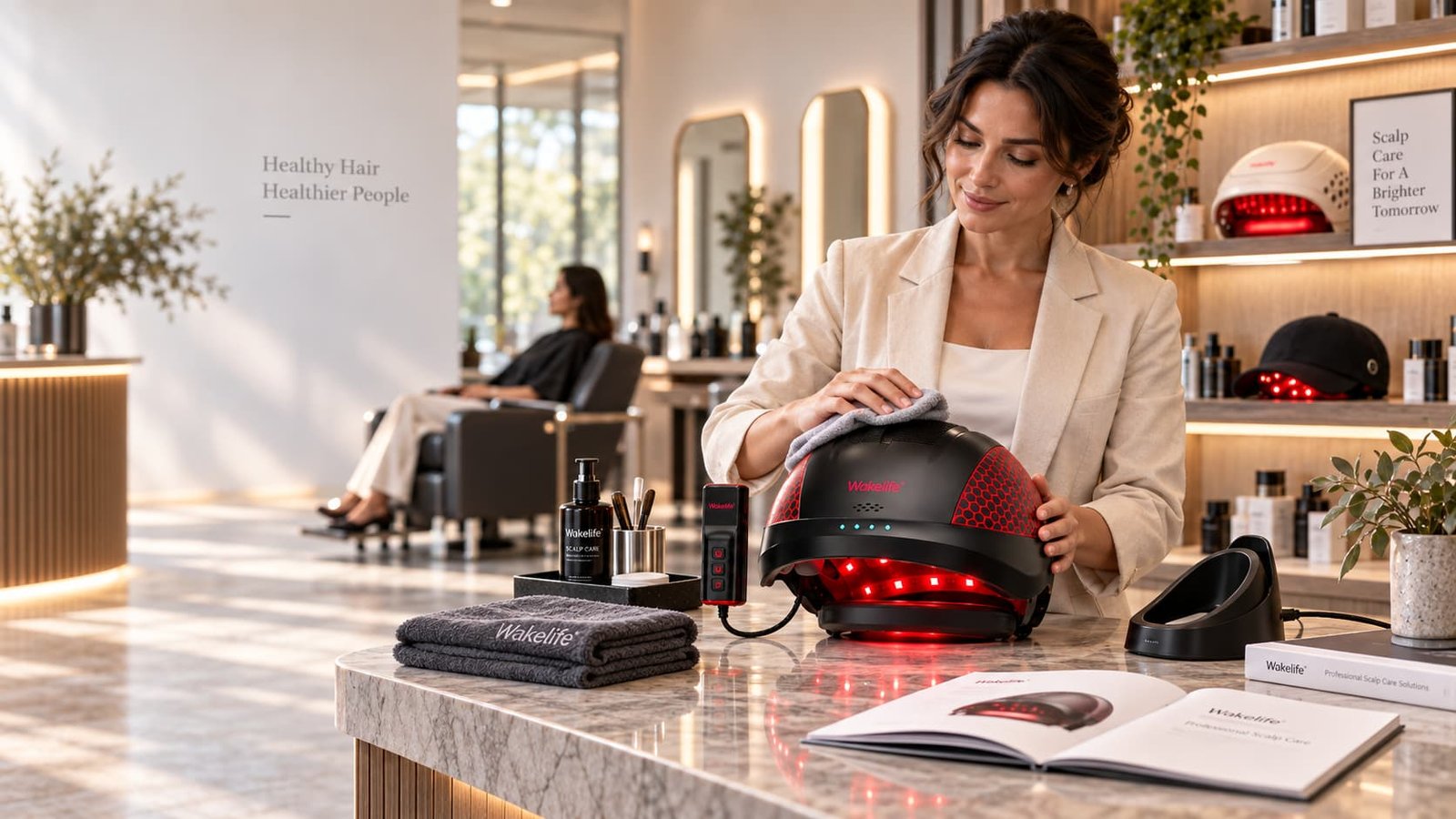
For this route, your first request should describe the intended service rather than a branding package. State who would operate the equipment, whether it would be assigned to one client or shared, and what else would happen during the appointment.
Ask for the exact device’s instructions and written clarification of the proposed use. Include the cleaning process, compatible products, contact parts, drying or reset requirements, charging and service arrangements. If a supplier cannot establish that the device supports your proposed workflow, keep the purchase at the evaluation stage.
Cleaning is a useful early check because your salon’s usual method may not suit the equipment. Par exemple, Hairmax’s published care instructions for the Ultima 12 Classic LaserComb specifically exclude alcohol among the cleaning products that may be used. That is a restriction for that named device, not a cleaning rule for every laser comb. It also does not establish a disinfection process for sharing the device between clients. Hairmax Ultima 12 Classic care instructions.
De même, describe any planned use alongside coloring, washing or other scalp services instead of assuming they can happen together. Have the manufacturer address the combination against the device instructions before building it into your service menu. Staff supervision alone does not answer questions about the device’s supported use.
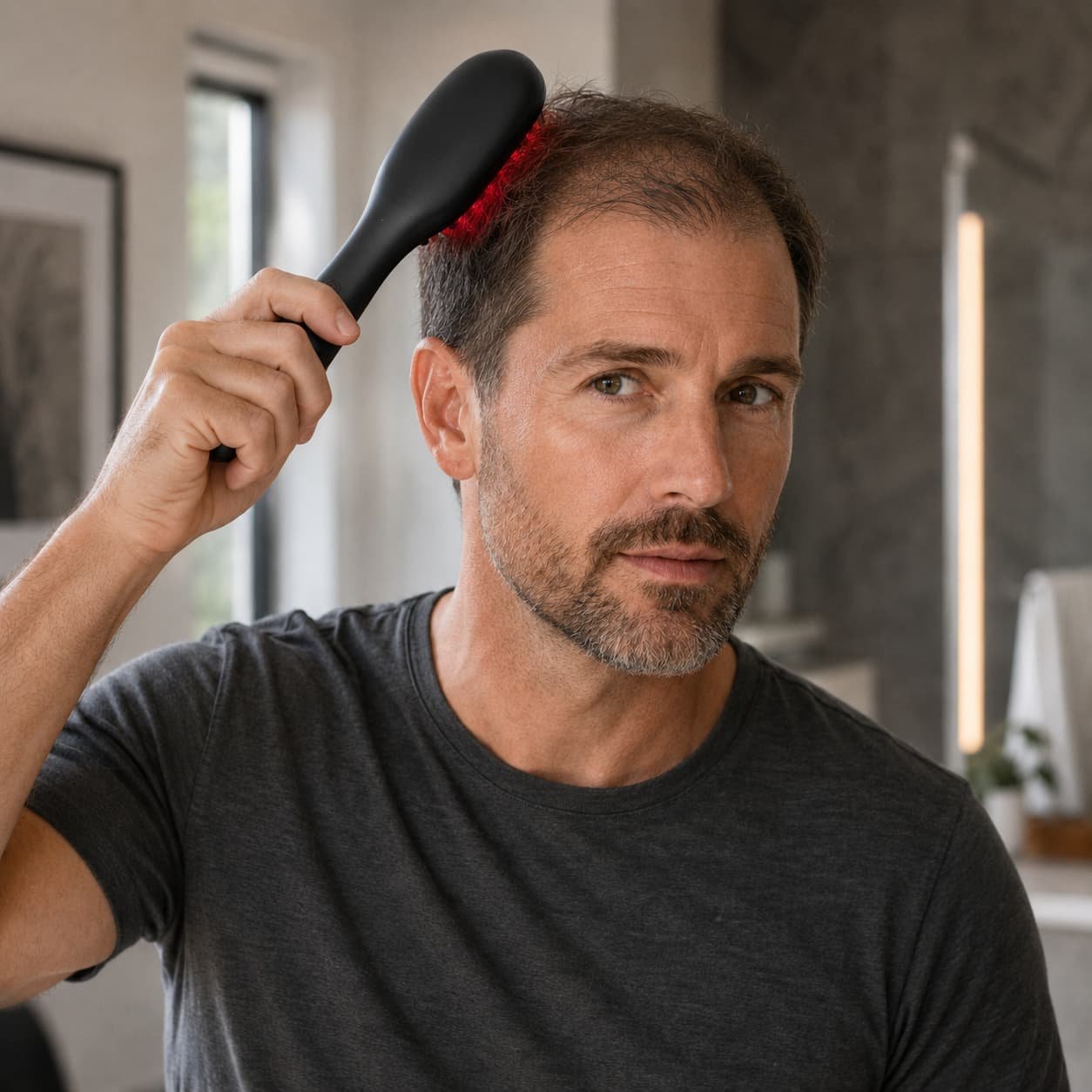
Once those questions are resolved, evaluate the full appointment workflow: préparation, positionnement, opération, nettoyage, réinitialisation et stockage. Include staff time and equipment downtime in your plan. A sample can help assess handling and operational fit; a short trial does not establish hair-growth results.
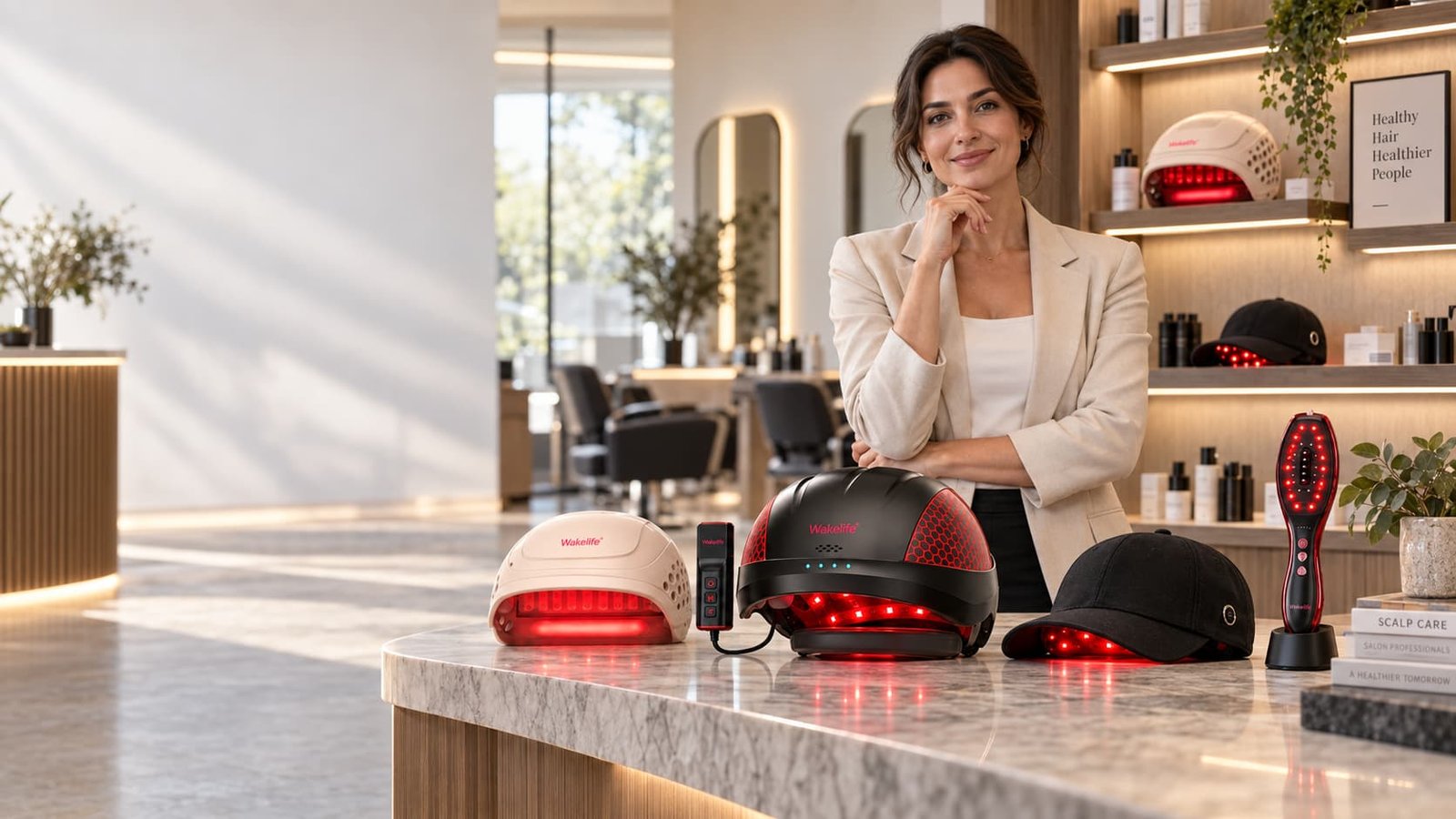
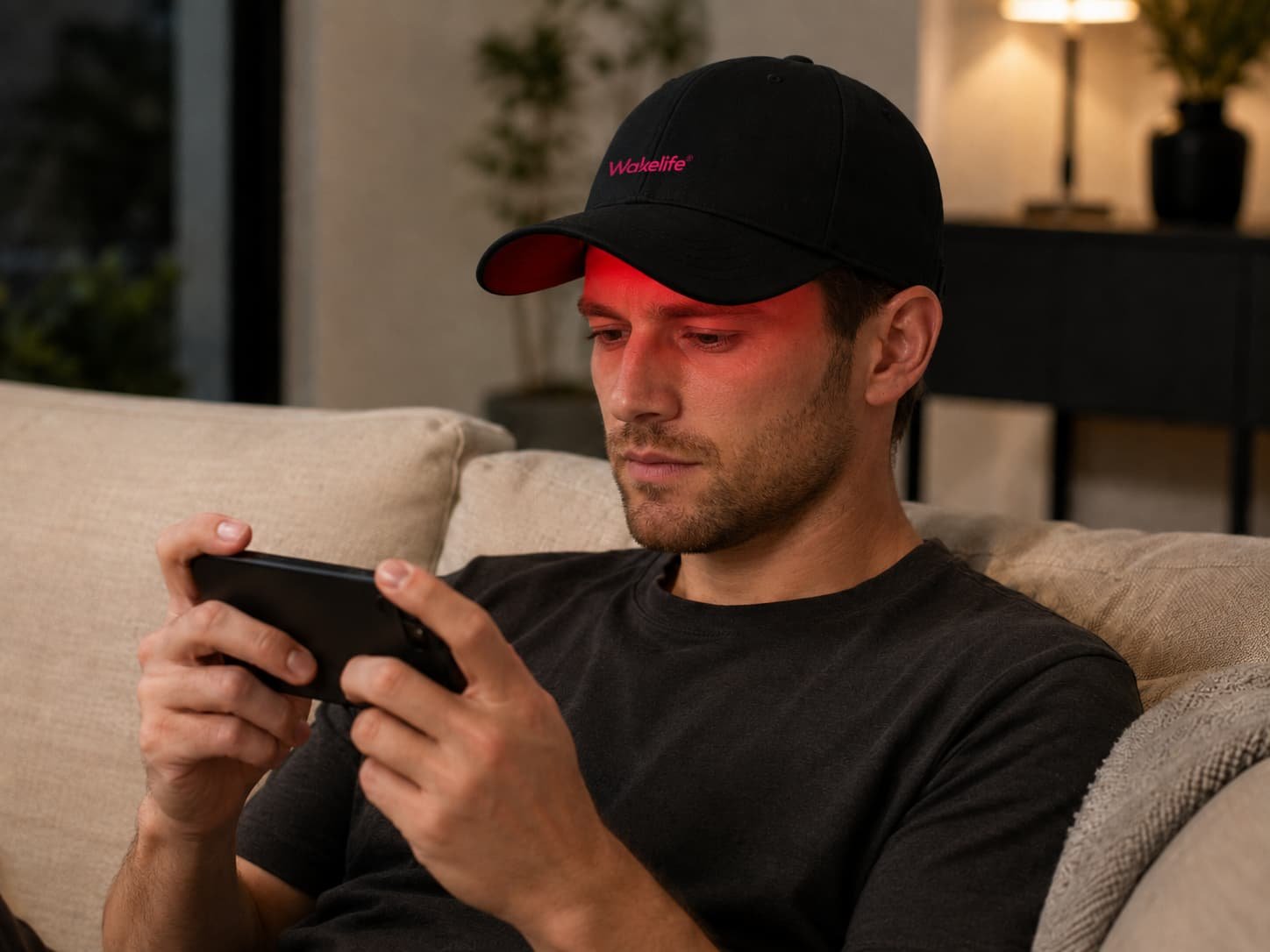
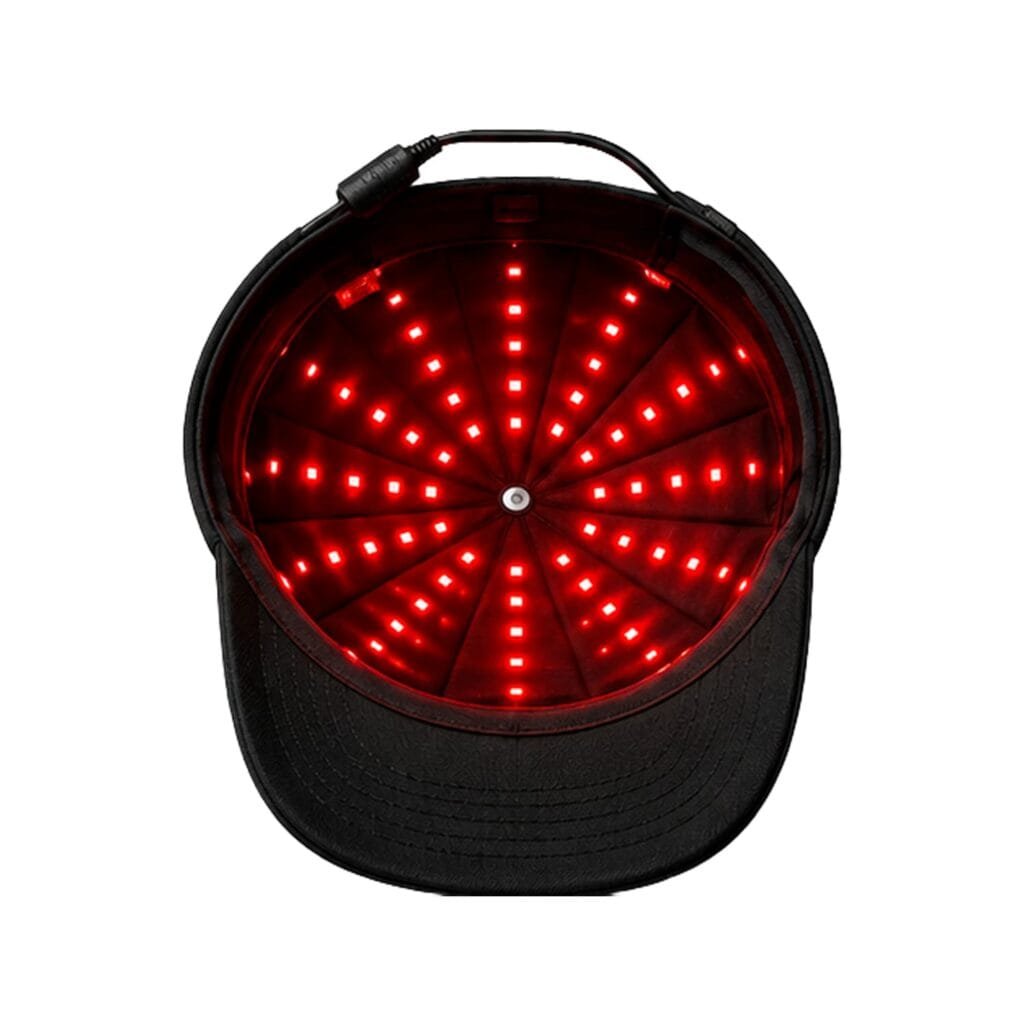
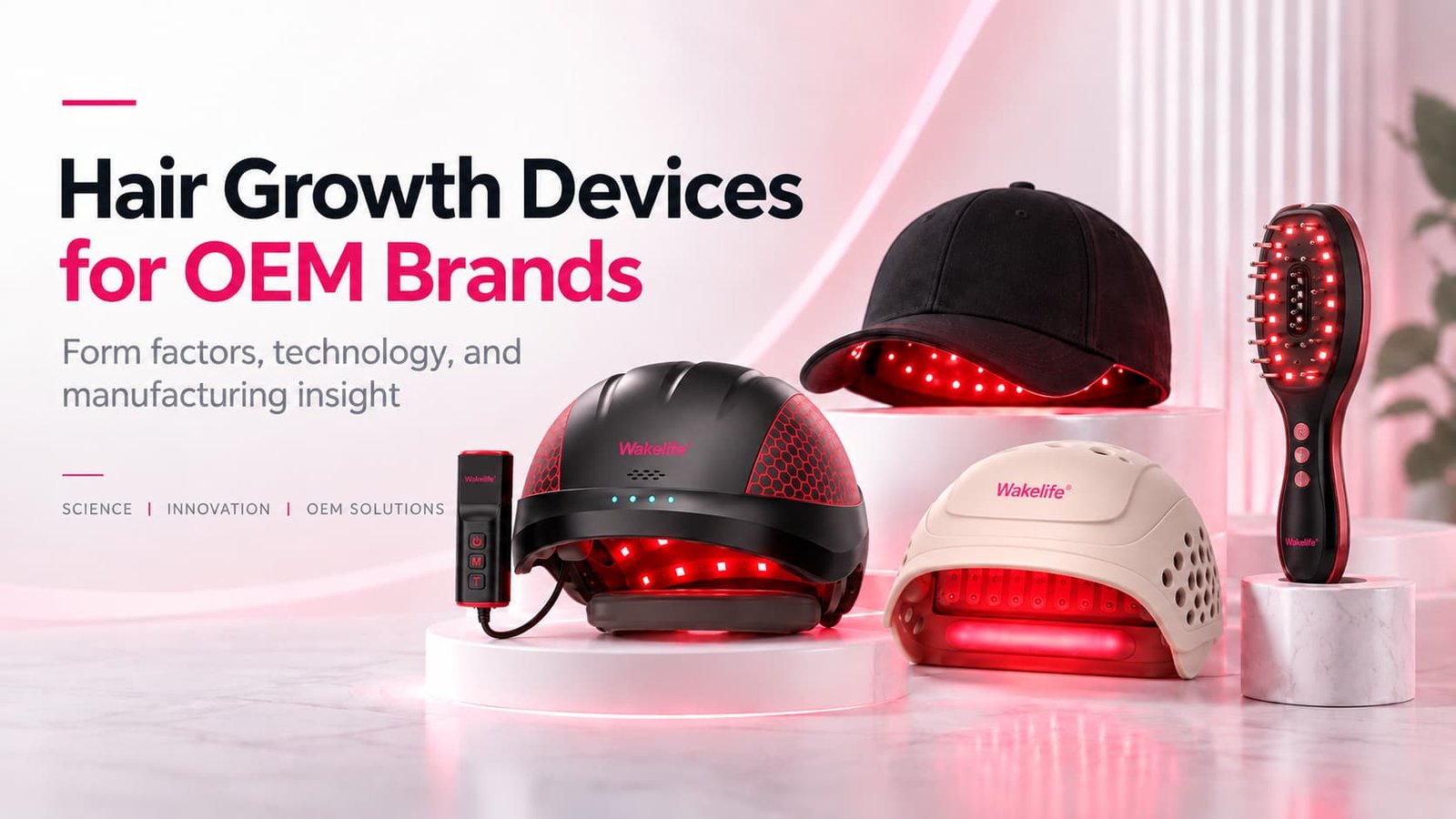
Choose the format after defining the workflow. Wakelife capuchon, helmet and comb comparison addresses that next decision.
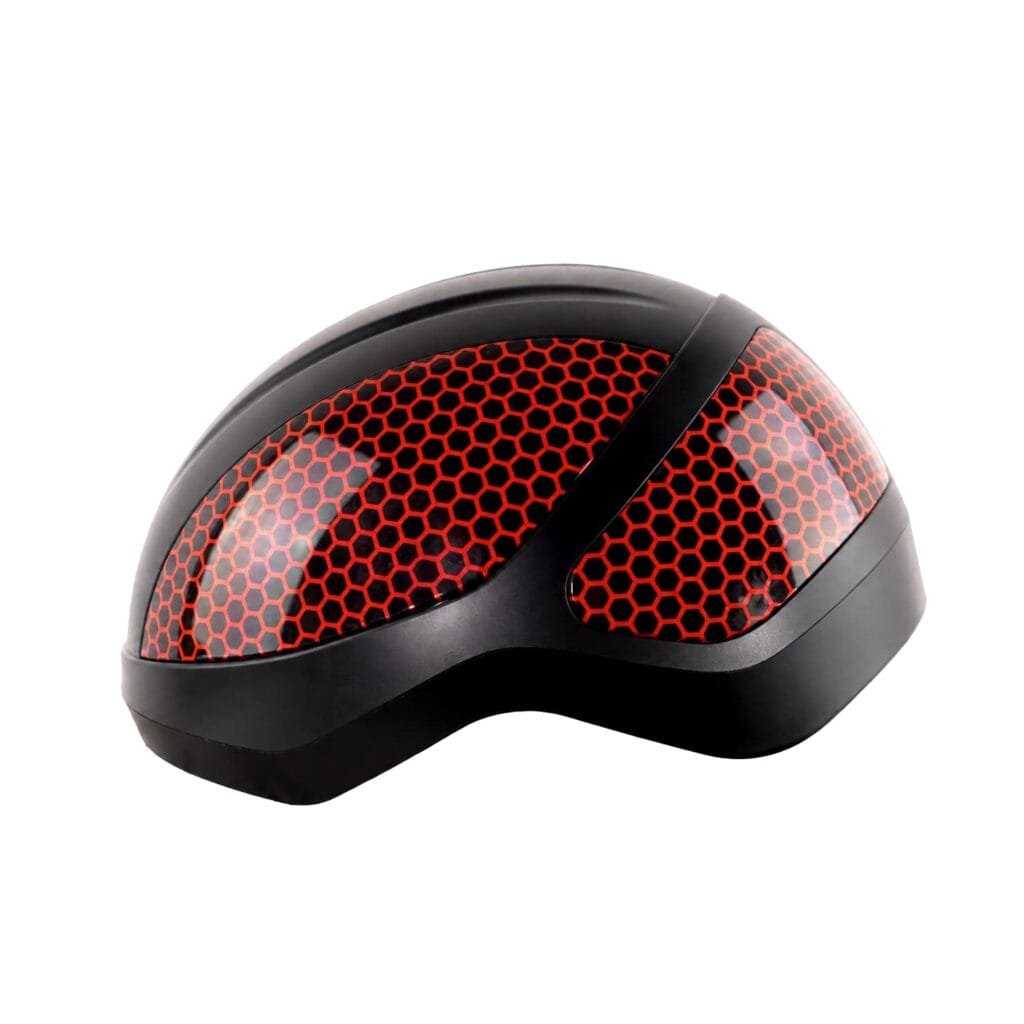
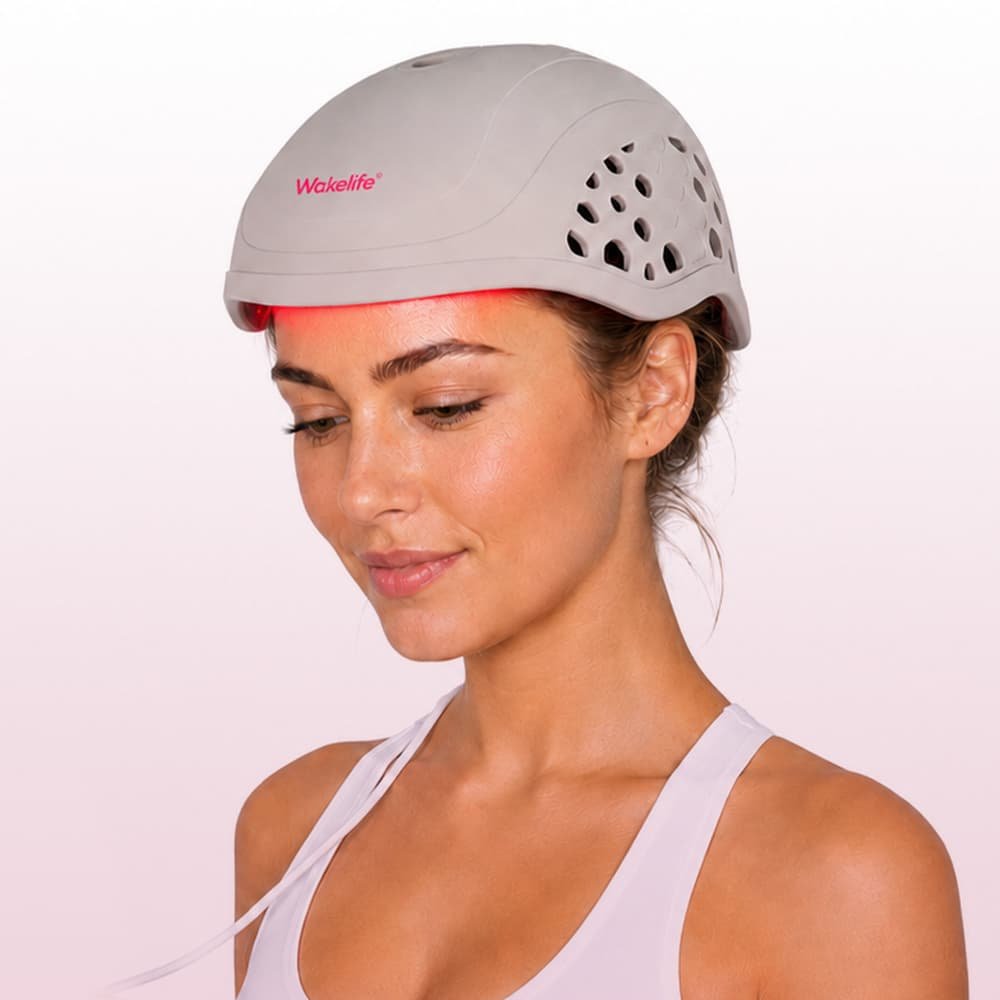
Selling an Existing Brand to Your Clients
If clients will buy a device for home use under its existing brand, you are evaluating a sales relationship. You do not need to begin with custom packaging or product development.
First separate resale depuis referral:
- Resale: your business sells the product. Confirm the stock and fulfillment arrangement, sales channels, customer paperwork, returns and warranty handoff.
- Referral: you introduce the customer to a supplier or brand that completes the sale, under an agreed referral arrangement. Confirm how purchases are attributed, how compensation works and where the customer receives support.
Both arrangements exist in the hair-device market. Theradome’s reseller/distributor page asks applicants for business and regional details before its team evaluates the opportunity. Hairmax’s Professional Partner Network describes a code-based recommendation program, including eligibility categories such as hair stylists and barbers. These are examples of different commercial arrangements, not recommendations or confirmation that a particular salon will be accepted. Theradome partnership process, Hairmax Professional Partner Network.
Before agreeing, get clear answers to four practical questions:
- Who takes the customer’s payment and sends the device? Specify whether the salon holds stock, a supplier fulfills orders, or the customer purchases directly from the brand.
- What may the salon advertise and where may it sell? Ask about approved product information, atouts de la marque, online channels and regional availability.
- Who handles a problem after purchase? Agree on the first contact, return process, warranty service and escalation route.
- What costs and conditions apply? Review the actual wholesale or referral terms, shipping, stock commitments and returns before estimating the commercial opportunity.
If you also want to demonstrate the device on clients, assess that activity separately. A reseller relationship is not, par lui-même, evidence that a device is suitable for repeated in-salon use.
Launching a Device Under Your Salon’s Brand
Choose this route when your objective is a branded product offering and your team is ready to manage the work around it. The question becomes: which platform, documents, packaging and support arrangements can form a coherent product for your intended customer and market?
Begin with a defined customer task and one proposed configuration. Assign people to approve the sample, artwork and customer-facing information, and to coordinate complaints, returns and service with the manufacturing partner. Write down the division of work; do not assume the supplier will manage every customer interaction after delivery.
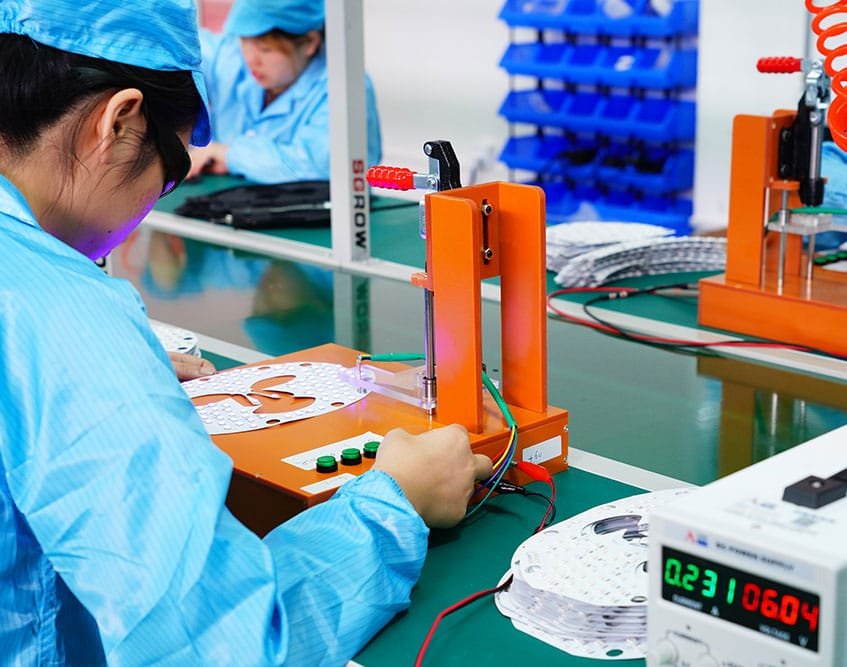
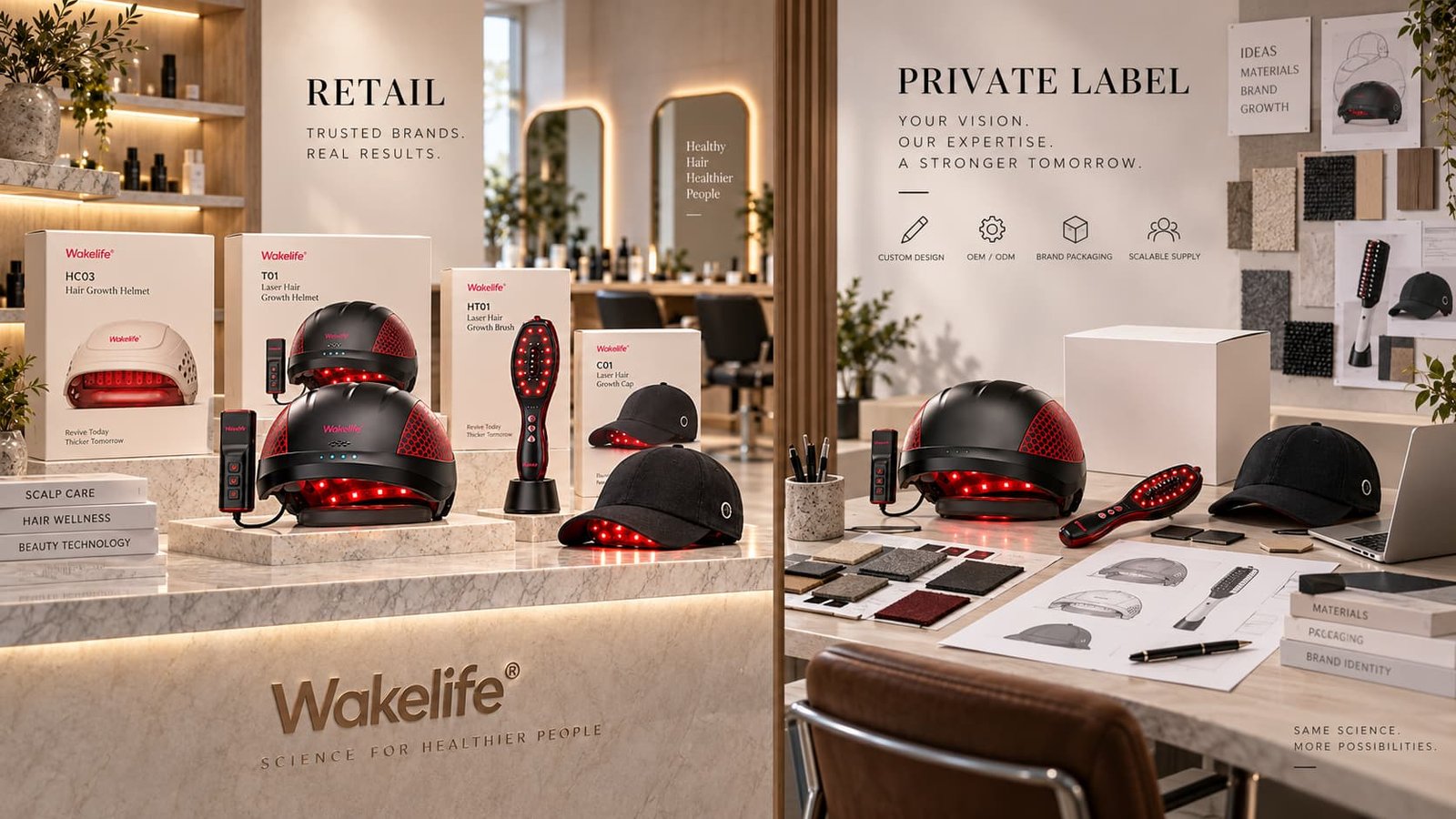
An existing platform may be a starting point for logo, packaging and manual options. Wakelife describes that scope on its private-label service page, with availability confirmed against the selected model, configuration and project. Changes to the device itself need a separate technical assessment; describe them explicitly rather than hiding them inside a request for “our own brand.”
Before approving artwork or production, ask which documents apply to the quoted configuration and intended market, which customer-facing statements they support, and who will review outstanding requirements. A commercial agreement is not a substitute for the relevant market review. This article does not assign legal manufacturer, importer or distributor roles.
Compare the whole proposed project: échantillons, branding work, packaging quantities, besoins en matière de documentation, production terms, freight, spare parts and after-sales support. Use written project quotations. There is no single order quantity, launch time or margin that can be inferred just because the buyer is a salon.
Private label also need not follow a period of selling another brand. What matters is whether you have a clear product purpose, evidence of customer interest and people responsible for the decisions and support. If those are missing, resolve them before committing to a branded production order.
For the wider manufacturing and supplier assessment, continue to Wakelife’s Guide OEM/ODM du dispositif de croissance des cheveux.
What Should You Send With Your First Inquiry?
Give the supplier enough information to answer the correct purchasing question. You can adapt this short brief:
We operate a salon or scalp-care business in [country/region]. Our main plan is [in-salon use / resale of an existing brand / our own-brand product]. We also plan [any separate demonstration, referral or other activity].
The intended user is [staff or customer], and the device would be used [in the salon or at home; assigned to one user or proposed for sharing]. Our preferred format is [if decided].
We need [evaluation units / resale stock / a branded production proposal]. Please separate any sample request from the planned order quantity.
Please identify the suitable configuration, applicable instructions and documents, quotation scope, and responsibilities for training, fulfillment, returns and service. Our intended launch timing and any requested product changes are [details].
Treat the answers as a way to decide what to evaluate next. They are not approval to offer a service or launch a product. If you are pursuing two activities, ask the supplier to address each one explicitly rather than quote an undefined “salon package.”
Take the Next Step for Your Chosen Route
For equipment evaluation, browse Wakelife’s hair-growth device platforms and ask about the exact configuration and proposed setting. The category page is a starting point for selection, not confirmation that every listed device supports salon use.
For an existing brand’s resale or referral program, speak to that brand’s channel team about its current terms. For your own-brand product, send the brief through Wakelife’s private-label project inquiry.
Make the intended use and brand relationship clear first. The device shortlist, quotation and support discussion can then answer the job your business actually needs done.
Références
-
1
Hairmax. Ultima 12 Classic LaserComb — product-care instructions . Used for this model's restriction on alcohol and other cleaning products; not a shared-use disinfection protocol.
-
2
Theradome. How to Become an Authorized Theradome Reseller or Distributor? . Used for the brand's business and regional partnership review process.
-
3
Hairmax. Professional Partner Network . Used for the code-based referral arrangement and listed professional eligibility categories; not a guarantee of acceptance or income.
-
4
Wakelife. Appareils de thérapie par lumière rouge de marque privée pour les marques et les cliniques . Used for Wakelife's own service scope and project-specific confirmation requirements; not independent product validation.