Choose a standard sample when you need to evaluate an existing hair-growth device. Define a development project when the question depends on a design or function that does not yet exist. A standard sample quote and an engineering proposal cover different work, even if both discussions begin with “Can you send us one unit?»
There is also a middle route: a modified sample based on an existing platform. Le logo, packaging change or agreed platform adjustment does not automatically require a full ODM project. Establish the change scope before choosing the route.
For a brand or product manager, the useful comparison is what the next step will resolve, what will be delivered and what commitment it requires.
Choose the Sample Around the Question You Need Answered
Use the following as purchasing descriptions, then confirm how the supplier defines the quoted stage. They are not a mandatory sequence every project must follow.
| Your immediate question | Route to discuss | What to define before paying | Ce qu'il n'établit pas |
|---|---|---|---|
| Does the existing device fit our product direction and handling expectations? | Standard sample | Exact model and configuration, supplied accessories, and the current specifications or other documents available with it | How an unbuilt custom version will work |
| Does the existing platform work for us with a specific agreed change? | Platform review followed by a modified sample, if feasible | The baseline model, precise change, sample revision and checks for that change | That every requested modification is feasible or included |
| Can a new design or function meet our defined requirement? | Development project with an engineering prototype at an agreed stage | The question to be tested, prototype configuration, records to be delivered and the next-stage decision | That the prototype is the final production version |
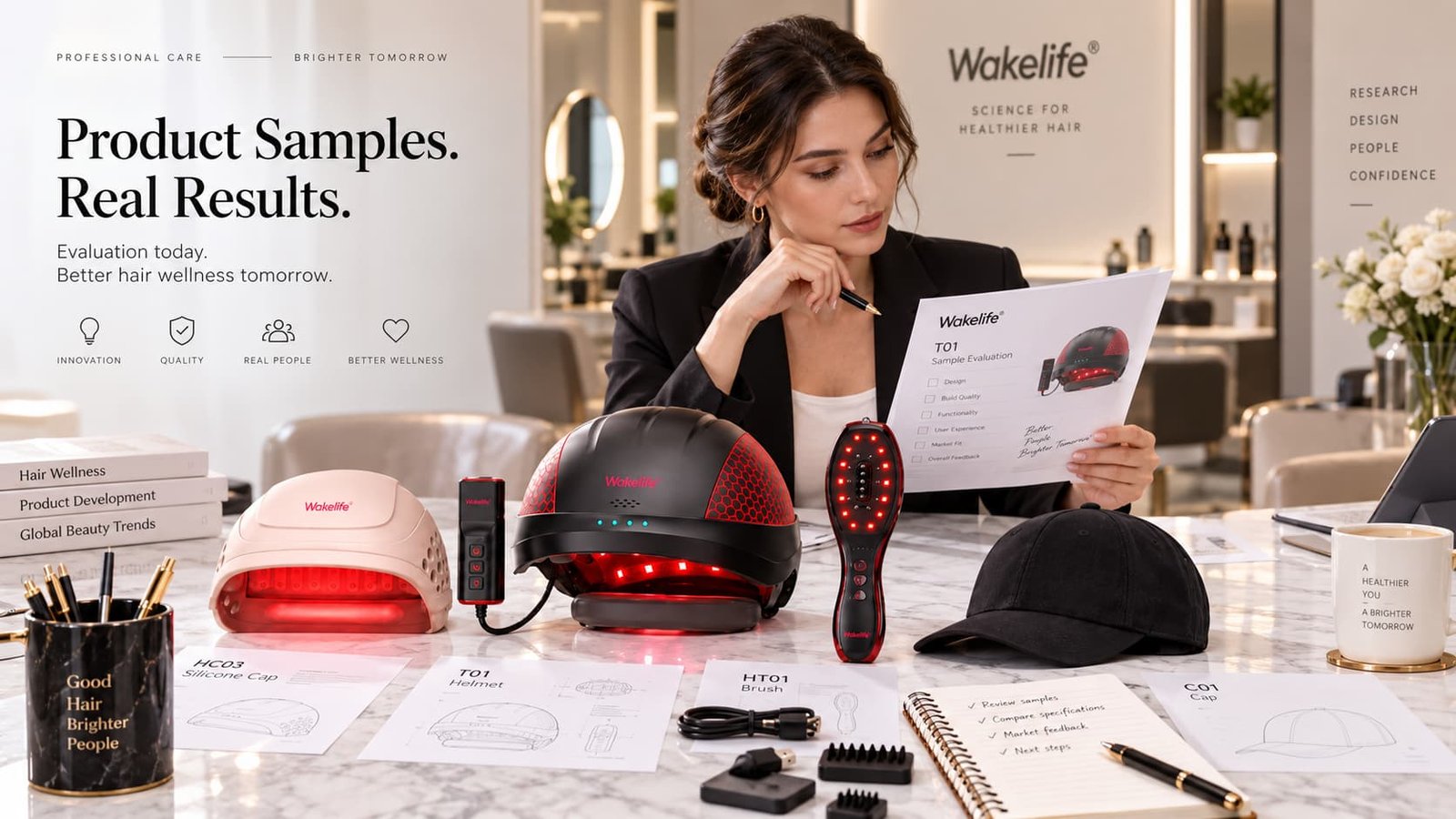
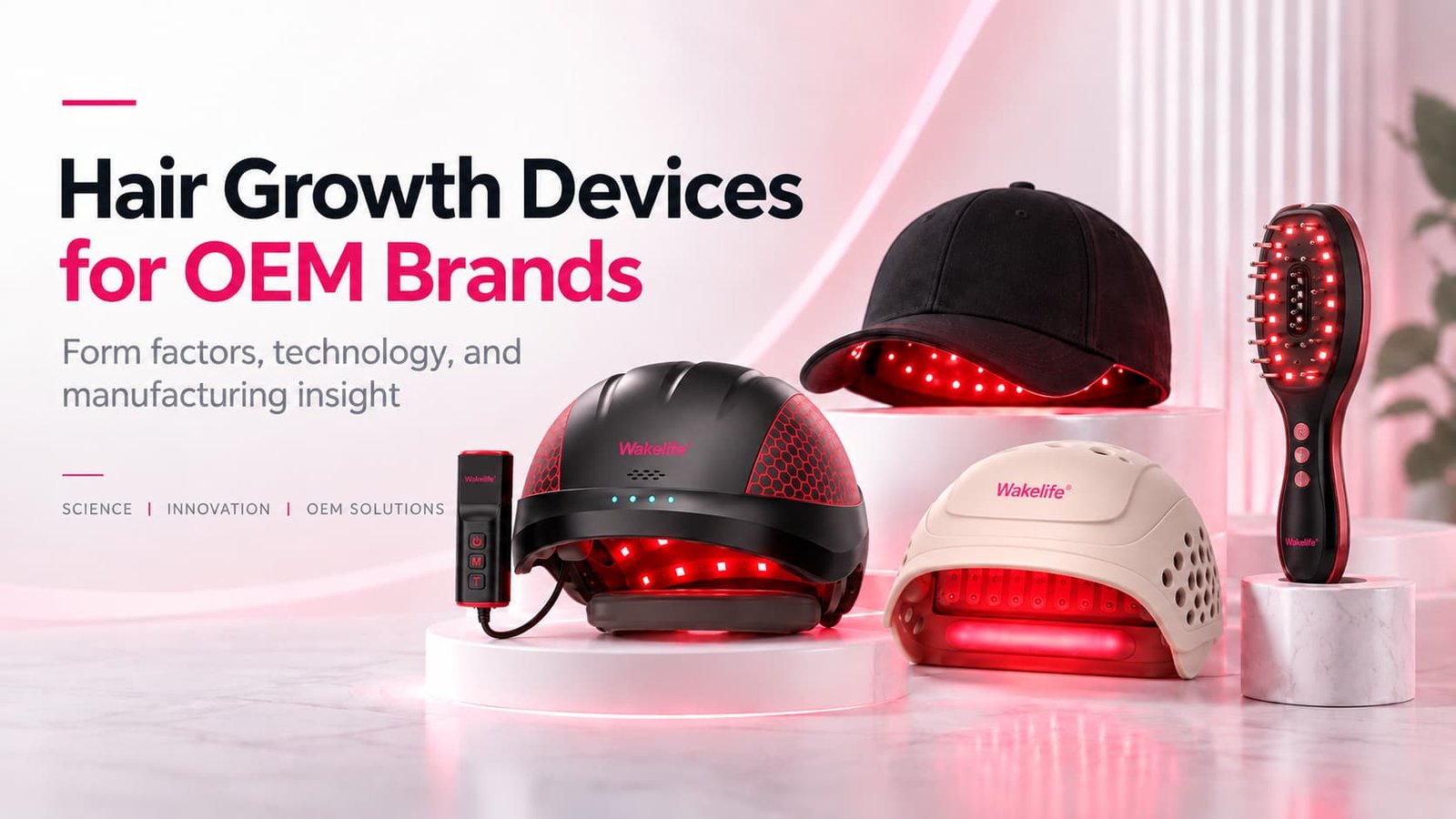
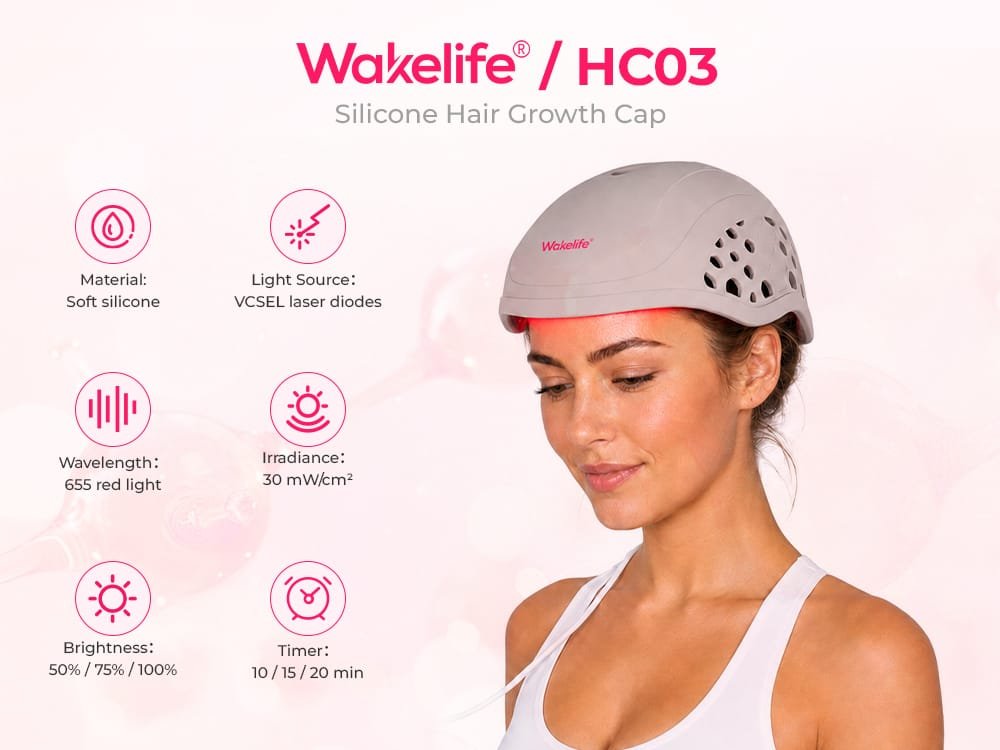
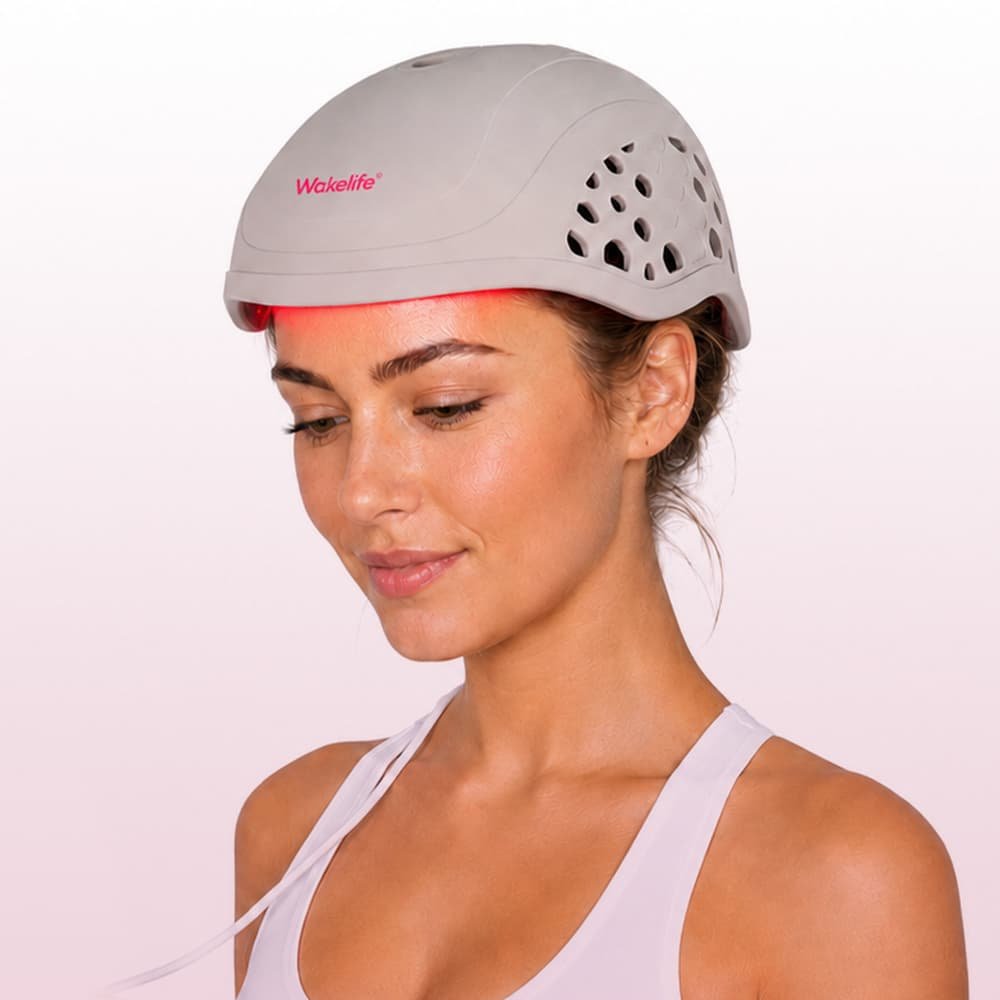
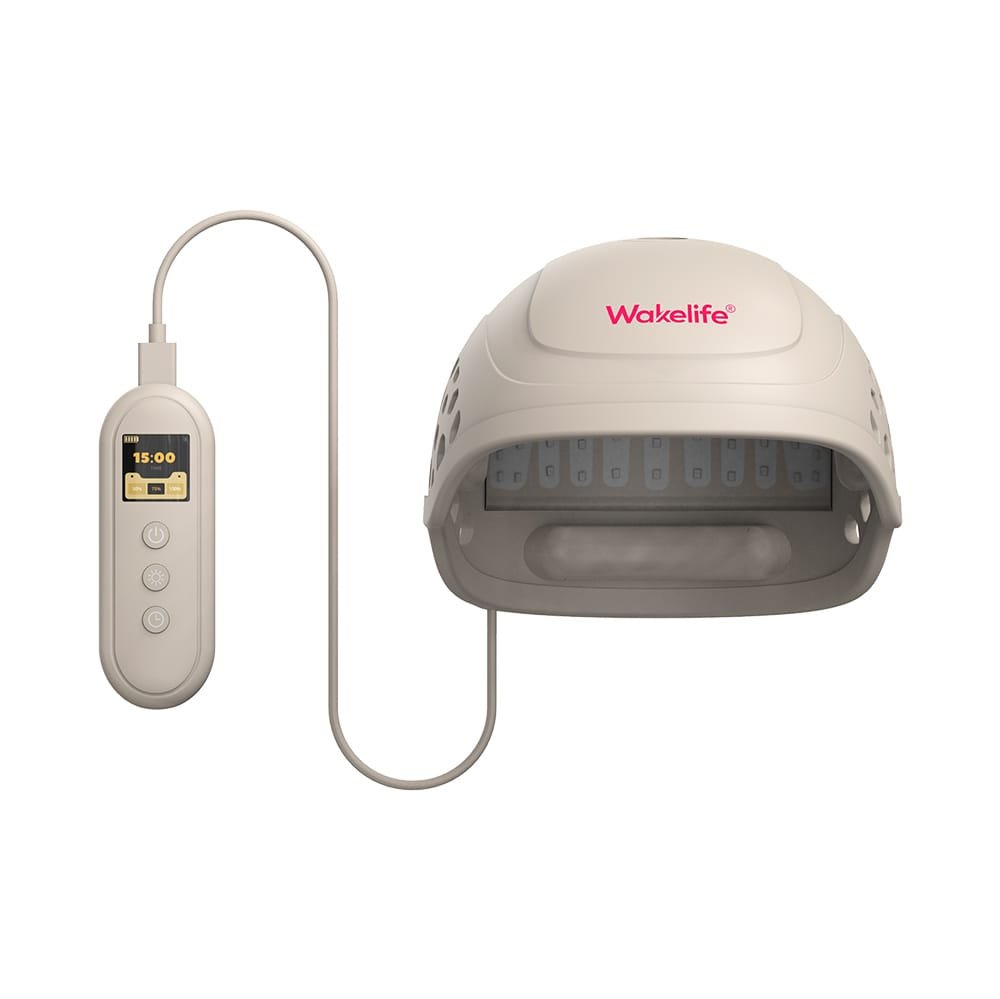
Par exemple, Wakelife HC03 silicone hair-growth cap is an existing platform with a soft silicone body and a TFT controller. A sample of the quoted configuration can support a review of that physical format and interface. It cannot demonstrate a new controller workflow your team has only described in a brief. That change first needs a scope and feasibility review.
Wakelife hair-growth device platform guide separates private label, platform customization and full OEM/ODM development. Use those routes to frame the discussion; do not assume a request belongs in full development merely because it uses the word “custom.”
If the main uncertainty is which changes can stay within an existing platform, le guide to customization without new tooling addresses that decision.
Why a Prototype Quote Is Different From a Sample Price
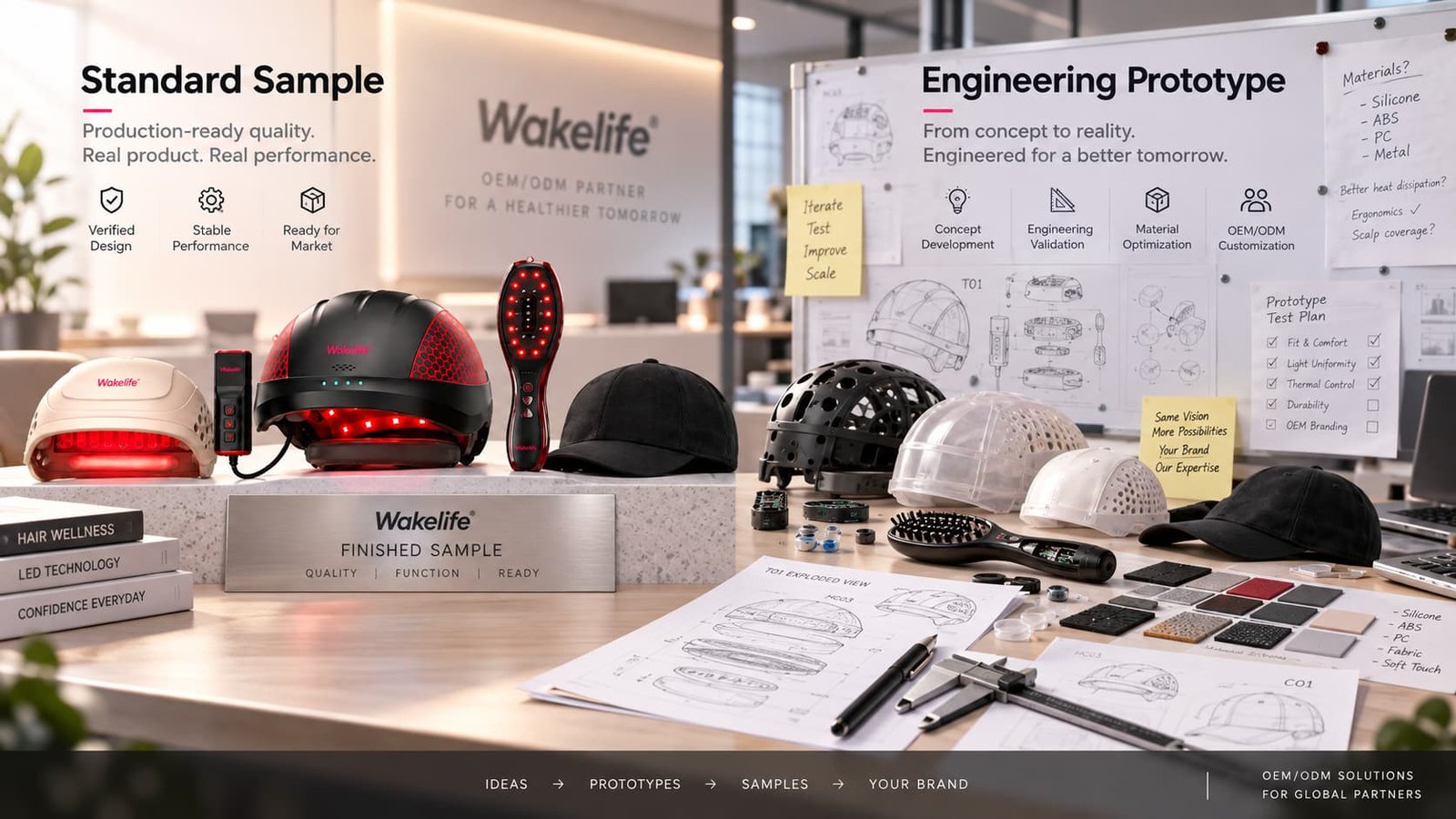
A standard sample lets you examine a defined product. A development proposal covers work needed to answer a new design question. Comparing the totals without comparing the scope leaves out the main difference.
The physical prototype is one output of that work. The other useful outputs explain which configuration was built, what was checked, what the results were and what remains unresolved. Without those records, a unit that appears to work may still leave your team unable to decide what to fund next.
Before evaluating a proposal, distinguish three decisions:
- Sample purchase: Which existing configuration are we evaluating?
- Development authorization: Which requirement are we asking the team to develop and check?
- Production commitment: What order obligation are we accepting, and under what conditions?
These decisions may be linked commercially, but they should remain explicit. A development proposal should identify any production commitment rather than leaving the buyer to infer it from a sample price.
What Wakelife’s ODM Project Includes—and What Needs Agreement
Wakelife quotes ODM development as a project package, rather than as individually priced engineering tasks. Each step is confirmed by both sides before the project moves to the next step. If a requirement changes after confirmation, the cost is reassessed according to the change.
Wakelife’s ODM project deliverables include configuration records, test results, stage reports and drawings. Before commissioning the project, agree which versions and records are due at each stage and which requirements the results will address. A list of document names alone does not define completion.
The bill of materials (Nomenclature) and source-code deliverables require project-specific confirmation. Do not assume that receiving drawings also grants ownership of every design asset or access to every editable file. Record the agreed files, formats and rights in the project terms.
Wakelife does not accept standalone, single-unit ODM prototype projects. Its ODM projects require a linked first order and an assessment of the initial order and forecast annual purchases against project-entry requirements. This is Wakelife’s commercial model for ODM development; it is not a general rule for all prototype suppliers or for purchases of standard samples.
Any return of upfront fees is agreed for the specific project. Do not budget on an automatic refund or order credit. De même, confirmation at each development step does not, par lui-même, define a payment schedule: payment terms need their own written agreement.
If your present goal is only to examine an available device, start with the standard-sample discussion. If you need a new design but are not ready for the required order commitment, Wakelife’s ODM route is not the appropriate next purchase.
Make the Scope Reviewable Before You Approve the Budget
A packaged price still needs a clear scope. You do not need an itemized engineering rate card to know what your company is commissioning.
Use these fields in your internal project review and the agreed supplier scope:
| Champ | What your team should record |
|---|---|
| Decision to resolve | The specific product or engineering question this stage must answer |
| Baseline and change | Existing model, le cas échéant; modifications demandées; requirements that remain unchanged |
| Physical deliverable | Standard sample, modified sample or prototype; quantité; configuration; intentionally unfinished features |
| Documents and results | Named specifications, dessins, configuration records, checks and reports; agreed versions and delivery points |
| Completion criteria | What will count as completing the stage, who reviews it and how unresolved results will be handled |
| Commercial commitment | Package scope, first-order obligations where applicable, payment terms and any expressly agreed fee-return conditions |
| Change and exit rules | What happens when requirements change, a stage is not accepted or the project stops; further work must be agreed |
For a standard sample, confirm the actual accessories and documentation available for that model. Do not assume it comes with the development records listed for an ODM project.
For an engineering prototype, separate an unfinished feature from a failed requirement. If the current unit is intended to answer one question, list what it is not intended to demonstrate. That keeps a limited prototype from being mistaken for a finished product, while still allowing the team to judge the work it was commissioned to perform.
An unresolved result also needs a decision. Agree how the parties will review further work or a stop before assuming the package promises unlimited revisions or a successful final design.
Keep Later Changes Visible
Record a new request against the last confirmed scope before treating it as part of the original package. Chez Wakelife, changes after a confirmed step are subject to cost reassessment; the outcome depends on the change.
Consider a project in which the controller workflow has already been agreed. Adding a new interaction later should be written as a change request, with the affected requirement and expected behavior identified. The team can then review the additional work and any consequences for the next deliverable. Calling it a “small improvement” is not a scope definition.
Keep the revised requirement, commercial impact and both parties’ confirmation together. This is separate from approving the original stage and prevents two teams from working toward different versions of the product.
Decide Your Next Step
Choose a standard sample if your unanswered questions concern the current device. Request a platform review if the product is close but needs a defined modification. Discuss ODM development when a new design is necessary and your business is ready for the associated project and order commitments.
Before contacting a manufacturer, write down the starting model or preferred format, the question you need answered, the requested change and the evidence your team needs to make its next decision. For Wakelife ODM discussions, also prepare the first-order plan and annual purchasing forecast.
If you are still choosing a manufacturing route, utiliser le hair-growth device manufacturer guide. When the scope is ready, discuss it with Wakelife to establish whether the next step is a standard sample, platform customization or an ODM project—and have that scope confirmed before committing funds.
Sources
-
1
Wakelife — HC03 Silicone VCSEL Hair Growth Cap . Manufacturer product information, used here only for the existing silicone-body and TFT-controller example.
-
2
Wakelife — LED & Laser Hair Growth Devices for OEM/ODM . Manufacturer information on private-label, platform-customization and full-development routes.
The Wakelife ODM terms described in this article are first-party commercial information. They describe Wakelife’s project approach, not an industry pricing standard; the agreed quotation and project terms define the specific engagement.