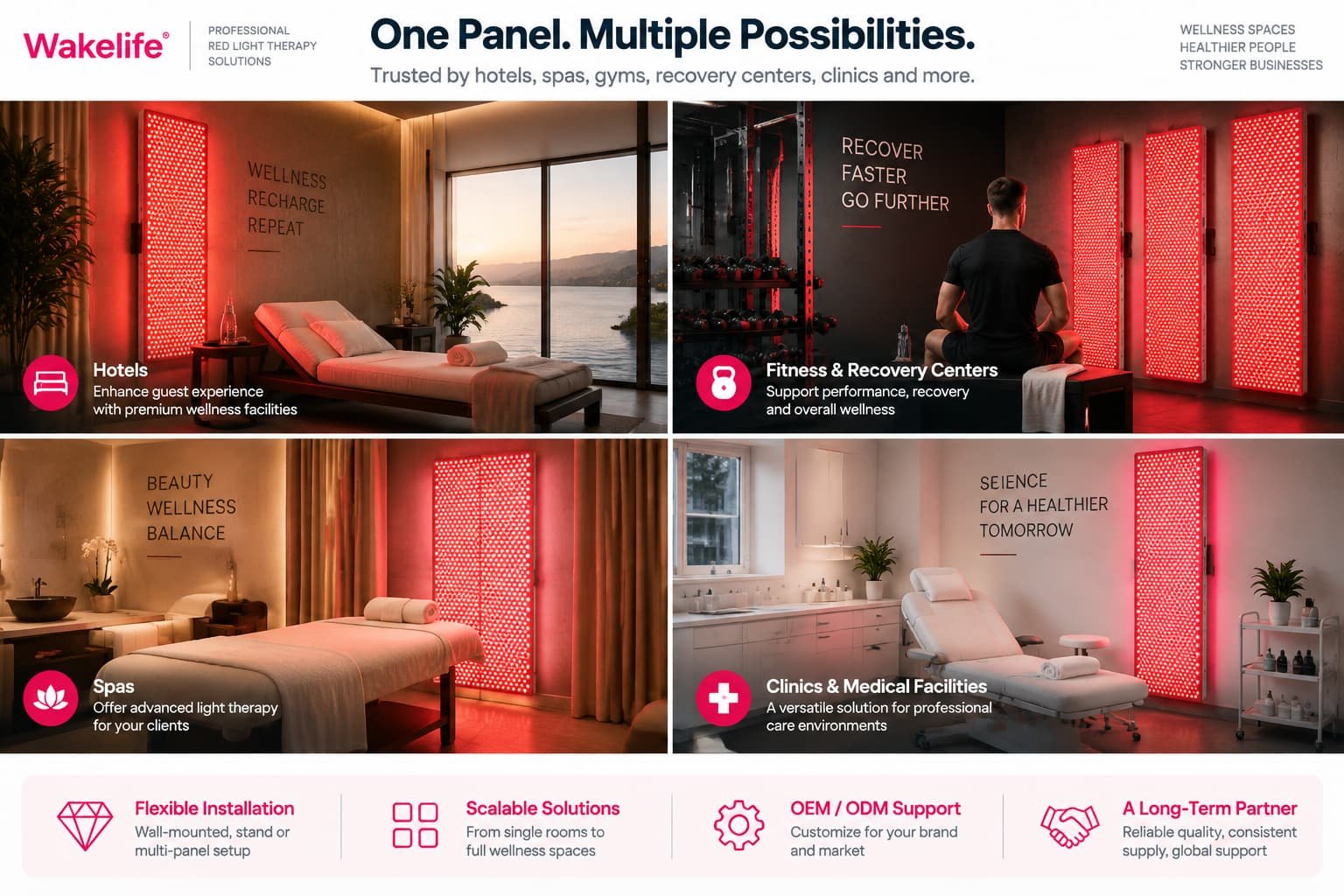
Un nombre de producto que contenga “máquina PDT” no, por sí mismo, informar al comprador si el producto es un sistema de terapia fotodinámica clínica basado en fotosensibilizadores, un dispositivo médico que solo ilumina o un dispositivo LED de belleza y bienestar que no sea un medicamento.
La primera comprobación segura no es la lista de longitudes de onda ni la forma de la máquina.. Preguntar:
- ¿Es un fármaco o agente fotosensibilizante parte del procedimiento previsto??
- Qué uso previsto exacto y qué afirmaciones aparecen en la etiqueta, instrucciones y material de venta?
- ¿Qué fabricante?, modelo, La configuración y el registro regulatorio respaldan esas afirmaciones.?
- ¿Esa evidencia se aplica al mercado objetivo y a la versión de marca privada??
La terapia fotodinámica clínica estándar comúnmente combina un fotosensibilizador con una fuente de luz compatible y un procedimiento médico definido.. Sin embargo, la FDA 510(k) El registro K200751 es para un dispositivo llamado “Terapia Fotodinámica (PDT) Equipo” cuyo archivo público no identifica un fotosensibilizador utilizado con él. El mercado de suministro de equipos de belleza también utiliza una redacción similar para los sistemas LED multicolores no farmacológicos.. Por eso el nombre es un desencadenante de una investigación, no una clasificación del producto.. Los registros exactos se examinan a continuación..
Esta guía es para marcas., importadores, distribuidores, equipos de adquisiciones y revisores de cumplimiento. No recomienda terapia fotodinámica., seleccionar un tratamiento para la enfermedad o proporcionar un fotosensibilizador, longitud de onda, protocolo de dosis o exposición.
¿Qué es la prueba de máquina PDT de 30 segundos??
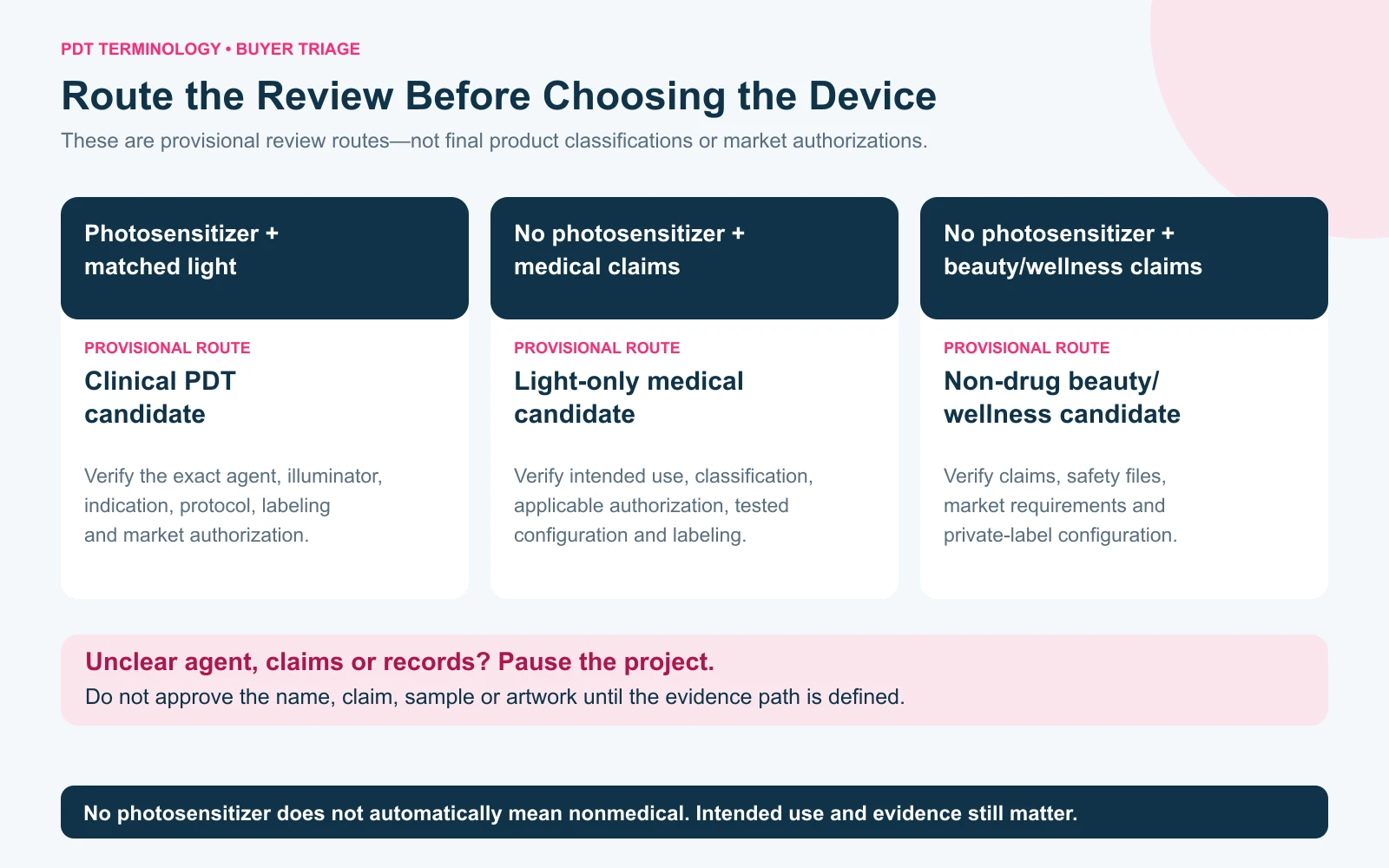
Clasificar el proyecto provisionalmente., luego verifique los documentos antes de aprobar reclamos o empaques.
| Lo que dice el proveedor | Ruta provisional | ¿Qué se debe verificar a continuación? |
|---|---|---|
| Se aplica o administra un fotosensibilizador o fármaco sensible a la luz., luego activado por una fuente de luz coincidente | Candidato a TFD clínica basada en fotosensibilizadores | agente exacto, iluminador, indicación, etiquetado, protocolo, titular y autorización de comercialización |
| No se utiliza fotosensibilizador, pero el dispositivo dice tratar el acné, lesiones, dolor u otra condición médica | Candidato a dispositivo médico solo iluminado | Uso previsto exacto, clasificación, despacho/autorización, configuración y etiquetado probados |
| No se utiliza ningún fotosensibilizador y el proyecto se limita al posicionamiento de belleza o bienestar general. | Candidato de belleza/bienestar LED sin medicamentos | Conjunto de reclamo exacto, archivos de seguridad eléctricos/ópticos, requisitos del mercado, cambios de modelo/configuración y de marca privada |
| El proveedor no puede responder si hay un medicamento involucrado o qué afirmaciones y registros se aplican. | Sin clasificar: pausa | No aprobar el nombre, afirmar, muestra o obra de arte hasta que se defina la ruta de evidencia |
Cuestiones “provisionales”. La primera respuesta dirige la revisión.; No reemplaza la evaluación regulatoria calificada para el producto y mercado exactos..
¿Qué significa la terapia fotodinámica en el uso clínico??
En uso clínico estándar, La terapia fotodinámica combina un fotosensibilizador con luz que lo activa en un sistema de tratamiento definido..
Estados Unidos. El Instituto Nacional del Cáncer explica que La terapia fotodinámica utiliza un fármaco activado por luz llamado fotosensibilizador.. La luz puede provenir de un láser., LED u otra fuente. en dermatología, la Academia Estadounidense de Dermatología describe la TFD como un procedimiento por etapas: Primero se aplica una solución que hace que la piel sea sensible a la luz., seguido de exposición a luz roja o azul para un propósito clínico definido. Consulte las explicaciones de la AAD para queratosis actínica y procedimientos ligeros relacionados con el acné.
Por lo tanto, el sistema incluye más que una lámpara.:
- el fotosensibilizador o precursor del fotosensibilizador;
- El tejido objetivo y la indicación.;
- La longitud de onda o espectro de activación.;
- La fuente de luz y la geometría de entrega.;
- incubación, instrucciones sobre el momento y la dosis de luz;
- advertencias, contraindicaciones y precauciones de fotosensibilidad;
- el etiquetado clínico y la autorización de comercialización que conectan esas partes.
Una revisión técnica de fuentes de luz y dosimetría para PDT Asimismo, enfatiza la coordinación entre la fuente de luz., fotosensibilizador, dispositivo de administración y tejido diana. Una longitud de onda que puede activar un agente bajo un procedimiento validado no transfiere la evidencia de ese procedimiento a todos los productos LED que emiten una longitud de onda nominal similar..
¿Una fuente de luz LED significa que el dispositivo no es PDT médico??
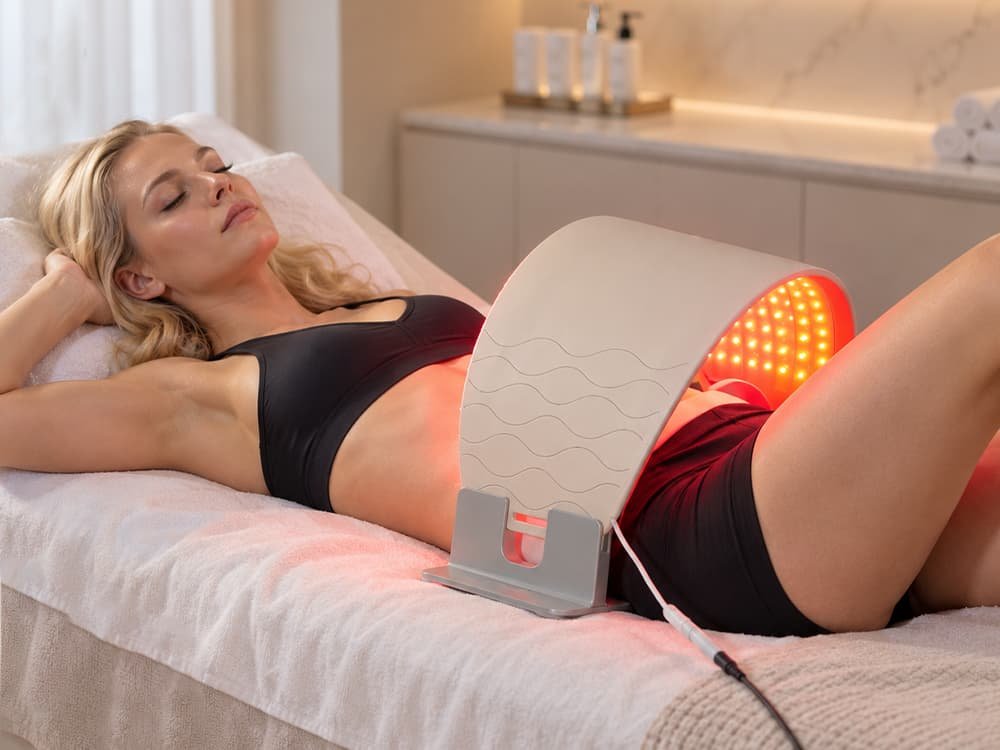
No. Los LED se pueden utilizar como fuentes de luz en TFD clínica, por lo que "LED" y "PDT" no son mutuamente excluyentes.
La fuente puede ser un LED., un láser u otro sistema de iluminación adecuado. Lo que importa es cómo se conecta la fuente al agente., objetivo, uso previsto y procedimiento controlado.
Un registro actual de la FDA lo concreta. en mayo 1, 2025, Suplemento PMA aprobado por la FDA P990019/S009, autorizando el BLU-U Modelo 4170E con paneles de luz LED como reemplazo del modelo anterior 4170 con tubos fluorescentes, dentro del mismo marco de producto combinado fármaco-iluminador. El estado clínico de PDT de ese sistema proviene del emparejamiento de fotosensibilizadores., indicación y registro PMA, no de la tecnología de emisores. El suplemento también muestra por qué un comprador debe comprobar los registros actuales.: un suplemento puede cambiar la descripción del dispositivo o los componentes de lo que describía la aprobación original.
Lo contrario también es cierto: un dispositivo LED no se convierte en un sistema clínico de PDT simplemente porque un proveedor lo llame máquina de PDT. Máscaras LED, almohadillas flexibles, Los paneles y lámparas se pueden diseñar para diferentes bellezas., fines médicos o de bienestar. El tipo de emisor y la lista de longitudes de onda describen parte del hardware.; no establecen la identidad completa del producto.
Evite estos atajos:
- “LED = no médico”;
- “láser = médico”;
- “luz azul = PDT”;
- “luz roja = PBM”;
- “multicolor = evidencia clínica más amplia”;
- “misma longitud de onda = misma indicación o autorización”.
Cada declaración omite el uso exacto previsto., configuración, evidencia y registro de mercado.
¿Es un dispositivo de sólo luz automáticamente no médico??
No. La ausencia de un fotosensibilizador administrado no, por sí mismo, convertir un dispositivo de luz en un producto de belleza o bienestar.
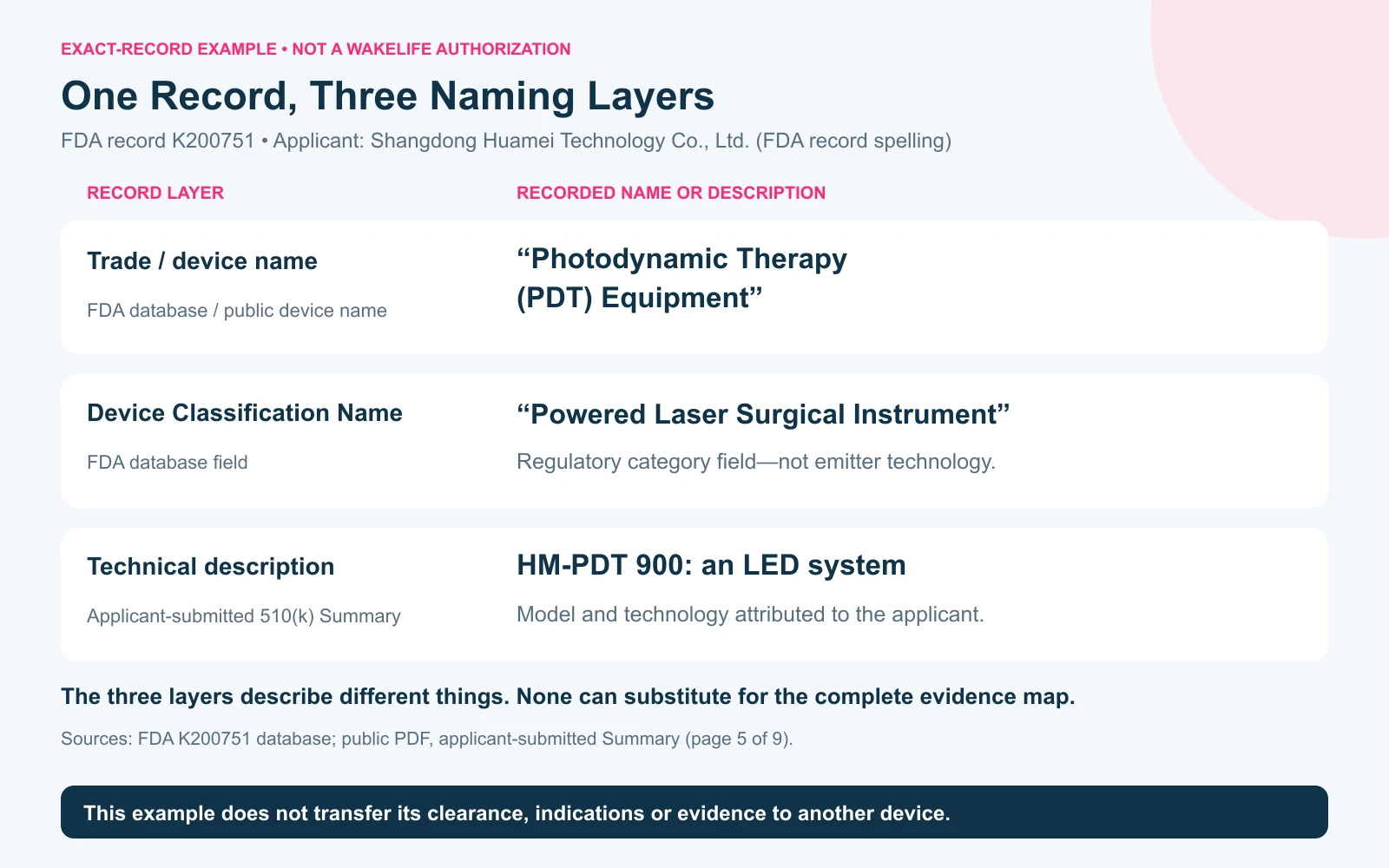
Aparece una excepción de denominación útil en la FDA base de datos en vivo para K200751 y su público 510(k) archivo, presentado por Shangdong Huamei Technology Co., Limitado. (El nombre de la empresa se reproduce aquí tal como aparece en el registro de la FDA.). La carta de decisión de la FDA y las indicaciones de uso públicas utilizan el nombre del dispositivo “Terapia fotodinámica (PDT) Equipo." El solicitante presentado por separado 510(k) Resumen identifica el modelo HM-PDT 900 y lo describe como un sistema LED, mientras que las Indicaciones de Uso aparecen en rojo, Luz azul e infrarroja para indicaciones dermatológicas específicas y temporales relacionadas con el dolor.. Estos componentes públicos no identifican un fotosensibilizador utilizado con el sistema..
Las capas de nombres en este único registro son en sí mismas instructivas.. El nombre comercial/del dispositivo dice “Terapia fotodinámica (PDT) Equipo"; La base de datos de la FDA enumera "Instrumento quirúrgico láser motorizado" como nombre de clasificación del dispositivo en 21 CFR 878.4810, código de producto GEX; y el resumen del solicitante describe un sistema LED. Estas son diferentes capas de registros.. El nombre de la clasificación identifica un campo de categoría regulatoria., no es la tecnología de emisor de este dispositivo exacto.
Este ejemplo demuestra un punto estrecho: El término PDT no se utiliza de manera suficientemente consistente para clasificar un producto solo por su nombre.. No prueba que otras máquinas compartan la autorización de K200751., indicaciones, longitudes de onda, evidencia o camino regulatorio.
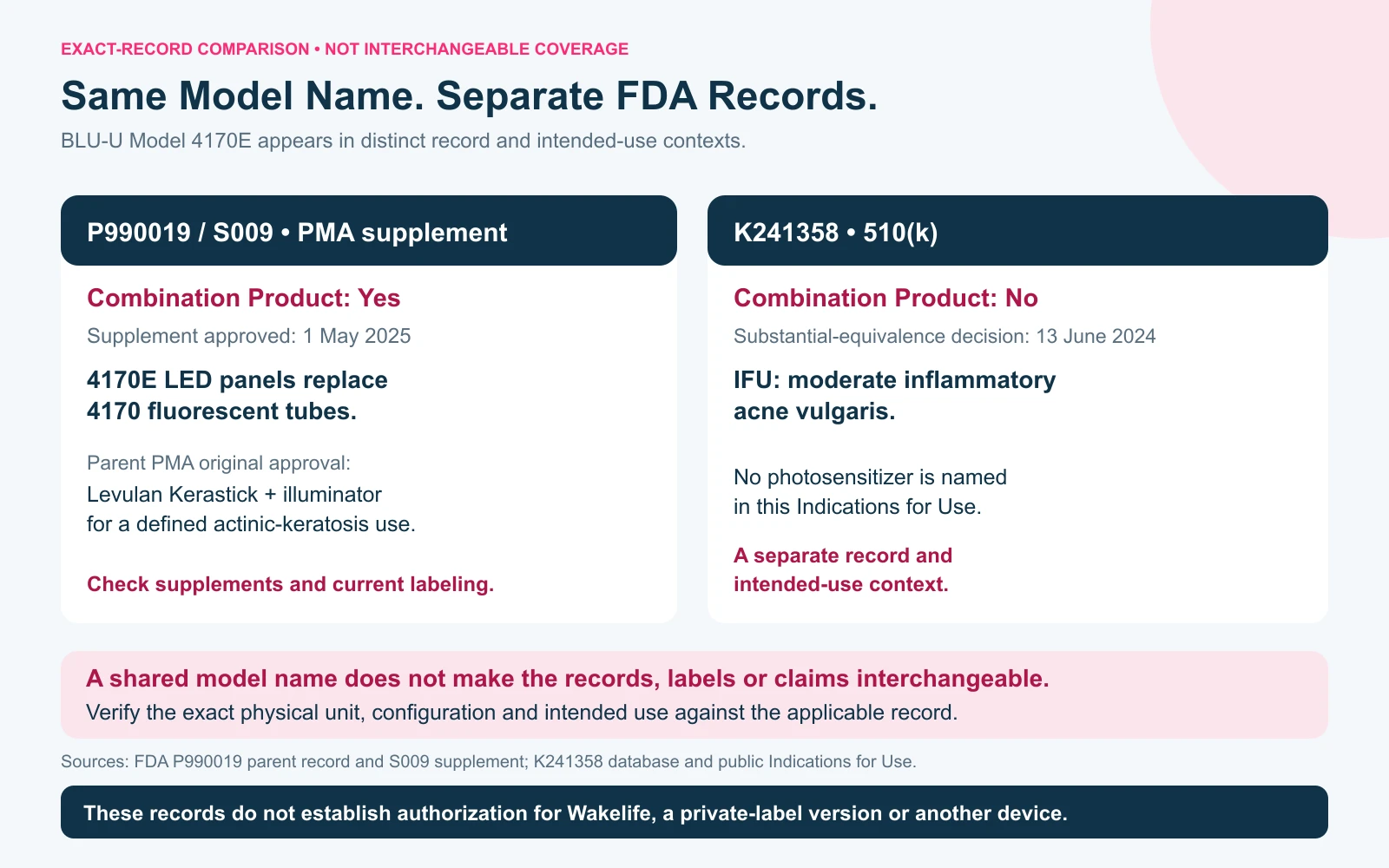
Un segundo registro exacto muestra el mismo límite desde la dirección opuesta.. La FDA base de datos en vivo para K241358 y su decisión pública e indicaciones de uso identificar el iluminador de terapia fotodinámica de luz azul BLU-U, Modelo 4170E como 510(k) Dispositivo destinado a proporcionar luz fototerapéutica y específicamente indicado para tratar el acné vulgar inflamatorio moderado.. Las Indicaciones de Uso no nombran un fotosensibilizante., y la base de datos en vivo marca el envío como no un producto combinado. Por separado, El suplemento PMA P990019/S009 hace referencia al modelo 4170E con el mismo nombre dentro de un registro de producto combinado. Estos registros respaldan una conclusión limitada: la ausencia de un fotosensibilizador nombrado no hace que un dispositivo no sea médico, y el mismo nombre de modelo puede aparecer en diferentes registros de la FDA y contextos de uso previsto. No hacen los registros, etiquetas o afirmaciones intercambiables.
Para un EE.UU.. proyecto, La FDA aconseja a las empresas que comiencen por definir las propiedades del producto. uso previsto e indicaciones de uso. En la UE, Regulación (UE) 2017/745 conecta el propósito previsto con la etiqueta del fabricante, instrucciones, materiales promocionales o de ventas y evaluación clínica.
Por lo tanto, la regla del comprador es:
Si ningún fotosensibilizador es parte del procedimiento previsto, No asuma que el producto sigue la vía estándar de PDT activada por fármacos.. Luego, determine por separado si el producto solo iluminado tiene un uso médico o no médico..
¿En qué se diferencia la fotobiomodulación de la TFD activada por fármacos??
La fotobiomodulación y la TFD activada por fármacos describen diferentes vías de luz-tejido, pero ninguno de los términos determina automáticamente el estado regulatorio de un producto..
Un documento de posición de la Asociación Mundial de Terapia de Fotobiomodulación define fotobiomodulación alrededor de la radiación óptica no ionizante visible o del infrarrojo cercano absorbida por cromóforos endógenos, produciendo eventos fotofísicos y fotoquímicos sin daño térmico. TFD activada por fármacos, por el contrario, Se organiza en torno a la activación de un fotosensibilizador dentro de un sistema de tratamiento definido..
Esta distinción de mecanismos no crea una simple clasificación comercial.:
- PBM puede usarse en medicina, estético, contextos de investigación o bienestar;
- un producto LED de belleza/bienestar no debe tomar prestados resultados médicos de PBM sin evidencia exacta del producto;
- un iluminador PDT no debe tomar prestada una indicación de un fotosensibilizador o dispositivo diferente;
- el uso de “PDT” por parte de un proveedor," "PBM,“La “terapia de fotones” o la “fototerapia LED” no reemplazan el uso previsto ni la revisión de reclamaciones..
Utilice términos de mecanismo para comprender el sistema propuesto, no para saltarse la decisión regulatoria..
¿Qué muestran los registros de la FDA sobre la brecha entre nombre y evidencia??
Tres registros exactos de la FDA muestran por qué los compradores deben leer más allá del nombre del dispositivo.
| Registro exacto | Lo que establece el expediente | Lo que no establece |
|---|---|---|
| P990019—Iluminador de terapia fotodinámica con luz azul BLU-U | El registro PMA en vivo utiliza el nombre genérico “System, láser, terapia fotodinámica” e identifica el sistema como un producto combinado. Su declaración de aprobación original vincula el iluminador exacto con Levulan Kerastick (ácido aminolevulínico HCl) para un uso definido en queratosis actínica. Suplemento S009 (aprobado mayo 2025) Modelo autorizado 4170E con paneles LED que reemplazan al modelo 4170 con tubos fluorescentes | No establece etiquetado completo actual ni cubre otro iluminador, agente, lesión, dispositivo de marca privada o producto LED azul genérico; Los proyectos actuales deben comprobar los suplementos y el etiquetado actual. |
| K241358—BLU-U Modelo 4170E | El registro en vivo identifica el BLU-U Modelo 4170E, un junio 13, 2024 decisión de equivalencia sustancial, Producto combinado “No," 21 CFR 878.4810 y código de producto GEX. Formulario FDA 3881 afirma que el dispositivo proporciona luz fototerapéutica y está específicamente indicado para tratar el acné vulgar inflamatorio moderado; no nombra un fotosensibilizador | No se fusiona con P990019/S009: la indicación de acné no extiende la indicación de fármaco-iluminador PMA, y ningún registro fundamenta otro dispositivo, modelo, configuración o reclamo |
| K200751—Equipo de terapia fotodinámica | Como se detalla arriba, sus capas de registros no son intercambiables: el nombre del dispositivo dice "Terapia fotodinámica (PDT) Equipo,” el campo de clasificación de la base de datos dice “Instrumento quirúrgico láser motorizado,” y en la descripción técnica del solicitante dice LED; el archivo público no identifica un fotosensibilizador | No establece una categoría “solo ligera” de la FDA, borrar todas las máquinas llamadas PDT, transferir sus reclamaciones a un dispositivo de longitud de onda similar o demostrar la cobertura actual de otro modelo |
Las aparentes inconsistencias son la lección.. La “máquina PDT” no es un paquete de evidencia portátil. K200751 separa el nombre de un dispositivo PDT, un campo de clasificación láser y un sistema LED descrito por el solicitante. P990019 utiliza un nombre genérico que contiene "láser,”mientras que S009 describe el modelo 4170 con tubos fluorescentes y Modelo 4170E con paneles LED. K241358 luego muestra el modelo 4170E con el mismo nombre en una página separada. 510(k) registro marcado Producto Combinado “No,”con un contexto de indicación diferente. Se trata de diferentes capas de registros y contextos regulatorios, no identidades intercambiables para una unidad física no especificada.. Un comprador debe rastrear el producto exacto., configuración y reclamación al registro y etiquetado correspondientes.
También mantenga precisos los verbos regulatorios y los límites de tiempo.. P990019 es un registro PMA; Este artículo utiliza su declaración de aprobación original solo para mostrar la combinación exacta entre fármaco e iluminador.. El registro de padres en vivo advierte por separado que los suplementos pueden cambiar la información del dispositivo y que la etiqueta original mostrada puede no estar actualizada.. S009 es un ejemplo concreto de un cambio de descripción de componente y dispositivo. K200751 y K241358 son 510(k) determinaciones de equivalencia sustancial. Registro, listado, autorización y aprobación no son términos intercambiables.
¿Puede un proveedor transferir evidencia clínica de PDT a una máquina LED sin fármacos??
No. La evidencia de una combinación de fotosensibilizador y luz no se puede transferir a una máquina LED sin fármacos desde una longitud de onda compartida, Fuente de LED o nombre de PDT.
Antes de aceptar una cita clínica o un reclamo regulatorio, fósforo:
- Fotosensibilizador o agente, incluyendo formulación y concentración cuando corresponda.
- Fuente de luz exacta y dispositivo de entrega..
- Longitud de onda o espectro, modo y condiciones de salida.
- Tejido diana, indicación y población de pacientes.
- Incubación, exposición y protocolo completo de tratamiento.
- Contraindicaciones, Advertencias y precauciones de fotosensibilidad..
- Fabricante, titular, modelo y configuración.
- Registro regulatorio y mercado objetivo..
Si el producto propuesto no tiene fotosensibilizante y se vende para belleza o bienestar general., un artículo clínico de PDT puede ayudar a un equipo a comprender la terminología, pero no fundamenta las afirmaciones del producto..
El mismo límite se aplica en la otra dirección.. Informe óptico o IEC de un producto LED no farmacológico 62471 El informe no prueba que pueda activar un medicamento de forma segura o realizar un procedimiento clínico de TFD aprobado.. Seguridad fotobiológica, salida óptica, La evidencia clínica y la autorización de comercialización son capas de evidencia separadas..
¿Cómo debe un comprador verificar un producto llamado máquina PDT??
Cree un mapa de identidad y reclamos antes de comparar precios o aprobar obras de arte de marca privada.
| Campo | Pruebas a solicitar | Bandera roja |
|---|---|---|
| Identidad del producto | Fabricante legal, modelo, versión de hardware/software, controlador, adaptador y accesorios | Solo se proporciona un nombre de familia de catálogo o un SKU de revendedor. |
| Fotosensibilizador | Nombre del agente, proveedor, etiquetado, concentración/formulación y su papel en el procedimiento, o confirmación por escrito de que no se utiliza ningún agente | Se menciona “suero opcional” o “gel PDT” sin identidad ni evidencia controlada |
| Uso previsto | etiqueta exacta, Instrucciones de uso e indicaciones/declaraciones por mercado | La cita dice belleza mientras que el sitio web promete tratamiento de enfermedades. |
| Sistema de iluminación | Informe de longitud de onda, mapa de modo, método de salida, configuración de geometría y fuente | Se utiliza una longitud de onda nominal o un número mW/cm² no contextualizado como todo el paquete de evidencia. |
| Registro medico | Enlace de base de datos oficial, número de registro, titular, modelo/familia y etiquetado actual | Se muestra un logotipo de certificado o el número K de otra empresa. |
| Archivos de belleza/bienestar | Eléctrico aplicable, EMC, radio, seguridad óptica, registros de conformidad de materiales y de mercado | Se presenta un certificado del sistema de calidad como autorización del producto. |
| Impacto de la marca privada | Mapeo escrito de nombres de marcas/modelos, etiquetas, reclamos, accesorios y cambios a la evidencia existente | El proveedor dice cualquier logo., El reclamo o la longitud de onda se pueden agregar sin revisión. |
Estás en Wakelife Guía de reclamaciones de dispositivos de belleza LED para asignar texto a través de etiquetas, embalaje, listados, anuncios y materiales de distribución. Utilice el Guía de certificación de dispositivos de terapia LED separar la autorización de comercialización, sistema de gestión de la calidad, eléctrico/EMC, Seguridad fotobiológica y evidencia de salida óptica..
¿Qué preguntas deberían incluirse en la solicitud de cotización??
Haga preguntas que obliguen al proveedor a conectar el nombre a un sistema exacto..
Copie o adapte estos:
- Cuando se utiliza el término “máquina PDT,"¿Te refieres a un procedimiento basado en fotosensibilizadores?", un dispositivo médico que solo ilumina o un dispositivo LED de belleza/bienestar que no sea un medicamento?
- ¿Hay algún fotosensibilizador?, droga, Se requiere agente tópico o producto sensible a la luz., suministrado o recomendado? Proporcionar su etiquetado controlado y función exacta..
- ¿Cuál es el uso previsto en nuestro mercado objetivo?, y qué reclamaciones pueden aparecer en el producto, LA NUBE, embalaje, Sitio web y materiales del distribuidor.?
- ¿Cuál es el modelo exacto del fabricante y la configuración final?, incluido el controlador, adaptador, software y accesorios?
- Si autorización, aprobación, se reclama registro o certificación, proporcionar el número de registro oficial, titular, alcance del modelo y etiquetado actual.
- ¿Qué longitud de onda, irradiancia, Los informes de seguridad fotobiológica y eléctricos/EMC cubren la configuración citada.?
- ¿Qué registros necesitarían revisión si cambiamos de marca?, nombre del modelo, longitud de onda, modo, controlador, accesorios, instrucciones o reclamos?
- ¿Qué declaraciones no deben utilizar nuestro equipo de ventas y distribuidores??
Una respuesta útil nombra documentos y límites.. “Grado médico,” “PDT clínica,“Certificado por la FDA” o una carpeta de logotipos no sustituye al mapa..
¿Cuándo debería un comprador pausar el proyecto??
Pausar reclamo, obra de arte, aprobación de muestra o compra cuando el proveedor no puede hacer que la identidad del producto y la ruta de evidencia sean rastreables.
Detenerse y escalar cuando:
- El producto se llama PDT pero el proveedor no puede decir si se trata de un fotosensibilizador.;
- una indicación médica aparece en el material de venta pero no en la etiqueta suministrada o en el registro oficial;
- un fotosensibilizador y un iluminador se mezclan de sistemas no relacionados sin evidencia de compatibilidad;
- un estudio o autorización pertenece a otro titular, modelo, fuente o protocolo;
- “Registrado por la FDA,"Aprobado por la FDA" y "aprobado por la FDA" se utilizan indistintamente;
- de CE, QMS o expediente de seguridad óptica se presenta como evidencia de eficacia clínica;
- la versión de marca privada cambia las afirmaciones o la configuración sin una revisión de impacto documentada;
- el proveedor le dice al comprador que decida las reclamaciones médicas después de ordenar el hardware.
Ninguno de estos demuestra automáticamente una mala conducta.. Cada uno significa que la evidencia actual no es suficiente para la decisión propuesta..
¿Qué significa "máquina PDT" en la categoría LED flexible de Wakelife??
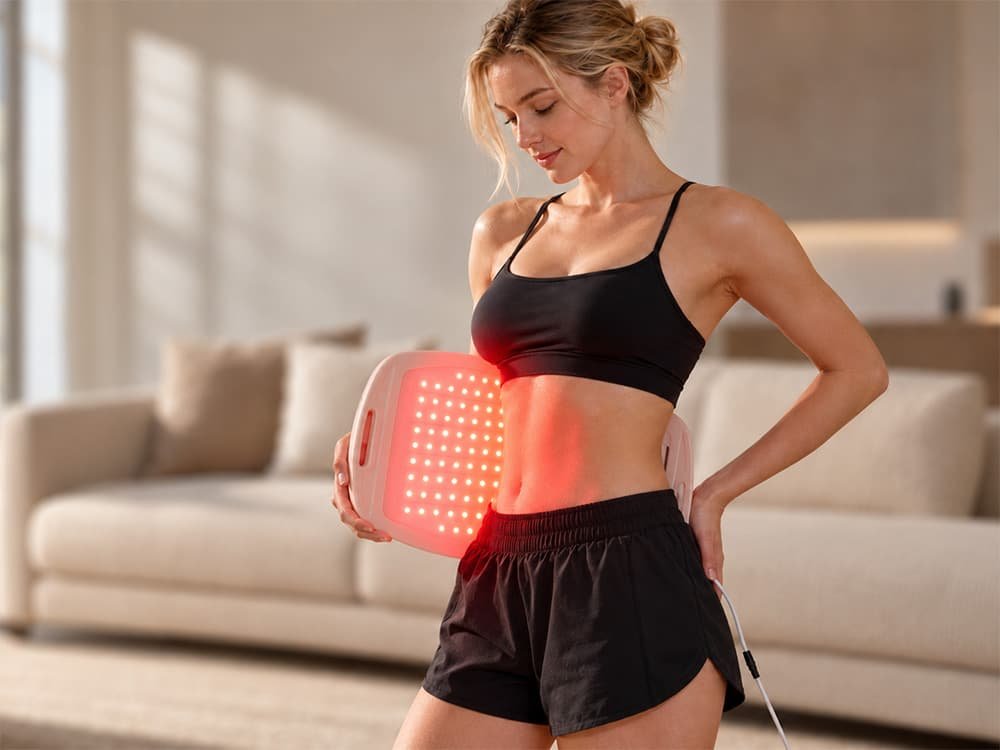
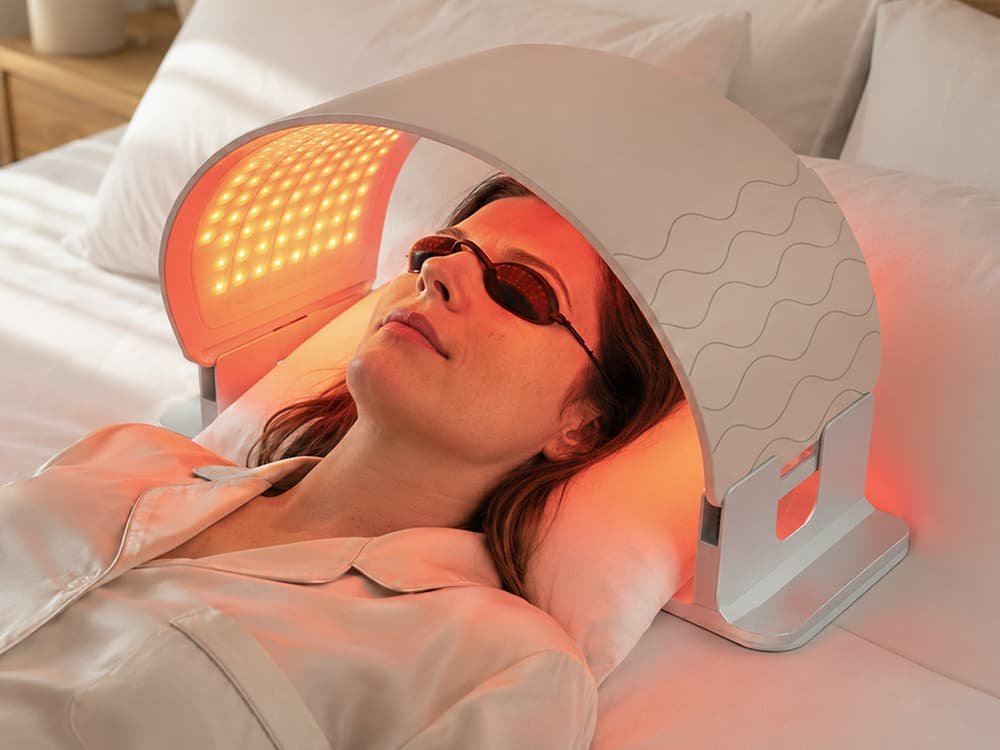
En la página actual de categorías de LED flexibles de Wakelife, “Máquina de terapia de fotones de luz LED PDT” es una etiqueta de categoría para dispositivos LED de belleza y bienestar que no son medicamentos, no es una afirmación de que los productos sean sistemas de terapia fotodinámica médica..
El Categoría de terapia de luz LED flexible Wakelife presenta G240 como la plataforma flexible destacada y NFY-2030, NFY-3040 y NFY-3060 como opciones de tamaño adicionales. La página no posiciona esos productos como sistemas clínicos de TFD basados en fotosensibilizadores ni como evidencia de tratamiento de enfermedades..
Esa declaración de categoría es un límite de alcance comercial., no es una credencial médica o reglamentaria. Un comprador aún debe proporcionar el mercado objetivo., uso previsto, reclamaciones planificadas y configuración seleccionada para que se puedan identificar los archivos específicos del modelo aplicable. La documentación para un modelo o configuración no cubre automáticamente otro.
Si su proyecto requiere un sistema de TFD clínico basado en fotosensibilizador o reclamaciones de tratamiento de enfermedades, No utilices esta página de categoría como evidencia.. Definir el agente, indicación, Mercado objetivo y ruta regulatoria antes de seleccionar un iluminador..
Si tu proyecto es realmente un dispositivo LED de belleza o bienestar no farmacológico, revisar la categoría solo después de que se congele el límite del reclamo, luego solicite el modelo exacto, muestra y documentos aplicables.
La conclusión
"Máquina PDT" es una pista para nombrar, no es una especificación técnica o estado regulatorio.
La PDT clínica estándar comúnmente combina un fotosensibilizador, una fuente de luz adecuada y un procedimiento médico definido. Los LED pueden ser parte de ese sistema. Un dispositivo exclusivamente luminoso también puede tener un uso médico, mientras que los proveedores de productos de belleza pueden utilizar PDT como etiqueta de categoría para equipos LED multicolores no farmacológicos..
Utilice la prueba de cuatro preguntas: fotosensibilizador, uso previsto y afirmaciones, identidad exacta del producto, y récord en el mercado objetivo. Si alguna capa no está clara, pausar el reclamo y la decisión de compra. Si el proyecto verificado es belleza/bienestar no farmacológico, luego, y sólo entonces, pase al factor de forma, muestra, documentación y ajuste OEM.
Referencias
-
1
Instituto Nacional del Cáncer. Terapia fotodinámica para tratar el cáncer
-
2
Academia Americana de Dermatología. Queratosis actínica: Diagnóstico y tratamiento
-
3
Academia Americana de Dermatología. Láseres y luces: ¿Qué tan bien tratan el acné??
-
4
A NOSOTROS. Administración de Alimentos y Medicamentos. P990019—Iluminador de terapia fotodinámica con luz azul BLU-U
-
5
A NOSOTROS. Administración de Alimentos y Medicamentos. P990019/S009—BLU-U Modelo 4170E Suplemento PMA
-
6
A NOSOTROS. Administración de Alimentos y Medicamentos. K200751—510(k) Registro de base de datos en vivo de notificación previa a la comercialización
-
7
A NOSOTROS. Administración de Alimentos y Medicamentos. K200751—Carta de decisión, Indicaciones de uso y presentadas por el solicitante 510(k) Resumen
-
8
A NOSOTROS. Administración de Alimentos y Medicamentos. K241358—BLU-U Modelo 4170E 510(k) Registro de base de datos en vivo de notificación previa a la comercialización
-
9
A NOSOTROS. Administración de Alimentos y Medicamentos. K241358—Carta de decisión e indicaciones de uso
-
10
A NOSOTROS. Administración de Alimentos y Medicamentos. Cómo determinar si su producto es un dispositivo médico
-
11
unión Europea. Regulación (UE) 2017/745 sobre dispositivos médicos
- 12
-
13
Robijns J., Nair R.G., Lodewijckx J, et al. Terapia de fotobiomodulación en el tratamiento de los efectos secundarios inducidos por la terapia contra el cáncer: Documento de posición de WALT 2022.