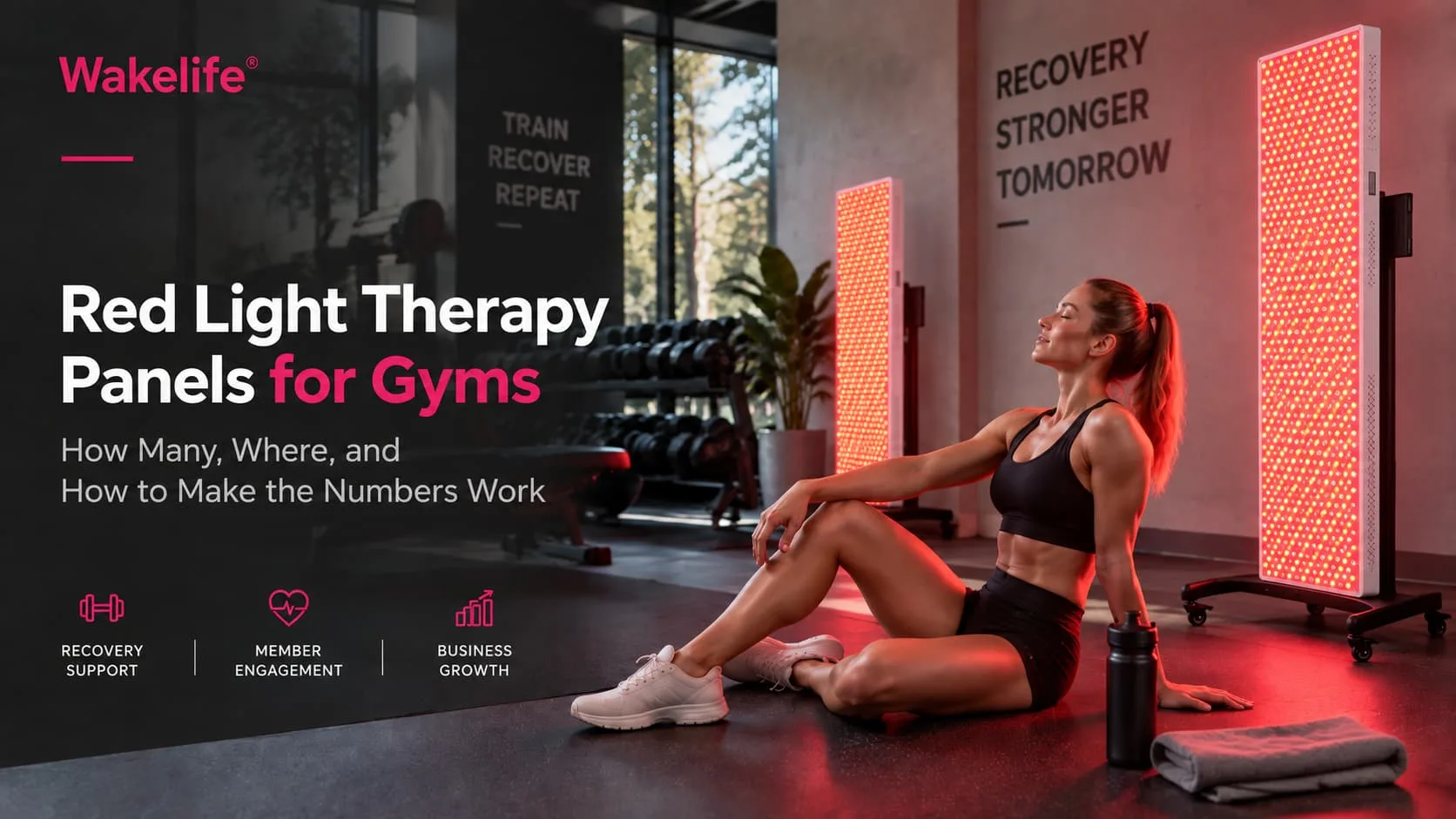
Para marcas y distribuidores que obtienen paneles de terapia de luz roja para aplicaciones comerciales: spas, clínicas, gimnasios, centros de recuperación, y estudios de bienestar: los criterios que importan son materialmente diferentes de la evaluación del panel de uso doméstico.
Los cinco factores que determinan si un panel es genuinamente de calidad comercial:
- Estabilidad de la irradiancia bajo uso comercial sostenido. — no hay producción máxima en condiciones controladas, pero rendimiento consistente en múltiples sesiones diarias
- Flexibilidad de escena — ¿Puede el panel funcionar tanto en posición vertical? (de pie) y horizontal (mintiendo) Posiciones de tratamiento para atender toda la gama de protocolos del cliente.?
- Alcance de la certificación — los canales comerciales y los mercados regulados requieren certificaciones específicas que los paneles de uso doméstico a menudo no cuentan
- Escala física para una verdadera cobertura de cuerpo completo. — los clientes comerciales esperan un tratamiento de cuerpo completo sin reposicionamiento; las dimensiones del panel deben coincidir con esa expectativa
- Profundidad de personalización OEM — las marcas que equipan instalaciones comerciales necesitan identidad de producto, no es una etiqueta genérica del fabricante
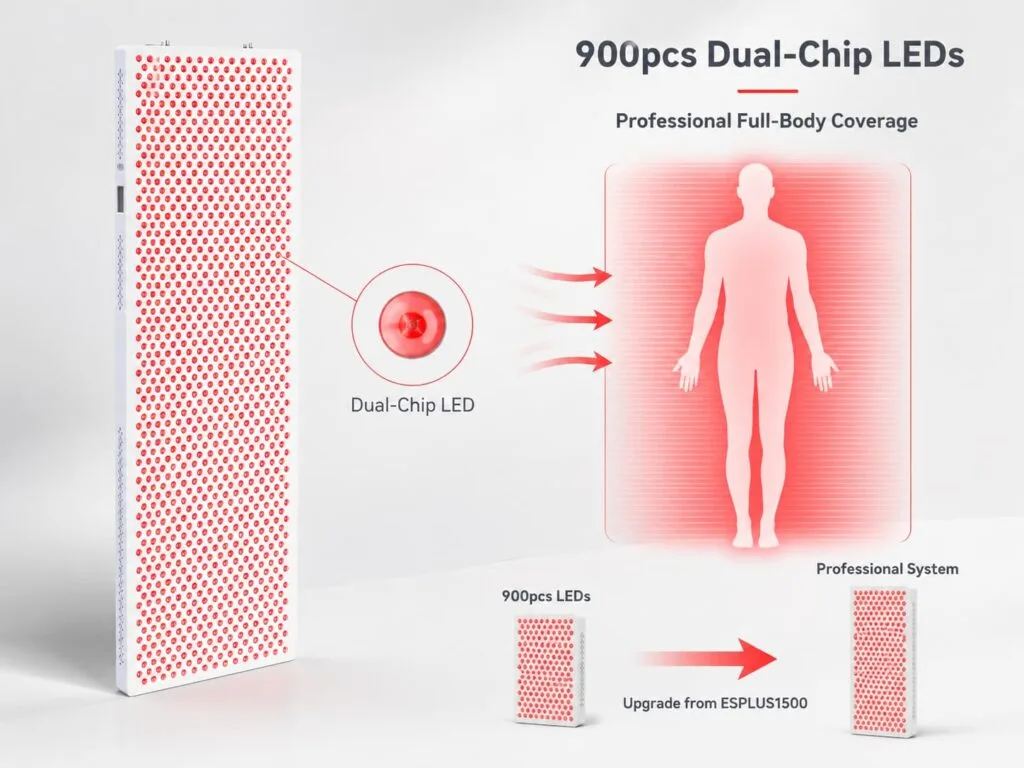
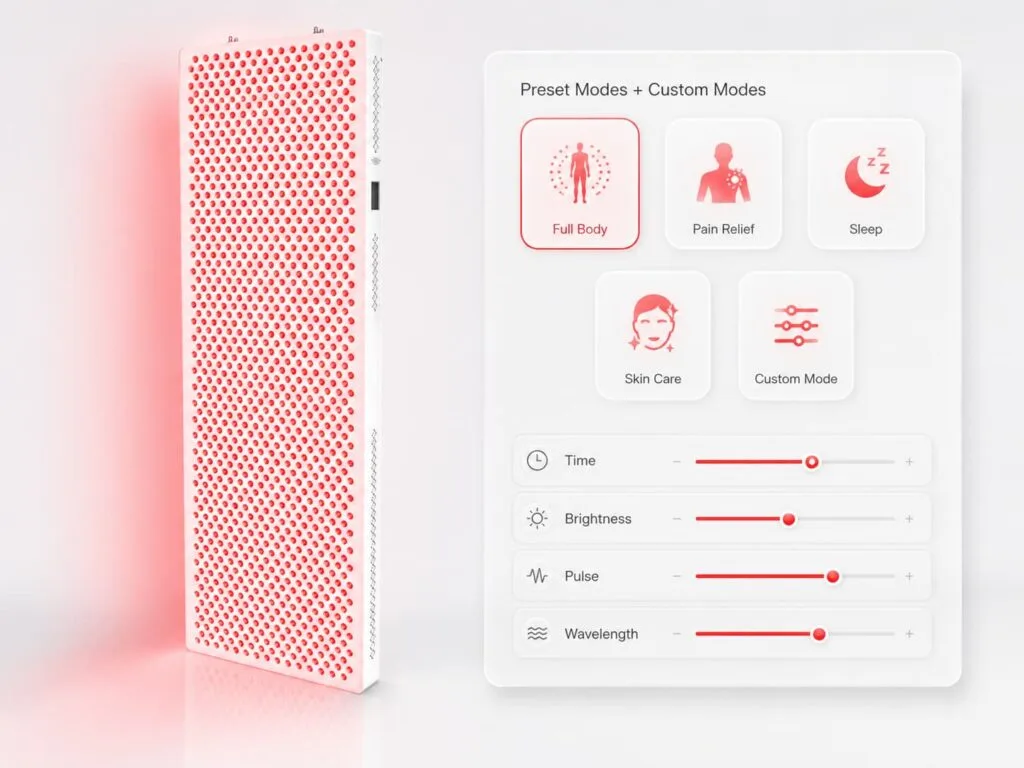
El ESPLUS4500— 900 LED de doble chip, 1625mm altura del panel, 210 en mW/cm² 3 pulgadas, capacidad de posición dual horizontal/vertical, APLICACIÓN + control de pantalla táctil, y certificación comercial completa: está diseñada específicamente como una plataforma OEM de nivel comercial para marcas dirigidas a canales de bienestar profesionales..
Introducción: Por qué los paneles de uso doméstico fallan en entornos comerciales
Antes de evaluar las especificaciones, Vale la pena ser preciso acerca de quién compra realmente paneles comerciales de terapia de luz roja, porque los cuatro tipos principales de compradores comerciales tienen requisitos significativamente diferentes..
Tipo 1: Marcas de Spa y Clínicas de Belleza
Los spas y clínicas de belleza son el mayor segmento comercial de paneles profesionales de terapia de luz roja. Sus requisitos primarios:
- Integración estética — el panel debe tener un aspecto premium en el entorno de una sala de tratamiento, no como un equipo de gimnasio en casa
- Capacidad de tratamiento acostado — la mayoría de los protocolos de spa involucran a los clientes en una cama de tratamiento; un panel que solo se monta verticalmente no puede servir a estos clientes sin reposicionarlo
- Eficiencia de la sesión — la cobertura de todo el cuerpo en una sola posición de sesión es importante desde el punto de vista comercial porque el tiempo de sesión es tiempo facturable
- Reclamaciones de certificación de cara al cliente — CE, FDA, y ISO 13485 Son frecuentemente requeridos por los operadores de instalaciones para asegurar al cliente y gestionar la responsabilidad.
Tipo 2: Clínicas quiroprácticas y spas médicos
Los compradores clínicos tienen los requisitos más estrictos.:
- Documentación de certificación — FDA, TGA, MDL, y la documentación CE debe ser verificable, no solo reclamado
- Datos de irradiancia con metodología. — los compradores clínicos solicitan informes de pruebas, no cifras de marketing
- Lenguaje de cumplimiento — la comercialización del producto debe cumplir con las regulaciones sobre dispositivos terapéuticos en el mercado objetivo
- Fiabilidad a largo plazo — los entornos clínicos no pueden soportar el reemplazo frecuente de equipos; Los términos de durabilidad y garantía son importantes.
Tipo 3: Marcas de instalaciones de fitness y recuperación
Compradores centrados en la recuperación: proveedores de equipos de gimnasio, marcas de centros de recuperación atlética, instalaciones de rendimiento deportivo: tienen diferentes prioridades:
- Alta irradiancia a distancias prácticas. — los atletas se paran más cerca de los paneles durante la recuperación activa; 162 en mW/cm² 9 Las pulgadas importan más que las cifras máximas
- Durabilidad bajo uso diario intenso — Los entornos de fitness comerciales son duros para los equipos.
- Múltiples opciones de posicionamiento — los protocolos de recuperación varían significativamente; la flexibilidad importa
- Posicionamiento de marca en un contexto de desempeño. — el producto debe parecer serio en un entorno deportivo profesional
Tipo 4: Adquisición de instalaciones y proyectos en cadena
Operadores con múltiples ubicaciones: cadenas de hoteles y spas, grupos de resorts de bienestar, operadores de gimnasios franquiciados, y redes de atención médica: tienen requisitos de adquisición que son diferentes a los de los compradores de instalaciones únicas.:
- Consistencia entre ubicaciones — el mismo producto debe estar disponible en cantidad suficiente en múltiples fases de lanzamiento
- Soporte logístico y de instalación. — montaje en pared, soporte de suelo, y la documentación de instalación importan a escala
- Exclusividad OEM/ODM — los operadores más grandes a menudo quieren productos que no están disponibles para los competidores en su mercado
- Precios por volumen y previsibilidad del tiempo de entrega — las decisiones de adquisición se toman teniendo en cuenta la economía total del programa, no solo el precio unitario
Comprender a qué tipo de comprador se dirige su marca o programa de distribución es el primer paso para evaluar si una plataforma de panel comercial es la adecuada..
Parte 2 — Criterio 1: Estabilidad de la irradiancia, No sólo producción máxima
La diferencia de uso comercial
Un panel de uso doméstico funciona durante una o dos sesiones por día., por un solo usuario, en un ambiente relativamente estable. Un panel comercial opera durante seis, ocho, o diez sesiones de clientes por día, en diferentes condiciones ambientales, con diferentes operadores cada vez.
La cifra de irradiancia que aparece en una hoja de especificaciones es casi siempre una medición máxima, generalmente tomada en condiciones controladas., de cerca, antes de que los efectos térmicos de la operación sostenida se conviertan en un factor.
Para compradores comerciales, la pregunta relevante no es la irradiancia máxima. Es la estabilidad de la irradiancia bajo carga comercial sostenida..
Un panel que ofrece 210 mW/cm² en la primera sesión del día pero cae a 160 mW/cm² en la octava sesión (debido a la deriva térmica en un circuito controlador mal diseñado o a una gestión inadecuada del calor) no es un producto de calidad comercial.. Es un panel de uso doméstico con marketing comercial..
Qué buscar
Para aplicaciones comerciales, Los datos de irradiancia deben incluir:
- Mediciones multidistancia en 3, 9, y 12 pulgadas: las distancias que corresponden a escenarios de tratamiento reales, condiciones de prueba de banco no óptimas
- Especificación de gestión térmica — ¿Cómo gestiona el panel el calor en condiciones de uso sostenido?? Refrigeración por ventilador, disipación de calor pasiva, diseño del circuito conductor?
- Fuente de alimentación de grado médico — la calidad del circuito del controlador afecta directamente tanto a la estabilidad de la irradiancia como a la confiabilidad a largo plazo
ESPLUS4500 Datos de irradiación comercial
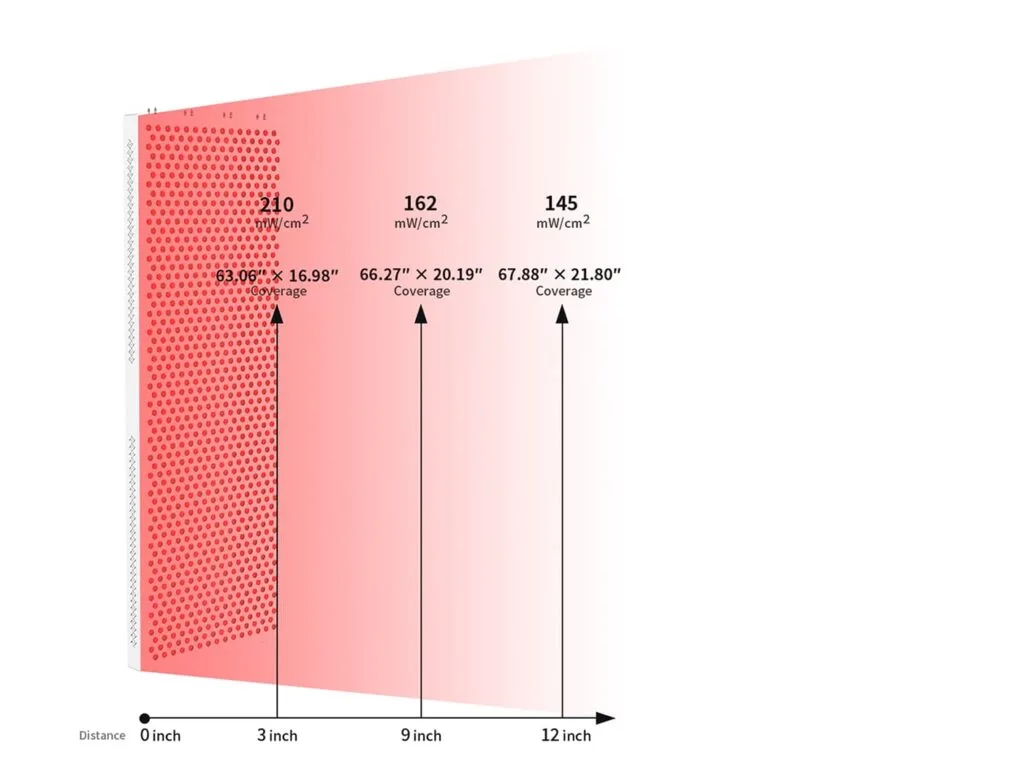
ESPLUS4500 Ofrece irradiancia verificada en tres distancias.:
| Distancia | Irradiancia | Área de cobertura |
|---|---|---|
| 3 pulgadas | 210 MW/cm² | — |
| 9 pulgadas | 162 MW/cm² | — |
| 12 pulgadas | 145 MW/cm² | — |
En 9 pulgadas: la distancia de tratamiento de pie estándar para sesiones comerciales de cuerpo completo; ESPLUS4500 ofrece 162 MW/cm². Esta cifra supera la especificación de irradiancia máxima de muchos paneles de la competencia., y es el número lo que importa para el posicionamiento comercial: ¿Qué recibe realmente el cliente durante una sesión?, no es lo que emite el panel 0 pulgadas en un entorno de prueba?
ESPLUS4500 utiliza una fuente de alimentación de grado médico y un sistema de enfriamiento activo de doble ventilador para mantener la estabilidad del rendimiento durante sesiones prolongadas de uso comercial..
Parte 3 — Criterio 2: Operación de posición dual horizontal y vertical
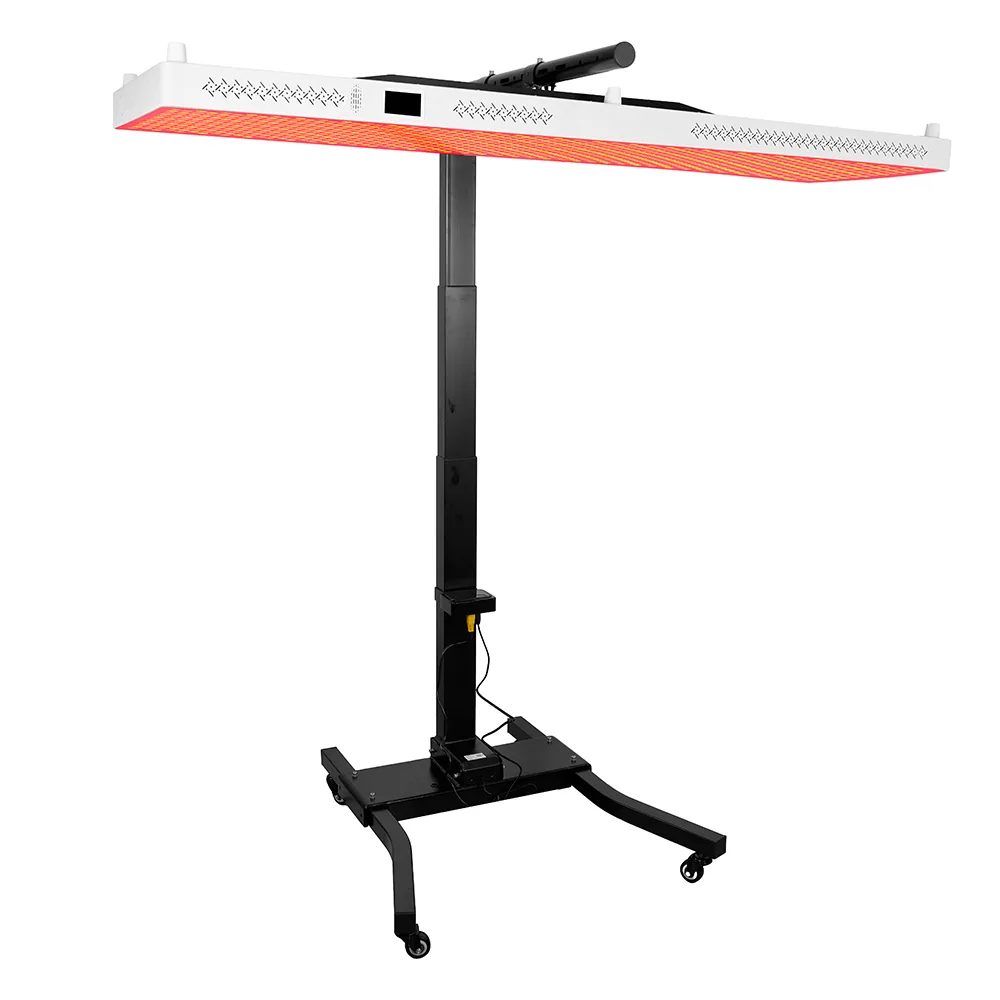
Esta es la especificación que separa más inmediatamente los paneles de calidad comercial de los dispositivos de uso doméstico, y es la que con mayor frecuencia se pasa por alto en la evaluación inicial del producto..
Por qué la posición del tratamiento es importante comercialmente
En un contexto de bienestar en el hogar, la gran mayoría del uso del panel de terapia de luz roja implica estar de pie o sentado frente a un panel montado verticalmente. Este es un protocolo perfectamente funcional para usuarios individuales..
En un spa comercial, clínica, o contexto de recuperación, la imagen es más compleja:
- Muchos protocolos de tratamiento de spa implican que los clientes se acuesten en una camilla de tratamiento., con el panel colocado sobre la cabeza o en ángulo
- Los protocolos de quiropráctica y fisioterapia con frecuencia se dirigen a áreas específicas del cuerpo con el cliente en una posición reclinada.
- Las instalaciones de recuperación pueden utilizar paneles tanto en configuración de pie como acostado, según el objetivo del tratamiento.
- Los programas de spa de hoteles y complejos turísticos a menudo diseñan sus experiencias de bienestar exclusivas en torno a la fototerapia acostada como un servicio diferenciado.
Un panel que solo opera verticalmente no puede servir protocolos acostados. Un panel que puede rotar para operación horizontal abre toda la gama de escenarios de tratamiento comercial y amplía significativamente las opciones de posicionamiento en el mercado para las marcas que venden en canales profesionales..
ESPLUS4500: Capacidad de posición dual horizontal y vertical
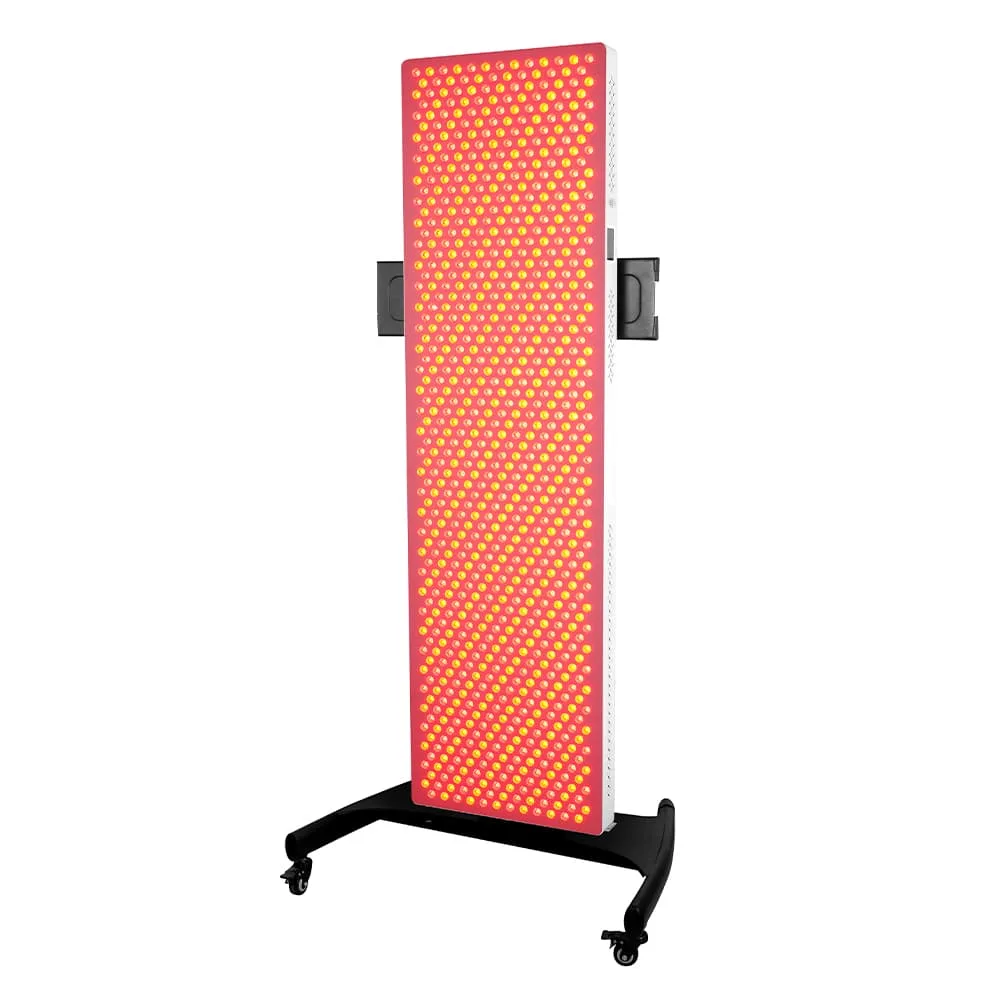
ESPLUS4500 está diseñado para funcionar tanto en posición vertical (tratamiento de pie) y horizontal (acostado / tratamiento en cama) posiciones. La estructura del panel y el sistema de montaje admiten la rotación hacia la orientación horizontal., permitiendo:
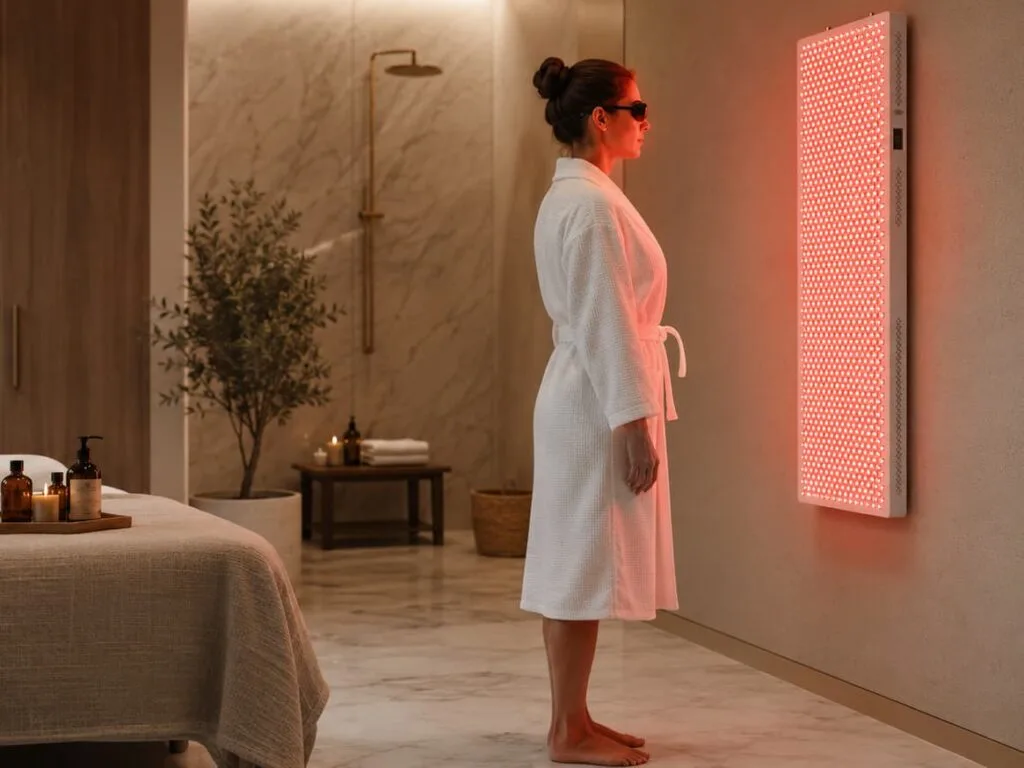
- Tratamiento de cuerpo completo de pie — panel montado verticalmente a altura estándar, El cliente se para frente al panel para cubrir todo el cuerpo.
- Tratamiento acostado — panel girado a posición horizontal, Montado encima de una camilla de tratamiento para cubrir todo el cuerpo por encima de la cabeza.
- Tratamiento de área específica — panel colocado en varios ángulos para enfocarse en áreas específicas del cuerpo tanto en configuración de pie como acostada
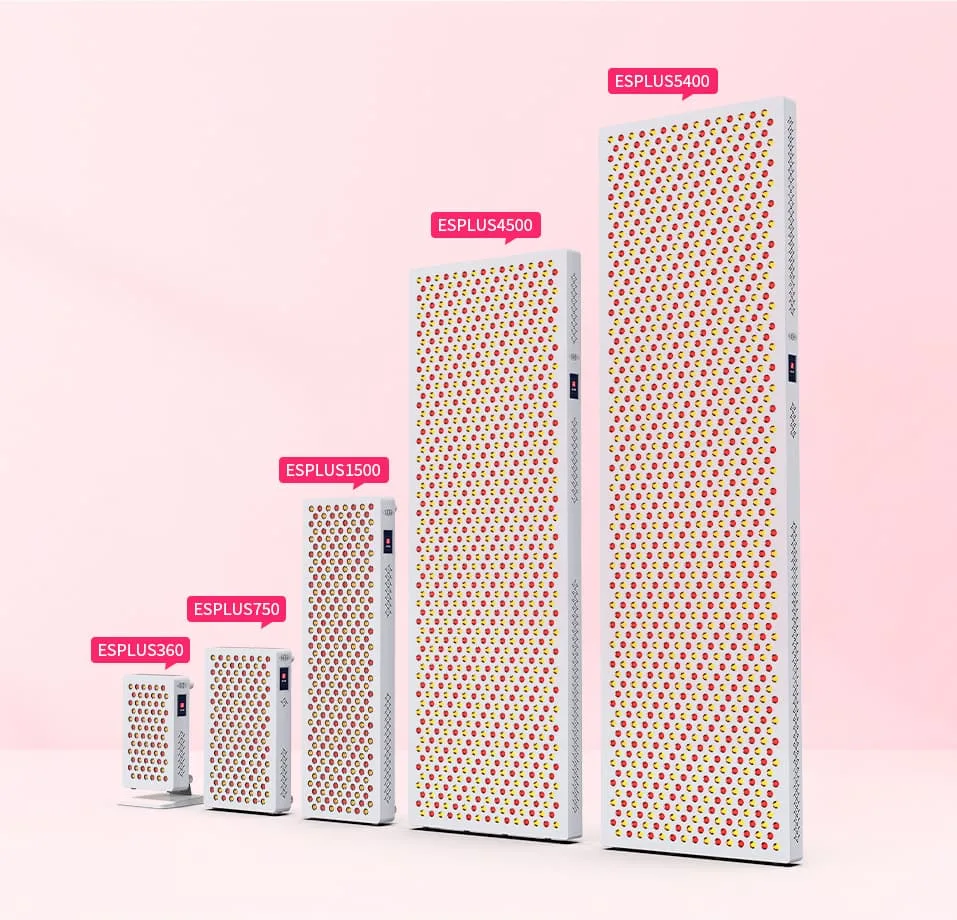
Esta capacidad de doble posición es uno de los principales diferenciadores entre ESPLUS4500 y ESPLUS1500, que está diseñado para uso doméstico y semiprofesional en una posición vertical fija..
Para marcas que construyen spa comerciales., clínica, o programas de productos de recuperación, La capacidad de operación horizontal no es opcional.. Es la especificación la que determina si el producto realmente puede cumplir con toda la gama de protocolos que esperan los compradores comerciales..
Parte 4 — Criterio 3: Alcance de la Certificación para Canales Comerciales
Por qué los requisitos de certificación comercial son más estrictos
Los paneles de uso doméstico vendidos directamente al consumidor a través de canales de comercio electrónico operan bajo un entorno regulatorio relativamente permisivo en la mayoría de los mercados.. Los canales comerciales son diferentes.
Un operador de spa o clínica que compra equipos para uso profesional a menudo está sujeto a:
- Requisitos del departamento de salud local para equipos utilizados en entornos de servicio
- Requisitos de la aseguradora para equipos de bienestar comerciales
- Estándares de gestión de instalaciones que requieren documentación de certificación verificable.
- Especificaciones del distribuidor o franquiciador para equipos aprobados en operaciones en cadena
En mercados regulados: EE. UU., UE, Reino Unido, Australia, y Canadá: los equipos de bienestar comerciales a menudo requieren un nivel más alto de documentación de certificación que los productos de uso doméstico.. Los paneles de posicionamiento de marcas para canales comerciales deben confirmar que el alcance de la certificación de su producto realmente cubre el uso comercial profesional..
Certificaciones importantes para el posicionamiento comercial
documentación de la FDA — Para uso comercial en el mercado estadounidense, Registro FDA o 510(k) La autorización proporciona la base de documentación que los compradores clínicos y los operadores de instalaciones requieren.. Tenga en cuenta que el alcance de la certificación siempre debe confirmarse por modelo de producto..
Marcado CE — Requerido para uso comercial en el mercado de la UE, que cubre la Directiva de Baja Tensión, Directiva CEM, y potencialmente la regulación de dispositivos médicos dependiendo de las afirmaciones del producto y el canal..
TGA (Australia) / MDL (Canadá) — Requerido para el posicionamiento de dispositivos terapéuticos comerciales en los mercados australiano y canadiense, respectivamente..
ISO 13485 — La certificación del sistema de gestión de calidad que indica a los compradores comerciales que el proceso de fabricación cumple con los estándares de dispositivos médicos.. Cada vez más requerido por compradores comerciales adyacentes a la atención médica y programas de adquisición de grandes instalaciones..
IEC 60601 — Norma de seguridad de equipos eléctricos médicos., Relevante para aplicaciones comerciales adyacentes a hospitales y clínicas..
ESPLUS4500 lleva: FDA, TGA, MDL, Ceñudo, FCC, ROHS, y ISO 13485. Todos los certificados incluyen códigos de verificación que pueden validarse en las respectivas bases de datos regulatorias oficiales, no solo reclamarse., pero verificable por los compradores de adquisiciones que requieren revisión de la documentación antes de la aprobación de la compra..
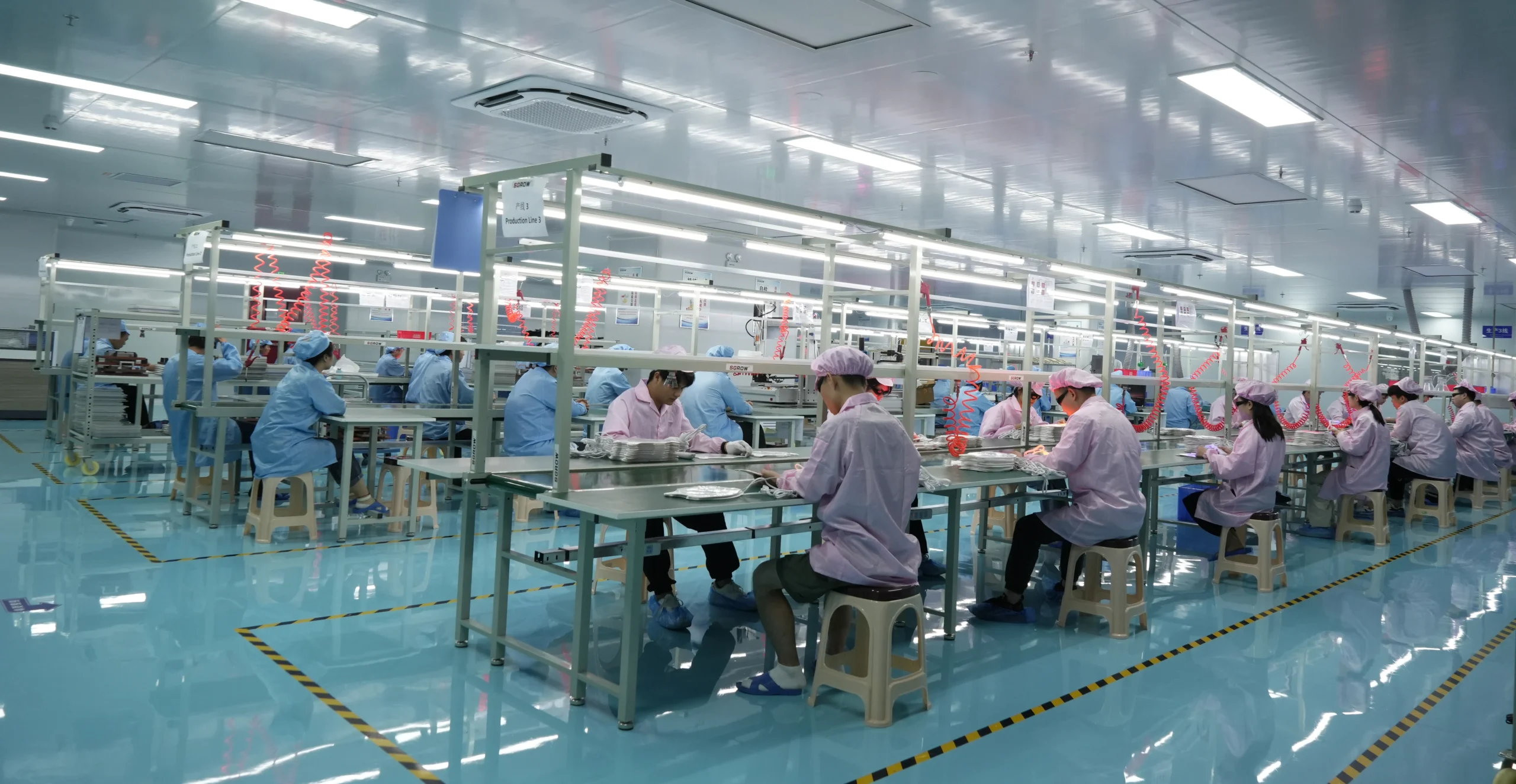
Para socios de marcas OEM, El equipo de cumplimiento de Wakelife Beauty respalda la preparación y documentación de certificaciones específicas del mercado como parte del programa de productos comerciales..
Parte 5 — Criterio 4: Escala física para una verdadera cobertura comercial de cuerpo completo
El estándar de cobertura comercial
En un contexto de uso doméstico, un panel que cubra la mayor parte del torso en posición de pie generalmente es suficiente. Los usuarios pueden reposicionarse en diferentes áreas del cuerpo como parte de su rutina personal..
En un contexto comercial, el reposicionamiento es un problema. Una sesión de tratamiento de spa es una experiencia definida con un protocolo establecido y una duración determinada. Una sesión de la clínica de recuperación es un intervalo de tiempo facturable. Una experiencia de bienestar en un hotel es un servicio diseñado. Ninguno de estos se beneficia del reposicionamiento a mitad de la sesión, y todos sufren cuando la cobertura física del panel no coincide con las expectativas de tratamiento del cliente..
Para que el posicionamiento comercial de cuerpo completo sea creíble, El panel debe ser lo suficientemente grande como para cubrir el torso y la parte superior de las piernas (el área de tratamiento principal para la mayoría de los protocolos de terapia con luz roja de cuerpo completo) sin que el cliente se mueva durante la sesión..
Báscula física ESPLUS4500
| Especificación | ESPLUS4500 | ESPLUS1500 |
|---|---|---|
| Altura | 1,625mm | 920mm |
| Ancho | 465mm | 300mm |
| Conteo de LED | 900 pcs | 300 pcs |
| Peso neto | 24 kilos | 9.7 kilos |
Con 1.625 mm de alto y 465 mm de ancho, ESPLUS4500 ofrece un área de tratamiento que cubre todo el torso y se extiende hasta la parte inferior del cuerpo en una posición de pie estándar.. El ancho del panel: 465 mm frente a. 300mm para ESPLUS1500: también proporciona una cobertura lateral significativamente más amplia, reduciendo la necesidad de una alineación precisa entre el panel y la posición del cliente.
Para marcas dirigidas a canales comerciales donde la experiencia del cliente es el producto., Esta diferencia de escala física es directamente relevante para la calidad del servicio que permite el producto..
Parte 6 — Criterio 5: Personalización OEM para programas de marcas comerciales
Por qué los productos genéricos tienen un rendimiento inferior en los canales comerciales
Un importante grupo de spa, una marca de clínica quiropráctica, o una cadena de gimnasios premium no quiere que su sala de tratamiento esté equipada con un producto que lleve la marca del fabricante.. Quieren su propia identidad de producto, o al menos, un producto que parece haber sido seleccionado y especificado por su marca, no procedente de un catálogo.
Para marcas que crean programas de productos comerciales, La profundidad de la personalización del OEM determina si la oportunidad del canal comercial es realmente accesible o si el producto siempre se posicionará como un artículo del catálogo del proveedor..
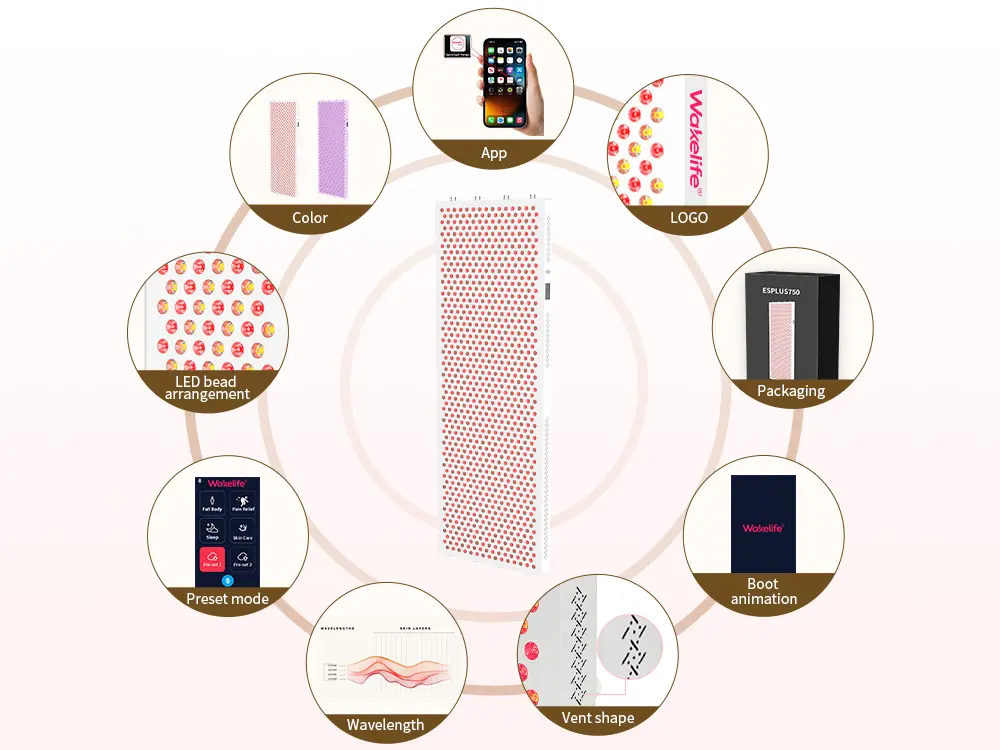
Capa de marca:
- Logotipo personalizado (grabado con láser, estampado de seda, o insignia de metal)
- Embalaje y documentación personalizados
- Manual de usuario personalizado y guía de inicio rápido
- Tarjeta de garantía personalizada e inserciones de marca.
capa de hardware:
- Color de carcasa y acabado superficial personalizados
- Patrón de ventilación personalizado y diseño de soporte.
- Diseño del panel de control personalizado
- Configuraciones de longitud de onda personalizadas
capa de software:
- Aplicación Bluetooth de marca (iOS + Androide)
- Interfaz de aplicación personalizada e identidad de marca.
- Nombres y protocolos de modos de tratamiento preestablecidos personalizados
- Nombre de marca integrado en el firmware del dispositivo
Para programas de adquisición de instalaciones de cadenas: grupos de spa de hoteles, cadenas de centros de bienestar, operadores de franquicias: la personalización de la capa de software es particularmente valiosa: una aplicación de marca que controla todos los paneles en todas las ubicaciones, con los nombres de modo y protocolos de tratamiento propios de la marca., Crea un ecosistema de productos conectados que una interfaz genérica de fabricante no puede replicar..
La cantidad mínima de pedido para la personalización de etiquetas privadas comienza entre 10 y 50 unidades. Desarrollo OEM completo desde 50 unidades. Derechos exclusivos de distribución territorial disponibles para programas que comprometen 1,000+ unidades anualmente.
Parte 7 — ESPLUS4500 frente a ESPLUS1500: Elegir la plataforma adecuada para su programa comercial
La pregunta más común de los socios OEM que evalúan la serie ESPLUS para programas comerciales es: cuando el 4500 tiene más sentido que el 1500?
- Su canal comercial objetivo es spa y salón de nivel básico — instalaciones que desean una apariencia profesional sin una gran huella de panel
- Su posicionamiento de precios se dirige al nivel profesional accesible en lugar del nivel insignia comercial completo
- El diseño de las instalaciones no no requiere protocolos de tratamiento acostado — ESPLUS1500 es fijo vertical
- Eres construyendo una línea de productos donde ESPLUS1500 sirve como modelo de entrada comercial y ESPLUS4500 como actualización insignia
- Tu objetivo es spa premium, spa medico, clínica quiropráctica, o recuperación de alto rendimiento — canales donde se espera capacidad de protocolo acostado
- Tu marca necesita un buque insignia comercial que ancla la parte superior de su línea de productos con especificaciones que ganan en comparaciones de especificaciones
- El programa de la instalación incluye camillas de tratamiento acostadas como parte del diseño del servicio
- Su compradores de adquisiciones Requieren documentación de certificación de calidad comercial que vaya más allá de lo básico FCC/CE.
- estas equipando instalaciones de cadena o de múltiples ubicaciones donde la consistencia del producto y la identidad OEM son requisitos de adquisición
La estrategia de la línea comercial de dos productos
Para marcas con capacidad para gestionar dos SKU comerciales, la arquitectura más efectiva es:
ESPLUS1500 como modelo de entrada comercial — huella más pequeña, punto de precio más bajo, vertical fija, adecuado para spa boutique, salón, y entornos de estudio
ESPLUS4500 como buque insignia comercial — mayor cobertura, capacidad horizontal/vertical, mayor irradiancia, certificación comercial completa, adecuado para spa premium, clínica, y programas de instalaciones en múltiples ubicaciones
Esta estructura escalonada ofrece a los compradores comerciales una vía de mejora, admite un valor de programa promedio más alto, y posiciona la marca en una gama más amplia de tipos de instalaciones y niveles de presupuesto.
Conclusión: La terapia comercial con luz roja es una decisión de compra diferente
La categoría del panel de terapia de luz roja. Es lo suficientemente maduro como para que la mayoría de las marcas y distribuidores comprendan las especificaciones básicas.. Lo que separa a los programas comerciales exitosos de los que no lo son no es el conocimiento de las especificaciones, sino la comprensión de cómo esas especificaciones se traducen en un desempeño de uso comercial..
Estabilidad de la irradiancia bajo carga diaria de múltiples sesiones.. Capacidad de tratamiento horizontal para protocolos acostados.. Documentación de certificación que satisfaga los requisitos del operador de la instalación y del comprador de adquisiciones.. Escala física que ofrece la cobertura de cuerpo completo que esperan los clientes comerciales.. Identidad OEM que posiciona el producto como propio de la marca., no es un artículo del catálogo del proveedor.
ESPLUS4500 está diseñado para cumplir con estos cinco requisitos comerciales en una sola plataforma, con 900 LED de doble chip, 1625mm de cobertura a escala comercial, Operación de posición dual horizontal/vertical., 210 en mW/cm² 3 pulgadas, certificación comercial completa, y personalización OEM en toda la marca, hardware, y capas de software.
Lectura relacionada
- Paneles de terapia de luz roja de cuerpo completo para marcas: Guía OEM/ODM — Cómo las especificaciones de los paneles de carrocería se traducen en el posicionamiento de la marca
- Cómo elegir un panel de terapia de luz roja para su marca: 6 Criterios que realmente importan — El marco completo de abastecimiento B2B
- Proceso de desarrollo de dispositivos de terapia de luz roja: Lecciones de los fracasos del mundo real — Cómo el desarrollo estructurado protege su inversión OEM
Listo para evaluar ESPLUS4500 para su programa comercial?
Si está comprando un panel comercial de terapia de luz roja para un spa, clínica, gimnasia, instalación de recuperación, o marca de bienestar con múltiples ubicaciones, Equipo OEM de Wakelife Beauty puede ayudarte:
- Confirma si ESPLUS4500 o ESPLUS1500 es la plataforma adecuada para tu canal comercial
- Revise la configuración de operación horizontal/vertical para el diseño específico de su instalación
- Proporcionar documentación de certificación para los requisitos de adquisición de su mercado objetivo.
- Analice las opciones de personalización OEM y MOQ para el alcance de su programa
- Solicite muestras y cotización de programa comercial
Comparta lo siguiente cuando se comunique:
- Tipo de canal objetivo (spa / clínica / gimnasia / recuperación / instalación de cadena)
- Mercado objetivo y requisitos de certificación.
- Volumen estimado del programa
- Requisitos de personalización
- Cronograma de implementación esperado
👉 Ver las especificaciones completas de ESPLUS4500: https://wakelifebeauty.com/product/wholesale-esplus4500-commercial-red-light-therapy-panel/
👉 Ver ESPLUS1500 para comparar: https://wakelifebeauty.com/product/esplus1500-oem-odm-premium-full-body-red-light-therapy-panel/
👉 Explore nuestros servicios OEM/ODM: https://wakelifebeauty.com/oem-odm/
👉 Revise nuestras credenciales de calidad y cumplimiento: https://wakelifebeauty.com/quality-compliance/