Photobiomodulation (PBM) is a non-invasive therapy that uses specific wavelengths of red and near-infrared light (typically 600–1000 nm) to stimulate cellular energy production and promote tissue repair. Light photons are absorbed by an enzyme called cytochrome c oxidase in the mitochondria, boosting ATP synthesis and triggering anti-inflammatory, regenerative, and neuroprotective responses. You may know it by its more common names: red light therapy, low-level light therapy (Lllt), or LED light therapy.
Einführung
If you’ve searched “what is photobiomodulation,” you’re probably trying to understand the science behind a technology you’ve seen marketed as red light therapy, LED therapy, or cold laser therapy.
Here’s what matters: photobiomodulation is real science with over 50 years of research behind it. It started with a Hungarian physician’s accidental discovery in 1967, was validated through NASA-funded research in the 1990s, and is now used in dermatology clinics, sports medicine centers, and millions of homes worldwide.
But there’s a lot of confusing — and sometimes misleading — information out there. This guide cuts through the noise. Whether you’re a healthcare professional evaluating the technology, a business considering the LED therapy market, or a consumer doing homework before buying a device, this is the foundation you need.
What Does “Photobiomodulation” Actually Mean?
Let’s break down the word:
- Photo = light
- Bio = biological (living organisms)
- Modulation = change or regulation
So photobiomodulation literally means: using light to regulate biological processes.
Specifically, PBM refers to the use of non-ionizing light — primarily in the red (620–700 nm) und fast infrarot (700–1100 nm) spectrum — at power densities that do not cause heating or tissue damage. The light triggers photochemical reactions within cells, somewhat analogous to how plants absorb sunlight for photosynthesis — except in human cells, the target is the mitochondria rather than chloroplasts.
The Terminology Problem
One reason PBM can feel confusing is that the same technology goes by many names:
| Term | What it means | Where you’ll see it |
|---|---|---|
| Photobiomodulation (PBM) | Official scientific term since 2015 | Research papers, medical literature |
| Rotlichttherapie (RLT) | Consumer-friendly name | Product marketing, wellness media |
| Low-level light therapy (Lllt) | Traditional clinical term | Older research, clinical settings |
| Low-level laser therapy | Original term from laser-only era | Historical literature |
| LED -Lichttherapie | Emphasizes the light source | Device marketing |
| Cold laser therapy | Distinguishes from surgical lasers | Pain clinics, physiotherapy |
They all describe the same fundamental phenomenon. The differences are mainly about which era of research you’re reading, or who’s marketing the device.
In 2015, die USA. National Library of Medicine officially adopted “photobiomodulation therapy” as the standardized MeSH (Medical Subject Headings) term — replacing the older “LLLT.” This was an important moment: it gave the field a unified, technology-neutral name that covers both laser and LED light sources.
Throughout this guide, we use PBM as the scientific term and red light therapy as the common term interchangeably, because they refer to the same thing.
The History of Photobiomodulation
PBM didn’t appear out of thin air. Its history stretches back over 120 years and involves Nobel laureates, Cold War-era laboratories, NASA engineers, and a very fortunate accident with mice.
Understanding this history matters because it shows PBM isn’t a wellness fad — it’s a technology with deep scientific roots that took decades to mature.
1903 — Niels Finsen: The First Nobel Prize for Light Therapy
Modern phototherapy began with Danish physician Niels Ryberg Finsen. In 1903, Finsen received the Nobel Prize in Physiology or Medicine for demonstrating that concentrated light could treat lupus vulgaris (skin tuberculosis).
Finsen didn’t discover PBM — his work used different wavelengths. But he established a critical principle that underlies everything that followed: specific wavelengths of light can produce measurable, therapeutic biological effects.
1960 — Theodore Maiman Builds the First Laser
In 1960, physicist Theodore Maiman at Hughes Research Laboratories built the first working laser using a synthetic ruby crystal. For the first time, scientists had a kohärent, monochromatic light source — a beam of light at a single, precise wavelength.
This breakthrough made it possible to study exactly how specific wavelengths interact with biological tissue, setting the stage for what came next.
1967 — Endre Mester: The Accidental Discovery That Started It All
This is the pivotal moment.
In 1967, Hungarian physician Endre Mester at Semmelweis University in Budapest was trying to test whether a laser could destroy implanted tumors in mice. He used a low-powered ruby laser (694 nm) — but his laser was far too weak to destroy anything.
The tumors were unaffected. But Mester noticed something unexpected: the shaved skin on the irradiated mice healed faster and their hair grew back more quickly than in the control group.
Rather than dismissing this as a failed experiment, Mester investigated. Over the following years, he conducted studies showing that low-intensity laser light could accelerate wound healing in human patients, stimulate hair regrowth, und Entzündung reduzieren (Mester et al., 1968).
Mester had discovered what he called “laser biostimulation” — the phenomenon we now call photobiomodulation. His work established three principles that remain central to PBM science today:
- Low-intensity light can stimulate biological processes — it doesn’t just cut or burn tissue
- The effect is wavelength-dependent — not any light will do
- There is an optimal dose — too little does nothing, too much can actually inhibit healing
These principles — especially the third one, bekannt als die biphasische Dosisreaktion — still guide PBM research and device design over half a century later.
1980s–1990s — NASA: From Space Plants to Wound Healing
PBM’s next major chapter came from space research.
In the late 1980s and 1990s, NASA-funded scientists at Marshall Space Flight Center were testing whether LED lights could boost plant growth on long-duration space missions. Red LEDs (670 nm) worked well for plants — but the more significant discovery came when researchers led by Dr.. Harry Whelan at the Medical College of Wisconsin found that the same LED wavelengths also accelerated wound healing and cell proliferation in human tissue.
This was transformative for two reasons:
- It proved that LEDs — not just expensive lasers — could produce photobiomodulatory effects
- LEDs were cheaper, safer, and could cover far larger treatment areas
NASA’s research opened the door for the LED-based therapy devices that now dominate both the professional and consumer PBM market.
2000s–2010s — Molecular Mechanisms and Clinical Validation
With LED technology validated, PBM research accelerated:
- 2005: Tiina Karu identifies cytochrome c oxidase as the primary chromophore responsible for PBM — finally providing the molecular mechanism
- 2012: Chung et al. publish “The Nuts and Bolts of Low-Level Laser (Licht) Therapy”, one of the most comprehensive PBM reviews, cited over 2,000 mal
- 2014: Wunsch & Matuschka publish a controlled clinical trial showing red/NIR LED light significantly reduces wrinkles and increases collagen density
- 2015: “Photobiomodulation therapy” officially adopted as a MeSH term by the U.S. National Library of Medicine
- 2017: Hamblin publishes a major review on PBM’s anti-inflammatory mechanisms
- FDA clearances granted for multiple PBM device categories
2015–Present — The Home Device Revolution
The most recent chapter is the explosion of consumer LED therapy devices. Advances in high-power LED manufacturing, dropping costs, and growing consumer awareness have created a global market worth billions.
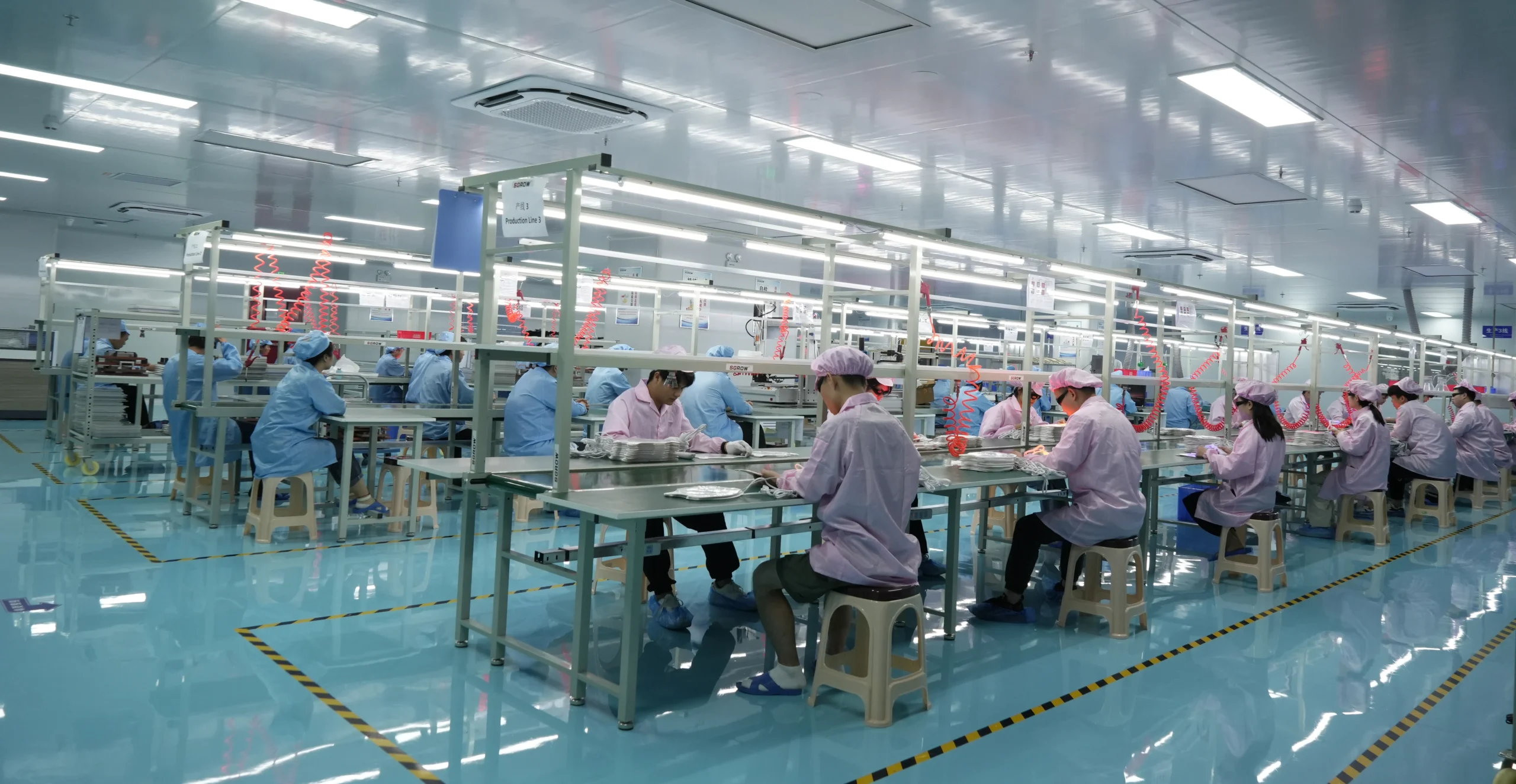
Heute, PBM devices are used in dermatology clinics, physical therapy practices, sports teams, and millions of homes. Manufacturers like WakeLife Beauty now translate decades of PBM research into accessible, quality-controlled LED devices for both professional and consumer use [[2]][doc_2] [[4]][doc_4].
How Photobiomodulation Works: The Cellular Mechanism
This is what separates PBM from pseudoscience: we know what happens at the cellular level.
Schritt 1 — Light Reaches Your Cells
When red or near-infrared light is applied to the body, photons penetrate through the skin. How deep depends on the wavelength:
- Rotlicht (630–660 nm) — penetrates ~1–3 mm (epidermis and dermis)
- Nahinfrarot (810–850 nm) — penetrates ~3–10 mm (Muskel, tendon, Knochen, nerve)
Different wavelengths reach different tissues, which is why different conditions call for different wavelengths. We cover this in our wavelength selection and penetration depth guide.
Schritt 2 — Cytochrome C Oxidase Absorbs the Photons
Inside each cell, the mitochondria contain an enzyme called Cytochrom-C-Oxidase (CCO) — Complex IV of the electron transport chain. CCO is a chromophore: a molecule that absorbs specific wavelengths of light.
When red or NIR photons reach CCO, they dissociate inhibitory nitric oxide (NO) from the enzyme, essentially “unclogging” it and allowing it to function at full capacity.
For a detailed look at this mechanism, see our article on cytochrome c oxidase and the PBM mechanism.
Schritt 3 — ATP Production Increases
With CCO working more efficiently, the electron transport chain accelerates and produces more Adenosintriphosphat (ATP) — the energy currency of your cells. More ATP means cells have more energy for repair, proliferation, and maintenance.
Schritt 4 — Downstream Biological Effects
The ATP increase and associated changes in reactive oxygen species (ROS) and nitric oxide trigger a cascade of downstream effects:
| Wirkung | Was geschieht | Why It Matters |
|---|---|---|
| Reduzierte Entzündung | NF-κB modulation, fewer pro-inflammatory cytokines | Schmerzlinderung, skin calming, Wundheilung |
| Collagen synthesis | Fibroblast stimulation | Anti-Aging, scar reduction |
| Cell proliferation | Growth factor upregulation | Wound closure, hair growth |
| Improved circulation | NO release → vasodilation | Nutrient delivery, tissue oxygenation |
| Neuroprotection | Reduced apoptosis in neurons | Brain injury recovery (emerging) |
| Antioxidant defense | SOD, catalase upregulation | Cellular resilience |
For the full breakdown, see downstream effects of PBM: ATP, Entzündung, and antioxidant responses.
The Biphasic Dose Response: Why More Light Isn’t Always Better
One of the most important principles in PBM — first observed by Mester himself — is the biphasische Dosisreaktion:
- Too little light → no measurable effect
- The right dose → optimal benefit
- Too much light → diminished or even inhibitory effects
This is why proper device specifications matter. A cheap device with very low irradiance may not deliver a therapeutic dose. But blasting a high-power panel for too long can actually slow healing rather than help it.
We cover dosimetry in detail in our Bestrahlung, Energiedichte & dosimetry guide.
What Can Photobiomodulation Be Used For?
Because PBM operates at the fundamental level of cellular energy and inflammation, its applications are broad. Here are the major evidence-backed categories:
Skin Health & Aesthetics — The most commercially developed area. PBM stimulates collagen production, Reduziert Entzündungen, and improves skin tone. A 2014 controlled trial demonstrated significant wrinkle reduction and collagen density increase, und a 2022 systematic review von 22 studies confirmed LED therapy’s efficacy for skin rejuvenation. → Mehr lesen: Rotlichttherapie zur Hautverjüngung & Anti-Aging
Pain Management & Gelenkgesundheit — One of the longest-studied applications. Red and NIR light reduce pain and inflammation in conditions like osteoarthritis, back pain, and tendinopathies — without the side effects of long-term NSAID use. → Mehr lesen: Rotlichttherapie zur Behandlung chronischer Schmerzen
Sportliche Erholung & Performance — Professional athletes and sports teams use PBM to reduce muscle soreness, accelerate injury recovery, and support mitochondrial function. → Mehr lesen: Red Light Therapy for Sports Injury Recovery & Performance
Haarwachstum — Mester’s original 1967 observation has been validated in human trials. PBM devices for hair loss have received FDA clearances. → Mehr lesen: Rot & Laser Light Therapy for Hair Loss & Growth
Neurological Applications (Emerging) — Transcranial PBM shows promise for brain injury, stroke rehabilitation, and neurodegenerative conditions. This area is still largely investigational but the evidence base is growing fast. → Mehr lesen: Transkranielles PBM bei traumatischer Hirnverletzung
Notiz: PBM is a therapeutic technology, not a cure for disease. Clinical applications should be discussed with qualified healthcare professionals.
Is Photobiomodulation Safe?
PBM has an excellent safety profile — one of the key reasons it has been adopted so widely for both clinical and home use.
- Non-thermal: No burns at therapeutic doses
- Nichtinvasiv: No incisions, no needles, keine Ausfallzeiten
- No known long-term risks: Decades of use with no evidence of cumulative harm
- Safe for all skin types: Unlike certain laser treatments
- FDA-cleared: Multiple device categories have received 510(k) clearances
A comprehensive review by Barolet (2017) concluded that LED phototherapy is “well-tolerated with minimal adverse effects.”
Contraindications to be aware of:
- Active cancer over the treatment site (precautionary)
- Direct eye exposure without protection
- Photosensitizing medications
- Schwangerschaft (limited data, especially over the abdomen)
For a full safety review: PBM-Gerätesicherheit, Nebenwirkungen & Kontraindikationen
Häufig gestellte Fragen
What exactly is photobiomodulation?
Photobiomodulation (PBM) is the use of red and near-infrared light at specific wavelengths (typically 600–1000 nm) to stimulate cellular energy production and trigger healing, entzündungshemmend, and regenerative responses. It works by activating an enzyme called cytochrome c oxidase in your cells’ mitochondria.
Is red light therapy the same as photobiomodulation?
Ja. “Red light therapy” is the popular consumer name for photobiomodulation. Seit 2015, “photobiomodulation” has been the official scientific term recognized by the U.S. National Library of Medicine.
Who discovered photobiomodulation?
The phenomenon was first observed in 1967 by Hungarian physician Endre Mester, who found that low-powered laser light accelerated wound healing and hair growth in mice. The broader concept of therapeutic light use dates to Niels Finsen’s Nobel Prize-winning work In 1903.
Is photobiomodulation scientifically proven?
PBM is supported by thousands of peer-reviewed studies. The molecular mechanism — cytochrome c oxidase activation leading to increased ATP production — is well-established. Multiple device categories have received FDA clearances. While research continues for emerging applications, the core science is solid.
Does it hurt? Are there side effects?
PBM is painless. Most people feel nothing or a mild warmth. Side effects are rare and typically limited to temporary redness. PBM does not use UV light and does not cause DNA damage.
How is PBM different from tanning beds?
Completely different. Tanning beds emit UV radiation, which damages DNA and causes skin cancer. PBM uses red and near-infrared light — longer wavelengths with none of UV’s risks. The biological effects are opposite: UV damages cells; PBM supports cellular repair.
Abschluss
Photobiomodulation is a scientifically grounded therapeutic technology — not a wellness fad. From Endre Mester’s accidental discovery in 1967, through NASA’s validation of LED efficacy, to today’s thousands of published studies, PBM has earned its place in evidence-based medicine and consumer wellness.
The essentials:
- Known mechanism — cytochrome c oxidase → increased ATP → downstream healing effects
- Deep research history — 50+ Jahre, thousands of peer-reviewed papers
- Excellent safety profile — non-invasive, nicht thermisch, FDA-cleared devices available
- Dose matters — the biphasic response means device quality and proper protocols are important
- Now accessible — LED technology has brought PBM from the lab to your home
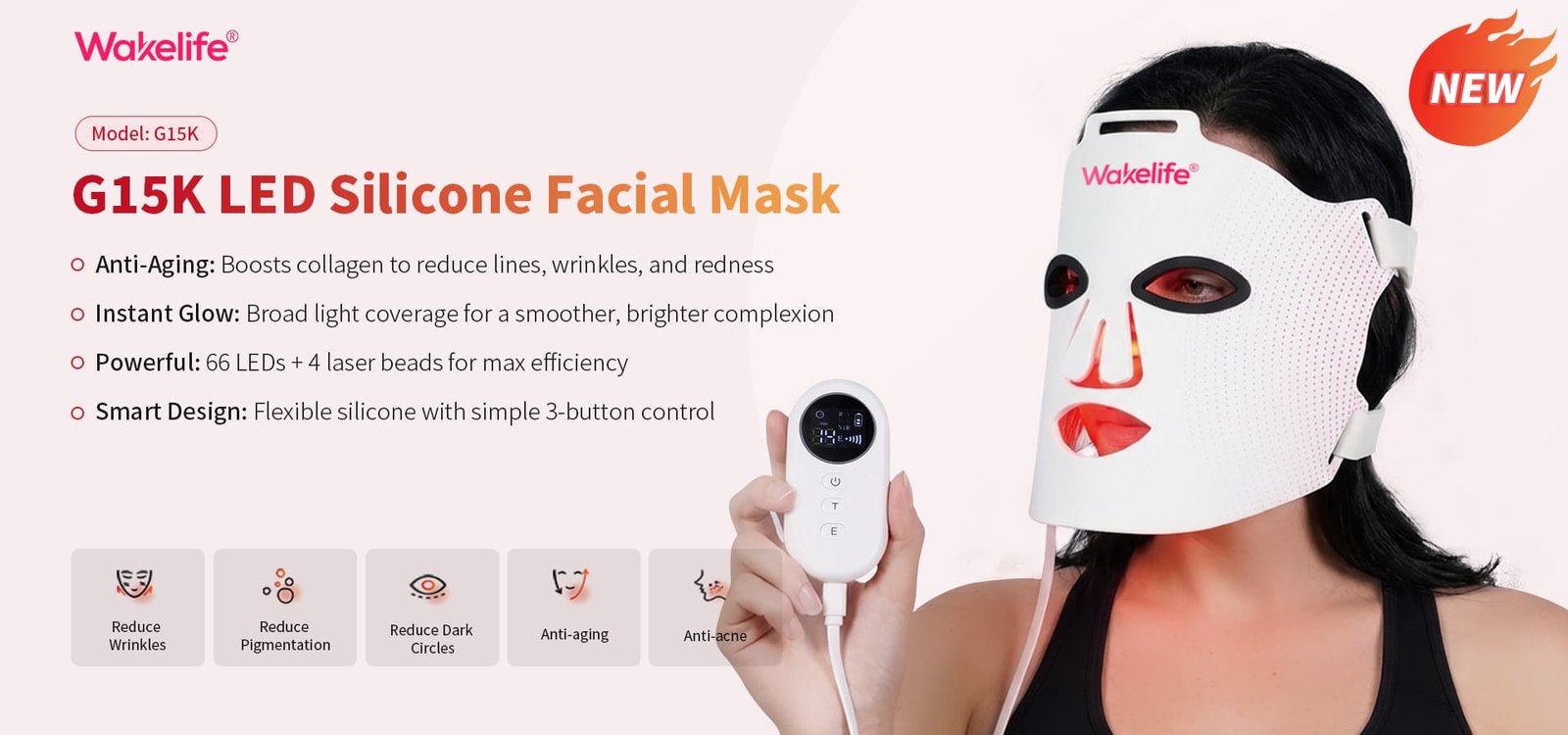
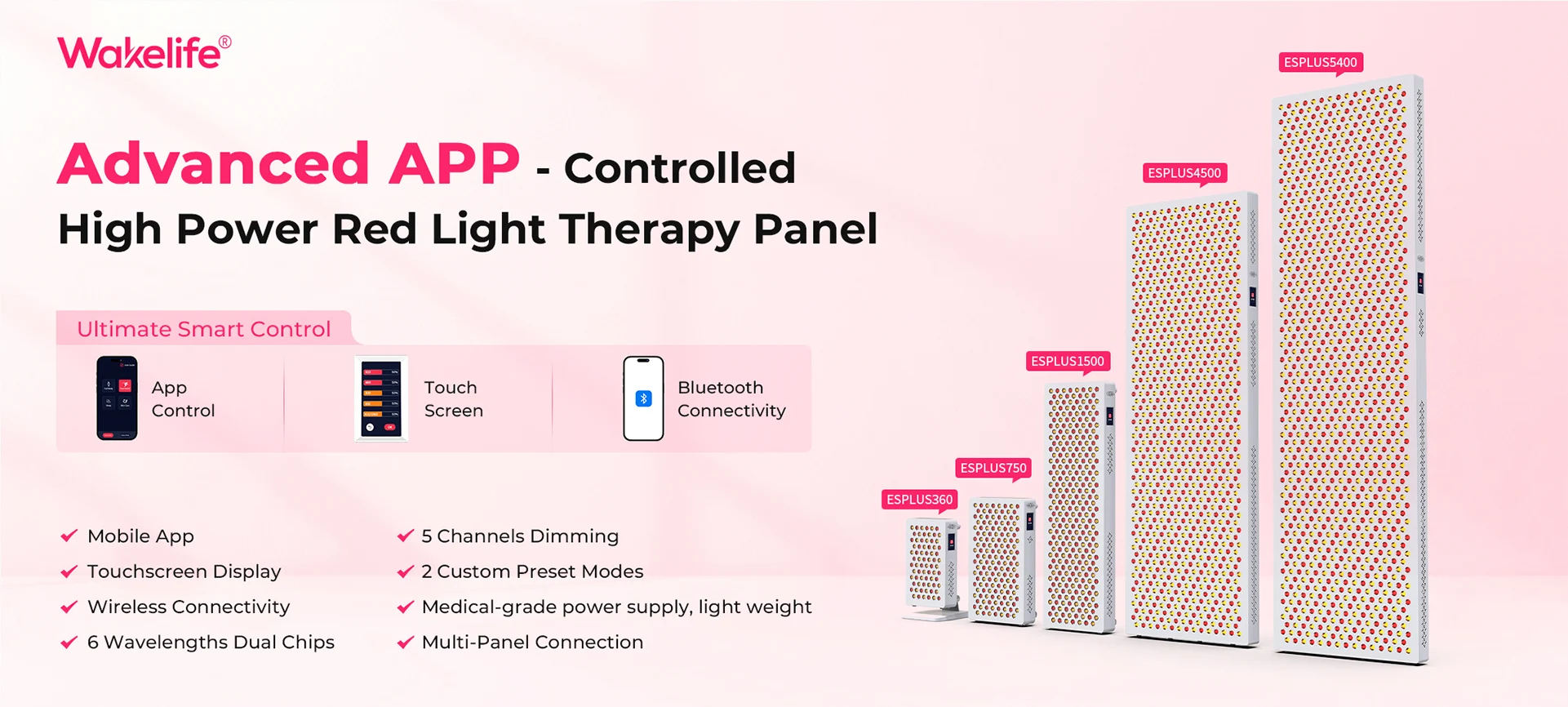
Bei WakeLife Beauty, we manufacture LED-based PBM devices — including LED-Gesichtsmasken Und light therapy panels — built on this scientific foundation. If you’re exploring PBM for personal use or evaluating OEM/ODM partnerships for your brand, feel free to get in touch.
Continue reading:
Referenzen
Mester, E., Szende, B., & Gärtner, P. (1968). The effect of laser beams on the growth of hair in mice. Radiobiologia Radiotherapia, 9(5), 621-626. — As cited in Chung et al., 2012
Mester, E., Mester, A. F., & Mester, A. (1985). The biomedical effects of laser application. Laser in Chirurgie und Medizin, 5(1), 31-39. PubMed
Zunahme, T., Pyatibrat, L., & Kalendo, G. (2005). Photobiologische Modulation der Zellanhaftung über Cytochrom-C-Oxidase. Photochemisch & Photobiologische Wissenschaften, 4(5), 421-428. PubMed
Chung, H., et al. (2012). Die Muttern und Schrauben von Laser auf niedrigem Niveau (Licht) Therapie. Annalen der biomedizinischen Technik, 40(2), 516-533. PubMed
Wunsch, A., & Matuschka, K. (2014). A controlled trial to determine the efficacy of red and near-infrared light treatment. Photomedizin und Laserchirurgie, 32(2), 93-100. PubMed
Hamblin, M. R. (2017). Mechanismen und Anwendungen der entzündungshemmenden Wirkungen der Photobiomodulation. AIMS Biophysics, 4(3), 337-361. PubMed
Barolet, D., & Boucher, A. (2017). Radiant near infrared light emitting diode exposure as skin preparation to enhance collagen density. Zeitschrift für klinische ästhetische Dermatologie, 10(11), 34-41. PubMed
Baez, J., & Reilly, L. R. (2022). The use of light-emitting diode therapy in skin rejuvenation: Eine systematische Überprüfung. Zeitschrift für kosmetische Dermatologie, 21(4), 1438-1447. PubMed