Der Übergang vom Dropshipping zum Private Label macht Sinn, wenn ein Produkt eine wiederkehrende Nachfrage erzeugt und Ihr Team bereit ist, die Verantwortung für das Produkterlebnis rund um das Produkt zu übernehmen. Die Entscheidung ist größer als das Hinzufügen eines Logos. Dadurch ändert sich die Art und Weise, wie Sie das Gerät genehmigen, Fondsbestand, Verpackung verwalten, Planen Sie die Erfüllung und unterstützen Sie Kunden nach der Lieferung.
Ein vorsichtiger Betriebsstandard für ein erstes Projekt ist ein stufenweiser Übergang: Behalten Sie den Betrieb des aktuellen Shops nur bei, solange seine genaue SKU vorliegt, Auflistung, Anweisungen und Erfüllung bleiben erkennbar und nachvollziehbar, Überprüfen Sie dann ein separates Muster einer Handelsmarke und bereiten Sie eine limitierte Erstbestellung vor. Wechseln Sie das Angebot erst nach dem Produkt, Verpackung, Dokumentation und Erfüllungspfad werden gemeinsam genehmigt.
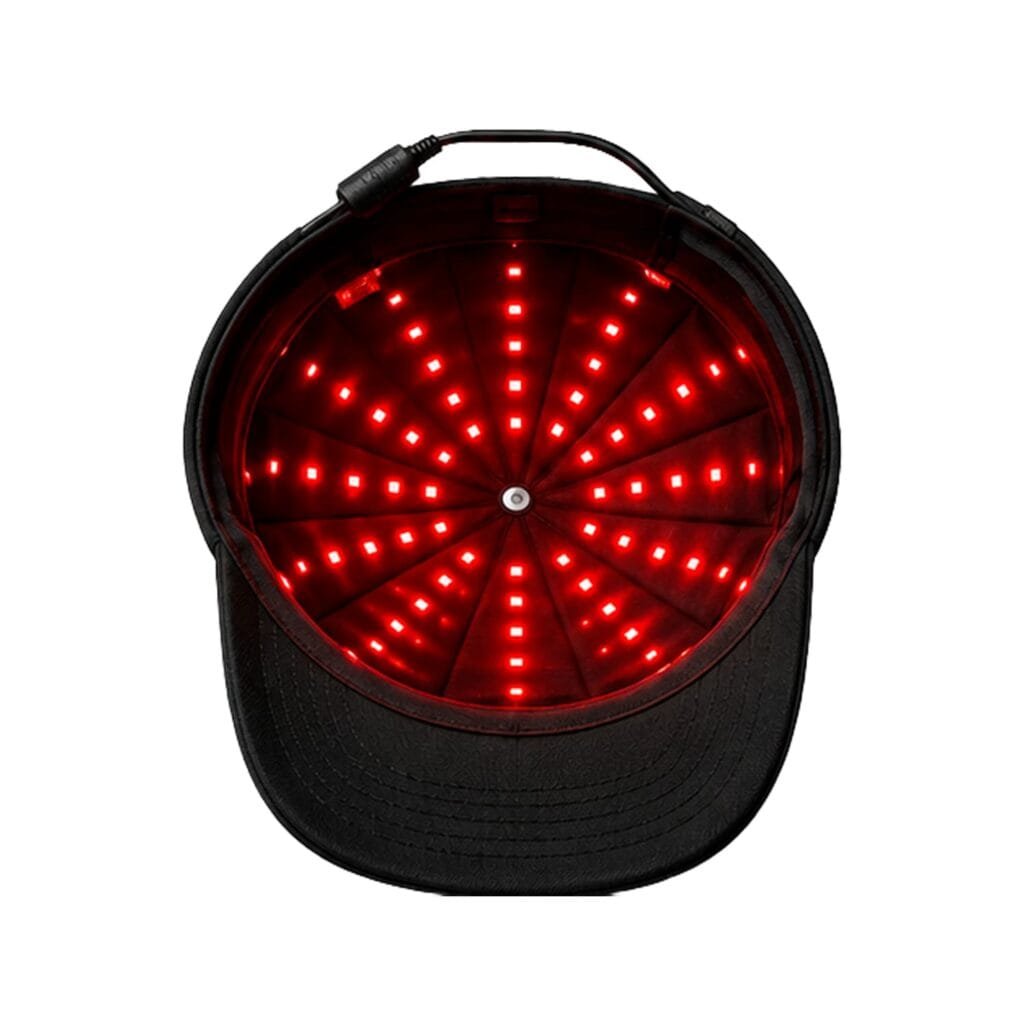
In diesem Leitfaden wird „Haarwuchsgerät“ als kommerzieller Kategoriebegriff für Produkte wie Kopfbedeckungen verwendet, Helme und Kämme. Es stellt nicht sicher, dass ein bestimmtes Gerät über eine zugelassene Haarwuchsindikation verfügt oder dass die Evidenz eines Produkts auch für ein anderes gilt.
Vor den sieben Schritten: Überprüfen Sie Ihre Private-Label-Bereitschaft
Sie sind bereit, Handelsmarken zu bewerten, wenn Ihr Geschäft fünf Fragen mit seinen eigenen Daten und benannten Eigentümern beantworten kann. Eine virale Woche oder der Verkaufs-Screenshot eines Lieferanten reichen nicht aus.
| Bereitschaftsbereich | Beweise zur Überprüfung | Pause wann |
|---|---|---|
| Nachfrage | Bestellungen pro Woche, Kanal und Land; Wiederholbare Konvertierung statt einer einzigen Werbeaktion | Verkäufe hängen von einer kurzen Spitze ab oder können nicht nach SKU getrennt werden |
| Produkt passt | Rückgabegründe, Support-Fragen, Bewertungen und das genaue Produkt, das Kunden erhalten haben | Sie können das aktuelle Gerät nicht identifizieren oder wiederkehrende Beschwerden erklären |
| Bargeld und Inventar | Nach der Werbung verfügbare Mittel, Rückerstattungen und Betriebskosten; realistisches Aktienengagement | Mit der ersten Bestellung würde das Geld wegfallen, das für den Betrieb des Geschäfts erforderlich wäre |
| Markeneigentum | Ein klarer Kunde, Positionierung, Produktversprechen und Eigentümer für Verpackung und Support | Der Plan besteht lediglich darin, ein generisches Logo durch Ihr eigenes zu ersetzen |
| Operationen | Zielmärkte, Speicherort, Versandweg, Garantieprozess und Nachbestellungsinhaber | Niemand besitzt Erfüllung, Retouren oder Nachschub |
Es gibt keinen allgemeingültigen monatlichen Umsatz- oder MOQ-Grenzwert. Verwenden Sie Ihre tatsächliche Verkaufsrate, die angegebene Mindestmenge, Anschaffungskosten des Lagerbestands, Kosten nach der Landung für die Bedienung, Wiederbeschaffungszeit und Bargeldpuffer, um zu entscheiden, ob die erste Bestellung bewältigbar ist.
Vor den sieben Schritten: Wählen Sie ein Übergangsmodell
Private Label und Fulfillment sind getrennte Entscheidungen. Ein Markengerät kann von Ihrem eigenen Lager aus versandt werden, einen externen Logistikdienstleister oder eine andere vereinbarte Erfüllungsvereinbarung. Ob ein Hersteller Einzelbestellungen versenden kann, muss gesondert bestätigt werden; Aus den Worten „Private Label“ sollte niemals davon ausgegangen werden.
| Modell | Beste Passform | Hauptkontrolle |
|---|---|---|
| Setzen Sie den Dropshipping während der Bewertung fort | Nachfrage, Die Bargeld- oder Supportdaten sind unvollständig, aber die aktuelle SKU, Konfiguration, Auflistung, Anweisungen und Erfüllung bleiben erkennbar und nachvollziehbar | Sammeln Sie weiterhin Verkäufe auf SKU-Ebene, Retouren- und Lieferdaten; Behalten Sie den aktuellen Produktdatensatz bei |
| Hybrider Übergang | Eine SKU hat einen wiederholbaren Bedarf und eine nachverfolgbare aktuelle Konfiguration, während der breitere Katalog immer noch Dropshipping nutzt | Verhindern Sie, dass generische und Markenversionen in Angeboten gemischt werden, Ansprüche oder Erfüllung |
| Vollständiger Private-Label-Bestand | Die Nachfrage ist stabil, Das Team kann Inventar finanzieren und lagern, und der Betriebsprozess ist fertig | Produkt genehmigen, Verpackung, Dokumentation, Qualität und Nachschub als ein System |
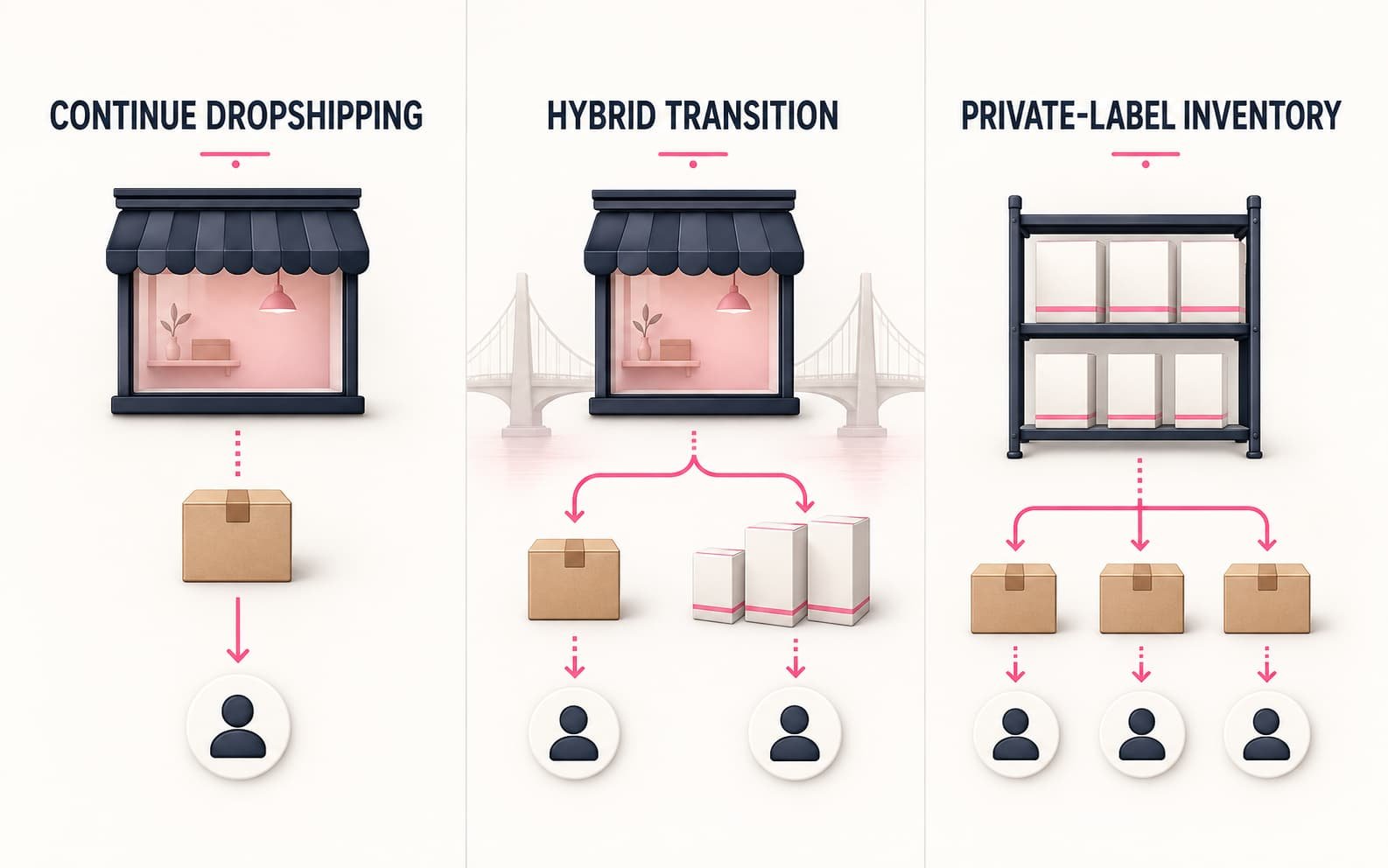
Wenn das aktuelle Produkt weiterhin genau identifiziert und unterstützt werden kann, Ein hybrider Übergang ist eine vorsichtige erste Option. Der aktuelle Umsatz bleibt erhalten, während die Private-Label-Version bemustert und genehmigt wird. Außerdem kann die Marke ihren neuen Verpackungs- und Supportprozess testen, bevor sie sich auf ein vollständiges Inventarmodell verlässt. Wenn Sie die aktuelle Auflistung und die Anweisungen nicht dem Produkt zuordnen können, das die Kunden tatsächlich erhalten, Behandeln Sie diese Route nicht mehr als gültige Brücke und beheben Sie zunächst die Produktinkongruenz.
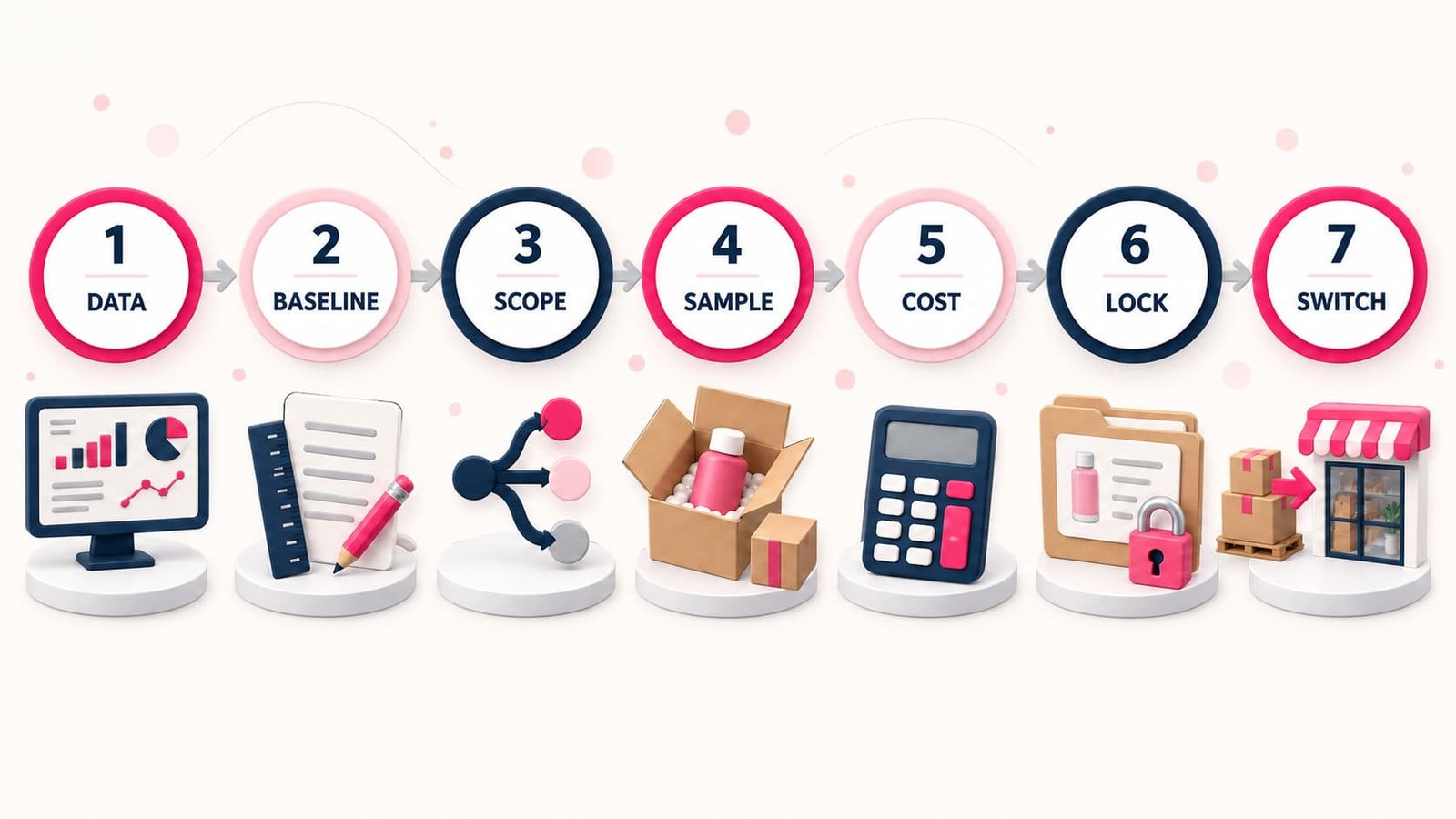
Schritt 1: Verwandeln Sie Filialdaten in eine Produktentscheidung
Beginnen Sie mit der SKU, die die eindeutigsten Beweise aufweist, nicht das Produkt mit der beeindruckendsten Lieferantenpräsentation.
Rezension:
- Bestellungen und Umrechnung pro Woche, Land und Kanal;
- Rückerstattungen, kehrt zurück, Rückbuchungen und Lieferbeschwerden;
- die Fragen, die Kunden vor und nach dem Kauf stellen;
- die Produktvariante und das Zubehör, die jeder Kunde tatsächlich erhalten hat;
- welche Auflistungsaussagen oder Bilder den Kauf beeinflusst haben; Und
- ob die Nachfrage bestehen bleibt, wenn eine Rabatt- oder Werbeaktion endet.
Diese Überprüfung beweist nicht, dass das Gerät funktioniert oder dass eine zukünftige Nachfrage gewährleistet ist. Hier erfahren Sie, ob das Geschäftsproblem stabil genug ist, um die nächste Bewertung zu rechtfertigen.
Schreiben Sie eine Produktrolle, bevor Sie eine Fabrik kontaktieren:
Wir wollen a bewerten [Kamm/Mütze/Helm] als unsere erste Marken-Kopfhautgeräte-SKU für [Kunde und Kanal]. Die erste Probe soll uns bei der Entscheidung helfen [das konkrete Produkt, Fragen zu Verpackung und Versand].
Wenn Sie den Formfaktor nicht ausgewählt haben, Vergleichen Sie die Kaufrollen bei Wakelife OEM/ODM-Leitfaden für Haarwuchsgeräte bevor Sie Preise anfordern.
Schritt 2: Identifizieren Sie das genaue Produkt, das Sie ersetzen
Bitten Sie einen neuen Lieferanten nicht, über einen Marktplatz-Link „dasselbe zu machen“.. Durch eine Auflistung kann sich der Anbieter ändern, Kombinieren Sie mehrere Varianten oder lassen Sie wichtige Details bei der Bemusterung weg.
Erstellen Sie eine Basislinie für das aktuelle Produkt:
| Baseline-Feld | Was soll aufgezeichnet werden? |
|---|---|
| Physisches Produkt | Formfaktor, Abmessungen, Gewicht, Kontrollen, Zubehör, Ladegerät oder Adapter, Materialien und Farbe |
| Benutzerworkflow | Wie der Kunde positioniert, betreibt, reinigt, lädt und lagert das Produkt |
| Verpackung | Einzelhandelsverpackung, Einsätze, Schutzverpackung und den Zustand, in dem die Bestellungen eintreffen |
| Kundenorientierte Inhalte | Produktname, Anweisungen, Bilder, Ansprüche, Warnungen und Support-Antworten |
| Erfüllung | Auslieferort, Lieferbereich, Verfolgung, Bearbeitung und Rückgabe beschädigter Bestellungen |
| Beweise vorhanden | Dokumente, die das genaue Produkt benennen oder diesem zuordnen, und nicht eine ähnliche Auflistung |
Das Ziel besteht nicht darin, ein unbekanntes Gerät zu kopieren. Es geht darum, offenzulegen, was Ihre Kunden bereits erwarten, Entscheiden Sie dann, was das Private-Label-Muster bewahren soll, verbessern oder entfernen.
Schritt 3: Trennen Sie Markenänderungen von Produktänderungen
Für einen ersten Übergang, Eine bestehende Produktplattform ist oft einfacher zu bewerten als ein neues Engineering-Projekt. Wakelife’s Private-Label-Service Beginnt mit ausgewählten bestehenden Plattformen und einem definierten Rahmen für das Branding, Verpackung, Anweisungen, Muster und verfügbare Dokumentation.
Klassifizieren Sie jede Anfrage, bevor Sie ein Angebot anfordern:
| Anfrage | Wahrscheinlich Projektdiskussion |
|---|---|
| Logo, verfügbare Farbe, Markenbox und Handbuch | Private-Label-Bereich, abhängig vom gewählten Modell und Prozess |
| Anderes Zubehörset oder verfügbare Konfiguration | Plattformoption, die im Angebot und im Muster bestätigt werden muss |
| Neue Lichtkonfiguration, Kontrollen, Firmware, Struktur oder Verwendungszweck | Überprüfung der technischen und evidenzbasierten Auswirkungen; kann über die Standard-Eigenmarkenmarke hinausgehen |
| Ein neues Produkt, das nach einem Konzept entwickelt wurde | OEM/ODM-Entwicklungsdiskussion |
Die vom Vertriebsteam verwendete Bezeichnung ist weniger wichtig als die Änderungsliste. Bitten Sie den Lieferanten, zu ermitteln, welche Anforderungen Standard sind, die einer technischen Überprüfung bedürfen und die sich auf Tests auswirken, Dokumentation, Preis oder Zeitpunkt.
Schritt 4: Genehmigen Sie die Probe als System
Ein Beispiel ist nur dann nützlich, wenn Sie wissen, was es darstellt. Notieren Sie das Modell, Konfiguration, Zubehör, ggf. Software- oder Firmware-Version, und ob die Probe neutral ist, mit Logo-Anbringung oder mit produktionsspezifischer Verpackung.
Vergleichen Sie das Kandidatenmuster mit dem aktuellen Produkt:
- fit, Komfort und Verwendung von Stufen;
- Kontrollen, Ladegerät und Zubehör;
- Baukonsistenz und sichtbare Mängel;
- Verpackungsschutz und Auspacksequenz;
- Anweisungen, Warnungen und Supportfragen;
- Produktfotos und Auflistungsgenauigkeit; Und
- die genauen Dokumente, die für die angegebene Konfiguration und den Zielmarkt verfügbar sind.
Wenn es sich bei der validierten SKU um einen Handkamm handelt, Benutze die Beschaffungsratgeber für Laser-Haarwuchskamm um den Arbeitsablauf des Kamms von den Komponentenspezifikationen und der genauen Geräteüberprüfung zu trennen.
Genehmigen Sie ein Muster nicht, da es dem Dropship-Produkt sehr ähnlich sieht. Genehmigen Sie es anhand einer schriftlichen Checkliste, und erfassen Sie, welche Unterschiede eine Entscheidung erfordern, bevor mit der Gestaltung oder Produktion begonnen wird.

Schritt 5: Berechnen Sie die erste Bestellung anhand der Stückkosten und der Durchlaufzeit
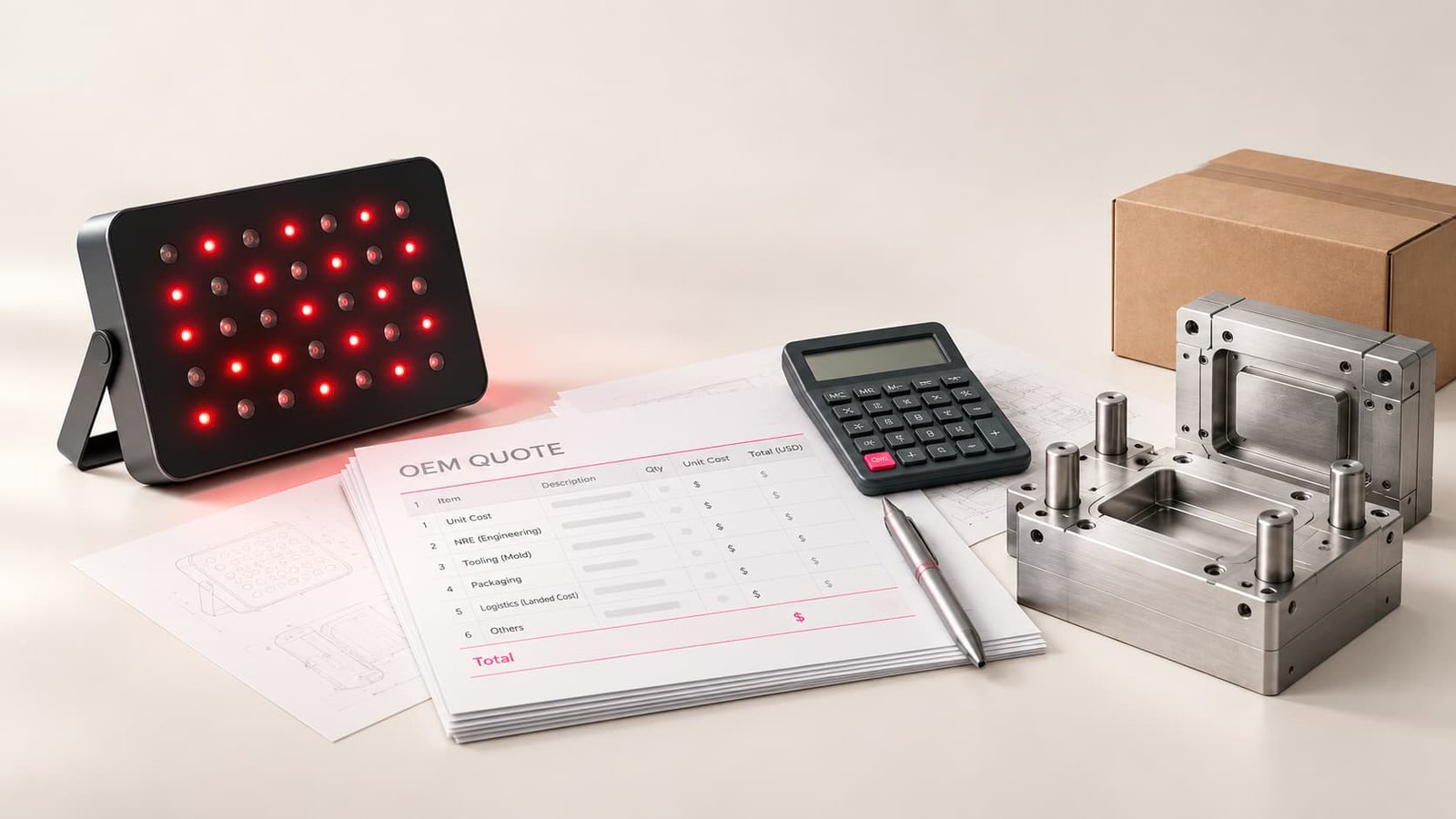
Die relevante Zahl ist nicht der Werksstückpreis allein. Halten Sie die Kosten für den eingetroffenen Lagerbestand getrennt von den Kosten für die Erfüllung und den Support nach der Einlieferung, damit dieselben Ausgaben nicht doppelt gezählt werden. Verwenden Sie eine Währung, eine vorgeschlagene Charge und die erwartete Anzahl verkaufbarer Einheiten während der Berechnung.
| Kostenschicht | In den Kostenvoranschlag einbeziehen |
|---|---|
| Anschaffungskosten pro verkaufbarer Einheit | Produkt und vereinbartes Branding; Verpackung und Beilagen; zugewiesene Inspektion oder erforderliche Prüfung; eingehende Fracht, Pflicht und Handhabung |
| Kosten nach der Landung für die Versorgung jeder Einheit | Lagerung und Kommissionierung; Auslieferungs- und Zahlungskosten; dokumentierter Schaden, Rückgabe- und Ersatzvergütung |
Fügen Sie diese beiden Zahlen erst hinzu, wenn beide die gleichen Annahmen für die Charge verwenden. Werbung, Kanalgebühren und andere Filialgemeinkosten können dann separat nach der markeneigenen Abrechnungsmethode modelliert werden. Es handelt sich um Planungsschätzungen, keine universellen Buchhaltungsdefinitionen.
Beim Vergleich von Lieferantenangeboten, erfordern benannte Incoterms® 2020 Regel und einen benannten Ort, anstatt nur „FOB“ zu schreiben,„„CIF“ oder „DDP“. Der Internationale Handelskammer erklärt, dass Incoterms® die Lieferaufgaben klarstellen, Kosten und Risiken werden zwischen Verkäufer und Käufer aufgeteilt. Sie ersetzen das Produkt nicht, Zahlung, Qualität, Gewährleistung oder andere Bedingungen, die noch in den Vertrag aufgenommen werden müssen.
Dann berechnen Sie: erwartete Verkaufsmonate = verkaufbare Einheiten erster Ordnung ÷ konservative monatliche Verkaufseinheiten.
Verwenden Sie eine konservative Verkaufsrate, die ungewöhnliche Spitzen ausschließt. Vergleichen Sie das Ergebnis mit der Nachbestellungszeit des Produkts, Barreserve und Risiko von Listungen oder Produktänderungen. Steuern, Zölle und Lieferkosten hängen vom Bestimmungsort und den Versandbedingungen ab, Erhalten Sie also aktuelle Angebote, anstatt einen allgemeinen Prozentsatz aus einem Artikel zu kopieren.
Schritt 6: Verpackung sperren, Ansprüche und Erfüllung vor der Produktion
Bevor eine Bestellung als startbereit gilt, müssen drei Genehmigungen vorliegen.
Produktzulassung: Das genehmigte Muster und die Bestellspezifikation beziehen sich auf dasselbe Modell und dieselbe Konfiguration.
Genehmigung für den Kunden: die Kiste, Etikett, Handbuch, Auflistungs- und Support-Skripte beschreiben das Produkt konsistent. Kopieren Sie keine Ansprüche oder Anweisungen aus der früheren Dropship-Liste, ohne das genaue Gerät zu überprüfen, Beweise und Zielmarkt.
Erfüllungsgenehmigung: Das Team weiß, wo das Inventar aufbewahrt wird, Wer erstellt Versandetiketten?, welche Länder beliefert werden können, wie die Sendungsverfolgung an den Shop zurückgegeben wird, und wer geht mit verloren um, beschädigt, Retouren- und Garantiegeräte.
Wenn Sie planen, in mehr als ein Land zu verkaufen, Führen Sie eine Marktliste mit dem endgültigen Produktnamen, Konfiguration, Verpackung, Anweisungen, Informationen zum Importeur oder zur verantwortlichen Partei, sofern zutreffend, plus die endgültigen Ansprüche und den benannten Gutachter, der für die marktspezifische Freigabe verantwortlich ist. Eine allgemeine Zertifikatsliste ist kein Ersatz für die Überprüfung des endgültigen Private-Label-Produkts und der Rolle.
Schritt 7: Wechseln Sie den Store in kontrollierten Phasen
Vermeiden Sie einen Wechsel über Nacht beim Markenprodukt, Verpackung und Erfüllungspfad wurden nicht zusammen getestet.
- Frieren Sie das zugelassene Produkt ein, Kunstwerk, Verpackung und Bestellspezifikation.
- Erhalten und überprüfen Sie den Pilotbestand, bevor Sie den Live-Eintrag ändern.
- Erstellen Sie neue Fotos und Anleitungen aus dem bewährten Markenprodukt.
- Testen Sie die Auftragsweiterleitung, Verfolgung, Bearbeitung und Rückgabe beschädigter Bestellungen.
- Trennen Sie den verbleibenden generischen Bestand von der Marken-SKU und weisen Sie dem Markenprodukt eigene Kennungen zu. Wenn Ihr Kanal die GS1-Identifikation verwendet, Die GS1 GTIN-Managementstandard besagt, dass für die Änderung der auf einem Handelsartikel angezeigten Hauptmarke eine neue GTIN erforderlich ist.
- Aktualisieren Sie Kundensupport-Skripte mit dem tatsächlichen Zubehör, Anweisungen und Garantieweg.
- Überwachen Sie frühe Bestellungen auf Mängel, Lieferabweichung, wiederholte Fragen und Nichtübereinstimmung der Auflistung, bevor die nächste Bestellung erhöht wird.
Behalten Sie die alte Dropshipping-Route nur bei, wenn die beiden Produkte klar getrennt werden können. Der Versand einer generischen Version an einen Kunden, der die Markenversion bestellt hat, bricht den Produktrekord, Kundenerwartungen und Supportprozess.
Was sollten Sie in der ersten Angebotsanfrage angeben??
Senden Sie ein einseitiges Briefing, das dem Hersteller genügend Informationen zur Lösung des Übergangsproblems bietet.
- Shop-URL, Unternehmen und aktuelle Vertriebskanäle
- Zielkunde und Länder
- Aktuelle Produktform und die genauen Probleme, die Sie verbessern möchten
- Bevorzugte vorhandene Plattform oder Formfaktor
- Erstbestellmengenbereich für das Angebot, ohne es als Verpflichtung zu betrachten
- Logo, Farbe, Verpackung, Handbuch- und Zubehöranfragen
- Geplanter Produktname, Nutzung und geplante Ansprüche
- Probentyp und die Entscheidungen, die die Probe unterstützen muss
- Erforderliche Dokumente für die genaue angegebene Konfiguration und den genauen Markt
- Stückpreisstufen und was jede Stufe beinhaltet
- Verpackungsmaße, Hauptkartondaten und Versandbedingungen
- Annahmen zur Produktions- und Nachschubplanung
- Lagerung, Anforderungen an den Massenversand oder die Erfüllung einzelner Bestellungen
- Inspektion, Defekt, Ersatz, Garantie- und Ersatzteilprozess
Bitten Sie den Lieferanten, jede Antwort als Standard zu markieren, optional, kann überprüft werden oder ist nicht verfügbar. Das ist nützlicher als ein Angebot, das Annahmen hinter einem Einheitspreis verbirgt.
Was ist der praktische nächste Schritt??
Beginnen Sie nicht mit einer Großbestellung oder einer neuen Form. Beginnen Sie mit einem Übergangsbrief, ein modellspezifischer Vorschlag und ein Musterplan.
Wenn Sie noch einen Formfaktor auswählen, Erkunden Sie zunächst Wakelife’s Plattformen für LED- und Laser-Haarwuchsgeräte. Wenn Ihre aktuelle SKU einen wiederholbaren Bedarf hat und Sie das Produkt definieren können, Marke, Markt- und Erfüllungsanforderungen, Senden Sie Wakelife a Private-Label-Projektanfrage. Geben Sie die aktuelle Produktbasis und die RFQ-Felder oben an. Wakelife kann dann verfügbare Plattformoptionen von Anfragen trennen, die einer technischen Bearbeitung oder weiteren Prüfung bedürfen.
Ob diese Eingaben noch unklar sind, Sammeln Sie weiterhin Filial- und Supportdaten, bevor Sie den Bestand festlegen. Der Zweck des ersten Private-Label-Schritts besteht darin, Kontrolle zu schaffen, die Sie ausüben können – und nicht nur darin, Ihr Logo auf der nächsten Lieferung zu platzieren.
Häufig gestellte Fragen
Kann ich weiterhin Dropshipping betreiben, während ich eine Private-Label-Version entwickle??
Ja, wenn die aktuelle SKU, Konfiguration, Auflistung, Anweisungen und Erfüllung bleiben erkennbar und nachvollziehbar. Durch einen hybriden Übergang können aktuelle Verkäufe erhalten bleiben, während Sie das Markenmuster bewerten, Verpackungs- und Fulfillment-Prozess. Halten Sie generische und Markenprodukte getrennt im Lagerbestand, Auflistungen, Reklamationen und Kundenbetreuung.
Bedeutet Private Label, dass der Hersteller einzelne Bestellungen erfüllt??
NEIN. Produkt-Branding und Auftragsabwicklung sind separate Dienstleistungen. Fragen Sie, wer das Inventar führt, versendet jede Bestellung, sorgt für die Nachverfolgung und kümmert sich um Retouren. Jede Fulfillment-Leistung auf Herstellerebene muss im schriftlichen Angebot bestätigt werden.
Wie soll ich die Erstbestellmenge wählen??
Verwenden Sie konservative monatliche Verkäufe, angegebene Mindestbestellmenge, Anschaffungskosten des Lagerbestands, Erfüllungs- und Supportkosten nach der Landung, verfügbares Bargeld nach Betriebskosten, Wiederbeschaffungszeit und das Risiko nicht verkaufter Bestände. Es gibt keine verlässliche, universelle Menge für jedes Geschäft oder Gerät.
Sollte die erste Markenversion eine Hardware-Anpassung beinhalten??
Normalerweise, Die erste Evaluierung ist einfacher, wenn sie mit einer bestehenden Plattform und einem kontrollierten Branding-Umfang beginnt. Fügen Sie technische Änderungen nur dann hinzu, wenn sie ein definiertes Kunden- oder Kanalproblem lösen und das Team bereit ist, ihre Kosten abzuschätzen, Timing, Auswirkungen von Tests und Dokumentation.
Verwendete externe Quellen
-
1
Shopify. Was ist eine Handelsmarke?? Wie Private Labels funktionieren
Die Quelle dient der allgemeinen Unterscheidung zwischen Dropshipping und Private Label; Die Übergangskontrollen in diesem Leitfaden beziehen sich speziell auf die B2B-Gerätebeschaffungsaufgabe. -
2
Internationale Handelskammer. Incoterms®-Regeln
Wird für Aufgaben im Rahmen des Lieferumfangs verwendet, Kosten und Risiken, die durch Incoterms® abgedeckt sind. -
3
GS1. GTIN-Managementstandard: Primäre Marke
Wird für die Produktidentitätsauswirkung der Änderung der Primärmarke verwendet, wenn eine GS1-Identifizierung gilt.