
How Long Do Laser Hair Growth Devices Take to Work?
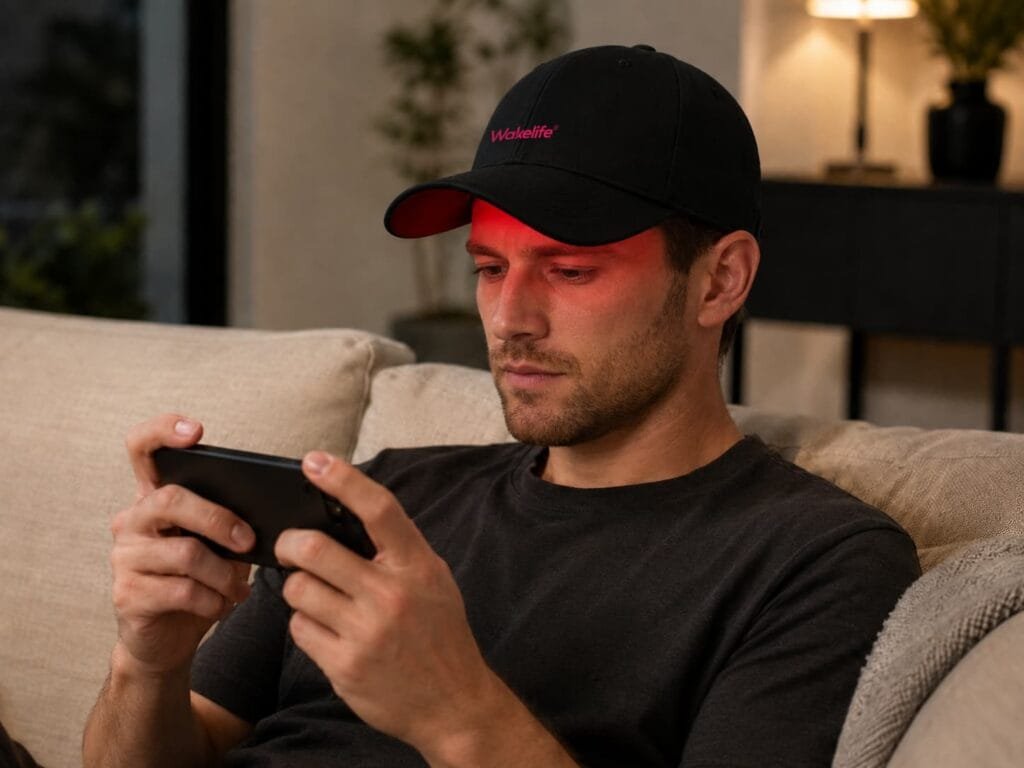
Think in months, not days—but do not treat a calendar date as a promise of regrowth. In the specific laser-comb and helmet trials discussed below, researchers assessed hair changes at follow-ups including 16 to 26 weeks, roughly four to six months. Those are research observation points for people with pattern hair loss, not a deadline […]
Customizing a Hair-Growth Device Without New Tooling: What Can Change, What Needs Engineering
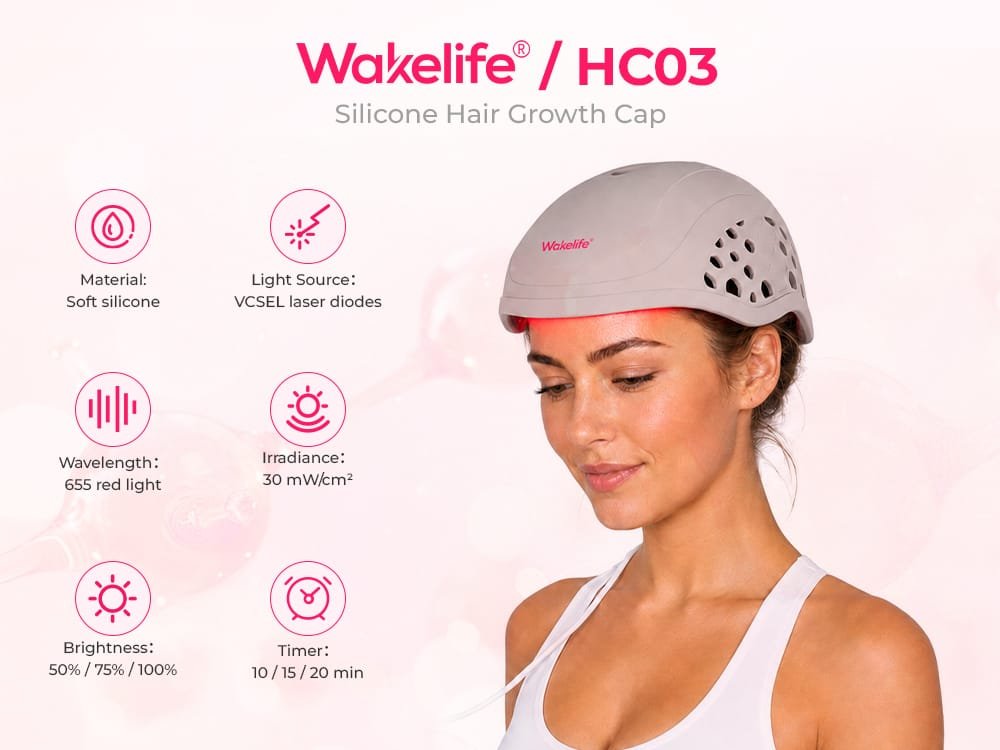
“OEM/ODM welcome. Custom logo, custom packaging, flexible MOQ.” Most hair-growth device supplier pages say some version of this, and it is not a false statement — it is an incomplete one. What those pages rarely explain is where customization actually ends: which changes fit inside an existing platform, which ones need real engineering work, and […]
Are Expensive Laser Hair-Growth Caps Worth It? What Price Does—and Does Not—Tell You
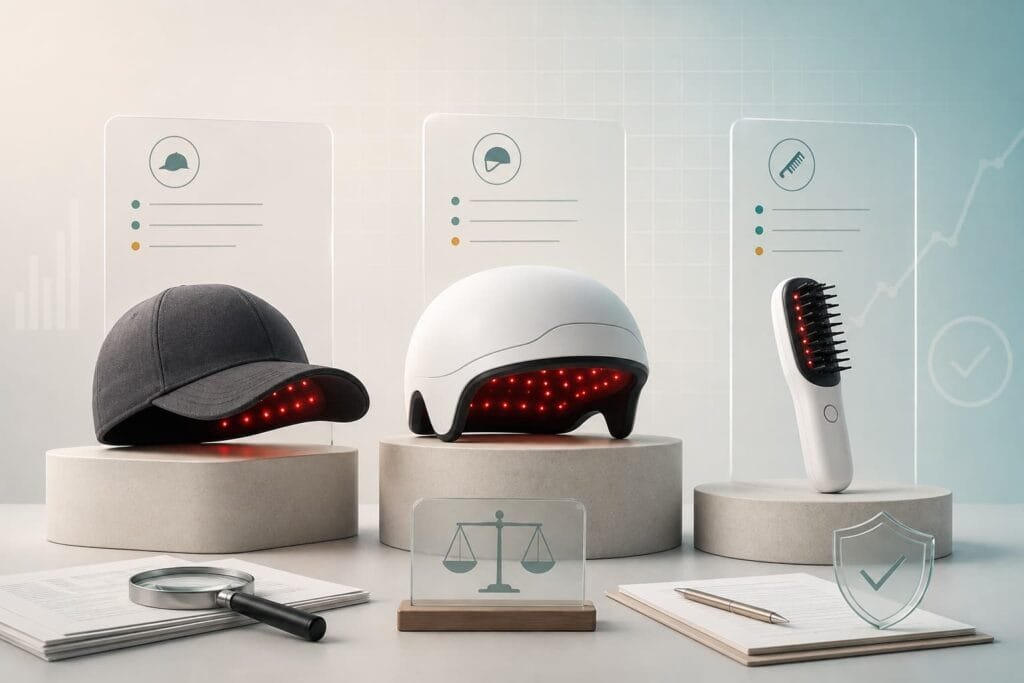
A more expensive laser hair-growth cap may be worth it when the extra cost buys something you can verify and will actually use: a clearly identified device, evidence relevant to that device, a workable fit and routine, complete instructions, or stronger warranty and support. Price by itself does not prove better hair-growth results, greater safety, […]
From Dropshipping to Private Label: A Hair-Growth Device Transition Plan
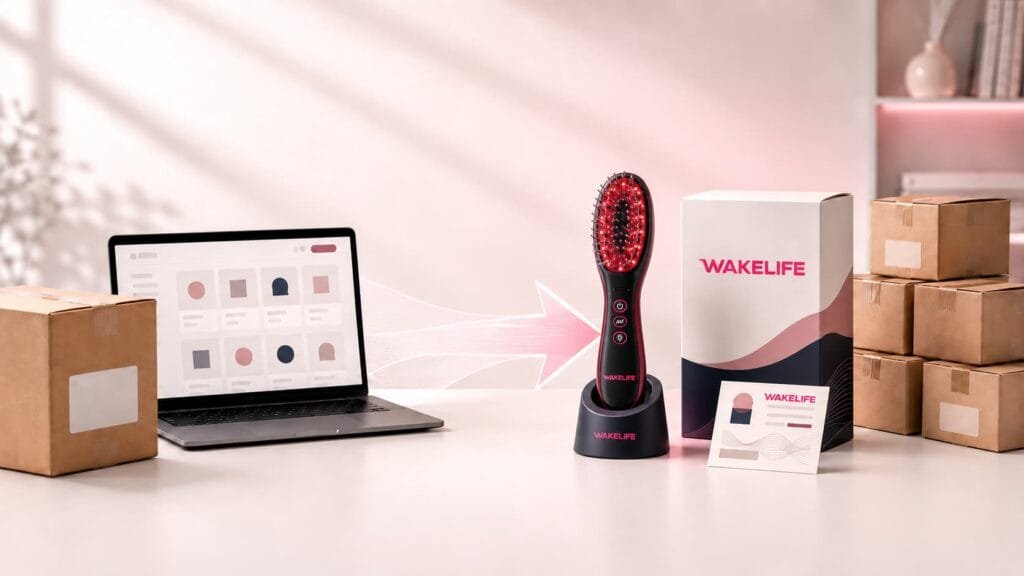
Moving from dropshipping to private label makes sense when one product has produced repeatable demand and your team is ready to take responsibility for the product experience around it. The decision is larger than adding a logo. It changes how you approve the device, fund inventory, manage packaging, plan fulfillment and support customers after delivery. […]
415, 590, 633 and 850 nm in One LED Device: What the Specification Does—and Does Not—Prove
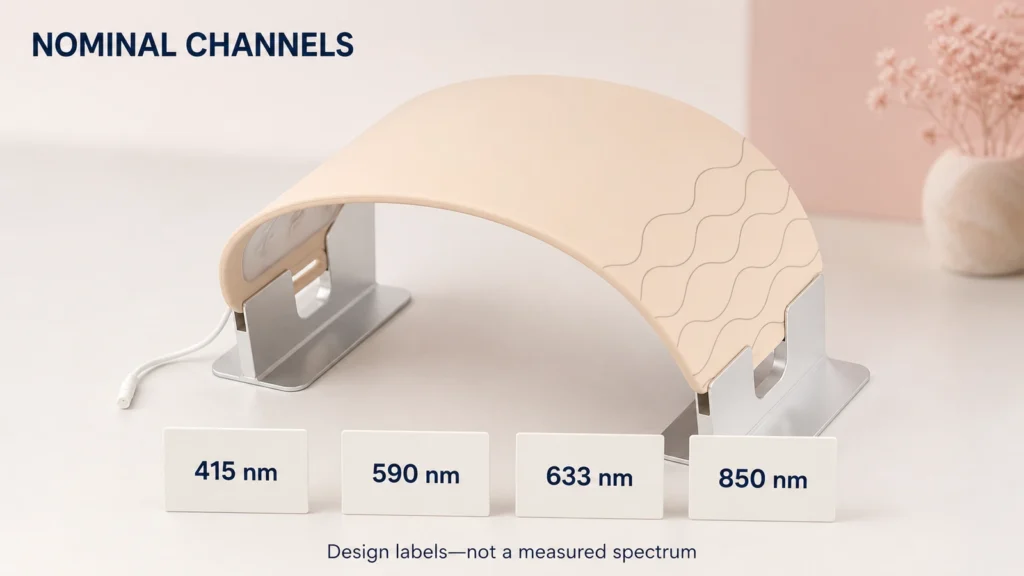
Short answer: A specification listing 415, 590, 633 and 850 nm identifies four nominal wavelength channels in the declared product design. It does not, by itself, prove the finished device’s measured spectrum, the optical contribution of each channel, an equal dose, a synergistic effect, photobiological safety, regulatory authorization or production consistency. That distinction matters when a […]
What Does “PDT Machine” Mean? A B2B Guide to Names, Intended Use and Claims
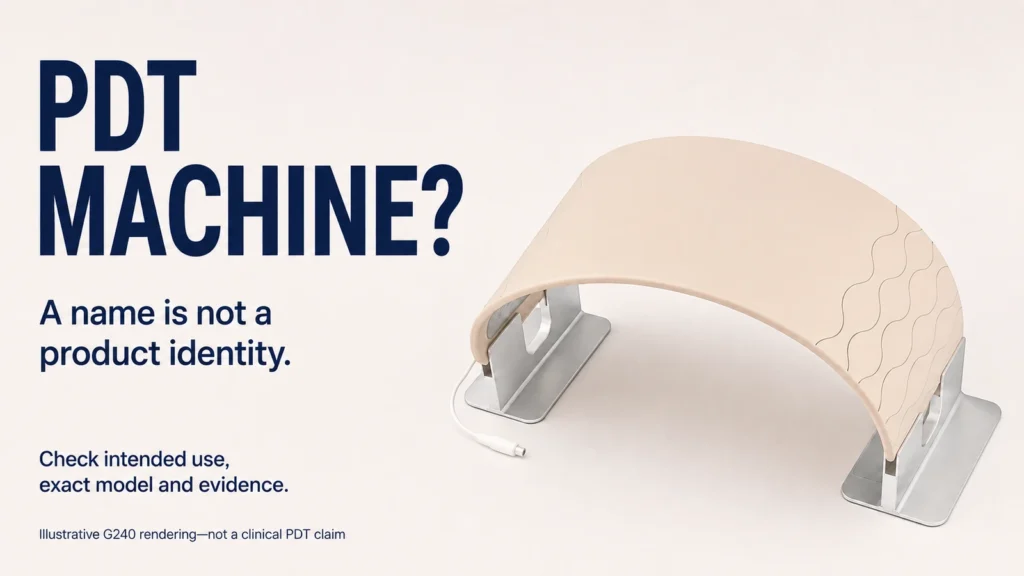
A product name containing “PDT machine” does not, by itself, tell a buyer whether the product is a photosensitizer-based clinical photodynamic therapy system, a light-only medical device or a non-drug LED beauty and wellness device. The safe first check is not the wavelength list or the shape of the machine. Ask: Is a photosensitizing drug […]
LED Therapy Device Sample Approval Checklist: From Flexible Pad Prototype to Mass Production
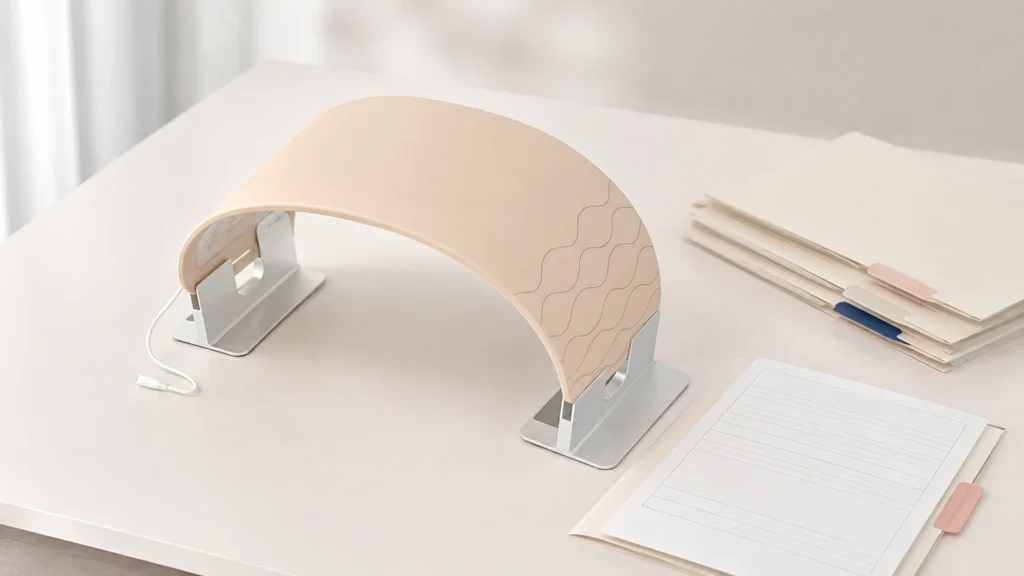
Do not release mass production because an LED therapy device sample turns on, looks finished and matches a catalog photo. Approve an identified sample revision against a controlled specification, reproducible test results, final labeling and packaging, an exact-model document map, and a written production-control plan. In this guide, “sample approval” means a buyer’s procurement release. […]
Flexible LED Light Therapy Pad vs Mask vs Panel: A Product-Line Guide for Brands and Distributors
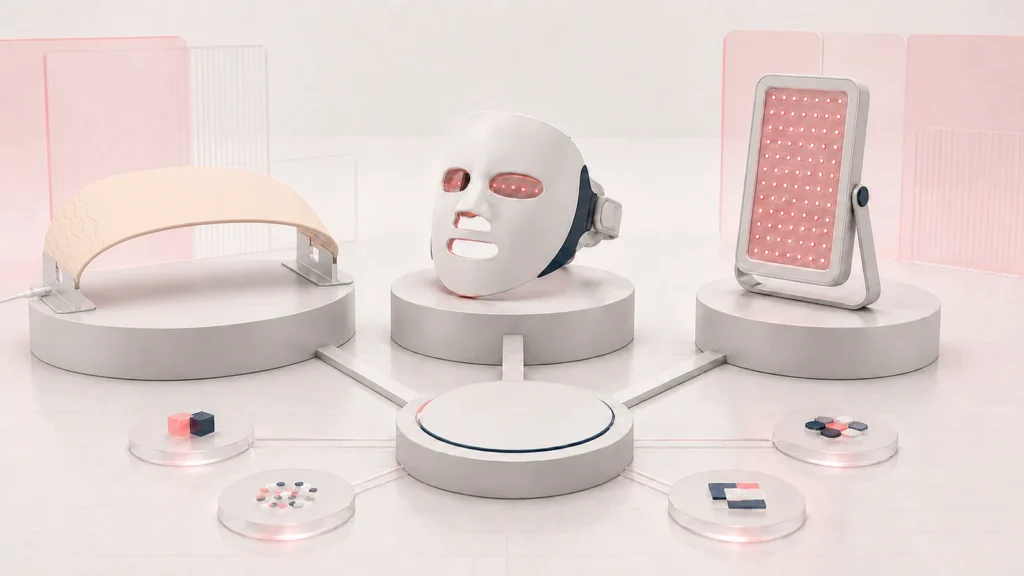
There is no universal winner between a flexible LED light therapy pad, a face mask and a panel. Choose the form factor that makes your product job, channel, logistics and support model easiest to execute—then make the exact sample prove it. For an initial shortlist: Start with a flexible pad when bendable positioning, use around selected […]
How to Choose a Professional LED Light Therapy Machine for a Salon or Aesthetic Clinic
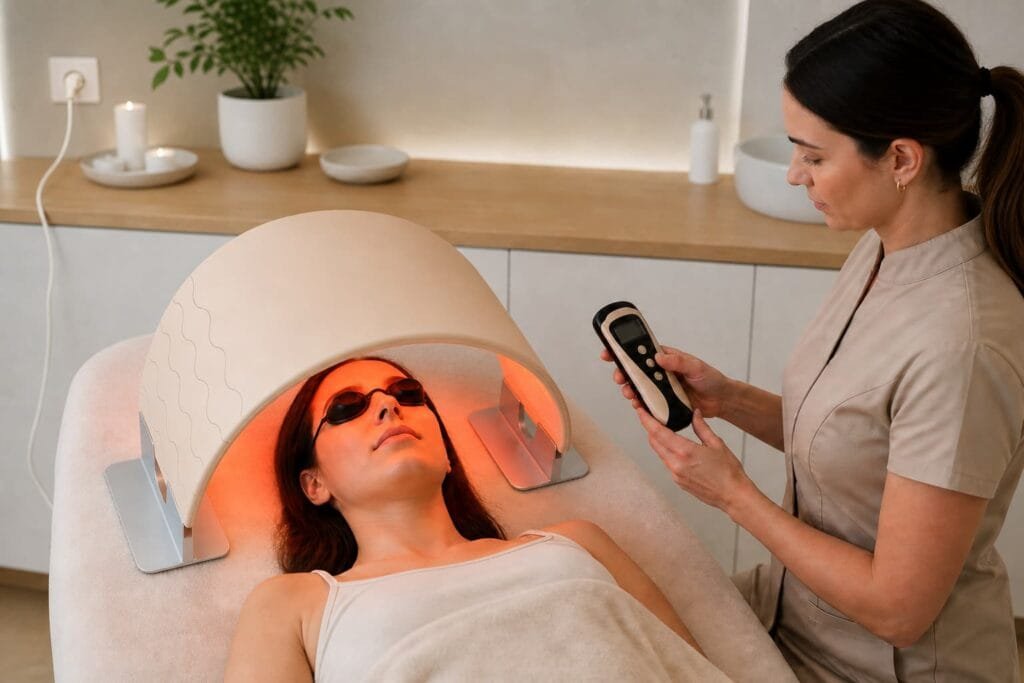
Choose a professional LED light therapy machine by the workflow your team can repeat—not by the largest wattage, the longest wavelength list or the word “professional” on a catalog. The right device should fit your service, room and staff workflow. Its documentation should cover the exact model and configuration, target market and planned claims. A […]
LLLT and Red Light for Hair Loss: Evidence, Limits and Claim Boundaries
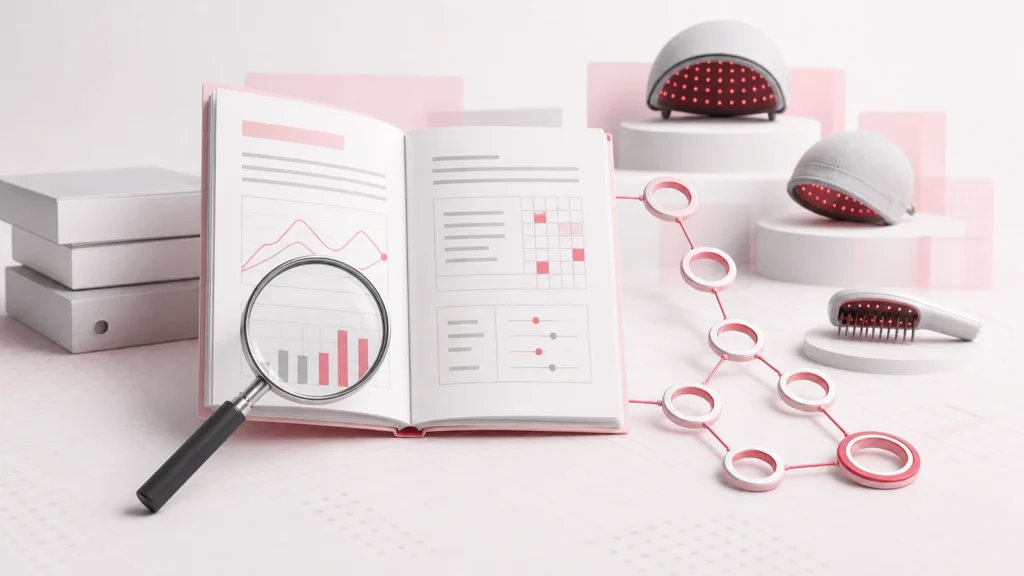
TL;DR for product and claims teams Human studies support a potential improvement in hair density from specific low-level light or laser devices used mainly in androgenetic alopecia (pattern hair loss). That is narrower than saying red light treats every cause of hair loss. A wavelength such as 650 or 655 nm does not establish a clinical […]