Светодиод (ВЕЛ) Фототерапия перешла из клинической дерматологии в основной профессиональный косметический и домашний уход за кожей.. Но за каждой светодиодной маской для лица, панель, или портативное устройство размещается на одном, решающий инженерный выбор: Длина волны. Нанометр (н.м.) Значение, указанное в спецификации, не является маркетинговым номером — оно определяет, насколько глубоко проникает свет., какие клеточные пути он активирует, и соответствует ли устройство медицинскому разрешению, например FDA. 510(k).
В этой справочной статье описаны десять клинически изученных длин волн, используемых в современных устройствах светодиодной терапии., рецензируемые доказательства, стоящие за каждым, и что FDA 510(k) разрешение — включая недавно выданное K250830 — на самом деле означает, что бренды закупают OEM/ODM-продукты.. Написано для продакт-менеджеров, регулирующие группы, дистрибьюторы, и профессионалы в области эстетики, которым необходимо рабочее знание науки, не маркетинговые претензии.
1. Наука: Как светодиодный свет взаимодействует с кожей
Светодиодная фототерапия, также известная как фотобиомодуляция (Pbm) или светотерапия низкого уровня (Вполне) — работает за счет нетеплового поглощения фотонов. Когда фотон правильной длины волны поглощается хромофором внутри кожной ткани. (самое главное цитохром с оксидаза в дыхательной цепи митохондрий), он запускает каскад внутриклеточных событий: увеличение синтеза АТФ, модулированные активные формы кислорода (РОС), и измененная экспрессия генов, связанная с воспалением, распространение, и ремоделирование внеклеточного матрикса.1
Три принципа определяют каждое решение по длине волны при проектировании светодиодных устройств.:
- Специфика поглощения — разные хромофоры (порфирины, меланин, гемоглобин, вода, цитохром с оксидаза) поглощать свет на характерных пиках.
- Глубина проникновения — более длинные волны в красном и ближнем инфракрасном диапазоне (Нир) Диапазон проникает глубже в дерму и подкожную клетчатку, чем более короткие волны синего цвета..2
- Доза-реакция — биологические эффекты подчиняются двухфазной дозовой кривой.: слишком мало энергии не дает никакого эффекта, в то время как чрезмерная энергия может помешать желаемому ответу.
Эти три принципа объясняют, почему выбор длины волны не может быть импровизированным.. Каждый нанометровый диапазон соответствует конкретной клинической цели..
2. Длина волны по длине волны: Что на самом деле показывают доказательства
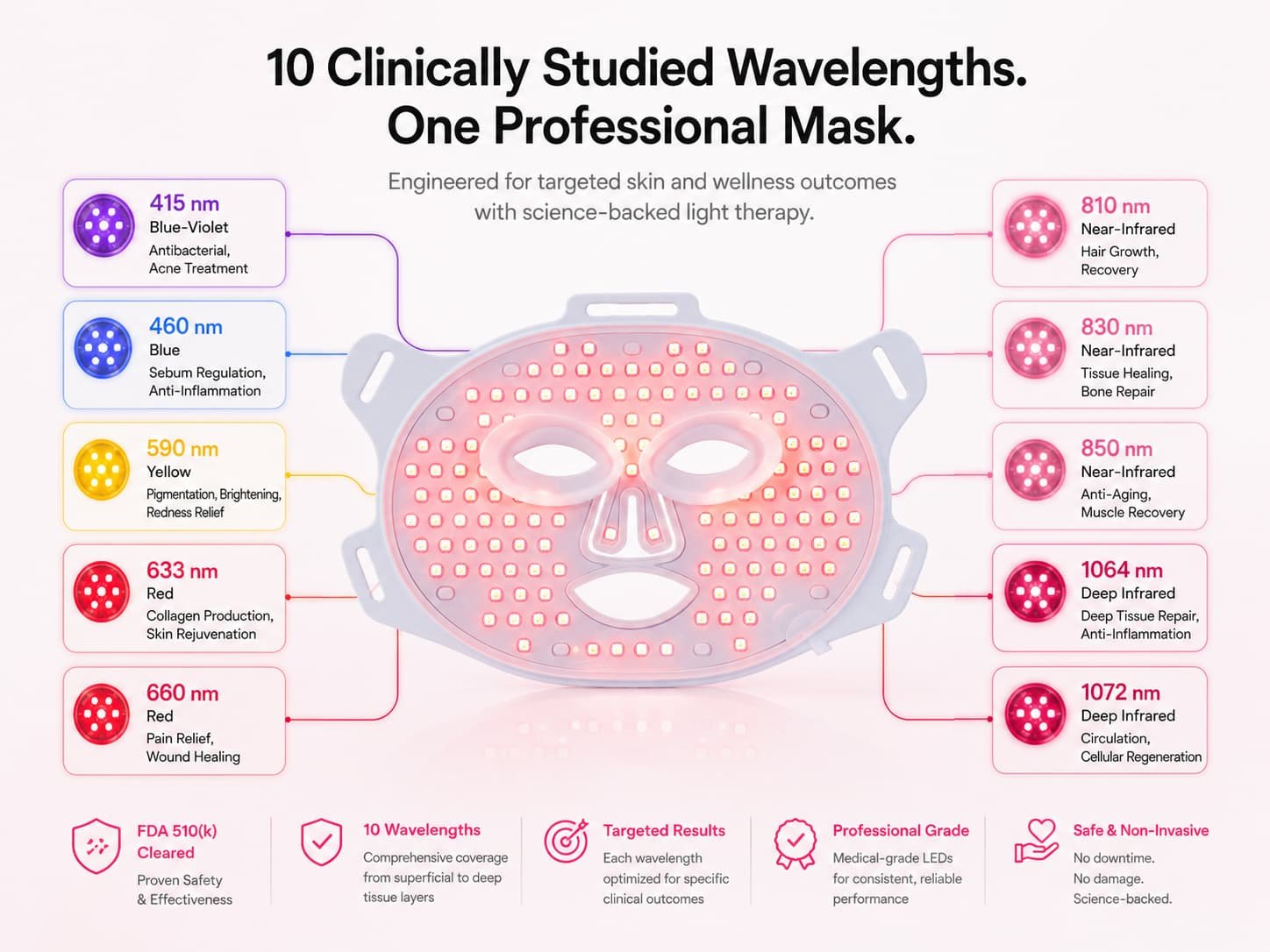
415 нм — сине-фиолетовый (Антибактериальный, Прыщи)
А 415 полоса нм поглощается эндогенными порфиринами (прежде всего копропорфирин III) произведено Cutibacterium acnes (раньше Пропионибактерии угрей). В результате абсорбции образуется синглетный кислород, который разрушает бактерию изнутри., оказывающий неантибиотический противомикробный эффект.3 Клинические испытания 415 монотерапия нм и 415 н.м. + 633 Комбинированные протоколы нм продемонстрировали значительное снижение количества воспалительных поражений прыщами в течение 4–12 недель..4 5 А 2019 систематический обзор в Анналы семейной медицины пришли к выводу, что фототерапия синим светом является клинически эффективным дополнением при обыкновенных угрях легкой и средней степени тяжести..6
Проникновение: ~1 мм (только эпидермис и верхний сосочковый слой дермы).
460 нм — Синий (Регуляция кожного сала, Противовоспалительное средство)
Чуть длиннее, чем 415 н.м., 460 нм проникает немного глубже, сохраняя при этом антибактериальные свойства. Его часто используют для регуляции выделения кожного сала и в качестве успокаивающего средства для воспаленной кожи.. Потому что оба 415 NM и 460 нм попадают в видимый синий диапазон, устройства, предназначенные для офтальмологических областей (маски для лица, маски для глаз) необходимо тщательно контролировать облучение, чтобы оставаться в пределах безопасных порогов синего света для сетчатки, определенных IEC. 62471.
590 нм — Желтый (Пигментация, Осветление, Покраснение)
Желтый свет в 590 Нм поглощается гемоглобином и широко используется для уменьшения поствоспалительной эритемы., диффузное покраснение, и незначительные нарушения пигментации. Он также имеет документально подтвержденную роль в успокоении чувствительной кожи после процедур и часто включается в ФДТ. (фотодинамическая терапия) протоколы лечения актинического кератоза в качестве дополнительной длины волны.7
633 нм — Красный (Коллаген, Омоложение кожи)
633 нм — наиболее изученная длина волны в светодиодной дерматологии.. Вайс и др.. продемонстрировал, что 633 Фотомодуляция нм-светодиодов усиливает активность фибробластов и синтез проколлагена, одновременно снижая матриксную металлопротеиназу-1. (ММП-1) экспрессия — фермент, ответственный за деградацию коллагена.8 Этот двойной механизм лежит в основе почти всех заявлений об «омоложении старения», связанных с терапией красного света..9
Проникновение: ~2–3 мм (сетчатая дерма).
660 нм — Красный (Облегчение боли, Заживление ран)
660 nm разделяет многие из 633 Эффект нм, но проникает немного глубже и чаще упоминается в литературе по заживлению ран и скелетно-мышечным болям.. Исследования in vitro показывают 660 нм модулирует пролиферацию фибробластов и влияет на передачу сигналов АФК при клинически значимых флюенсах.10 Большинство современных устройств панельного и ленточного формата сочетают в себе 660 нм с длиной волны ближнего ИК-диапазона, например 850 нм для воздействия как на поверхностные, так и на глубокие слои тканей за один сеанс.
810 нм — ближний инфракрасный диапазон (Рост волос, Восстановление)
810 нм проникает за пределы дермы в подкожный слой и широко используется в низкоинтенсивной лазерной терапии. (Вполне) протоколы восстановления после травм, нейронная модуляция, и стимуляция фолликулов. Это также одна из стандартных длин волн для исследований транскраниальной фотобиомодуляции..
830 нм — ближний инфракрасный диапазон (Заживление тканей, Восстановление костей)
830 нм оказывает документированное влияние на активность остеобластов., лимфодренаж, и послеоперационное восстановление. Эта длина волны чаще всего упоминается в периоперационных светодиодных протоколах, используемых в клиниках пластической хирургии для уменьшения синяков и ускорения закрытия ран..
850 нм — ближний инфракрасный диапазон (Антивозрастные, Восстановление мышц)
850 нм — самая популярная длина волны ближнего ИК-диапазона в потребительских панелях красных фонарей из-за ее благоприятного баланса между глубиной проникновения (~5–6 мм в подкожную клетчатку) и эффективность светодиодов на уровне чипа. Контролируемое исследование Вунша и Матушки продемонстрировало заметное улучшение шероховатости кожи., глубина морщин, и плотность внутрикожного коллагена, когда 850 нм комбинировали с красными длинами волн в полихроматическом протоколе..11
1064 нм — глубокий инфракрасный (Пигмент, Жировая модуляция)
1064 нм достигает самой глубокой из всех длин волн нетепловых светодиодов при клиническом использовании и связан с модуляцией жировой ткани и избирательным нацеливанием на пигмент в лазерных протоколах.. В светодиодном формате (некогерентный), 1064 нм используется при более низком уровне облучения для общего кондиционирования глубоких тканей..
1072 нм — глубокий инфракрасный (Кожный барьер, против морщин)
1072 Компания nm проводит специальные исследования в области лечения простого герпеса и восстановления кожного барьера.. Это одна из наиболее специализированных длин волн, и ее обычно используют в многоволновых профессиональных системах, а не в одноволновых потребительских устройствах..
3. Почему многоволновые устройства превосходят одноволновые устройства
А 2008 Исследование Садика продемонстрировало, что сочетание красных и инфракрасных длин волн дает заметно большее улучшение тонких линий и текстуры кожи, чем любая длина волны по отдельности..12 Это согласуется с более широкой литературой по фотобиомодуляции.: волны разной длины достигают разной глубины тканей и активируют разные хромофоры., поэтому полихроматический протокол охватывает больше биологических объектов за сеанс.13
Однако, «больше длин волн» не означает автоматически лучше. Применяются три инженерных компромисса:
- Общее облучение должно оставаться в безопасных и эффективных пределах. — обычно 30–100 мВт/см² на поверхности кожи.
- Каждая длина волны должна доставлять клинически значимую дозу. — добавление определенного количества светодиодов на «бонусной» длине волны редко дает дозу, необходимую для биологического эффекта..
- Драйвер и тепловая архитектура должны поддерживать конфигурацию. - многоволновые устройства требуют независимого управления каналом, чтобы избежать смешивания длин волн в неэффективные средние значения..
Вот почему два устройства, продаваемые с одинаковой длиной волны, могут давать совершенно разные клинические результаты.. Паритет спецификации — это не то же самое, что паритет производительности..
4. Глубина проникновения: Практическое руководство
| Длина волны | Приблизительная глубина проникновения | Первичный целевой уровень |
|---|---|---|
| 415 н.м. | ~1 мм | Эпидермис |
| 460 н.м. | ~1–1,5 мм | Эпидермис |
| 590 н.м. | ~1,5–2 мм | Папиллярная дерма |
| 633 н.м. | ~2–3 мм | Ретикулярная дерма |
| 660 н.м. | ~3 мм | Ретикулярная дерма |
| 810 н.м. | ~4–5 мм | Подкожный |
| 830 н.м. | ~5 мм | Подкожный |
| 850 н.м. | ~5–6 мм | Подкожный |
| 1064 н.м. | ~6–8 мм | Глубокая подкожная |
| 1072 н.м. | ~6–8 мм | Глубокая подкожная |
Значения проникновения являются приблизительными и зависят от типа кожи., гидратация, излучение, и геометрия балки.2
5. Излучение, Доза, и двухфазная кривая
Длина волны сама по себе не определяет результат. Два дополнительных параметра имеют одинаковый вес.:
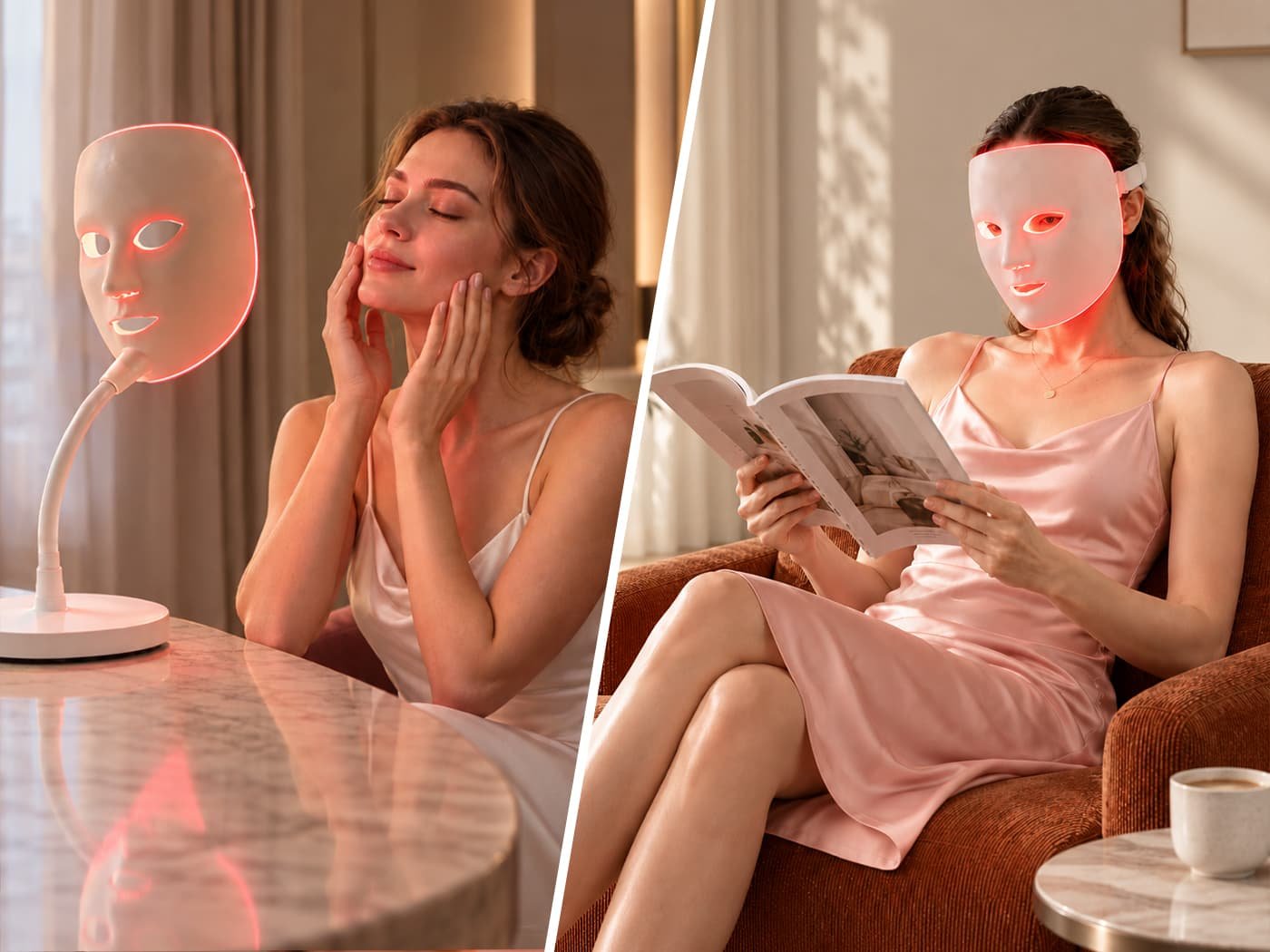
- Излучение (МВт/см²) — плотность мощности на поверхности кожи. Большинство клинических светодиодных протоколов работают между 30 и 100 МВт/см². Основные светодиодные маски для лица Wakelife обеспечивают 60+ мВт/см² на поверхности, обращенной к коже, измерено на калиброванном рабочем расстоянии.
- Флюенс (J/CM²) — общая энергия, отдаваемая на единицу площади, рассчитывается как освещенность × время. Большинство опубликованных протоколов группируются между 3 и 60 Дж/см² в зависимости от показания и глубины цели.
А двухфазный ответ на дозу описанный Хэмблином и другими, означает, что удвоение времени экспозиции не удваивает результат..14 За пределами оптимального окна, дополнительное воздействие может подавить тот самый путь, который лечение призвано активировать.. Вот почему ответственная конструкция устройства включает встроенные таймеры и ограничения освещенности, а не открытые элементы управления «чем больше, тем лучше»..
6. Клинические показания и логика выбора длины волны
| Индикация | Первичная длина волны | Дополнительная длина волны |
|---|---|---|
| Воспалительные прыщи | 415 н.м. | 633 н.м. |
| Преодоление / тонкие линии | 633 н.м. | 850 н.м. |
| Постпроцедурная эритема | 590 н.м. | 633 н.м. |
| Нарушения пигментации | 590 н.м. | 633 н.м. |
| Заживление раны | 660 н.м. | 830 н.м. |
| Восстановление роста волос | 650 н.м. | 850 н.м. |
| Восстановление суставов и мышц | 660 н.м. | 850 н.м. |
| Периорбитальные тонкие линии | 633 н.м. | 850 н.м. |
Эта матрица не является протоколом лечения — это карта зависимости длины волны от показаний для планирования продукта.. Окончательные клинические протоколы всегда должны быть проверены на соответствие опубликованным данным и, где это применимо, объем нормативного разрешения.
7. Что FDA 510(k) Клиренс на самом деле означает
FDA 510(k) оформление — это предварительная подача заявления, демонстрирующая, что устройство по существу эквивалентен к легально продаваемому предикатному устройству. Это не доказательство эффективности в разговорном смысле — это нормативное заключение о том, что устройство так же безопасно и эффективно, как и его предикат для разрешенного показания..
Для светодиодных устройств фототерапии, индикации очищены под 510(k) обычно попадает в код продукта НХН (инфракрасная лампа для медицинских целей) или ИЛИ (лазерный хирургический инструмент с питанием от света), в зависимости от классификации устройства.
Репрезентативное недавнее разрешение — FDA 510(k) K250830 — иллюстрирует структуру представления светодиодной маски для лица.: определенные длины волн, определенные диапазоны освещенности, определенные сроки лечения, и помеченное указание, соответствующее предикату. Бренды, поставляющие продукцию OEM/ODM, должны проверить три пункта, прежде чем полагаться на разрешение.:
- Рекордсмен по разрешению — законный производитель, указанный в 510(k) является ли организация FDA несет ответственность. OEM-клиенты получают отдельно структурированные отношения поставок, которые должны быть документально оформлены..
- Очищенное показание к применению — маркетинговые заявления должны оставаться в пределах разрешенных показаний.. Претензии не по назначению (НАПРИМЕР., «лечит розацеа», когда были устранены только «общие дерматологические заболевания») создать нормативное воздействие.
- Конфигурация протестирована — счетчик длин волн, Количество светодиодов, излучение, и время лечения, представленное в 510(k) определить очищенное устройство. Существенные изменения могут потребовать нового 510(k) под контролем FDA 2017 руководство.16 17
Также стоит отметить, что с февраля 2026, Положение о системе управления качеством FDA (КМСР) заменит наследие 21 Часть CFR 820, гармонизация требований США с ISO 13485.15 Производители, уже работающие под Iso 13485 (Уэйклайф включен) структурно расположены для этого перехода.
8. От спецификации к производству: Что брендам следует проверять
Прежде чем утвердить OEM/ODM-проект для производства, бренды должны запросить и просмотреть следующую документацию:
- Отчеты спектральных измерений — пиковая длина волны, полная ширина на половине максимума (Полуширина), и спектральная чистота на один светодиодный бин.
- Фотометрические отчеты — облученность на рабочем расстоянии, однородность по обрабатываемой поверхности, и угол луча.
- Отчеты о фотобиологической безопасности — МЭК 62471 классификация групп риска, особенно для устройств с синей длиной волны.
- Отчеты по ЭМС и электробезопасности — МЭК 60601-1 и МЭК 60601-1-2 для устройств медицинского назначения, МЭК 62368-1 для устройств потребительского уровня.
- Отчеты о биосовместимости — ИСО 10993 для любых материалов, контактирующих с кожей, особенно силиконовые маски для лица.
- Документация системы качества — ИСО 13485 область сертификации и применимое покрытие MDSAP.
Wakelife предоставляет каждый из этих отчетов в качестве стандартных результатов для партнеров OEM/ODM., рядом с самим устройством. Это уровень документации, который отличает регулируемого партнера-производителя от поставщика непатентованных препаратов..
9. Краткое содержание: Рабочая основа для принятия решений по длине волны
При оценке продукт для светодиодной терапии — поиск поставщиков для бренда, уточнение для клиники, или разрабатываете новое устройство — примените эту пятиэтапную схему:
- Сначала определите клиническую цель. Длина волны соответствует индикации, не наоборот.
- Выбирайте длины волн на основе проверенных экспертами данных на глубине целевой ткани.. Глубина проникновения должна соответствовать слою, в котором находится хромофор..
- Проверьте излучение и флюенс на поверхности, обращенной к коже.. «Количество светодиодов» само по себе не является показателем производительности..
- Подтвердите, что объем регулирования соответствует маркетинговым заявлениям. Сброшенная индикация, не амбициозный экземпляр, определяет, что можно законно сказать.
- Требуйте полную документацию от производителя.. Спектральный, фотометрический, фотобиологический, EMC, и отчеты о биосовместимости не подлежат обсуждению.
Применяется последовательно, эта структура отделяет продукты, основанные на фактических данных, от продуктов маркетингового уровня и защищает как конечных пользователей, так и бренды, которые их обслуживают..
10. О Вейклайф
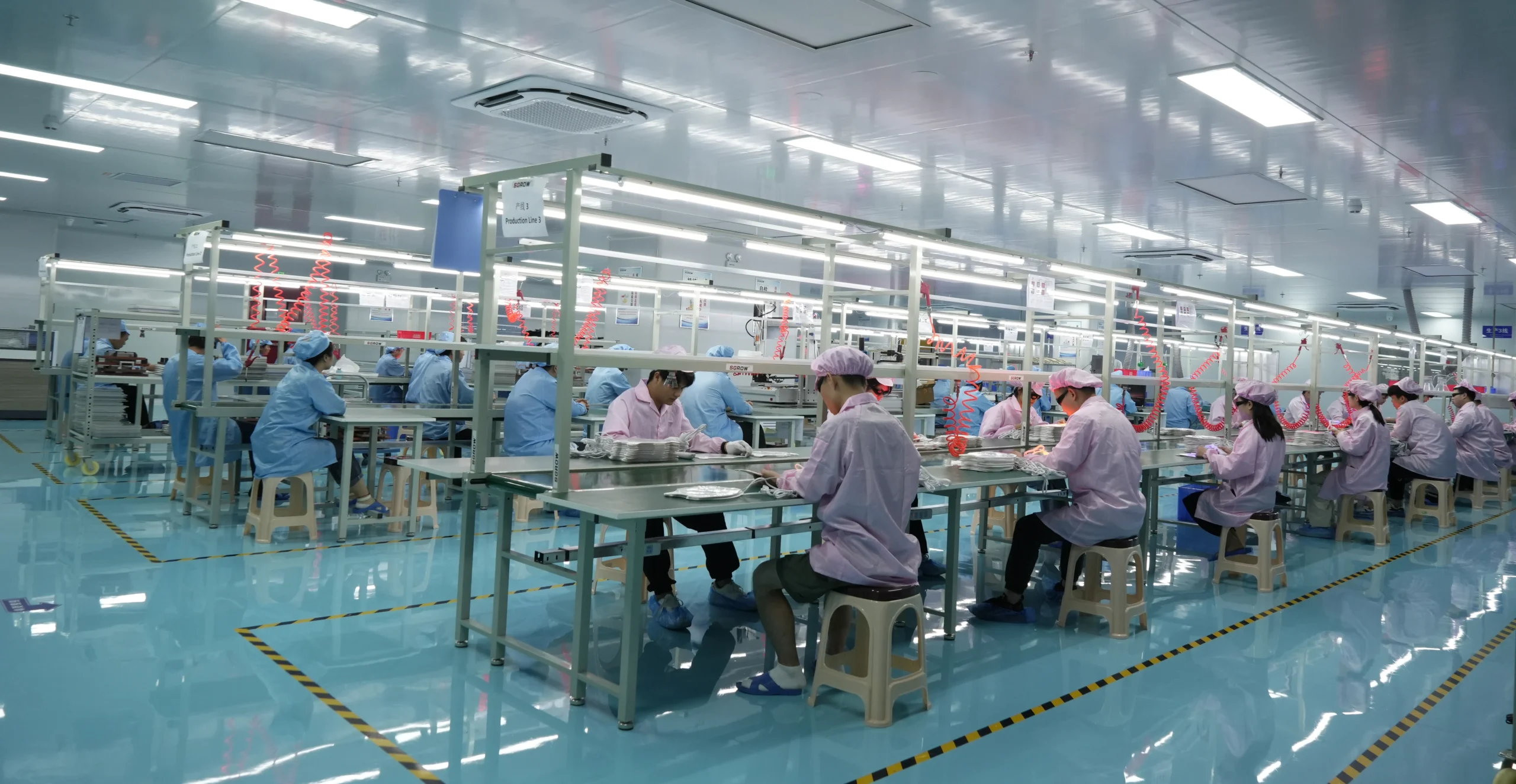
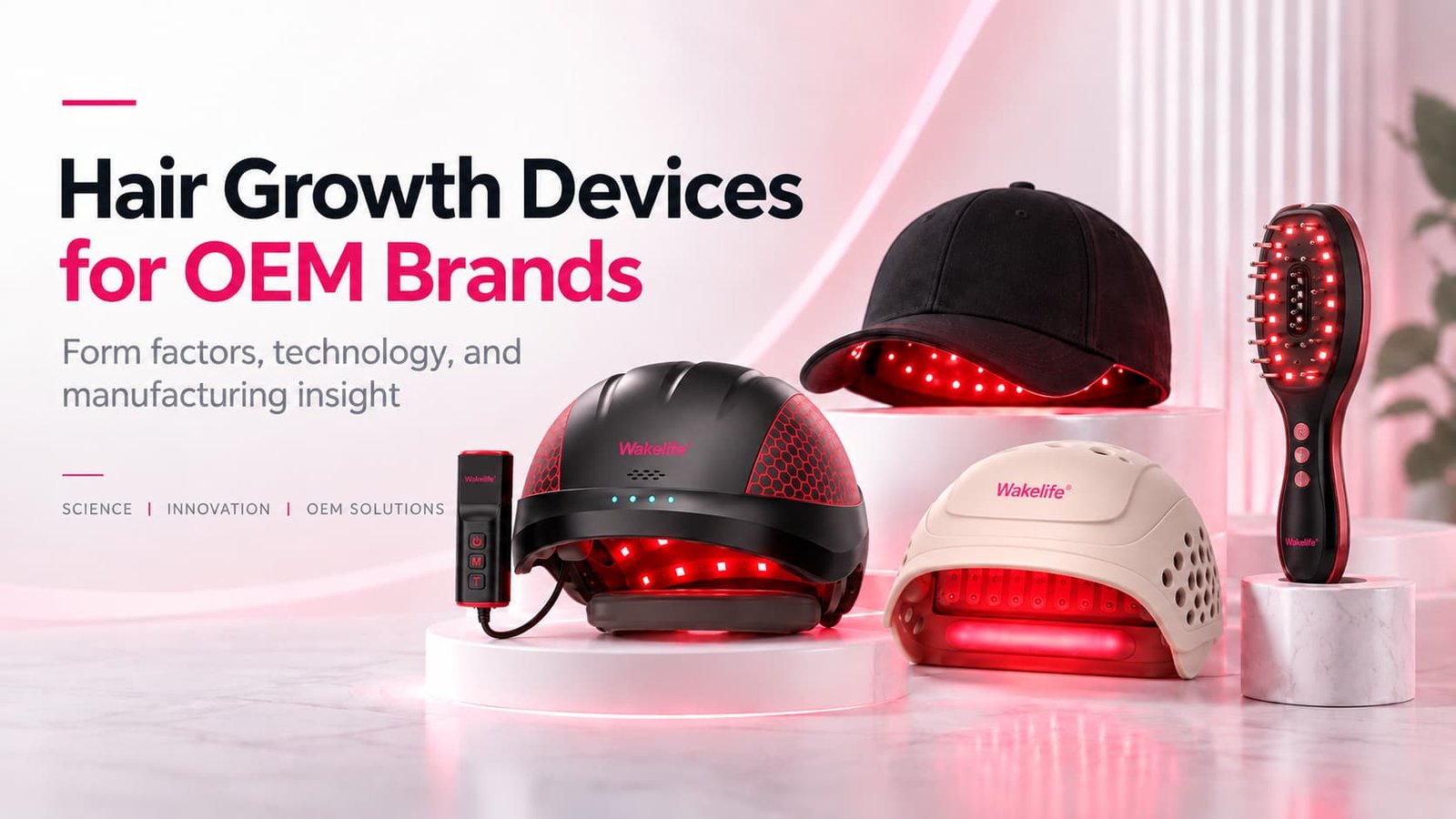
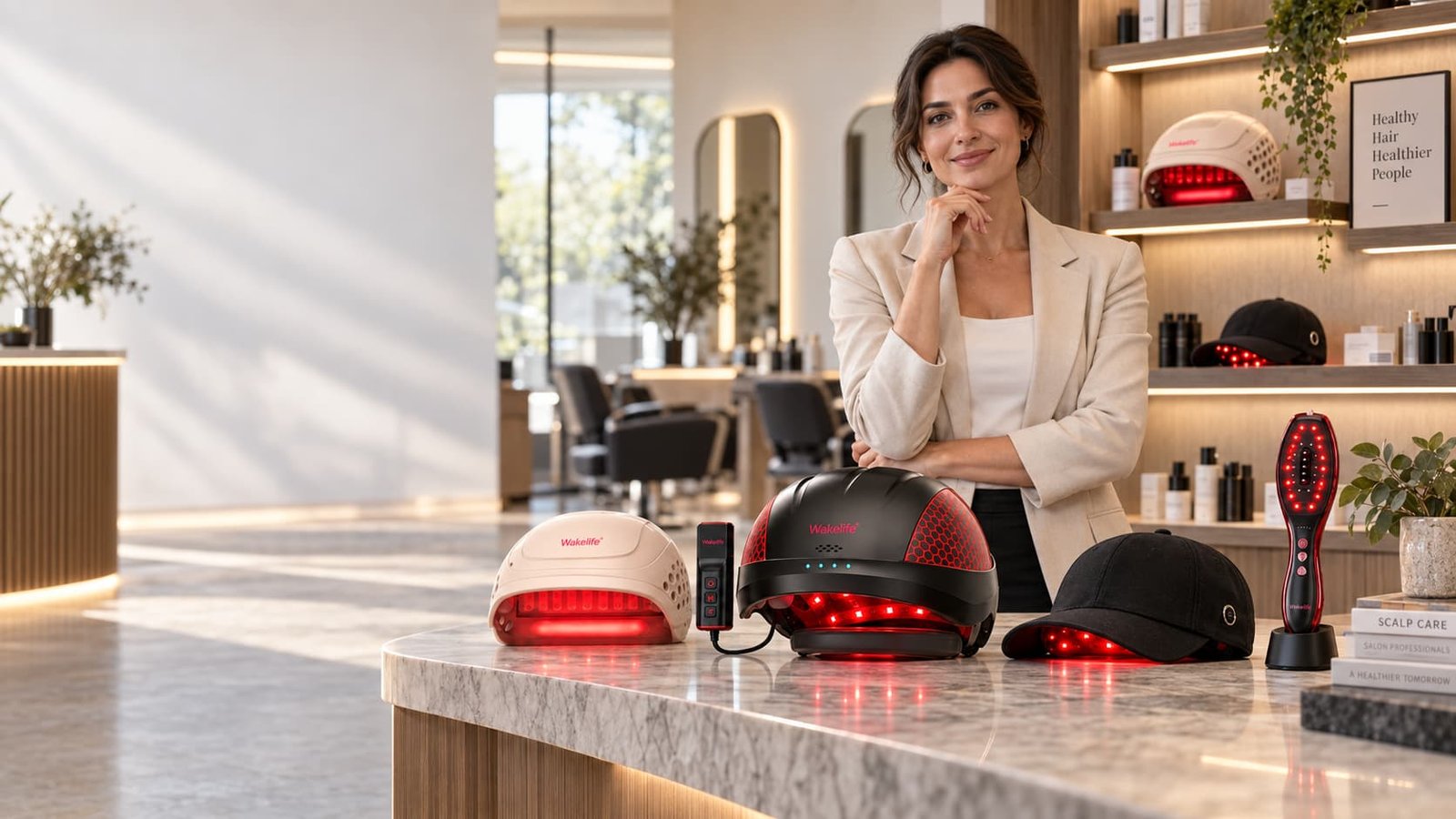
Wakelife — профессиональное косметическое подразделение Shenzhen Sungrow LED Technology Co., ООО, специализированный производитель терапии красным светом, основанный в 2015. Работа с двумя ISO 13485 и сертифицированных MDSAP объектов на общую сумму 20,000 м² в Шэньчжэне, Wakelife разрабатывает и производит светодиодные маски для лица, панели красных фонарей, PDT-системы, маски для глаз, устройства для роста волос, устройства целевого ухода, устройства для терапии красным светом и терапевтические пояса для профессиональных косметических брендов более чем 100 страны.
По техническим характеристикам, фотометрические отчеты, или запросы OEM/ODM, см. наш производство и Р&возможности D или свяжитесь с нашей командой инженеров напрямую. Дополнительная информация о продукте Wakelife по всем 9 Линии продуктов для светодиодной терапии доступны на нашем сайте. страница обзора продукта.
Ссылки
1. Кару Т.И.. Митохондриальная передача сигналов в клетках млекопитающих, активируемая красным и ближним ИК-излучением. Фотохимия Фотобиол. 2008;84(5):1091-1099.
2. Эш С, Дубец М, Донн К., Башфорд Т. Влияние длины волны и ширины луча на проникновение при взаимодействии легких тканей с использованием вычислительных методов. Лазеры Мед Наука. 2017;32(8):1909-1918.
3. Ашкенази Х, Малик З., Харт Ю, Ницан Ю. Эрадикация Propionibacteriumacnes эндогенными порфиринами после освещения синим светом высокой интенсивности. ФЕМС Иммунол Мед Микробиол. 2003;35(1):17-24.
4. Голдберг диджей, Рассел Б.А.. Сочетание синего (415 н.м.) и красный (633 н.м.) Светодиодная фототерапия в лечении обыкновенных угрей легкой и тяжелой степени. J Cosmet Laser Ther. 2006;8(2):71-75.
5. Ли С.И., Вы CE, Припаркуйся МОЙ. Комбинированная светодиодная фототерапия синим и красным светом при обыкновенных угрях у пациентов с IV фототипом кожи. Лазеры Сург Мед. 2007;39(2):180-188.
6. Скотт А.М., Стелик П, Кларк Дж., и др.. Терапия синим светом при обыкновенных угрях: систематический обзор и метаанализ. Энн Фам Мед. 2019;17(6):545-553.
7. Опель ДР, Хагстром Э, Темп и, и др.. Светодиоды: Краткий обзор и клинический опыт. J Clin Эстет Дерматол. 2015;8(6):36-44.
8. Вайс РА, МакДэниел Д.Х., Геронемус РГ, Вайс М.А.. Клинический опыт работы со светодиодом (ВЕЛ) фотомодуляция. Дерматол Сург. 2005;31(9 Пт 2):1199-1205.
9. Баролет Д. Светодиоды (Светодиоды) в дерматологии. Полуразрезанный Мед Хирург. 2008;27(4):227-238.
10. Лев-Тов Х, Млекопитающие А, Броды Н, Уплотнение Д, Ягдео Дж.. Ингибирование пролиферации фибробластов in vitro с помощью красных светодиодов.. Дерматол Сург. 2013;39(8):1167-1170.
11. Желаю А, Матушка К. Контролируемое исследование для определения эффективности лечения красным и ближним инфракрасным светом для удовлетворения пациентов., уменьшение тонких линий, морщины, шероховатость кожи, и увеличение внутрикожной плотности коллагена. Фотомед Лазерная Хирургия. 2014;32(2):93-100.
12. Садик Н.С.. Исследование по определению эффективности нового портативного светодиодного устройства в лечении фотостарения кожи. J Космет Дерматол. 2008;7(4):263-267.
13. Авчи П, Гупта А, Садасивам М, и др.. Лазер низкого уровня (свет) терапия (Вполне) в коже: стимулирующий, выздоровление, восстановление. Полуразрезанный Мед Хирург. 2013;32(1):41-52.
14. Хамблин М.Р.. Механизмы и применение противовоспалительного действия фотобиомодуляции.. АИМС Биофиз. 2017;4(3):337-361.
15. НАС. Управление по контролю за продуктами и лекарствами. Медицинское оборудование; Изменения в Регламенте о системе качества (Окончательное правило QMSR), 89 фр. 7496. Действует в феврале 2, 2026.
16. НАС. Управление по контролю за продуктами и лекарствами. Решение о том, когда подавать 510(k) для внесения изменений в существующее устройство — руководство для представителей отрасли и персонала FDA. Октябрь 25, 2017.
17. НАС. Управление по контролю за продуктами и лекарствами. Решение о том, когда подавать 510(k) для изменения программного обеспечения существующего устройства — Руководство для представителей отрасли и персонала FDA. Октябрь 25, 2017.