If you buy beauty tools for a brand preparing to launch rechargeable LED under-eye patches, ask each supplier to price the box your customer will open. Approve a pilot order only when the quote, the branded sample and the supporting documents agree on how many powered devices come in the box, how both charge, which adhesives fit them and which product version they cover. Two quotes marked “one set” can buy you different things.

Count the devices before you compare the prices
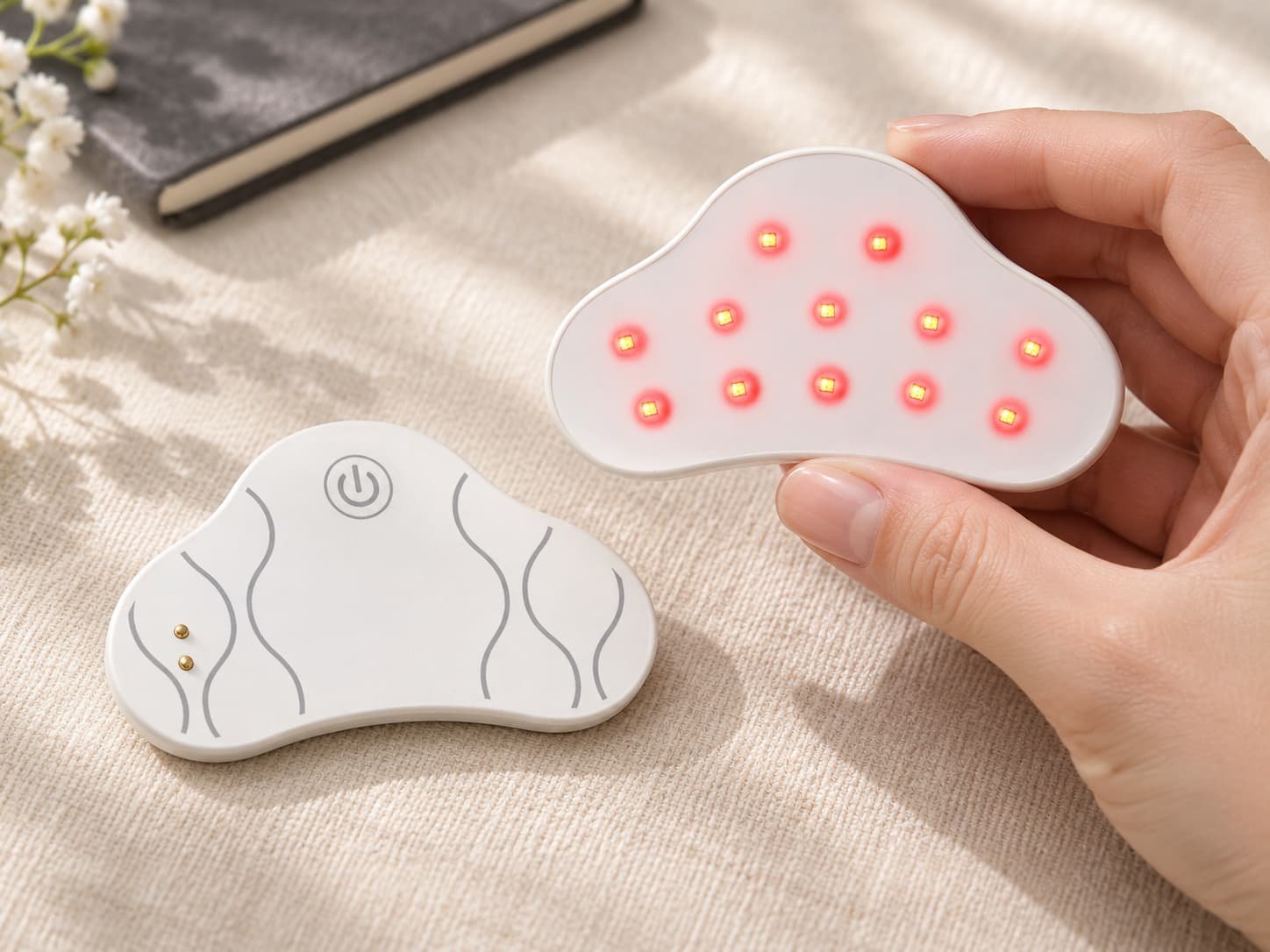
In a fictional sourcing example, your planned retail box promises two cordless LED units, one for each side. Supplier A quotes “one eye-patch set” and sends a photo of two crescent shapes. Its packing list reveals one powered unit and two adhesive pieces. Supplier B lists two powered units and one charging cable. Ask A to reprice your two-device box. B is ready for a sample check, but you still need to find out how that one cable charges the pair.
The distinction shows up on real shelves. Omnilux lists one LED device, 14 single-use adhesive patches and one charging cable in its Eye Brightener kit. You can buy the adhesive refills separately.
For your own quote, give the reusable electronics and the adhesive pieces separate lines, each with its own quantity.
Unpack one complete retail box
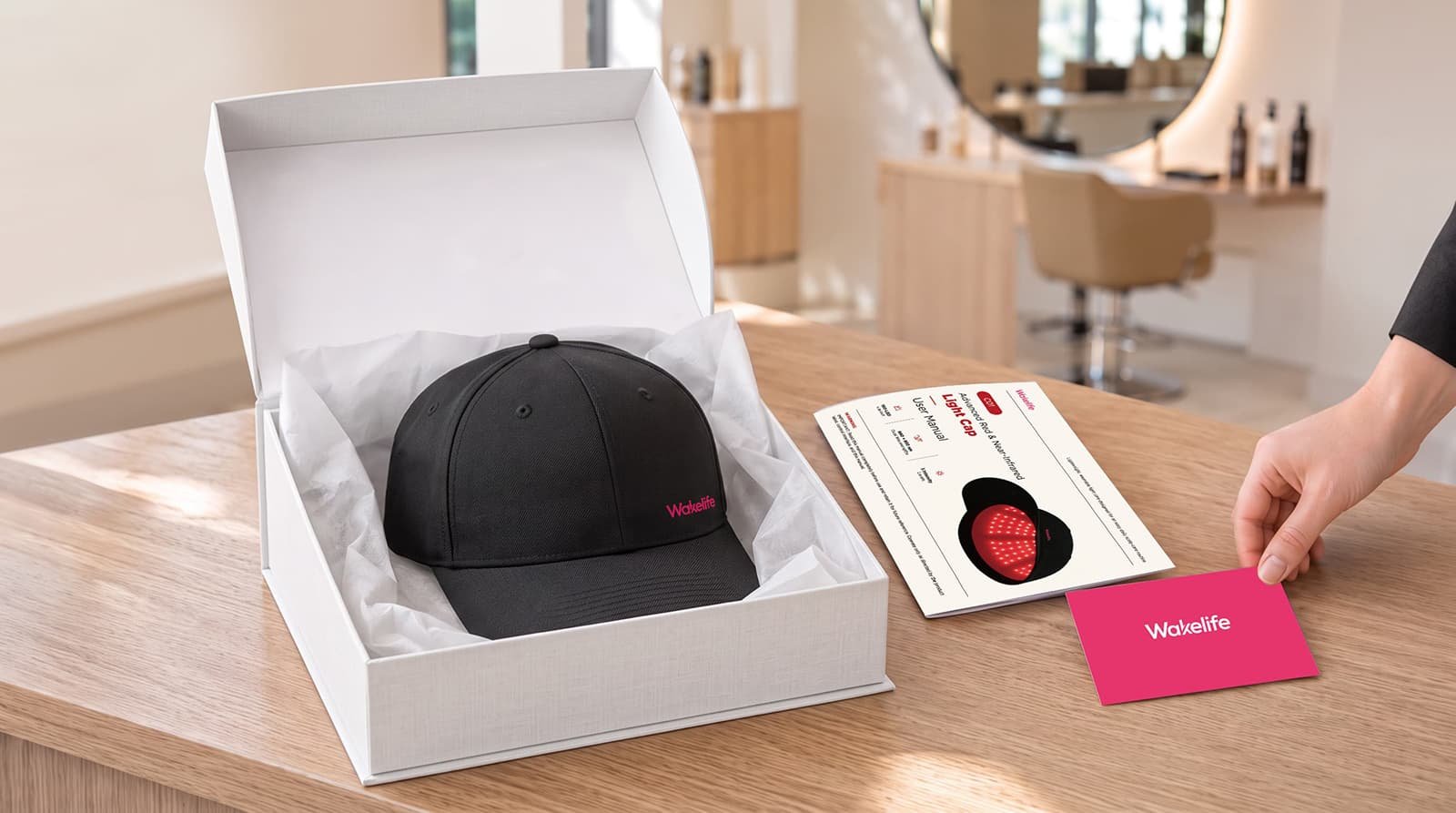
Give both suppliers the same four rows to complete. Use the same sheet when the sample arrives. An unbranded sample can answer how the pair charges. To sign off the retail box, you also need the final contents list, branded artwork and insert matched to the sample.
| Article | What to record for one retail box | What to check on the sample |
|---|---|---|
| Powered pair | Quantité, model or part number, and whether the two units are interchangeable or side-specific | Match both units to the packing list. Have each unit checked for operation using the manufacturer’s bench procedure, and record the two results separately. |
| Charging accessories | Cable, dock or case, connector count, any power adapter the customer must supply, and whether the units charge together or in sequence | Follow the supplied charging instructions for both units. A single cable can serve a pair sequentially. If your listing promises simultaneous charging, verify that with the included hardware. |
| Adhesives and refills | Count of individual adhesive pieces, quantity used for a pair as directed, and compatible refill item number | Find the starter pieces in the box. Match a separately orderable refill pack to the approved device. Confirm how your customer will identify the right refill when the starter pack runs out. |
| Emballage de marque | Device logo, carton contents statement and insert revision | Read the branded insert with only the contents of the box in front of you. Can you identify both units, charge them and find the refill item it names? |
If your brief specifies a timed shutoff, ask for a timed bench check on each unit against that requirement. If you want red and near-infrared light in the same mode, ask the supplier to identify that mode in the specification for your sample. Listing both light sources leaves that question open.
Separate the minimum order for complete retail boxes from any minimum for printed cartons or refill packs. Ask which parts of the quoted kit already exist and which require new tooling or a one-time setup fee. That gives you a comparable kit price and shows whether a packaging change would leave you holding unused cartons or adhesives.

Check which version the documents cover
Start with the model code and revision on the sample. If the supplier’s report uses a factory code and your carton uses a brand name, ask for a written link between them. Check the following records against the version you plan to order.
- Eye-area use. Ask your technical reviewer to match the optical test report to the offered LED unit, operating mode and intended under-eye position. The reviewer can use the stated measurement distance and exposure assumptions to judge whether the results apply. IEC 62471 describes how light sources can be evaluated. A reference to that standard on the spec sheet supplies no test result for your kit.
- Battery transport. For a lithium-powered kit, ask for the UN 38.3 test summary. Use the identifiers listed in US PHMSA’s test-summary guidance to match the cell, battery or product to the hardware being shipped. Keep the reference with the parts list so you can review a later battery substitution.
- A US clearance claim. If the supplier claims 510(k) autorisation, demande le numéro K. Check the device, applicant and indications in the FDA record, then ask how the offered private-label model maps to it. For a US launch, have your regulatory reviewer assess your proposed claims against the FDA’s guidance on intended use.
Make the pilot decision
Suppose B’s sample contains both promised devices. Both charge successfully, one after the other, but the branded carton says “charge both at once.” If sequential charging works for your launch, ask for corrected artwork and check the revised pack. If simultaneous charging is part of the retail offer, request the matching charging hardware and a new sample. Until the discrepancy is resolved, hold the pilot order.
Before release, have your technical reviewer confirm that the optical assessment results support the intended under-eye position and operating modes, and that the instructions reflect any applicable limits. Hold the order if the results are adverse or inconclusive, or if a condition of use remains unresolved.
Once the kit and evidence meet those conditions, keep one approved pack and attach its dated contents sheet, refill item number, artwork revisions and reviewed document references to the pilot purchase order. State who must approve a change to either powered unit, the battery, charger or adhesive. Your receiving team can then check the first delivery against the box you signed off. For the handover from sample to production, utiliser le Wakelife sample approval checklist.
Sources
- 1
-
2
Commission électrotechnique internationale, IEC 62471:2006, Sécurité photobiologique des lampes et des systèmes de lampes.
-
3
US Pipeline and Hazardous Materials Safety Administration, Lithium Battery Test Summaries.
-
4
Administration américaine des produits alimentaires et pharmaceutiques, 510(k) Base de données de notification avant commercialisation et Comment déterminer si votre produit est un dispositif médical.
-
5
Wakelife, LED therapy device sample approval checklist.