Pour les marques et les distributeurs qui s'approvisionnent en panneaux de thérapie par lumière rouge pour des applications commerciales — spas, cliniques, gymnases, centres de récupération, et studios de bien-être – les critères qui comptent sont sensiblement différents de l’évaluation par panel à usage domestique.
Les cinq facteurs qui déterminent si un panneau est véritablement de qualité commerciale:
- Stabilité de l'irradiation dans le cadre d'une utilisation commerciale soutenue — pas de production de pointe dans des conditions contrôlées, mais des performances constantes sur plusieurs sessions quotidiennes
- Flexibilité de la scène — le panneau peut-il fonctionner à la fois verticalement (debout) et horizontale (couché) positions de traitement pour répondre à toute la gamme des protocoles des clients?
- Portée de la certification — les circuits commerciaux et les marchés réglementés exigent des certifications spécifiques que les panneaux à usage domestique ne possèdent souvent pas
- Balance physique pour une véritable couverture de tout le corps — les clients commerciaux s'attendent à un traitement complet du corps sans repositionnement; les dimensions du panneau doivent correspondre à cette attente
- Profondeur de personnalisation OEM — les marques équipant les installations commerciales ont besoin d'une identité produit, pas une étiquette générique du fabricant
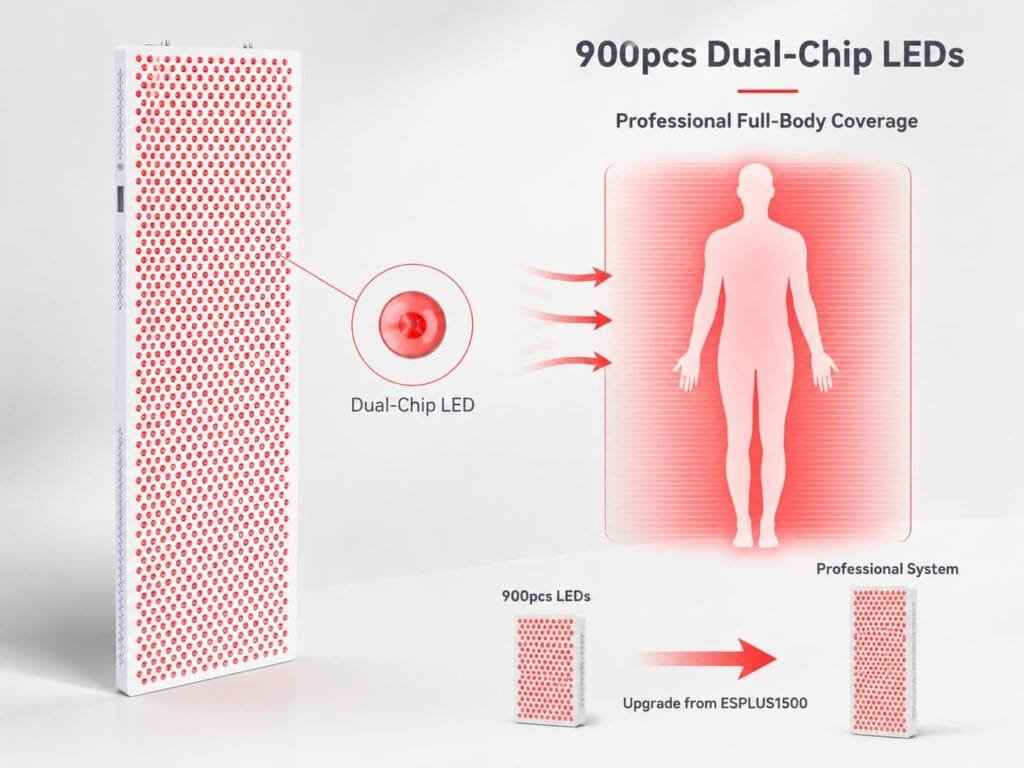
L'ESPLUS4500 - 900 LED à double puce, 1625mm hauteur du panneau, 210 à mW/cm² 3 pouces, capacité à double position horizontale/verticale, APPLICATION + contrôle par écran tactile, et certification commerciale complète - est conçue spécifiquement comme une plate-forme OEM de qualité commerciale pour les marques ciblant les canaux professionnels de bien-être.
Introduction: Pourquoi les panneaux à usage domestique échouent dans les environnements commerciaux
Avant d’évaluer les spécifications, il vaut la peine d'être précis quant à savoir qui achète réellement des panneaux de thérapie par lumière rouge commerciaux, car les quatre principaux types d'acheteurs commerciaux ont des exigences très différentes..
Taper 1: Marques de spas et de cliniques de beauté
Les spas et les cliniques de beauté constituent le segment commercial le plus important pour les panneaux professionnels de thérapie par la lumière rouge.. Leurs principales exigences:
- Intégration esthétique — le panneau doit avoir un aspect haut de gamme dans un environnement de salle de traitement, pas comme un équipement de gym à domicile
- Capacité de traitement en position couchée — la plupart des protocoles de spa impliquent des clients sur un lit de traitement; un panneau qui se monte uniquement verticalement ne peut pas servir ces clients sans repositionner
- Efficacité des sessions — la couverture de tout le corps dans une seule position de séance est importante sur le plan commercial car la durée de la séance est du temps facturable
- Réclamations de certification destinées aux clients — CE, FDA, et ISO 13485 sont fréquemment requis par les exploitants d’installations pour l’assurance des clients et la gestion des responsabilités
Taper 2: Cliniques chiropratiques et spas médicaux
Les acheteurs cliniques ont les exigences les plus strictes:
- Documents de certification — FDA, TGA, MDL, et la documentation CE doit être vérifiable, je ne viens pas de prétendre
- Données d'irradiation avec méthodologie — les acheteurs cliniques demandent des rapports de tests, pas de chiffres marketing
- Langage de conformité — la commercialisation du produit doit être conforme à la réglementation sur les dispositifs thérapeutiques du marché cible
- Fiabilité à long terme — les environnements cliniques ne peuvent pas gérer le remplacement fréquent des équipements; la durabilité et les conditions de garantie sont importantes
Taper 3: Marques d’installations de remise en forme et de récupération
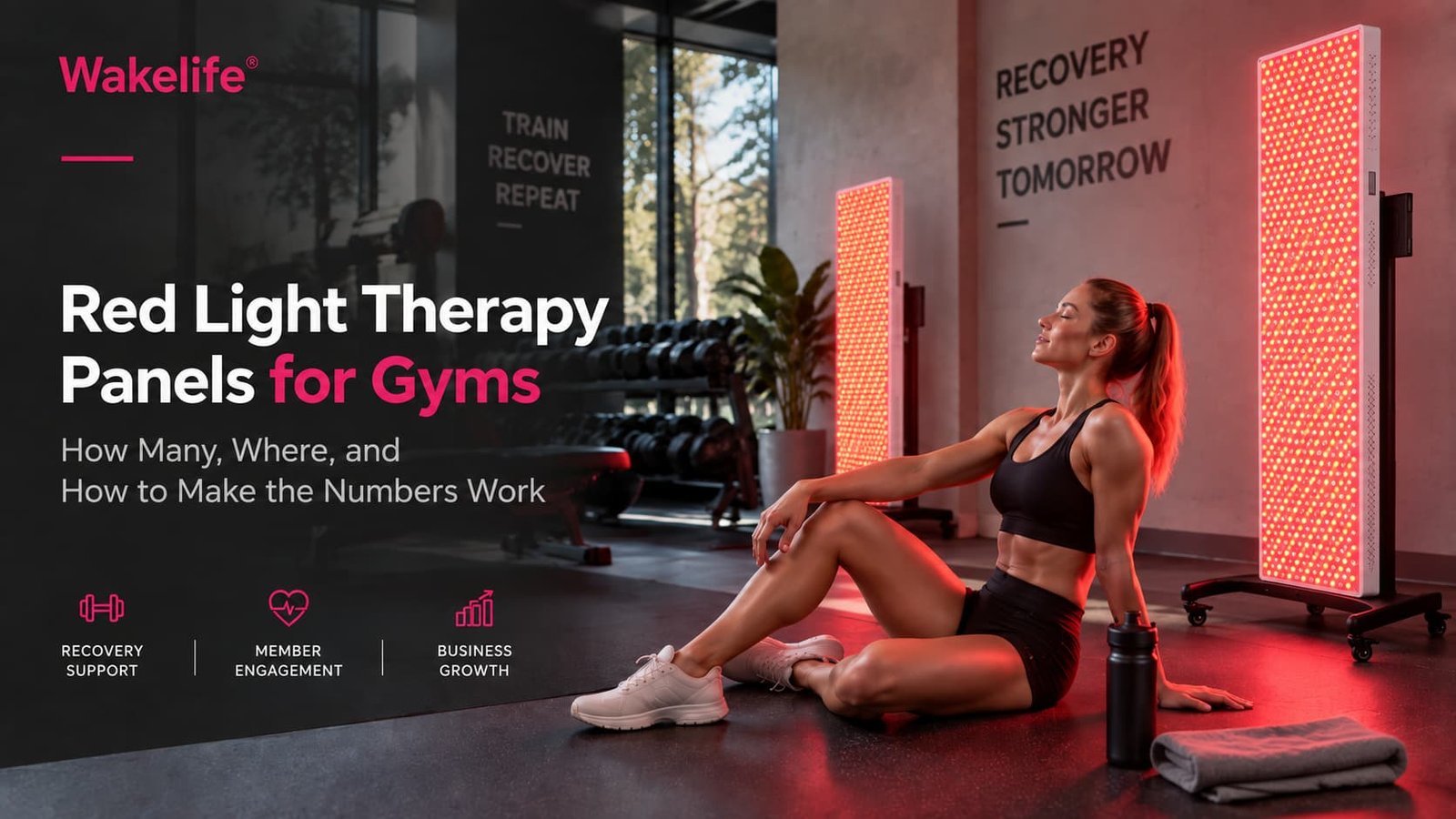
Acheteurs axés sur la récupération – fournisseurs d’équipements de gym, marques de centres de récupération sportive, les installations de performance sportive – ont des priorités différentes:
- Irradiation élevée à des distances pratiques — les athlètes se rapprochent des panneaux pendant la récupération active; 162 à mW/cm² 9 les pouces comptent plus que les chiffres maximaux
- Durabilité en cas d'utilisation quotidienne intensive — les environnements de fitness commerciaux sont exigeants pour l'équipement
- Plusieurs options de positionnement — les protocoles de récupération varient considérablement; la flexibilité compte
- Positionnement de marque dans un contexte de performance — le produit doit avoir l'air sérieux dans un environnement sportif professionnel
Taper 4: Installation de chaîne et approvisionnement en projets
Opérateurs multisites — chaînes de spa hôteliers, groupes de centres de bien-être, exploitants de salles de sport franchisées, et les réseaux de soins de santé – ont des exigences d’approvisionnement qui sont différentes de celles des acheteurs d’un seul établissement:
- Cohérence entre les emplacements — le même produit doit être disponible en quantité suffisante sur plusieurs phases de déploiement
- Support logistique et installation - support mural, support au sol, et la documentation d'installation est importante à grande échelle
- Exclusivité OEM/ODM — les grands opérateurs veulent souvent des produits qui ne sont pas disponibles pour les concurrents sur leur marché
- Tarification en volume et prévisibilité des délais — les décisions d'approvisionnement sont prises sur la base de l'économie globale du programme, pas seulement le prix unitaire
Comprendre quel type d'acheteur cible votre marque ou votre programme de distribution est la première étape pour évaluer si une plateforme de panel commercial est la bonne solution..
Partie 2 — Critère 1: Stabilité de l'irradiation, Pas seulement une production de pointe
La différence d’utilisation commerciale
Un panel à usage domestique fonctionne pour une ou deux séances par jour, par un seul utilisateur, dans un environnement relativement stable. Un panel commercial fonctionne pour six, huit, ou dix séances clients par jour, dans des conditions ambiantes variables, avec des opérateurs différents à chaque fois.
Le chiffre d'irradiance qui apparaît sur une fiche technique est presque toujours une mesure de crête, généralement prise dans des conditions contrôlées., à courte portée, avant que les effets thermiques dus à un fonctionnement prolongé ne deviennent un facteur.
Pour les acheteurs commerciaux, la question pertinente n'est pas l'irradiation maximale. Il s'agit de la stabilité de l'irradiation sous une charge commerciale soutenue.
Un panneau qui livre 210 mW/cm² dès la première séance de la journée mais chute à 160 mW/cm² à la huitième session — en raison d'une dérive thermique dans un circuit pilote mal conçu ou d'une gestion thermique inadéquate — n'est pas un produit de qualité commerciale. Il s'agit d'un panneau à usage domestique avec marketing commercial.
Que rechercher
Pour les applications commerciales, les données d'irradiation doivent inclure:
- Mesures multi-distances à 3, 9, et 12 pouces — les distances qui correspondent aux scénarios de traitement réels, conditions de test au banc non optimales
- Spécification de gestion thermique — comment le panneau gère-t-il la chaleur en cas d'utilisation prolongée? Refroidissement par ventilateur, dissipation thermique passive, conception de circuit pilote?
- Alimentation de qualité médicale — la qualité du circuit pilote affecte directement à la fois la stabilité de l'irradiation et la fiabilité à long terme
Données d'irradiation commerciale ESPLUS4500
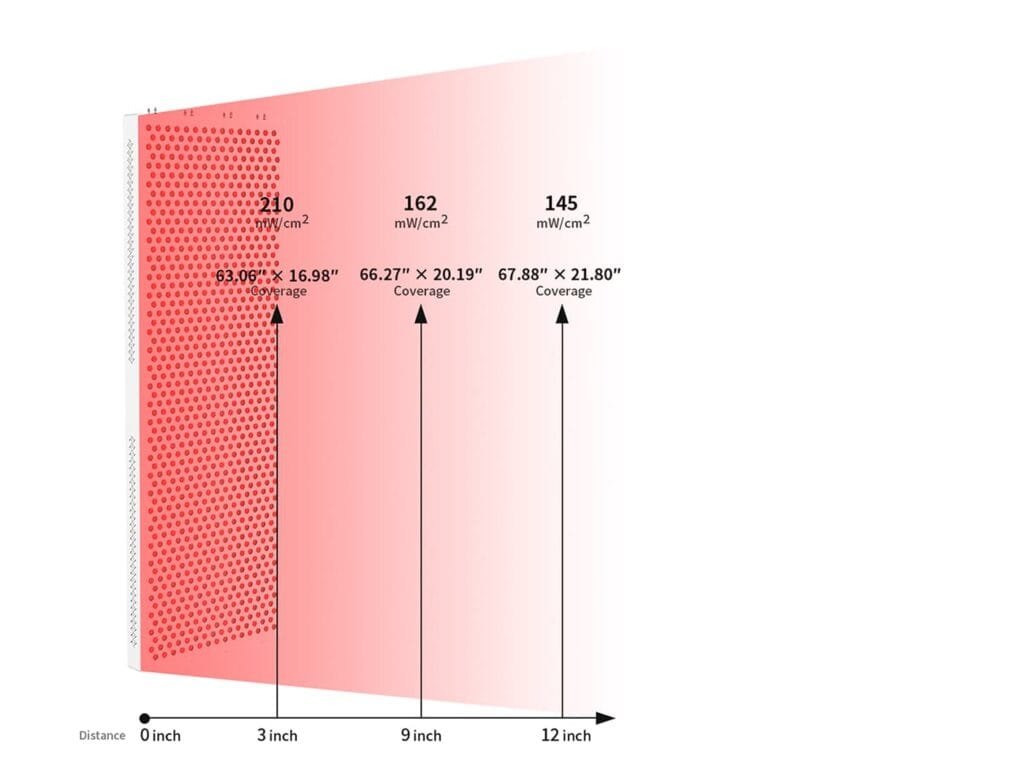
ESPLUS4500 fournit un rayonnement vérifié sur trois distances:
| Distance | Irradiance | Zone de couverture |
|---|---|---|
| 3 pouces | 210 MW / CM² | — |
| 9 pouces | 162 MW / CM² | — |
| 12 pouces | 145 MW / CM² | — |
À 9 pouces — la distance de traitement standard pour les séances commerciales sur tout le corps — l'ESPLUS4500 offre 162 MW / CM². Ce chiffre dépasse les spécifications d'irradiation maximale de nombreux panneaux concurrents., et c'est le nombre qui compte pour le positionnement commercial: que reçoit réellement le client lors d'une séance, pas ce que le panneau produit à 0 pouces dans un environnement de test?
L'ESPLUS4500 utilise une alimentation de qualité médicale et un système de refroidissement actif à double ventilateur pour maintenir la stabilité des performances lors de sessions d'utilisation commerciale prolongées..
Partie 3 — Critère 2: Fonctionnement horizontal et vertical à double position
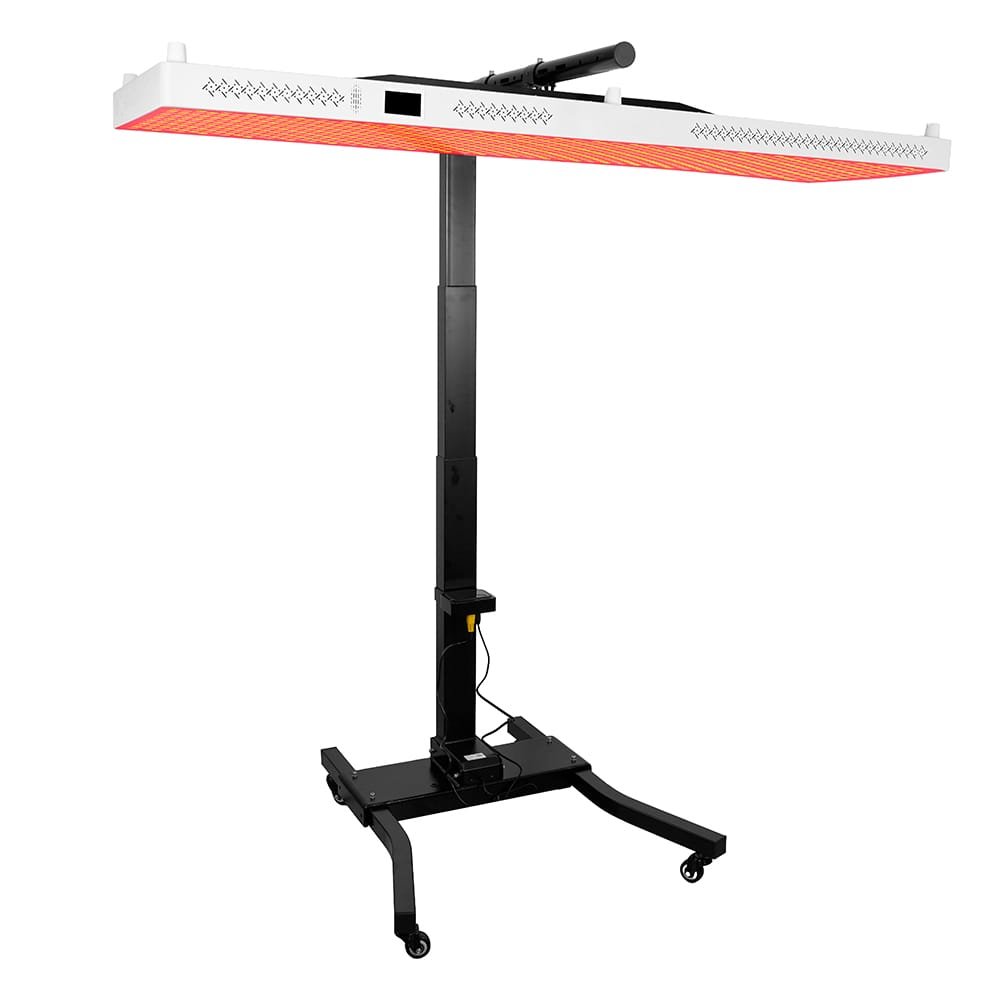
Il s’agit de la spécification qui distingue le plus immédiatement les panneaux de qualité commerciale des appareils à usage domestique – et c’est la plus fréquemment négligée lors de l’évaluation initiale du produit..
Pourquoi la position thérapeutique est importante sur le plan commercial
Dans un contexte de bien-être à domicile, la grande majorité de l'utilisation d'un panneau de thérapie par la lumière rouge consiste à se tenir debout ou assis devant un panneau monté verticalement. Il s'agit d'un protocole parfaitement fonctionnel pour les utilisateurs individuels.
Dans un spa commercial, clinique, ou contexte de récupération, l'image est plus complexe:
- De nombreux protocoles de soins spa impliquent des clients allongés sur un lit de traitement., avec le panneau positionné au-dessus ou à un angle
- Les protocoles de chiropratique et de physiothérapie ciblent fréquemment des zones spécifiques du corps, le client étant en position inclinée.
- Les installations de récupération peuvent utiliser des panneaux dans des configurations debout et couchées en fonction de l'objectif du traitement.
- Les programmes de spa des hôtels et des centres de villégiature conçoivent souvent leurs expériences de bien-être emblématiques autour de la luminothérapie allongée en tant que service différencié.
Un panneau qui fonctionne uniquement verticalement ne peut pas servir de protocoles couchés. Un panneau pouvant pivoter en fonctionnement horizontal ouvre la gamme complète des scénarios de traitement commercial et élargit considérablement les options de positionnement sur le marché pour les marques vendant dans les canaux professionnels..
ESPLUS4500: Capacité à double position horizontale et verticale
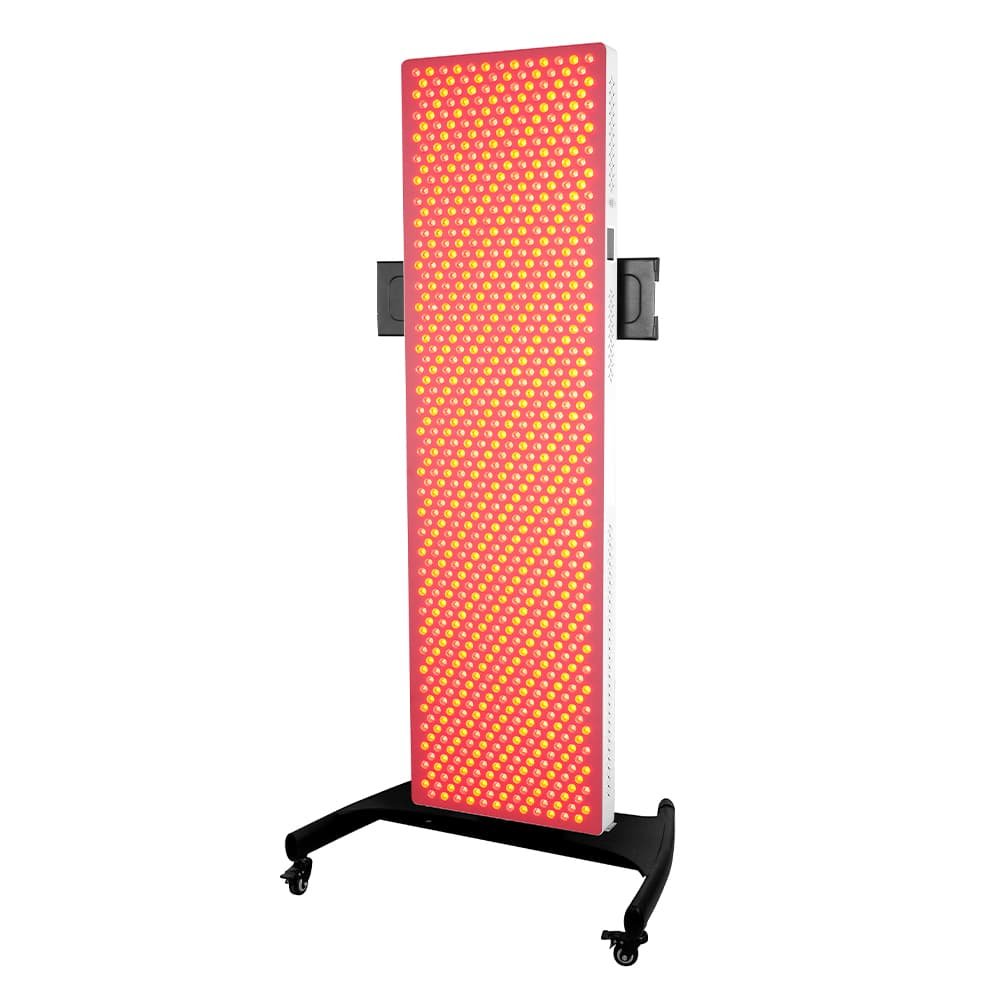
L'ESPLUS4500 est conçu pour fonctionner à la fois verticalement (traitement debout) et horizontale (couché / traitement au lit) postes. La structure du panneau et le système de montage prennent en charge la rotation vers l'orientation horizontale, permettant:
- Traitement complet du corps debout — panneau monté verticalement à hauteur standard, le client se tient face au panneau pour une couverture complète du corps
- Traitement allongé — panneau tourné en position horizontale, monté au-dessus d'un lit de traitement pour une couverture aérienne de tout le corps
- Traitement de zone ciblée — panneau positionné à différents angles pour se concentrer sur une zone spécifique du corps en configuration debout et couchée
Cette capacité à double position est l'un des principaux différenciateurs entre l'ESPLUS4500 et l'ESPLUS1500, conçu pour un usage domestique et semi-professionnel dans une position verticale fixe..
Pour les marques construisant un spa commercial, clinique, ou programmes de produits de récupération, la capacité de fonctionnement horizontal n'est pas facultative. C'est la spécification qui détermine si le produit peut réellement servir la gamme complète de protocoles attendus par les acheteurs commerciaux..
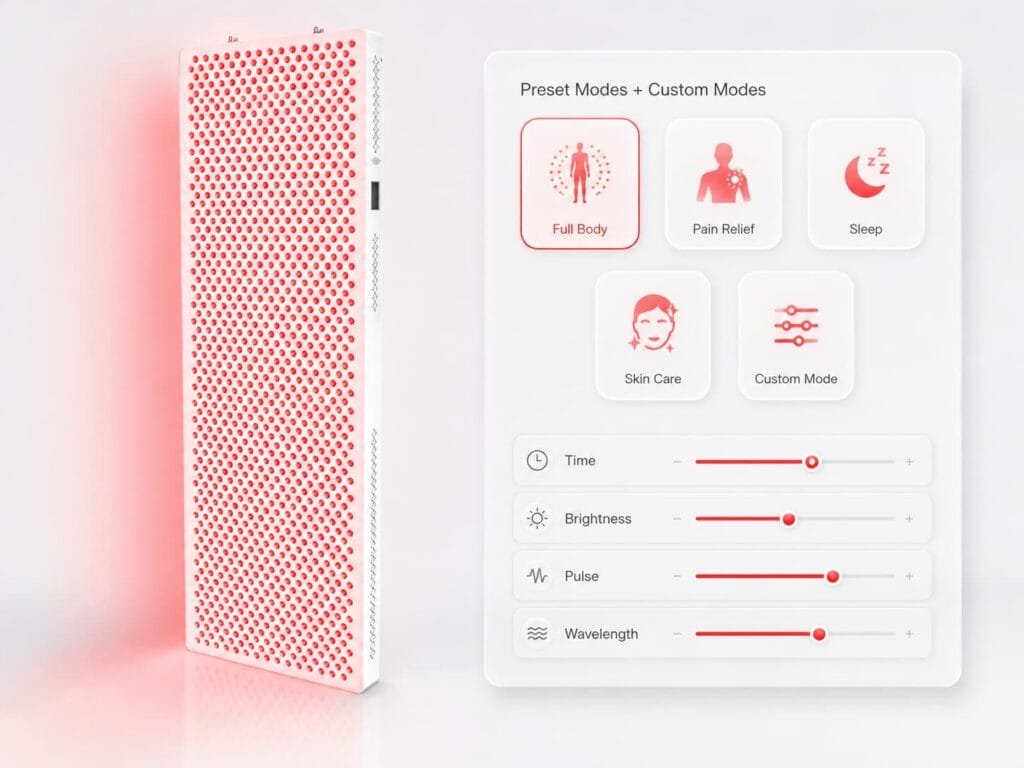
Partie 4 — Critère 3: Portée de la certification pour les canaux commerciaux
Pourquoi les exigences de certification commerciale sont plus strictes
Les panneaux à usage domestique vendus directement aux consommateurs via les canaux de commerce électronique fonctionnent dans un environnement réglementaire relativement permissif sur la plupart des marchés.. Les canaux commerciaux sont différents.
Un exploitant de spa ou de clinique qui achète du matériel à usage professionnel est souvent soumis à:
- Exigences des services de santé locaux concernant les équipements utilisés dans les environnements de service
- Exigences des assureurs pour les équipements de bien-être commerciaux
- Normes de gestion des installations qui exigent une documentation de certification vérifiable
- Spécifications du distributeur ou du franchiseur pour les équipements approuvés dans les opérations en chaîne
Sur les marchés réglementés – États-Unis, UE, ROYAUME-UNI, Australie, et Canada — les équipements de bien-être commerciaux nécessitent souvent un niveau de documentation de certification plus élevé que les produits à usage domestique. Les panels de positionnement des marques pour les canaux commerciaux doivent confirmer que la portée de la certification de leur produit couvre effectivement un usage professionnel commercial..
Certifications importantes pour le positionnement commercial
Documentation FDA — Pour un usage commercial sur le marché américain, Enregistrement FDA ou 510(k) l'autorisation fournit la base de documentation dont les acheteurs cliniques et les exploitants d'établissements ont besoin. Notez que la portée de la certification doit toujours être confirmée par le modèle de produit.
Marquage CE — Requis pour une utilisation commerciale sur le marché de l'UE, couvrant la directive basse tension, Directive CEM, et potentiellement la réglementation des dispositifs médicaux en fonction des allégations du produit et du canal.
TGA (Australie) / MDL (Canada) — Requis pour le positionnement des dispositifs thérapeutiques commerciaux sur les marchés australien et canadien respectivement.
ISO 13485 — La certification du système de gestion de la qualité qui indique aux acheteurs commerciaux que le processus de fabrication répond aux normes relatives aux dispositifs médicaux. De plus en plus demandé par les acheteurs commerciaux proches des soins de santé et par les programmes d'approvisionnement de grandes installations.
IEC 60601 — Norme de sécurité des équipements électromédicaux, pertinent pour les applications commerciales adjacentes aux cliniques et aux hôpitaux.
L'ESPLUS4500 transporte: FDA, TGA, MDL, CE, FCC, Rohs, et ISO 13485. Tous les certificats incluent des codes de vérification qui peuvent être validés sur les bases de données réglementaires officielles respectives – et pas seulement revendiqués., mais vérifiable par les acheteurs qui exigent un examen de la documentation avant l'approbation de l'achat.
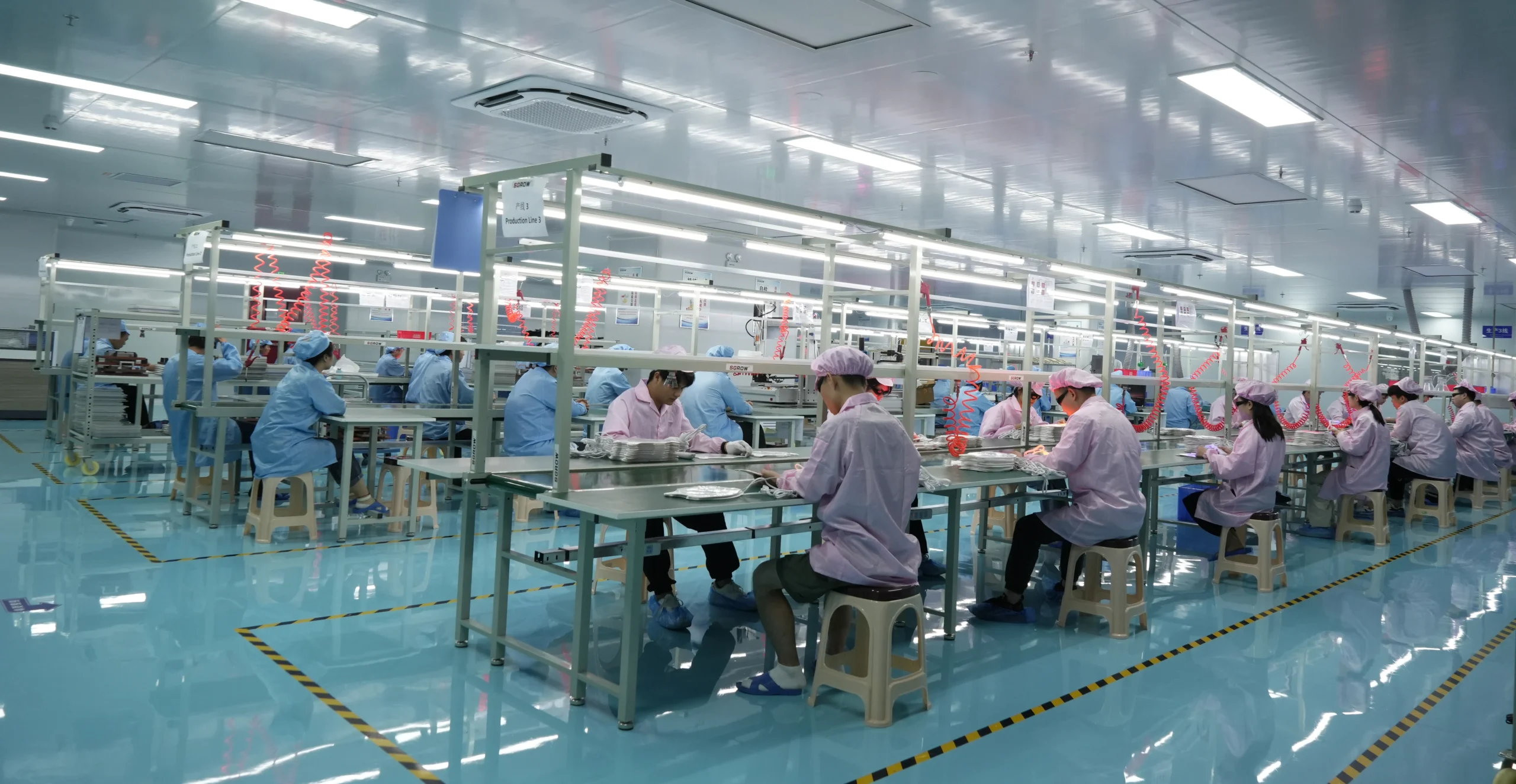
Pour les partenaires de marque OEM, L'équipe de conformité de Wakelife Beauty prend en charge la préparation et la documentation des certifications spécifiques au marché dans le cadre du programme de produits commerciaux..
Partie 5 — Critère 4: Échelle physique pour une véritable couverture commerciale de tout le corps
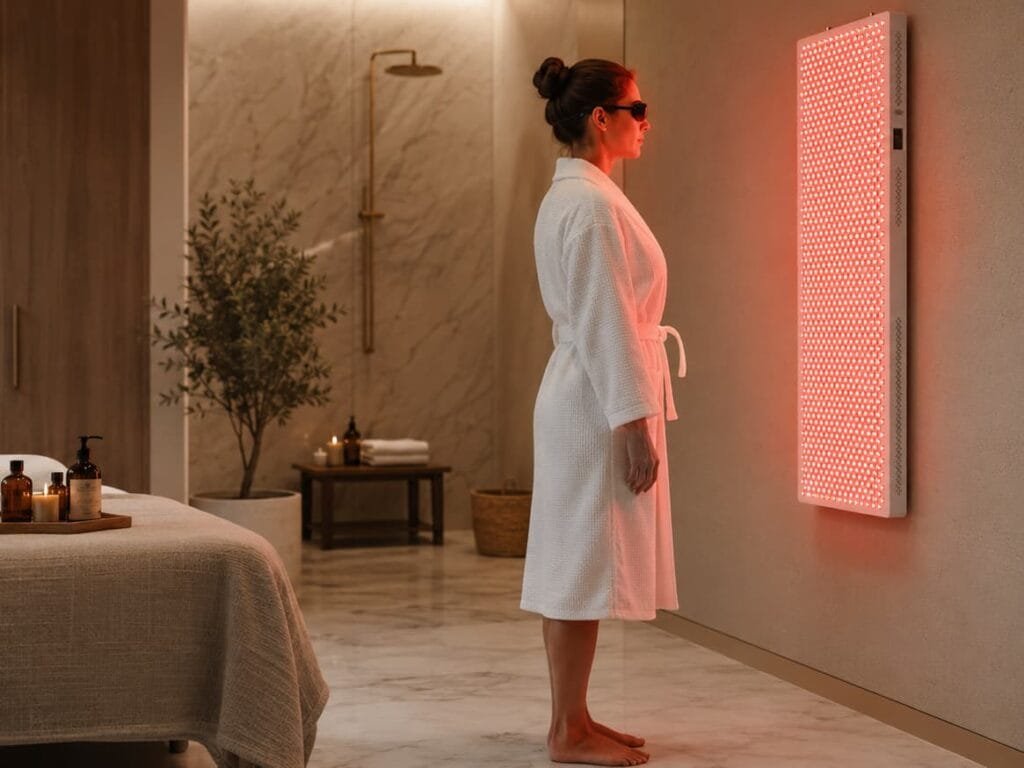
La norme de couverture commerciale
Dans un contexte d'usage domestique, un panneau qui recouvre la majeure partie du torse en position debout est généralement suffisant. Les utilisateurs peuvent se repositionner pour différentes zones du corps dans le cadre de leur routine personnelle.
Dans un contexte commercial, le repositionnement est un problème. Une séance de soins spa est une expérience définie avec un protocole et une durée définis.. Une séance de clinique de rétablissement est une plage horaire facturable. Une expérience bien-être hôtelière est un service conçu. Aucun d’entre eux ne bénéficie d’un repositionnement à mi-séance – et tous souffrent lorsque la couverture physique du panel ne correspond pas aux attentes du client en matière de traitement..
Pour que le positionnement commercial du corps entier soit crédible, le panneau doit être suffisamment grand pour couvrir le torse et le haut des jambes – la zone de traitement principale pour la plupart des protocoles de thérapie par lumière rouge sur tout le corps – sans que le client ne bouge pendant la séance.
Balance physique ESPLUS4500
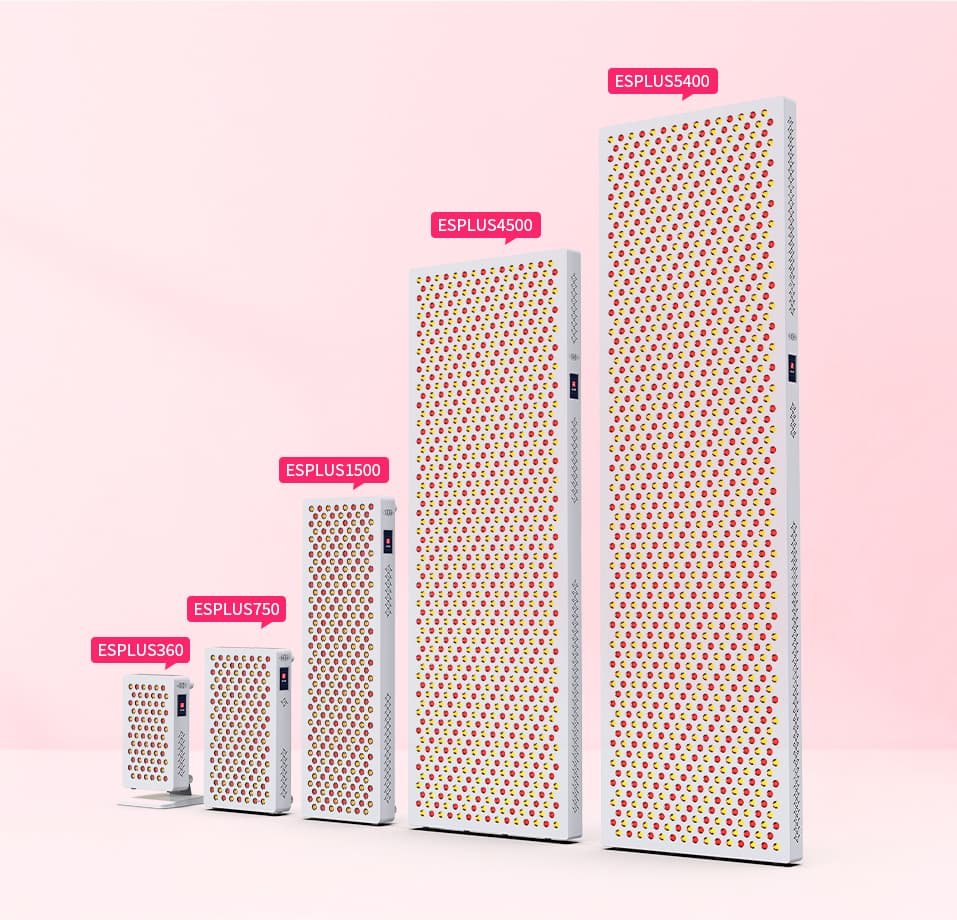
| Spécification | ESPLUS4500 | ESPLUS1500 |
|---|---|---|
| Hauteur | 1,625MM | 920MM |
| Largeur | 465MM | 300MM |
| Nombre de LED | 900 PCS | 300 PCS |
| Poids net | 24 kilos | 9.7 kilos |
À 1 625 mm de hauteur et 465 mm de largeur, L'ESPLUS4500 offre une zone de traitement qui couvre tout le torse et s'étend jusqu'au bas du corps en position debout standard.. La largeur du panneau - 465 mm vs. 300mm pour ESPLUS1500 — offre également une couverture latérale beaucoup plus large, réduisant le besoin d'un alignement précis entre le panneau et la position du client.
Pour les marques ciblant les canaux commerciaux où l'expérience client est le produit, cette différence d'échelle physique est directement pertinente à la qualité de service que le produit permet.
Partie 6 — Critère 5: Personnalisation OEM pour les programmes de marques commerciales
Pourquoi les produits génériques sous-performent dans les canaux commerciaux
Un grand groupe thermal, une marque de clinique chiropratique, ou une chaîne de salles de sport haut de gamme ne veut pas que sa salle de soins soit équipée d'un produit portant la marque d'un fabricant. Ils veulent leur propre identité de produit – ou au minimum, un produit qui semble avoir été sélectionné et spécifié par leur marque, ne provient pas d'un catalogue.
Pour les marques qui créent des programmes de produits commerciaux, La profondeur de personnalisation OEM détermine si l'opportunité de canal commercial est réellement accessible ou si le produit sera toujours positionné comme élément du catalogue d'un fournisseur..
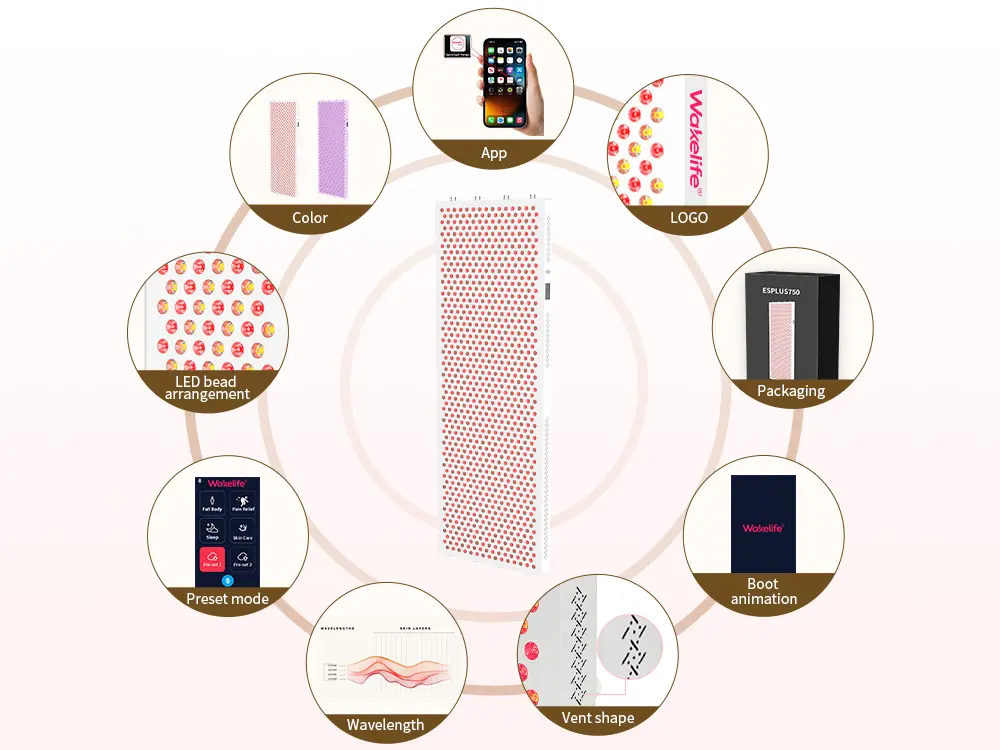
Couche de marque:
- Logo personnalisé (gravé au laser, imprimé en soie, ou badge en métal)
- Emballage et documentation personnalisés
- Manuel d'utilisation personnalisé et guide de démarrage rapide
- Carte de garantie personnalisée et inserts de marque
Couche matérielle:
- Couleur du boîtier et finition de surface personnalisées
- Modèle de ventilation personnalisé et conception de support
- Disposition personnalisée du panneau de commande
- Configurations de longueur d'onde personnalisées
Couche logicielle:
- APPLICATION Bluetooth de marque (IOS + Androïde)
- Interface APP personnalisée et identité de marque
- Noms et protocoles de modes de traitement prédéfinis personnalisés
- Nom de marque intégré dans le micrologiciel de l'appareil
Pour les programmes d’achat d’installations de chaîne – groupes de spa hôteliers, chaînes de centres de bien-être, opérateurs de franchise — la personnalisation de la couche logicielle est particulièrement précieuse: une application de marque qui contrôle tous les panneaux dans tous les emplacements, avec les noms de mode et les protocoles de traitement propres à la marque, crée un écosystème de produits connectés qu'une interface générique de fabricant ne peut pas reproduire.
MOQ pour la personnalisation des marques privées commence entre 10 et 50 unités. Développement OEM complet à partir de 50 unités. Droits exclusifs de distribution territoriale disponibles pour les programmes s'engageant 1,000+ unités annuellement.
Partie 7 — ESPLUS4500 contre ESPLUS1500: Choisir la bonne plateforme pour votre programme commercial
La question la plus courante des partenaires OEM évaluant la série ESPLUS pour les programmes commerciaux est: quand est-ce que le 4500 avoir plus de sens que le 1500?
- Votre cible de canal commercial est spa et salon d'entrée de gamme — installations qui souhaitent un aspect professionnel sans un grand encombrement de panneaux
- Ton positionnement prix cible le niveau professionnel accessible plutôt que le niveau phare commercial complet
- L'aménagement des installations ne ne nécessite pas de protocoles de traitement en position couchée — L'ESPLUS1500 est fixe verticalement
- Tu es construire une gamme de produits où ESPLUS1500 sert de modèle d'entrée commercial et ESPLUS4500 comme mise à niveau phare
- Votre cible est spa haut de gamme, station thermale médicale, clinique de chiropratique, ou récupération haute performance — canaux pour lesquels une capacité de protocole couchée est attendue
- Votre marque a besoin d'un produit phare commercial qui ancre le haut de votre gamme de produits avec des spécifications qui remportent des comparaisons de spécifications
- Le programme des installations comprend lits de soins allongés dans le cadre de la conception du service
- Ton acheteurs d'approvisionnement exiger une documentation de certification de qualité commerciale qui va au-delà de la base FCC/CE
- Vous équipez installations en chaîne ou multi-sites où la cohérence des produits et l'identité OEM sont des exigences d'approvisionnement
La stratégie de ligne commerciale à deux produits
Pour les marques ayant la capacité de gérer deux SKU commerciales, l'architecture la plus efficace est:
ESPLUS1500 comme modèle d'entrée commercial — empreinte plus petite, prix inférieur, fixe vertical, adapté au spa boutique, salon, et environnements de studio
ESPLUS4500 comme produit phare commercial — une plus grande couverture, capacité horizontale/verticale, irradiation plus élevée, certification commerciale complète, adapté au spa haut de gamme, clinique, et programmes d'installations multisites
Cette structure à plusieurs niveaux offre aux acheteurs commerciaux une voie de mise à niveau, prend en charge une valeur de programme moyenne plus élevée, et positionne la marque sur un plus large éventail de types d'installations et de niveaux de budget.
Conclusion: La thérapie commerciale par la lumière rouge est une décision d’achat différente
La catégorie des panneaux de thérapie par la lumière rouge est suffisamment mature pour que la plupart des marques et des distributeurs comprennent les spécifications de base. Ce qui différencie les programmes commerciaux qui réussissent de ceux qui échouent, ce n'est pas la connaissance des spécifications, mais la compréhension de la manière dont ces spécifications se traduisent en performances d'utilisation commerciale..
Stabilité de l'irradiance sous une charge quotidienne multi-sessions. Capacité de traitement horizontale pour les protocoles en position couchée. Documentation de certification qui satisfait aux exigences de l'exploitant de l'installation et de l'acheteur. Balance physique offrant la couverture complète du corps que les clients commerciaux attendent. Identité OEM qui positionne le produit comme étant celui de la marque, il ne s'agit pas d'un article du catalogue d'un fournisseur.
L'ESPLUS4500 est conçu pour répondre à ces cinq exigences commerciales sur une seule plateforme — avec 900 LED à double puce, 1625mm de couverture à l'échelle commerciale, fonctionnement à double position horizontale/verticale, 210 à mW/cm² 3 pouces, certification commerciale complète, et personnalisation OEM à travers la marque, matériel, et couches logicielles.
Lecture connexe
- Panneaux de thérapie par lumière rouge pour tout le corps pour les marques: Guide OEM/ODM — Comment les spécifications des panneaux complets se traduisent dans le positionnement de la marque
- Comment choisir un panneau de thérapie par la lumière rouge pour votre marque: 6 Des critères qui comptent vraiment — Le cadre complet de sourcing B2B
- Processus de développement d'appareils de thérapie par la lumière rouge: Leçons tirées des échecs du monde réel — Comment le développement structuré protège votre investissement OEM
Prêt à évaluer ESPLUS4500 pour votre programme commercial?
Si vous recherchez un panneau de thérapie par lumière rouge commercial pour un spa, clinique, salle de sport, installation de récupération, ou marque de bien-être multi-sites, L’équipe OEM de Wakelife Beauty peut vous aider:
- Confirmez si ESPLUS4500 ou ESPLUS1500 est la bonne plateforme pour votre canal commercial
- Examinez la configuration des opérations horizontales/verticales pour la configuration spécifique de votre installation.
- Fournissez une documentation de certification pour les exigences d’approvisionnement de votre marché cible
- Discutez des options de personnalisation OEM et du MOQ pour la portée de votre programme
- Demander des échantillons et un devis de programme commercial
Veuillez partager ce qui suit lorsque vous nous contactez:
- Type de canal cible (spa / clinique / salle de sport / récupération / installation de chaîne)
- Marché cible et exigences de certification
- Volume estimé du programme
- Exigences de personnalisation
- Calendrier de déploiement prévu
👉 Voir les spécifications complètes de l'ESPLUS4500: https://wakelifebeauty.com/product/wholesale-esplus4500-commercial-red-light-therapy-panel/
👉 Voir ESPLUS1500 pour comparaison: https://wakelifebeauty.com/product/esplus1500-oem-odm-premium-full-body-red-light-therapy-panel/
👉 Découvrez nos services OEM/ODM: https://wakelifebeauty.com/oem-odm/
👉 Consultez nos références en matière de qualité et de conformité: https://wakelifebeauty.com/quality-compliance/