If you have chosen an LED baseball cap for your product range, your next job is a sample request. You may be introducing your first cap, working around your own hat design, or considering a second model for an existing device line. Before choosing a model, decide what you need to learn from handling it—and what your team will need to explain to the person using it.
You are adding the first cap to a hair or scalp-care range
Your product page and supplied instructions will need to show the customer how to get started. Decide whether that means connecting a power cable and using an external controller, or using a built-in battery. Also decide whether adjustable brightness and several timer choices serve a clear product requirement.
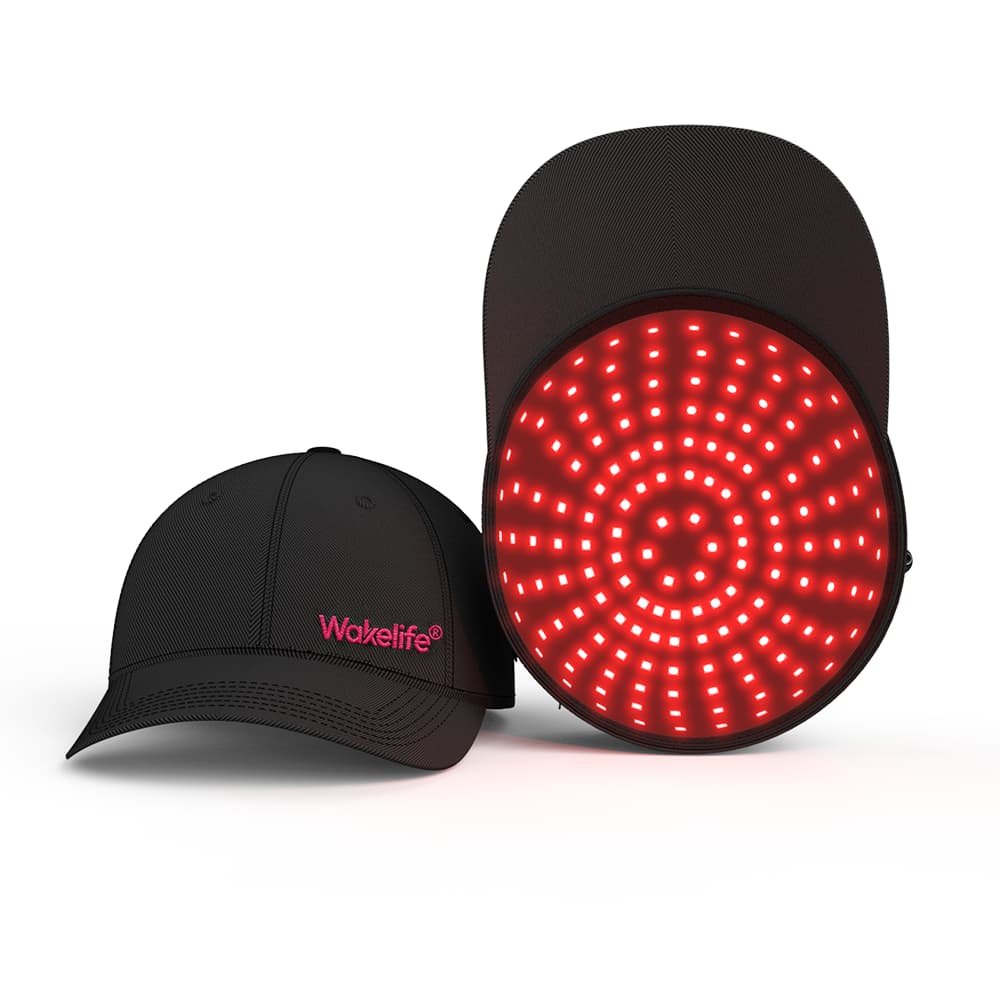
If external power is acceptable and adjustable settings matter, C01 is a candidate. Ask a first-time reviewer to connect the proposed power source and find the brightness and timer controls. For power-bank use, check the compatible bank together with the specified 5V-to-10V boost cable. Review where the cable and controller sit while the cap is worn.
If built-in battery operation is required, both C02 and C03 remain candidates. For either sample, have the reviewer locate the controls and use the supplied instructions to identify which settings can be changed. Record which connections, parts and choices your product page will need to show.
You already have a hat design in mind
As the brand or design lead, you may have a particular silhouette, fabric or appearance planned. First separate two requests: branding a standard cap, and fitting a removable light module into your own hat. For changes to a standard cap’s appearance, mark the details you want reviewed on that sample.
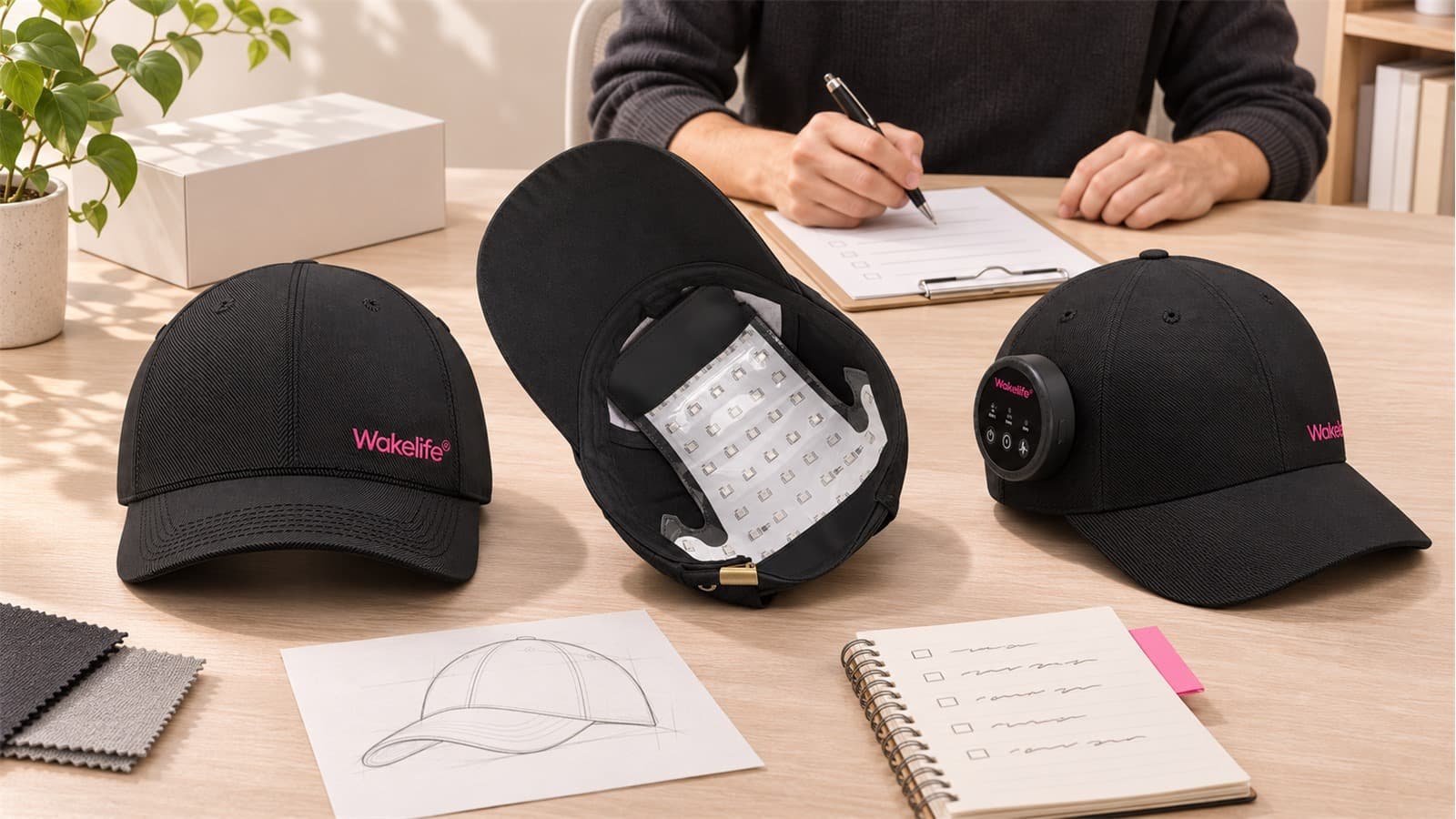
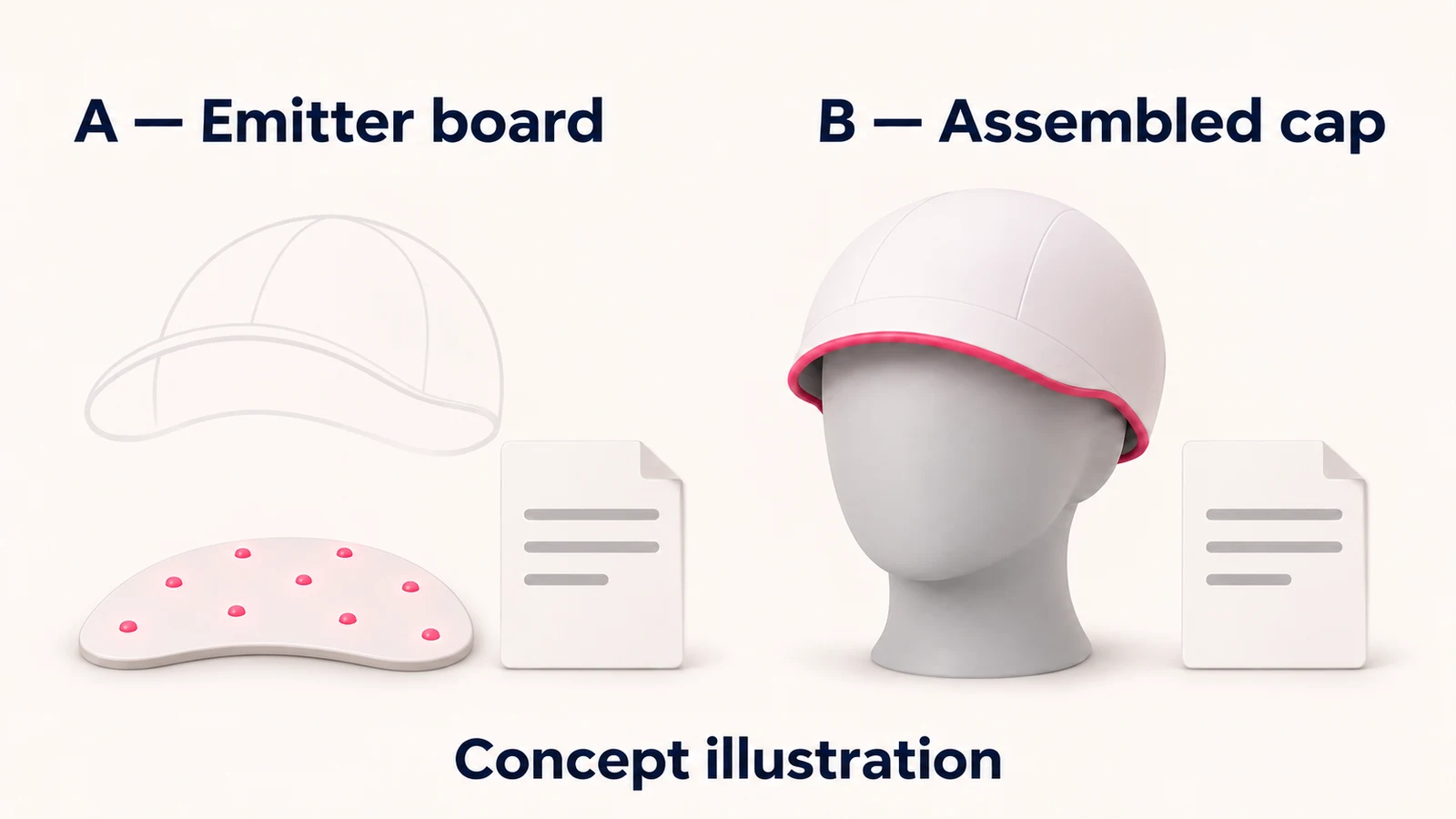
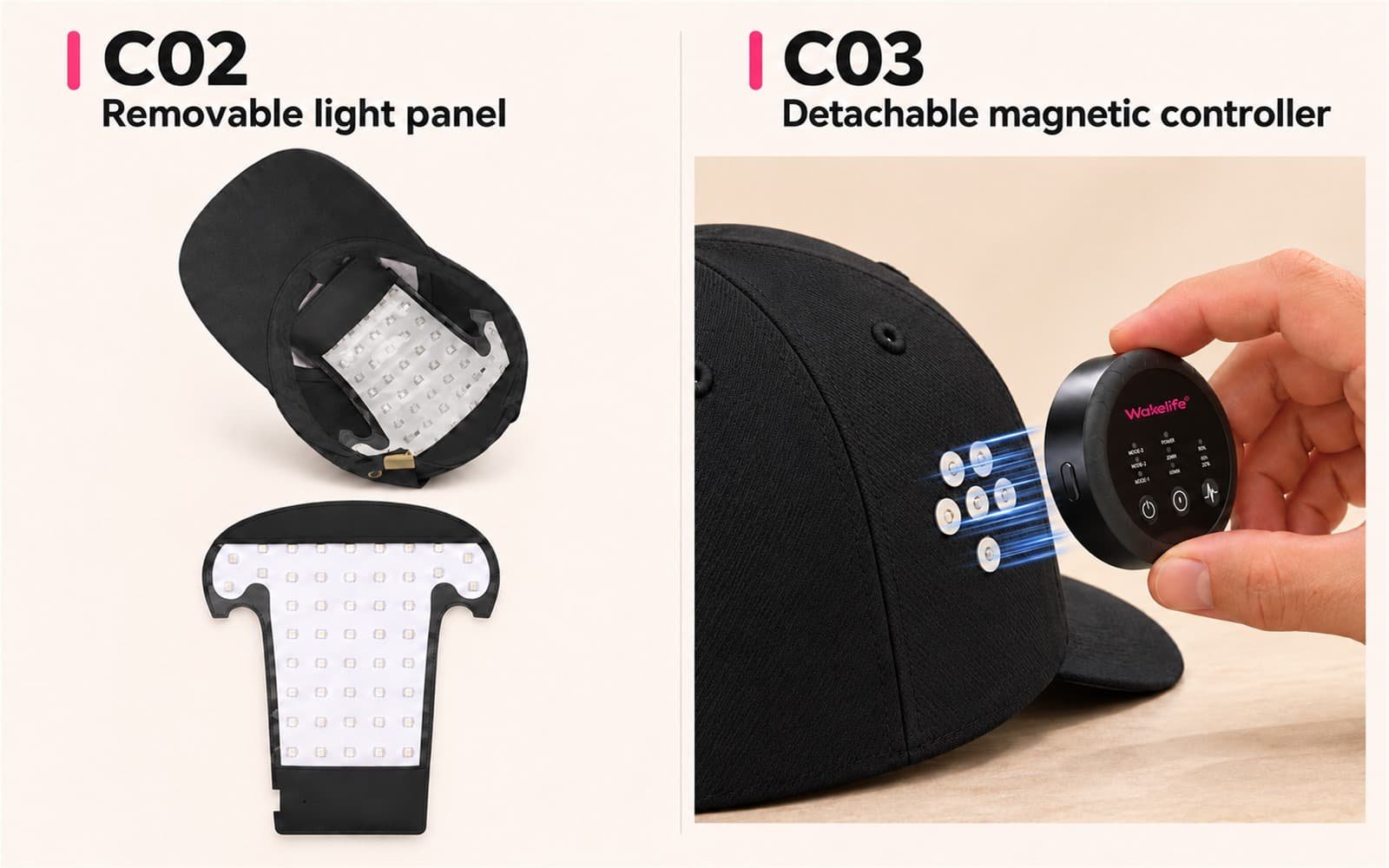
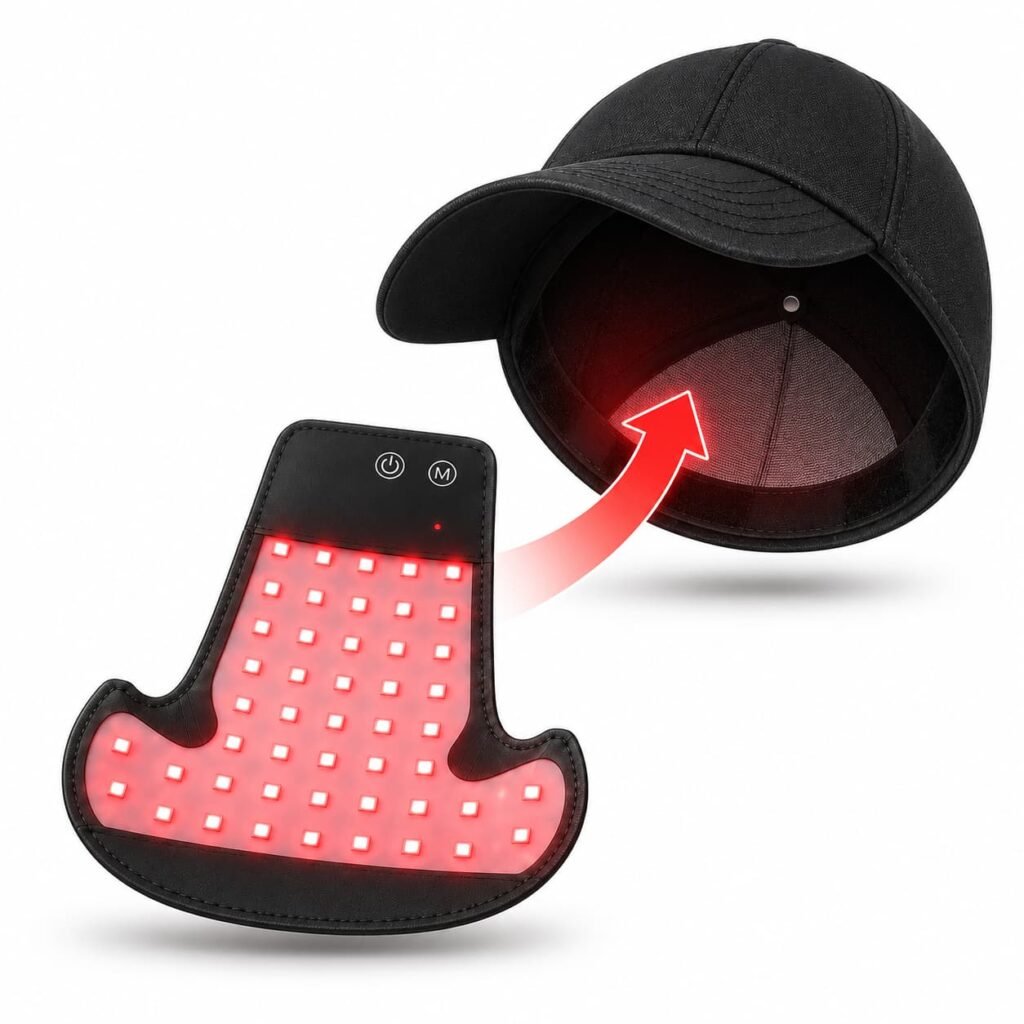
If your own hat needs to hold a removable light module, C02 is relevant. In its standard cap, the panel is braced at a designated position inside the cap to hold it in place. The panel can also run independently of the hat.
Bring the proposed hat or drawing, size, material and desired panel position as discussion inputs. A bucket hat, sun hat or beret is a project concept to assess, rather than a confirmed ready-made option. Evaluate the actual candidate hat and panel together: does the hat fit, is the panel in the agreed position, and does the hat hold it there when worn as instructed? Confirm those points for that specific combination.
For broader branding choices, see the guide to customizing a hair growth device without new tooling.
You are considering a second cap for an existing device line
A second model needs a defined job beside the devices you already sell. If you already have a cabled cap and now require battery operation, both C02 and C03 are worth comparing. That requirement alone does not choose between them.
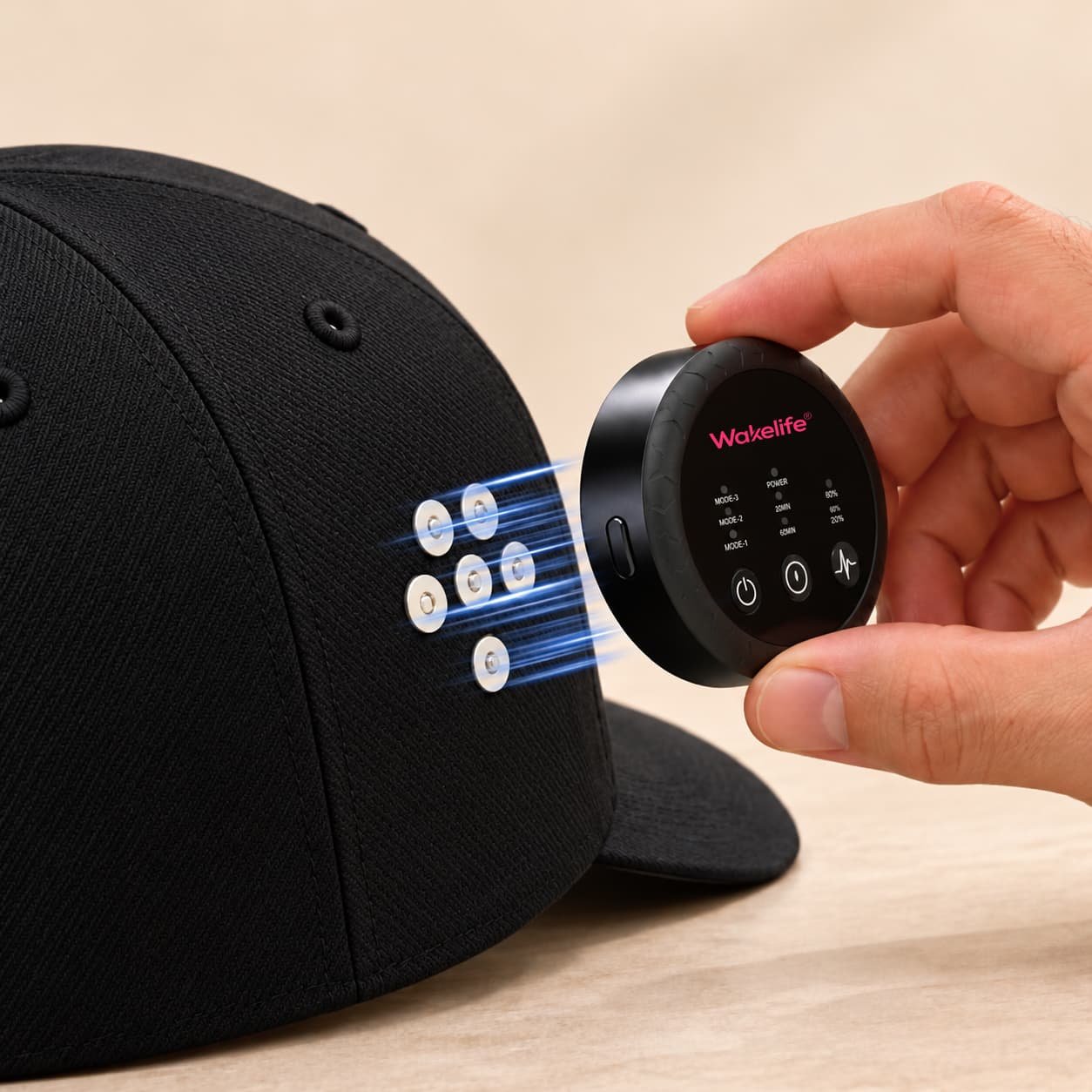
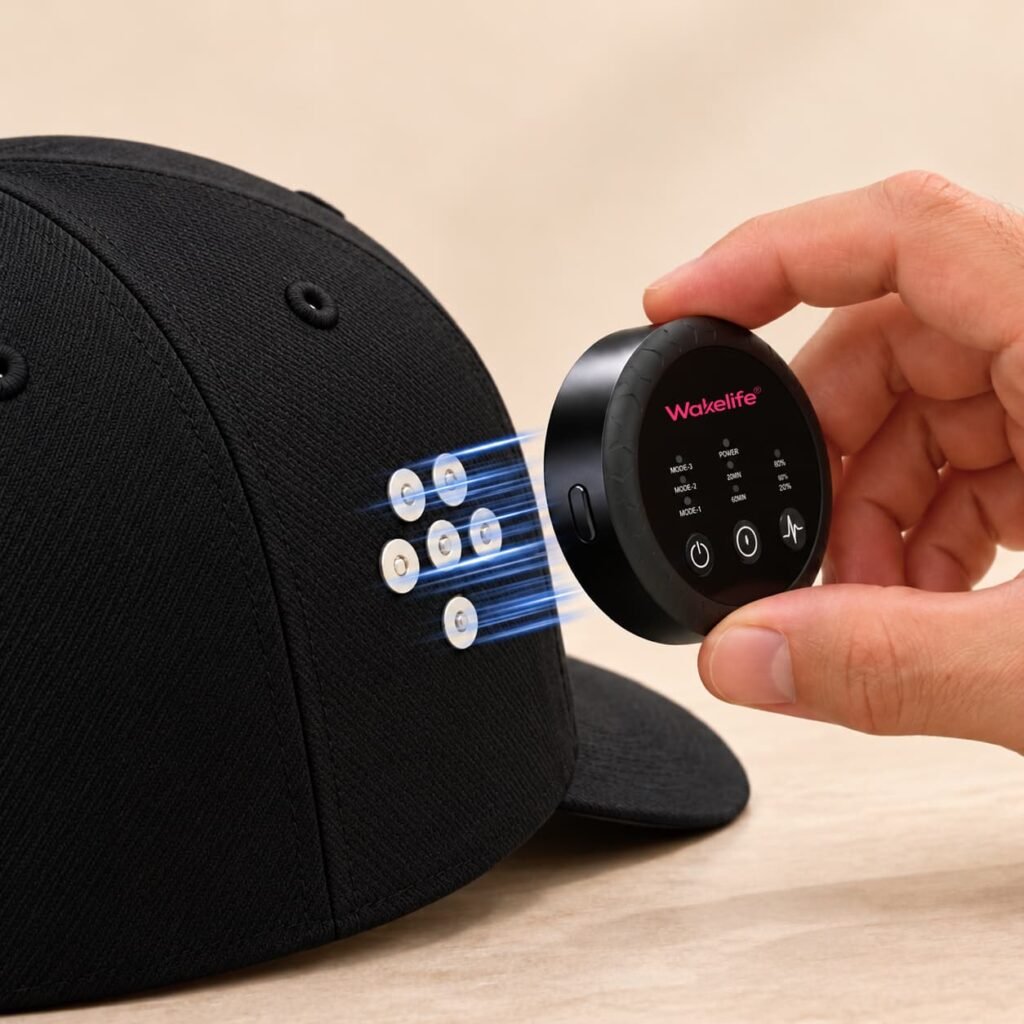
Specify the next difference you need. If it is a removable module for a particular hat design, evaluate C02 with that hat. If it is a detachable magnetic controller, evaluate C03 and its controller interaction. The removable component on C03 is the controller.
Use the same reviewer and observation steps for both candidates: identify the removable part, position or attach it according to the instructions, and locate the available controls. For C03, have the reviewer distinguish the three light modes from the independently selected 10Hz or 40Hz pulse option. These are separate selections.
Record how each sample answers the requirement you set. If there is no specified new requirement or feedback to investigate, different specifications alone do not establish that adding another SKU will succeed. The C03 cordless cap guide for brands covers that model in more detail.
C01 vs C02 vs C03: key specifications
| Feature | C01 | C02 | C03 |
|---|---|---|---|
| Structure | Integrated, non-detachable LED array; external digital controller | Removable light panel that can operate independently of the hat | Cap with a detachable magnetic controller |
| Power supply | No built-in battery. Specified 10V/1A adapter, or compatible power bank through the specified 5V-to-10V boost cable | Rechargeable built-in 650mAh battery | Rechargeable 2000mAh battery; USB-C charging |
| LED beads (5050 packages) | 150 | 48 | 120, with three chips per package |
| Light modes | One combined mode: 660 + 850nm | Four modes: 660nm; 660/460nm alternating every 3 seconds; 460nm; 660nm with 10Hz pulsing | Three modes: 660 + 850nm, 660nm, or 430nm |
| Brightness | Five levels: L1–L5 | Fixed | Fixed |
| Timer options | 5 / 10 / 15 / 20 / 25 / 30 minutes | 10 minutes | 10 / 20 minutes |
LED counts and wavelengths describe the hardware, not comparative hair-growth results. Battery capacity alone does not establish runtime, and timer choices are available controls rather than exposure recommendations. Follow the instructions supplied with the exact sample (AAD general guidance).
Turn the decision into a sample request
Start with the model that answers your current question. Add a second candidate when comparing it will resolve something specific, and use the same written criteria for both.
Contact Wakelife to discuss samples with the models you are considering, the power setup or hat design you want to assess, and the question each sample needs to answer.
Sources
- 1
- 2
- 3
-
4
American Academy of Dermatology — Is red light therapy right for your skin?. General guidance on following the directions supplied with an at-home red-light device; not an assessment of C01, C02 or C03.