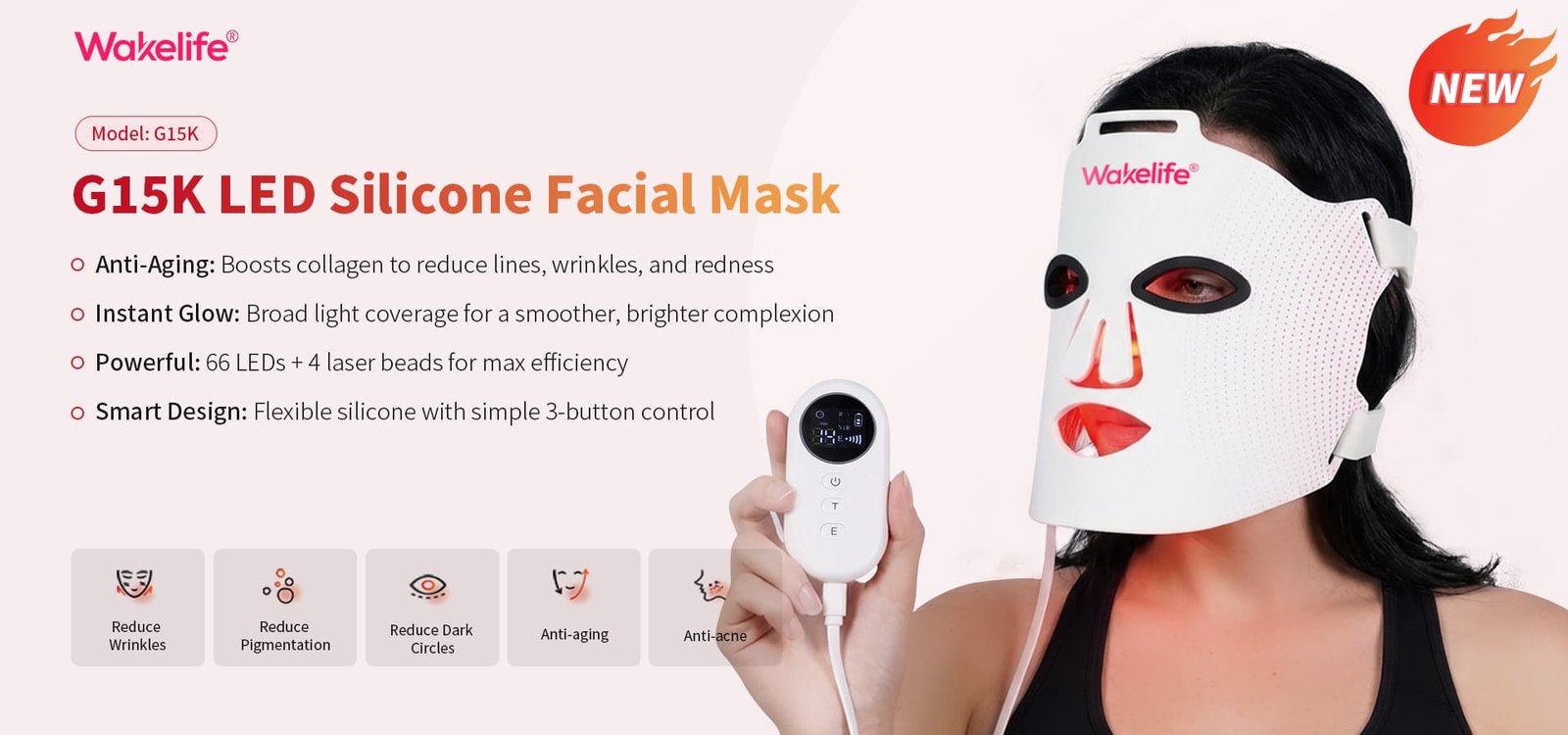
Взаимосвязь между расстоянием и эффективностью лечения при светодиодной светотерапии
Светодиодная светотерапия, также известная как фотобиомодуляция— использует определенные длины волн красного и ближнего инфракрасного света для стимуляции клеточной активности., поддержка восстановления тканей, и уменьшить воспаление.
Это сейф, неинвазивное лечение, используемое в уходе за кожей, восстановление мышц, и общее самочувствие.
Хотя многие люди сосредотачиваются на длине волны или времени лечения, один часто упускаемый из виду фактор может существенно повлиять на результаты: расстояние между источником света и кожей.
В этой статье объясняется, как расстояние влияет на освещенность. (интенсивность света), доставка энергии, и общая эффективность лечения.
Наука, лежащая в основе светодиодной светотерапии
Светодиодная светотерапия работает посредством процесса, называемого фотобиомодуляция— клеточный ответ, запускаемый при поглощении световых фотонов митохондриями.. Это поглощение увеличивает АТФ. (энергия) производство, улучшает кровообращение, и способствует регенерации тканей.
Два ключевых параметра определяют эффективность любого лечения светодиодным светом.:
Излучение (МВт/см²): Мощность света, получаемая на единицу площади.
Флюенс (J/CM²): Общая переданная энергия — облучение, умноженное на время воздействия..
Вместе, эти факторы определяют легкая доза ваша кожа или ткани фактически получают.
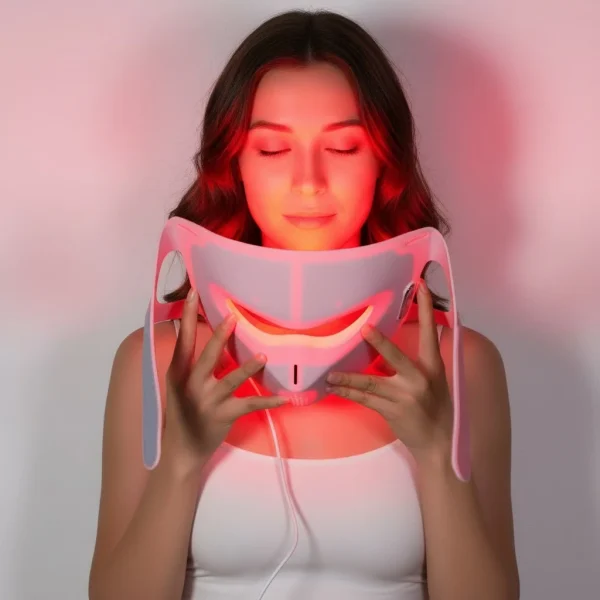
Как расстояние влияет на освещенность
Интенсивность света быстро снижается по мере увеличения расстояния., после закон обратных квадратов: Эн∝1/д²
Проще говоря, когда расстояние удваивается – от 5 см до 10 см — интенсивность света падает примерно до четверти исходного значения..
Хотя светодиодный свет не ведет себя как идеальный точечный источник. (он полурассеянный), общее правило все еще действует: чем дальше свет, тем слабее энергия, достигающая вашей кожи.
Различные конструкции устройств также могут изменить способ распространения этой энергии.:
Коллимированные светодиоды (сфокусированные лучи): Расстояние оказывает меньшее влияние на интенсивность..
Рассеянные светодиодные панели: Энергия падает более заметно по мере увеличения расстояния..
Производительность на разных дистанциях
Слишком близко (<5 см)
Плюсы: Высокая интенсивность, быстрое накопление энергии.
Минусы: Накопление тепла и потенциальное раздражение кожи при длительном воздействии..
Оптимальный диапазон (5–15 см)
Обеспечивает сбалансированное распределение энергии и комфортное тепло..
Рекомендуется как для профессиональных, так и для домашних процедур..
Слишком далеко (>20 см)
Освещенность резко падает.
Свет может больше не обеспечивать достаточно энергии (флюенс) вызвать биологический эффект, что приводит к снижению или отсутствию терапевтического эффекта.
Почему светодиодные маски имеют меньшую мощность, чем световые панели
Вы можете заметить, что Светодиодные маски для лица обычно имеют излучение 20–40 МВт/см², пока светодиодные световые панели часто варьируются от 150–200 мВт/см².
Это не значит, что маски слабы — просто из-за расстояние и безопасный дизайн.
Светодиодные маски сидеть очень близко к лицу — часто в пределах 1–2 см.. В такой близости, более высокая мощность может вызвать перегрев или дискомфорт., поэтому интенсивность намеренно снижена, чтобы защитить кожу и обеспечить комфорт..
светодиодные панели, с другой стороны, обычно располагаются на расстоянии 10–20 см от тела.. Потому что энергия быстро убывает с расстоянием, этим устройствам требуется более высокая выходная мощность для доставки такой же эффективной дозы на кожу..
Суммируя, меньшая мощность маски означает более безопасное использование на близком расстоянии., не более слабая производительность.
Как найти правильное расстояние
Цель состоит в том, чтобы обеспечить правильное энергетическая доза (J/CM²)— достаточно, чтобы стимулировать клетки, но не настолько, чтобы это вызывало перегрев.
Для поверхностной обработки (прыщи, цвет лица, коллаген): использовать красный свет, 5–10 см на расстоянии.
Для более глубоких тканей (восстановление мышц, боль в суставах): используйте ближний инфракрасный свет, 3–8 см для лучшего проникновения.
Если ваше устройство предоставляет данные об освещенности, вы можете рассчитать время воздействия, чтобы точно достичь целевой дозы энергии.
Практические советы для достижения наилучших результатов
Следуйте рекомендациям производителя по расстоянию и времени..
Держите свет 5–15 см (2–6 дюймов) вдали от кожи для сбалансированной производительности.
Типичные сеансы длятся 5–20 минут, в зависимости от целевой области.
Избегайте передержки — слишком много света может временно подавлять клеточную активность. (известный как двухфазный ответ на дозу).
Последовательность имеет значение: заметные результаты обычно появляются после нескольких недель регулярного использования..
Заключение
В светодиодной светотерапии, расстояние так же важно, как длина волны или продолжительность.
По мере увеличения расстояния, доставка энергии падает, и эффективность лечения падает. Слишком близко, и кожа может испытывать тепловой стресс.
Разница в мощности между светодиодными масками и панелями отражает тот же принцип баланс расстояния и энергии.
Понимая и корректируя эти факторы, Вы можете достичь оптимального баланса безопасный, комфортный, и эффективный результаты светотерапии.
Суммируя: Лучшее расстояние – это не самое близкое и не самое дальнее, а то, которое обеспечивает достаточное количество энергии безопасно..