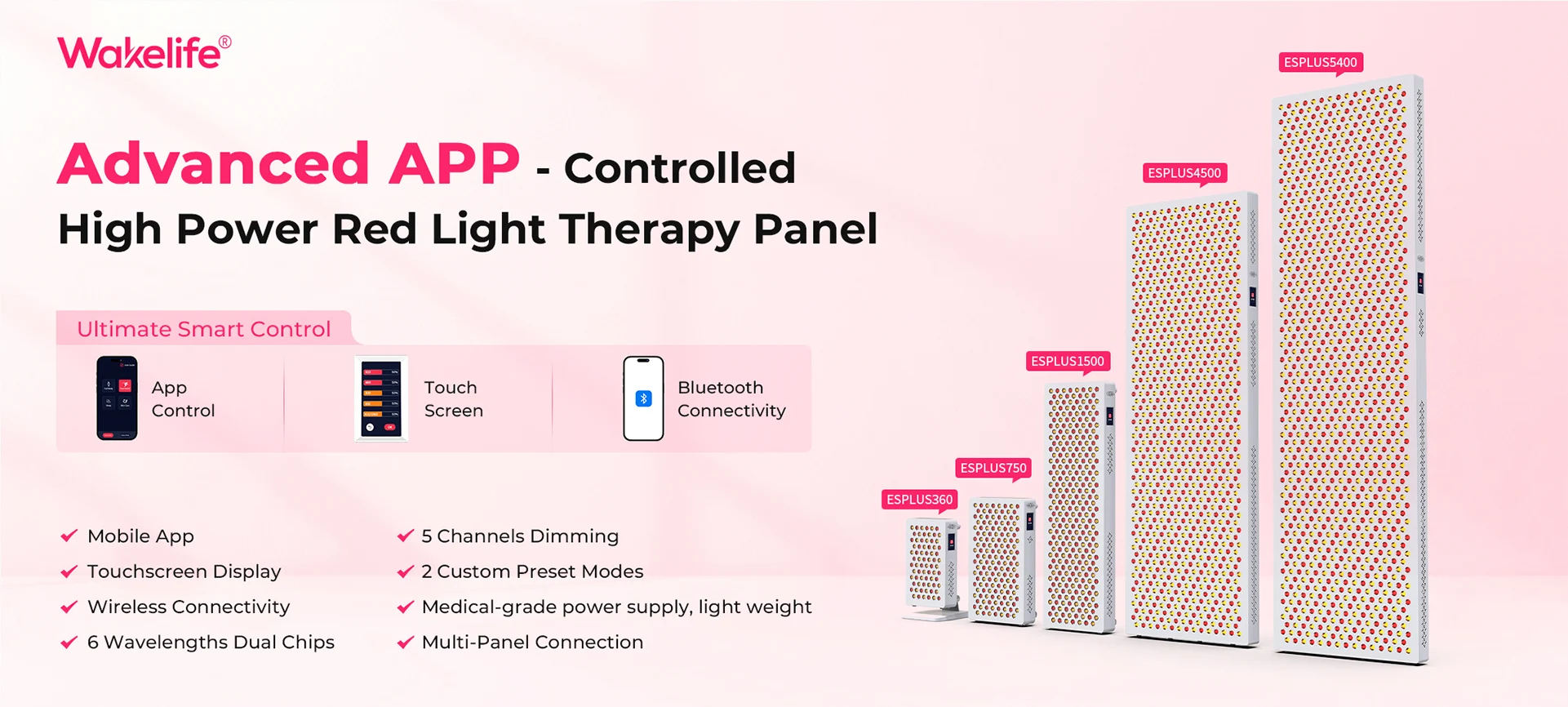
Светодиоды (Световые диоды) и lasers can produce therapeutically equivalent outcomes in photobiomodulation when matched for wavelength, излучение, and dose. The key difference lies in coherence—lasers produce coherent (in-phase) light while LEDs emit incoherent light. Однако, research shows coherence is not required for PBM’s biological effects. LEDs offer significant advantages: lower cost, larger treatment areas, no eye safety hazards, and easier home use. Lasers remain valuable for targeted, high-intensity applications. For most PBM applications, LEDs are the preferred technology due to their practical benefits and equivalent efficacy.
Введение
One of the most persistent debates in photobiomodulation centers on light source technology: Do you need lasers, or will LEDs suffice? This question has significant implications for device design, clinical practice, and B2B purchasing decisions.
Historically, PBM began with lasers—hence the original term “low-level laser therapy” (Вполне). Однако, the past two decades have seen LEDs emerge as a viable, often preferred, alternative. Understanding the technical differences and clinical equivalence is essential for informed decision-making.
This article provides a comprehensive comparison based on:
- Peer-reviewed research comparing LED and laser outcomes
- FDA regulatory classifications for both technologies
- Industry standards from professional organizations
- Market data on technology adoption and cost trends
Fundamental Technical Differences
Coherence: The Defining Characteristic
The primary technical distinction between LEDs and lasers is coherence:
| Property | Laser | ВЕЛ | Clinical Relevance |
|---|---|---|---|
| Temporal Coherence | Высокий (waves in phase) | Низкий (random phases) | Not required for PBM |
| Spatial Coherence | Высокий (collimated beam) | Низкий (divergent) | Affects beam delivery |
| Monochromaticity | Very narrow bandwidth | Broader spectrum | Both adequate for PBM |
| Directionality | Highly directional | Wide angle emission | Determines treatment area |
What is Coherence?
- Temporal coherence: Light waves maintain consistent phase relationship over time
- Spatial coherence: Light waves maintain consistent phase across the beam profile
- Biological significance: Early theories suggested coherence was essential for PBM; modern research disproves this
Key Research: de Freitas & Хамблин (2013) reviewed mechanisms and concluded coherence is not required for therapeutic effects.
Beam Characteristics
Laser Beam Properties:
- Collimated: Beam remains narrow over distance
- High irradiance at focus: Can achieve very high power densities
- Small spot size: Typically 1-10 mm diameter
- Precise targeting: Ideal for specific anatomical structures
LED Beam Properties:
- Divergent: Beam spreads with distance (follows inverse square law)
- Lower peak irradiance: Distributed over larger area
- Large treatment area: Can cover 10-1000+ cm² simultaneously
- Broad coverage: Ideal for large tissue areas
Practical Implication: A laser treating 1 cm² at 100 mW/cm² delivers the same total energy as an LED treating 100 cm² at 1 mW/cm²—but the biological response differs based on cellular thresholds.
Clinical Efficacy Comparison
Research Evidence for Equivalence
Multiple studies have directly compared LED and laser outcomes:
Whelan et al. (2001) — Wound Healing
- Compared LED (880 н.м.) vs laser (670 н.м.) for wound healing
- Found equivalent outcomes in cell proliferation and healing rates
- Concluded LED technology viable for clinical applications
- PubMed Link
Hawkins & Abrahamse (2007) — Fibroblast Study
- Direct comparison of LED (636 н.м.) vs laser (636 н.м.) on human skin fibroblasts
- No significant difference in cell viability, proliferation, or collagen production
- Demonstrated wavelength and dose matter more than coherence
- PubMed Link
Бароле (2008) — Dermatology Review
- Comprehensive review of LED vs laser in dermatological applications
- Concluded LEDs offer equivalent efficacy with superior safety profile
- Highlighted LED advantages for large-area treatments
- PubMed Link
Avci et al. (2013) — Skin Applications Meta-Analysis
- Analyzed outcomes across LED and laser studies for skin conditions
- Found no clinically significant difference in efficacy
- Emphasized importance of parameters (Длина волны, доза) over source type
- PubMed Link
When Lasers May Be Preferred
Despite LED equivalence for most applications, lasers retain advantages in specific scenarios:
| Приложение | Laser Advantage | Rationale |
|---|---|---|
| Trigger point therapy | Precise targeting | Маленький, deep structures |
| Acupuncture points | Exact placement | Traditional medicine integration |
| Intraoral/gingival | Fiber optic delivery | Access to confined spaces |
| High-intensity requirements | Peak irradiance >500 МВт/см² | Overcoming tissue attenuation |
| Research protocols | Standardized beam | Reproducible spot size |
Safety Considerations
Eye Safety: Critical Difference
The most significant safety distinction between LEDs and lasers is ocular hazard:
Laser Eye Risks:
- Retinal damage: Collimated beam can focus to small spot on retina
- Permanent injury: Class 3B and 4 lasers can cause blindness
- Safety requirements: Protective eyewear mandatory for operators and patients
- Regulatory classification: FDA Class II-IV medical devices
LED Eye Safety:
- Minimal retinal risk: Divergent beam doesn’t focus sharply
- Comfortable viewing: Can be used without protective eyewear (at typical PBM intensities)
- Home use safe: No special safety training required
- Regulatory classification: Generally FDA Class I or II
FDA Guidance: В соответствии с FDA Laser Products guidance, lasers require specific safety labeling and controls not applicable to LEDs.
Thermal Safety
Both technologies can cause thermal effects at excessive doses:
| Factor | Laser | ВЕЛ |
|---|---|---|
| Heat concentration | Высокий (small spot) | Ниже (distributed) |
| Thermal runaway risk | Выше | Ниже |
| Patient sensation | May feel warmth | Usually imperceptible |
| Burn risk | Possible at high power | Very unlikely |
Economic and Practical Considerations
Cost Comparison
Device Acquisition Cost:
- Laser systems: $5,000-$50,000+ (clinical grade)
- LED systems: $200-$5,000 (comparable power output)
- Cost differential: LEDs typically 80-90% less expensive
Market Data: В соответствии с Гранд Вью Исследования (2024), the global light therapy market is projected to reach $1.2 миллиард за 2030, with LED-based devices capturing over 75% market share due to cost advantages.
Operational Costs:
- Laser maintenance: Regular calibration, cooling system service, replacement tubes
- LED maintenance: Minimal—solid-state, 50,000+ hour lifespan
- Energy consumption: Светодиоды 50-70% more energy efficient
- Training requirements: Lasers require safety certification; LEDs require minimal training
Treatment Practicality
Treatment Area Coverage:
| Метрика | Laser | ВЕЛ |
|---|---|---|
| Typical spot size | 0.5-10 cm² | 100-1000+ cm² |
| Full face treatment | 15-30 минуты | 10-20 минуты |
| Large muscle group | 30-60 минуты | 15-30 минуты |
| Последовательность | Operator dependent | Uniform coverage |
Clinical Workflow:
- Laser: Requires precise positioning, multiple placements for large areas
- ВЕЛ: Position once, treat entire area simultaneously
- Patient comfort: LEDs generally more comfortable (no heat concentration)
FDA Regulatory Classification
Device Classification Differences
The FDA regulates lasers and LEDs differently based on risk profiles:
Laser Classification (21 CFR 1040.10):
- Class I: Exempt from most requirements (low power)
- Class II: Performance standards, reporting
- Class III: Significant regulations, safety features
- Class IV: Strictest controls, professional use only
Most therapeutic lasers fall under Class II-IV requiring:
- Safety interlocks
- Protective eyewear
- Warning labels
- Professional training
LED Classification:
- В целом Class I (general wellness) или Class II (medical devices)
- Significantly less stringent requirements
- No protective eyewear mandates
- Suitable for home use
FDA 510(k) Прозрачный:
- Both technologies can receive 510(k) clearance for medical indications
- LED devices often cleared faster due to lower risk profile
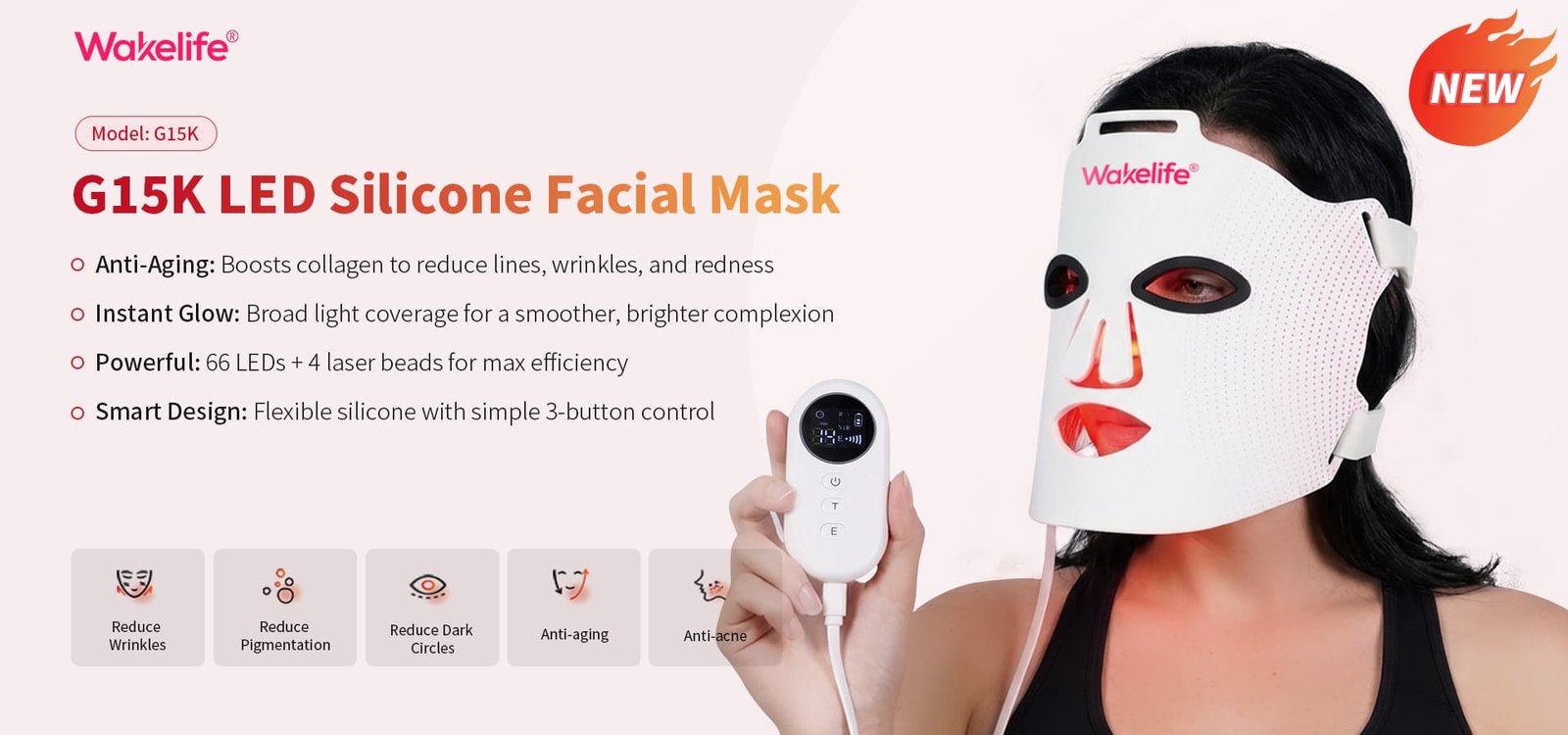
- WakeLife Beauty’s FDA 510(k) K250830 demonstrates LED device regulatory pathway
Professional vs Home Use
| Setting | Preferred Technology | Rationale |
|---|---|---|
| Clinical/Professional | Both viable | Lasers for precision, LEDs for efficiency |
| Home/Consumer | LED dominant | Безопасность, расходы, простота использования |
| Исследовать | Оба | Depends on protocol requirements |
| Sports/Mobile | LED preferred | Portability, долговечность |
Industry Standards and Guidelines
World Association for Laser Therapy (УОЛТ)
УОЛТ guidelines acknowledge both technologies:
- Therapeutic window: 1-10 J/cm² for both LED and laser
- Wavelength equivalence: Same therapeutic wavelengths effective for both
- Dosing parameters: Identical regardless of coherence
- Clinical outcomes: Equivalent when parameters matched
North American Association for Photobiomodulation Therapy (НОГОТЬ)
НОГОТЬ position statement:
“Photobiomodulation therapy can be effectively delivered using either coherent (лазер) or incoherent (ВЕЛ) light sources when appropriate parameters are applied. The choice of technology should be based on clinical indication, treatment area, and practical considerations rather than assumed superiority of either source.”
Medical Device Standards
МЭК 60601-1 (Medical Electrical Equipment):
- Applies to both laser and LED therapeutic devices
- Safety requirements for electrical and thermal hazards
- Both technologies must comply
МЭК 60825-1 (Laser Safety):
- Specific to laser devices
- Classification and labeling requirements
- Not applicable to LEDs
Market Trends and Adoption
Technology Shift
The PBM market has experienced a dramatic shift toward LED technology:
2010 Market Share:
- Лазеры: ~70%
- Светодиоды: ~30%
2024 Market Share:
- Лазеры: ~25%
- Светодиоды: ~75%
Projected 2030:
- Лазеры: ~15%
- Светодиоды: ~85%
Drivers of LED Adoption:
- Cost reduction (manufacturing scale)
- Safety advantages
- Home market growth
- Equivalent efficacy data
- Technological improvements (излучение, wavelength precision)
Clinical Acceptance
Historical Perspective:
- 2000s: Lasers dominant, LEDs viewed skeptically
- 2010s: Research equivalence established
- 2020s: LEDs preferred for most applications
Current Professional Opinion:
- Most dermatologists use LED panels
- Physical therapists use both (lasers for trigger points)
- Home users almost exclusively LED
- Research protocols increasingly LED-based
Selection Guide
Choose LED When:
✓ Large treatment areas (face, назад, limbs)
✓ Home use or patient self-administration
✓ Cost is a consideration
✓ Safety training resources limited
✓ General wellness applications
✓ Cosmetic/aesthetic treatments
✓ Muscle recovery and sports performance
Choose Laser When:
✓ Precise anatomical targeting required
✓ Trigger point or acupuncture therapy
✓ Intraoral or confined space access
✓ Very high irradiance needed (>500 МВт/см²)
✓ Research requiring standardized beam
✓ Integration with traditional medicine
✓ Specific clinical protocols mandate laser
Hybrid Approaches
Some advanced clinics use both technologies:
- LED panels for large-area treatments
- Laser for targeted, high-intensity applications
- Sequential or combination protocols
Часто задаваемые вопросы
Are LEDs as effective as lasers for red light therapy?
Да, when matched for wavelength, излучение, and dose. Multiple studies show equivalent clinical outcomes. Coherence is not required for PBM’s biological effects.
Why are lasers more expensive than LEDs?
Lasers require complex optical cavities, precise alignment, cooling systems, and safety features. LEDs are solid-state semiconductor devices with simpler manufacturing.
Can I use laser devices at home?
While possible, laser devices require safety training, protective eyewear, and careful handling. LEDs are generally safer and more practical for home use.
Do LEDs penetrate as deeply as lasers?
Penetration depends on wavelength and tissue properties, not coherence. Оба 660 nm LED and 660 nm laser penetrate equally. Higher irradiance lasers can deliver more energy to deeper tissues.
Why do some clinics still use lasers?
Lasers remain valuable for specific applications: trigger point therapy, precise targeting, intraoral access, and research protocols requiring standardized beams.
Are there any conditions where lasers are superior?
Lasers excel when: (1) precise anatomical targeting needed, (2) very high irradiance required, (3) fiber optic delivery advantageous, (4) integration with acupuncture/trigger point therapy.
What about SLEDs (Superluminous LEDs)?
SLEDs bridge the gap—higher irradiance than standard LEDs, broader spectrum than lasers. Some applications use SLEDs for enhanced penetration without laser costs.
How do I evaluate LED vs laser device specifications?
Focus on: (1) Длина волны (should match target chromophores), (2) Излучение (30-100 mW/cm² for LEDs, can be higher for lasers), (3) Treatment area, (4) Safety certifications, (5) Clinical evidence. Coherence matters less than these practical parameters.
Заключение
The LED vs laser debate has been largely settled by two decades of research: when parameters are matched, both technologies produce equivalent therapeutic outcomes. The biological effects of photobiomodulation depend on wavelength, доза, and irradiance—not coherence.
This equivalence has profound implications:
For the Industry:
- LED technology has democratized access to PBM
- Home devices now rival clinical lasers in efficacy
- Market growth driven by LED affordability and safety
- Innovation focused on LED optimization (array design, wavelength mixing)
For Clinicians:
- Choice based on application, not assumed superiority
- LED panels for efficiency, lasers for precision
- Hybrid approaches maximize both technologies
- Cost savings enable broader patient access
For Consumers:
- Home LED devices offer professional-grade results
- Safety concerns minimized with LED technology
- Cost barriers removed for personal use
- Evidence supports LED efficacy
For B2B Buyers:
- LED manufacturing offers scalability and cost advantages
- Market demand overwhelmingly favors LED
- Regulatory pathways simpler for LED devices
- Technology maturity reduces R&D risk
The shift from laser to LED dominance reflects not technological compromise but evidence-based optimization. As research continues and LED technology advances, the gap—already minimal—will likely narrow further. For most PBM applications, the question is no longer “laser or LED?” but “which LED parameters optimize outcomes?»
Related Topics
Ссылки
de Freitas, л. Ф., & Хамблин, М. Ведущий. (2013). Proposed mechanisms of photobiomodulation or low-level light therapy. IEEE Journal of Selected Topics in Quantum Electronics, 22(3), 1-14. https://pubmed.ncbi.nlm.nih.gov/23899254/
Уилан, ЧАС. Т., и др.. (2001). Влияние облучения светодиодами НАСА на заживление ран. Журнал клинической лазерной медицины & Операция, 19(6), 305-314. https://pubmed.ncbi.nlm.nih.gov/11776448/
Hawkins, Д., & Abrahamse, ЧАС. (2007). Comparison of 636 nm diode laser and 636 nm light-emitting diode on wound healing in diabetic rats. Лазеры в медицинской науке, 22(4), 201-207. https://pubmed.ncbi.nlm.nih.gov/17266737/
Бароле, Д. (2008). Light-emitting diodes (Светодиоды) in dermatology. Seminars in Cutaneous Medicine and Surgery, 27(4), 227-238. https://pubmed.ncbi.nlm.nih.gov/18302909/
Avci, П., и др.. (2013). Low-level laser (свет) терапия (Вполне) in skin: stimulating, healing, restoring. Seminars in Cutaneous Medicine and Surgery, 32(1), 41-52. https://pubmed.ncbi.nlm.nih.gov/24049929/
Гранд Вью Исследования. (2024). Light Therapy Market Size, Share & Trends Analysis Report. https://www.grandviewresearch.com/industry-analysis/light-therapy-market
FDA. (2024). Laser Products and Instruments — Guidance for Industry. https://www.fda.gov/medical-devices/general-hospital-devices-and-supplies/laser-products-and-instruments
World Association for Laser Therapy. (2023). Guidelines for Photobiomodulation Therapy. https://waltza.co.za/
North American Association for Photobiomodulation Therapy. (2024). Position Statement on Light Sources. https://www.naalt.org/
FDA 510(k) Clearance Database. (2024). K250830 — LED Phototherapy Device. https://www.accessdata.fda.gov/scripts/cdrh/cfdocs/cfpmn/pmn.cfm