You know that moment.
You’re standing in front of the bathroom mirror, maybe a little too close, and you notice them — those tiny lines around your eyes, the faint creases near your mouth, the texture on your forehead that definitely wasn’t there a few years ago.
You’ve tried the serums. You’ve tried the creams. Some of them helped a little, some of them didn’t help at all, and a few of them cost way more than you’d like to admit.
You’ve thought about Botox. Maybe fillers. Maybe a laser treatment at a clinic. But the idea of needles, downtime, and a price tag that starts in the hundreds (or thousands) — it’s a lot. Especially when you’re not even sure where to start.
So here’s something worth knowing about: there’s a method that’s been gaining serious traction in the skincare world — one that doesn’t involve needles, doesn’t require a clinic visit, and is backed by actual peer-reviewed clinical research.
It’s called LED light therapy. And the science behind it is genuinely worth understanding.
Let’s talk about it.
What Actually Causes Fine Lines?
Before we talk about solutions, it helps to understand what’s actually happening beneath your skin when fine lines start to appear.
Your skin’s firmness and bounce come from a protein called collagen. Collagen is the major structural protein in the skin, and fragmentation and disorganization of collagen fibrils are the hallmarks of aged human skin dermis.[1] Think of it as the scaffolding that holds everything up — it keeps your skin plump, smooth, and resilient.
Here’s the problem: starting in your mid-20s, your collagen production begins a gradual decline. With aging, collagen synthesis declines by approximately 1–1.5% annually, causing deeper wrinkles and facial lines.[2] Das heißt, this rate varies between individuals depending on genetics, sun exposure, and lifestyle. What isn’t in doubt is the cumulative effect: reduced synthesis of collagen types I and III is characteristic of chronologically aged skin, with both cellular fibroblast aging and defective mechanical stimulation contributing to reduced collagen synthesis.[3]
And collagen loss isn’t the only factor. Extrinsic aging is driven by chronic exposure to environmental agents such as ultraviolet light, pollution, and microorganisms. These stressors contribute to the formation of reactive oxygen species, which increase the expression of matrix metalloproteinases (MMPs), leading to the degradation of type I collagen — and UV radiation both upregulates MMPs while simultaneously suppressing new collagen synthesis.[4] This is precisely why dermatologists are so serious about sunscreen.
Age-related alteration of the collagen is the major contributing factor to the clinical changes, such as fragile and wrinkled skin — the prominent clinical features of skin aging.[1]
That’s the story in a nutshell: fine lines are mostly a collagen story. And if you want to reduce fine lines, you need to support your skin’s ability to produce and maintain collagen.
That’s exactly where LED light therapy comes in.
What Is LED Light Therapy? (Plain English, We Promise)
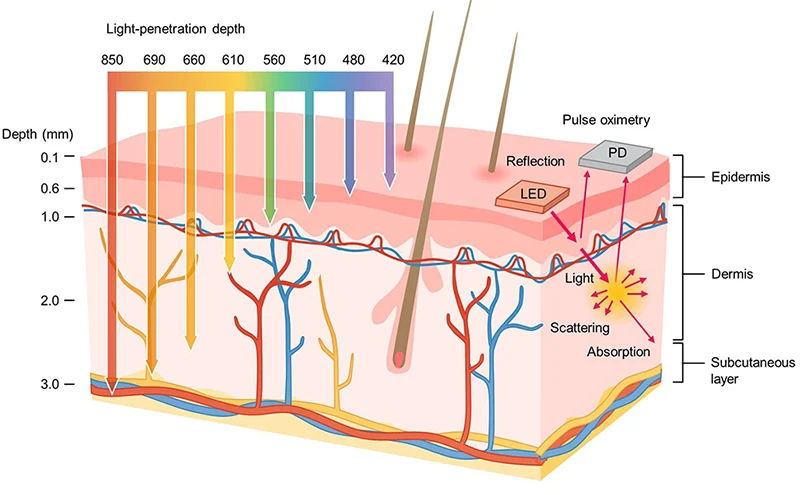
LED light therapy sounds technical, but the concept is actually beautifully simple.
You already know that sunlight contains different types of light — visible light that you can see, and invisible light like ultraviolet (UV) and infrared that you can’t. Some wavelengths are harmful (hello, sunburn). But others are actually beneficial to your skin cells.
LED light therapy works by delivering specific, carefully chosen wavelengths of light to your skin — wavelengths that have been shown in research to trigger positive biological responses at the cellular level. No UV. No heat damage. No burning. Just light, at the right wavelength, doing its thing.
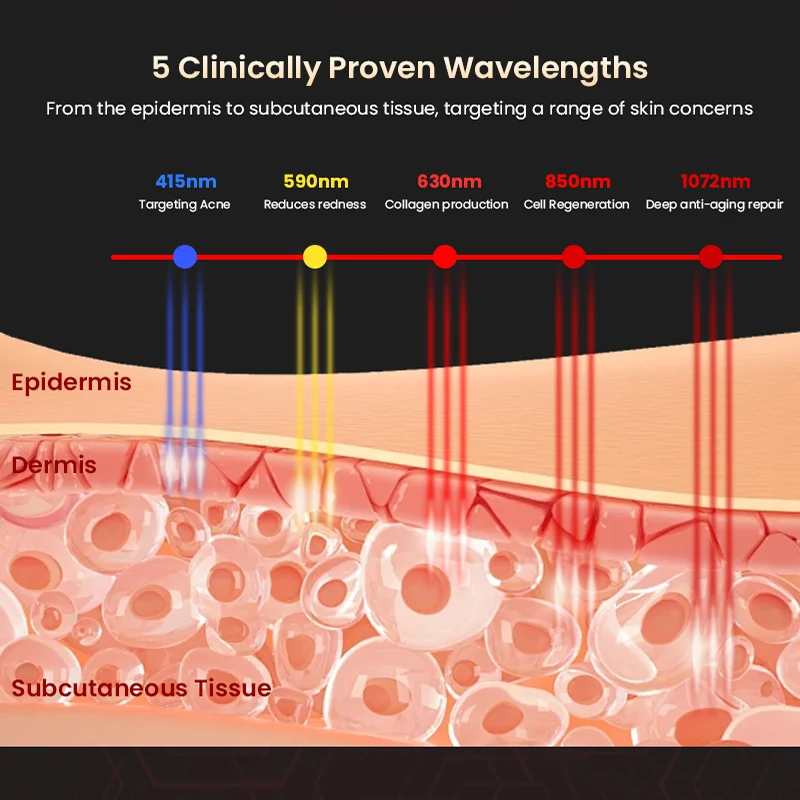
Here’s a simple breakdown of the three most relevant wavelengths:
Rotlicht (around 633nm)
This is the one you’ve probably heard about. Red light penetrates into the upper layers of your skin, where it directly influences fibroblasts — the cells responsible for producing collagen. The stimulatory effect of red light on fibroblast cell lines leads to metabolic activation and increased synthesis of collagen, Elastin, and hyaluronic acid.[5] More fibroblast activity means more collagen, which over time means firmer, glattere Haut.
Leinesblattlicht (etwa 850 nm)
You can’t see this one — it’s invisible to the human eye. But it penetrates deeper than red light, reaching into the lower dermal layers. Near-infrared light is associated with tissue repair, reduced inflammation, and improved cellular energy production. Research has shown that over 50% of light absorption between 800 and 850nm is due to cytochrome c oxidase, a key enzyme in the mitochondrial energy chain.[6]
Deep Near-Infrared Light (around 1072nm)
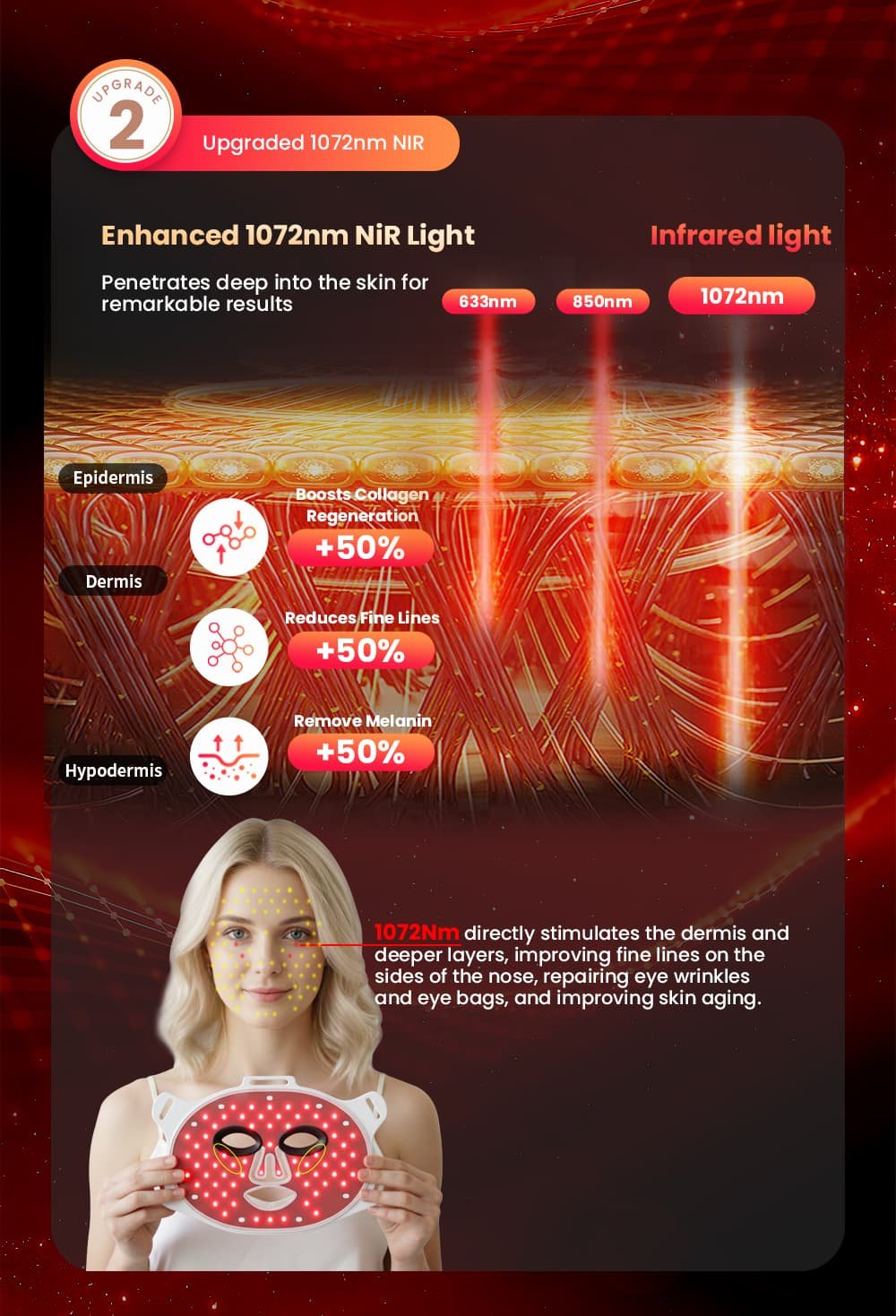
This is the newest addition to the light therapy toolkit, and we want to be upfront about where the science stands. The proposed mechanism — supporting cellular energy production at an even deeper tissue level — is theoretically consistent with other near-infrared wavelengths. But consumer-level clinical research specifically on 1072nm remains limited. Peer-reviewed evidence is concentrated in the 630–850nm range. Research interest at longer near-infrared wavelengths is growing, and early findings are promising — but „promising early research“ Und „established efficacy“ are not the same thing. We think it’s an interesting emerging development, and we’ll keep watching the science.
How it works at the cellular level
Photobiomodulation (PBM) involves the use of red or near-infrared light at low power densities to produce a beneficial effect on cells or tissues. PBM therapy is used to reduce inflammation, edema, and to regenerate damaged tissues. The primary site of light absorption in mammalian cells has been identified as the mitochondria, and more specifically, cytochrome c oxidase (CCO).[7]
In simpler terms: absorption of energy by cytochrome c oxidase in the mitochondrial respiratory chain is the primary initiating interaction triggering photobiomodulation effects, with both ATP production and oxygen consumption by the cells increasing — leading to changes in nitric oxide levels, activation of secondary messenger pathways, and growth factor production.[6]
Think of it like this: LED light therapy doesn’t add anything foreign to your skin. It simply gives your own cells more energy to do what they already know how to do — just more efficiently.
Does It Actually Work? Here's What the Research Says

This is the question everyone asks. And honestly, it’s the right question — because the beauty industry is full of claims that don’t hold up to scrutiny.
So let’s look at an actual clinical study.
In 2014, researchers Alexander Wunsch and Karsten Matuschka published a controlled clinical trial in Photomedizin und Laserchirurgie[8] specifically designed to measure whether red and near-infrared light therapy could produce measurable improvements in fine lines, Falten, skin roughness, and collagen density.
Study Design
- 113 participants enrolled
- Subjects received treatments with either 611–650nm (Rot) or 570–850nm (broad-spectrum red to near-infrared) polychromatic light
- Each participant completed 30 treatment sessions, twice per week
- Results evaluated by blinded assessors — evaluators did not know which group each participant belonged to, reducing bias
- A control group received no light treatment, for comparison
Key Findings
| What Was Measured | Result |
|---|---|
| Fine lines and wrinkles | Statistically significant reduction in treated groups |
| Skin roughness | Measurable improvement |
| Intradermal collagen density | Significant increase, confirmed by ultrasound measurement |
| Patient satisfaction | Majority of subjects reported visible improvement |
| Control group | No significant changes observed |
This wasn’t a marketing survey or an Instagram poll. This was a controlled trial with over 100 subjects, blinded evaluation, and objective collagen measurement via ultrasound — and it showed that red and near-infrared light therapy produced real, measurable results.
One important context note: this study used fixed, clinic-based polychromatic light panels — not wearable at-home masks. The underlying biological mechanism is the same, but irradiance levels and session consistency can differ between clinical hardware and consumer devices. Independent clinical trials conducted specifically on wearable LED masks remain more limited. With that in mind, the direction of the evidence is still genuinely encouraging.
What does this mean for you?
It means LED light therapy isn’t just a wellness trend or a social media fad. As the Cleveland Clinic explains, LED light therapy is a non-invasive treatment that enters the skin’s layers to improve the skin — originally studied by NASA in the 1990s for wound healing in astronauts, and today used by dermatologists and estheticians to treat a range of skin issues.[9] It is a non-invasive, painless treatment — during a session, you might feel some warmth but no discomfort.[9]
No redness, no peeling, keine Ausfallzeiten. Just light.
Of course, individual results vary, and LED light therapy is not a replacement for medical dermatological treatment. But as a consistent, at-home addition to your skincare routine? The science is genuinely encouraging.
How to Use an LED Face Mask at Home (Practical Guide)
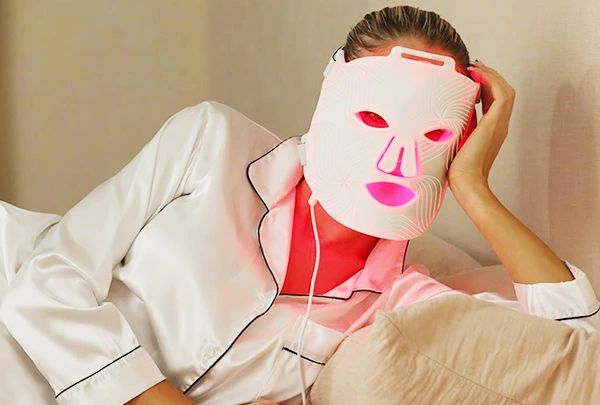
Good news — it’s genuinely simple. Here’s a step-by-step guide.
Schritt 0: Check if it’s right for you
At-home LED devices have a strong general safety profile — but they’re not appropriate for everyone. Before you start, take a moment to check.
LED light therapy is not suitable for people who take certain medications that increase light sensitivity, such as isotretinoin or lithium, or who have a history of conditions including skin cancer and inherited eye diseases.[9] People with photosensitive conditions, those taking photosensitising medications such as certain antibiotics or chemotherapy drugs, schwangere Frauen (due to heightened skin sensitivity from hormonal changes), and individuals with epilepsy should consult a doctor before use.[10]
If any of the above applies to you, please consult your doctor or dermatologist before starting. This article is for informational purposes only and does not constitute medical advice.
Schritt 1: Start with clean skin
Wash your face and remove all makeup, Sonnenschutz, and skincare products. You want the light to reach your skin directly, without any barriers. A gentle cleanser is all you need.
Schritt 2: Put on the mask and get comfortable
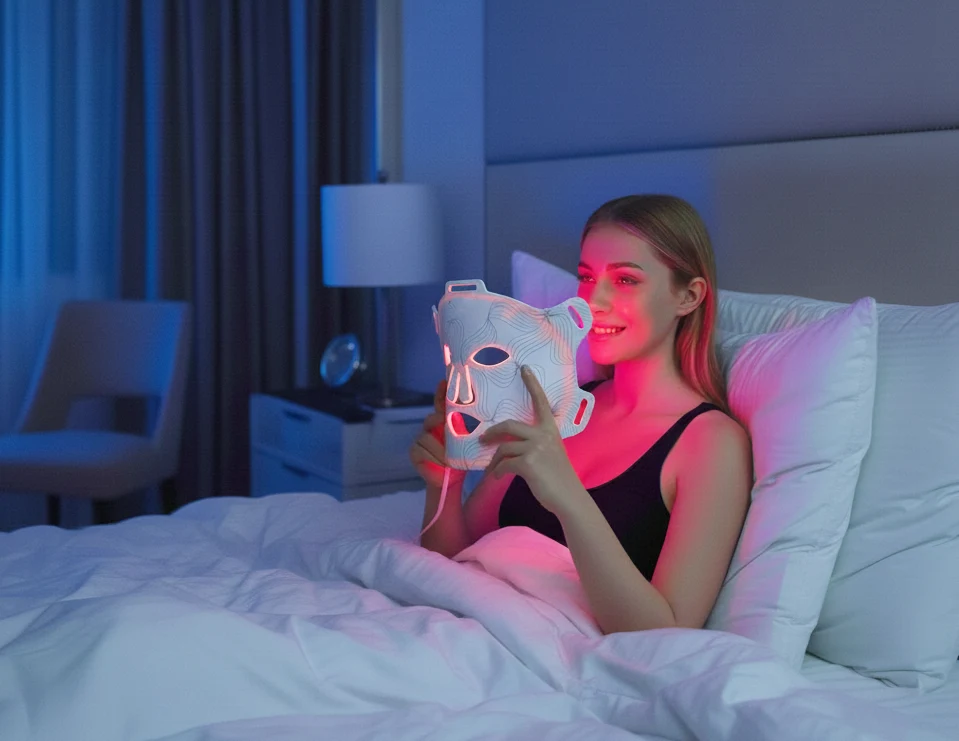
Most modern LED face masks are designed to be worn hands-free. Put it on, adjust the straps so it sits comfortably, and settle in. Couch, bed, favourite chair — wherever you feel relaxed.
Schritt 3: Set your session time
Most experts and device manufacturers recommend 10 Zu 15 Minuten pro Sitzung. If you’re a first-time user, start with a shorter session (5–10 minutes) and gradually work your way up as your skin acclimates.
Schritt 4: Relax and let the light do its work
Seriously — that’s it. Close your eyes, listen to a podcast, meditate, or just enjoy the quiet. The mask does all the work.
Schritt 5: Follow up with your skincare routine
After your session, apply your serums and moisturisers as usual. Some users find that their skin absorbs products more effectively after a light therapy session. One thing to keep in mind: avoid applying photosensitising actives like high-concentration retinoids or AHAs immediately before a session.
How often should you use it?
| Frequenz | What to Expect |
|---|---|
| 3–5 mal pro Woche | Recommended for consistent results |
| Erste 4 Wochen | Building a foundation — be patient |
| After 8–12 weeks | Most users begin to notice visible improvements |
| Ongoing use | Maintenance sessions help sustain results |
A quick note on expectations
LED light therapy is not a magic wand. It won’t erase deep wrinkles overnight, and it’s not a substitute for sunscreen, Flüssigkeitszufuhr, or healthy habits.
What it will do — if you use it consistently — is give your skin cells the energy they need to produce more collagen, repair damage, and improve texture over time. The clinical trial we referenced used 30 sessions over approximately 15 weeks before significant improvements were measured. Consistency is the key ingredient.
And as always, daily sunscreen remains your single most important anti-aging tool. To minimise photoaging across all skin types, it is essential to use sunscreen with both UVA and UVB protection consistently throughout the year.[11] LED light therapy works best as a complement to sun protection — not a replacement for it.
What to Look for When Choosing an LED Face Mask
Not all LED face masks are created equal. The market has exploded in recent years, and unfortunately that means there are a lot of products out there that look impressive but don’t deliver meaningful therapeutic output.
If you’re going to invest in an LED face mask, here’s what actually matters.
1. Clinically relevant wavelengths
This is the single most important factor. Look for a mask that uses wavelengths supported by clinical research — specifically red light in the 630–660nm range (for collagen stimulation) and near-infrared in the 810–860nm range (for deeper tissue effects). NIR wavelengths such as 810nm stimulate mitochondrial activity and ATP production.[6] Some devices also include longer wavelengths like 1072nm — as we noted earlier, this is an emerging area with a plausible mechanism, but peer-reviewed evidence at this specific wavelength is still at an early stage.
Be cautious of masks that only list „Rotlicht“ oder „infrared“ without specifying exact wavelengths in nanometers. If a brand can’t tell you the precise wavelength, that’s a red flag.
2. Sufficient irradiance (power output)
Wavelength gets the light to the right depth — but irradiance (measured in mW/cm²) determines whether enough energy is actually being delivered to trigger a biological response. Look for devices that specify their irradiance. 30 mW/cm² oder mehr is a good benchmark for therapeutic effectiveness.
3. Good facial coverage
Some cheaper masks have LEDs concentrated only in certain areas, leaving gaps across the cheeks, jawline, or forehead. Look for a design with evenly distributed LED placement across the entire facial treatment area.
4. Komfortabel, skin-safe materials
You’ll be wearing this on your face for 10–15 minutes at a time, several times a week. Food-grade silicone is widely considered the gold standard — it’s soft, flexibel, hypoallergen, und leicht zu reinigen. Avoid rigid, heavy plastic shells that create pressure points.
5. Adjustable settings
Everyone’s skin is different. A mask with adjustable timer and intensity settings gives you the flexibility to start gently and increase gradually — especially important for sensitive skin types.
A product worth mentioning
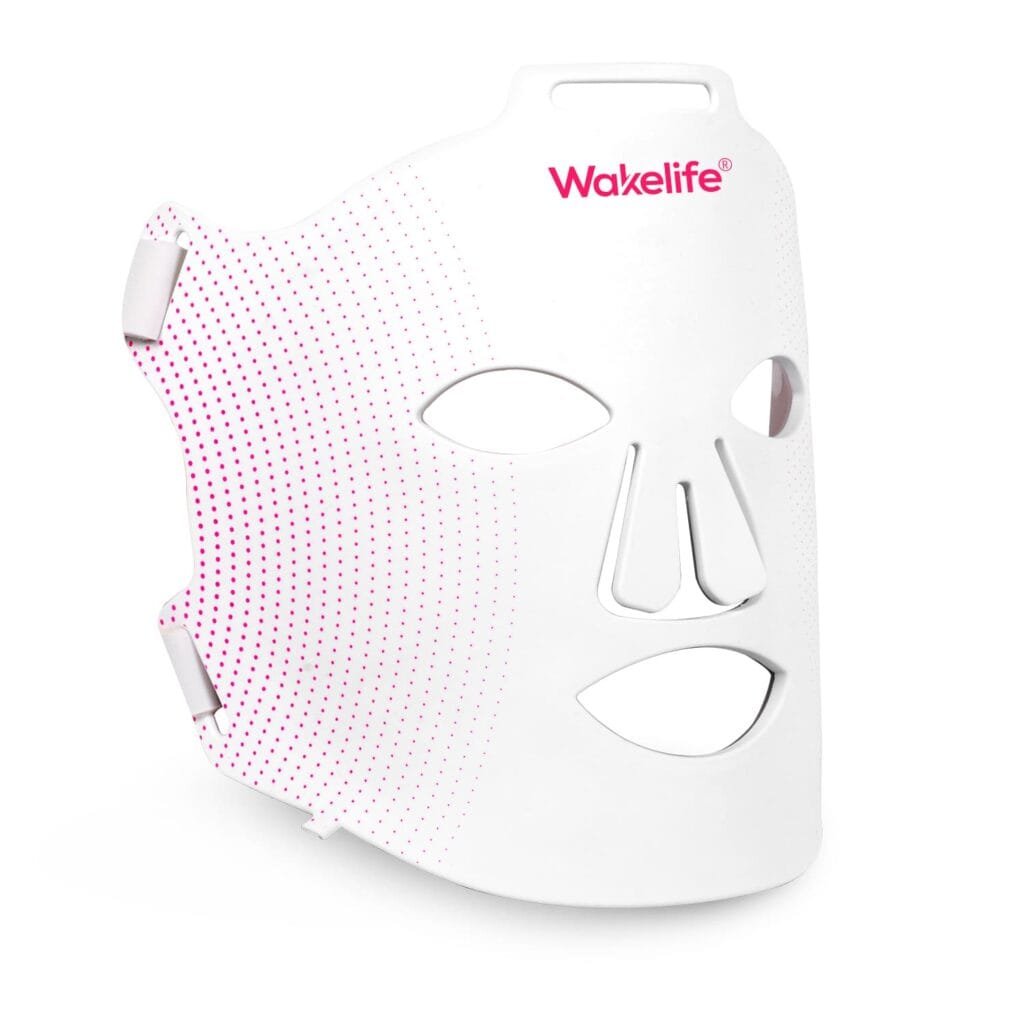
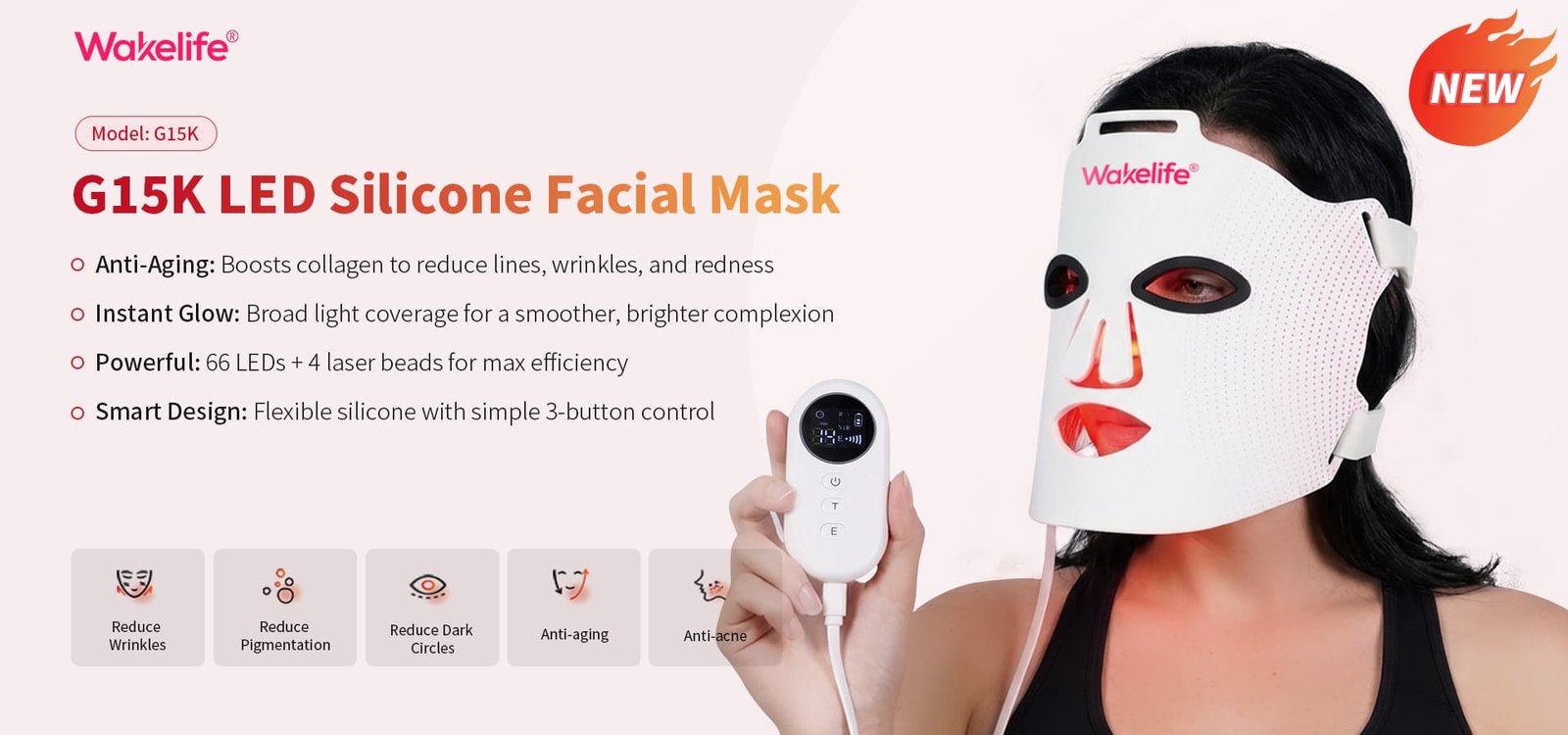
Since you’re on our site, we’ll mention that the G15K LED Light Therapy Mask was designed with all of these criteria in mind.
It features 633nm red and 850nm near-infrared — both within the clinically studied range — along with 1072nm deep near-infrared as an emerging addition. It delivers 35+ mW/cm² irradiance, uses a food-grade silicone body that’s only 4.5mm thin at its thinnest point, and includes an adjustable smart controller with three timer presets and three intensity levels.
We should be honest about one trade-off: the G15K sits at a higher price point than entry-level LED masks. If you’re exploring light therapy for the first time and aren’t yet sure it fits your routine, it’s worth starting with a shorter commitment before investing at this level. We’d rather you find what works for you than feel pressured into a decision. If you’d like to explore further, you can check out the full product details here.
Häufig gestellte Fragen
Q: Is it safe for all skin types?
Ja. Red and near-infrared light are UV-free, nicht-invasiv, and won’t cause hyperpigmentation. Jedoch, consult your doctor first if you are pregnant, have eye conditions, or take photosensitizing medications like Accutane.
Q: How long until I see results?
Expect a better glow and smoother texture in 4–6 weeks, with visible reductions in fine lines around 8–12 weeks. It stimulates natural collagen, so consistency is your best friend.
Q: How does it fit into my skincare routine?
Use the mask on clean, bare skin. Apply your serums and moisturizers afterward. Avoid using strong actives like high-concentration Retinol or AHAs immediately before a session.
Q: How often should I use it?
For optimal results, aim for 3–5 sessions per week. While daily use is safe, your skin needs downtime to process the light energy and naturally build collagen.
Your Skin Already Knows What to Do — Just Give It a Little Light
Here’s what we love about LED light therapy: it’s not about adding something artificial to your skin. It’s not about injecting, Peeling, or forcing a change.
It’s about giving your skin cells the energy they need to do what they already know how to do — produce collagen, repair damage, Entzündungen reduzieren, and renew themselves.
The science is there. The clinical evidence is real. And the technology has reached a point where you can access professional-level light therapy specifications from the comfort of your own home, in just 10–15 minutes a day.
No needles. No clinic. Just light.
Your skin has been waiting for this. Maybe it’s time to start.
Referenzen
- Age-related changes in dermal collagen physical properties in human skin. PLOS One. 2023. Full text →
- Effects of Collagen Supplements on Skin Aging: A Systematic Review and Meta-Analysis of Randomized Controlled Trials. The American Journal of Medicine. 2025. Full text →
- Varani J, et al. Decreased Collagen Production in Chronologically Aged Skin. The American Journal of Pathology. 2006. Full text →
- Skin Aging and Type I Collagen: A Systematic Review of Interventions with Potential Collagen-Related Effects. Cosmetics (MDPI). 2025. Full text →
- Marques et al. Red-light photons on skin cells and the mechanism of photobiomodulation. Frontiers in Photonics. 2024. Full text →
- Review of light parameters and photobiomodulation efficacy: dive into complexity. PMC. 2021. Full text →
- Hamblin MR. Mechanisms and Mitochondrial Redox Signaling in Photobiomodulation. Photochemistry and Photobiology. 2018. Full text →
- Wunsch A, Matuschka K. A Controlled Trial to Determine the Efficacy of Red and Near-Infrared Light Treatment in Patient Satisfaction, Reduction of Fine Lines, Wrinkles, Skin Roughness, and Intradermal Collagen Density Increase. Photomedizin und Laserchirurgie. 2014. Full text →
- Cleveland Clinic. LED-Lichttherapie: Wie es funktioniert, Colors, Vorteile & Risks. Read more →
- Contraindications for LED Light Therapy. Neo Elegance. Read more →
- A Comprehensive Review of the Role of UV Radiation in Photoaging Processes Between Different Types of Skin. 2025. Full text →