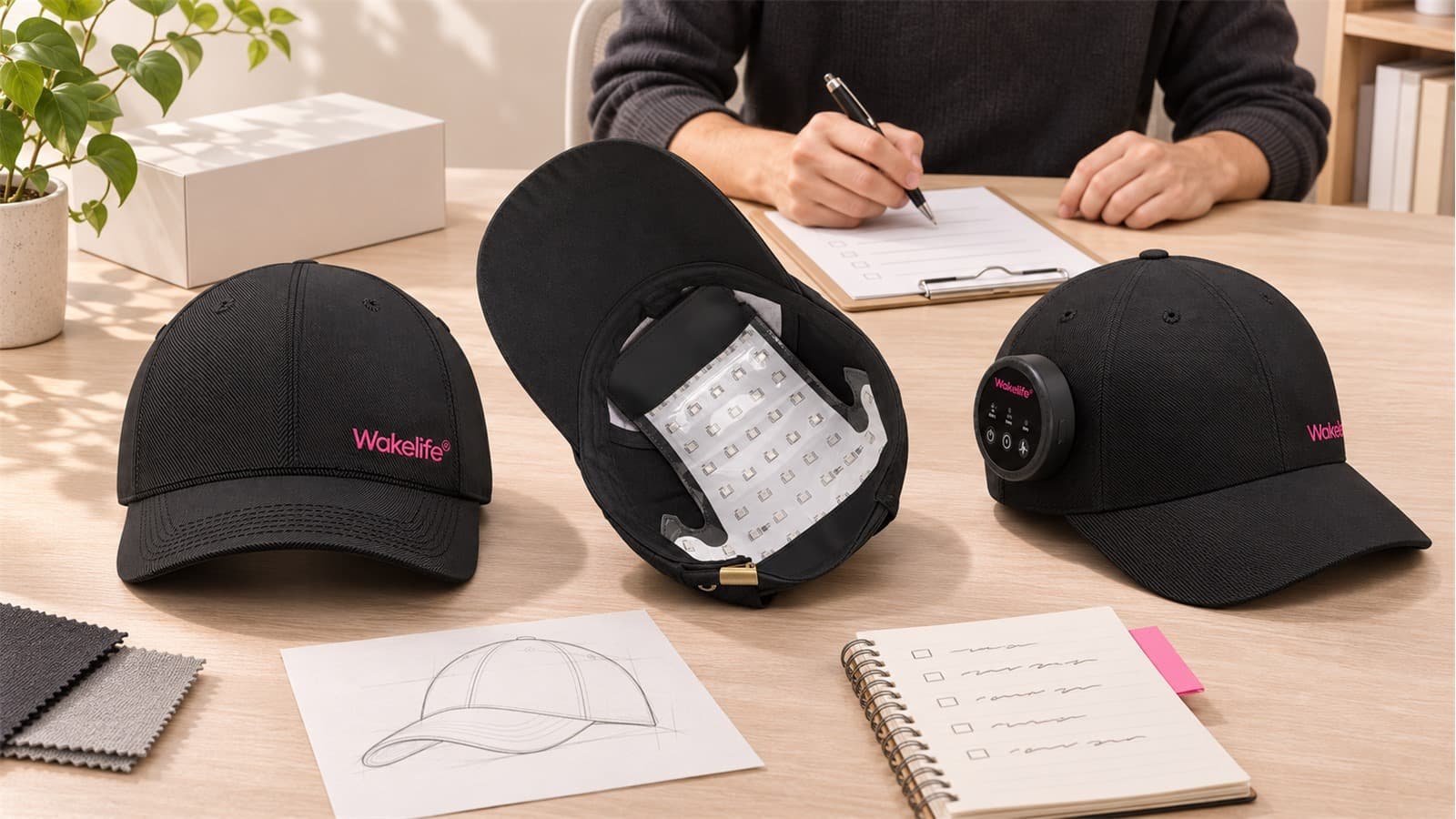
Your salon or hair care center has decided to sell hair growth caps for clients to use at home. You may be reviewing a sample, choosing packaging, or preparing a version with your salon’s logo. Before the first sale, there is another practical question to settle: what will the client leave with, and who will help when they contact you afterward?
A printed manual alone does not answer both questions. Neither does a supplier contact somewhere in the manager’s inbox. The handover needs to connect the actual product, its official information, the purchase record, and the people handling support.
This checklist helps you prepare that connection. It does not establish market-entry compliance or whether a device is clinically suitable for a particular person.
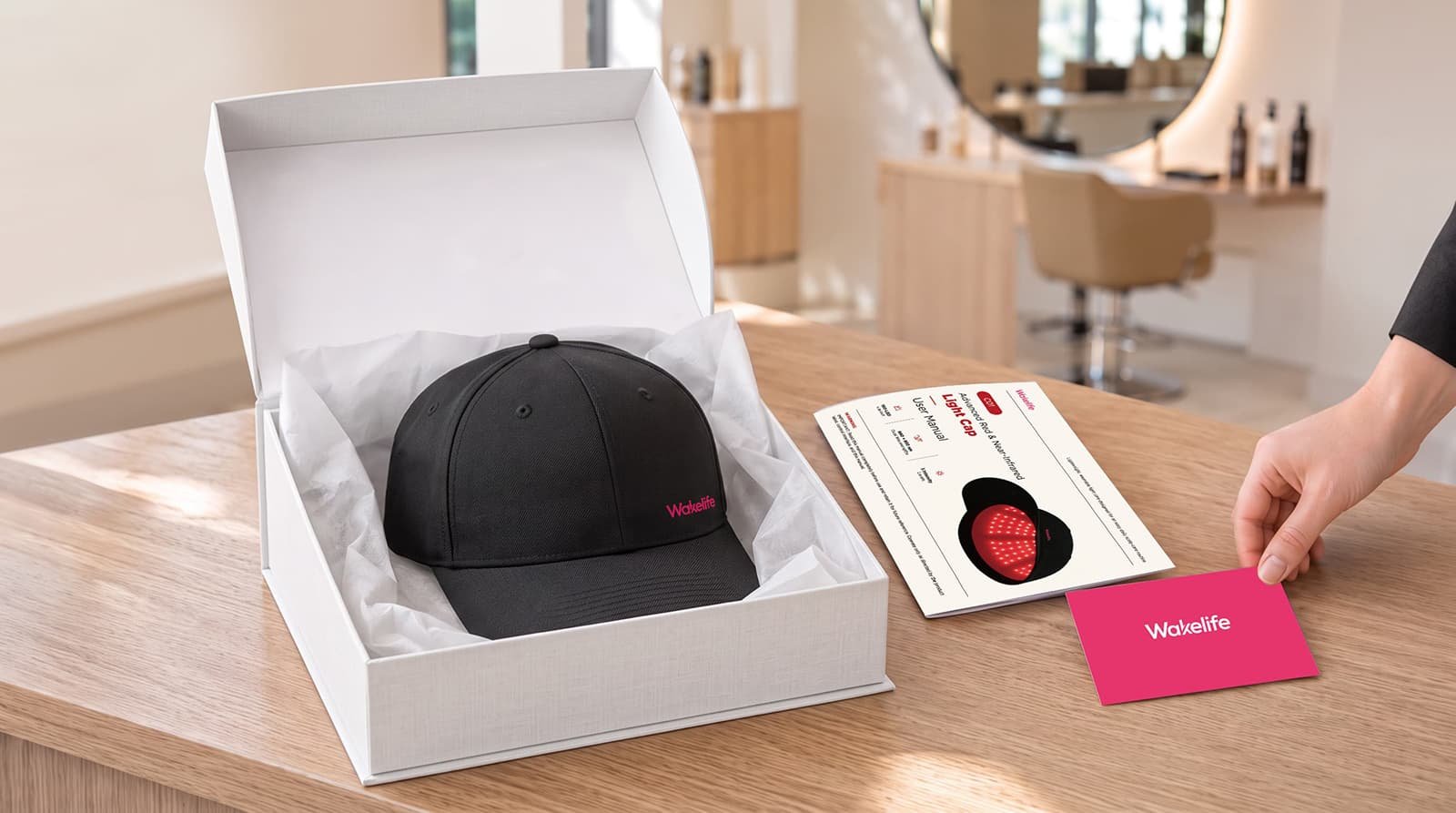
Start with the final product and its documents
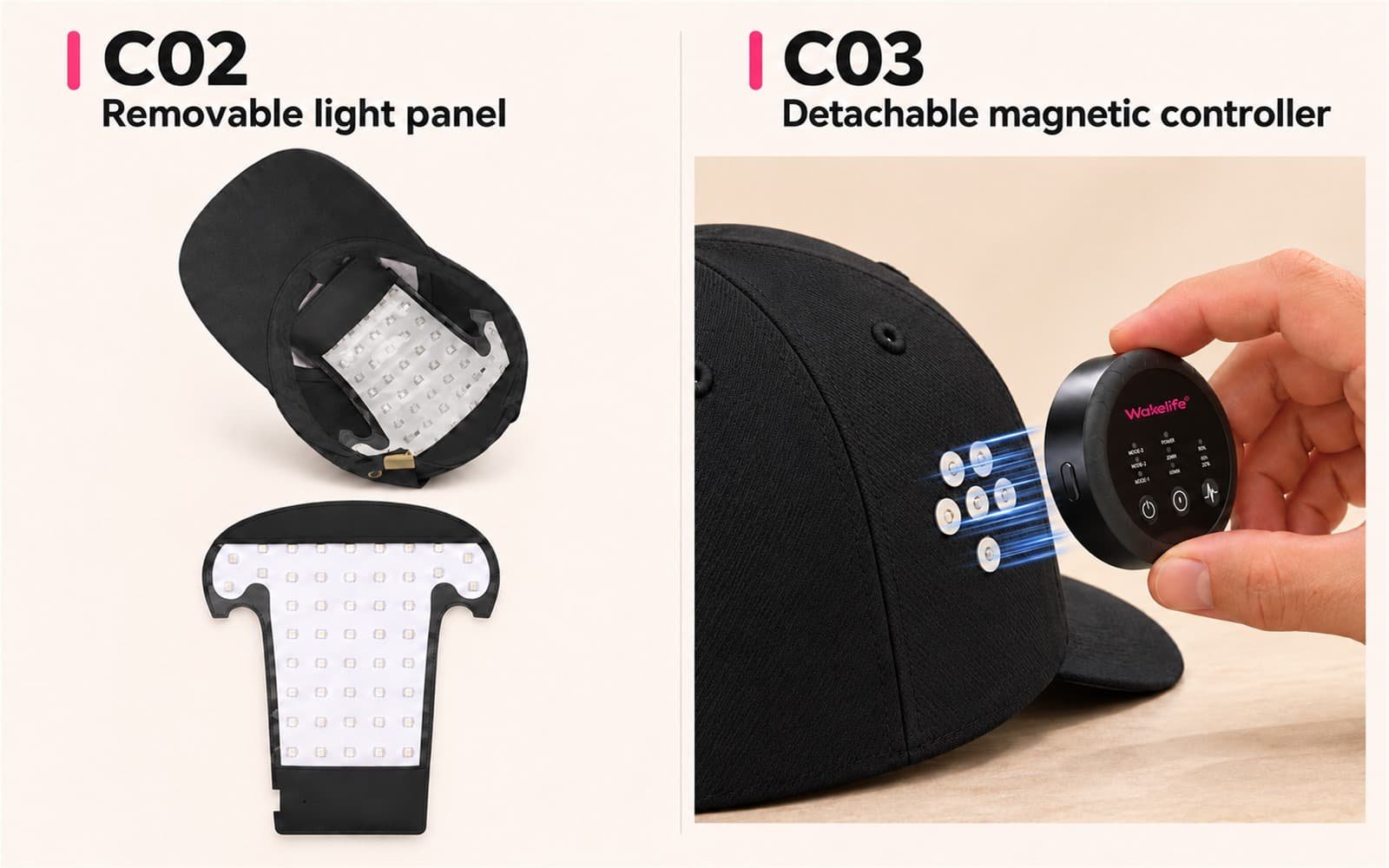
Build the handover around the model and version you will actually sell. If the device, packaging, or supplied materials change during the project, check the documents against that final configuration before preparing customer packs.
The distinction between a complete manual and a quick guide matters. For example, Hairmax’s documentation directory groups current and previous models and lists both a User Manual and a separate Quick Start Guide for the PowerFlex 272 Laser Cap. That is a useful illustration of different document roles—not a source of instructions for your cap.
Your salon’s own card has a narrower job: show clients where to find the official instructions and how to reach support. It should not become a rewritten instruction manual. A familiar logo and friendly design can make information easier to find, but they cannot resolve a mismatch between the product and its documents.
For an own-brand project, confirm what is available for the specific order. Wakelife’s private-label service page describes logo, packaging, and manual options on existing platforms, with details confirmed for the model, configuration, market, and project. Do not assume every cap includes every option or language.
Use one checklist for both sides of the handover
Separate what the customer needs to keep from what your team needs to retrieve later. The internal record can be more detailed; the customer pack should remain easy to navigate.
Product identity
Clear model or product identification on the supplied product or accompanying documents.
Confirm that the device, packaging, and documents refer to the same final version. Record any agreed mapping between a salon product name and the supplier’s model reference.
Official instructions
The official instructions for the exact model and version, in the format and language confirmed for the sales market.
Keep an accessible reference copy or link and note which version accompanies the order. Resolve missing or conflicting documents before handover.
Navigation and support card
A short card pointing to the official instructions and the agreed first support contact.
Verify the destination links and contact details. Assign a person to maintain them and a colleague who can cover absences.
Purchase and product record
A receipt or other purchase record with enough product detail to identify the purchase.
Record the model and any lot or serial number shown on the device or its packaging so staff can connect a later report to the item sold. Agree which details the supplier needs for a case.
Warranty, returns, and service information
The customer-facing terms that apply to this sale, with a clear contact for questions.
Check which consumer rights apply in your sales market. Confirm the seller’s terms and the supplier’s role in the agreed process. Distinguish product faults, return requests, and repair inquiries.
Routine support requests
A clear way to start a support request.
Agree who receives it, who coordinates with the supplier, who updates the customer, and who confirms completion. Keep the project’s agreed terms accessible to those people.
Product safety reports
A named contact for reporting a suspected product safety issue.
Assign a staff member to record and promptly escalate suspected product safety issues through the route agreed with the supplier. Check whether any reporting duties apply to your role in the sales market. Refer personal health questions to a qualified healthcare professional. If a report includes both, follow both routes.
Retaining purchase details and identifiers is an operational recommendation here, not a statement that they are universal warranty requirements. Collect only information relevant to the purchase or support case.
For examples of medical device safety reporting, the U.S. FDA’s voluntary MedWatch form includes fields for model, lot, and serial numbers. The UK MHRA’s guidance for patients shows how seeking medical advice and reporting a device concern can happen in parallel. FDA MedWatch form · MHRA guidance for patients
For EU sales to consumers, the Your Europe guide for sellers explains legal guarantees and commercial warranties. For medical devices on the EU market, the European Commission’s tables summarize language requirements by country for the information and instructions that accompany a device. Your Europe guide for sellers · European Commission language tables
Give each support step a named person
“The manufacturer handles after-sales” leaves several everyday jobs unanswered. Does the client contact the supplier directly, or does your team open the case? If the supplier needs more information, who obtains it? Who tells the client that a response is still pending?
Agree those steps with the supplier before staff start making promises. Put the working arrangement somewhere the retail team can access, rather than leaving it inside a purchasing conversation. Staff need to know the next person to contact without searching through the entire order history.
Wakelife’s after-sales page says protocols are configured according to program scale, regulatory requirements, and specific OEM/ODM agreements. The practical implication for your project is to confirm the actual handoff. That page alone does not establish a particular cap’s warranty, replacement arrangement, or repair timetable.
Rehearse routine and safety reports at a desk
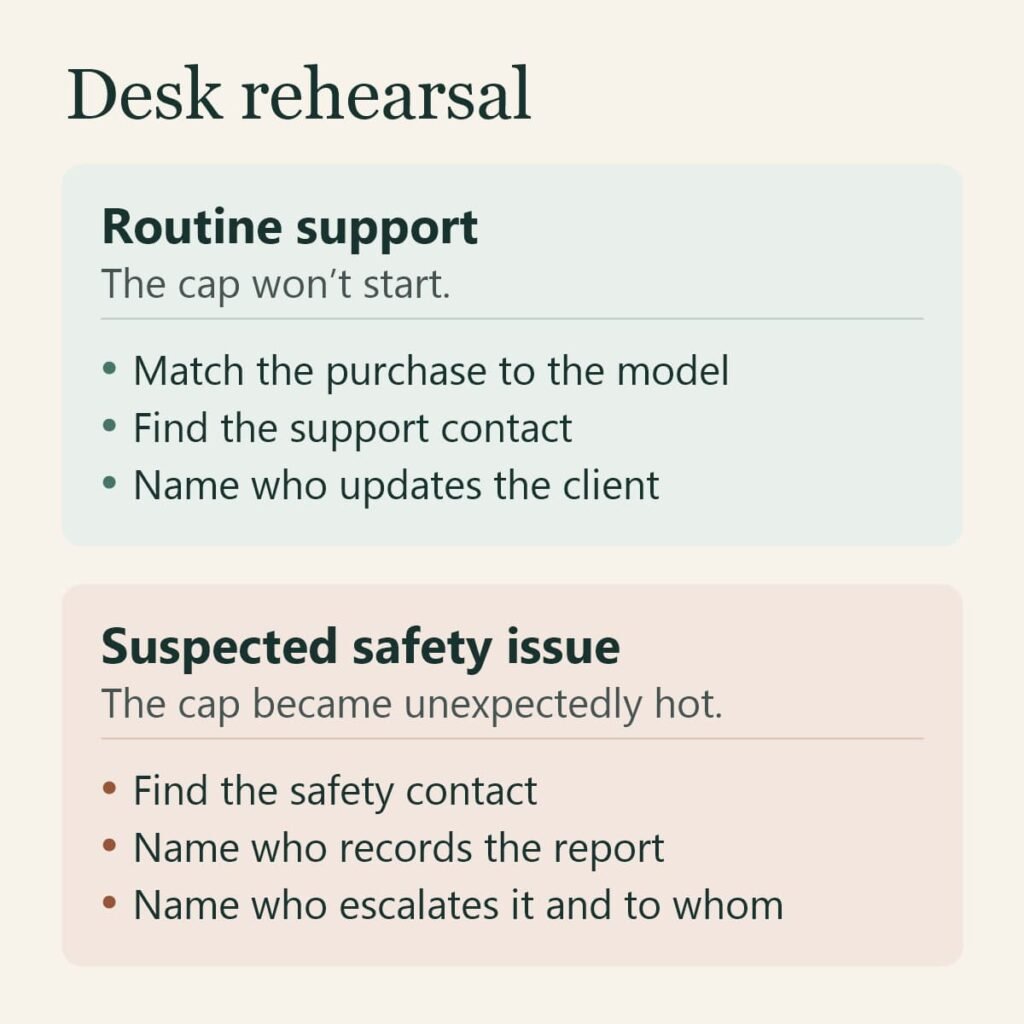
Hypothetical internal exercises cover paperwork and communication. Start with a client who reports that their cap will not start.
Assign three roles: client, salon employee, and supplier contact. Have the mock client bring a purchase record and ask the salon employee to follow the agreed support route. Can the employee identify the product, locate its matching official documents, and find the person who coordinates the case?
Next, have the colleague playing the supplier ask for an agreed piece of product information. Check whether the team can retrieve it without guessing or requesting unrelated personal details. Then mark the case as awaiting a supplier response. The team should be able to name the person responsible for the next customer update.
For the second case, a client reports that their cap became unexpectedly hot during use. Ask the person playing the client to find the named safety contact. Have the salon employee show who records the report, who escalates it, and which contact receives it next.
A useful rehearsal may expose something small: the support card links to a general catalog, the salon product name has no recorded supplier equivalent, or only one absent manager knows the contact. Fix the gap and repeat that part of the exercise.
Make the first handover repeatable
You are ready to prepare customer packs when the documents match the final product, staff can retrieve the necessary records, and you have tested both the routine support and product safety routes. If documents conflict or a support step has no assigned person, resolve that before handing over a cap.
If you are still choosing how devices fit your business, start with the salon use, retail, and private-label guide. For an own-brand project, use the completed checklist when you contact Wakelife to discuss model-specific materials and support responsibilities. It gives that conversation a concrete starting point: the information your client will receive and the help your team is prepared to coordinate.

Sources
-
1
Hairmax: Support and Downloads — Company documentation directory; used for its model-specific manual and quick-guide listings, not the contents of linked PDFs.
-
2
Wakelife: Private Label — Company service description for project-specific branding and material options.
-
3
Wakelife: After-Sales Support — Company service description for configuring support arrangements.
-
4
U.S. FDA: MedWatch Consumer Voluntary Reporting, Form 3500B — Section D lists example device identifiers on the U.S. voluntary reporting form.
-
5
UK MHRA: Medical Devices, Information for Patients — UK patient guidance on repair, safety reporting, and contacting a healthcare professional.
-
6
Your Europe: Consumer Guarantees — EU seller guidance on legal guarantees and commercial warranties.
-
7
European Commission: Language Requirements for Medical Devices — Country-by-country overview for information accompanying medical devices in the EU.