Global Leader in Light Therapy Solutions


OEM / ODM UVB Panel Manufacturer

UVB Tanning Panels for OEM/ODM & Wholesale

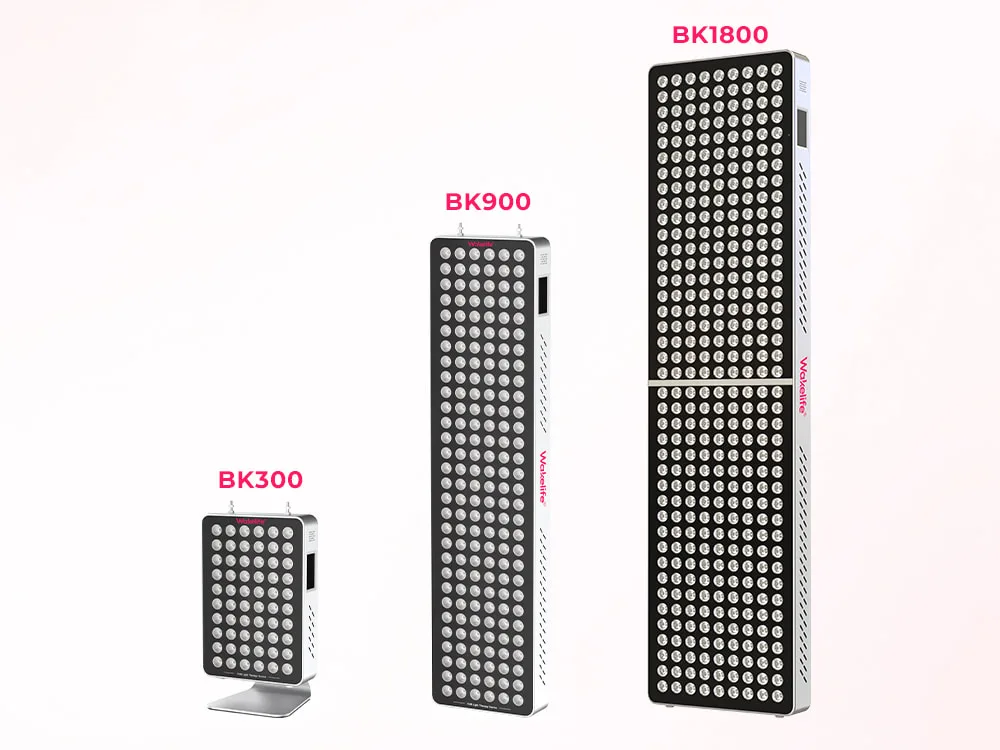
BK300 · BK900 · BK1800

Build a UVB panel line around the product format, installation and development depth your project actually needs. Start with the compact BK300, the larger-format BK900 or the zoned large-area BK1800.

These platforms are positioned here for UVB tanning and controlled light-exposure product programs—not as disease-treatment phototherapy devices. Final requirements depend on the exact model, configuration, intended use, claims and destination market.

  • 3 Starting Platforms
  • Private Label to ODM
  • Market & Configuration Review
UVB Panel Series BK Series
Wakelife BK300, BK900 and BK1800 UVB tanning panel series for OEM and wholesale projects
Compact to large-area formats BK300 · BK900 · BK1800

Three Starting Platforms

Compare BK Series UVB Tanning Panels

Start with product format and channel fit—not with the largest panel or the highest LED-package count.
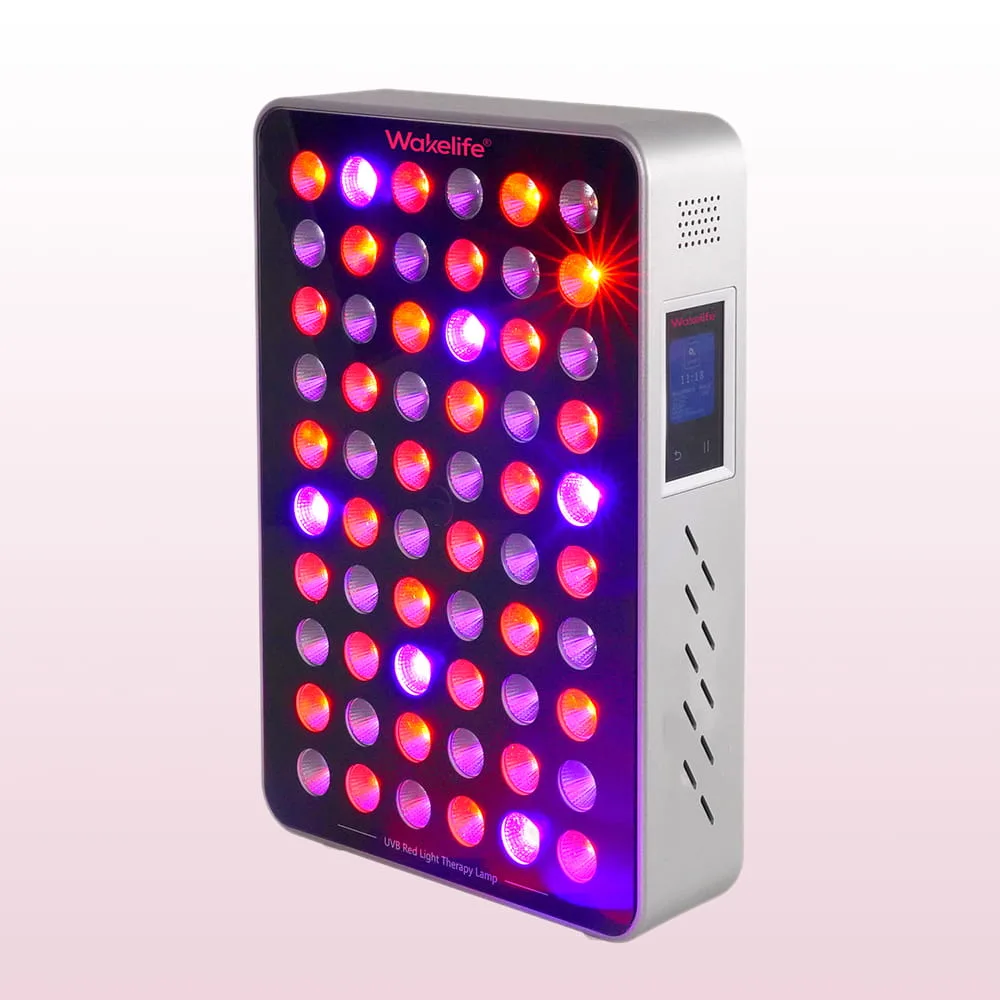
Compact Format Wakelife BK300 compact UVB tanning panel with multi-wavelength lights illuminated

Compact Starting Platform

BK300

Useful for category testing, compact product lines and smaller installation spaces.

  • Supplier-declared: 60 LED packages
  • Listed size: 320 × 220 × 65 mm
  • Placement: desktop or hanging
Explore BK300
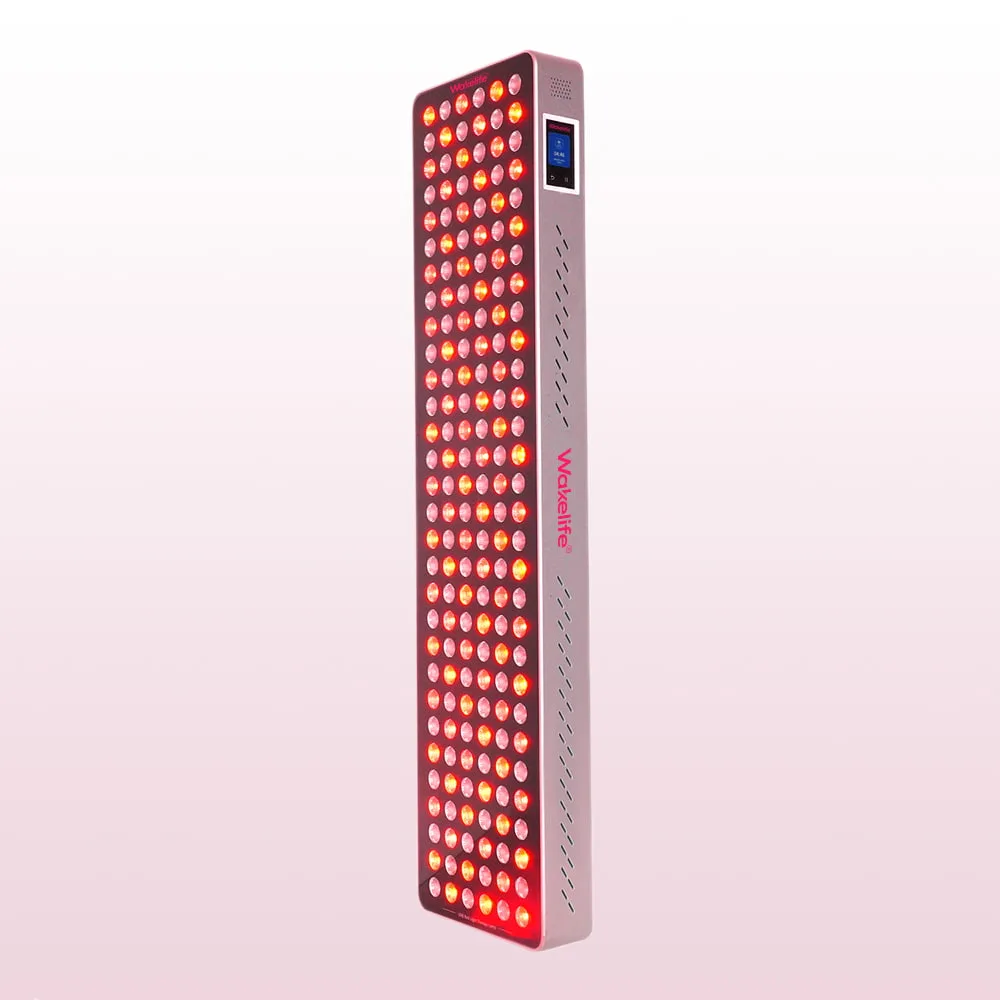
Professional Format Wakelife BK900 professional-format UVB tanning panel with multi-wavelength lights illuminated

Larger Professional Format

BK900

Useful for professional product lines that need a visibly larger panel between BK300 and BK1800.

  • Supplier-declared: 180 LED packages
  • Listed size: 890 × 220 × 65 mm
  • Placement: floor stand or hanging
Explore BK900
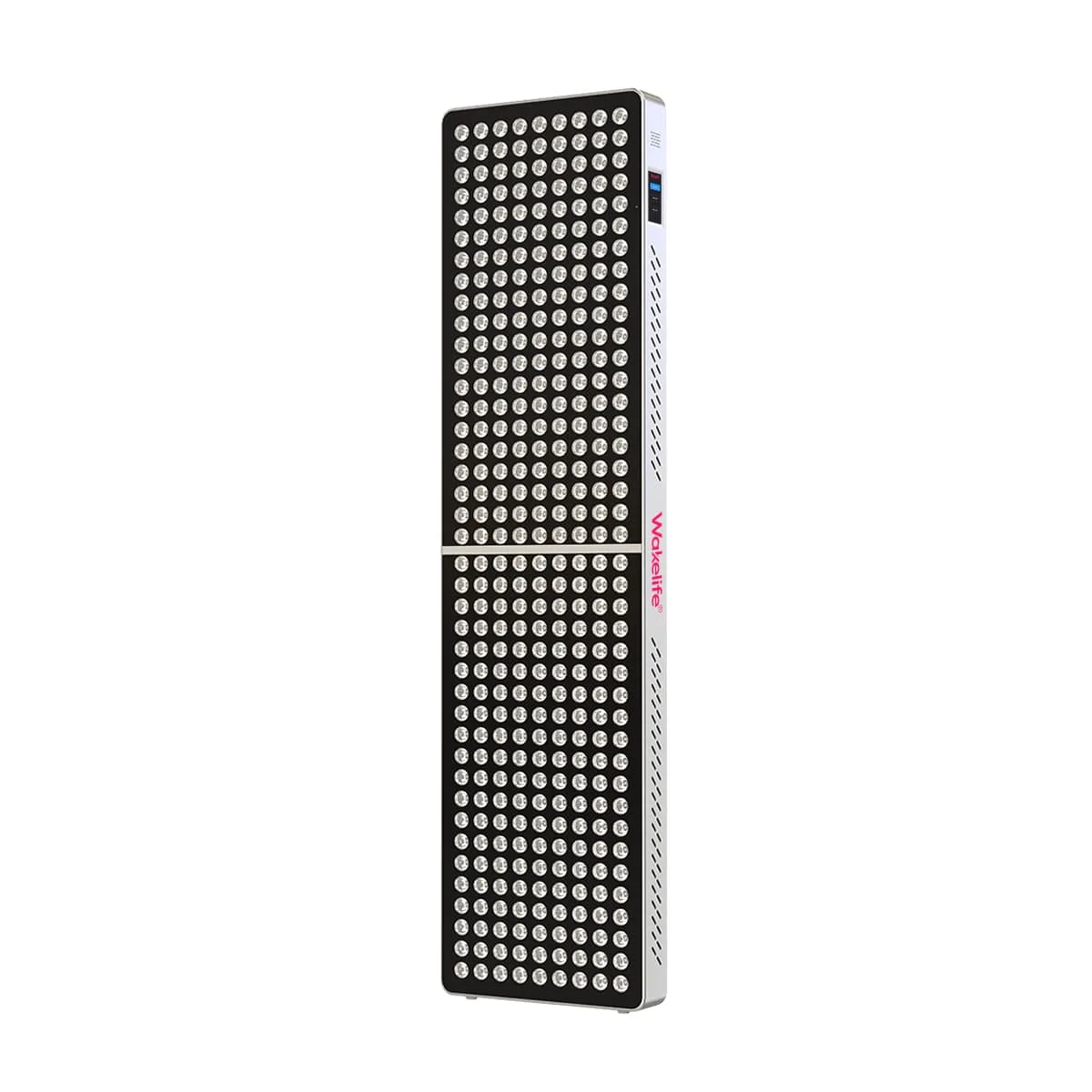
Large-Area Format Wakelife BK1800 large-area UVB tanning panel shown from the front and side with touchscreen

Zoned Large-Area Platform

BK1800

Useful for flagship projects that need selectable panel zones and additional installation options.

  • Supplier-declared: 360 LED packages
  • Listed size: 1190 × 310 × 65 mm
  • Placement: floor, hanging or wall mounting
Explore BK1800
The listed dimensions, LED-package counts and installation options describe current supplier-declared configurations. They are not exposure recommendations or proof of dose, uniformity, safety or tanning results.

30-Second Shortlist

Choose a Starting Platform by Project Requirement

Use this shortlist to decide which exact model is worth investigating first.

Your project requirement Starting platform Verify before sampling
Test a compact UVB product concept BK300 Target channel, placement, quoted configuration and required documents
Build a larger professional-format product line BK900 Installation, spatial output, controls and target-market route
Develop a large-area or zoned flagship product BK1800 Zone logic, mounting, optical mapping, labels and operator controls
Change optics, firmware, structure or intended use Base platform + ODM review Which existing evidence remains relevant and what must be revalidated
This is an initial routing tool, not a performance ranking.
Read the detailed model comparison

What the BK Platforms Share

Dual Nominal UVB Channels: 295 nm + 311 nm

The current BK300, BK900 and BK1800 pages describe nominal 295 nm and 311 nm UVB channels. Confirm the finished-device spectral output, tolerance, distribution and operating controls for the exact model and configuration.

Nominal UVB channel 295 nm A stated channel within the BK platform wavelength architecture.
Nominal UVB channel 311 nm A stated channel within the BK platform wavelength architecture.

For sourcing and product development, the relevant question is not only which nominal wavelengths are listed, but how the selected finished device is specified, verified and controlled.
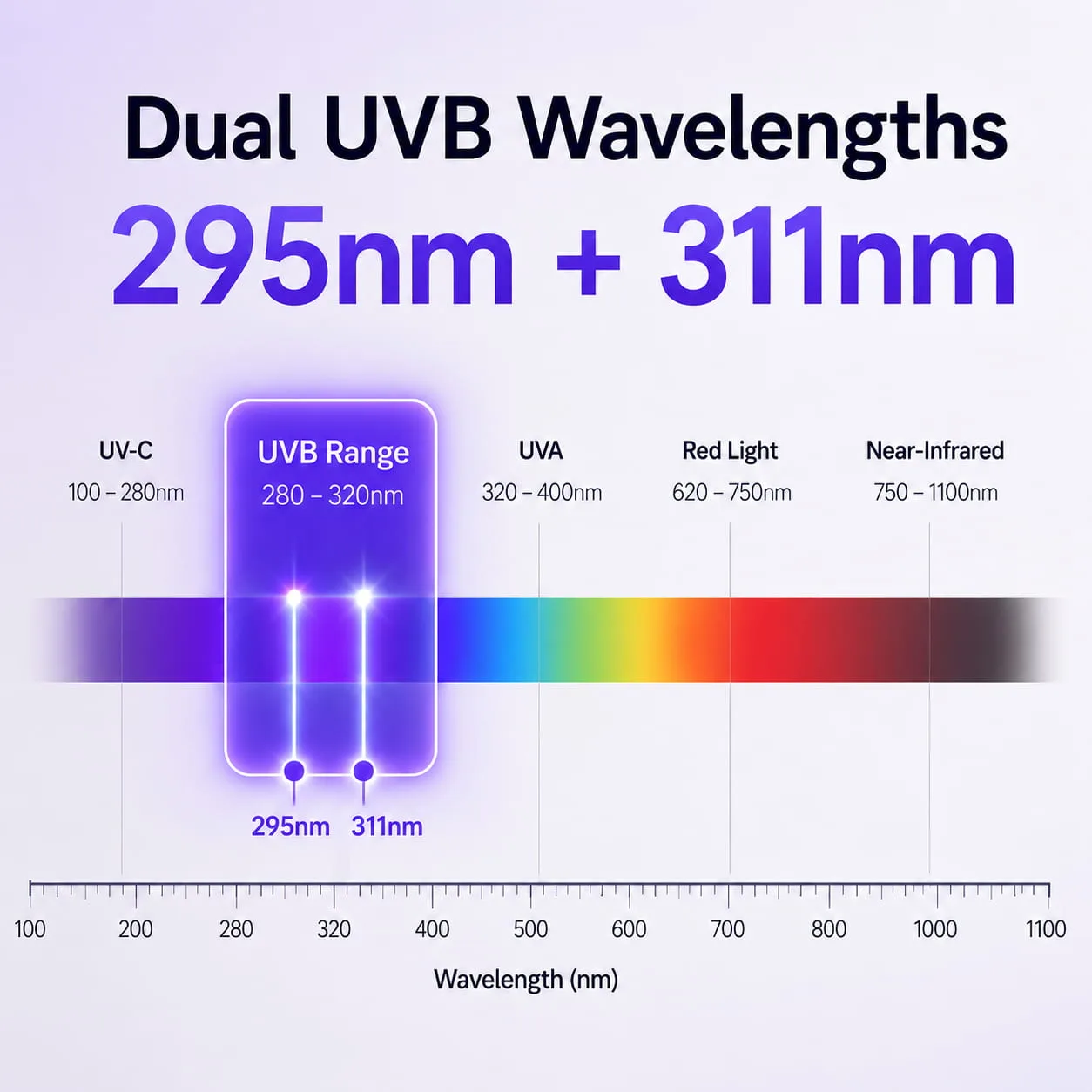
Illustration showing the BK Series nominal 295 nm and 311 nm channels within the UVB range
Illustrative wavelength-positioning graphic—not a spectroradiometer output, tolerance specification, dose map or proof of performance.

Additional Nominal Channels

The BK platform pages also list the following visible and near-infrared channels as part of the broader configuration.

415 nm Nominal visible-light channel
630 / 660 nm Nominal red-light channels
810 / 830 / 850 / 1060 nm Nominal near-infrared channels

Control Features to Review

Review the implemented controls, their verified operating scope and their suitability for the intended market and use environment.

Touchscreen Controls

Review interface logic, permitted settings, status feedback and user instructions for the selected model.

Proximity-Related Control

Confirm the sensing method, trigger conditions, response behavior and validated operating distance.

Temperature Monitoring

Verify monitored points, thresholds, alerts and protective responses in the finished configuration.

Timer & Eyewear Scope

Confirm session controls, supplied protective eyewear and all applicable operating instructions and warnings.

Verification Boundary

The wavelength list identifies nominal channels in the current platform. It does not prove finished-device spectral tolerance, optical distribution, dose, a clinical outcome or market authorization. A control feature can address a defined risk only within its verified design and operating scope; it does not make UV exposure risk-free.
Market Before Configuration

Define the Market Before Freezing the Product

UVB tanning equipment is not a low-risk wellness accessory. The U.S. FDA states that UV radiation from tanning devices presents serious health risks .

In the United States, sunlamp products intended to induce skin tanning are subject to medical-device labeling requirements, special controls and an electronic-product performance standard. Other markets use their own classifications, restrictions and responsible-party requirements.

Use the UVB Sourcing Guide

Project Brief

Define these fields before requesting a quotation or sample

  1. Destination countries and sales channel
  2. Intended use and exact proposed claims
  3. Preferred model, product format and installation
  4. Requested changes to optics, controls, firmware, housing or accessories
  5. Company-level and product-level documents required for review
  6. How the sample and final production configuration will be identified and approved
A factory registration, quality-system certificate or generic test report does not establish that a finished BK model is authorized or suitable for every market. Evidence must connect to the exact model, final configuration, intended use and destination market.

OEM / ODM Scope

Choose the Right Development Route

Start with the lowest level of change that achieves the commercial objective.

01 Lower change depth

Private Label

Brand identity, packaging and manual on a defined base platform.

Review focus Confirm labeling, traceability, responsible parties and destination-market documents.
02 Moderate change depth

Platform Customization

UI, housing finish, mounting, accessories or selected operating details.

Review focus Review usability, labeling, mechanical, thermal and control impacts.
03 Higher change depth

ODM Development

Optical layout, wavelength configuration, driver, firmware, structure or intended-use changes.

Review focus Reopen the relevant optical, electrical, thermal, risk and market-document assessment.

Project Discussion

Not sure which development route fits your project?

Share your destination market, preferred platform and requested changes. We can use those details to define the right starting scope.

Discuss Your UVB Development Project

A practical project sequence

The testing and documentation needed at each stage depend on what changes.

01 Commercial context
02 Platform shortlist
03 Feasibility & scope
04 Sample or prototype
05 Configuration approval
06 Production transfer
The more the final product differs from the evaluated base configuration, the less you should assume that existing test evidence transfers unchanged. Freeze the configuration before final testing and production approval.

Verification

Verify Company Credentials and Model-Level Evidence Separately

Company-level quality credentials support an organization’s audited framework. They do not establish market authorization, optical performance or claim support for a BK model.

Organization Layer

Company-level credentials

Use official directories to verify the certificate holder, reference number and stated scope.

Parent manufacturer founded in 2015 Shenzhen Sungrow LED Technology Co., Ltd.
ISO 13485:2016 quality-management system BSI certificate MD 800872
Medical Device Single Audit Program certificate BSI certificate MDSAP 800873

Project Layer

Model-level evidence for qualified projects

Review the file set against the exact model, final configuration, intended use and destination market.

  1. Current company QMS certificate and applicable scope
  2. Dated final model and configuration specification
  3. Relevant optical, electrical, EMC, control and fault-test evidence
  4. Labels, manual, accessories and mounting system
  5. Target-market records or submissions appropriate to the final intended use
Company certificates and a general quality framework are not substitutes for finished-model authorization, configuration-specific test evidence or support for proposed product claims.

Tell Us About Your UVB Panel Project

Share the information available today. If the model is not clear, choose “Not sure—need a recommendation” and describe the planned format and channel in the Message field.

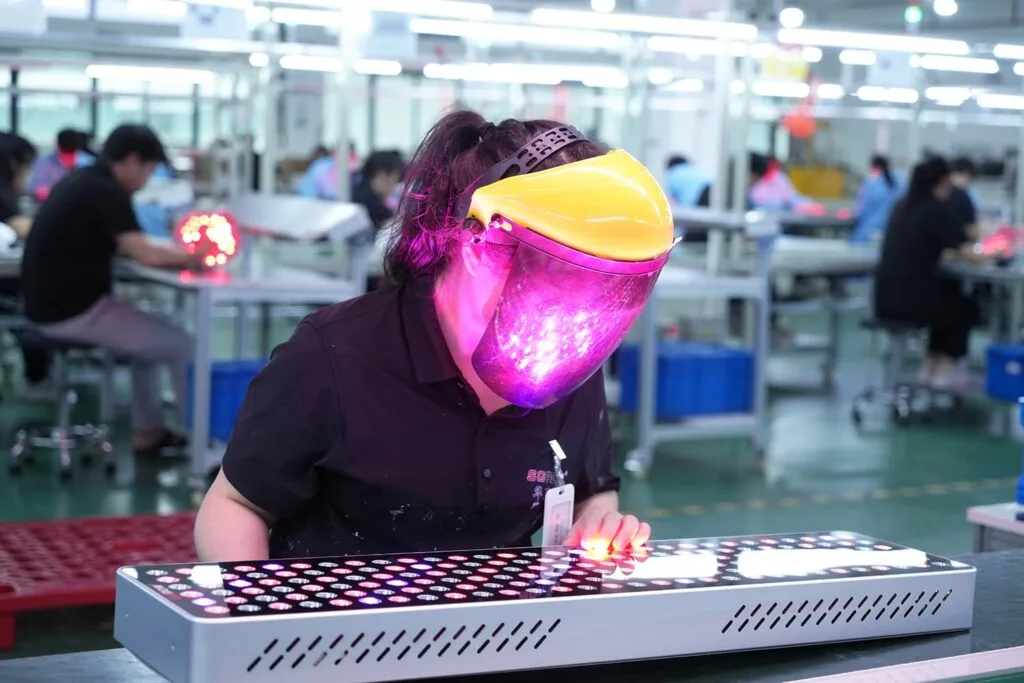
Worker testing red light therapy panel LEDs with protective face shield

Quick Instant Quote

Tell us your requirements and get a customized solution from our OEM/ODM team.
We support low MOQ, fast sampling, and global compliance.

Your information is confidential and will only be used for project evaluation and quotation.