
Standard Sample or Engineering Prototype? What a Hair-Growth Device Quote Should Cover
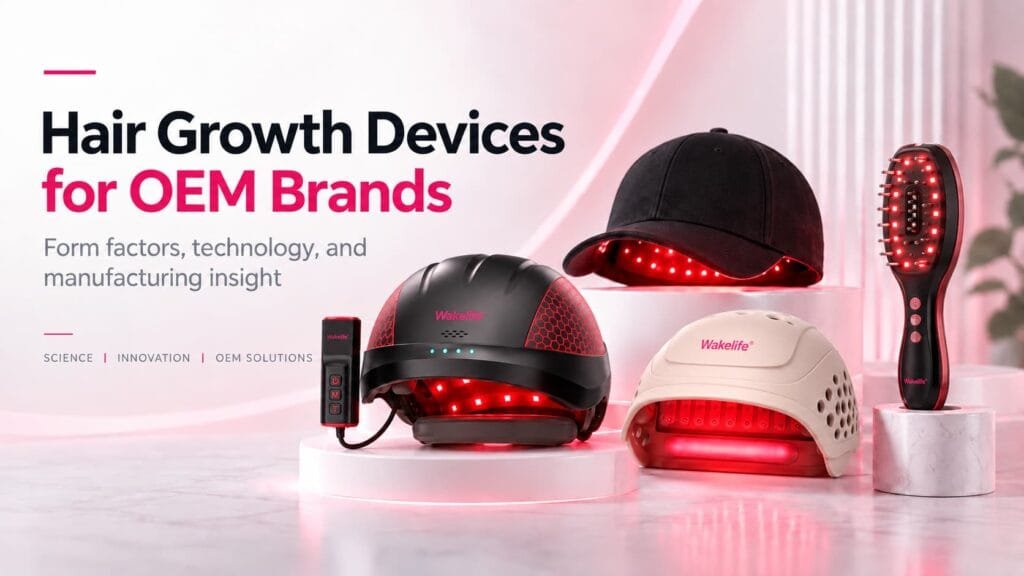
Choose a standard sample when you need to evaluate an existing hair-growth device. Define a development project when the question depends on a design or function that does not yet exist. A standard sample quote and an engineering proposal cover different work, even if both discussions begin with “Can you send us one unit?” There […]
Hair Growth Devices for Salons: In-Salon Use, Retail or Private Label?
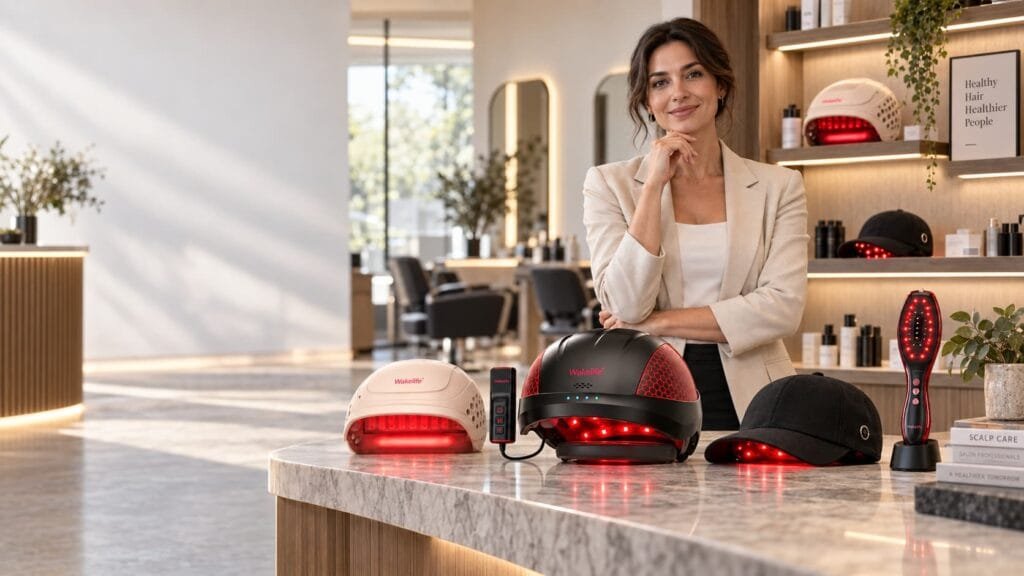
Start with what your salon intends to do with the device. For in-salon use, first establish whether the exact device supports the proposed service workflow. To sell an existing brand, clarify the sales arrangement and customer support. To launch your own brand, define a product project with a manufacturing partner. These are different purchasing questions. […]
Customizing a Hair-Growth Device Without New Tooling: What Can Change, What Needs Engineering
“OEM/ODM welcome. Custom logo, custom packaging, flexible MOQ.” Most hair-growth device supplier pages say some version of this, and it is not a false statement — it is an incomplete one. What those pages rarely explain is where customization actually ends: which changes fit inside an existing platform, which ones need real engineering work, and […]
From Dropshipping to Private Label: A Hair-Growth Device Transition Plan
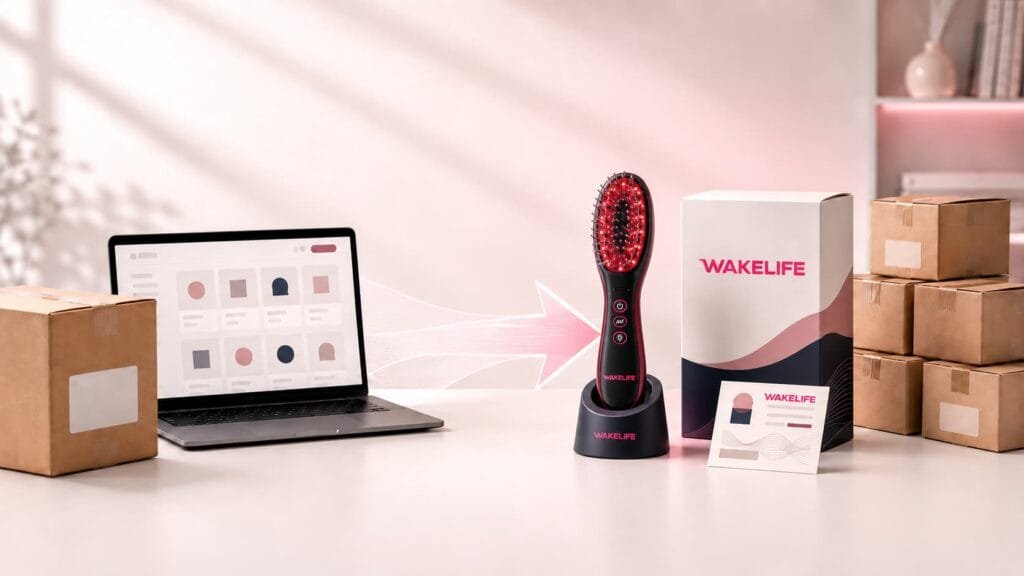
Moving from dropshipping to private label makes sense when one product has produced repeatable demand and your team is ready to take responsibility for the product experience around it. The decision is larger than adding a logo. It changes how you approve the device, fund inventory, manage packaging, plan fulfillment and support customers after delivery. […]
LLLT and Red Light for Hair Loss: Evidence, Limits and Claim Boundaries
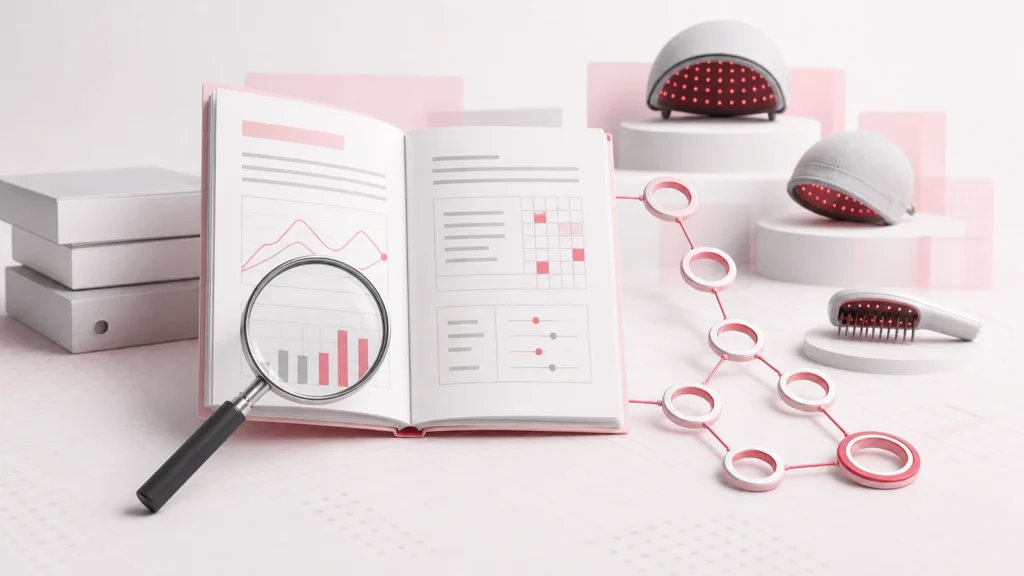
TL;DR for product and claims teams Human studies support a potential improvement in hair density from specific low-level light or laser devices used mainly in androgenetic alopecia (pattern hair loss). That is narrower than saying red light treats every cause of hair loss. A wavelength such as 650 or 655 nm does not establish a clinical […]
Hair Growth Device Manufacturer Guide: Helmet, Cap or Comb?
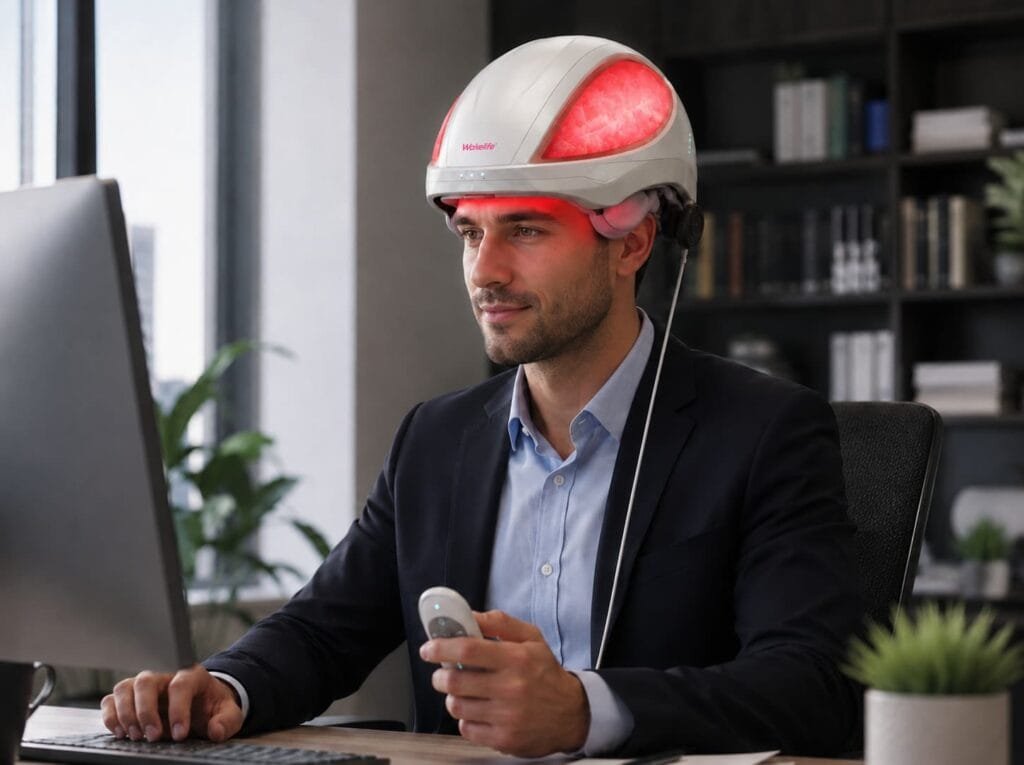
TL;DR for buyers Do not choose a hair-growth device manufacturer by wavelength or emitter count alone. First match the form factor to the user workflow and sales channel; then verify the exact model’s optical output, safety controls, usability and target-market documents. Rigid helmets and integrated caps support hands-free use, modular caps support a lifestyle product story, […]
FDA-Cleared Hair Growth Devices: How Brands Verify 510(k) Scope
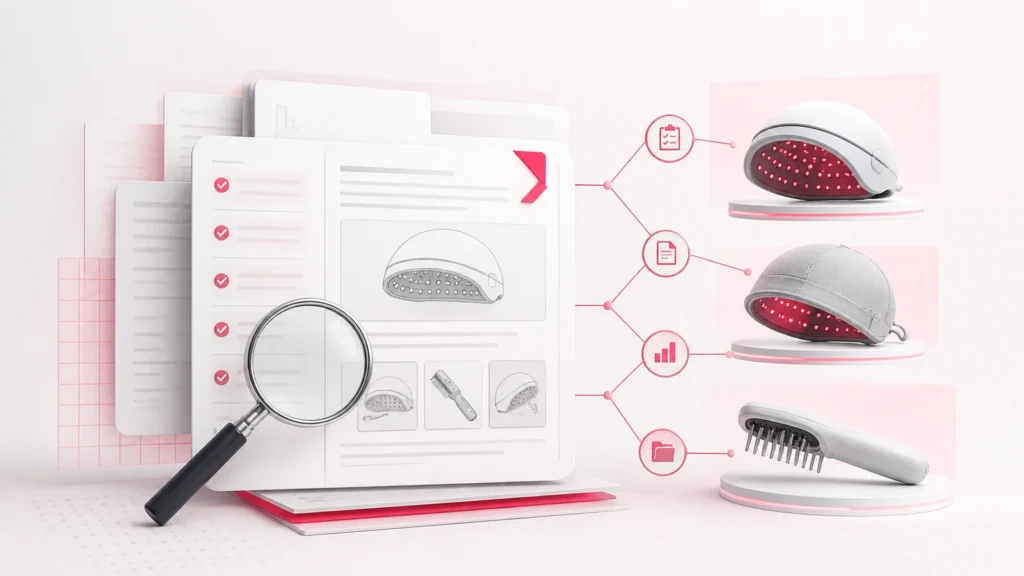
TL;DR for B2B buyers A K number is not enough by itself. Match the FDA record to the applicant, exact device and models, Indications for Use, labeling, and the configuration your brand plans to sell. FDA establishment registration and device listing are not 510(k) clearance. FDA does not issue device-registration certificates, and a registration or listing entry […]
HC03 Silicone VCSEL Laser Hair Growth Cap: What Brands Should Verify Before Sourcing
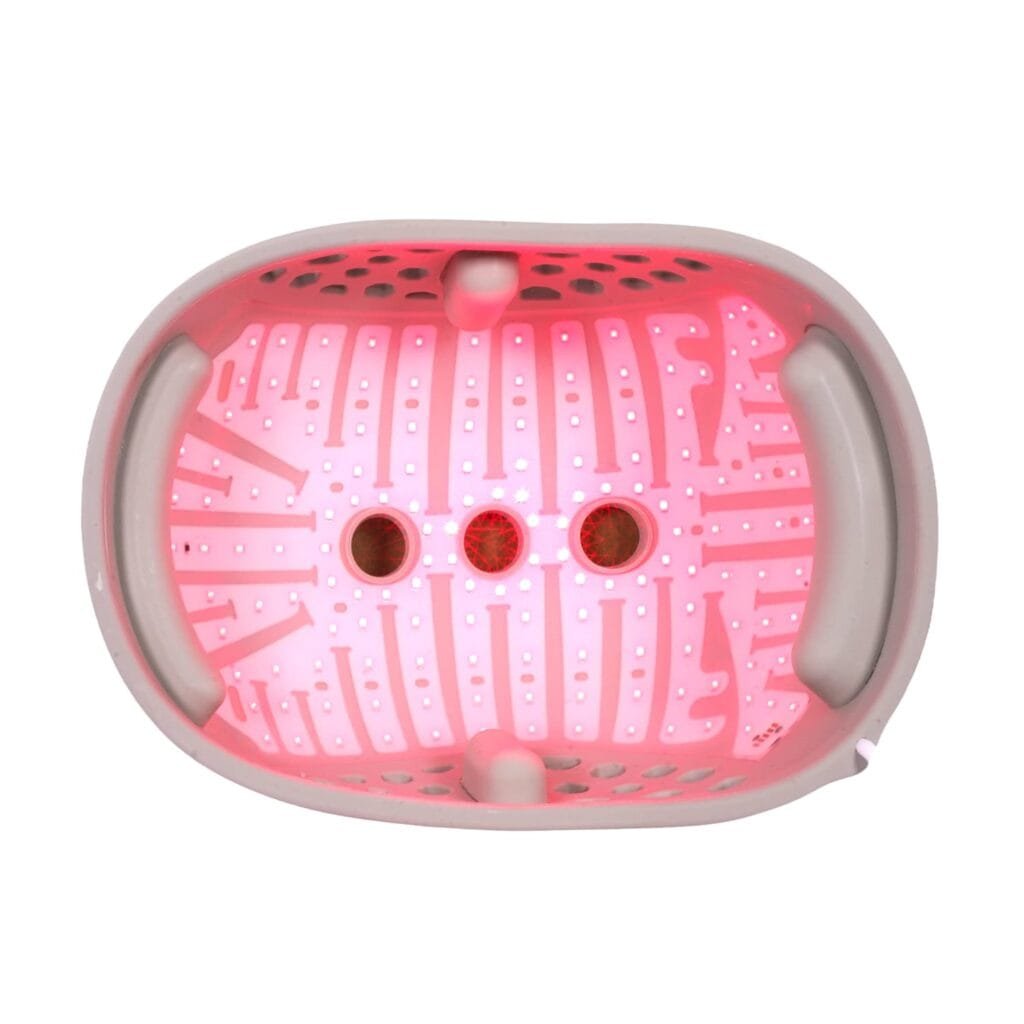
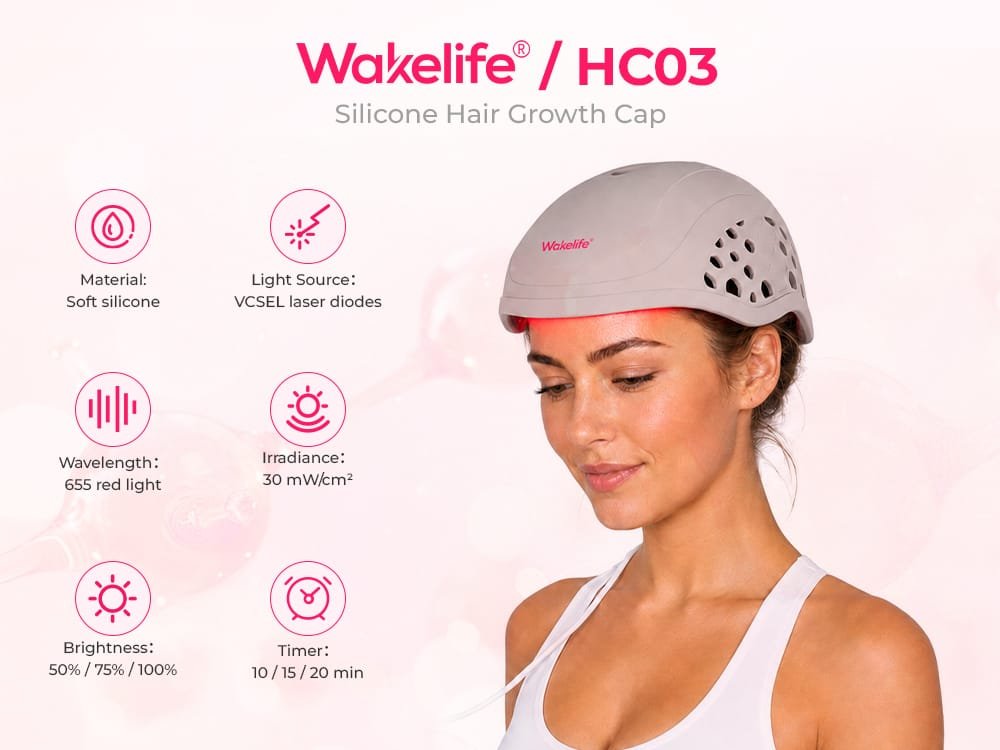
TL;DR for buyers HC03 is a flexible, full-cap OEM/ODM platform for brands that want a wearable 655 nm laser product rather than a rigid helmet, modular fabric cap or handheld comb. The current configuration uses 168 VCSEL laser diodes in a soft-silicone body. Its declared 30 mW/cm² irradiance is not useful as a standalone comparison. Ask where and […]
Laser Hair Growth Comb for Brands: What to Verify Before Sourcing
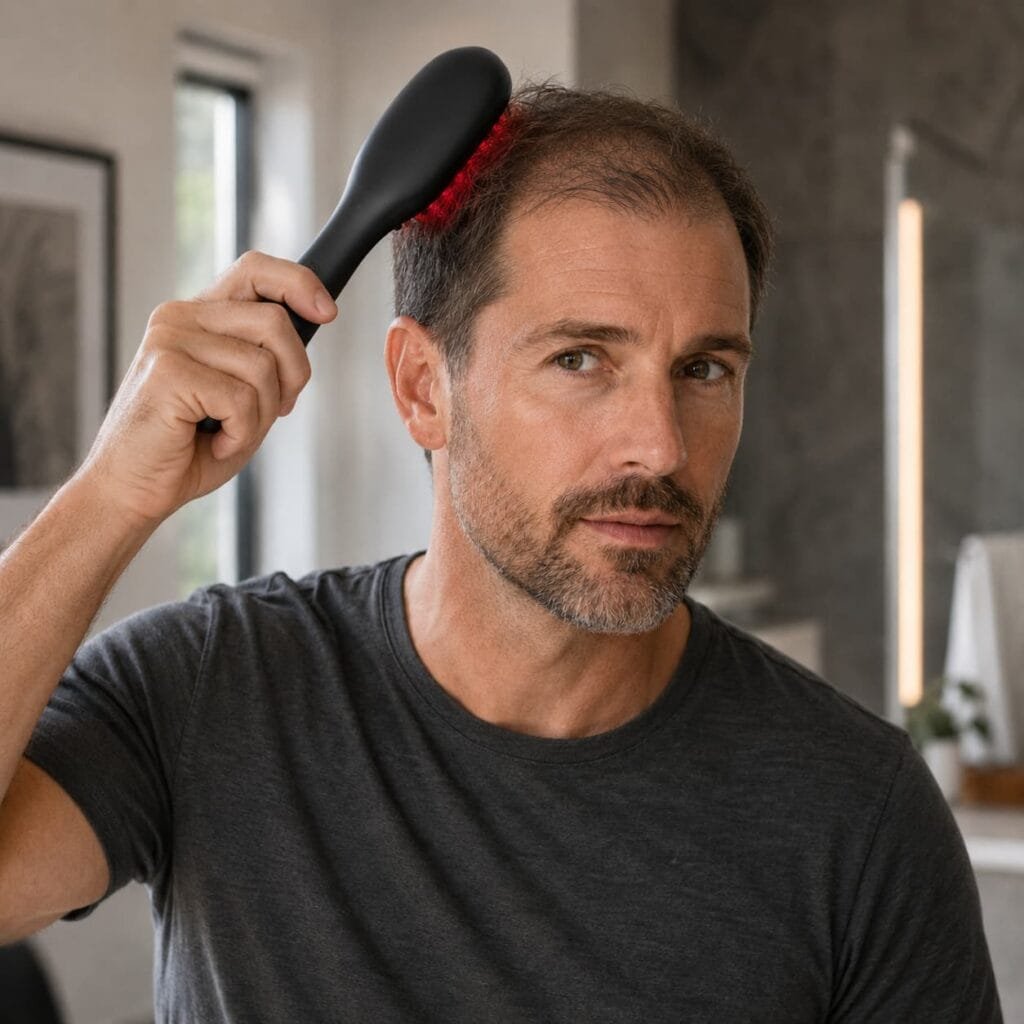
TL;DR for buyers HT01 is best suited to brands that want a portable, demonstrable hair-and-scalp-care SKU—not a hands-free full-scalp device. Its handheld comb format supports section-by-section placement but requires the user to move it through the hair. The standard configuration combines 14 × nominal 655 nm vertical-cavity surface-emitting laser (VCSEL) chips, 14 × 660 nm red LEDs […]
Hair Growth Cap vs Helmet vs Comb: Which Form Factor Fits Your Brand or Clinic?
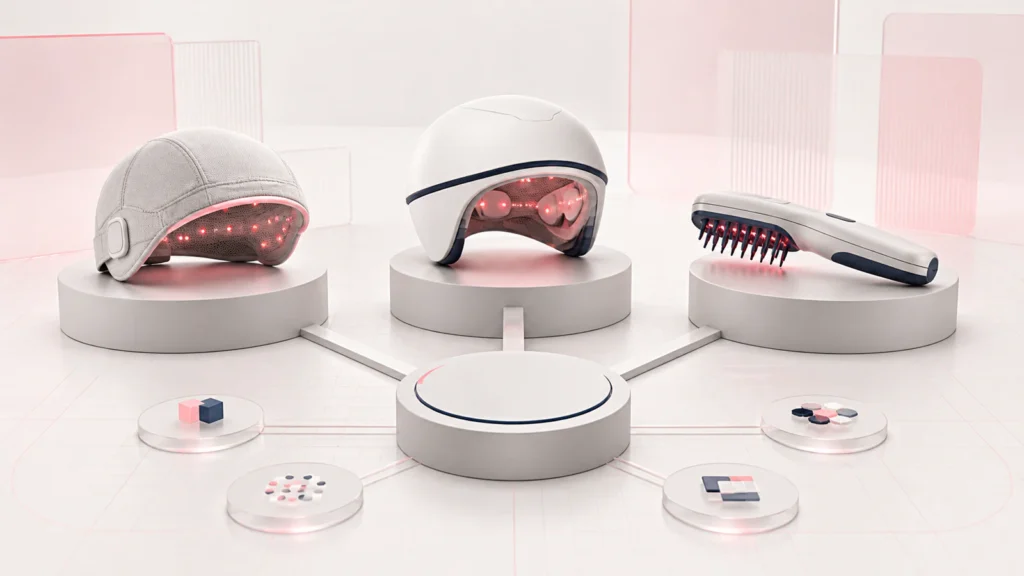
No form factor is universally best. Choose a cap, helmet or comb by the routine your customer can follow and the product your team can validate—not by shape, emitter count or a borrowed clinical claim. A cap and a helmet can both support hands-free use, but they create different fit, packaging, control and positioning questions. […]