Red light therapy (RLT) is a non-invasive treatment that uses specific wavelengths of red and near-infrared light (600-1000 nm) to stimulate cellular energy production, reduce inflammation, and promote tissue repair. Also called photobiomodulation (PBM) or low-level laser therapy (LLLT), it’s used for skin rejuvenation, pain relief, muscle recovery, hair growth, and wound healing—with clinical studies supporting its efficacy and safety.
Introduction
If you’ve been exploring wellness trends, skincare innovations, or recovery technologies, you’ve likely encountered red light therapy. From celebrity endorsements to medical clinic offerings, this treatment has gained significant attention—but what exactly is it, and does it live up to the hype?
Red light therapy represents a fascinating intersection of physics, biology, and medicine. Unlike many wellness trends that rely on anecdotal evidence, red light therapy has decades of scientific research backing its mechanisms and benefits. NASA first explored its potential for plant growth in space in the 1990s, and subsequent research revealed remarkable effects on human cells.
For businesses entering the LED therapy market, understanding the fundamentals is essential for product development, marketing compliance, and customer education. For consumers, knowing the science helps set realistic expectations and choose quality devices. This guide covers everything you need to know—from the basic mechanism to practical applications.
At WakeLife Beauty, we’ve built our business on translating this scientific foundation into effective, accessible LED therapy devices for brands and consumers worldwide.
What is Red Light Therapy?
Definition and Terminology
Red light therapy goes by several names, which can cause confusion:
| Term | Meaning | Context |
|---|---|---|
| Red Light Therapy (RLT) | General consumer term | Marketing, wellness |
| Photobiomodulation (PBM) | Scientific/medical term | Research, clinical |
| Low-Level Laser Therapy (LLLT) | Original term | Medical, historical |
| LED Light Therapy | Technology-specific | Device marketing |
| Cold Laser Therapy | Emphasizes safety | Pain treatment |
All these terms describe the same fundamental concept: using specific light wavelengths to stimulate biological processes without generating heat or causing damage.
How It Works (Simplified)
At its core, red light therapy works by delivering photons (light particles) to your cells’ mitochondria—the “power plants” that produce energy. Here’s the simplified process:
- Light Absorption: Red and near-infrared light penetrates skin and is absorbed by cells
- Mitochondrial Stimulation: A key enzyme called cytochrome c oxidase absorbs the light
- Energy Boost: This stimulation increases ATP (cellular energy) production by up to 150%
- Cellular Response: Energized cells function better, repair faster, and communicate more effectively
- Tissue Benefits: Improved cellular function translates to visible benefits in skin, muscles, and other tissues
For a deeper dive into the cellular mechanisms, see Topic 02: The Science Behind Red Light Therapy.
The History of Red Light Therapy
From NASA to Modern Wellness
The story of red light therapy spans from space exploration to your bathroom counter:
1990s: NASA Research
- NASA scientists discovered that red LEDs could stimulate plant growth in space
- Accidental finding: the same light helped heal astronauts’ wounds
- This sparked interest in photobiological effects on human tissue
Early 2000s: Medical Adoption
- Research expanded into wound healing and pain management
- Initial studies focused on laser devices (expensive, clinical-only)
- LED technology emerged as a more accessible alternative
2010s: Consumer Market Growth
- LED devices became affordable for home use
- FDA clearances increased consumer confidence
- Applications expanded to skin care, fitness recovery, and hair growth
2020s: Mainstream Acceptance
- Professional athletes and celebrities endorsed the technology
- Research volume increased exponentially
- Became a standard offering in dermatology and physical therapy
Key Research Milestones
| Year | Discovery | Significance |
|---|---|---|
| 2005 | Karu identifies cytochrome c oxidase as primary chromophore | Established molecular mechanism |
| 2014 | Wunsch & Matuschka publish anti-aging clinical trial | Validated cosmetic applications |
| 2017 | Barolet demonstrates collagen density increase | Confirmed skin rejuvenation |
| 2022 | Baez systematic review of 22 studies | Comprehensive efficacy validation |
What Does Red Light Therapy Do?
Primary Benefits
Research supports red light therapy for multiple applications:
1. Skin Health and Anti-Aging
- Stimulates collagen production (up to 31% increase)
- Reduces fine lines and wrinkles
- Improves skin texture and tone
- Accelerates wound healing
- Reduces inflammation and redness
2. Pain Relief and Recovery
- Reduces muscle soreness after exercise
- Alleviates joint pain and arthritis symptoms
- Accelerates injury recovery
- Reduces chronic pain
3. Hair Growth
- Stimulates hair follicles
- Extends hair growth phase
- Increases hair density
- Works for androgenetic alopecia
4. Sleep and Circadian Rhythm
- Supports natural melatonin production
- Improves sleep quality
- Regulates circadian rhythm
- May help with seasonal affective disorder
How Long Until You See Results?
Benefits develop on different timelines:
| Benefit | Timeline | Mechanism |
|---|---|---|
| Skin radiance | 2-4 weeks | Improved circulation |
| Pain relief | 1-4 weeks | Reduced inflammation |
| Wrinkle reduction | 8-12 weeks | Collagen synthesis |
| Hair growth | 12-16 weeks | Follicle stimulation |
| Sleep improvement | 1-2 weeks | Circadian regulation |
Types of Red Light Therapy Devices
Professional vs. At-Home
| Feature | Professional Devices | At-Home Devices |
|---|---|---|
| Power | Higher irradiance | Lower irradiance |
| Cost per session | $50-300 | One-time purchase |
| Convenience | Clinic visits required | Use anytime |
| Treatment area | Large panels/beds | Masks, panels, handhelds |
| Guidance | Professional supervision | Self-administered |
| Results | Often faster | Require consistency |
Device Categories
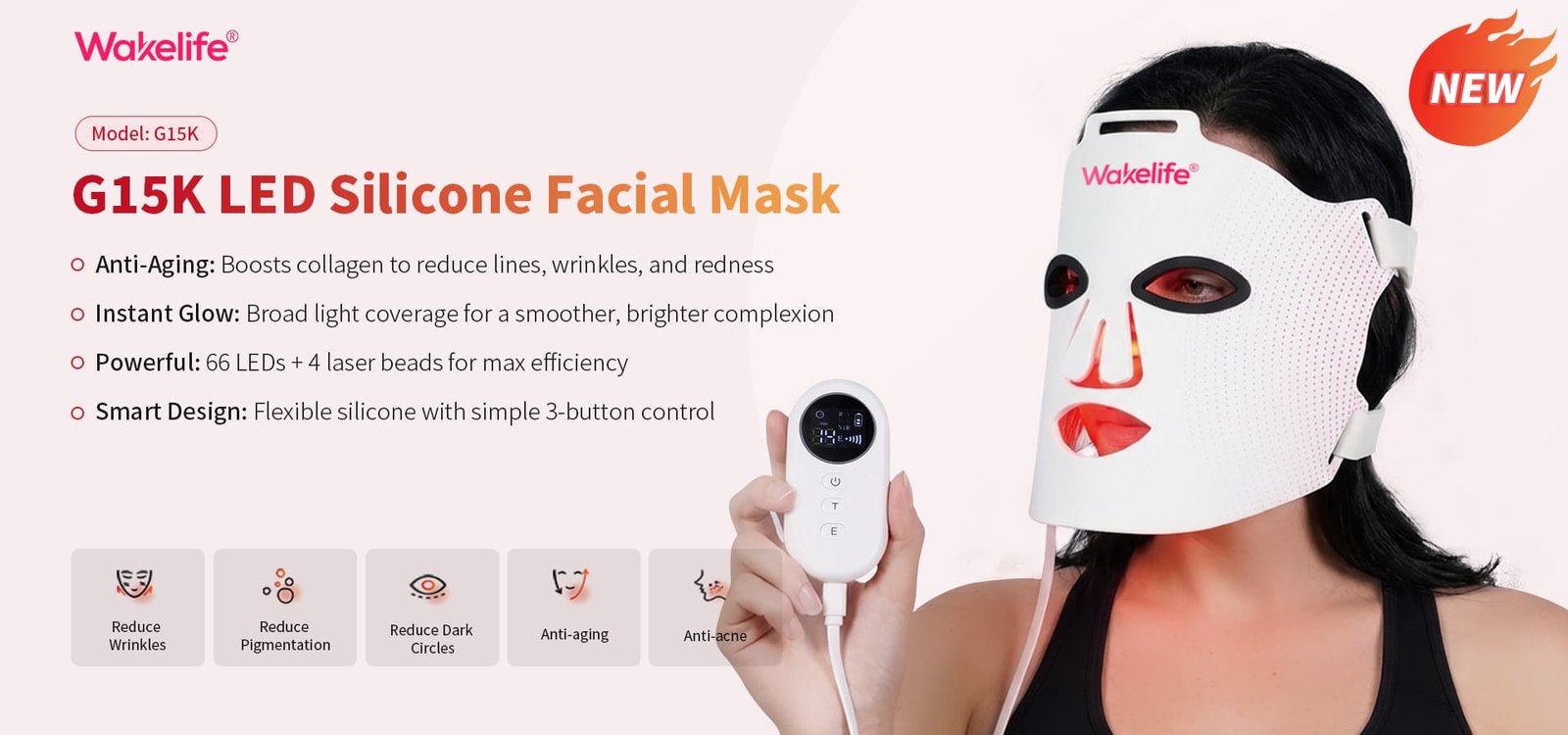
LED Face Masks
- Designed for facial treatments
- Convenient hands-free operation
- Typically 660nm red + 850nm near-infrared
- Best for: Anti-aging, acne, skin tone
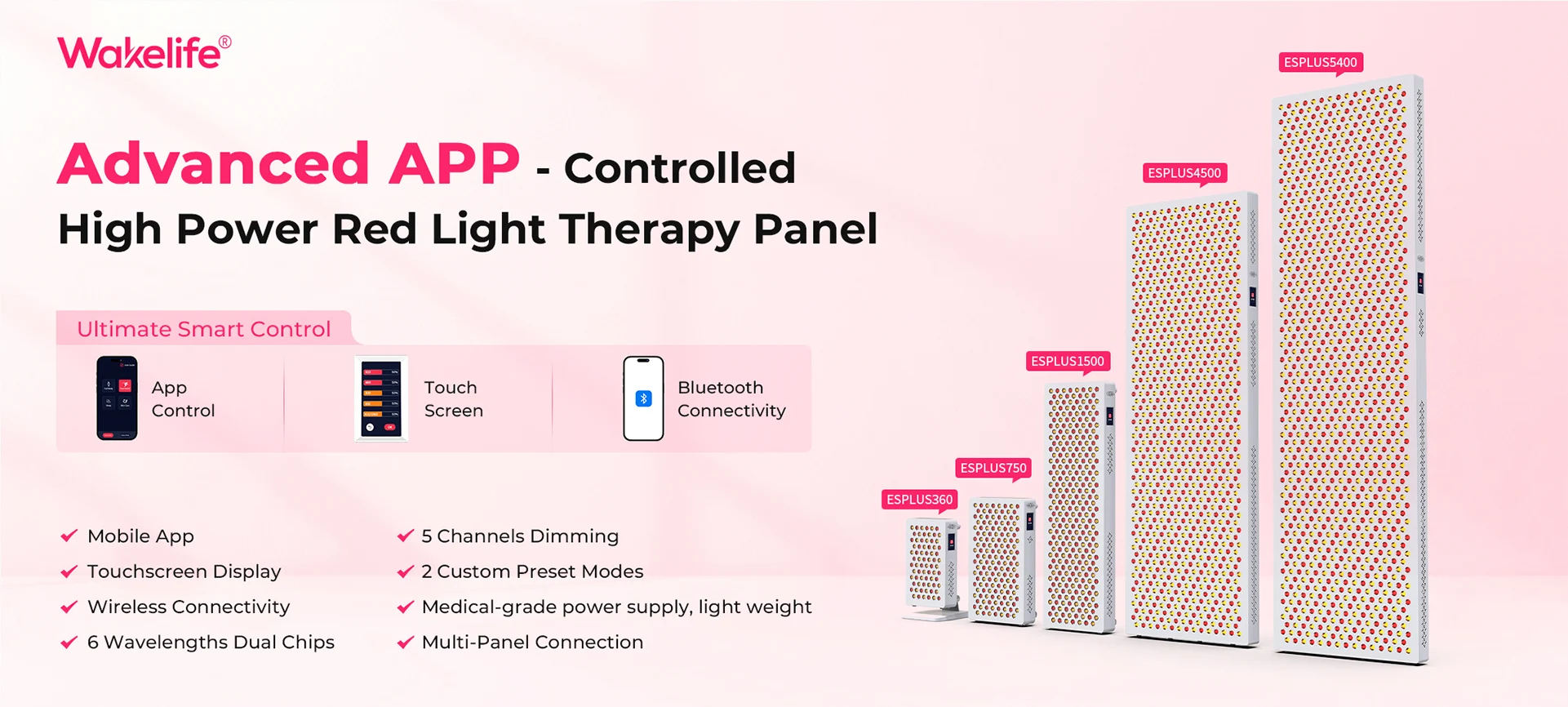
Light Panels
- Larger treatment area
- Can treat face, neck, chest, or body
- Adjustable stands or wall-mounted
- Best for: Body treatments, larger areas
Handheld Devices
- Targeted spot treatment
- Portable and travel-friendly
- Lower power, longer treatment times
- Best for: Specific areas, portability
Full-Body Beds
- Commercial-grade systems
- Treat entire body simultaneously
- Used in clinics, gyms, spas
- Best for: Comprehensive treatment, professional settings
Is Red Light Therapy Safe?
Safety Profile
Red light therapy has an excellent safety record. Unlike UV light (which damages DNA and causes cancer), red and near-infrared light:
- Does not damage skin cells
- Does not cause burns (no thermal damage at therapeutic doses)
- Has no known long-term risks
- Is safe for all skin types (unlike some lasers)
- Can be used daily without harm
A comprehensive review by Barolet (2017) concluded that LED phototherapy is “well-tolerated with minimal adverse effects.”
Potential Side Effects
Side effects are rare and typically mild:
- Temporary redness: Usually resolves within hours
- Dryness: Some users report mild skin dryness
- Headache: Rare, possibly from bright light exposure
- Eye strain: If proper eye protection isn’t used
Who Should Avoid It?
While generally safe, consult a healthcare provider if you:
- Are pregnant (limited safety data)
- Take photosensitizing medications
- Have active skin cancer
- Recently had chemical peels or laser treatments
- Have specific eye conditions
How to Use Red Light Therapy
Basic Guidelines
For optimal results, follow these general principles:
1. Clean Skin
- Remove makeup and skincare products
- Clean skin allows better light penetration
- Some products can block light or cause photosensitivity
2. Proper Distance
- Follow device instructions (typically 6-12 inches)
- Too close: risk of uneven treatment
- Too far: insufficient light intensity
3. Treatment Duration
- Most devices: 10-20 minutes per session
- Consistency matters more than duration
- Daily or 3-5x weekly for best results
4. Eye Protection
- Use provided goggles or keep eyes closed
- Never stare directly into LEDs
- Some devices have built-in eye protection
5. Consistency
- Results require regular use
- Minimum 8-12 weeks for visible changes
- Maintenance treatments after achieving results
Sample Treatment Protocols
| Goal | Frequency | Duration | Timeline |
|---|---|---|---|
| Anti-aging | 3-5x weekly | 15-20 min | 12+ weeks |
| Acne | Daily | 10-15 min | 4-8 weeks |
| Pain relief | Daily | 15-20 min | 2-4 weeks |
| Hair growth | 3-4x weekly | 15-25 min | 16+ weeks |
| Recovery | Post-workout | 10-15 min | Ongoing |
For detailed device selection guidance, see Topic 10: How to Choose a Red Light Therapy Device.
Red Light Therapy vs. Other Treatments
Comparison Overview
| Treatment | Invasiveness | Downtime | Cost | Best For |
|---|---|---|---|---|
| Red Light Therapy | Non-invasive | None | $-$$$ | Overall skin health, maintenance |
| Retinoids | Topical | Mild peeling | $ | Acne, texture |
| Chemical Peels | Minimally invasive | 3-7 days | $$-$$$ | Texture, pigmentation |
| Laser Resurfacing | Invasive | 1-2 weeks | $$$$ | Deep wrinkles, scars |
| Microneedling | Minimally invasive | 1-3 days | $$-$$$ | Scars, texture |
| Botox | Injectable | None | $$$ | Dynamic wrinkles |
| Fillers | Injectable | None | $$$$ | Volume loss |
Why Choose Red Light Therapy?
Advantages:
- No pain or discomfort
- No recovery time
- Safe for all skin types
- Cumulative benefits
- Can combine with other treatments
- At-home convenience
- Long-term safety record
Limitations:
- Results take weeks to months
- Less dramatic than invasive procedures
- Requires consistency
- Device quality varies significantly
What to Look for in a Quality Device
Key Specifications
When shopping for a red light therapy device, prioritize:
1. Wavelength
- Red light: 630-660 nm (skin surface)
- Near-infrared: 830-850 nm (deeper tissue)
- Combination devices offer best coverage
2. Irradiance (Power Density)
- Minimum: 30 mW/cm² for therapeutic effect
- Optimal: 60-100 mW/cm²
- Higher isn’t always better (biphasic dose response)
3. Treatment Area
- Match device size to treatment goals
- Face masks for facial treatments
- Panels for body or larger areas
4. FDA Clearance
- Indicates safety and efficacy testing
- Look for 510(k) clearance number
- Not required but adds credibility
5. Build Quality
- Medical-grade LEDs last longer
- Even light distribution
- Comfortable design for regular use
WakeLife Beauty Standards
At WakeLife Beauty, our devices meet the highest standards:
- 186 medical-grade LEDs in our G15 Mask Series
- 660 nm + 850 nm dual-wavelength optimization
- 65 mW/cm² therapeutic irradiance
- FDA 510(k) cleared (K250830)
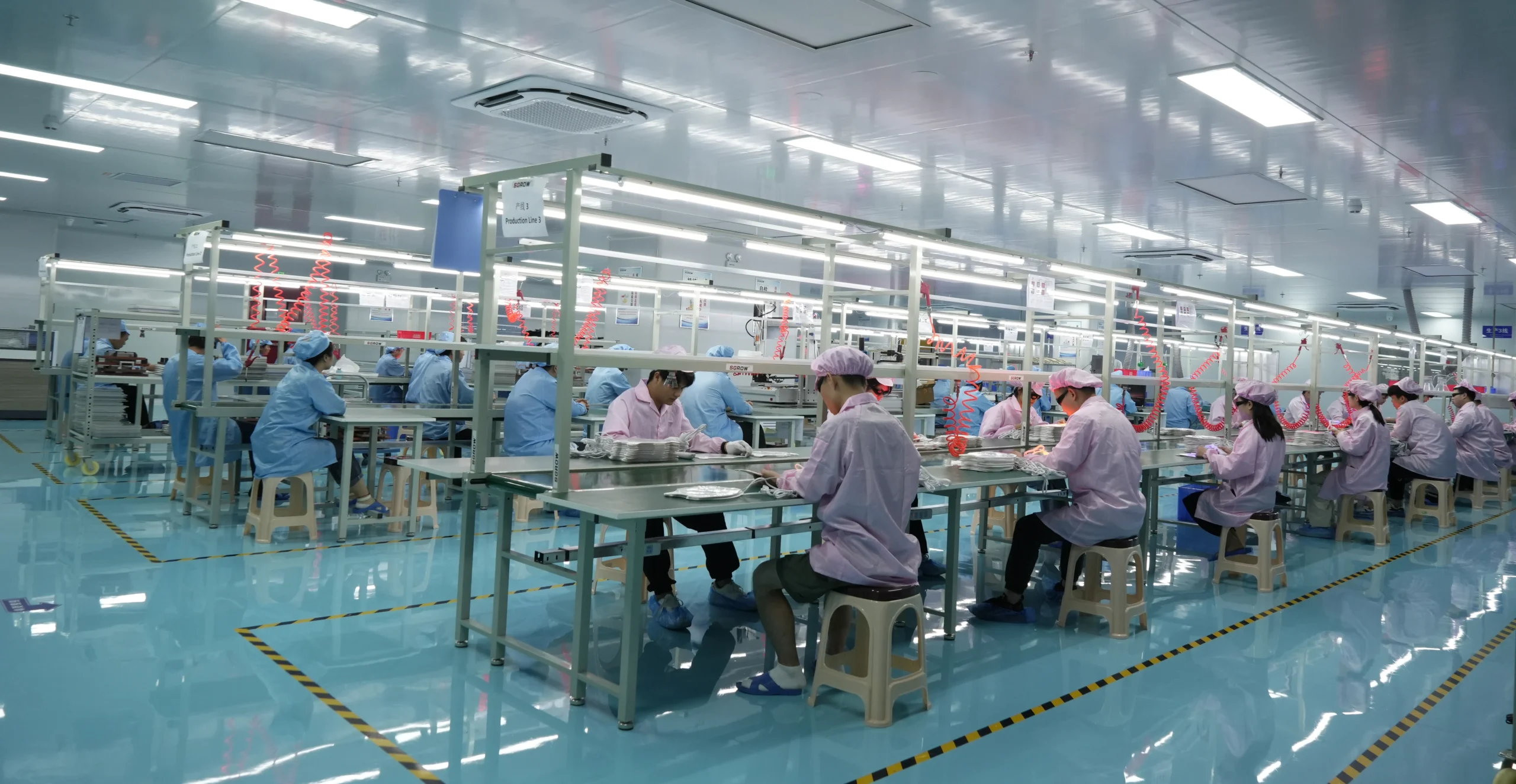
- ISO 13485 certified manufacturing
- Clinically-inspired design protocols
Our OEM/ODM services help brands launch devices with the same quality and credibility.
Frequently Asked Questions
What exactly is red light therapy?
Red light therapy uses specific wavelengths of red and near-infrared light (600-1000 nm) to stimulate cellular energy production, reduce inflammation, and promote tissue repair—without heat or damage.
How does red light therapy work?
Light penetrates skin and is absorbed by mitochondria, increasing ATP (cellular energy) production by up to 150%. This energizes cells to function better, repair faster, and produce more collagen.
Can I use red light therapy every day?
Yes, daily use is safe. However, 3-5 times weekly is typically sufficient for most goals. The body responds to consistent exposure rather than intensity.
What’s the difference between red and near-infrared light?
Red light (630-660 nm) penetrates 1-2 mm and targets skin surface. Near-infrared (830-850 nm) penetrates 5-10 mm and reaches deeper tissues like muscle and bone.
Do at-home devices work as well as professional treatments?
Quality at-home devices can deliver comparable results with consistent use. Professional devices may work faster but require clinic visits and higher costs.
How do I choose a red light therapy device?
Look for: correct wavelengths (630-660 nm red + 830-850 nm NIR), minimum 30 mW/cm² irradiance, adequate treatment area, FDA clearance, and good build quality. See Topic 10: How to Choose a Red Light Therapy Device for a complete guide.
Conclusion
Red light therapy represents a genuine breakthrough in non-invasive wellness technology. Backed by decades of scientific research and increasingly validated by clinical studies, it offers a safe, effective approach to skin health, pain relief, recovery, and overall wellness.
Whether you’re a consumer seeking better skin or a business evaluating market opportunities, understanding the fundamentals empowers better decisions. The key takeaways:
- It works—through well-understood cellular mechanisms
- It’s safe—with an excellent track record and minimal side effects
- It requires consistency—results come from regular use over weeks
- Device quality matters—wavelength accuracy and irradiance affect results
- It’s complementary—works alongside other treatments and skincare
As research continues and technology advances, red light therapy will likely become an even more integral part of both clinical practice and home wellness routines.
At WakeLife Beauty, we’re committed to making this technology accessible through quality devices and evidence-based education. Explore our complete guide to red light therapy for more in-depth topics, or learn about our OEM/ODM services for brands looking to enter this growing market.
Related Topics
- Topic 02: The Science Behind Red Light Therapy: How It Works at the Cellular Level
- Topic 03: Red Light Therapy for Anti-Aging: Can It Really Reduce Wrinkles?
- Topic 04: Red Light Therapy for Acne Treatment: Blue vs Red Light
- Topic 05: Red Light Therapy for Hair Growth: Does It Work for Hair Loss?
- Topic 10: How to Choose a Red Light Therapy Device: Buyer’s Guide
- Topic 21: The History of Red Light Therapy: From NASA to Modern Wellness
View all 30 topics: Complete Red Light Therapy Guide
References
Karu, T., Pyatibrat, L., & Kalendo, G. (2005). Photobiological modulation of cell attachment via cytochrome c oxidase. Photochemical & Photobiological Sciences, 4(5), 421-428. https://pubmed.ncbi.nlm.nih.gov/16848227/
Wunsch, A., & Matuschka, K. (2014). A controlled trial to determine the efficacy of red and near-infrared light treatment in patient satisfaction, reduction of fine lines, wrinkles, skin roughness, and intradermal collagen density increase. Photomedicine and Laser Surgery, 32(2), 93-100. https://pubmed.ncbi.nlm.nih.gov/24395451/
Barolet, D., & Boucher, A. (2017). Radiant near infrared light emitting diode exposure as skin preparation to enhance collagen density before fractional ablative laser treatment. Journal of Clinical Aesthetic Dermatology, 10(11), 34-41. https://pubmed.ncbi.nlm.nih.gov/29295640/
Baez, J., & Reilly, L. R. (2022). The use of light-emitting diode therapy in skin rejuvenation: A systematic review. Journal of Cosmetic Dermatology, 21(4), 1438-1447. https://pubmed.ncbi.nlm.nih.gov/35444911/
Chung, H., et al. (2012). The nuts and bolts of low-level laser (light) therapy. Annals of Biomedical Engineering, 40(2), 516-533. https://pubmed.ncbi.nlm.nih.gov/22045511/