
Wavelength Selection & Tissue Penetration Depth in PBM Devices
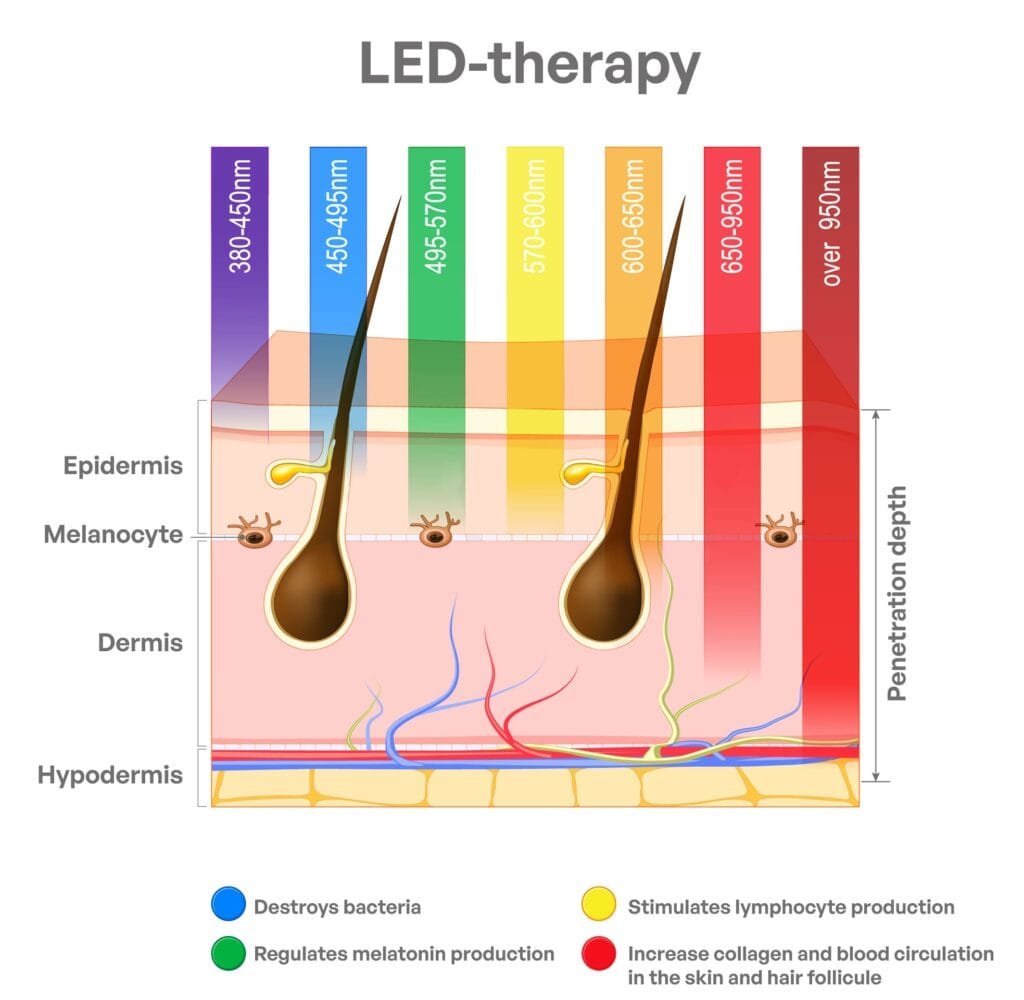
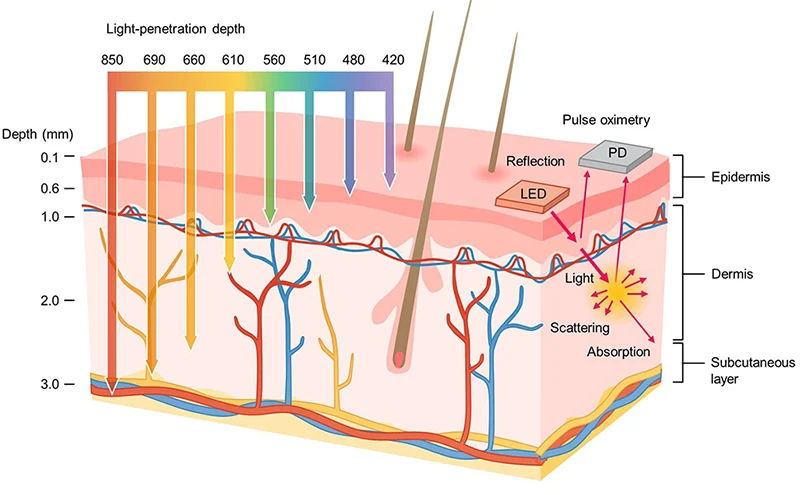
Wavelength selection is the most critical parameter in photobiomodulation device design. Rood licht (630-660 nm) targets superficial tissues (skin, wounds) by activating cytochrome c oxidase heme centers. Near-infrared (810-850 nm) penetrates deeper (muscle, bone, brain) by targeting the CuA center. The therapeutic window spans 600-1000 nm, with peak absorption at 660 nm en 830 nm. Tissue penetration follows the optical window of 650-1350 nm, […]
LED vs Laser Light Sources in Photobiomodulation: A Technical Comparison
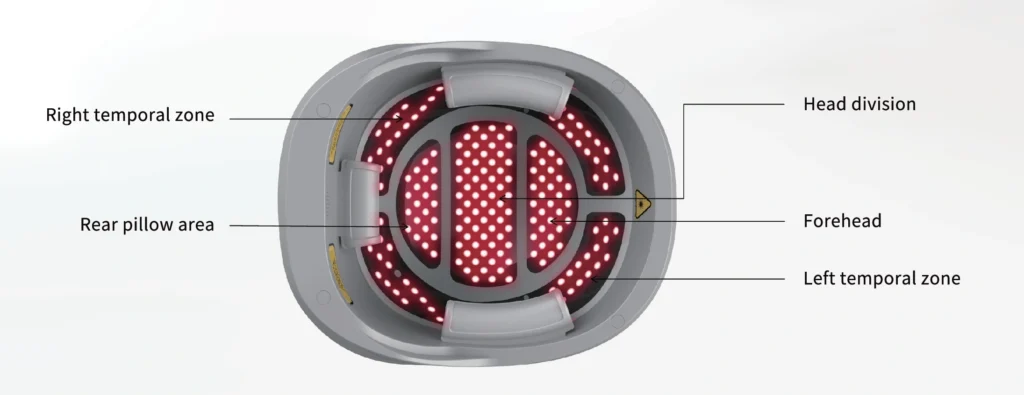
LED's (Lichtuitzending van diodes) and lasers can produce therapeutically equivalent outcomes in photobiomodulation when matched for wavelength, bestraling, and dose. The key difference lies in coherence—lasers produce coherent (in-phase) light while LEDs emit incoherent light. Echter, research shows coherence is not required for PBM’s biological effects. LEDs offer significant advantages: lower cost, larger treatment areas, no eye safety hazards, […]
Downstream Effects of PBM: ATP, Inflammation & Antioxidant Defense

Photobiomodulation triggers a cascade of downstream biological effects beginning with cytochrome c oxidase activation. Within minutes, cells experience increased ATP production (150-200%), nitric oxide release (improved blood flow), and reactive oxygen species signaling. Over hours to days, these immediate effects activate transcription factors (NF-κB, Nrf2), upregulate antioxidant defenses, modulate inflammatory cytokines (reducing TNF-α, IL-6; increasing IL-10), En […]
Biphasic Dose Response in PBM: Why More Light Is Not Always Better
Biphasic dose response means that photobiomodulation (PBM) follows a characteristic curve where low doses stimulate, moderate doses produce optimal effects, and high doses inhibit cellular function. This phenomenon—also called the Arndt-Schulz curve—explains why more light is not always better. Optimal dosing typically falls in the range of 3-10 J/cm² with irradiance of 30-100 MW/cm², depending on tissue type and treatment […]
Cytochrome c Oxidase: The Primary Photoacceptor in Red Light Therapy
Cytochrome c oxidase (CcO)—also known as Complex IV—is the primary photoacceptor in red and near-infrared light therapy. Located in the mitochondrial inner membrane, this enzyme absorbs photons (primarily 600-900 nm), which triggers three key effects: increased ATP production (up to 150-200%), release of nitric oxide (improving blood flow), and reduced oxidative stress (verbetering van de cellulaire functie). This mechanism explains the therapeutic benefits […]
Fotobiomodulatie (PBM): Definition, Mechanisme & History

Roodlichttherapie (RLT) is a non-invasive treatment that uses specific wavelengths of red and near-infrared light (600-1000 nm) to stimulate cellular energy production, Verminder de ontsteking, and promote tissue repair. Also called photobiomodulation (PBM) or low-level laser therapy (LLLT), it’s used for skin rejuvenation, pijnverlichting, spierherstel, hair growth, and wound healing—with clinical studies supporting its efficacy and […]