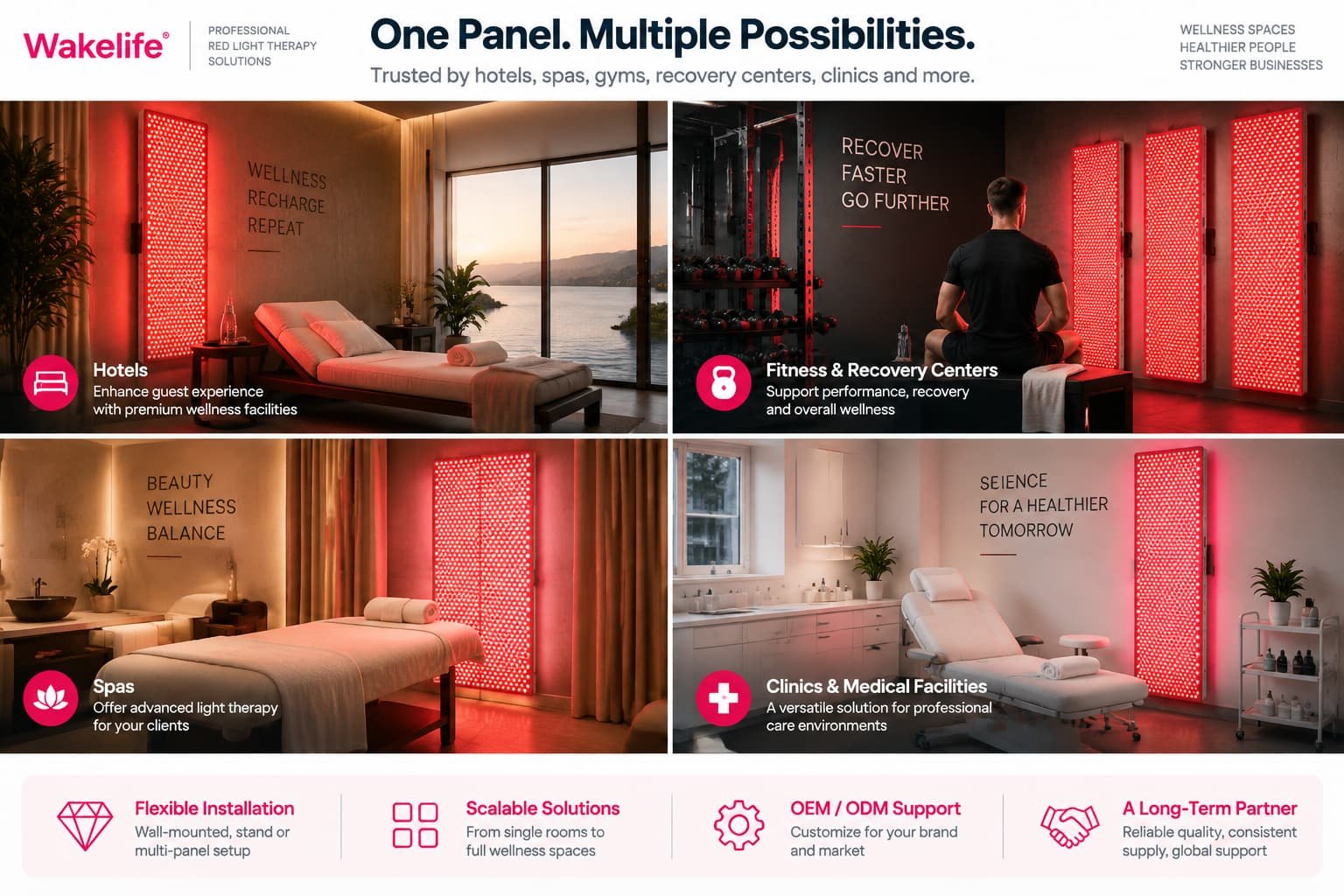
Choose a professional LED light therapy machine by the workflow your team can repeat—not by the largest wattage, the longest wavelength list or the word “professional” on a catalog.
The right device should fit your service, room and staff workflow. Its documentation should cover the exact model and configuration, target market and planned claims. A high specification on one line of a brochure does not resolve gaps in that evidence.
For a clinic buying its first sample, settle three questions before paying. Can the supplied hardware hold the required position? Do the documents address the intended use and test conditions? Does the quotation include the complete setup? A single stock unit can answer a defined evaluation question without a private-label or volume-order commitment.
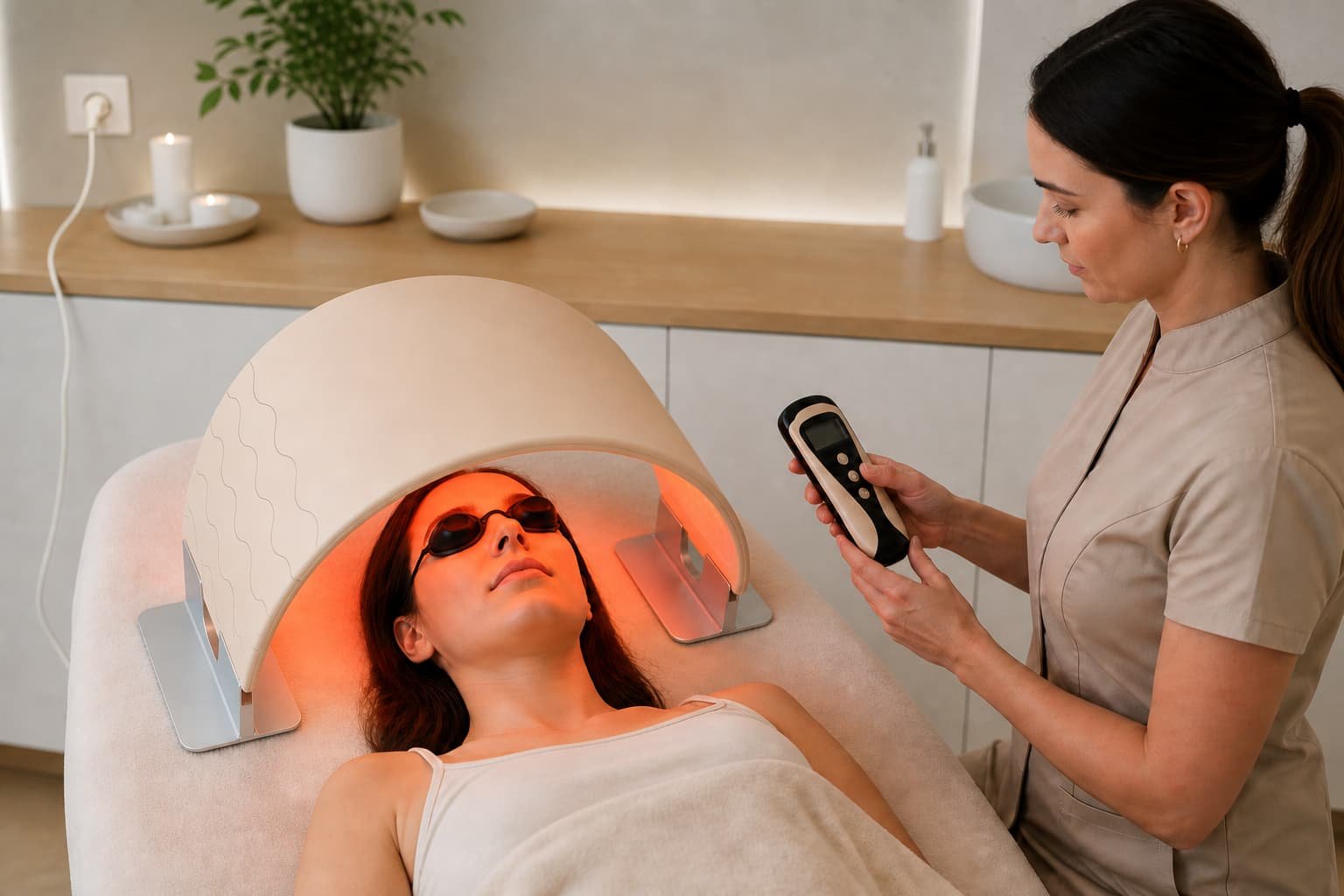
A practical shortlist starts with five rules:
- Freeze the intended use, target market and public claims before comparing documents.
- Evaluate the full appointment cycle: setup, positioning, operation, cleaning, reset and storage.
- Test the exact sample with the staff members who will operate it.
- Compare optical data only when the mode, distance, measurement plane and method are stated.
- Treat market records, quality-system certificates, safety reports and output reports as different evidence layers.
This is a professional-equipment sourcing guide, not a treatment protocol. It does not rank wavelengths, recommend a universal exposure schedule or establish that one LED form factor produces better clinical results.
Begin with document review and non-patient setup checks. Any patient-use evaluation needs a separate clinical and regulatory assessment by the facility; a successful fit check does not authorize clinical use.
What Should You Decide Before Comparing LED Machines?
Write a one-page service brief before opening a supplier comparison sheet. Otherwise, each sales representative will define “professional” in a way that favors a different product.
Your brief should answer:
- Who will operate the device? A trained staff member, the client under supervision, or the client at home after the appointment?
- Will it be shared? A shared device creates different cleaning, turnaround and responsibility questions from a device sold to one customer.
- What area must the device position around or in front of? Face-only, localized body areas and broader non-contact exposure create different geometry and room requirements.
- What is the planned service language? Beauty, appearance and general wellness wording should not be mixed casually with disease, treatment or medical claims.
- Where will it be marketed and used? The U.S., EU and other markets do not use one universal evidence package.
- What is the commercial model? One supervised unit, several rooms, a clinic-and-retail combination, or a product line sold through distributors?
For a U.S. project, the FDA says device determination starts by defining the product’s intended use and indications for use. The FDA’s January 2026 general-wellness guidance addresses a policy for low-risk general-wellness products; it should not be treated as automatic status for every LED device. In the EU, Regulation (EU) 2017/745 connects intended purpose with the manufacturer’s label, instructions, promotional or sales materials, and clinical evaluation. The operational lesson is simple: do not choose the hardware first and invent the claim strategy afterward.
The term “professional LED light therapy machine” is useful for searching and purchasing, but it is not a universal regulatory class. A product used in a salon is not automatically a medical device, and a product described as “clinic-grade” is not automatically supported by medical-device authorization or medical-electrical testing.
Which LED Device Format Fits the Service Workflow?
Shortlist the form factor by positioning and room workflow, then compare the exact samples.
| Format | Consider it when | What the sample must prove | Common poor-fit condition |
|---|---|---|---|
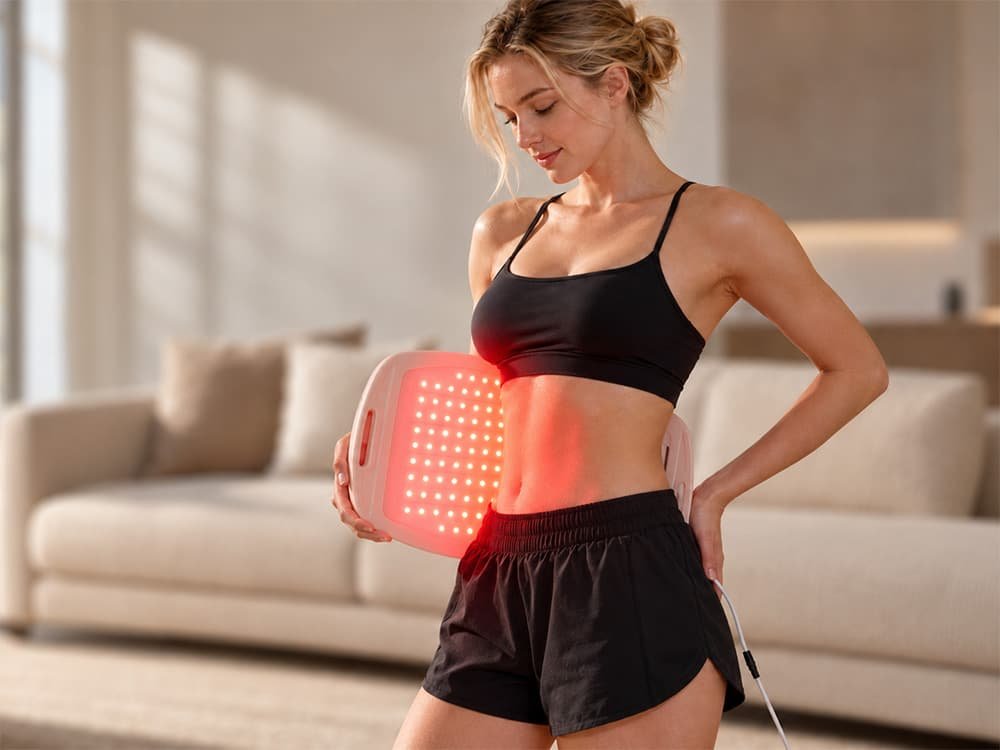
| Flexible LED pad | The service needs a bendable format that can be positioned in an arch or around selected areas | Stable positioning, acceptable contact or spacing, cable routing, cleanability, repeated-flex durability and staff setup consistency | The service needs a large non-contact field or a fixed positioning distance with minimal adjustment |
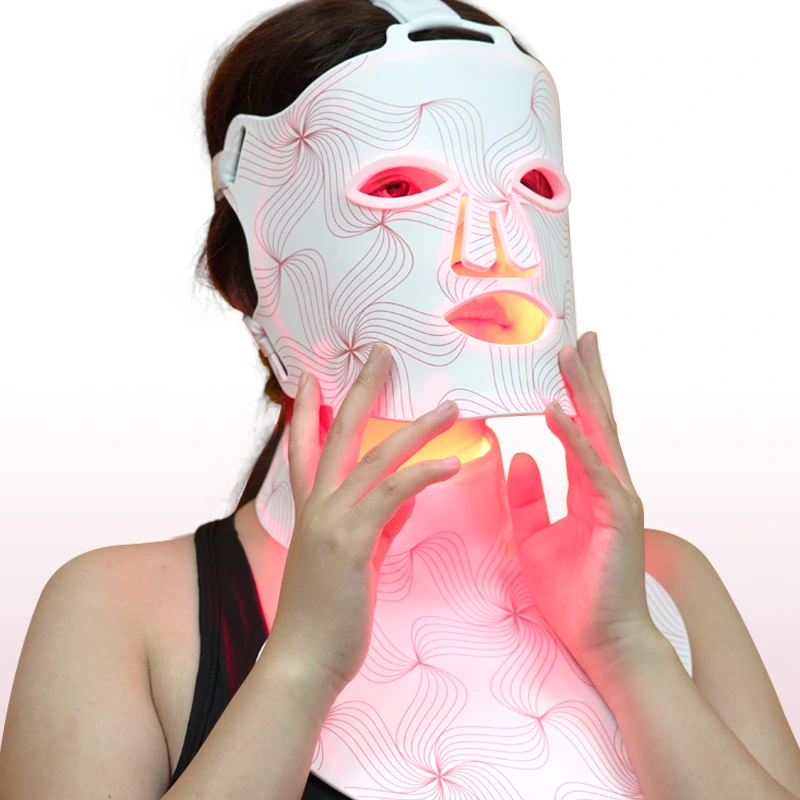
| Face mask | The task is face-specific and a wearable format fits the user journey | Fit across intended users, eye-area design, strap/liner workflow, controls, shared-use cleaning limits and charging/reset time | Frequent shared use is planned but the materials, straps and crevices cannot be reprocessed within the appointment cycle |
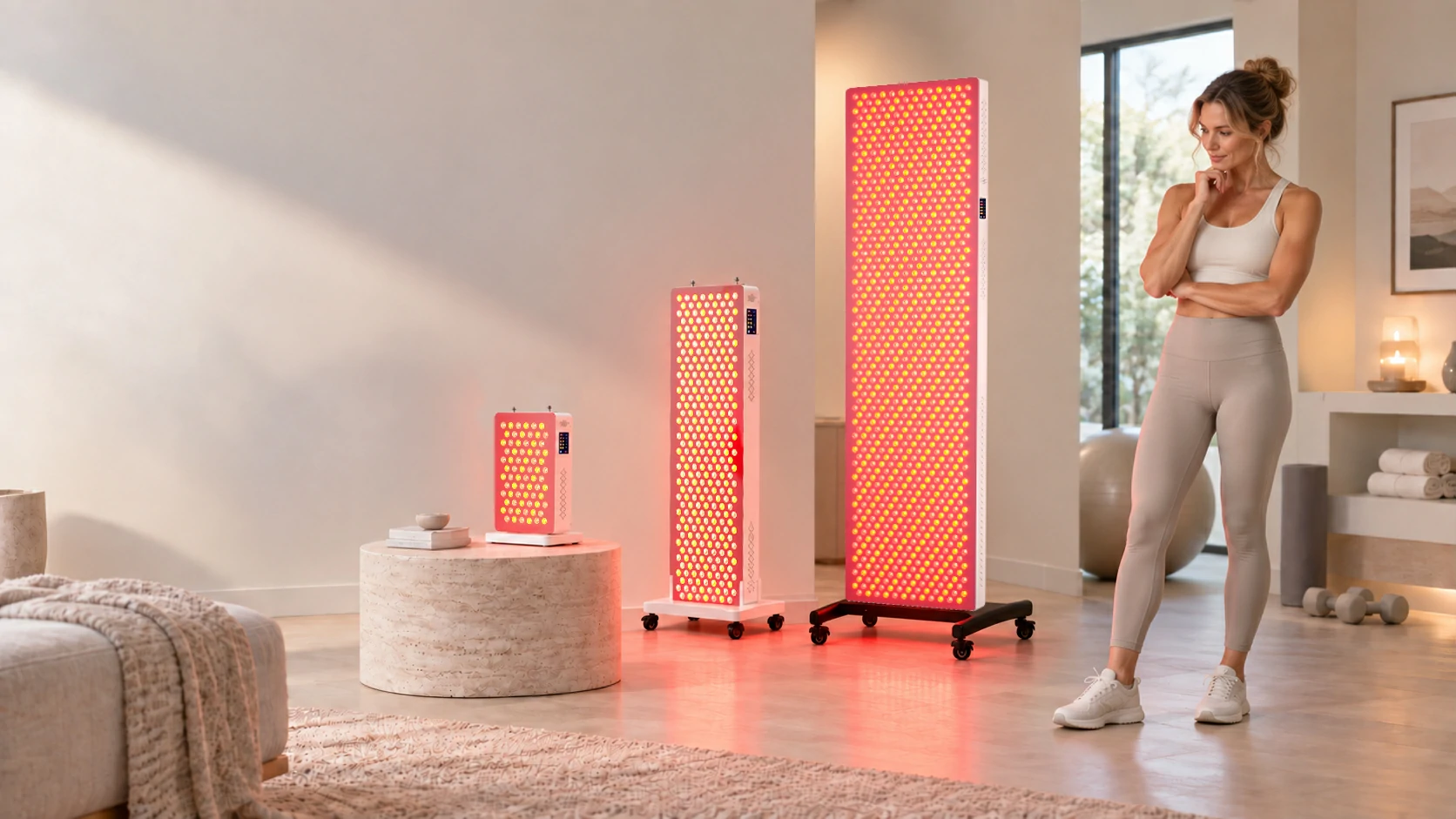
| Panel or lamp | The service favors non-contact positioning and a larger exposure field | Stand stability, working distance, angle, room footprint, cable management, heat behavior and position repeatability | Space is limited or the staff cannot reproduce the required position between appointments |
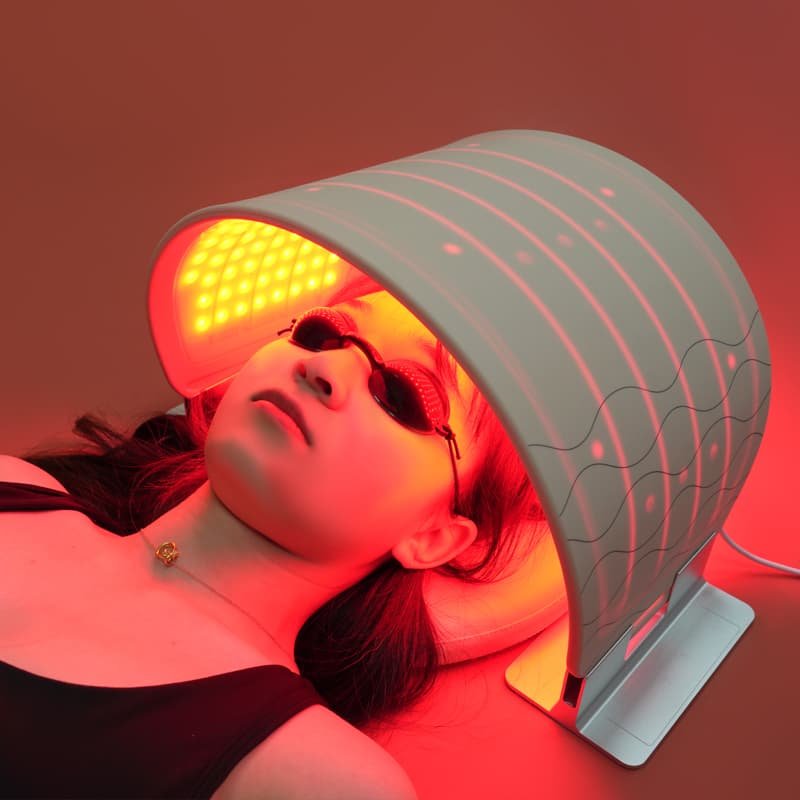
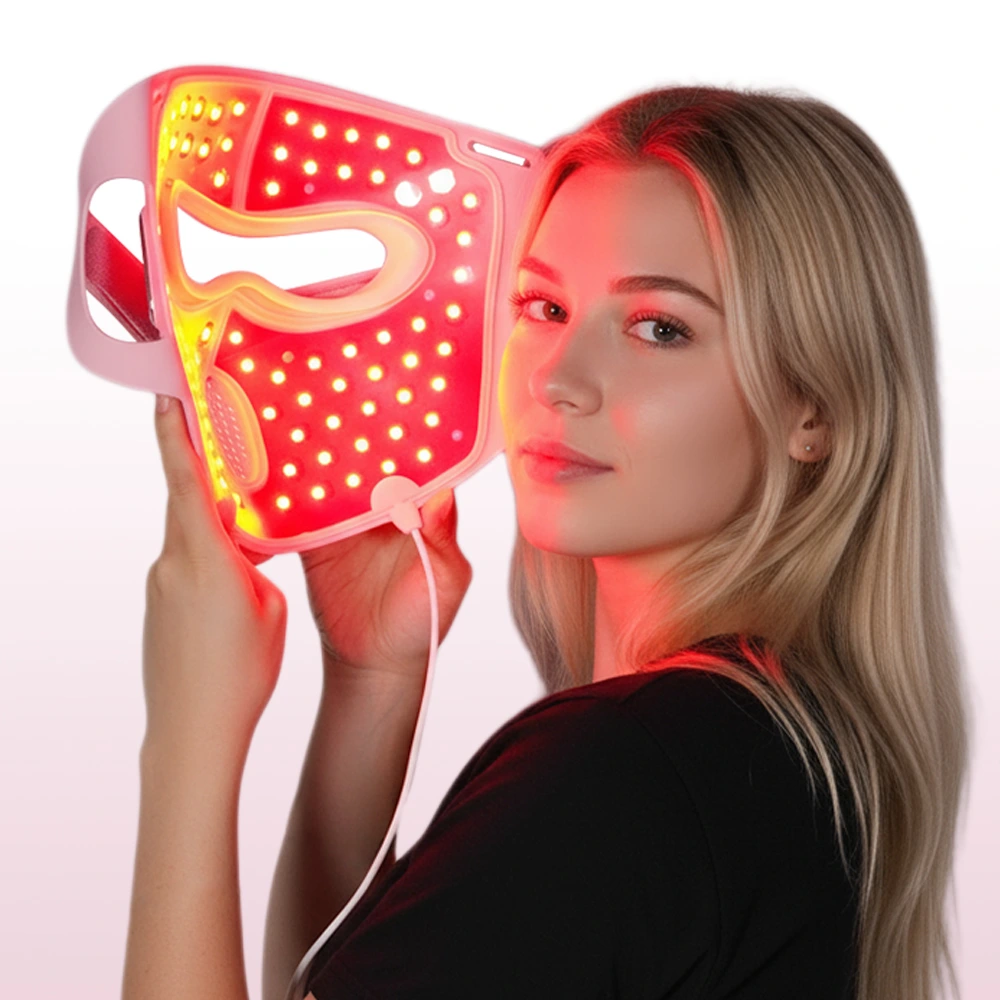
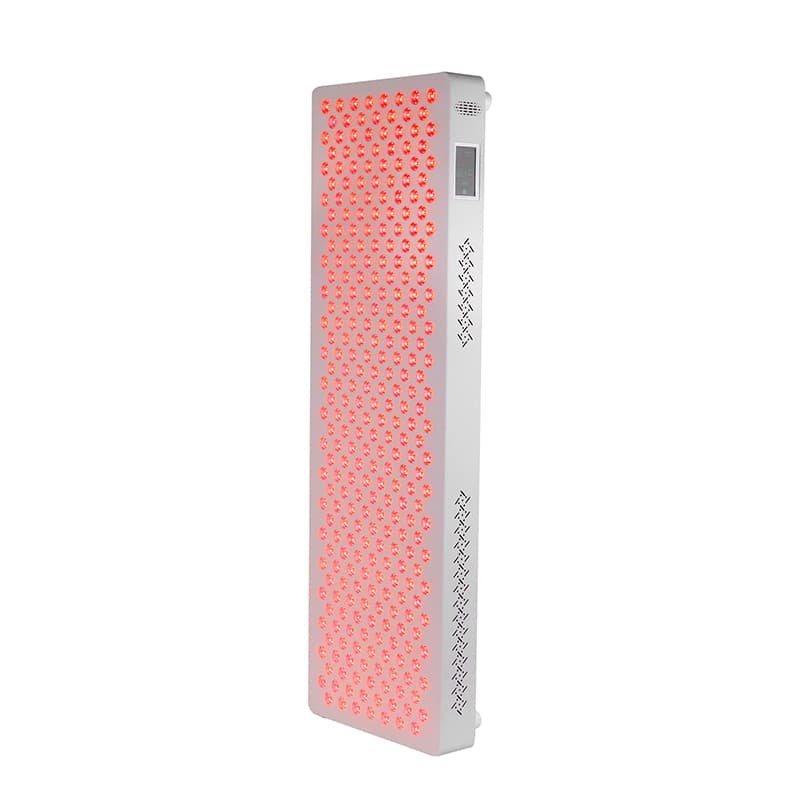
A flexible pad can reduce room footprint in one setup but add positioning and cleaning steps in another. A panel can simplify non-contact use but require more space and a documented positioning method. A mask can make the target area obvious while creating more fit and shared-contact questions.
If two formats remain plausible, keep both in the sample round.
What if the sample needs a curved or unusual position?
Request a dimensioned setup drawing and the support specification before treating “flexible” as a fit confirmation. Use these fields in the supplier discussion:
| Setup detail | What to establish before ordering |
|---|---|
| Space and clearance | Target width or diameter, height, surrounding obstructions and access openings; distinguish the overall envelope from the surface the device must curve around |
| Permitted bend | Manufacturer-specified minimum bend radius, allowed bend direction and restrictions on repeated flexing; do not derive these from a product photo |
| Shape retention | Which stand, frame or supports hold the position, whether they are included, and whether the assembly remains stable with its cables connected |
| Emitting area | Dimensions of the active light-emitting region, separately from the full pad or housing dimensions; coverage at the target needs its own assessment |
For example, a fixture’s widest dimension may include a handle or connector. That width tells you about clearance, but it is not necessarily the diameter around which a pad must bend. Agree on the geometry first; a different support or orientation may change the candidate configuration.
If the intended setup is outside the manufacturer’s documented use, pause the clinical purchasing decision for technical, clinical and regulatory review. Ordering a sample for a defined non-patient fit check is a different decision from accepting that setup for patient care.
How Do You Calculate the Real Appointment Cycle?
Measure the complete cycle in the intended room; do not use the programmed light time as the appointment-capacity number.
Record these stages during the sample evaluation:
| Cycle stage | What to time or observe |
|---|---|
| Prepare | Retrieve the device and accessories, inspect it, connect power or confirm charge, and prepare any permitted barriers |
| Position | Adjust the stand, mask, arch, strap or pad; route cables; confirm the correct area and device orientation |
| Operate and monitor | Select the approved mode, intensity and timer; confirm the display or indicators; record what staff must check during operation and how they respond to discomfort, a connection loss or another fault state |
| Clean | Follow the exact-device instructions, compatible-product list, required contact time and component-specific process |
| Reset | Return controls to the approved state, inspect accessories and prepare the device for the next appointment |
| Store or recharge | Place the device in its assigned location, manage cables and accessories, and restore the required power state |
Use the observed result—not a supplier estimate—to calculate capacity:
Single-device, single-room elapsed cycle = prepare + position + operate/monitor + clean + reset + any storage or recharge step that blocks the next use
Non-overlapping theoretical upper limit = available room minutes ÷ single-room elapsed cycle, rounded down
Use that shortcut only for one device in one room when the cycles do not overlap and every stage uses the same elapsed-time basis. If cleaning, charging or staff activity can occur in parallel, record three clocks separately: device-occupied time, room-occupied time and staff hands-on time. The real bottleneck—not one division formula—sets the operational limit. None of these calculations establishes treatment frequency, clinical suitability or expected revenue. Your approved protocol, staff policy and local requirements may add steps or limit scheduling further.
For a multi-room plan, decide whether each room needs independent controls. Do not assume that a controller’s multi-device pairing feature provides either synchronized operation or independent room control. Treat it as a workflow candidate only after the exact controller documentation and sample confirm device identification, start/stop behavior, timer and mode logic, reconnection and fault isolation. Test wrong-unit selection and staff handoff before treating “multi-device control” as an operational advantage.
Can the Device Be Cleaned Between Clients?
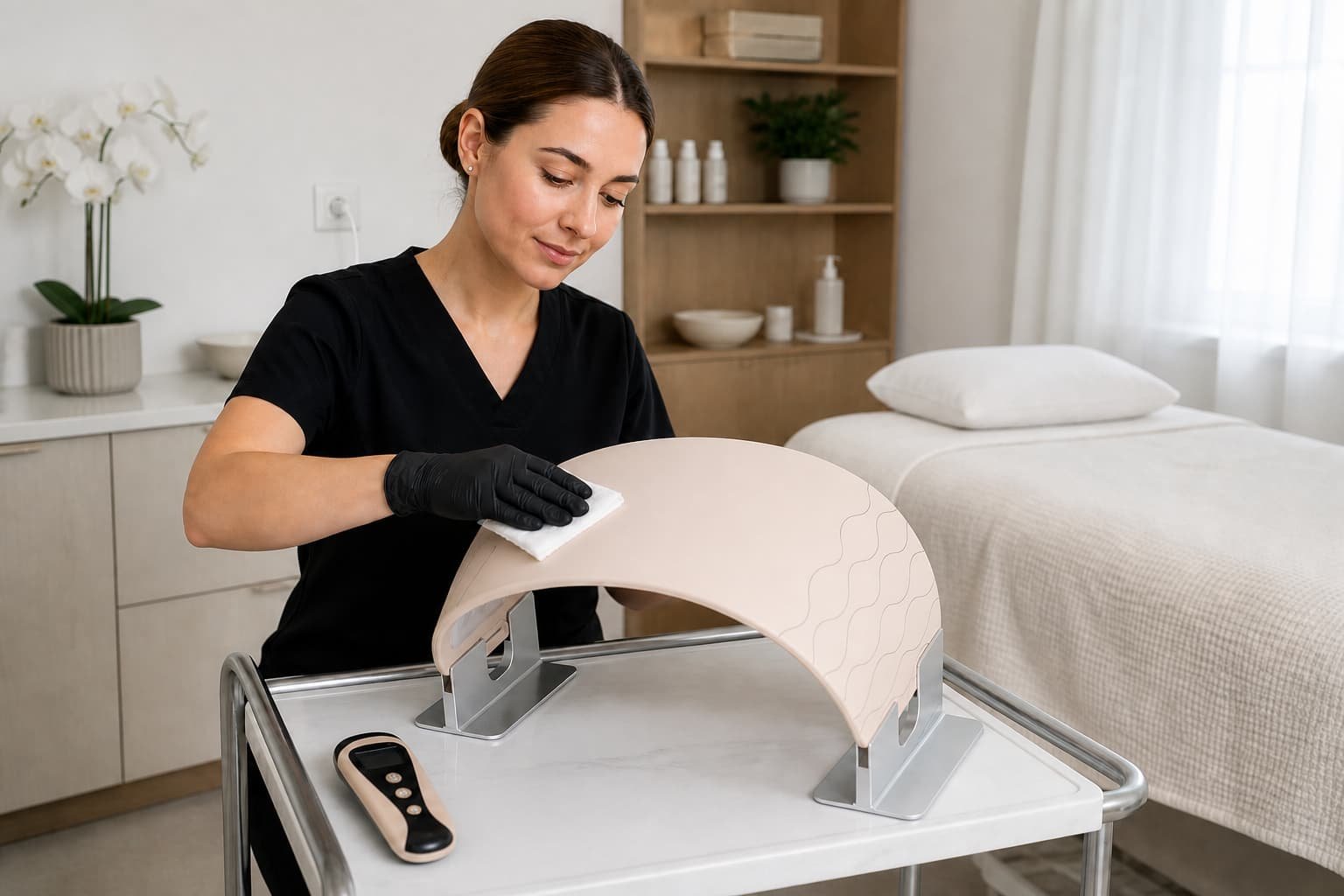
Do not approve a shared-use LED device from the phrase “wipe clean.” Ask for a written, material-compatible process for every client-contact component.
For healthcare and patient-care settings, the CDC’s environmental-cleaning guidance advises buyers to select equipment that can be cleaned and disinfected, obtain detailed manufacturer instructions, define staff responsibility and train the people who perform the process. It also recommends obtaining a list of compatible cleaning and disinfectant products from the manufacturer. Those healthcare recommendations should not be treated as a universal salon law, but they show why cleanability is a purchasing decision rather than an afterthought.
Ask the supplier to identify:
- which surfaces contact the client;
- which parts are removable, washable, disposable or not intended to get wet;
- the permitted cleaner or disinfectant categories and prohibited chemicals;
- application method, wet contact time and any required rinse or drying step;
- whether straps, cushions, liners, goggles, cables and controllers follow different processes;
- how repeated cleaning affects silicone, adhesives, coatings, printed labels and optical surfaces;
- what inspection result requires an accessory or device to be replaced.
Then compare the written process with the rules that apply to your facility and location. A medical or outpatient environment may need a different infection-control review from a beauty salon. In either case, do not improvise a stronger chemical or immersion process that the device instructions do not support.
A useful sample test includes the complete cleaning and drying cycle. If the device is technically cleanable but cannot be reprocessed reliably within your staffing and appointment plan, it is still a poor workflow fit.
Which Optical Specifications and Safety Files Should You Compare?
Compare evidence packages, not isolated numbers. Wavelength, irradiance, photobiological safety and electrical safety answer different questions.
Wavelength report
Request a measured spectrum or wavelength report for the final source configuration and operating modes. It should identify the exact model, sample or serial reference, active mode, instrument, measurement setup, peak values or bands, and relevant tolerances. A list of nominal component wavelengths does not show what the finished device emits under every mode.
Irradiance report
NIST describes irradiance as radiant power incident per unit area. A value in mW/cm² therefore needs a measurement context before it can be compared. Ask for:
- exact model and source configuration;
- active mode and intensity setting;
- measurement plane and distance;
- instrument and calibration status;
- number and location of test points;
- center, minimum, maximum or average values, with the averaging method clearly identified;
- warm-up, power and environmental conditions where relevant.
Do not convert a surface measurement into an operating-distance value or a clinical dose. Do not rank two products when one number is measured at the emitting surface and the other is measured at a user position.
For a curved setup, ask whether the report covers that shape, support and measurement position. A flat-device report leaves a verification gap if your decision depends on output in another arrangement. If a cover or other material sits between the light and the target, request relevant measurements rather than assuming that the original reading applies beyond it.
Temperature-rise records
Request the tested configuration, mode, intensity, duration, ambient conditions, sensor locations, starting temperatures and temperature changes over time. Match each reading to its sensor location: a housing-temperature result cannot stand in for a target-temperature measurement. Have the responsible team assess whether the report conditions represent the intended setup and define any further testing needed.
Photobiological safety
IEC 62471 provides a framework for evaluating photobiological hazards from electrically powered incoherent broadband optical sources, including LEDs but excluding lasers. An IEC 62471 report can support an optical-safety review when the exact model, configuration, operating conditions and report scope match. It does not prove clinical efficacy, wavelength accuracy, output uniformity or an appropriate service protocol.
Electrical and market evidence
The current consolidated edition, IEC 60601-1:2005+AMD1:2012+AMD2:2020, addresses basic safety and essential performance for medical electrical equipment. It is not a blanket badge for every powered salon product, and some medical electrical equipment also needs applicable collateral or particular standards. A beauty/wellness electrical device may follow a different market-conformity and electrical-safety route.
Before accepting a report or certificate, match the company, model, adapter, controller, accessories, source configuration, intended use, standard edition and target market. Use Wakelife’s LED Therapy Device Certification Guide for the full market-authorization, QMS, electrical-safety and product-testing evidence map. For optical-report details, continue with the IEC 62471, irradiance and wavelength report guide.
Can Staff Operate the Exact Sample Consistently?
A professional device should pass a staff-use test, not just a product demonstration led by the supplier.
Give the draft operating procedure and exact sample to more than one intended operator. Observe whether each person can:
- identify the correct device and accessory set;
- position it in the same defined way;
- select the approved mode, intensity and timer;
- read the operating state without guessing;
- prevent cables, stands or straps from disrupting the room workflow;
- recognize a connection loss, power interruption or incorrect setting;
- stop and reset the device according to the procedure;
- complete cleaning, inspection and storage without undocumented shortcuts.
Record where operators diverge. If the same error appears repeatedly, decide whether it is a training problem, an instruction problem or a product-interface problem. Do not solve a weak control design by assuming every future staff member will remember an unwritten workaround.
For connected or multi-unit devices, test pairing, device identification, reconnection and recovery after power loss. Also ask which controller, firmware and user-interface changes are frozen for production. A sample that behaves correctly is not enough if the mass-production configuration is not defined.
What Documentation Should a Salon or Clinic Request Before Ordering?
Request one matched document pack for the exact configuration—not a folder of unrelated logos and certificates.
At minimum, the pre-order review should cover:
| Evidence layer | What to request | What it should not be mistaken for |
|---|---|---|
| Product identity | Model, hardware and firmware version, source configuration, controller, adapter and accessories | A catalog family name does not prove every configuration is the same |
| Intended use and claims | Label, IFU, warnings, contraindications, user group and planned marketing language | Professional use does not automatically mean medical authorization |
| Optical evidence | Wavelength/spectrum, irradiance method and photobiological-safety report where applicable | A wavelength list or one mW/cm² value is not clinical evidence |
| Electrical/EMC evidence | Applicable standard, report/certificate number, tested model, adapter and configuration | An electrical or EMC report is not market authorization or efficacy evidence |
| Market evidence | Applicable registration, listing, clearance, license, conformity or responsible-party records | One market record does not authorize every model, claim or country |
| Quality and production | Applicable quality-system scope, approved specification, incoming/in-process/final checks and order records | Factory or system evidence is not a product-level test result or market authorization |
| Cleaning and service | Compatible-agent instructions, replacement parts, warranty scope, fault handling and service responsibilities | “Easy to clean” or “one-year warranty” is not a complete operating plan |
Include eye protection in the accessory review. Ask the supplier to identify the exact device’s requirements for clients and operators, the specified protective accessories and whether they are included in the sample price. For any supplied eyewear, confirm whether it is single-user or shareable, its cleaning instructions and replacement criteria. Record these answers alongside the device instructions before approving the accessory set.
If your public language may move from beauty or wellness into acne, pain, wound, treatment or other medical territory, stop and review the intended use and evidence path before approving packaging, service menus or advertising. The LED Beauty Device Claims Guide explains how wording changes the verification task.
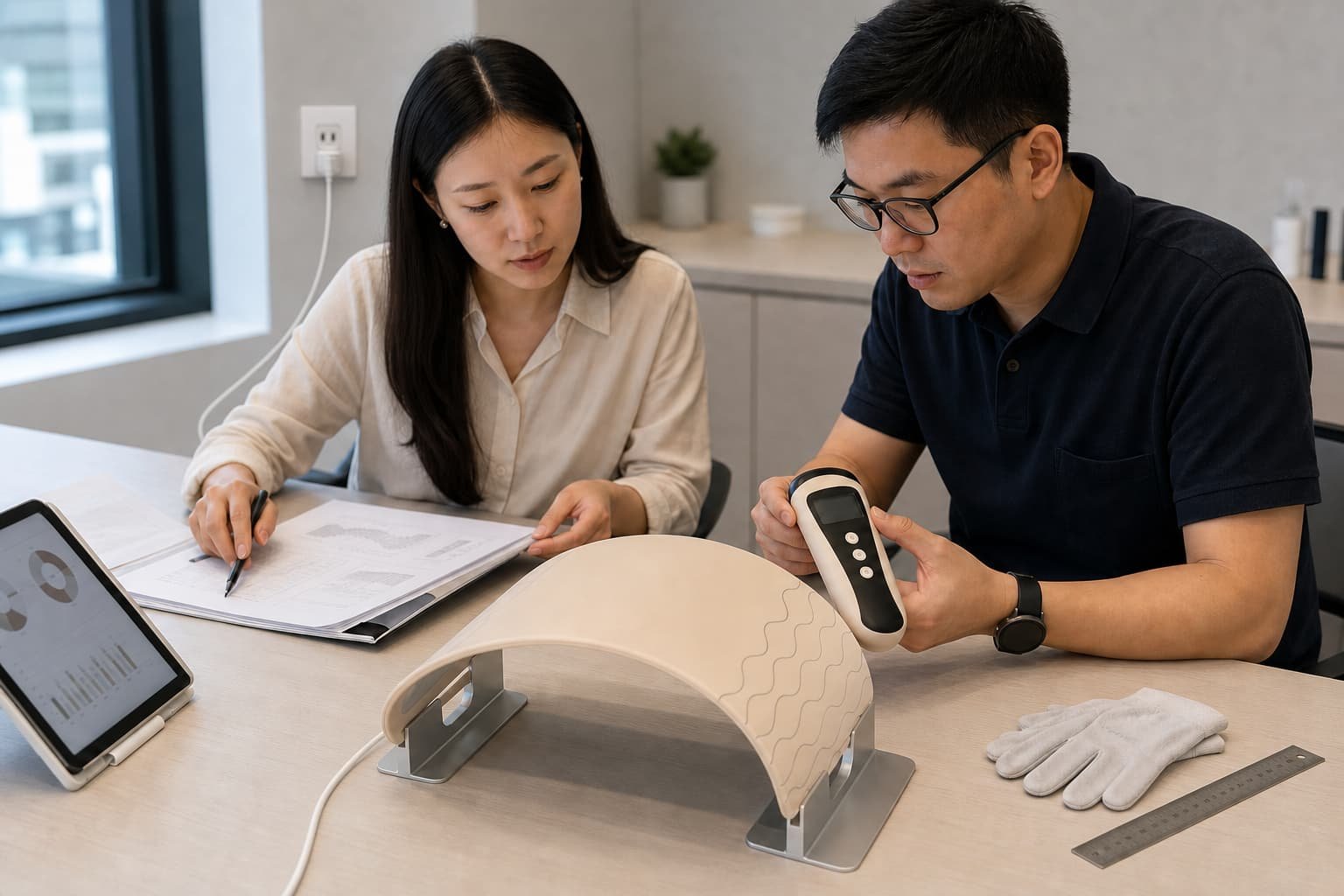
When Does a Flexible LED Pad Belong on the Shortlist?
A flexible pad belongs on the shortlist when bendable positioning, localized use and compact storage fit the service brief—but only if the exact sample passes positioning, cleaning and control tests.
Wakelife’s current flexible multi-wavelength LED category uses the market term “PDT LED light photon therapy machine” for non-drug LED beauty and wellness devices, not medical photodynamic therapy systems.
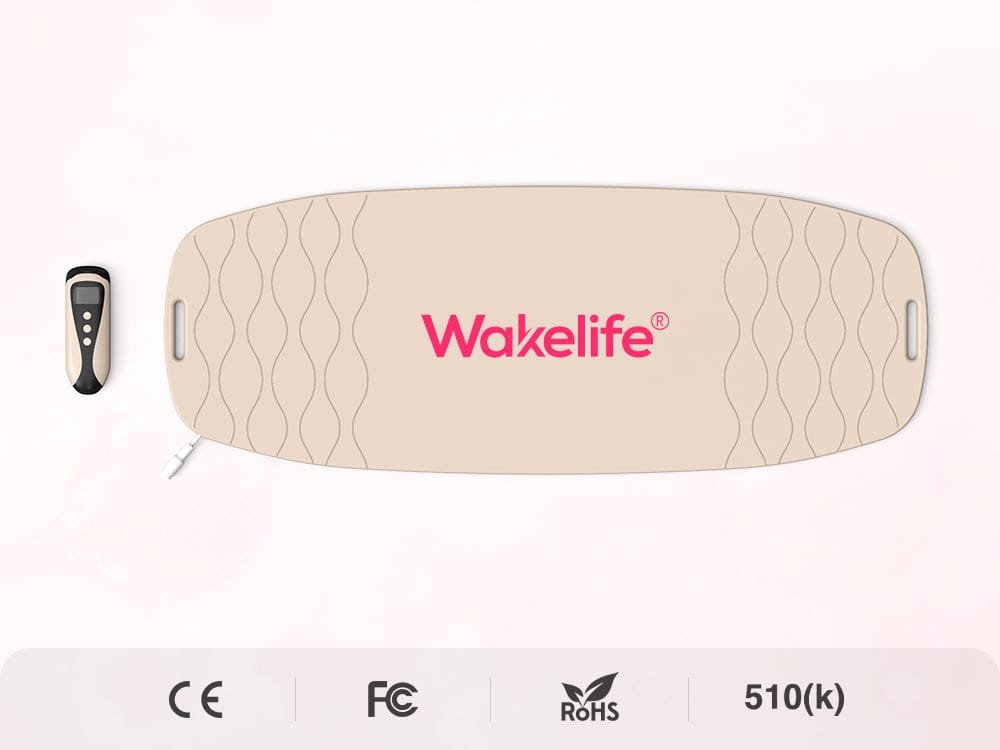
The G240 facts below were rechecked on August 31, 2026; confirm the current quotation and sample because configurations can change. The featured G240 platform can be positioned in an arch or around selected body areas. It has four confirmed combination modes using 415, 590, 633 and 850 nm, with adjustable intensity and timer settings. A separate 12 V / 5 A adapter powers the main unit from a wall outlet. Its wireless Bluetooth controller can operate up to 12 paired G240 units; the controller’s charging cable is not an operating connection to the main unit.
Request the exact mode mapping and use the staff-operation checklist to test pairing, device identification and recovery. Multi-unit pairing does not establish synchronized operation, independent room control or appointment capacity.
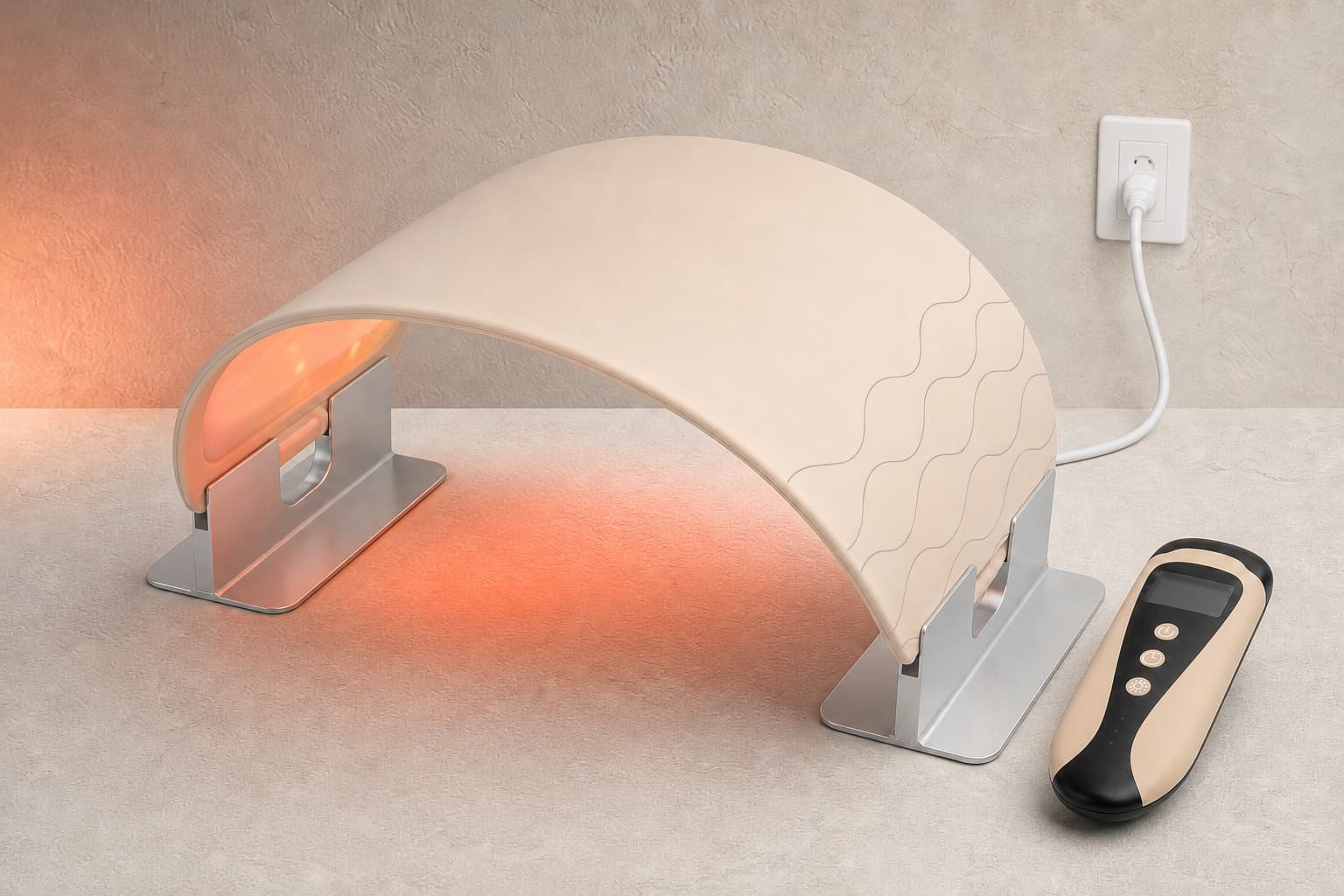
The NFY-2030, NFY-3040 and NFY-3060 series provides additional flexible sizes. If size is the reason for considering NFY, request the exact model, controller details, configuration and applicable documents rather than treating the three models as one specification.
For an unusual G240 arrangement, request the permitted bend radius, active emitting dimensions, support drawing and relevant optical and temperature records. The platform features above do not establish those setup-specific results or clinical suitability.
A flexible platform is a weak first choice when the service requires a broad non-contact field, a fixed working distance with minimal repositioning, or a cleaning protocol the material and construction cannot support. In those cases, compare a panel or another format instead of forcing the category to fit.
What Should Go Into the RFQ and Sample Request?
Send the supplier the service brief you used to make the shortlist. A useful first request contains:
- Target country or market.
- Facility type: salon, aesthetic clinic, medical clinic, wellness studio or another setting.
- Planned service and public claims, written without placeholder medical promises.
- Intended operator and whether the device will be shared.
- Target area and preferred positioning: wearable, flexible/contact, arched or non-contact.
- Room count, expected independent or synchronized controls, and power constraints.
- Required cleaning/disinfection process and prohibited materials or agents.
- Requested optical, safety, electrical, market and quality documents.
- Branding, packaging, manual, plug, UI or engineering changes.
- Sample quantity, estimated production quantity and target launch date.
Ask the supplier to identify which facts are standard-platform facts, which are options, which require engineering review and which documents would need re-testing after customization. That answer is more useful than a fast quotation built around an undefined “professional machine.”
Compare the complete sample offer
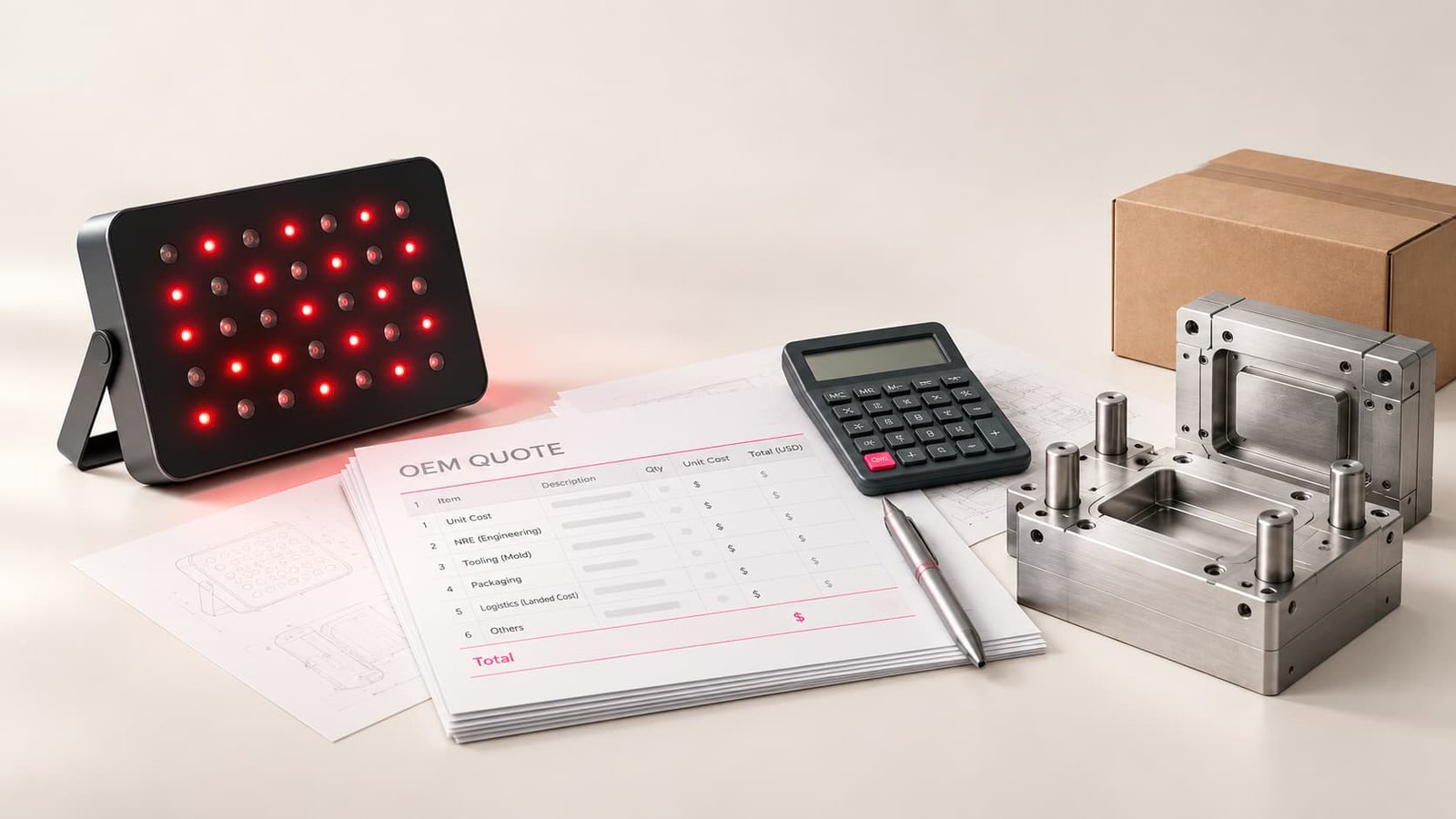
Before comparing totals, check that each offer identifies the same unit, controller, local power adapter, supports, cables, manuals and packaging. Ask for the delivery location and postal code to be recorded, with shipping, taxes or duties, exclusions, quotation validity, availability and lead time stated. Confirm the warranty’s covered configuration, exclusions and responsibility for return shipping. A lower unit price may leave a necessary support or delivery charge outside the comparison.
For each requirement, record confirmed, missing evidence or does not meet the requirement, with the document or observation behind the result. A missing item needs an owner and next action. Purchase a sample when the evaluation question, supplied configuration and unresolved items are explicit; do not record “ready for clinical use” merely because the package is complete or the hardware fits.
Make the Sample Decision
The best professional LED light therapy machine is the exact device your team can position, operate, clean, document and support consistently within the intended service.
Start with the service brief. Shortlist the form factor. Measure the full appointment cycle. Test the sample with multiple operators. Match every report to the exact configuration, market and claim scope. Only then should price, branding and production quantity decide between the remaining candidates.
If a flexible LED platform matches that brief, review the Wakelife PDT LED category and send the target market, service setting, positioning requirement, sample needs and required documents with your inquiry.
References
-
1
U.S. Food and Drug Administration. How to Determine if Your Product is a Medical Device
-
2
U.S. Food and Drug Administration. General Wellness: Policy for Low Risk Devices, Final Guidance, January 2026
- 3
-
4
International Electrotechnical Commission. IEC 62471:2006, Photobiological safety of lamps and lamp systems
-
5
International Electrotechnical Commission. IEC 60601-1:2005+AMD1:2012+AMD2:2020, Medical electrical equipment—Part 1: General requirements for basic safety and essential performance
-
6
U.S. Centers for Disease Control and Prevention. Environmental Cleaning Procedures—guidance for global healthcare facilities with limited resources
-
7
National Institute of Standards and Technology. Radiometry and Photometry: Review for Vision Optics
-
8
U.S. Centers for Disease Control and Prevention. Recommendations for Disinfection and Sterilization in Healthcare Facilities, sections 2 and 11
-
9
Wakelife. Flexible LED platform and supplier information — manufacturer information, not independent clinical evidence; confirm the current model specifications and instructions for the supplied sample.