How Light Attenuation Affects LED Light Therapy Masks
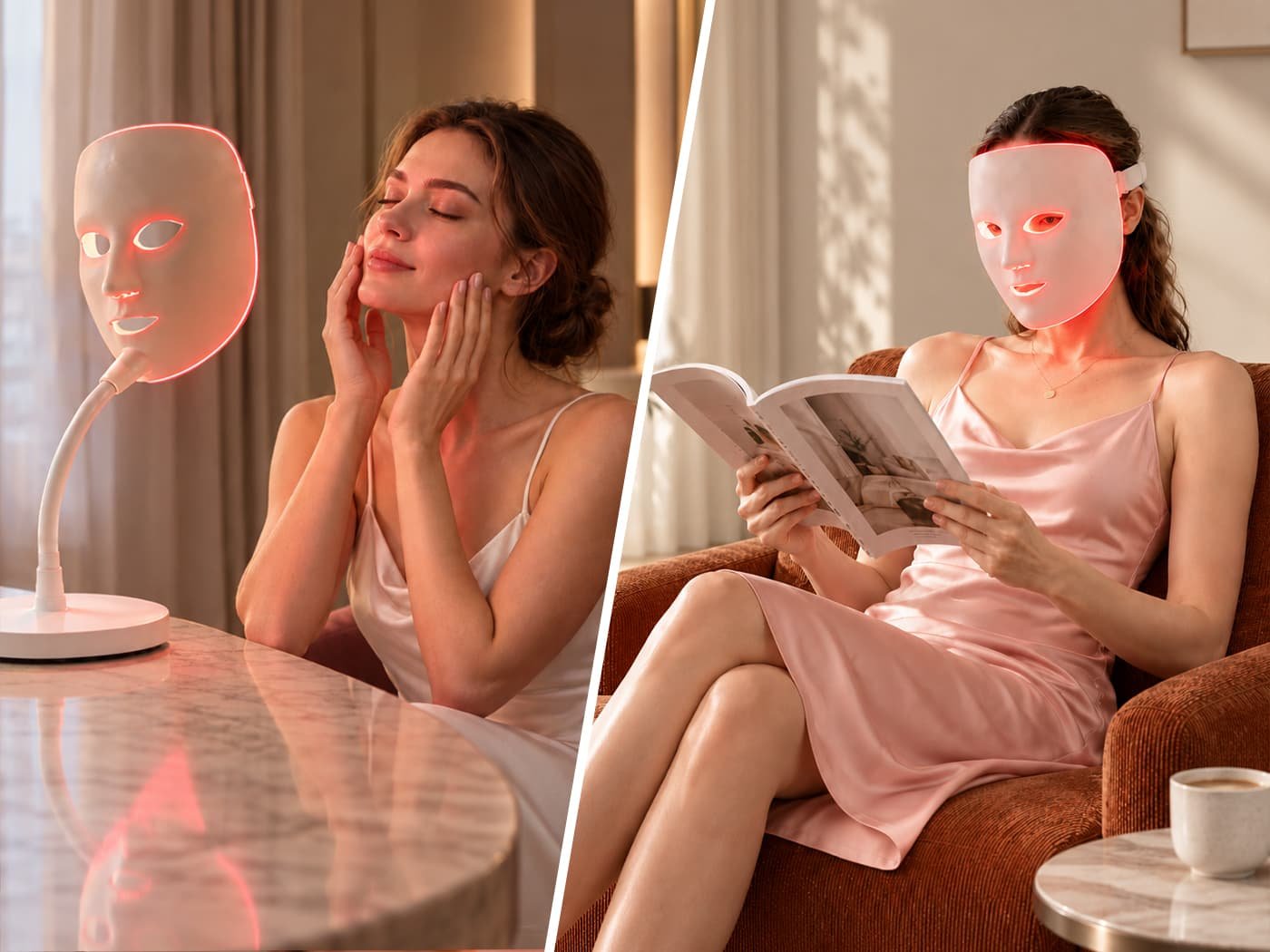
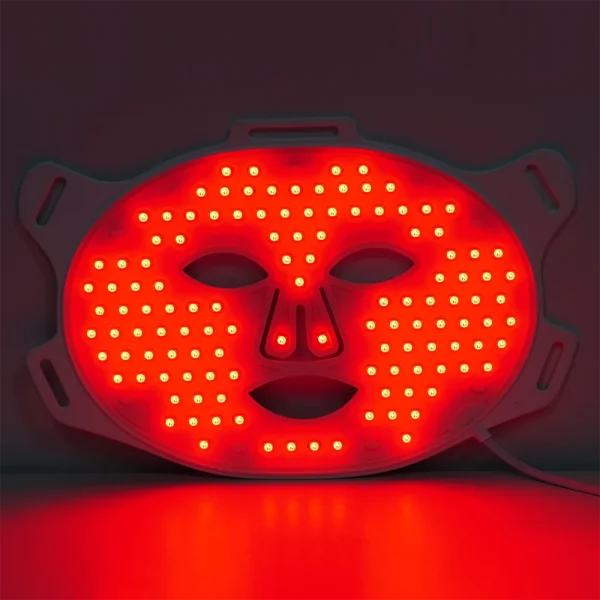
LED light therapy masks have become a popular skincare technology in recent years. By delivering specific wavelengths of red and near-infrared light to the skin, they stimulate collagen production and promote cellular repair. However, many users notice that the effects diminish over time — a phenomenon closely related to light attenuation.
Light attenuation not only reduces the brightness of the LEDs but also directly impacts the mask’s therapeutic energy and overall performance. This article explains what light attenuation is, how it affects LED therapy results, and how both suppliers and consumers can evaluate and optimize this key parameter.
What Is Light Attenuation?
Light attenuation refers to the decrease in LED output — brightness or irradiance — compared to its original level after extended use. It reflects the natural aging and degradation of the LED light source.
The main causes of attenuation include:
Chip quality and packaging – Poor chip manufacturing or sealing leads to faster degradation.
Insufficient heat dissipation – High operating temperatures accelerate LED aging.
Overdriving current – Running LEDs at excessive power for long periods increases internal junction temperature.
Material aging – Components such as the light cover or diffuser gradually lose transparency, reducing emitted light.
How Light Attenuation Affects Light Therapy Performance
The effectiveness of LED therapy devices depends on stable energy output. Once light attenuation occurs, therapeutic performance declines:
Reduced Effective Energy
As irradiance drops, the skin receives less energy. For example, if a mask’s irradiance falls from 10 mW/cm² to 5 mW/cm², its therapeutic efficiency is effectively halved.
Wavelength Shift
Aging LEDs can experience wavelength drift, causing red or near-infrared light to shift away from the target absorption peak (e.g., 630 nm or 850 nm), reducing biological efficacy.
Longer Treatment Times
Users must extend treatment duration to achieve the same energy dose, lowering overall efficiency.
Uneven Illumination
Non-uniform attenuation among LED beads leads to patchy brightness, affecting treatment consistency and skin coverage.
Key Technical Factors That Influence Attenuation
LED Quality – Medical-grade LEDs typically exhibit less than 5% attenuation after 1,000 hours.
Thermal Design – Metal heat sinks or graphene backplates improve thermal management and prolong LED lifespan.
Driver Stability – Constant-current drivers and smart temperature control prevent overdriving damage.
Optical Materials – High-quality PC or PMMA covers provide superior UV resistance and aging stability.
How Suppliers Detect and Optimize Light Attenuation in LED Masks
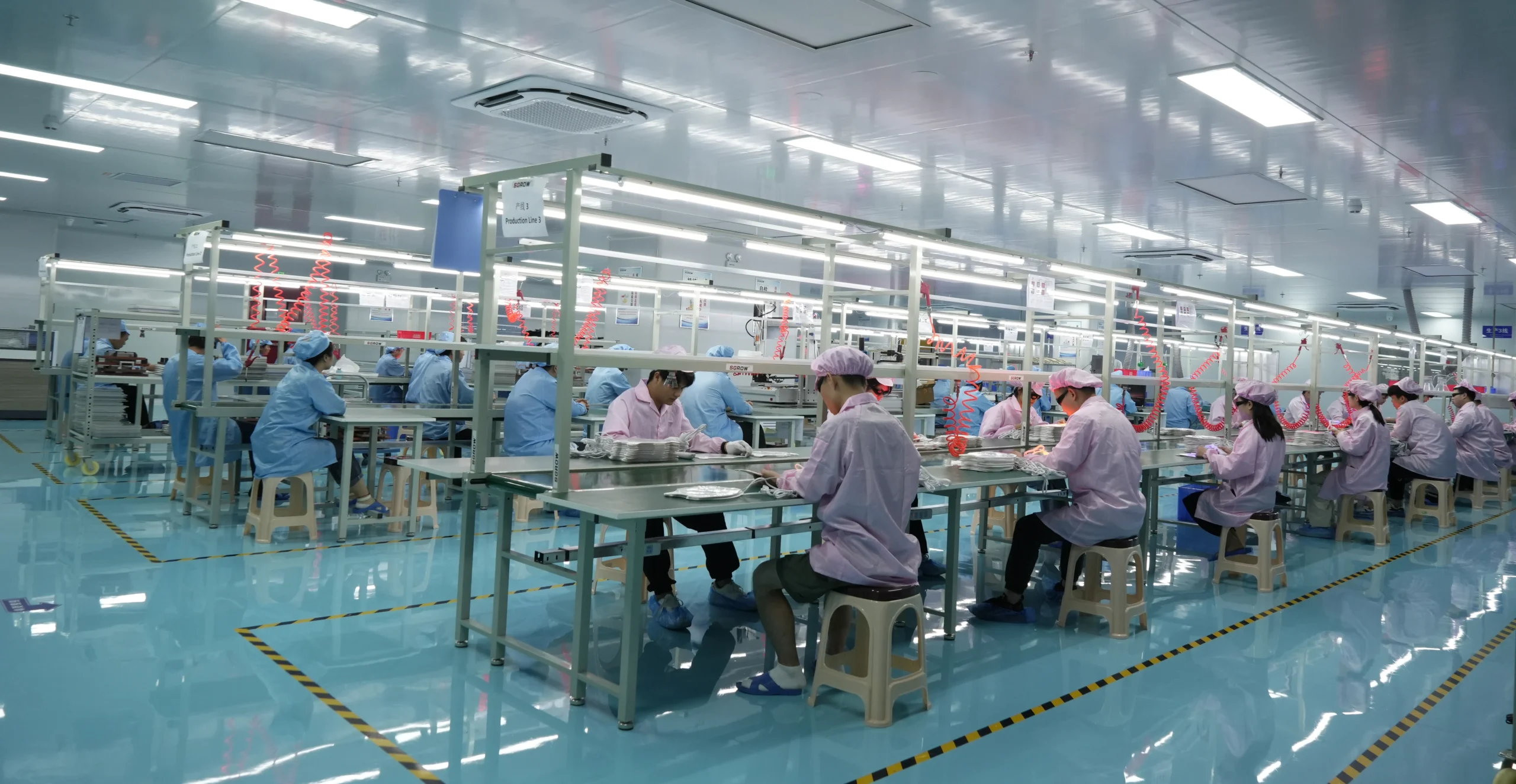
Light attenuation impacts not only user experience but also brand reputation and after-sales costs. For manufacturers and suppliers, systematic testing and control of attenuation are essential for ensuring stable product performance.
Establish Standardized Testing Procedures
Conduct aging tests (typically 500–1000 hours) under simulated long-term usage conditions.
Use integrating sphere spectrometers to measure luminous flux, wavelength, and irradiance, then calculate attenuation rates.
Perform batch sampling to ensure attenuation remains within the acceptable range (e.g., ≤5%/1000h).
Use High-Precision Irradiance Measurements
Employ irradiance or optical power meters under constant temperature conditions to compare energy density (mW/cm²) before and after testing.
Optimize Heat Dissipation
Utilize materials with high thermal conductivity such as aluminum alloy, copper, or graphene.
Implement even heat-spreading structures or active cooling systems to avoid hot spots.
Add temperature compensation or smart power regulation modules to maintain consistent output.
Improve Packaging and Materials
Choose high-transmittance, UV-resistant materials for mask covers to minimize transparency loss.
Use heat-resistant encapsulation adhesives to prevent oxidation or moisture-induced degradation.
Track Long-Term Usage Data
Collaborate with clinics or beauty centers to collect real-world performance data over 6–12 months and refine product design accordingly.
Consumer Selection and Maintenance Tips
Choose products that specify light attenuation ≤5% per 1,000 hours.
Prefer masks with metal heat sinks or built-in temperature control systems.
Avoid using the device in high-temperature or humid environments.
Periodically evaluate brightness and treatment effect, and replace the device when energy output noticeably declines.
Conclusion
Light attenuation is a crucial indicator of an LED light therapy mask’s stability and long-term performance. High-quality LEDs, efficient thermal management, and precise current control are the foundation for minimizing attenuation and maintaining consistent energy output.
For manufacturers, controlling attenuation means improved product lifespan and customer trust. For consumers, understanding and considering this parameter ensures lasting effectiveness and better return on investment.