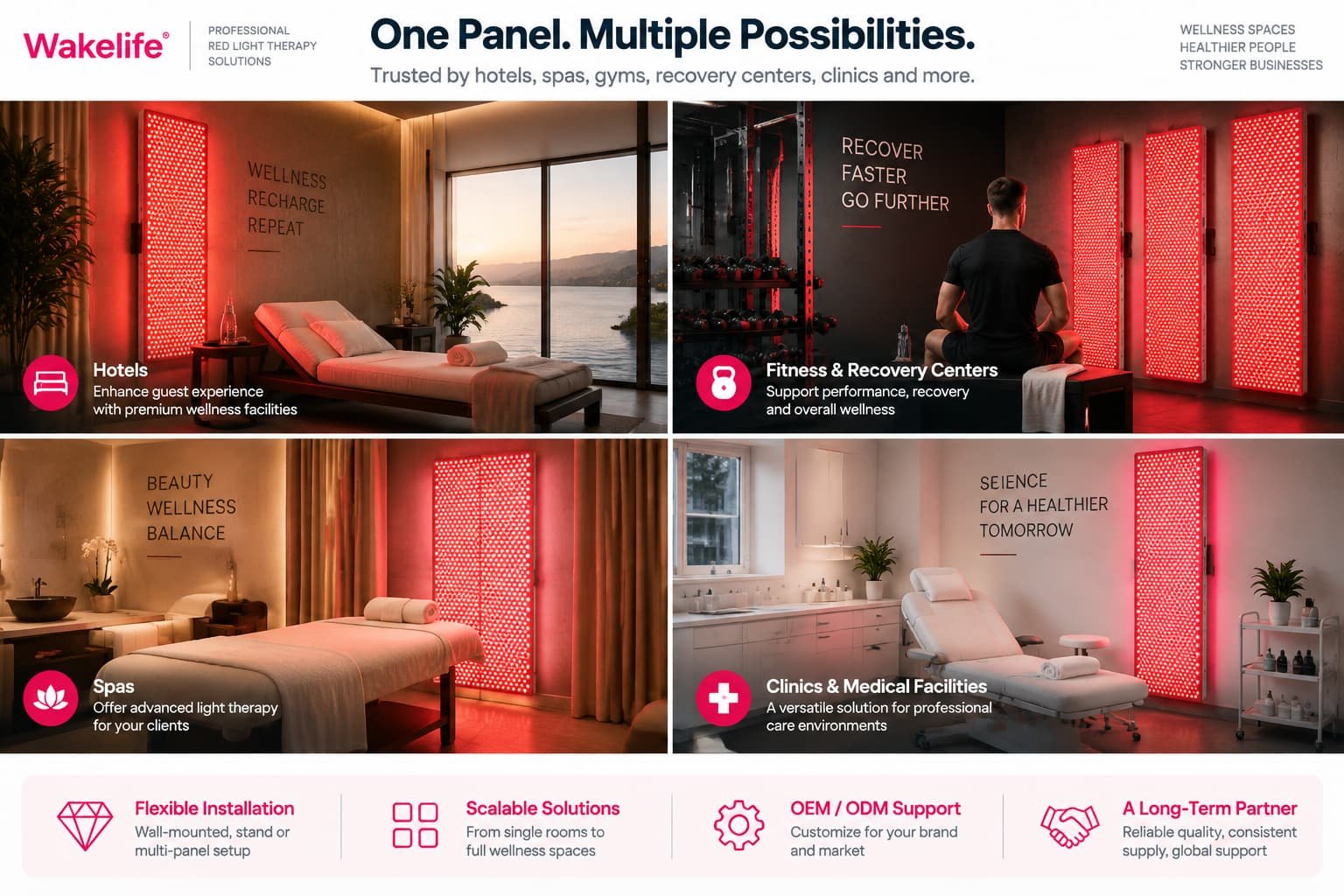
TL;DR (for buyers) BK900 is a half-body consumer UVB tanning & light-exposure panel — not a medical device. It does not diagnose, treat, cure, or prevent any disease. 180 LEDs. 9 wavelengths, UVA-free. 7 modes. Built under ISO 13485 + MDSAP in an FDA-registered facility. For brands that have already validated the UVB category and are ready to go premium — or for studios and wellness spaces that need half-body coverage with measurable output and honest compliance positioning.
1. Let’s Be Clear About What This Device Is — and Isn’t
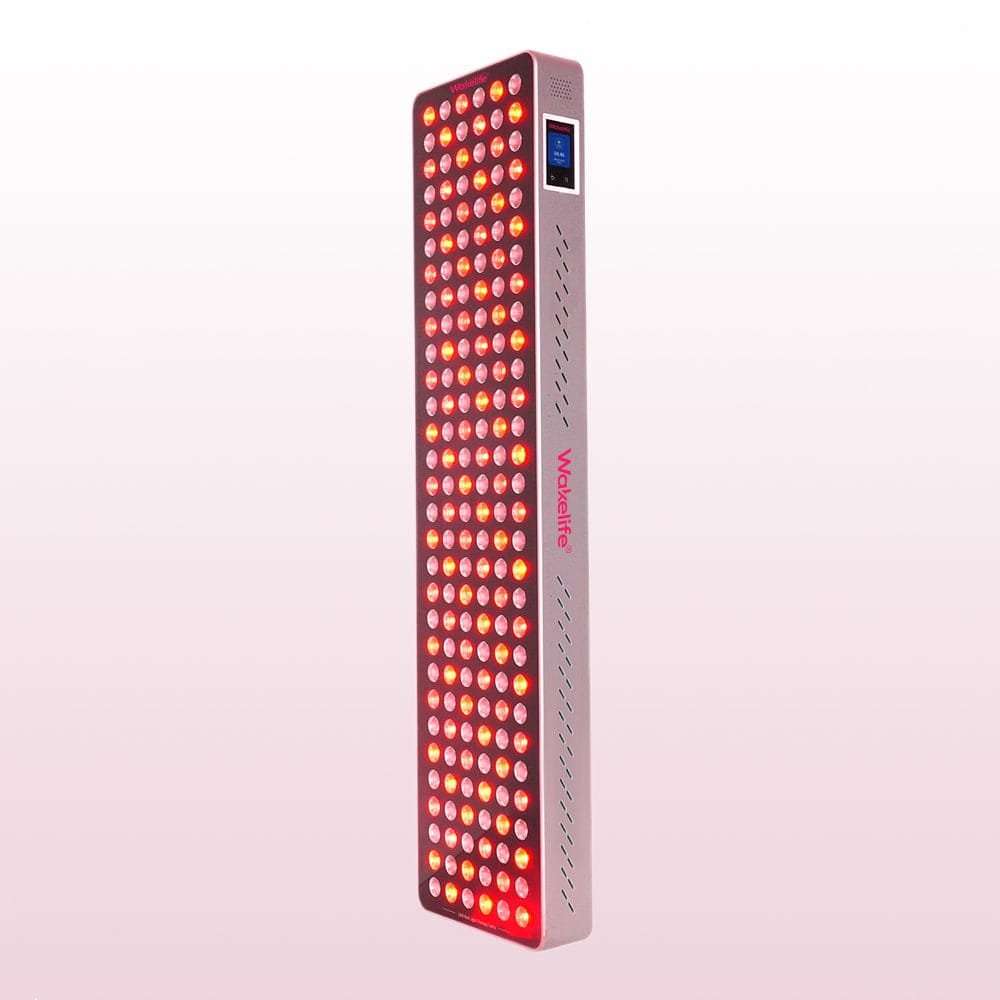
BK900 is a consumer-grade UVB tanning / light-exposure panel. It does not diagnose, treat, cure, or prevent any disease, and should never be marketed that way.
Its compliance status: the BK Series has passed CE, FCC, and RoHS testing, it’s manufactured under ISO 13485 + MDSAP systems in an FDA-registered facility, and BK900 is included in FDA device-listing information.
One distinction we won’t blur, and neither should you: a device listing is registration of the device with the FDA. It is not an FDA “clearance” or “approval.” The FDA itself is explicit on this point — see Device Registration and Listing and 510(k) Premarket Notification. Our facility holds a separate 510(k) clearance (K250830), but that clearance belongs to a specific LED face mask, not to BK900. You can verify this yourself in the FDA 510(k) database. We won’t let those two be conflated, and we recommend you keep them separate on your own pages too.
Why open with this? Because we’ve seen buyers paste an inflated spec sheet onto a DTC store and walk into a platform-compliance problem. We’d rather say one sentence less than have you carry the liability for our wording. Everything that follows assumes you’ve absorbed this distinction.
If you’re new to the UVB category entirely — and want the full picture on IARC Group 1 classification, 311nm clinical background, and the engineering-control philosophy — we cover it in depth in the BK300 write-up. Everything there applies to BK900 too. This page focuses on what’s different: power, coverage, and channel fit.
2. A Half-Body Panel That Stays Practical
When wellness brands evaluate a light-exposure panel for private-label production, two questions usually come first: Is it built to a real quality standard? and Does the spec sheet actually hold together? BK900 was designed with both in mind.
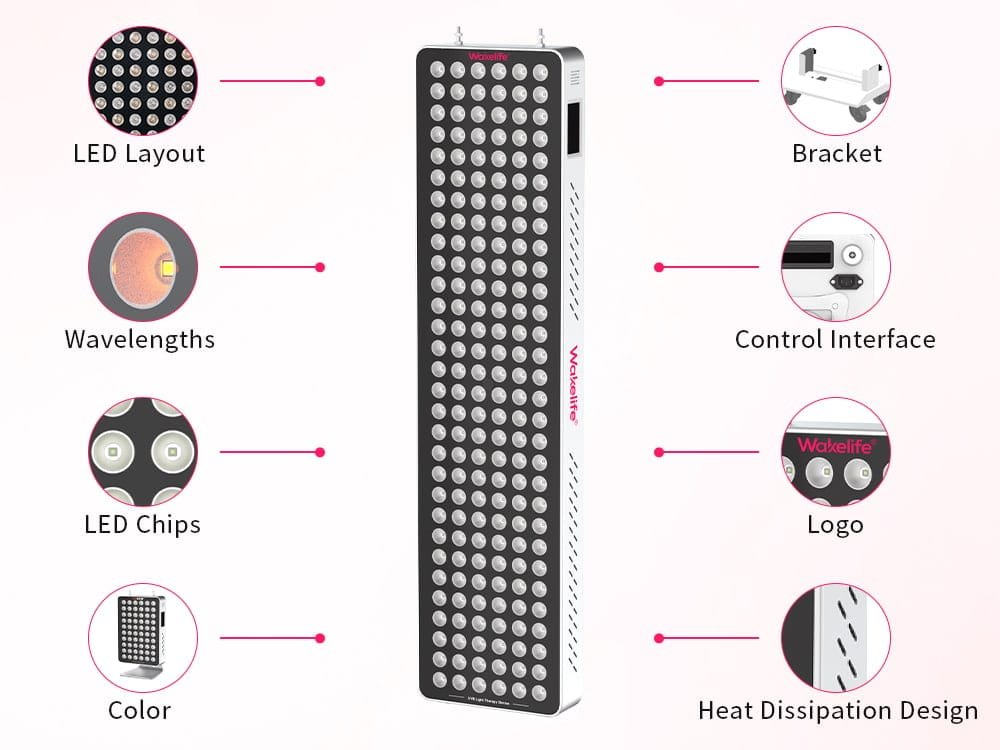
At 890 × 220 × 65 mm, the BK900 is built around half-body length coverage. The 890mm length lets users address the torso, back, or legs across a meaningful span, while the 220mm width keeps the panel lightweight, easy to mount, and simple to ship. The housing uses a cold-rolled steel front and back cover with an AL6063 aluminum frame — finished in bright anodized silver, with custom color options available for OEM partners.
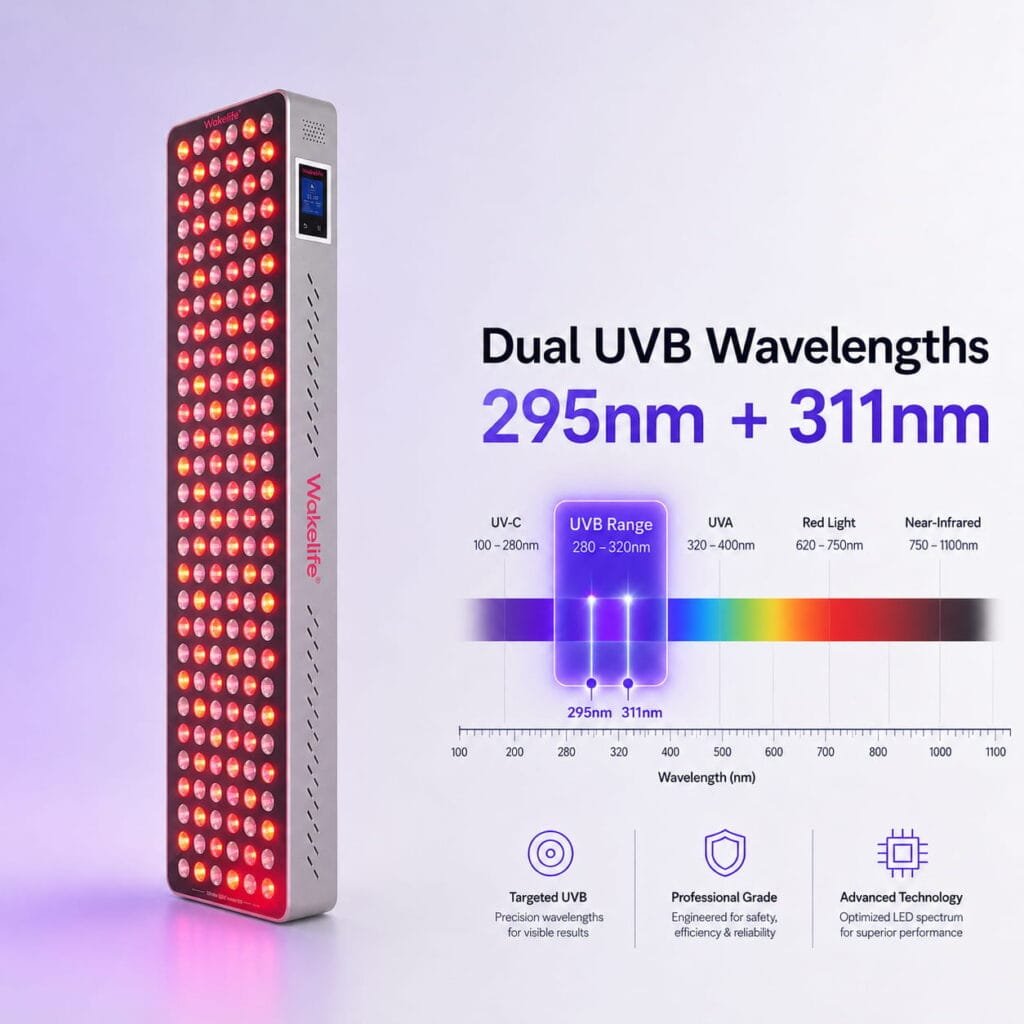
Behind the diffuser sit 180 SMD 3535 LEDs, combining three-color three-core chips alongside single-color single-core chips. This architecture allows the device to deliver nine distinct wavelengths from a single panel without sacrificing output density. Four light categories under one housing:
- UVB (295nm + 311nm) — tanning and UVB-exposure modes, governed by a built-in distance sensor
- Blue-Violet (415nm) — targeted skin-care routines
- Red (630nm + 660nm) — surface-level skin routines
- NIR & IR (810nm + 830nm + 850nm + 1060nm) — deeper, recovery-oriented routines
Output is fully adjustable: brightness runs 0–100%, pulse frequency 0–40Hz, and the built-in timer can be set from 5 to 20 minutes. All controlled through a 3.0″ TFT LCD touch screen. The panel accepts 100–240V AC at 50/60Hz and carries an IP20 protection rating.
3. You Earn the Right to Say “Controlled” Only After You’ve Been Honest About the Risk
Most panels avoid UVB because, uncontrolled, it burns — and chronic overexposure carries real skin-cancer risk. IARC (the WHO’s cancer research agency) classifies UV-emitting tanning devices as Group 1 carcinogens — the highest-risk category — documented in IARC Monographs Volume 100D: Radiation. The WHO’s UV radiation Q&A states this plainly for general audiences.
Our logic: risk isn’t removed by avoidance — it’s removed by engineering control. The line is always controlled vs. uncontrolled.
Here’s exactly how BK900 enforces it:
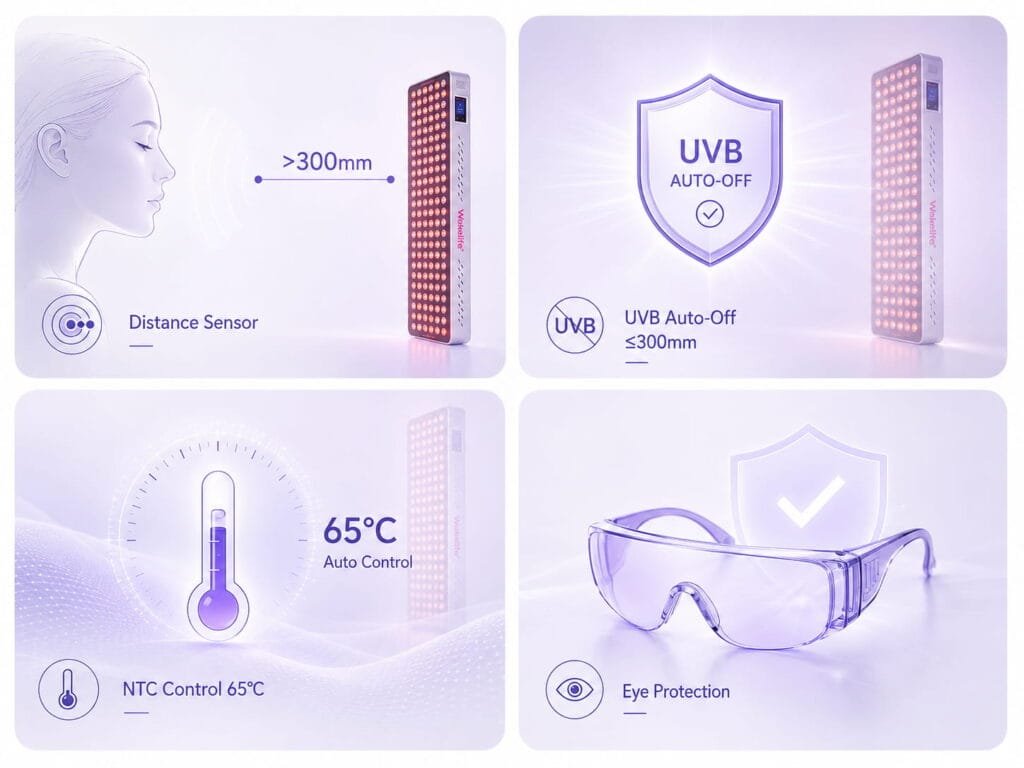
- Distance sensor + automatic UVB shut-off: UVB only activates when the user is positioned beyond 300mm (30cm). If the user moves within that threshold, the UVB channel physically cuts — not a warning light, a hard shut-off.
- NTC temperature control: above 65°C, the device automatically reduces power — before it becomes a safety event.
- Protective eyewear included — consistent with photobiological safety principles outlined in ICNIRP Guidelines on Limits of Exposure to Ultraviolet Radiation, the internationally recognized free-access reference for UV exposure limits. This requirement should be reinforced on packaging, in the user manual, and in any onboarding material a brand prepares for end users.
- Buzzer alert at unsafe working distance.
This is what “engineering carries the control — not the instruction manual” actually means.
4. 9 Wavelengths, UVA-Free
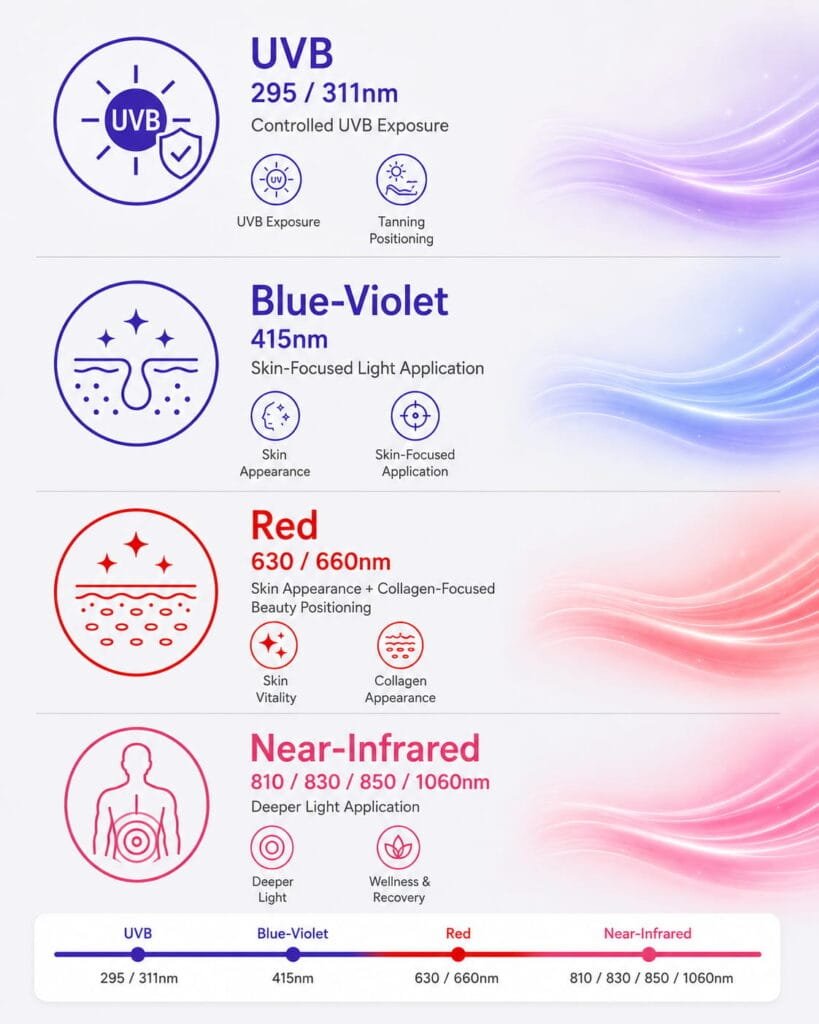
BK900’s spectrum: 295/311nm (UVB), 415nm (blue-violet), 630/660nm (red), 810/830/850/1060nm (NIR/IR). No UVA — the band most associated with photoaging and DNA damage, as detailed by the Skin Cancer Foundation’s UVA/UVB explainer. “UVB-driven, UVA-free” is a cleaner differentiator than traditional tanning beds. Don’t dilute it by implying UVA.
The wavelengths don’t change from BK300. What changes is which ones you lead with. On a premium half-body panel, tanning (UVB) and deep-tissue recovery (NIR) become the hero stories, not the supporting cast.
5. Seven Modes, One Display — With Names That Stay Honest
The BK900 offers seven selectable modes through its onboard 3.0″ TFT LCD touch screen. The display names are fixed on the device interface; what matters for compliance is the positioning language you use in your marketing. For M4 “Decrease” and M6 “Bone Health” in particular — names that can imply effects the device wasn’t cleared for — use the positioning language, not the display name.
M1 · Tanning — 630/660 + 810/830/850/1060 + 295/311nm
Positioning: “UVB tanning routine.” UV tanning mode, operates beyond the 300mm working distance threshold enforced by the distance sensor. Avoid: “safe tan, zero risk”
M2 · Skin Collagen — 630/660nm
Positioning: “Skin wellness routine.” Red-light skin-care routine. Avoid: “reverses aging”
M3 · Muscle Recovery — 810/830/850/1060nm
Positioning: “Recovery and body wellness routine.” NIR-dominant mode for post-activity routines. Avoid: “treats muscle injury”
M4 · Decrease — 630/660 + 295nm
Positioning: “Soothing light routine.” Low-intensity soothing mode. Avoid: “reduces inflammation”
M5 · Acne Care — 630/660 + 415nm
Positioning: “Blemish-prone skin care support.” Blue-violet (415nm) targeted light routine for skin care. Avoid: “treats acne”
M6 · Bone Health — 295/311nm
Positioning: “UVB light exposure routine.” UVB exposure mode, operates beyond 300mm working distance. Avoid: “supports bone health”
M7 · Custom — User-selected wavelengths, time, and pulse
Positioning: “Flexible OEM/ODM setting.” Operators can configure their own combination of output, pulse frequency, and timing — making the panel adaptable across different brand positioning and end-user routines.
6. Understanding the Irradiance Numbers — Honestly
Irradiance is where a lot of panels get vague. BK900’s figures are measured at fixed distances:
3 inch (~76mm): 160–180 mW/cm² 9 inch (~229mm): 60–80 mW/cm² 12 inch (~305mm): 60–80 mW/cm²
Three things you need to know to read these numbers correctly:
First, the 3-inch figure is a measurement reference — not a UVB-use recommendation. Because the distance sensor cuts UVB at ≤300mm, real UVB exposure happens at the 30cm+ range — i.e., the 60–80 mW/cm² zone. If your marketing implies “stand 3 inches away for maximum power,” that contradicts the device’s own safety logic. Tell your end users the safe-use distance, and the dosimetry stays honest.
Second, the higher output at measurement distance still reflects a real engineering difference vs. BK300. BK900’s 180-LED array and larger surface area mean more photons delivered across a half-body zone at safe working distance. For a brand owner, this supports premium pricing with data — it’s the difference between “our panel is powerful” and “our panel delivers 60–80 mW/cm² at working distance — here’s the measurement.”
Third, UVB output is not included in the irradiance figures above. These values refer to the combined red + near-infrared output. UVB (295nm / 311nm) only activates beyond 300mm, controlled by the built-in distance sensor. We separate these because UVB dosimetry is a different conversation from red/NIR output — and conflating them creates compliance risk downstream.
7. Who BK900 Is Actually For
The Studio or Wellness Space
You need a device that fills a treatment room. Half-body coverage. Measurable output your staff can build service protocols around. Safety architecture that satisfies liability questions — distance sensor auto-off, temperature control, protective eyewear. One unit, seven modes. Less equipment to manage.
The Brand That Already Sells UVB
You launched a compact panel. It’s working. Now your distributors are asking for a premium SKU — something they can place in professional accounts at a higher price point. BK900 slots into your existing supply chain without a new supplier relationship. Same wavelength architecture. Same manufacturing facility. Same compliance package. Just packaged for a different tier.
The Premium Private Label Project
You’re building a brand around professional tanning and light exposure. You need a hero product — something that looks and performs like a flagship. Half-body format. Touch screen. Custom UI via M7. Your logo, your color, your wavelength preset. Market it as a studio-grade device, built to your spec.
Not sure BK900 is the right fit? If you’re testing the UVB category for the first time, need lower MOQ and freight costs, or are targeting home users rather than professional channels — BK300 is the entry point. BK900 is what you graduate to once the category is proven.
8. Quick Spec Reference
| Item | BK900 |
|---|---|
| Type | Half-body UVB tanning & light-exposure panel |
| Dimensions | 890 × 220 × 65 mm |
| Coverage | Half-body length (torso, back, legs) |
| LEDs | 180 pcs (SMD 3535, three-color three-core + single-color single-core) |
| Wavelengths | 295, 311, 415, 630, 660, 810, 830, 850, 1060nm (UVA-free) |
| Modes | 6 preset + 1 custom |
| Display | 3.0″ TFT LCD touch screen |
| Brightness / Pulse / Timer | 0–100% / 0–40Hz / 5–20 min |
| Irradiance | 160–180 @3in; 60–80 @9–12in (mW/cm²) — UVB not included; UVB only activates beyond 300mm |
| Safety | Distance sensor (UVB auto-off ≤300mm), NTC ≤65°C, goggles included, buzzer |
| Housing | Cold-rolled steel cover; AL6063 aluminum frame |
| Finish | Bright anodized silver (custom colors available for OEM) |
| Voltage / IP | 100–240V AC, 50/60Hz / IP20 |
| Compliance | CE, FCC, RoHS; ISO 13485 + MDSAP; FDA device listing |
9. BK300 vs. BK900: Which One Fits Your Channel?
| BK300 (Compact) | BK900 (Half-Body) | |
|---|---|---|
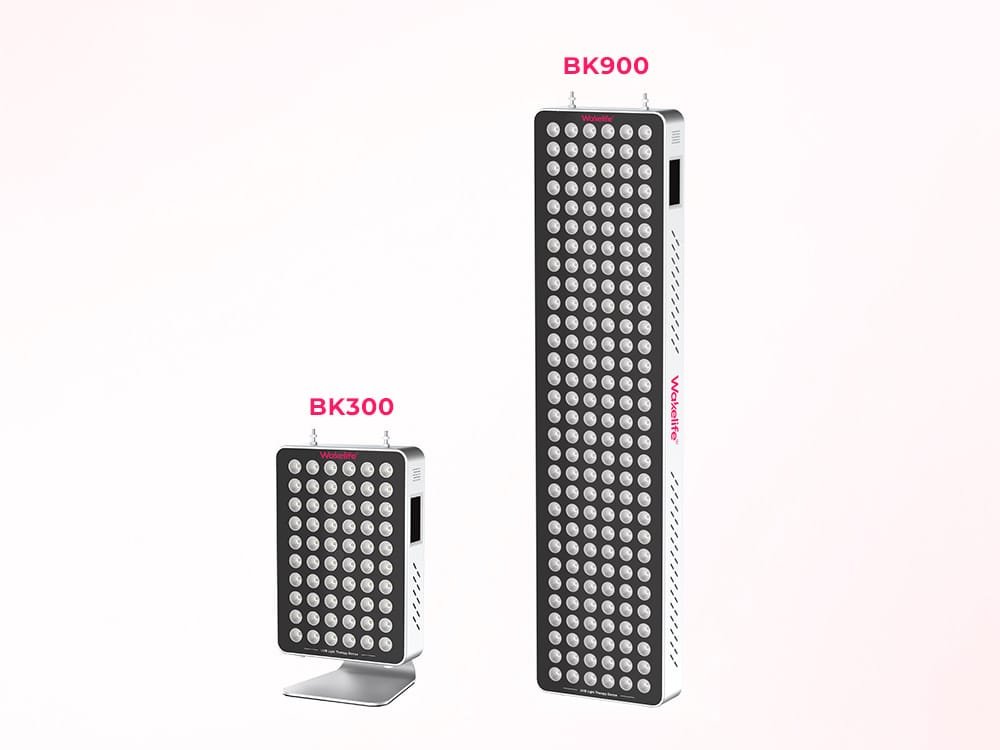
| LEDs | 60 pcs | 180 pcs |
| Irradiance @3in | 130–150 mW/cm² | 160–180 mW/cm² |
| Irradiance @9–12in | 40–60 mW/cm² | 60–80 mW/cm² |
| Dimensions | 320 × 220 × 65mm | 890 × 220 × 65mm |
| Best fit | Entry-level, single-zone, market testing, price-sensitive channels | Professional channels, studio use, premium SKUs, established UVB brands |
| Not for | Half-body coverage, studio-grade positioning | Low-freight market entry, demand testing on a budget |
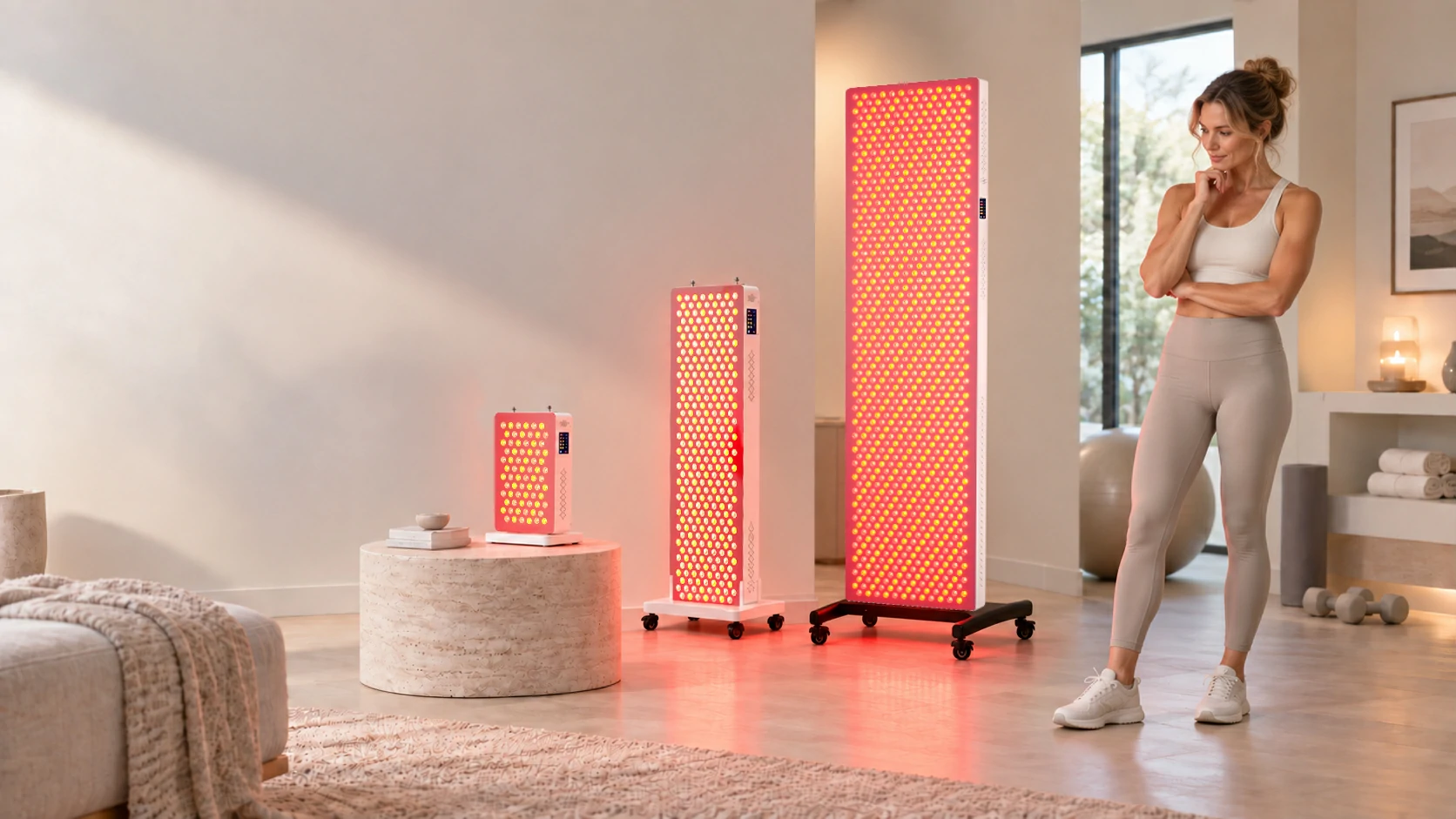
BK300 and BK900 are not the only available formats. Buyers who also need a larger panel with selectable operating zones can compare the complete BK Series UVB panel range, including BK1800.
10. Why the Manufacturing Standard Matters
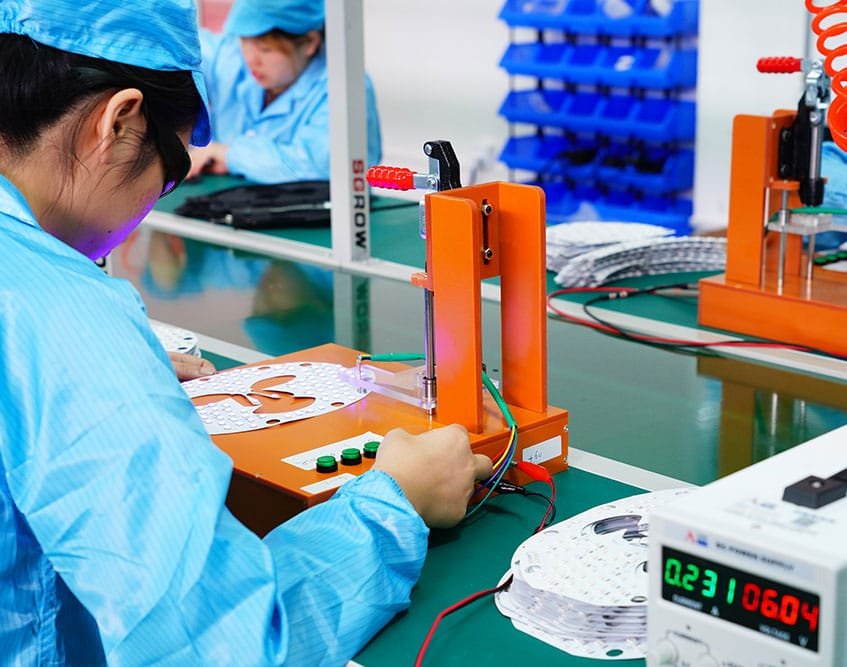
Plenty of suppliers can ship a panel. Fewer can ship one made under a system that regulators and serious retail buyers recognize. The BK900 is produced under an ISO 13485 quality management system, in a facility that is FDA-registered and MDSAP-certified, with the device included in FDA device listing.
It’s worth being precise about what that does and doesn’t mean. The ISO 13485 / MDSAP certification and FDA registration describe the quality system and the facility — the discipline, traceability, and process control behind how the BK900 is built. They are not a substitute for device-specific clearance, and BK900 is not marketed on the basis of any 510(k) clearance. For OEM/ODM partners, the practical benefit is straightforward: you’re sourcing from a manufacturer whose processes are audited to a recognized standard, which makes due diligence, documentation, and downstream compliance far easier to manage.
Customization options span the full OEM/ODM spectrum: logo, color, packaging, touch screen UI, app integration, and wavelength configuration via the M7 Custom mode.
11. Next Step for Buyers
Tell us three things: your target market, the channels you’re selling into (studio? wellness? home?), and your expected volume. We’ll match the right BK model, give compliance guidance, and hand you a deployable content framework. We respond within 24 hours.
Read Next
Reference List
- U.S. FDA — Device Registration and Listing
- U.S. FDA — Premarket Notification 510(k)
- U.S. FDA — 510(k) Premarket Notification Database
- IARC — Monographs Volume 100D: Radiation (UV tanning devices, Group 1)
- WHO — UV Radiation Q&A
- ICNIRP — Guidelines on Limits of Exposure to Ultraviolet Radiation
- Skin Cancer Foundation — UV Radiation (UVA/UVB)
- American Academy of Dermatology — Phototherapy overview
- Almutawa et al. — Efficacy of Localized Phototherapy for Psoriasis, PMC3047947
- Brenner & Hearing — Protective Role of Melanin Against UV Damage, PMC2671032
- NIH Office of Dietary Supplements — Vitamin D (Health Professional Fact Sheet)